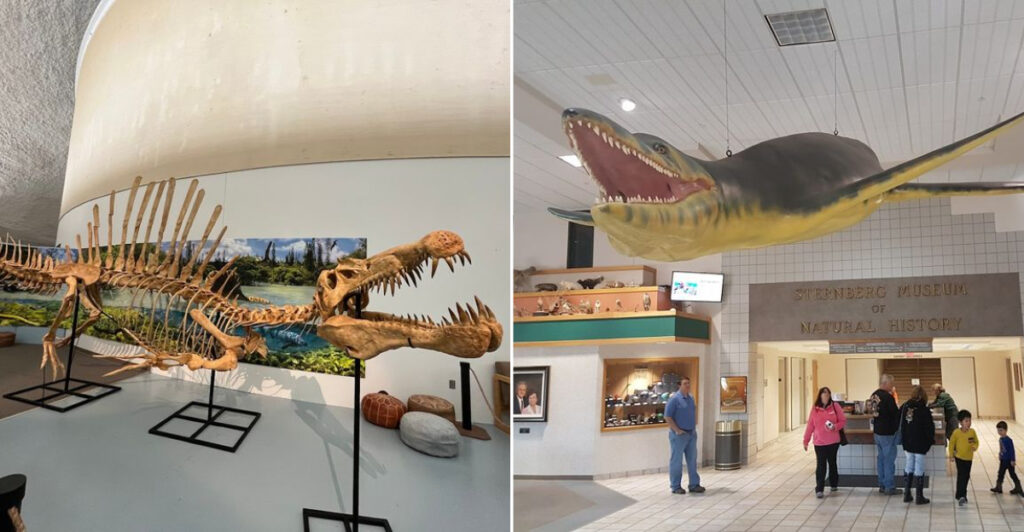
Kansas once had an ocean, and that fact alone is enough to make a museum visit feel wildly more exciting.
A natural history museum filled with fossils, ancient sea creatures, dramatic exhibits, and prehistoric clues can turn the plains into a place of deep-time mystery.
Instead of just looking at bones behind glass, you get a glimpse of a world where massive marine reptiles, strange fish, and ancient life moved through waters that covered the state long before highways, farms, or towns existed.
It is science with a sense of adventure, perfect for curious kids, history lovers, and anyone who likes being surprised by the past.
I have always loved places that completely change how I picture a landscape, and a Kansas museum revealing an ancient ocean would definitely make me see the state differently.
The Western Interior Seaway Once Covered Kansas
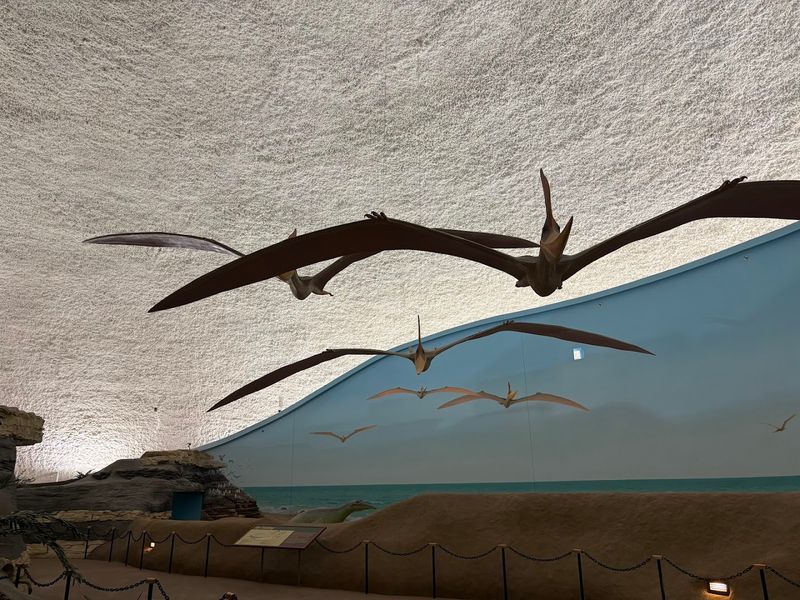
Long before Kansas became famous for wheat and wide-open skies, much of it sat beneath a vast inland sea that shaped the fossils found there today.
The Western Interior Seaway was a shallow but enormous body of water across central North America during the Cretaceous period, when Kansas was part of its seafloor.
This ancient waterway connected northern and southern waters across the continent, and Kansas sat within one of its richest fossil regions.
Enormous marine reptiles, giant fish, turtles, sharks, and flying reptiles helped define this prehistoric world.
The Sternberg Museum of Natural History in Hays does a remarkable job of bringing this vanished seaway back to life through fossils, displays, and immersive exhibits.
Visitors often leave stunned that the flat Kansas plains were once part of a buzzing underwater world. That surprise is a big part of the museum’s appeal.
The Famous Fish-Within-A-Fish Fossil
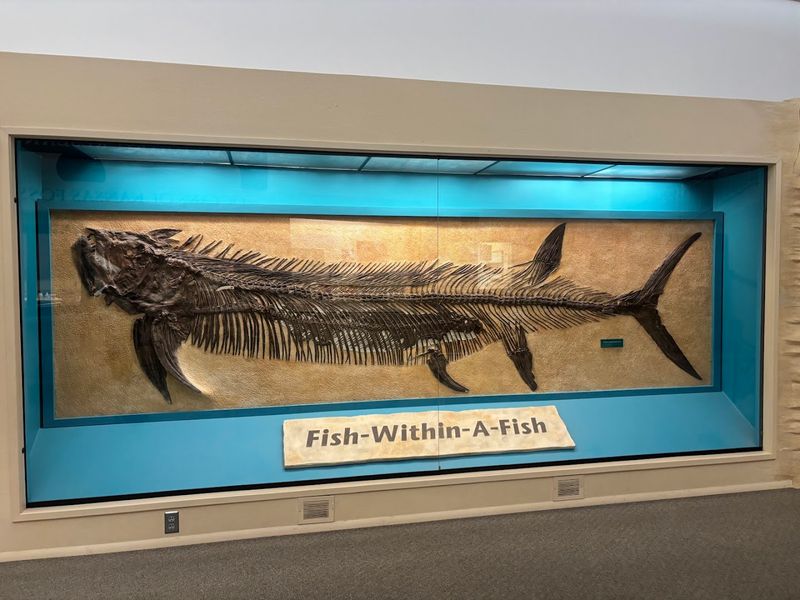
Few fossils anywhere in the world stop visitors cold quite like the Fish-Within-a-Fish specimen at the Sternberg Museum of Natural History.
This extraordinary find shows a roughly 13-foot predatory fish called Xiphactinus with an approximately six-foot Gillicus still preserved inside its body.
The story gets even wilder when you learn that the smaller fish appears to have been swallowed whole, and scientists believe the Xiphactinus may have struggled with the meal and perished shortly after eating it.
It is basically a prehistoric crime scene frozen in stone.
Collected in Gove County, Kansas, in 1952 by the legendary fossil hunter George Sternberg himself, this remarkable specimen is considered one of the most complete fossils ever discovered in the country.
Many visitors call it the single most unforgettable thing they see during their entire trip to the museum.
The Sternberg Family Legacy That Built The Collection
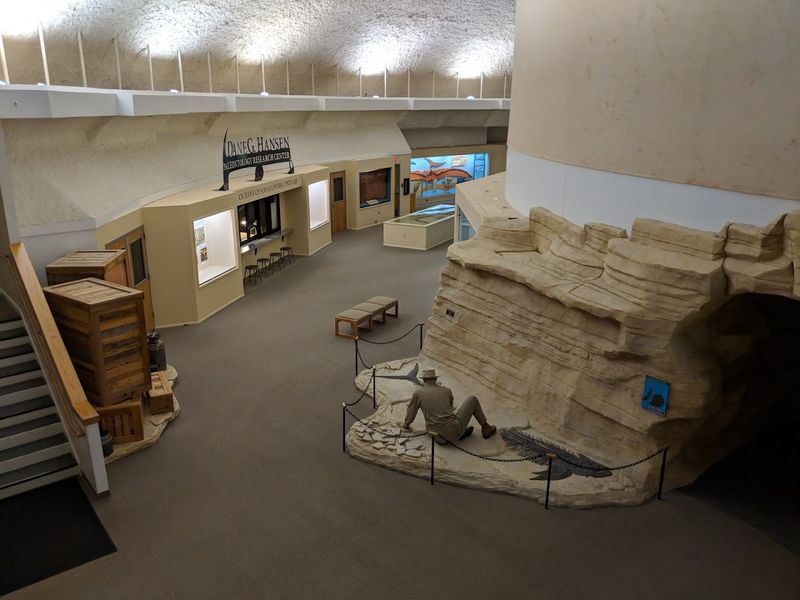
Behind every great museum is a story, and the Sternberg Museum of Natural History carries one of the colorful origin tales in American paleontology. The museum honors the Sternberg family.
Charles H. Sternberg was a self-taught fossil hunter who dedicated his life to digging up prehistoric treasures from the Kansas plains and beyond.
Charles and his three sons, George F., Levi, and Charles Mortram, formed a family fossil-hunting team that supplied specimens to museums across the United States and Europe.
Their work in the late 1800s and early 1900s helped shape what scientists know today about the creatures that roamed and swam through prehistoric North America.
The family connection to Hays runs especially deep, and the museum proudly carries their name as a tribute to generations of dedication.
Walking through the exhibits feels a little like flipping through the pages of a very dusty, very thrilling family scrapbook.
The Dramatic Dome Building And Its Unique Design
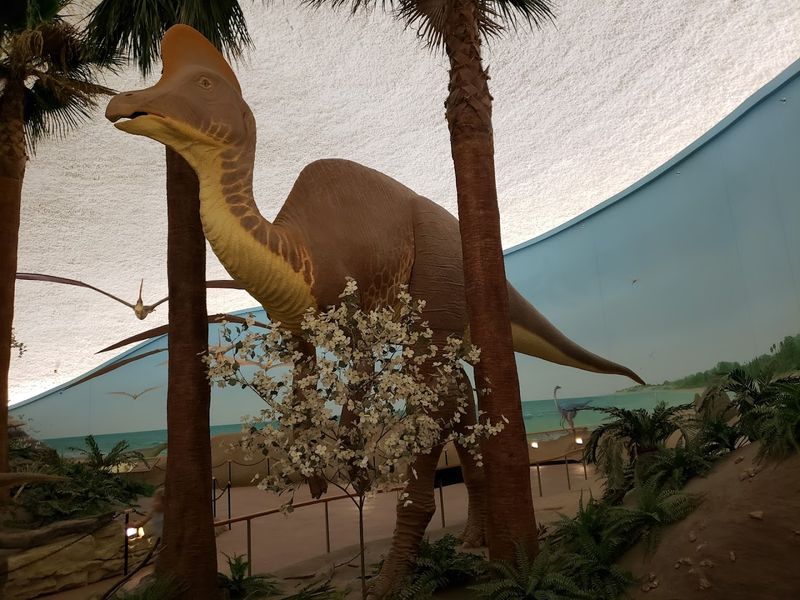
Before you even step inside, the building itself tells you that something unusual is waiting.
The Sternberg Museum of Natural History sits at 3000 Sternberg Drive in Hays, Kansas, and its striking dome-shaped exterior stands out boldly against the flat western Kansas landscape.
the design is not just for show. The dome structure creates a dramatic interior space that feels grand and open, giving the massive fossil displays the room they deserve to make a real visual impact on visitors walking through the front doors for the first time.
The building was originally a private athletic club before Fort Hays State University acquired the dome in 1991, later giving the museum room to grow into a larger public attraction and research space.
First impressions here are more than just skin deep. The unusual setting helps the fossil galleries feel memorable before museum visitors reach the first display.
Live Animals That Share The Space With Ancient Fossils
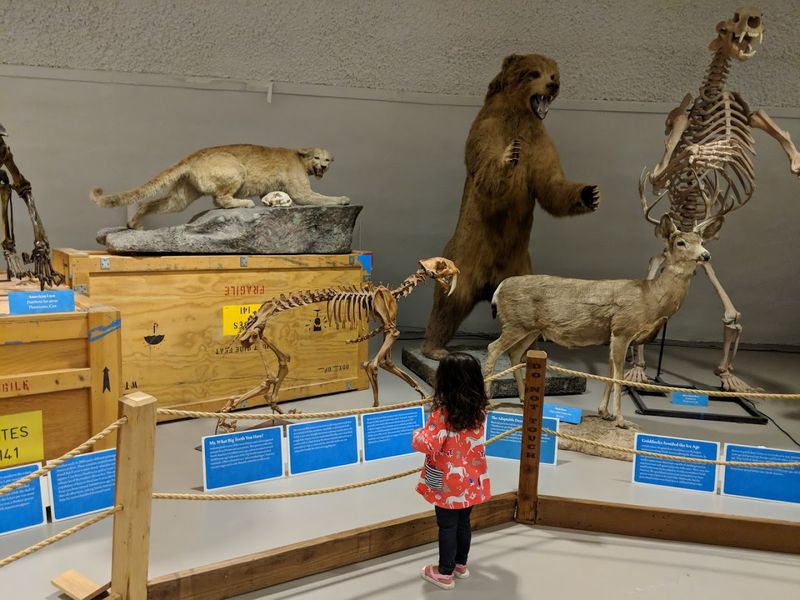
Most natural history museums stick to bones and rocks, but the Sternberg Museum of Natural History takes a livelier approach by housing living animals displayed alongside its prehistoric specimens.
The star attraction among the living residents is Rattlerssss: From Fear to Fascination, an educational exhibit centered on live rattlesnakes, which has become one of the most talked-about features of the entire museum.
The exhibit explains where different rattlesnakes live, how they behave, and what adaptations help them survive.
It creates a genuinely surprising experience where ancient history and modern wildlife share the same space.
For families with kids, the live animal component adds an extra layer of excitement that keeps younger visitors engaged long after the fossils might have started to blur together.
It is the kind of unexpected twist that turns a standard museum visit into something people talk about for years afterward, much like the famous fish fossil does. That balance feels memorable.
The Hands-On Discovery Room For Young Explorers
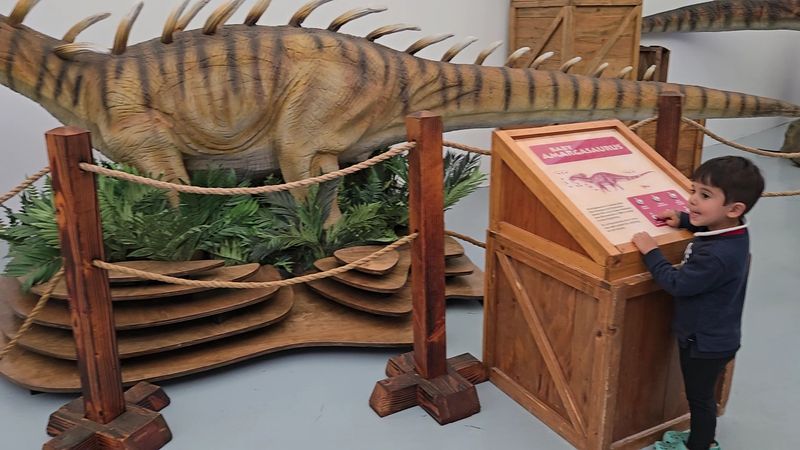
Plenty of museums ask visitors to look but not touch, but the Sternberg Museum of Natural History takes a refreshingly different stance for younger visitors.
The Discovery Room is a dedicated hands-on space where kids can handle fossil replicas, explore specimens up close, and engage with science in a way that feels more like play than a classroom lesson.
Parents consistently mention this room as a highlight, with several noting that their children spent more time here than anywhere else in the building.
The combination of tactile activities and educational content hits a sweet spot that keeps attention spans locked in.
Interactive learning spaces like this are what separate a truly great museum from a simple display hall, and the Sternberg team clearly understands that.
Children who get to touch, sort, and examine real or replica specimens are far more likely to walk away genuinely curious about science and natural history.
The Replicated Fossil Dig Site Experience
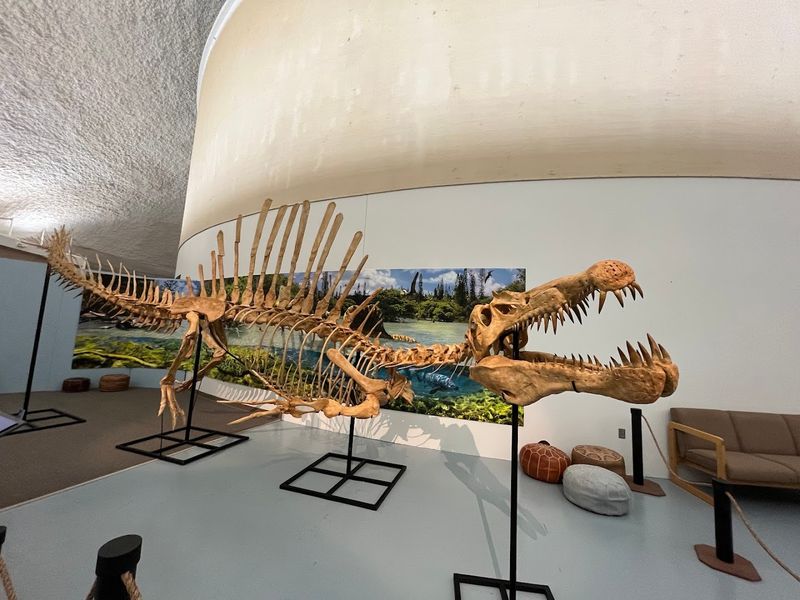
There is something deeply satisfying about pretending to be a paleontologist, and the Sternberg Museum of Natural History gives visitors a chance to do exactly that.
The museum features a replicated fossil dig site where guests can get hands-on with the process of excavating specimens, mimicking the real fieldwork that the Sternberg family made famous across the Kansas plains.
Kids absolutely go wild for this feature, and honestly, so do many adults who were apparently just waiting for an excuse to crouch down and dig around in the dirt with a brush.
The activity connects the theoretical side of paleontology with a physical experience that makes the science feel real and immediate.
It also builds a genuine appreciation for how painstaking and careful the actual fossil-hunting process really is.
After spending even a few minutes at the dig site, you start to understand why uncovering something like the Fish-Within-a-Fish specimen is considered such a monumental achievement in the field.
Dinosaur Exhibits That Bring The Cretaceous To Life
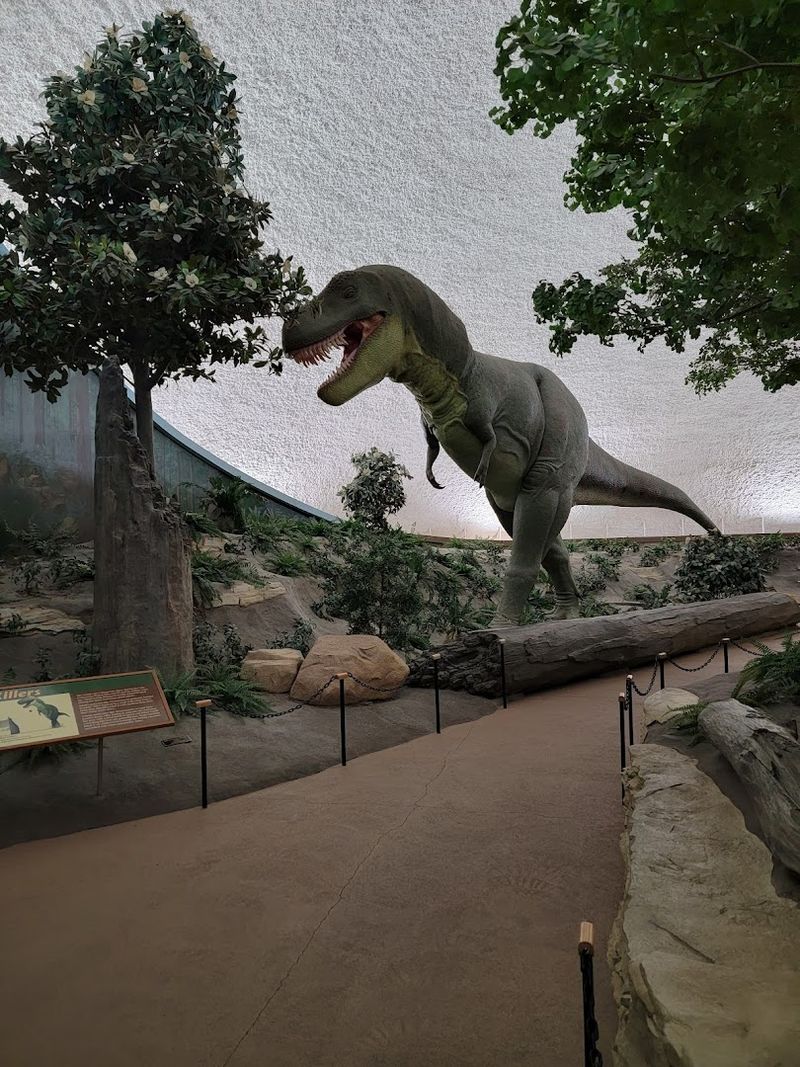
While the marine fossils get a lot of attention, the dinosaur exhibits at the Sternberg Museum of Natural History hold their own with impressive authority.
Full skeletal displays and detailed reconstructions give visitors a front-row seat to creatures that thundered across the land surrounding that ancient inland sea during the Cretaceous period.
A T-Rex display is among the crowd favorites, and the museum has featured animatronic elements in the past that brought an extra jolt of wow-factor to the experience.
The exhibits are designed to be both scientifically informative and visually striking, with placards that encourage visitors to think critically about what the fossil evidence actually tells us.
One reviewer noted that the informative signs teach kids to think like scientists, which is a genuinely impressive compliment for a regional natural history museum.
The dinosaur section alone is worth the drive to Hays, especially for families who have young enthusiasts obsessed with anything that roamed the Cretaceous landscape.
Fort Hays State University Roots And Academic Backbone
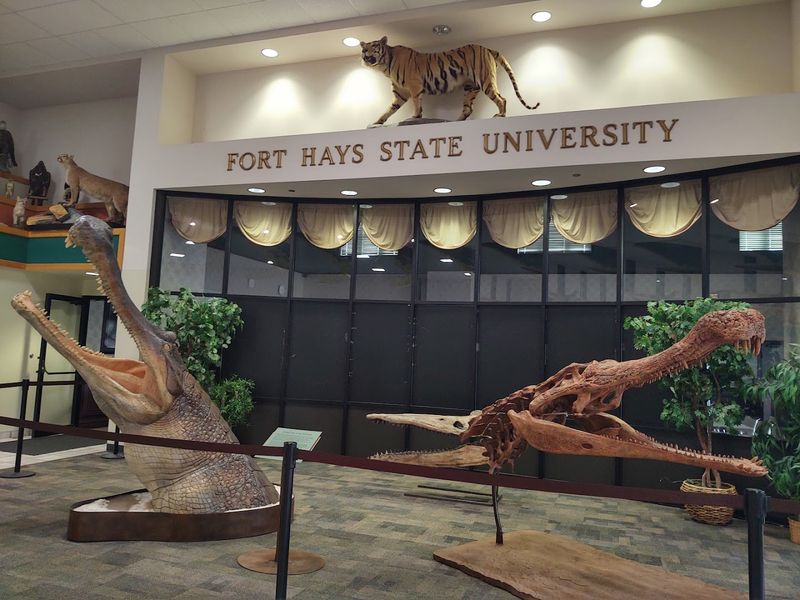
The Sternberg Museum of Natural History is not just a public attraction but a working academic institution affiliated with Fort Hays State University.
This connection gives the museum a research-driven foundation that sets it apart from many smaller regional museums, ensuring that the collections are actively studied and that new discoveries continue to be made.
University-affiliated museums tend to have deeper collections, more rigorous curation, and staff who are genuinely passionate about the science rather than just the spectacle.
That academic backbone shows in the quality of the exhibits and the depth of information provided throughout the museum floor.
Students from Fort Hays State University have contributed to fieldwork, collections management, and research projects tied to the museum over the years.
It creates a living relationship between education and public engagement that benefits both the university community and the thousands of curious visitors who pass through the doors each year from across Kansas and well beyond state lines.
Planning Your Visit To Sternberg Museum In Hays, Kansas
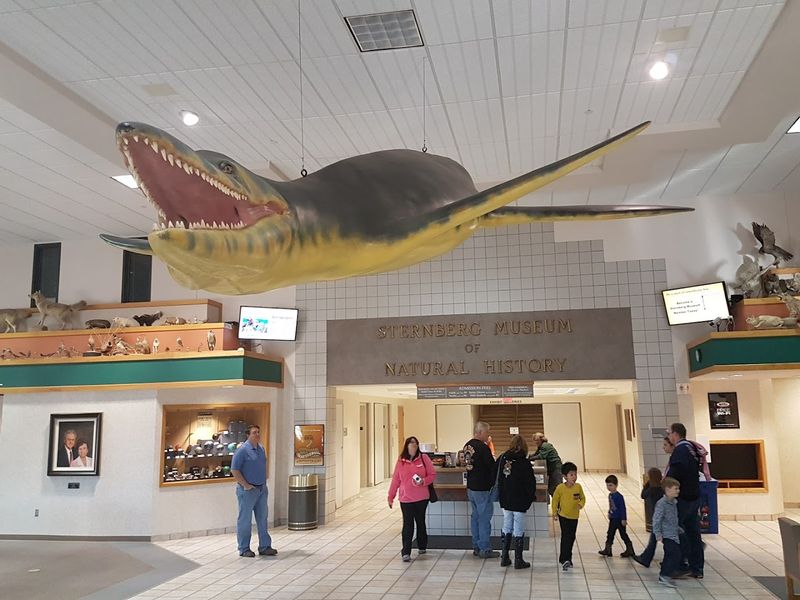
Getting the most out of a trip to the Sternberg Museum of Natural History starts with a little planning, and the good news is that it is a rewarding destination.
The museum is located at 3000 Sternberg Drive in Hays, Kansas, near Interstate 70, making it a natural stop for road-trippers crossing the state.
Hours vary by season: March through September, the museum opens Monday through Saturday from 9 AM to 6 PM and Sunday from 1 to 6 PM; October through February, it is closed Mondays.
Most visitors report needing at least two hours to do the museum justice, and families with children often find themselves staying even longer.
The gift shop is a genuine crowd-pleaser on the way out, stocked with fossil replicas, science kits, and souvenirs that make the prehistoric memories last long after the drive home.