
Georgia has been holding out on you. Not the Atlanta traffic and beach resort weekends, but the streets lined with antebellum porches, feral chickens with local ordinance protection, three-state lakes, and a tiny town where a president went to heal.
Nine towns, all flying completely under the tourist radar, all quietly beloved by the people lucky enough to know them. You will find Walking Dead filming locations, world-class bass fishing, literary pilgrimages, ancient swamps, and one of the most moving reconciliation stories in American history.
Georgia keeps these places close for a reason. The locals are not complaining about the low profile, but the word is officially out and every single one of these towns is worth the drive.
1. Senoia
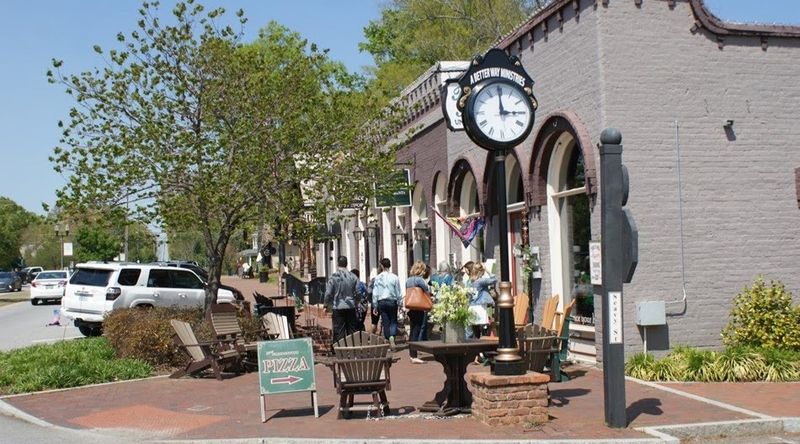
Fans of post-apocalyptic TV drama will recognize the streets here immediately. Senoia, Georgia, earned its pop culture fame as the primary filming location for “The Walking Dead,” and the downtown still carries that cinematic energy.
Walking the same sidewalks that appeared on screen is a genuinely surreal experience.
But Senoia is far more than a TV set. The historic downtown is lined with locally owned boutiques, cozy restaurants, and carefully preserved buildings that tell a story stretching back well over a century.
Brick facades and wraparound porches give the town an authentically Southern feel that no studio could fake.
Weekends bring a steady flow of in-the-know visitors who browse the shops, grab a bite, and soak up the laid-back pace. The community here takes real pride in keeping things genuine.
Events throughout the year bring neighbors together in a way that bigger cities rarely manage.
First-time visitors usually end up staying longer than planned. The town pulls you in quietly and comfortably.
Senoia is located in Coweta County, about 30 miles south of Atlanta, at Senoia, GA 30276.
2. Thomasville
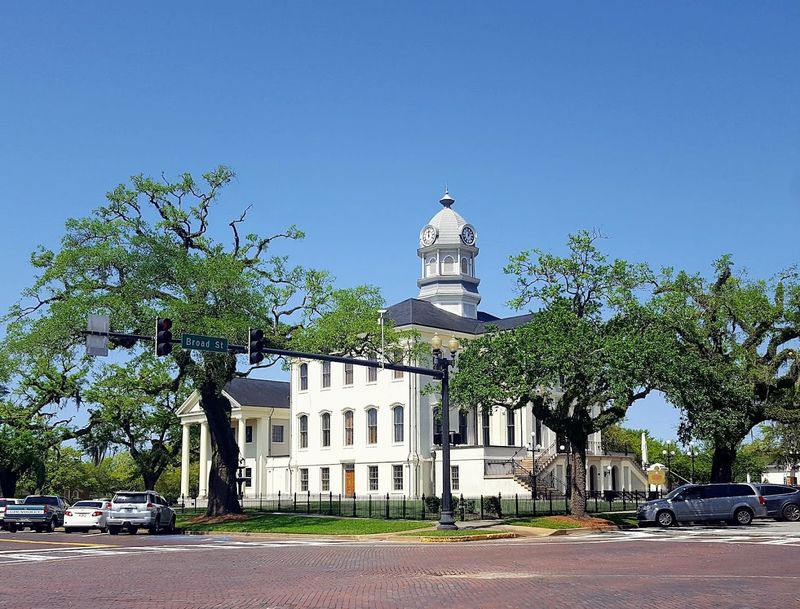
Every spring, this South Georgia town erupts in color. Thomasville is famous across the state for its beloved Rose Festival, a tradition that draws flower lovers and curious travelers who somehow still manage to keep this place off the mainstream radar.
The Thomasville Rose Garden is a living centerpiece that locals treat as a point of genuine civic pride.
Beyond the roses, the walkable downtown delivers a satisfying mix of local dining, independent shops, and a historic business district that feels unhurried and real. The architecture here is worth slowing down for, with well-kept Victorian and antebellum buildings lining streets that reward an afternoon stroll.
History runs deep in Thomasville. Pebble Hill Plantation offers a fascinating window into the region’s past, while the Jack Hadley Black History Museum provides important cultural context that enriches any visit.
These are not tourist traps. They are honest, well-maintained spaces that locals genuinely value.
The Southern hospitality here is not performative. Conversations start easily, and strangers quickly feel like regulars.
Thomasville sits in Thomas County in southwest Georgia, and it rewards every traveler who makes the effort to find it.
3. Madison
Could a single street change your entire opinion of small-town America? Madison, Georgia, just might pull that off.
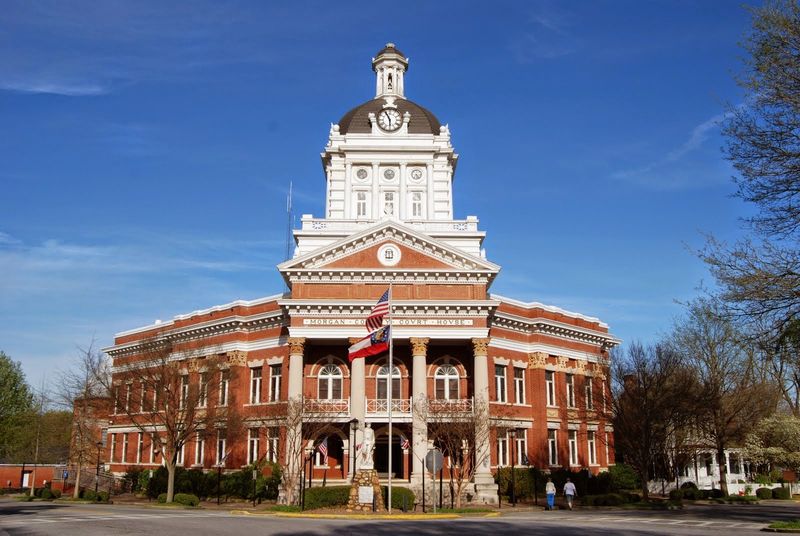
Widely nicknamed the “Prettiest Small Town in Georgia,” this Morgan County community is packed with beautifully preserved antebellum homes, Greek Revival architecture, and a historic district that feels almost too picturesque to be real.
The Madison-Morgan Cultural Center anchors the town’s arts scene, offering rotating exhibits and community programming that punches well above its small-town weight. Heritage Hall adds another layer of history, giving visitors a tangible connection to the 19th century.
These are not dusty relics. They are active, living parts of the community.
Madison is home to one of the country’s earliest certified Forest Therapy Trails, a meditative, sensory-rich walk through the woods that is completely different from typical hiking. That trail offers a meditative, sensory-rich walk through the woods that is completely different from typical hiking.
It is slow, intentional, and surprisingly restorative.
Farmers markets, antique stores, and locally owned boutiques round out a town that manages to feel both historic and vibrantly current at the same time. Madison is located along U.S.
Highway 441 in Morgan County, at Madison, GA 30650, about an hour east of Atlanta.
4. Eatonton
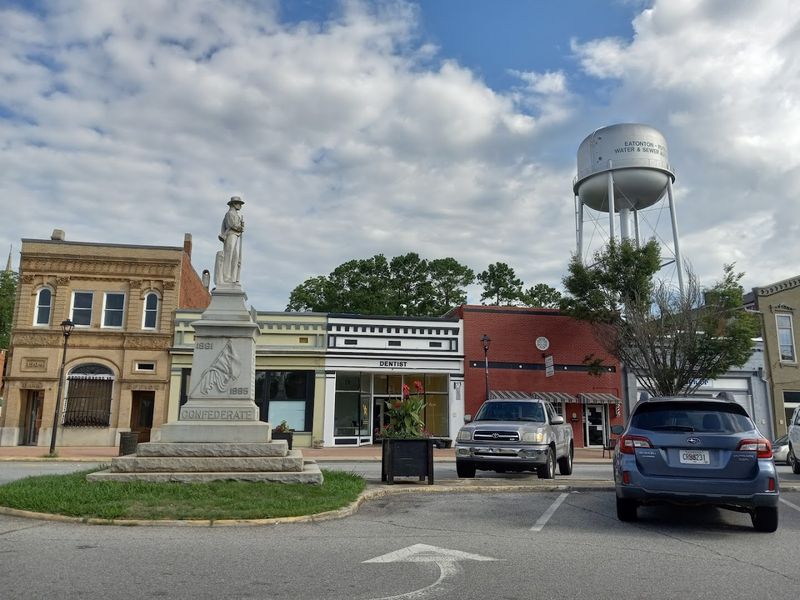
Literary history and folk art collide in one of Georgia’s most underappreciated small towns. Eatonton is the birthplace of two celebrated American authors, including the creator of the beloved Brer Rabbit stories, and the town wears that legacy with genuine enthusiasm.
A life-size Brer Rabbit statue in the town square is one of those unexpected delights that makes you smile before you even realize it.
The Putnam County seat has a creative, unhurried energy that artists and writers seem to gravitate toward naturally. Local galleries and community murals give the downtown area a colorful personality that stands apart from more polished destinations.
This is a town that celebrates storytelling as a core part of its identity.
Lake Oconee sits just minutes away, offering boating, fishing, and waterfront relaxation for those who want to complement a cultural visit with some outdoor time. The combination of lake access and small-town charm makes Eatonton genuinely versatile as a destination.
Locals here are proud of their town in a quiet, unpretentious way. They will point you toward the good spots without hesitation.
Eatonton is located in Putnam County, in central Georgia, at Eatonton, GA 31024, roughly midway between Atlanta and Augusta.
5. Warm Springs
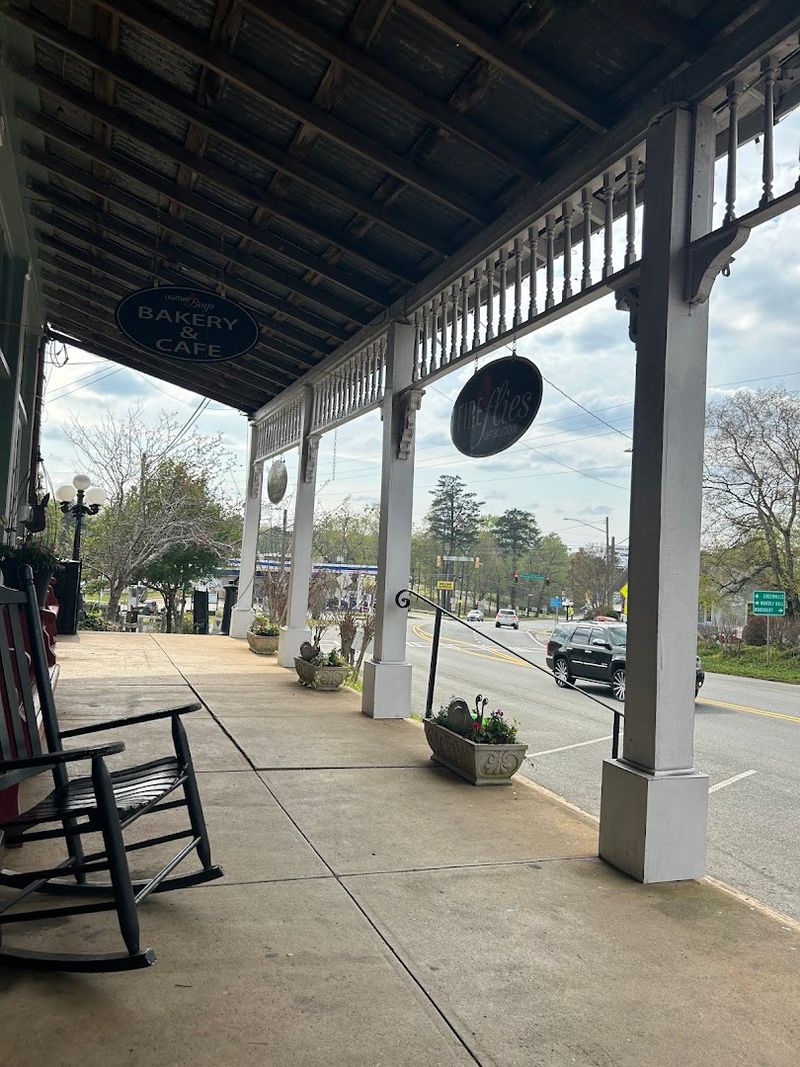
History quietly lives in every corner of this small town. Warm Springs, Georgia, is best known as the place where President Franklin D.
Roosevelt sought relief from polio in the natural warm mineral springs that gave the town its name. The Little White House, his personal retreat, still stands preserved exactly as he left it and remains one of the most quietly moving historic sites in the entire South.
The town itself is compact and walkable, with a charming main street that features galleries, studios, and small shops run by local artisans. The creative community here has grown steadily over the years, giving Warm Springs a dual identity as both a history destination and an arts retreat.
That combination is genuinely rare in a town this size.
The surrounding landscape adds to the appeal. Rolling hills, tall Georgia pines, and the peaceful atmosphere of Meriwether County create a backdrop that encourages visitors to slow down and actually breathe.
This is not a place you rush through.
Warm Springs rewards visitors who take their time and look closely. Every building has a story.
The town is located in Meriwether County at Warm Springs, GA 31830, about 70 miles southwest of Atlanta.
6. Folkston

The edge of one of North America’s largest blackwater swamps starts right here. Folkston serves as the eastern gateway to the Okefenokee National Wildlife Refuge, a sprawling, ancient ecosystem that feels genuinely prehistoric.
Cypress trees draped in Spanish moss rise from dark, tannic water, and the wildlife density here is extraordinary.
Alligators, sandhill cranes, black bears, and hundreds of bird species call the Okefenokee home. Guided boat tours and canoe trails allow visitors to move quietly through this living wilderness in a way that feels more like exploration than tourism.
The experience is humbling in the best possible sense.
Folkston itself is a small, friendly Charlton County town that embraces its role as a launching point for swamp adventure. The famous Folkston Funnel also draws a devoted community of train enthusiasts, as one of the busiest rail corridors in the eastern United States runs right through town.
The viewing platform near the tracks has become a surprisingly social gathering spot.
Two completely different worlds collide here in the best way. Ancient wilderness meets small-town Southern hospitality without any awkwardness.
Folkston is located in Charlton County in extreme southeast Georgia, at Folkston, GA 31537, near the Florida state line.
7. Milledgeville
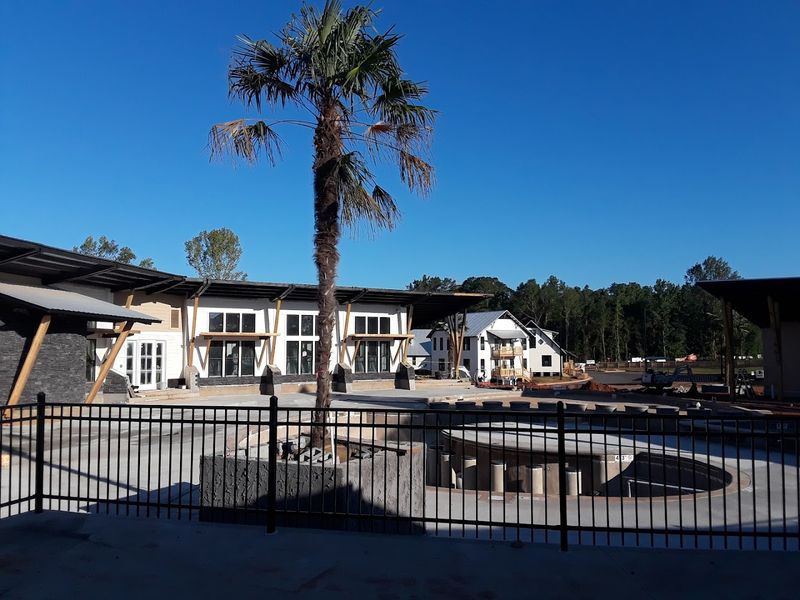
Before Atlanta, before Sherman, there was Milledgeville. This Baldwin County city served as Georgia’s state capital for over 60 years, and that political heritage left behind an architectural legacy that still defines the downtown streetscape today.
The Old State Capitol building, a striking Gothic structure, anchors a historic district that is genuinely impressive in scope.
Milledgeville is also deeply connected to American literary history as the longtime home of celebrated author Flannery O’Connor. Her family farm, Andalusia, is open for tours and provides a fascinating look into the world that shaped some of the most distinctive fiction in 20th-century American literature.
For book lovers, this stop alone justifies the trip.
Georgia College, located right in the heart of town, gives Milledgeville a youthful, creative energy that balances the weight of all that history. Local coffee shops, bookstores, and eclectic restaurants cater to a community that values both the past and the present in equal measure.
Lake Sinclair nearby adds outdoor recreation options for those who want to pair cultural exploration with time on the water. Milledgeville sits in Baldwin County in central Georgia and is one of the state’s most historically significant cities, consistently flying under the tourist radar.
8. Fitzgerald
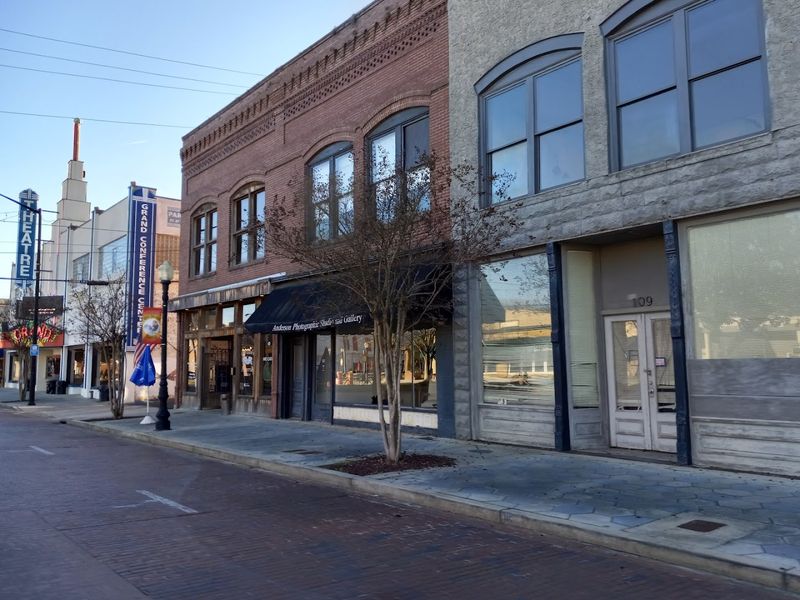
Wild chickens roam free here, and somehow that is the least surprising thing about Fitzgerald. This Ben Hill County town has one of the most unusual origin stories in the entire state.
Founded in the 1890s as a planned colony for Union veterans of the Civil War settling in the South, Fitzgerald was deliberately designed as a place of reconciliation. That history gives the town a strangely optimistic character that still lingers.
The Blue and Gray Museum reflects that founding story with genuine care, presenting artifacts and narratives from both sides of the Civil War conflict in a way that prioritizes understanding over division. It is a small museum with an outsized emotional impact.
Local visitors often describe it as one of the most thought-provoking stops in south Georgia.
As for those chickens, a population of feral birds believed to have escaped from a local hatchery has roamed the streets for decades. They are protected by local ordinance and have become an unofficial mascot for the town.
Tourists who stumble upon them are usually delighted and completely unprepared.
Fitzgerald has a warm, quirky personality that is entirely its own. It rewards curious travelers who enjoy history with a side of the unexpected.
Find it in Ben Hill County at Fitzgerald, GA 31750, in south-central Georgia.
9. Bainbridge
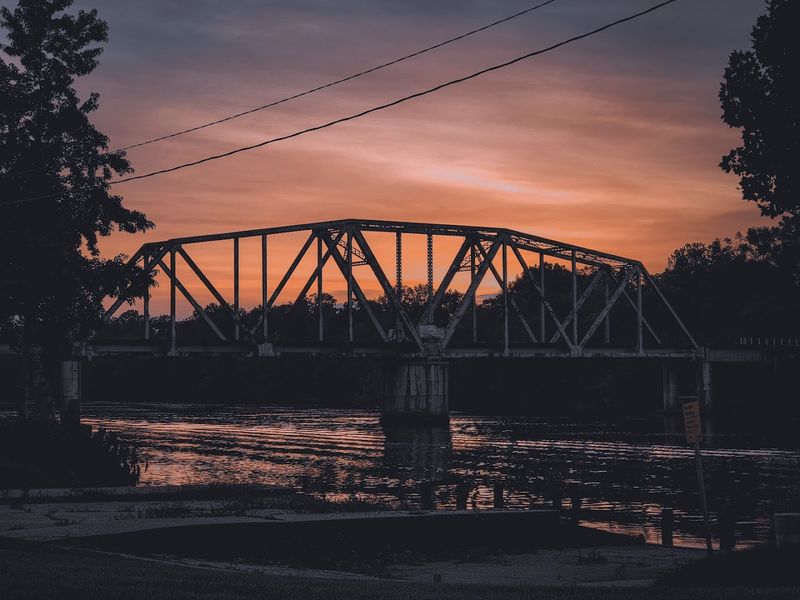
Southwest Georgia keeps this one close to its chest. Bainbridge sits along the Flint River in Decatur County and serves as the gateway to Lake Seminole, a sprawling reservoir that borders Georgia, Florida, and Alabama simultaneously.
That geographic quirk alone makes it a genuinely interesting destination for anyone who likes the idea of standing at a three-state convergence point.
Lake Seminole is a serious destination for bass fishing enthusiasts, consistently ranked among the top fishing lakes in the southeastern United States. The calm, shallow waters also make it ideal for kayaking and wildlife watching.
Great blue herons, osprey, and the occasional bald eagle are regular sightings along the shoreline.
Downtown Bainbridge has a quiet dignity about it. The Willis Park area features a beautifully maintained town square with mature oak trees and historic buildings that reflect the city’s long-standing role as a regional commercial hub.
It feels lived-in and authentic rather than curated for visitors.
The local food scene leans into classic south Georgia cooking with unpretentious, satisfying results. Bainbridge is the kind of town where the regulars at the diner know your order by your second visit.
Located in Decatur County in southwest Georgia, Bainbridge delivers far more than its low profile suggests.