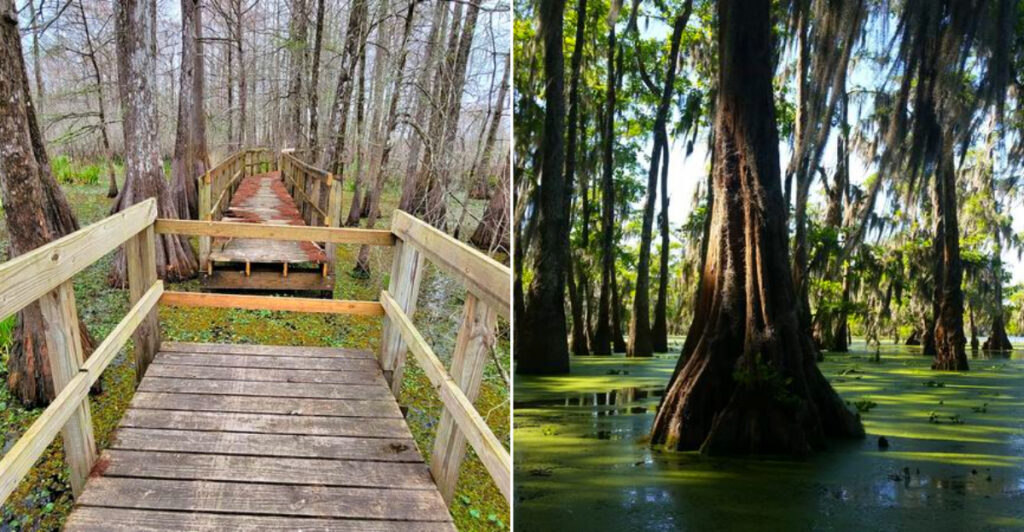
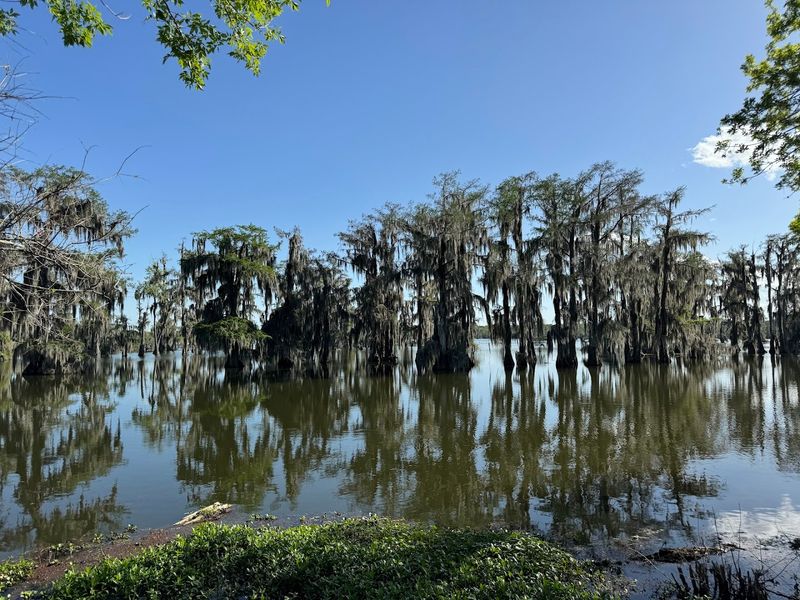
Some places call themselves parks, then quietly reveal they are older, stranger, and more patient than your whole itinerary. The road narrows, the trees gather, and Spanish moss hangs like the swamp hired a stage designer with excellent taste.
What starts as a simple stop becomes a slow reading lesson in water, roots, bird calls, and damp green silence.
Ancient cypress, moss-draped trails, Louisiana wildlife, wetland history, and respectful swamp wandering make this quiet preserve a powerful day trip for curious travelers.
Go lightly here. Bring bug spray, decent shoes, and the kind of attention that notices ripples before reaching for a camera.
The beauty is not polished, it is layered, muddy, breathing, and very much alive.
Move slowly, keep your distance from wildlife, and let the place set the pace. Some landscapes entertain you.
This one seems to remember everything before you arrived, and probably after you leave, too.
Arrive With Patience
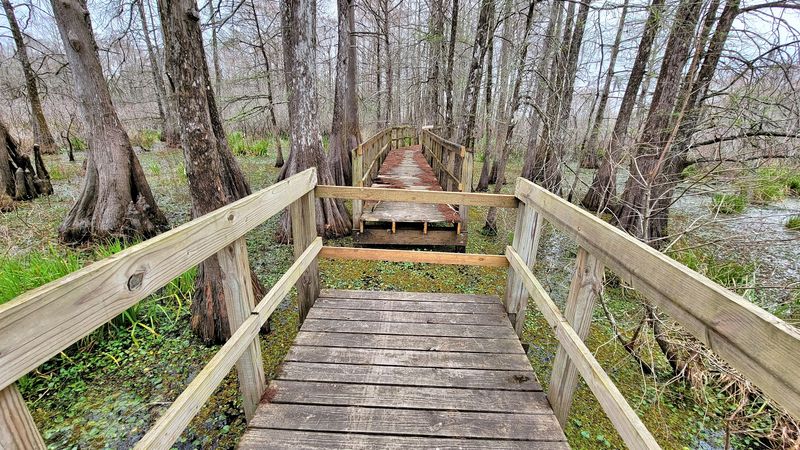
The drive to the preserve is part of the mood; narrow rural roads, potholes and quiet farm shoulders remind you that this is still rural Louisiana. Allow extra time for navigation because GPS sometimes aims for closed service roads rather than the visitor parking at 1264 Prairie Highway.
Expect slow arrival times and a relaxed pace once you park. That is part of the point.
Plan to arrive early in the day when birds are active and temperatures are cooler. Weekdays are quieter than weekends, and volunteer staff at the information hut can steer you to open levee sections.
Bring water and sensible shoes for uneven surfaces and occasional boardwalk repairs.
Where The Swamp Begins To Take Over
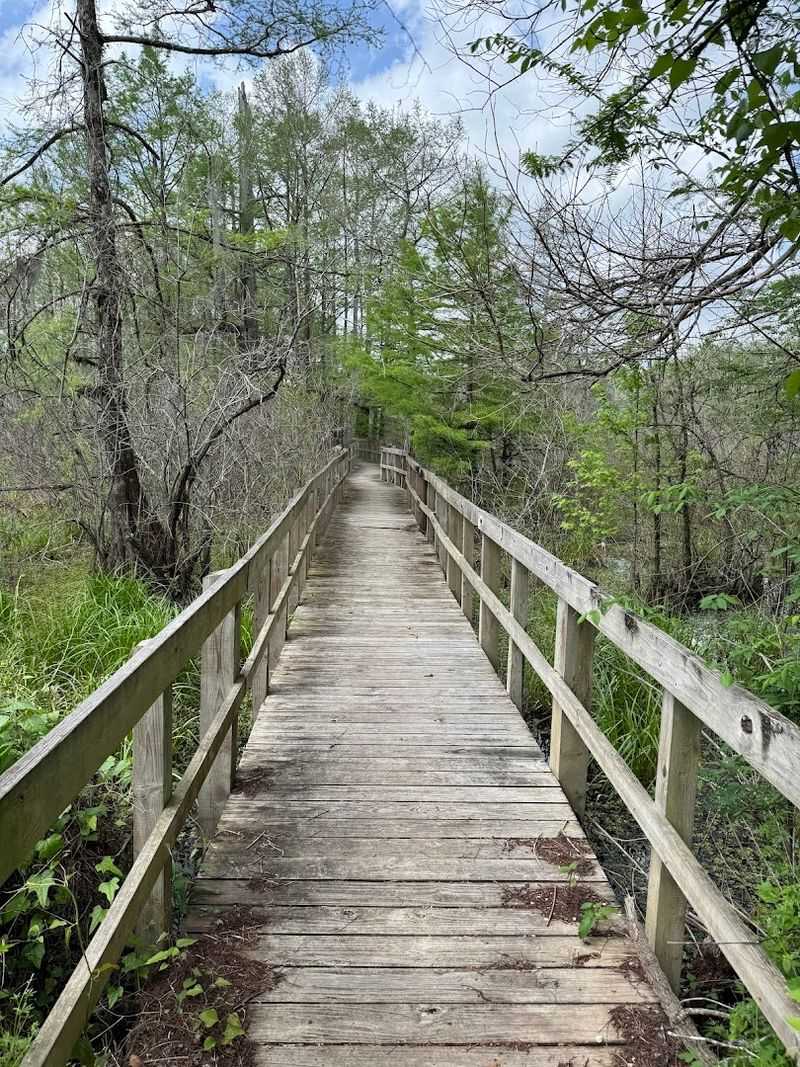
Cypress Island Preserve at Lake Martin, 1264 Prairie Highway, St. Martinville, LA 70582, is the kind of place where the drive starts feeling swampy before you fully arrive.
Prairie Highway brings you in with flat road, open sky, and that slow Louisiana feeling where the trees seem to gather closer with every mile.
Park, step out, and let the pace drop immediately. This is not a place to rush into, it is a place to approach quietly, like the cypress trees have been expecting you.
Expect Boardwalk Work
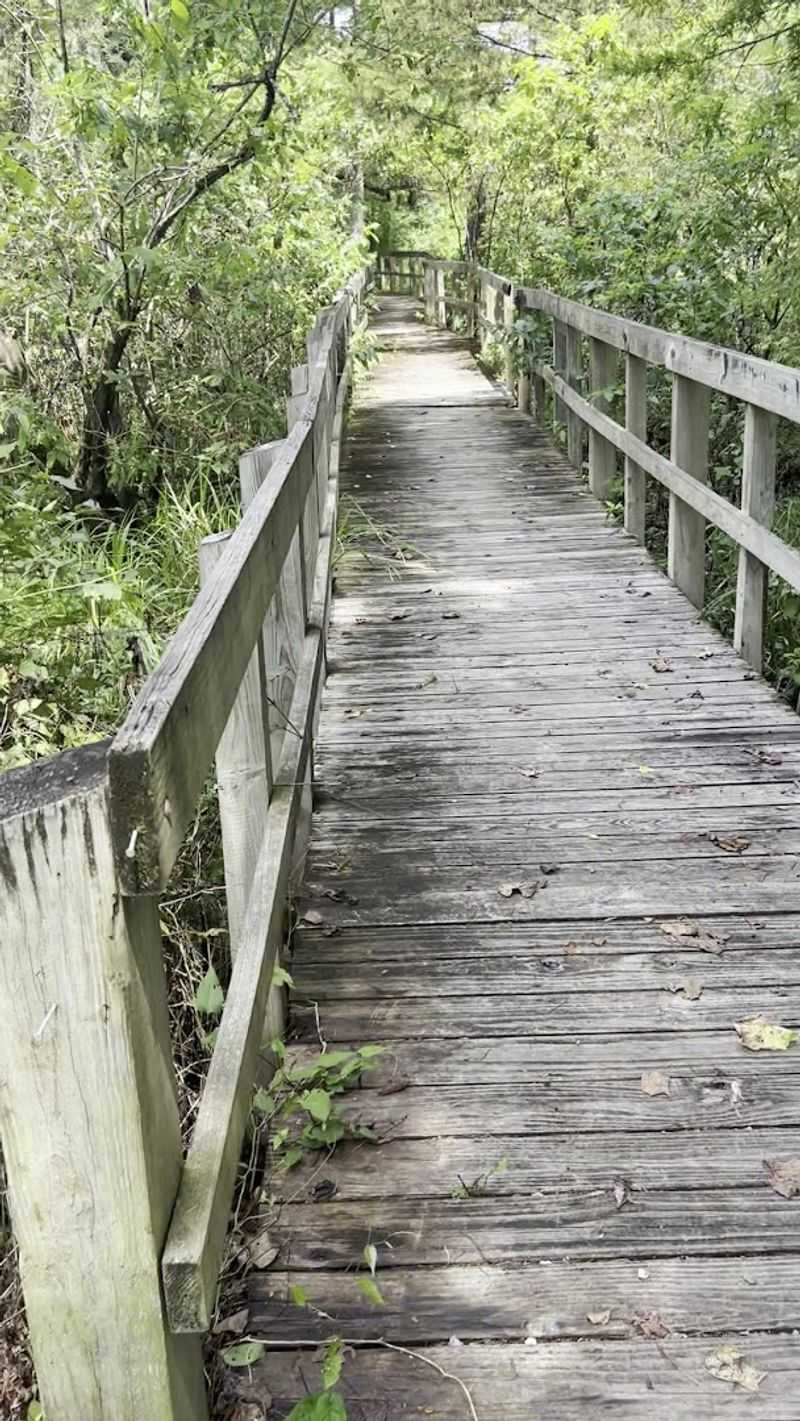
The boardwalk has been under intermittent repair for several seasons and some sections remain closed or blocked for safety reasons. Recent visitor reports note rotted boards and temporary closures; the preserve has publicly acknowledged phased replacement projects.
That means your typical gentle boardwalk wander might be limited to short stretches near the visitor center, with longer walking done on the levee trail instead.
Before you count on a full loop, call the preserve at the listed number to confirm current access. If you prefer a long uninterrupted wooden boardwalk, consider postponing until renovations conclude.
Otherwise the levee loop still provides excellent swamp immersion and wildlife viewing without the risk of damaged planks.
Use The Levee Trail
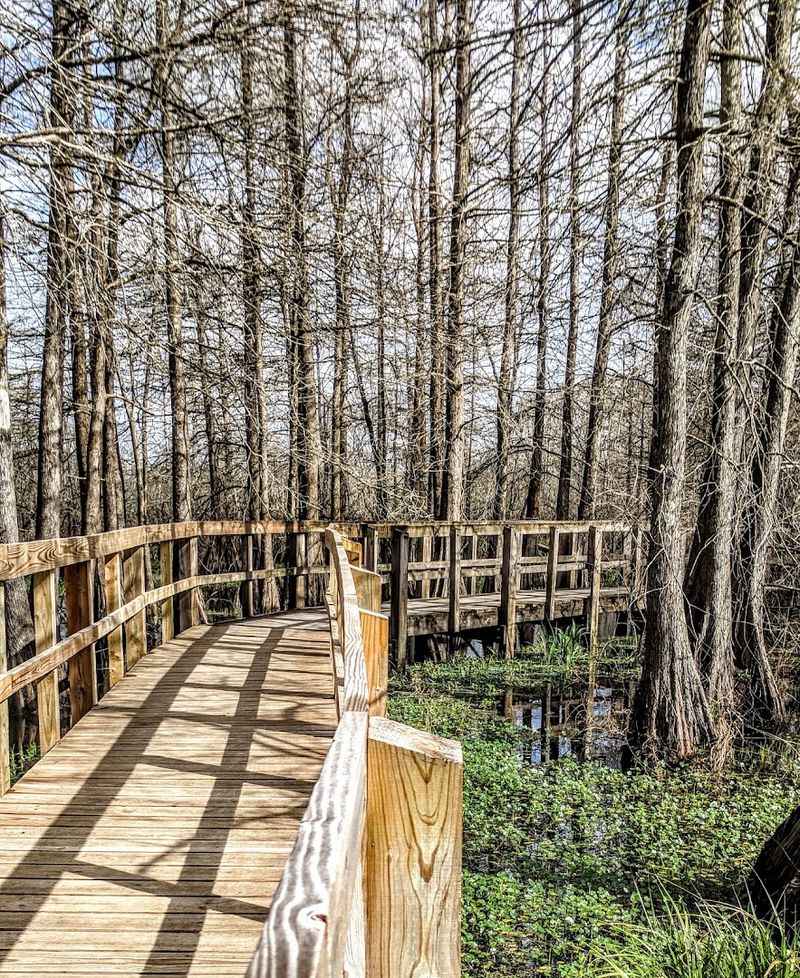
The levee loop is the preserve’s most reliable trail when boardwalk sections are limited; its wide, relatively even surface makes it stroller and bike friendly for sections of the route. The path opens to lake vistas where cypress knees puncture reflective water, offering close encounters with visible wildlife like turtles, herons and sometimes alligators sunning near the bank.
Wear supportive shoes and expect exposed sun on portions that leave tree shade. The levee trail can be wet or muddy after heavy rains so quick-dry socks and a spare pair of shoes in the car are wise.
Pack binoculars to catch distant rookery activity without getting too close.
Bring Bug-Smart Gear
Bugs are part of swamp life and can shape your enjoyment if you come unprepared; expect mosquitoes especially at dawn and dusk plus persistent gnats in some months. Lightweight long sleeves and insect repellent with DEET or picaridin help keep you comfortable without interfering with photos.
A brimmed hat and sunglasses also make swatting less of a distraction when birds or light reflections demand attention.
Consider bringing a small, scent-free towel to wipe sweat and a ziplock for used tissues. In my experience a modest investment in bug-aware clothing transforms a buggy morning into a memorable wildlife-spotting session.
Keep repellents off camera lenses and binocular optics to avoid residue.
Watch For Alligators Safely
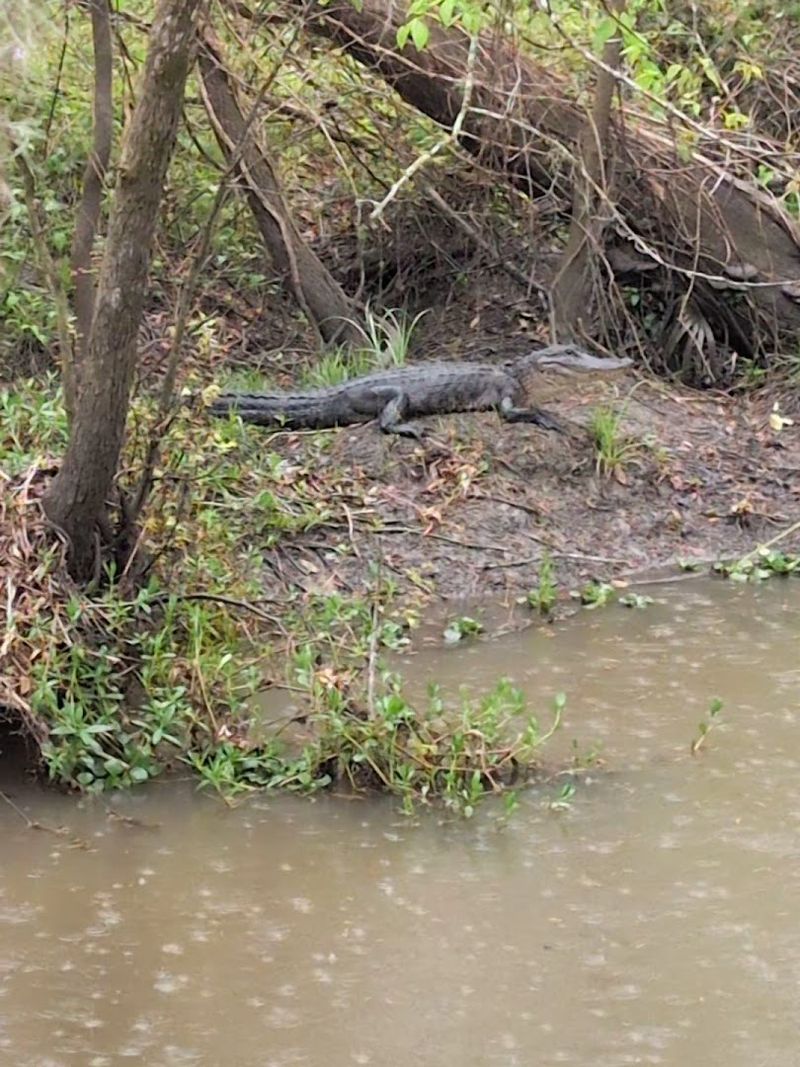
American alligators are abundant at Lake Martin and frequently visible from the levee and boat approaches, but they are wild animals that deserve caution and distance. Stay on designated trails, do not approach the waterline with small children, and never feed wildlife.
Alligators will usually retreat if given space, and that respectful buffer yields better, more natural viewing opportunities.
If you kayak or boat from permitted launch points, follow posted safety rules and give nesting sites room, especially between June and September when adults can be more protective. Keep pets leashed and out of the water, and always secure food and trash to avoid attracting animals to human areas.
Take A Guided Boat Tour
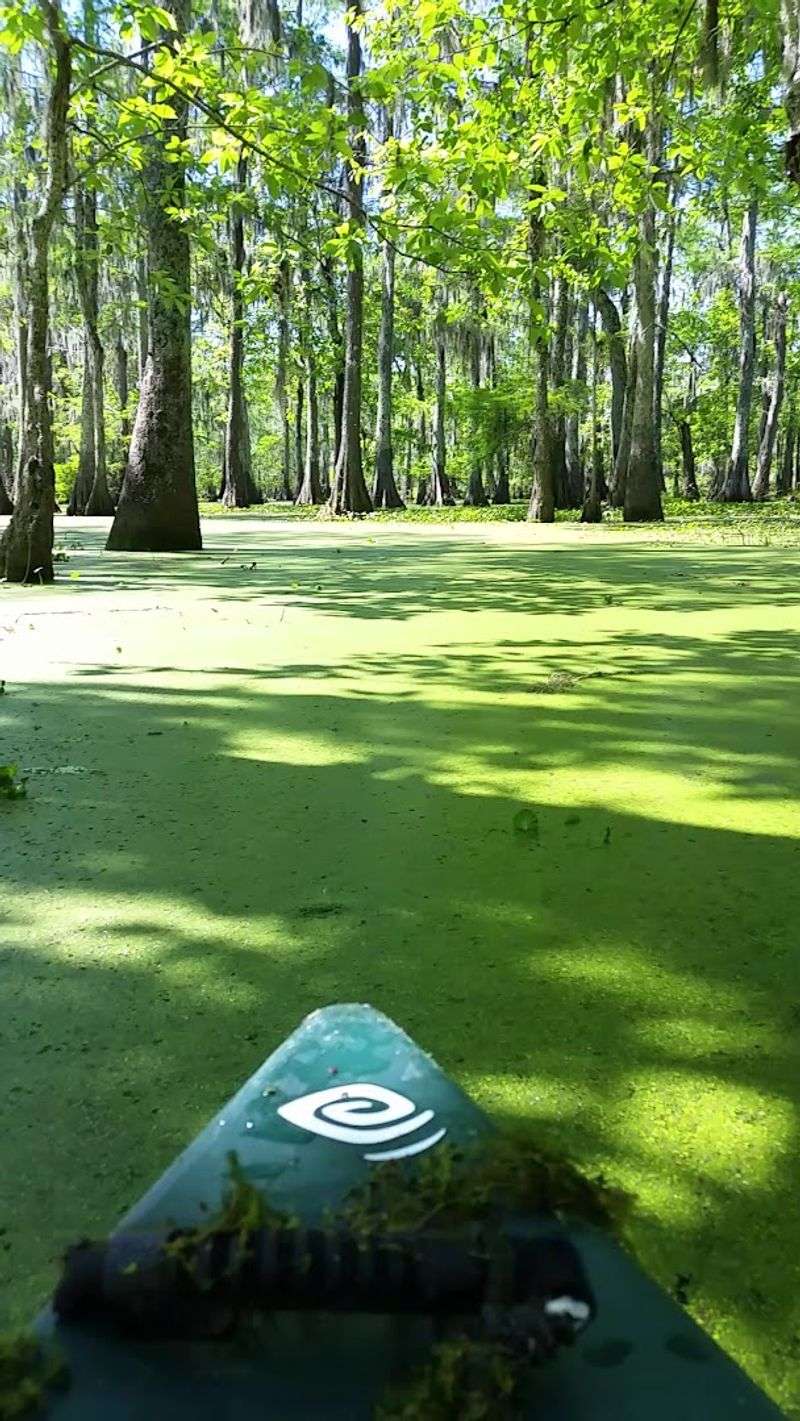
A guided swamp or boat tour from nearby commercial operators gives different vantage points than the preserve trails and often reaches open water where large trees and rookeries are easier to appreciate. Local guides bring ecological context and stories about Bayou Chene and the human history that shaped the region.
Tours can reveal roseate spoonbills, great egrets and nesting colonies in ways that are hard to replicate on foot.
Book in advance during spring rookery season and ask about group size and motor type for quieter wildlife encounters. Bring a polarized lens or sunglasses to reduce glare and conserve battery power for long lenses and phones.
Tours vary by operator, so compare recent reviews and itineraries for the best fit.
Honor Local History
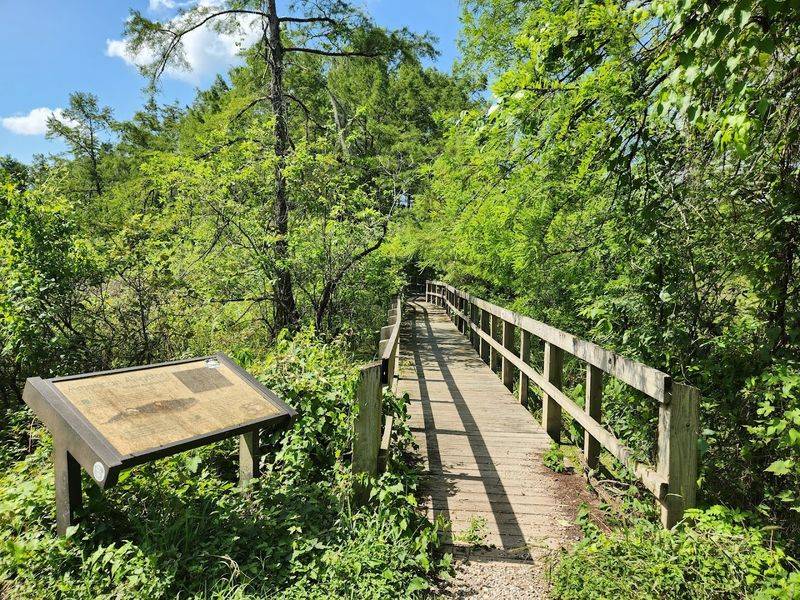
The preserve occupies a landscape that remembers human livelihoods once tied to the swamp, communities like Bayou Chene and small, self-sufficient settlements that adapted to shifting water and levee projects. Lake Martin’s transformation in the mid-20th century changed hydrology and human access, and interpreting panels at the preserve touch on those shifts.
Understanding that human story deepens appreciation for why this place is protected today.
Take time to read site panels or ask volunteers about historical context. The Nature Conservancy’s stewardship is part of a longer arc of land use and conservation; that perspective helps you see the swamp as both living habitat and cultural memory.
Treat the stories with the same quiet reverence you give the trees.
Photograph With Care
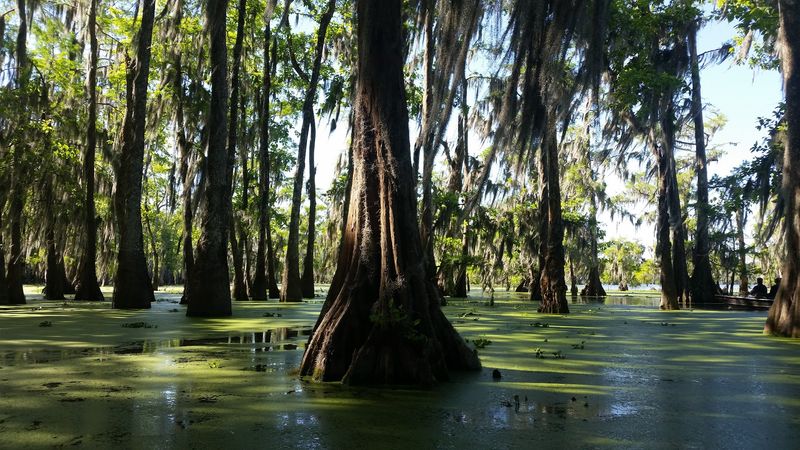
Photography here is rewarding but requires restraint; stepping off paths for a closer angle can damage fragile root mats and disturb nesting birds. Use a telephoto lens rather than approaching nests or dense vegetation, and set a low-impact tripod footprint when on the levee.
Early morning and late afternoon light make for the richest color palettes and active bird behavior without harsh midday glare.
Keep gear dry and secure as swamp humidity can mist lenses and accelerate corrosion. Carry lens cloths, spare batteries, and a protective rain cover for sudden showers.
When sharing shots on social media, avoid revealing exact nest locations to protect sensitive wildlife.
Use Local Guidance
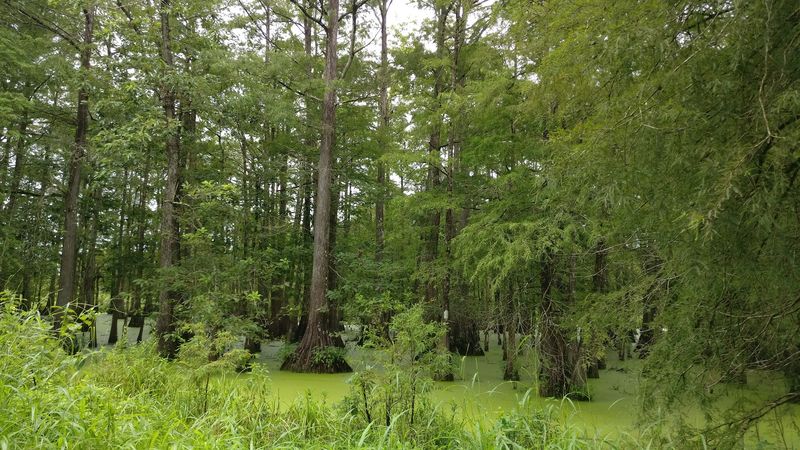
Volunteers staffing the visitor center are a valuable on-site resource who often know which trails are open, where recent bird activity occurred and what hazards to avoid. A quick conversation can save time and point you to the best nearby vantage points or boat-launch suggestions.
They also know about restroom and picnic pavilion availability, which matters for a comfortable visit.
Call ahead if you need current details, since volunteer schedules vary and some services may be momentarily unstaffed. If you arrive when the center is closed, posted maps and signs still provide useful orientation.
Leave polite notes or donations to appreciate local stewardship if a volunteer helped your visit.
Plan For Seasonal Textures
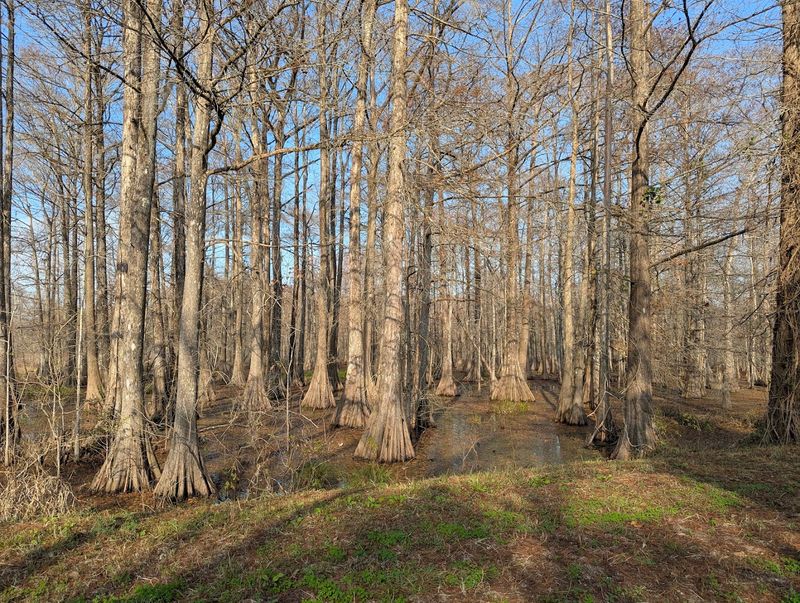
The preserve shifts dramatically by season. Winter exposes more shoreline and reveals tree bases and cypress knees, spring brings explosive bird breeding activity and migrating species, and summer saturates the canopy with dense green growth and frog choruses.
Seasonal conditions affect accessibility too; heavy rains can flood parts of the levee and make some trails muddy, while drier months reveal more walking surface.
Match your visit goals to the season; birders aim for late winter through spring, photographers often prefer the clear light of winter, and quiet autumn walks reward with fewer insects. Check recent reports or call ahead for current trail conditions before you head out.
Leave No Trace, Simple Ethics
The preserve’s ecosystems are delicate and recovering; leave no trace principles are not just ethics here but practical conservation. Pack out what you bring, stow snacks and trash securely, and avoid picking plants or disturbing animal nests.
Small actions from each visitor help maintain habitat quality for the thousands of birds, turtles and other species that depend on Lake Martin’s swamp.
Use restroom facilities when available and follow posted rules about pets and fires. If you notice damaged infrastructure or safety hazards, report them to the preserve staff so repairs can be prioritized.
Quiet observation and careful stewardship keep this forgotten world available for future visitors and for wildlife.