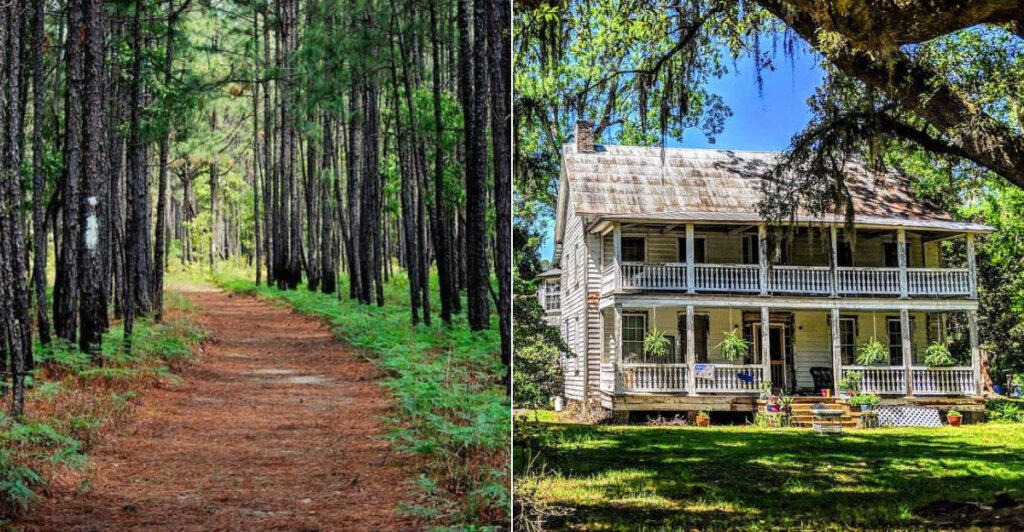
Salt air has a way of slowing everything down.
This tiny South Carolina village makes that slower pace feel like the whole point of the trip. Shrimp boats rest near the water.
Mossy oaks shade quiet roads. Weathered docks give the coastline a calm, lived-in beauty that feels far from the usual beach crowds.
This is the kind of stop made for travelers who need a softer day. Wander near the creek.
Watch the boats. Enjoy the simple pleasure of having nowhere urgent to be.
The charm here is not loud, and that is exactly why it works.
South Carolina still has coastal places where life moves gently and visitors can actually breathe. This village offers salt air, local character, and a peaceful break that feels good from the first turn off the main road.
A Town Born From Rice
McClellanville did not start as a fishing town. It began as a summer escape for wealthy rice planters from the Santee Delta in the late 1860s, who came here chasing cooler coastal breezes and quieter days.
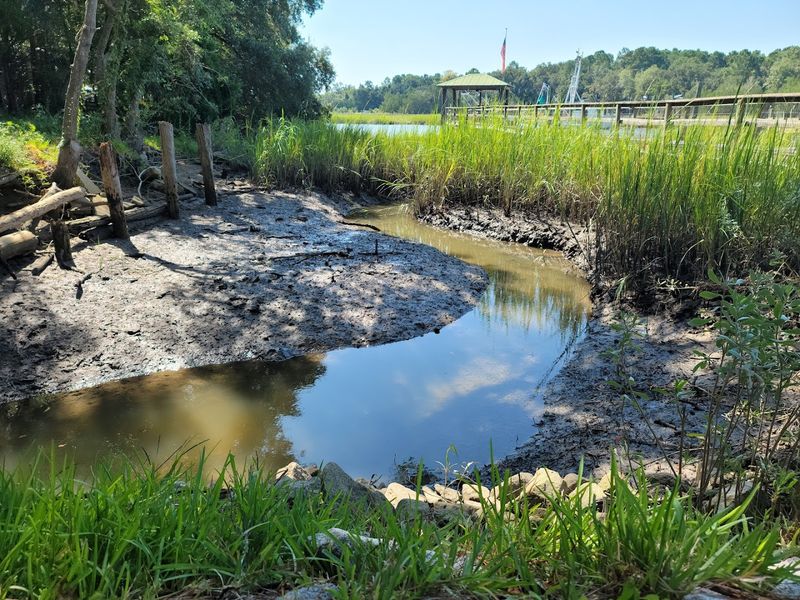
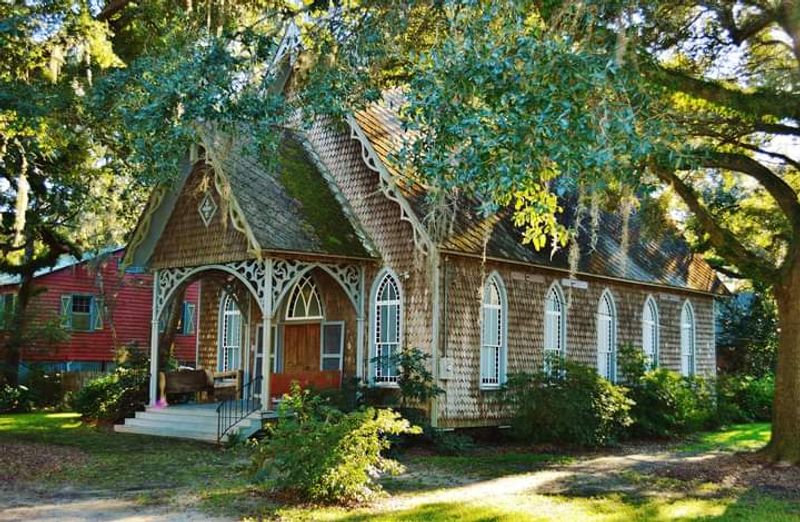
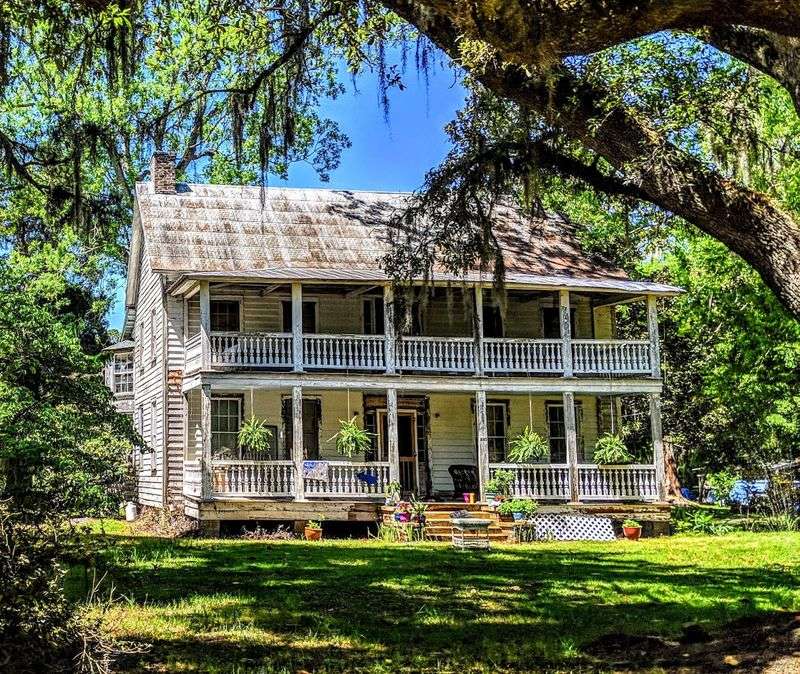
Those planters built wide-porch homes along Pinckney Street, the main road through town. Many of those same homes are still standing today, shaded by live oaks that were already old when the town was new.
Walking down Pinckney Street feels like flipping through a history book, except the pages are made of cypress wood and hand-laid brick. The architecture is simple, honest, and beautiful in a way that does not try too hard.
The Village Museum preserves the full story, from the early Sewee Indian settlements all the way through the seafood era that defined the town for generations. Visitors say the museum is small but surprisingly moving.
South Carolina has dozens of historic towns, but few have held onto their original character the way McClellanville has. Have you ever walked through a place and felt like time just forgot to keep moving?
That is exactly what Pinckney Street delivers, one mossy oak at a time.
The Deerhead Oak Story
Some trees are just trees. The Deerhead Oak is something else entirely.
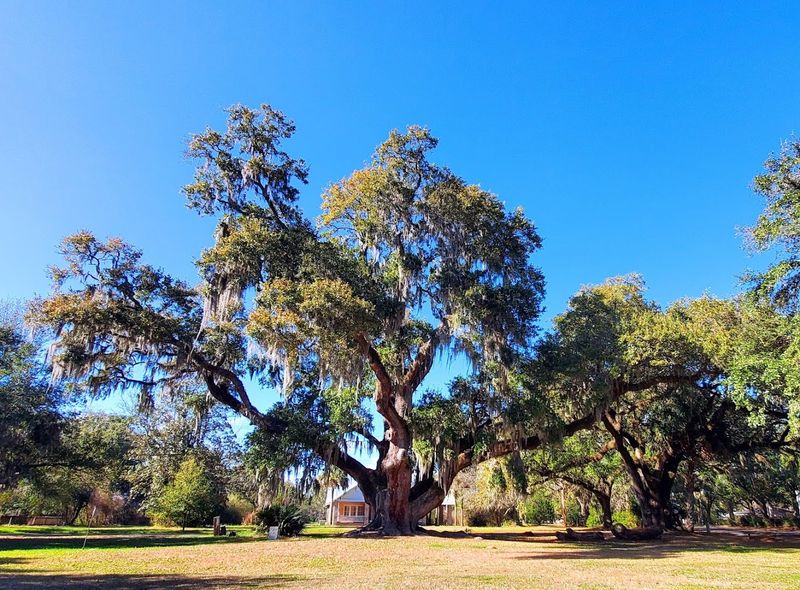
Standing for over 1,000 years, this ancient live oak is so important to McClellanville that it appears on the town’s official seal.
Its branches spread wide enough to cover a small parking lot, and its roots look like they have been gripping the earth since before the town had a name. Locals treat it with the kind of quiet reverence usually reserved for landmarks twice its size.
The Deerhead Oak is not behind a fence or surrounded by a gift shop. It just stands there, doing its thing, the way it has for ten centuries.
That accessibility says everything about how McClellanville treats its treasures.
Photographers love this tree. Families sit beneath it.
Kids climb it when no one is watching. It is the kind of landmark that does not need a sign to tell you it matters.
South Carolina is full of beautiful old trees, but this one carries a weight that goes beyond beauty. Could a single tree really capture the soul of a town?
Stand under the Deerhead Oak for five minutes and you will have your answer.
Shrimp Boats And Salt Air
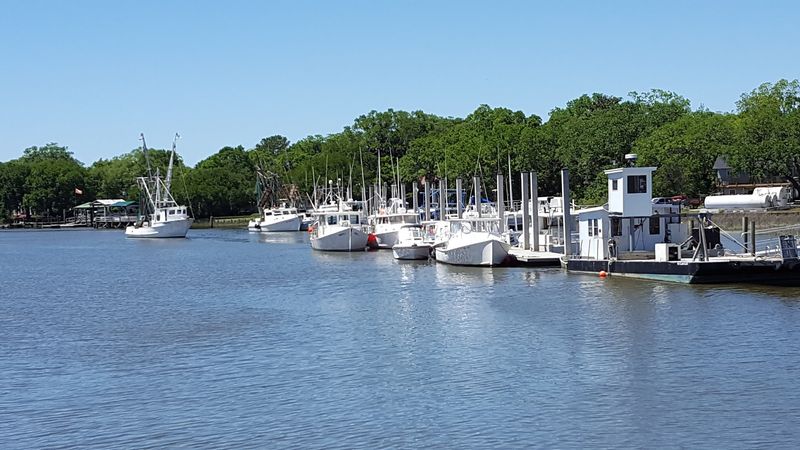
The shrimp boats come in slow and steady, nets dripping, hulls low in the water. This is not a postcard scene.
This is a working waterfront, and it has looked roughly the same for over a hundred years.
McClellanville is one of the last true commercial shrimping villages on the East Coast. The local economy has run on shrimping, fishing, and oystering for generations, and the people here are genuinely proud of that.
Every year on the first Saturday of May, the town holds the Lowcountry Shrimp Festival and Blessing of the Fleet. It is a celebration of the water, the work, and the community that keeps it all going.
Visitors say it feels less like a festival and more like being invited to a family reunion.
Fresh shrimp here tastes different. Local visitors will tell you that without hesitation.
When the catch comes straight off the boat to your plate, there is no comparison to anything you find at a grocery store.
Have you ever eaten shrimp that was caught the same morning? McClellanville is one of the few places in South Carolina where that is still a regular Tuesday.
Come hungry and stay for the stories the fishermen tell at the dock.
Bulls Island Wild Side
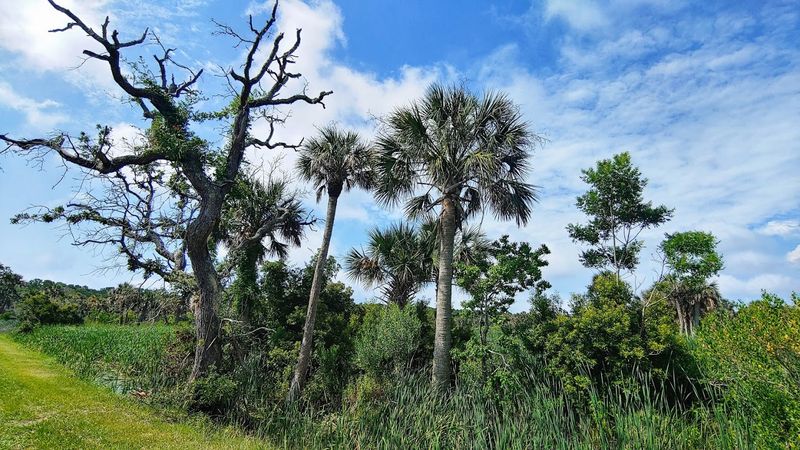
Not far from McClellanville, a ferry ride takes you to one of the most remarkable wild places on the entire East Coast. Bulls Island is part of the Cape Romain National Wildlife Refuge, and it covers 5,000 acres of pure, untouched coastal landscape.
Boneyard Beach is the star attraction. Bleached tree trunks rise from the sand like sculptures, the result of saltwater slowly reclaiming the shoreline over decades.
It is eerie, gorgeous, and completely unlike any other beach in South Carolina.
The island hosts over 275 bird species, sea turtles, dolphins, and more wildlife than most national parks three times its size. Birders travel from across the country just to spend a morning here with binoculars and a packed lunch.
There are no hotels, no concession stands, and no crowds. You bring what you need and take only photographs.
The ferry schedule keeps visits intentional and unhurried, which fits the McClellanville vibe perfectly.
Could a place with no Wi-Fi signal actually give you more than a week at a resort? Bulls Island makes a strong case.
Pack your curiosity and leave your expectations at the dock, because this island rewrites what a beach day can be.
Francis Marion Forest Trails
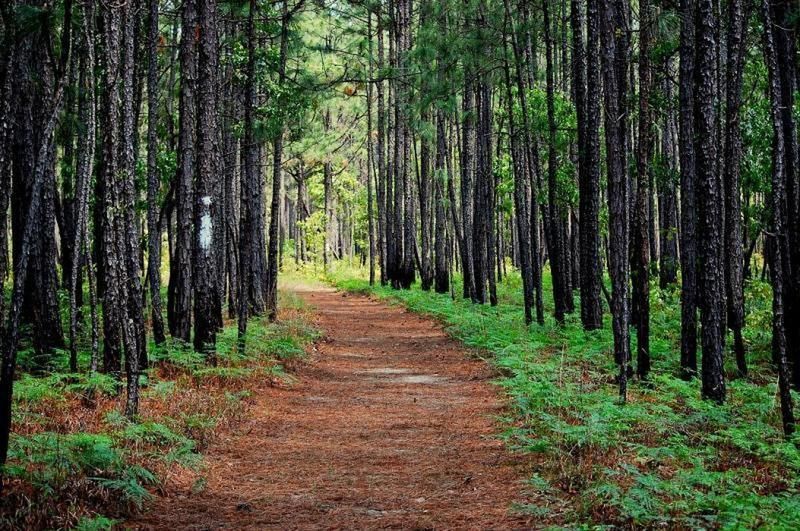
Right outside town, the Francis Marion National Forest stretches across hundreds of thousands of acres of pine stands, cypress swamps, and saltwater marshes. It is a backyard that most towns could only dream about.
Hikers, bikers, and kayakers all find their groove here. The trails range from easy flat walks to longer routes through swampy terrain that makes you feel genuinely far from civilization, even though the town is just minutes away.
The forest is home to herons, alligators, white-tailed deer, raccoons, and the endangered red-cockaded woodpecker, a bird so rare that spotting one becomes a story you tell for years. Wildlife here does not hide.
It just goes about its business while you watch.
Paddling the creeks that thread through the forest is a slow and meditative experience. The water is dark from tannins, the trees lean over the banks, and the only sounds are paddles and birds.
It is the kind of quiet that actually does something good for your nervous system.
South Carolina’s natural landscapes are spectacular, and Francis Marion is one of the most underrated of all of them. What would it feel like to spend a whole morning in the forest without checking your phone once?
Come find out.
T.W. Graham And Community
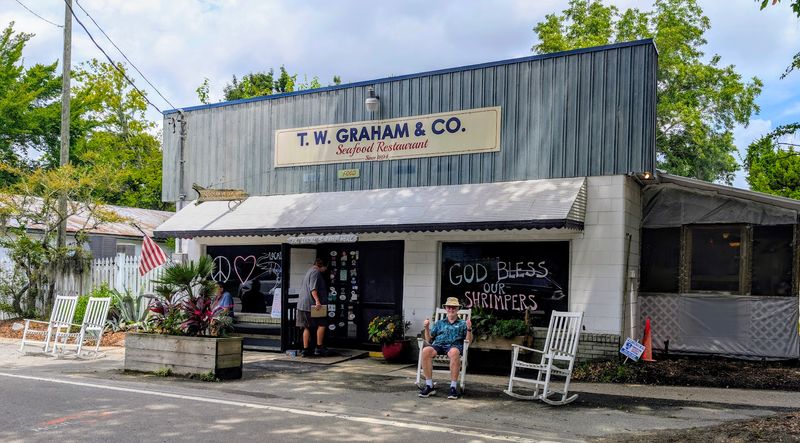
T.W. Graham and Co. has been open since 1894.
That is not a typo. This place has been feeding people in McClellanville through hurricanes, recessions, and more than a century of changing tides.
Originally a general store and community hub, it has evolved into a beloved local seafood restaurant that still carries the warmth of a neighborhood gathering spot. The building itself tells the story, with worn wooden floors and a counter that has seen generations of locals.
The menu leans hard into what the boats bring in. Shrimp, crab, oysters, and fish prepared simply and honestly.
Visitors say the food here tastes like the Lowcountry on a plate, which is exactly what it is.
Sitting down for a meal at T.W. Graham feels like being let in on a secret that the rest of the world has not found yet.
The service is unhurried. The portions are generous.
The conversation flows easily.
South Carolina has no shortage of seafood restaurants, but very few have roots this deep or a story this long. Have you ever eaten somewhere that felt like it genuinely belonged to its community?
T.W. Graham and Co. on Oak Street in McClellanville is that place, and it has been for well over a hundred years.
Arts, Crafts, Local Makers
Creative energy runs quietly through McClellanville, and the McClellanville Arts Council and Store is where it comes to the surface. Local artisans fill the shelves with pottery, handmade jewelry, original paintings, and books written by people who actually live here.
Nothing in the store is mass-produced. Every piece carries the fingerprints of someone who made it by hand in this very community.
That kind of authenticity is harder to find than people realize.
Shopping here feels different from browsing a tourist market. You are not picking up a souvenir that was printed in a factory.
You are taking home something that came from a real person with a real story, and often that person is standing right there to tell it.
The Arts Council also supports events and programs that keep local culture alive and growing. It is a small operation with an outsized impact on the character of the town.
Visitors say it is one of the first places they recommend to friends planning a trip to McClellanville.
South Carolina’s Lowcountry has a long tradition of handcraft and artistic expression rooted in its Gullah heritage and coastal culture. Have you ever bought something that you actually wanted to keep forever? The Arts Council store has a way of making that happen, one handmade piece at a time.
After Hugo, Still Standing
In September 1989, Hurricane Hugo made landfall near McClellanville with devastating force. The town sat directly in the storm’s path, and the flooding reached heights that few could have imagined.
Hundreds of residents sheltered at Lincoln High School, which itself flooded during the storm. It was one of the most harrowing nights in the town’s long history, and it left behind damage that took years to address.
What happened next says everything about the character of this community. People came back.
They rebuilt. They replanted.
They stayed. McClellanville did not become a ghost town after Hugo.
It became something tougher and more tightly knit than it was before.
The town’s resilience is not just a historical footnote. It is woven into the daily attitude of the people who live here.
There is a groundedness to McClellanville that comes from having faced something serious and choosing to rebuild anyway.
South Carolina has seen its share of storms, but few towns have responded with as much quiet determination as McClellanville.
When you walk its streets today, you are walking through a place that chose itself, over and over again. Does a town’s history change how it feels to visit?
In McClellanville, the answer is absolutely yes.