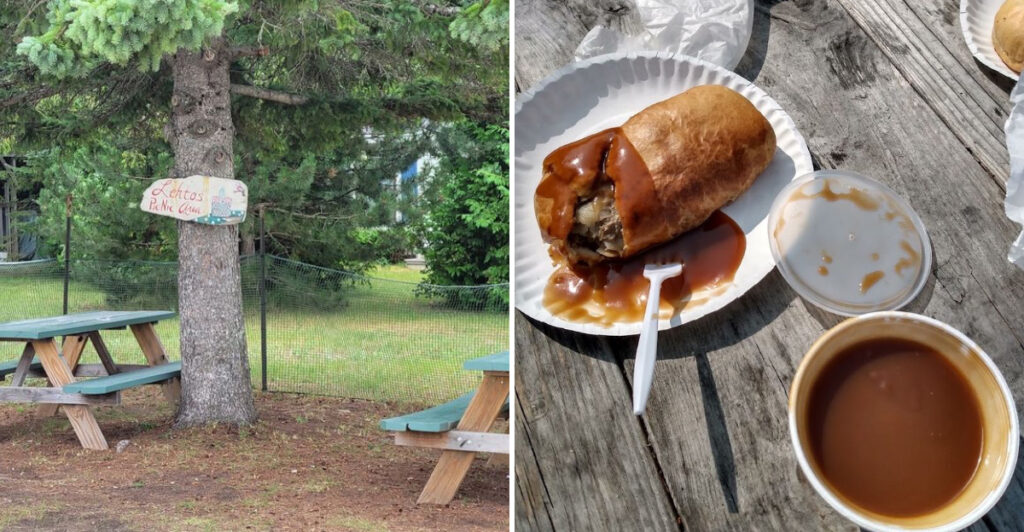
Here is one roadside stop in Michigan that belongs on any Upper Peninsula itinerary. Long drives through this part of the state often come with shoreline views, forest roads, small towns, and the growing realization that ordinary highway food will not quite suit the occasion.
That is where the pasty enters the picture. The sturdy pastry has fed generations of miners, residents, and travelers with a combination built for cold days and long stretches between stops.
This small shop along US-2 has served its familiar recipe since 1947, keeping the focus on a classic beef pasty filled with beef, potato, onion, and rutabaga. You can eat beside the highway or carry it into the next portion of the drive.
Either way, the meal connects naturally with the history and practical character of the Upper Peninsula. Some road-trip stops simply break up the mileage.
This one gives the route a flavor travelers have associated with the region for generations. What I like most is how practical the whole stop is.
You get a filling meal, a piece of regional history, and a reliable reason to slow down.
A Pasty Legacy That Started Long Before You Were Born
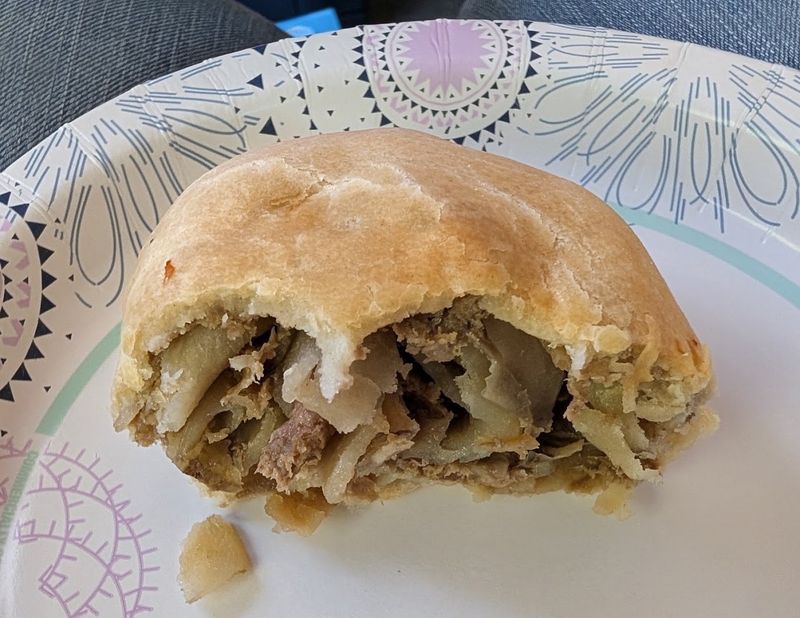
Lehto’s Pasties has been serving its familiar recipe since 1947. That longevity places the shop deep inside the Upper Peninsula’s food story.
Pasties reached the region through Cornish miners who needed sturdy lunches underground. Meat, potatoes, onions, and other vegetables could be sealed inside pastry and carried into a long shift.
The format was practical, filling, and easy to hold. It also adapted well to the cold climate and demanding work that shaped mining communities across the peninsula.
Lehto’s keeps that history close without turning the counter into a museum display. The recipe, compact shop, and highway location let the food explain its own past.
Generations of travelers have stopped for the same reason. A hot pasty fits naturally into a long drive and stays satisfying without requiring a formal meal.
Plenty has changed along the highway since 1947. The crimped pastry still understands its assignment.
Finding The Original Lehto’s Pasties On US-2
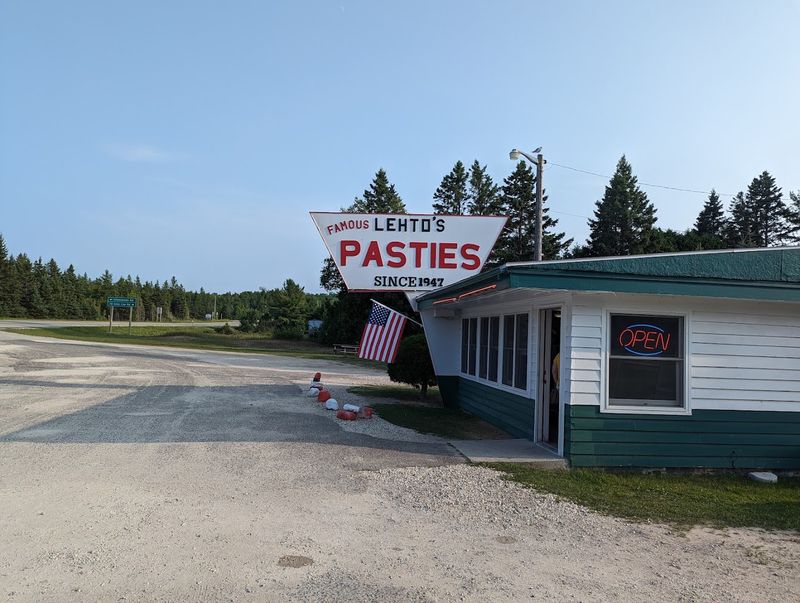
The original shop sits beside US-2 near St. Ignace, placing it directly along a popular Upper Peninsula route.
Travelers crossing the Mackinac Bridge can reach it soon after entering the region. That timing makes the stop useful before a longer drive west or north.
The counter-service setup keeps everything simple. Orders move quickly, and a hot pasty can be back in the car before the road-trip schedule starts complaining.
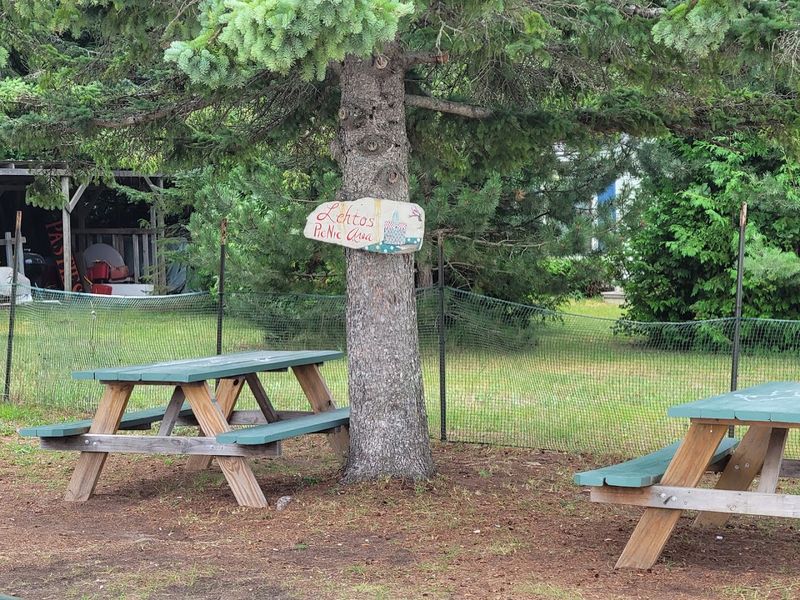
Outdoor picnic tables provide room to eat nearby when the weather cooperates. They also prevent a flaky crust from turning the passenger seat into evidence.
The location works well for travelers headed toward shoreline drives, forests, small towns, or ferry connections around St. Ignace.
This is not a complicated detour requiring several turns and a heroic sense of direction. The shop has spent decades meeting hungry drivers where they already travel.
Convenience gets people through the door. The smell of warm pastry handles the rest.
The exact location is 1983 West US-2, St. Ignace.
The Beef Pasty That Keeps People Coming Back
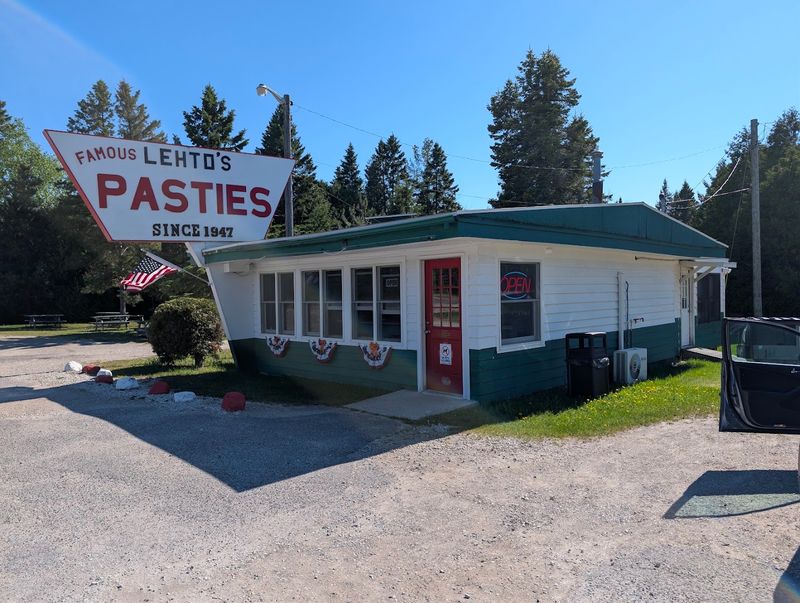
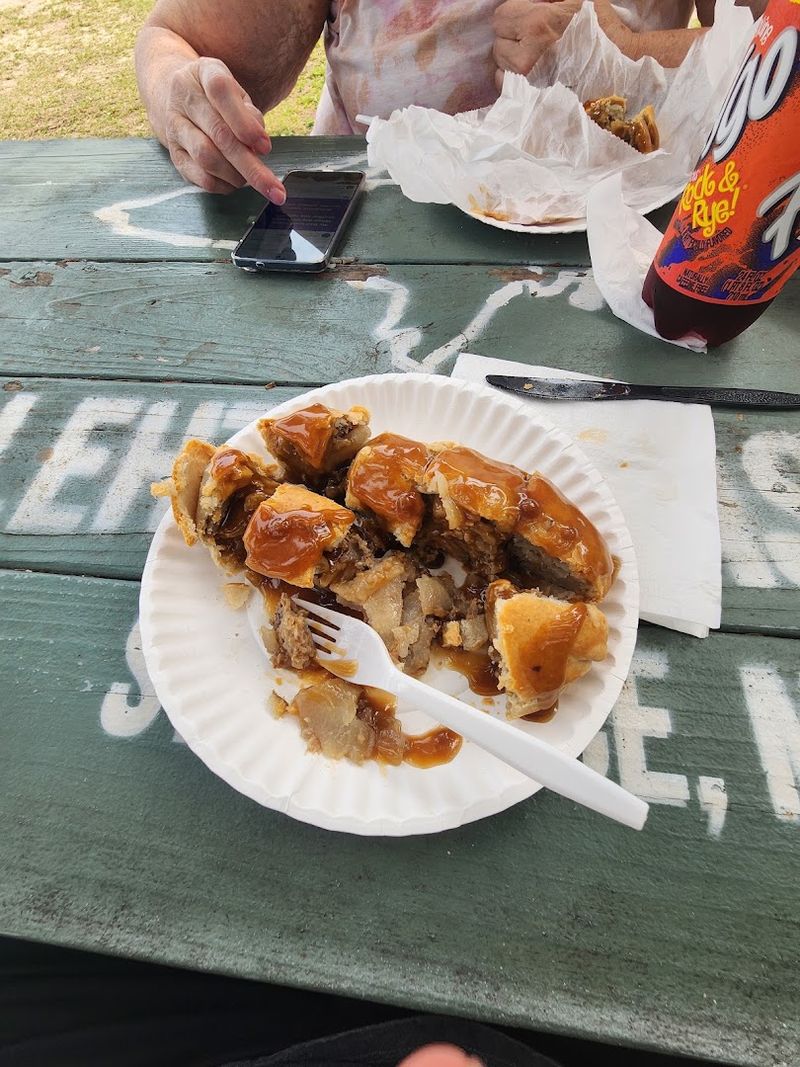
The classic beef pasty brings together beef, potato, onion, and rutabaga inside a golden crust.
Rutabaga contributes a mild sweetness and earthy character. It gives the filling more depth without drawing attention away from the beef.
Potatoes add weight and soften the stronger flavors. Onion works through the mixture, giving each bite a little more savoriness.
The crust must handle a substantial filling without turning dense. Lehto’s version stays firm enough for eating by hand while keeping a lighter, flaky texture.
Seasoning remains restrained. The ingredients lead, which suits a dish created for practicality rather than elaborate presentation.
A hot beef pasty can cover lunch during a road trip without requiring utensils. Frozen versions let travelers save the same experience for home.
First-time visitors usually start here because it carries the clearest connection to the regional tradition.
The beef pasty does not arrive with a dramatic introduction. Breaking the crust provides one immediately.
Chicken Pasty For Those Who Want Something A Little Different
The chicken pasty gives visitors another route through the same familiar pastry format.
Chicken, potato, onion, and carrot create a softer flavor profile than the beef version. Carrot adds mild sweetness while the onion keeps the filling savory.
The combination resembles the comfort of chicken pot pie, but the handheld shape eliminates the dish, spoon, and careful balancing act.
The crust stays consistent across the menu. That matters because changing the filling should not mean accepting weaker pastry.
Chicken also makes a useful choice for travelers who prefer lighter meat without abandoning the hearty nature of a pasty.
Some regulars alternate between beef and chicken depending on the day. Others discover the chicken version once and stop pretending the decision is still open.
Either choice travels well and holds together through a roadside lunch.
The chicken pasty proves the original format has room for variation. It changes the filling without losing the practical Upper Peninsula character.
The Vegetable Pasty Proves Meatless Can Be Memorable
A meatless pasty still needs enough substance to carry an entire meal.
Lehto’s vegetable version uses eggplant and potato to build a filling with softness, savoriness, and satisfying weight.
Eggplant absorbs seasoning well and develops a rich texture when cooked properly. Potato adds structure and keeps the center familiar.
The same pastry crust surrounds the vegetable filling, so meatless diners still receive the full handheld experience.
This option also helps groups with different preferences stop at one counter. Nobody needs to settle for a side dish while everyone else receives a complete meal.
Gravy can add more richness, though the pasty can stand on its own when eaten during the drive.
The vegetable version succeeds because it follows the same basic rule as the others. A limited number of ingredients receive enough attention to work together.
Meat may be traditional, but good pastry has never required it to stay memorable.
Gravy Is Not Optional, It Is Essential
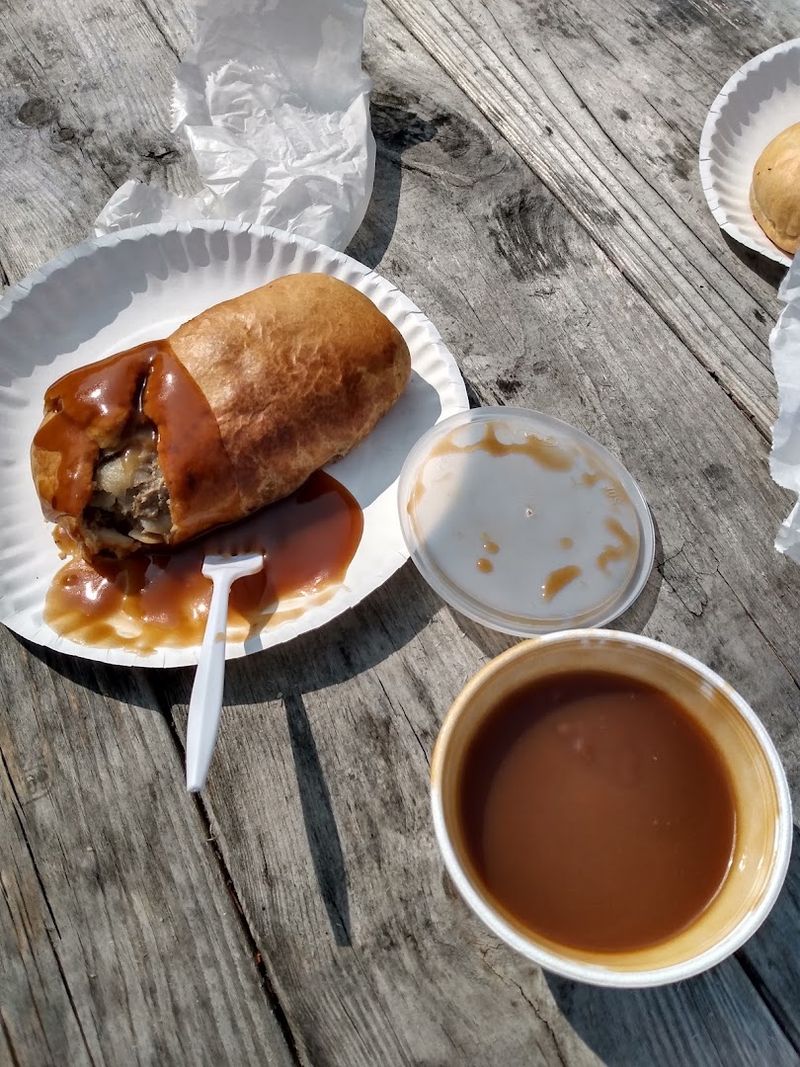
Gravy changes the pasty from portable road food into something closer to a plated comfort meal.
Its savory richness works especially well with potato, beef, chicken, or vegetables. Each dip adds moisture without altering the filling completely.
Some diners pour gravy across the top and use a fork. Others keep it beside the pasty and dip each piece as they go.
The second approach gives the crust more time to stay crisp. The first guarantees every bite receives equal treatment.
Road trippers eating in the car may prefer keeping gravy contained. Picnic-table diners have more freedom to become ambitious.
The pasty does not require sauce to succeed, but gravy gives the meal another layer of warmth and familiarity.
First-time visitors sometimes focus so heavily on choosing a filling that they overlook it. Regulars are less likely to make that decision twice.
The crust carries the history. Gravy arrives to make the history even harder to leave unfinished.
Frozen Pasties Let You Take The UP Home With You
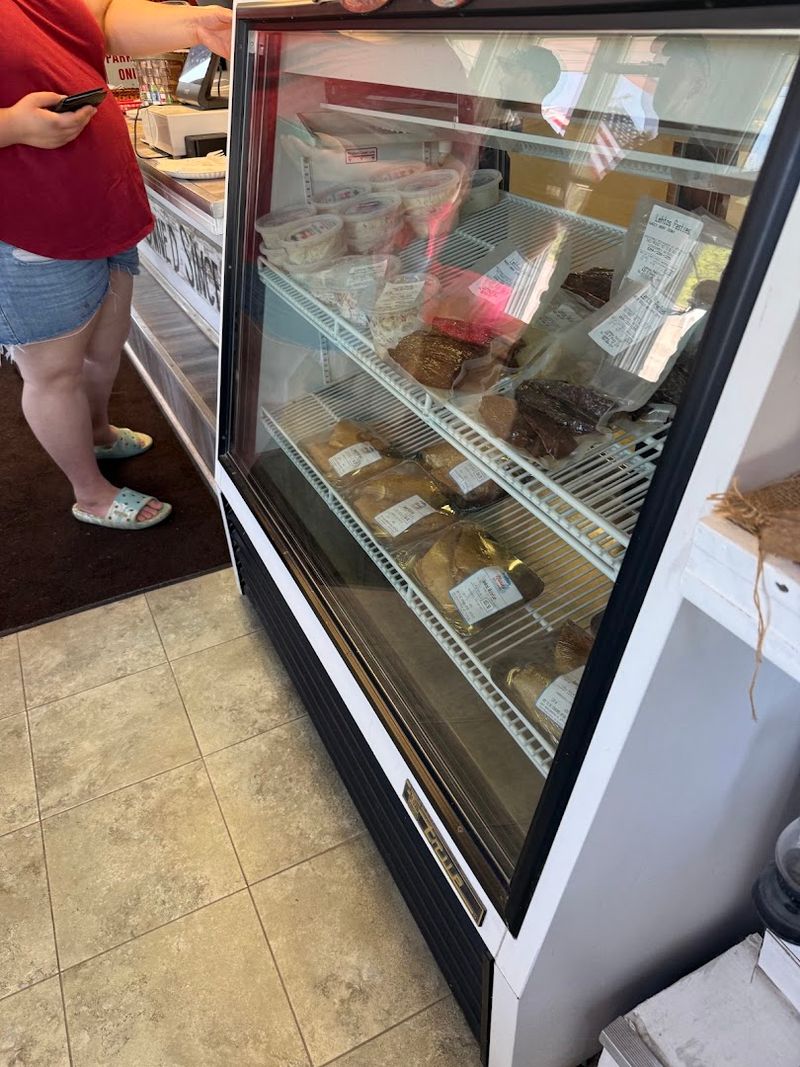
A hot pasty solves the immediate hunger problem. Frozen pasties handle the craving that appears after the trip ends.
Lehto’s sells versions that can travel home and be baked later. The option is useful for visitors who live far beyond St. Ignace.
A cooler helps protect the frozen pastries during longer drives. That small bit of planning can turn one highway stop into several future meals.
Regular travelers often buy extras for relatives or friends. Introducing someone to a pasty is much easier when the introduction comes directly from the oven.
Frozen options also allow visitors to compare fillings at home rather than attempting several hot pasties in one sitting.
The familiar aroma returns as the crust bakes, bringing part of the road trip back into the kitchen.
Souvenirs usually sit on shelves and collect dust. A frozen pasty has a shorter life and a much better ending.
What Makes A Pasty Authentic In The Upper Peninsula
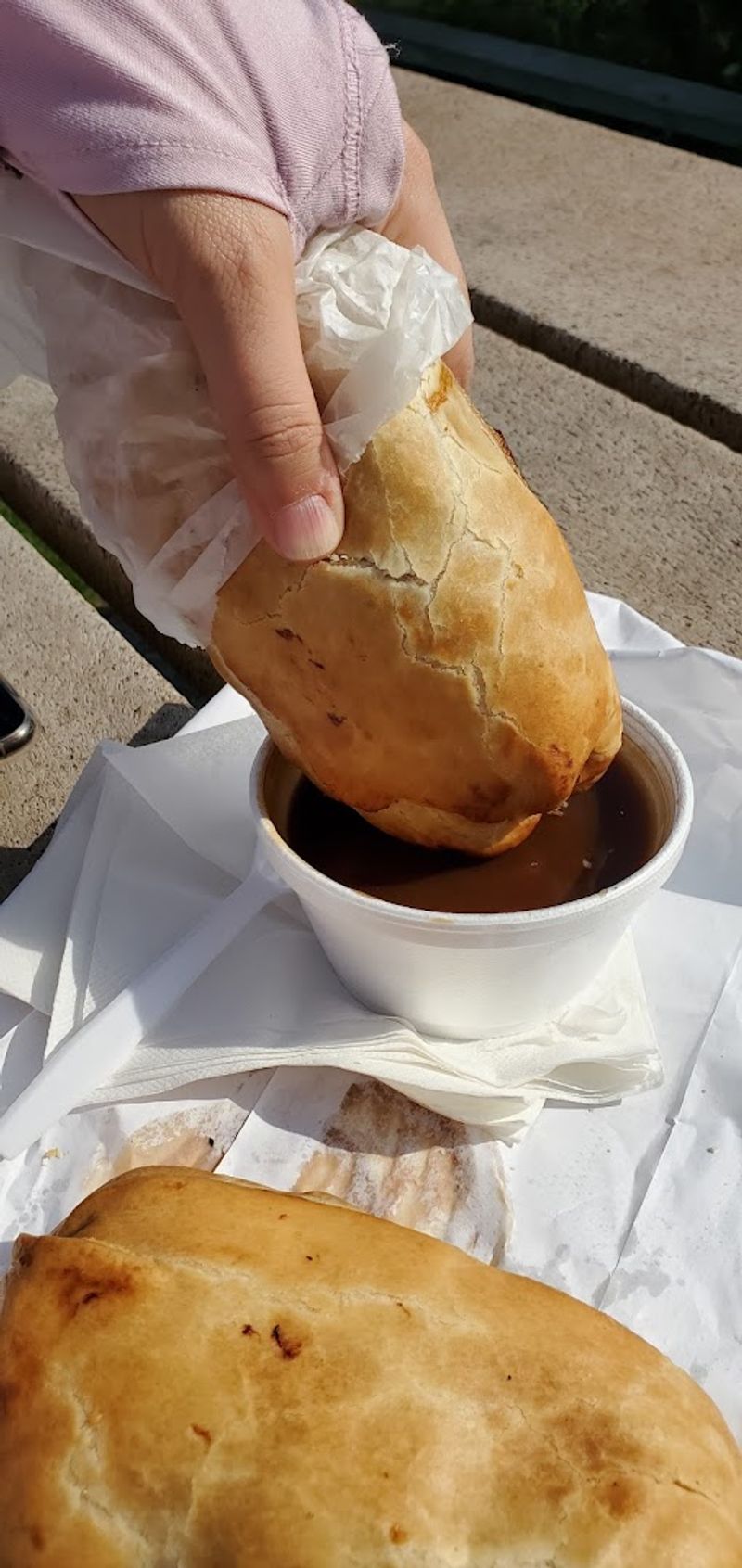
Upper Peninsula pasties developed around practicality, local tradition, and recipes carried through mining communities.
A sturdy crust remains essential. It needs to hold the filling during transport without becoming heavy or difficult to bite.
The crimped edge gives the pastry its recognizable shape. Historically, the thicker edge also made the lunch easier to hold during a work shift.
Beef, potatoes, onions, and rutabaga form one of the region’s most familiar combinations. Different shops and families may adjust proportions or add their own preferences.
Simple seasoning keeps the filling grounded. Heavy sauces inside the pastry would change the straightforward character that made the dish useful.
Lehto’s long-running recipe offers travelers a clear introduction to this regional food.
The pasty is more than a meat pie with a Michigan address. Its form, ingredients, and history all connect directly to the Upper Peninsula.
One bite explains why the design survived far longer than the mining lunch break that inspired it.
Why Road Trippers On US-2 Keep Marking This Spot On Their Maps
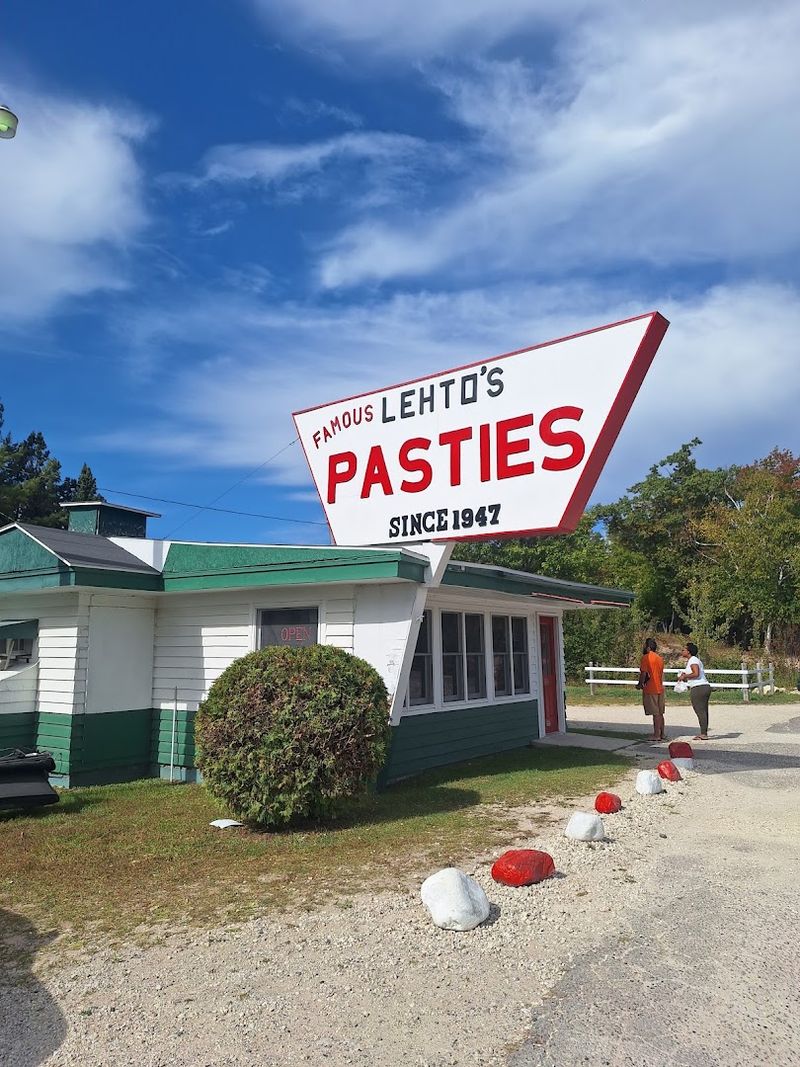
US-2 rewards travelers who let food stops become part of the route rather than interruptions.
The highway carries drivers past forests, shoreline views, and small communities across the Upper Peninsula. A warm pasty fits that landscape better than an anonymous drive-through meal.
Lehto’s counter-service format respects the road-trip schedule. Visitors can stop briefly, eat nearby, or take the pastry along for the next stretch.
The food is portable, filling, and closely tied to the region. That combination gives the stop more meaning than simple convenience.
Returning travelers often know what they plan to order before reaching St. Ignace. First-timers usually understand the loyalty before the final bite.
Frozen pasties extend the visit, while picnic tables allow the immediate version to unfold beside the highway.
Road trips need landmarks, and not every landmark has to be scenic. Some come wrapped in golden pastry and leave crumbs across the map.