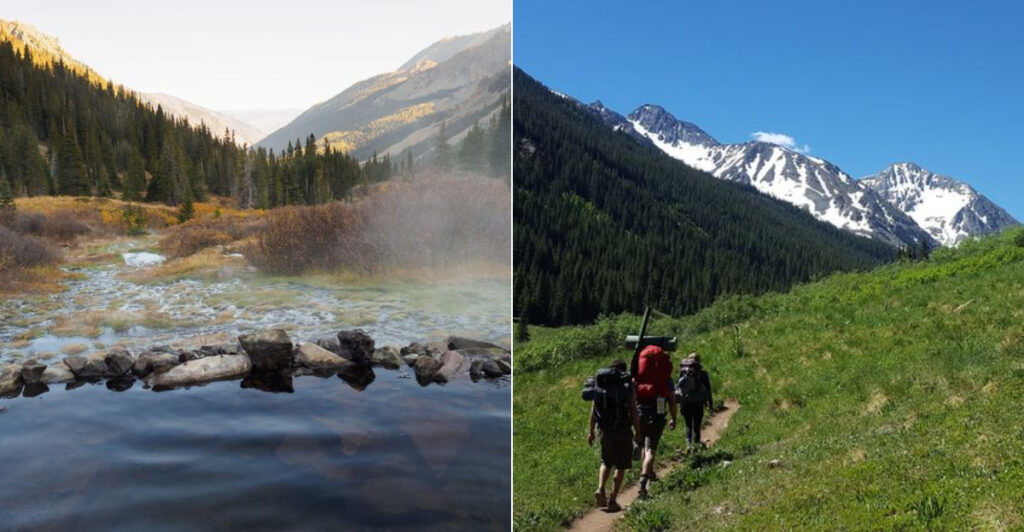
Warm water. Alpine meadow.
Jaw-dropping peaks on every side. Colorado is hiding one of its most extraordinary experiences at the end of a very long uphill walk and every step of it is completely worth it.
Over eleven thousand feet up, a natural soaking pool sits inside a wilderness area that feels impossibly far from everyday life. Getting there requires serious miles and real elevation.
What waits at the end changes the way people think about what wild places can actually feel like. That is not an exaggeration.
That is just what hikers consistently say after making the trek.
Stars fill the sky at night. Peaks surround the meadow on all sides.
The warm water after a long hike is the kind of reward that no resort can manufacture no matter how hard it tries.
Colorado rewards effort better than almost any state. This hot spring is the proof.
Go earn it.
The Epic Hike In
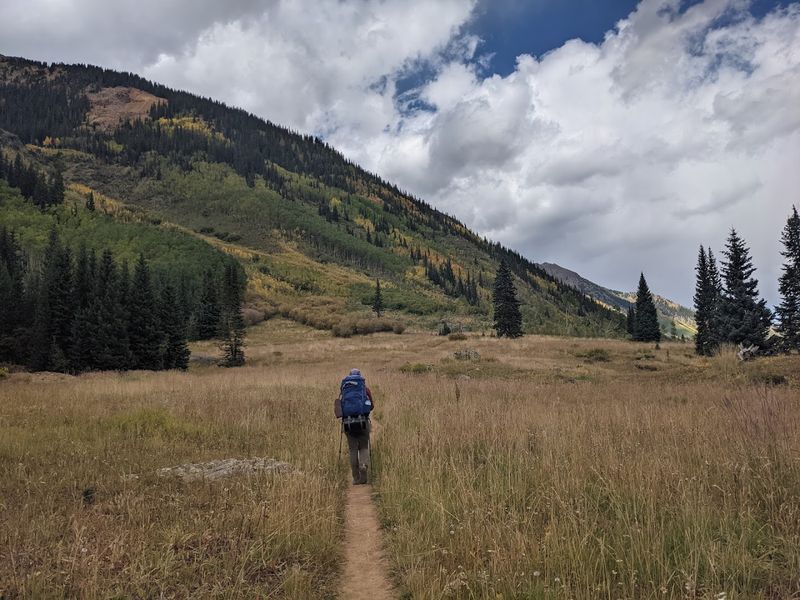
Not many hot springs make you work this hard to reach them. The Conundrum Creek Trail stretches 8.5 to 9 miles one way, starting near Aspen, Colorado, and climbing roughly 2,500 to 3,000 feet before you reach the pools.
That is a serious elevation gain. Most fit hikers take four to six hours to complete one direction, so planning your day early matters a lot.
The trail passes through dense forest, open meadows, and multiple creek crossings. In spring and early summer, those crossings can run fast and cold from snowmelt, so sturdy footwear is not optional.
Visitors say every mile reveals something new. Wildflowers line the path in summer.
Aspen trees blaze gold in fall. The trail is constantly changing, which makes the long walk feel less like a chore and more like a series of small rewards.
Carrying a full overnight pack adds another layer of challenge, but many hikers say the physical effort makes the arrival feel that much sweeter.
What would it feel like to finally drop your pack and slip into warm water after nine miles of mountain trail? For most people who have done it, the answer is something close to pure joy.
Natural Pools At Altitude
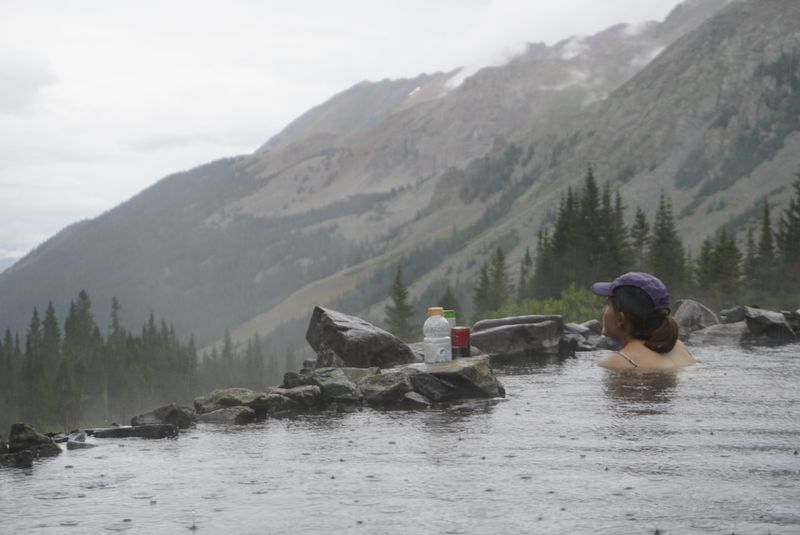
At 11,200 feet above sea level, Conundrum Hot Springs holds the title of one of the highest elevation hot springs in the entire United States. That fact alone makes it worth the conversation.
The pools are completely natural, formed by geothermal activity bubbling up through the earth. Water temperatures range from 98 to 102 degrees Fahrenheit, with the upper pool running the hottest.
The main soaking area can hold around ten or more people at once. The bottom is soft and natural, and yes, you might notice some organic material floating by.
That is just nature doing its thing.
Visitors who appreciate primitive hot springs tend to love this place without reservation. One hiker described watching thermal bubbles rise from the pool floor as genuinely mesmerizing.
The experience feels nothing like a spa, and that is exactly the point.
Soaking at this altitude means the air around you is crisp and thin while the water holds your tired muscles in warmth. The contrast is remarkable.
Could there be a better reward after a full day of mountain hiking than floating in a geothermal pool surrounded by Colorado peaks?
Most people who have been here would say absolutely not, and they are already planning a return trip.
Peaks All Around You
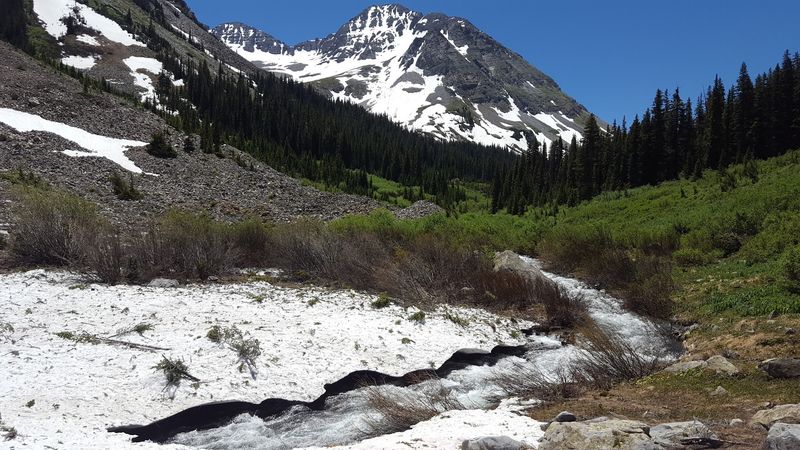
The mountain scenery at Conundrum Hot Springs is not background decoration. It is the main event standing right in front of you.
Castle Peak rises to 14,265 feet. Conundrum Peak reaches 14,060 feet.
Cathedral Peak adds another dramatic silhouette at 13,943 feet. All three surround the springs in a way that makes you feel genuinely small in the best possible sense.
Colorado is famous for its fourteeners, and this location puts two of them within direct view while you soak. That is a combination that very few places on the planet can offer.
The alpine meadow setting adds to the visual drama. Snow patches linger on the higher slopes well into summer.
Waterfalls thread down the rock faces above the springs. The whole scene looks like it was designed by someone who wanted hikers to feel completely overwhelmed by beauty.
A friend who visited in late July described standing at the pool edge and slowly turning in a full circle, trying to take it all in at once. She said it took several full rotations before her brain accepted that the view was real.
Stargazing Above The Clouds
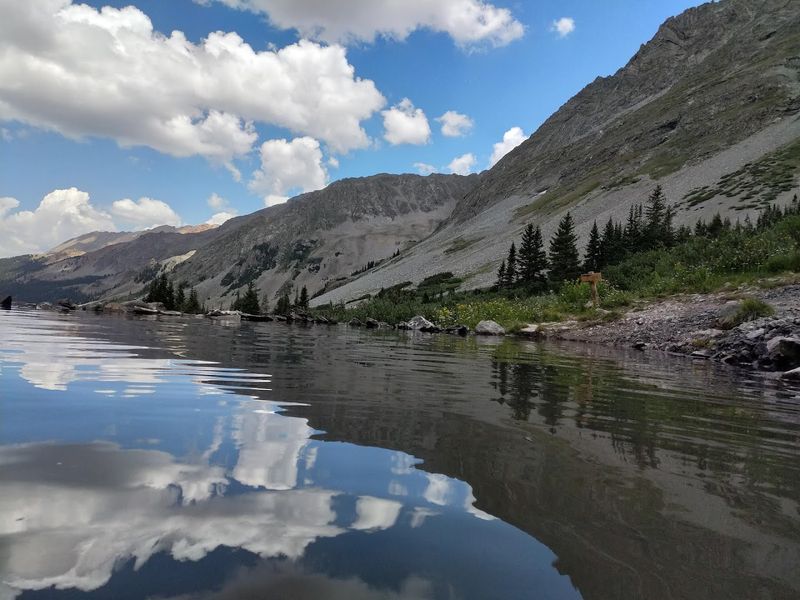
After the sun drops behind the peaks, Conundrum Hot Springs transforms into something almost otherworldly. The darkness out here is genuine and deep, far from any city glow.
At over 11,000 feet, you are already closer to the stars than most people ever get. Add zero light pollution and clear mountain air, and the night sky becomes an experience all on its own.
Visitors who camp overnight consistently mention the stargazing as one of the most memorable parts of the entire trip. The Milky Way stretches overhead in full detail.
Shooting stars appear regularly on clear nights.
Soaking in warm water while staring up at that sky is the kind of moment that is hard to describe without sounding dramatic. But honestly, it earns the drama.
Planning an overnight stay means you can be at the pools late at night when fewer people are around. The quiet, the warmth, and the stars create a combination that daytime visitors simply do not get to experience. One overnight visitor said she had seen the Milky Way before, but never from inside a hot spring at 11,000 feet in Colorado.
That specific combination, she said, made everything feel different. Have you ever looked up at a sky so full of stars that you forgot to look back down?
This is the place where that happens.
Permits And Planning Tips
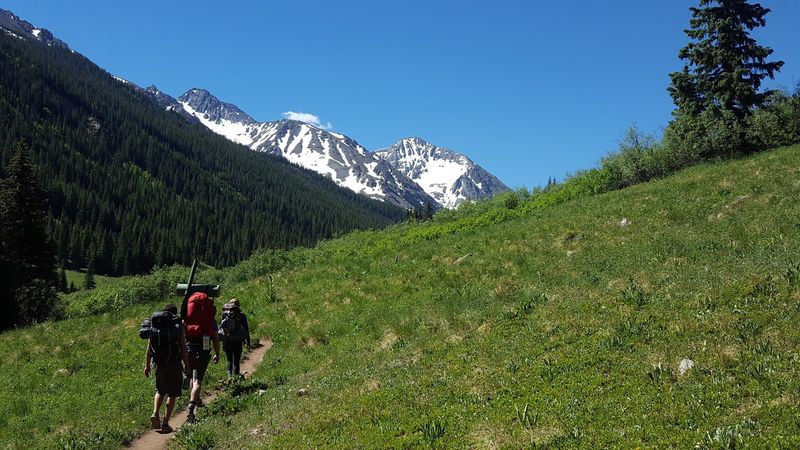
Getting to Conundrum Hot Springs takes more than just lacing up your boots. Overnight camping in the area requires a permit booked through Recreation.gov, and those spots fill up fast.
Permits are released at specific times and sell out quickly during peak season. If you are serious about staying overnight, start checking availability months in advance.
Missing the permit window means missing the campsite.
Day hiking does not require a permit, but with nearly 18 miles round trip and thousands of feet of elevation gain, most visitors strongly prefer an overnight stay. Arriving early and starting the trail before sunrise gives you the best chance of a smooth, uncrowded experience.
Bear canisters are required for all food and scented products. WAG bags are mandatory for human waste, since there are no restroom facilities anywhere near the springs.
Campfires are not permitted in the area, so a good camp stove is essential.
Dogs are not allowed within the permit zone, which is worth knowing before you pack the car. Leave No Trace principles are strictly enforced, and for good reason.
The wilderness here is fragile and genuinely beautiful. One regular visitor to Colorado backcountry described this permit system as a small price to pay for access to a place this extraordinary.
Are you the kind of person who plans ahead? This adventure absolutely rewards that habit.
Best Time To Visit
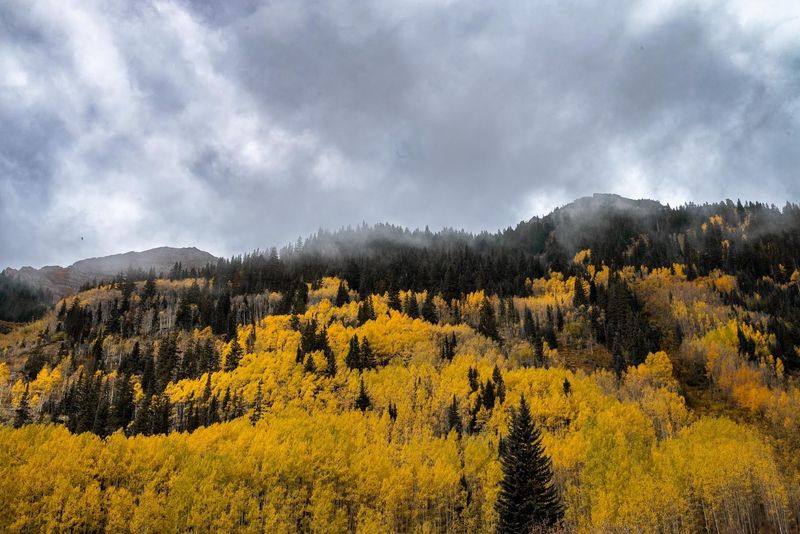
Timing your visit to Conundrum Hot Springs makes a real difference in what you experience. The trail is typically snow-free from mid-July through September, making that window the most reliable for hikers of all fitness levels.
Summer visits mean wildflowers everywhere along the trail, warm afternoons, and long daylight hours. The pools are busiest on summer weekends, so a midweek trip gives you a noticeably quieter experience.
Fall is genuinely special here. Cooler temperatures, fewer crowds, and the gold and orange of aspen leaves turning along the trail create a hiking experience that Colorado visitors describe as near-perfect.
The contrast of warm pool water against cold autumn air feels incredible.
Spring and early winter visits are possible but come with serious risks. Avalanche danger in this valley is real and historically intense.
Snow-covered trails and fast-moving creek crossings add significant difficulty and hazard to an already demanding route.
Checking current trail conditions before heading out is not just a suggestion, it is essential. The U.S.
Forest Service regularly updates information on closures and hazard alerts. One hiker who tried a late May visit turned back due to safety alerts and said she was glad she checked before committing to the full trail. Colorado weather changes fast at altitude.
Planning around the right season means the mountain works with you instead of against you, and that changes everything about the trip.
Wildlife Along The Trail
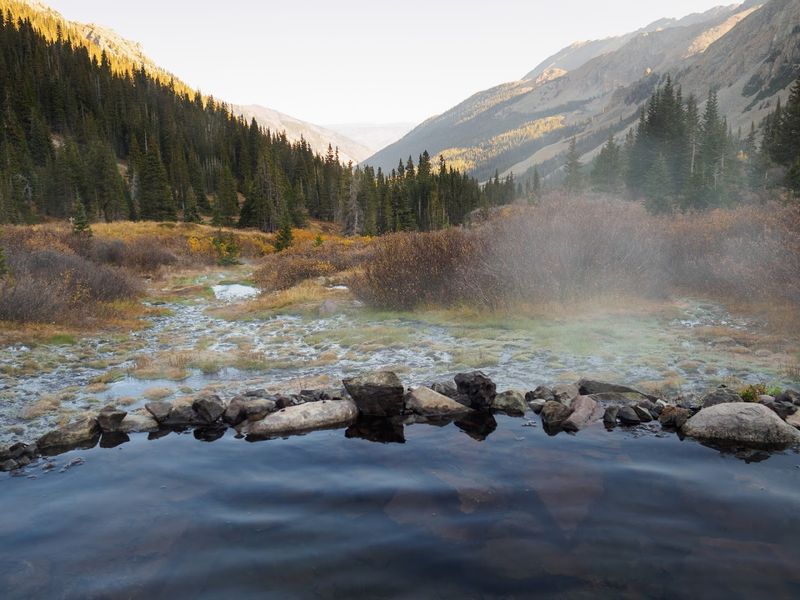
The trail to Conundrum Hot Springs runs through genuine wilderness, and the animals out here know it. This is bear country, full stop, and hikers regularly spot black bears along the route.
Bear canisters are required not just as a rule but as a real necessity. Food smells travel far in open mountain terrain, and an unsecured snack bag can cause real problems for both hikers and wildlife.
Marmots are a common and entertaining trail companion. These chunky, cheerful rodents sit on rocks and watch hikers pass with what can only be described as polite curiosity.
Ptarmigans, small mountain birds, also appear on the upper sections of the trail.
One backpacking group reported that hikers coming down the trail told them a moose had soaked in the hot springs the previous day. That story alone should tell you something about what kind of place this is.
Wildlife sightings add an unpredictable excitement to the hike that no guidebook can fully prepare you for. Colorado is home to a wide variety of mountain animals, and this trail puts you right in the middle of their habitat. Moving quietly, keeping distance, and storing food properly keeps both you and the animals safe. Have you ever had a wild animal encounter that completely changed how you felt about a place?
On this trail, that moment might be waiting just around the next bend.
The Camping Experience
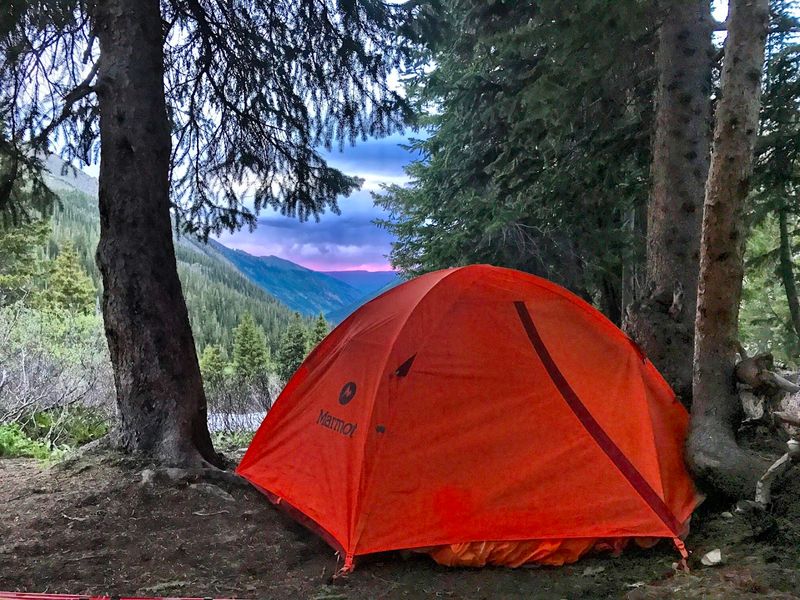
Camping near Conundrum Hot Springs is not glamping. There are no amenities, no facilities, and no shortcuts.
What you carry in, you carry out, and that includes everything.
The designated campsites are spread across the area, and some are closer to the springs than others. Site locations vary in terrain, and a few visitors have described certain spots as rocky and firm underfoot.
After a soak in warm water, though, most people sleep just fine.
Waking up at 11,000 feet in Colorado with those peaks right outside your tent is an experience that justifies every ounce of gear you hauled up the trail. Morning light on Castle Peak is something visitors talk about long after the trip ends.
The permit system limits the number of campers in the area at any given time, which keeps the experience from feeling crowded. Sites fill up quickly for peak weekends, so booking early is the strategy that works.
One backpacker who stayed at the springs described lying in her sleeping bag before dawn, listening to the creek and watching stars fade as the sky turned pink above the peaks. She said it was the most peaceful morning she had ever had outdoors.
That kind of quiet is rare and worth protecting. Is a little rocky ground and a heavy pack really too high a price for a morning like that?
Most people who have been here would laugh at the question.