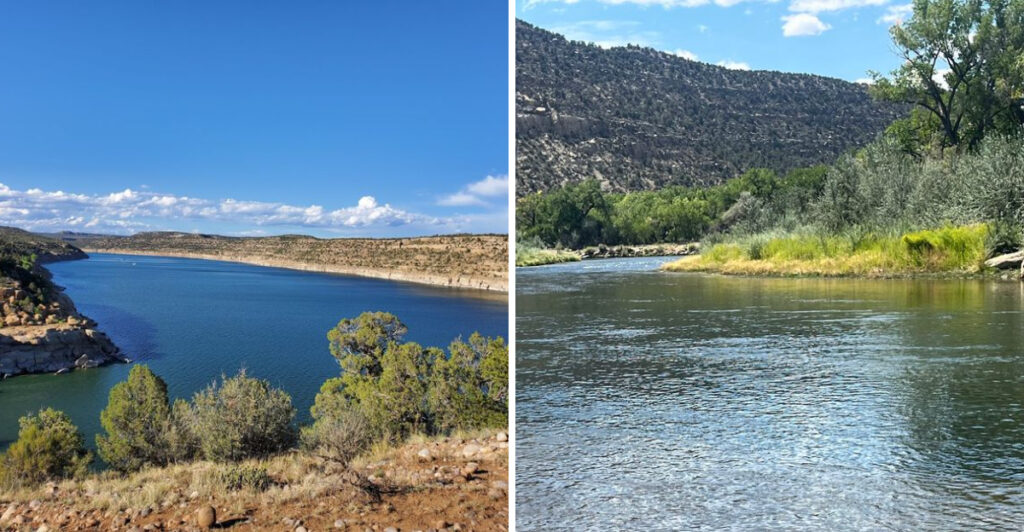
You know the kind of place that makes the whole car go quiet? That was this lake for me.
I found it on a no-plan drive through northwestern New Mexico, the kind where you follow the road just because it looks interesting. Then the water appeared, bright against the desert, with sandstone walls rising beside it like something out of an old movie.
I pulled over before I even knew what I was looking at. The shoreline keeps going for more than 150 miles, but it never feels repetitive.
One turn gives you open water. Another brings you close to the cliffs.
Later, the riverbanks soften the view with cottonwoods. It is the kind of stop that makes you forget your schedule and start wondering why more people are not talking about it.
Save this one for a road trip soon. The drive is part of the story too.
Glassy Water And Desert Sky
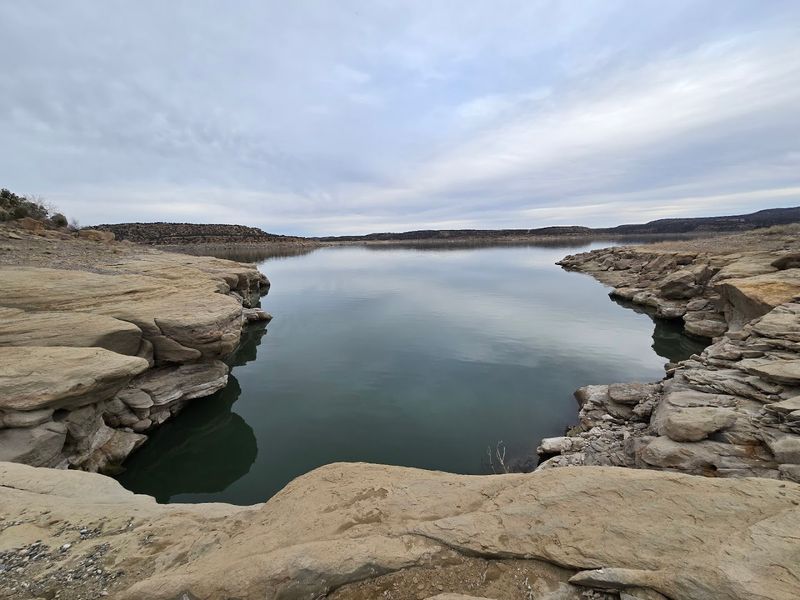
Just after sunrise, the water can go completely still. The sky above doubles itself in the reflection below, making it hard to tell where the lake ends and the heavens begin.
The lake covers somewhere between 14,500 and 15,610 surface acres depending on water levels. That makes it the second-largest lake in New Mexico by a wide margin.
That sheer size means the glassy surface stretches far in every direction on calm mornings. It creates a sense of floating between two skies at once.
I arrived early on a Tuesday with a thermos of coffee and no particular agenda. I ended up staying at the water’s edge for nearly two hours without moving.
The desert air at this elevation carries a crispness that city air simply does not have. Combined with the mirror-flat water, the whole scene feels almost too cinematic to be real.
Photographers and early risers who make the effort to arrive before the wind picks up are rewarded with some of the most surreal landscape views in the Southwest. The place is Navajo Lake State Park near Navajo Dam, New Mexico; check the current state park listing before navigating.
Mesa Views Above The Shore
From the mesa above the shoreline at Navajo Lake State Park, the scale of this place finally makes sense. It is something no map or photo can fully prepare you for.
The park sits in a landscape shaped by millions of years of geological activity. From the elevated views, layers of red, orange, and tan sandstone frame the blue water below in a way that feels almost painted.
Piñon and juniper trees cover the surrounding hillsides, filling the air with a sharp, resinous scent that is unmistakably New Mexico.
From up high, you can trace the irregular outline of the lake as it winds and bends. Each canyon arm cuts deeper into the mesa than the last.
The park stretches across a terrain so varied that each overlook feels like a completely different destination. Somehow, you still feel like you are standing in the same park.
I kept finding myself pausing at every new vantage point, genuinely surprised by how the view changed. That kind of surprise is rare in any landscape.
Quiet Coves And Canyon Edges
One of the most underrated features of this park is the way the shoreline breaks into dozens of hidden coves and narrow canyon arms that most visitors never bother to explore.
With over 150 miles of shoreline threading through sandstone cliffs and giant boulders, there is always a quiet pocket of water that feels entirely your own, even on a busy summer weekend.
I paddled a kayak into one of these coves on a warm afternoon and found myself surrounded by canyon walls rising on three sides, the water below a deep, clear teal, and the only sound a distant hawk circling overhead.
The canyon edges here are dramatic without being aggressive, meaning you feel the scale of the geology without ever feeling unsafe or overwhelmed.
Boulders the size of small houses line the water’s edge in several spots, creating natural benches and platforms that are perfect for sitting quietly and watching the light shift across the rock faces.
These hidden corners of the lake are the kind of places that make you lower your voice instinctively, as though speaking too loudly might break the spell the landscape has quietly cast over you.
Marina Days In The High Desert
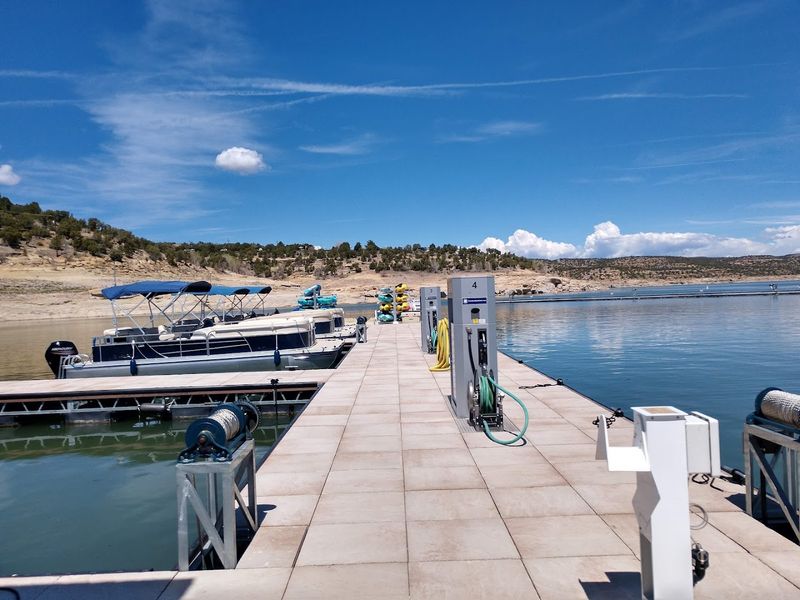
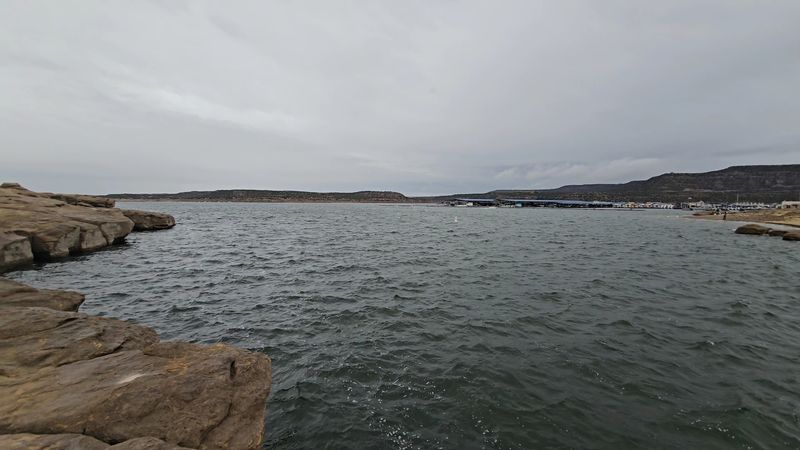
A full-service marina in the middle of the high desert sounds like a plot twist. Honestly, the first time I pulled into the marina area at Navajo Lake, that is exactly how it felt.
The park supports boating, water skiing, sailing, kayaking, and even scuba diving. That means the marina sees a genuinely diverse crowd, from serious anglers hauling coolers to families with inflatable tubes and very ambitious sunscreen strategies.
Boat rentals and launch facilities make it accessible even for visitors who did not haul their own watercraft across the state. That is a practical detail worth knowing before you pack.
The combination of high desert altitude and open water creates weather patterns that can shift quickly. Experienced boaters here keep an eye on the sky, even on mornings that start out perfectly calm.
I spent one afternoon simply watching boats come and go from a shaded picnic spot near the water. The whole scene had a relaxed, unhurried energy that felt genuinely restorative.
It feels quietly wonderful to see jet skis and sailboats sharing the same water. Red canyon walls and open desert sky make the backdrop feel even better.
Sunset Light Over The Lake
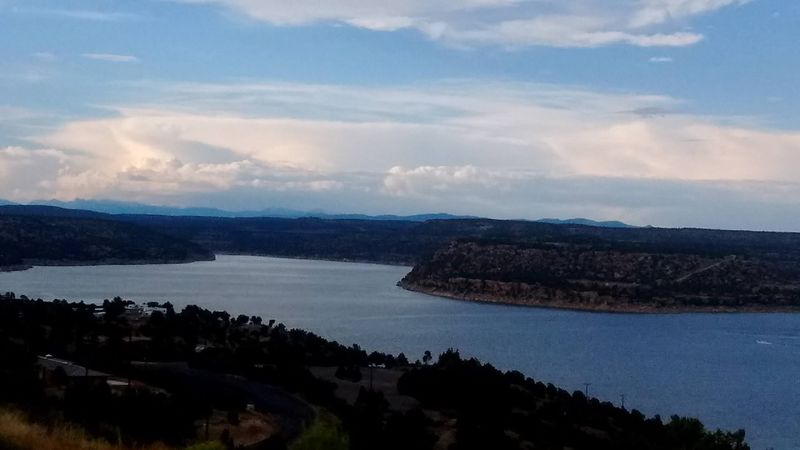
Few things in the American Southwest rival a high desert sunset, and at Navajo Lake, the show runs every evening without a single ticket required.
The combination of the lake’s open water and the surrounding sandstone terrain creates a natural amplifier for sunset light, bouncing warm oranges, deep pinks, and rich purples across both the sky and the water simultaneously.
I sat on a flat rock near the shore one evening and watched the light change for nearly forty minutes, pulling out my camera at least a dozen times and then setting it down again because no frame felt wide enough to hold what I was seeing.
The piñon and juniper trees along the shoreline go almost black against the fading sky, creating a sharp silhouette line that photographers specifically seek out during the golden hour.
What makes these sunsets feel different from other lake sunsets is the elevation and the dry air, which keeps the colors punchy and saturated rather than soft and hazy.
By the time the last light fades and the stars begin appearing over the mesa, the lake transforms into something else entirely, dark and reflective and full of a quiet that most people spend years searching for.
Blue Water Beneath Red Cliffs
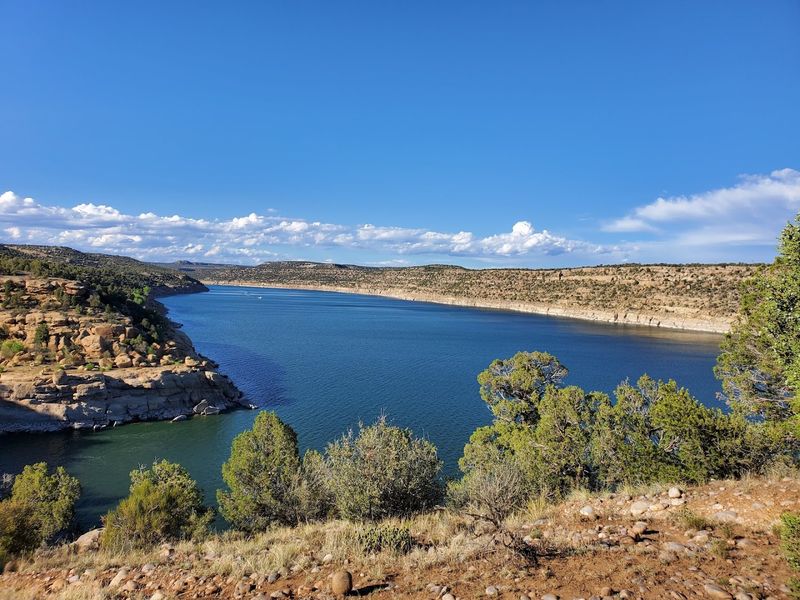
The color contrast at Navajo Lake is one of those things that photographs well but still manages to look better in person, which is a fairly rare achievement for any natural landscape.
Deep blue water pushing directly against rust-red sandstone cliffs creates a visual tension that keeps your eyes moving constantly between the two, never quite settling on one element before the other pulls your attention back.
The cliffs rise in layers, each one a slightly different shade of red or tan or ochre depending on the mineral content of the stone and the angle of the light hitting it at any given hour.
I floated on my back in the water one afternoon, looking straight up at a cliff face that seemed to lean slightly over the lake, and the combination of cool water and warm rock radiating heat above me was one of the more memorable physical sensations I have had outdoors.
Geologists would have a field day here, but you do not need to know the name of a single rock formation to appreciate the raw drama of what the landscape is doing.
The cliffs also provide natural wind breaks in certain coves, creating calm water pockets that feel almost tropical in their stillness despite being firmly planted in the desert Southwest.
River Trails And Cottonwood Shade
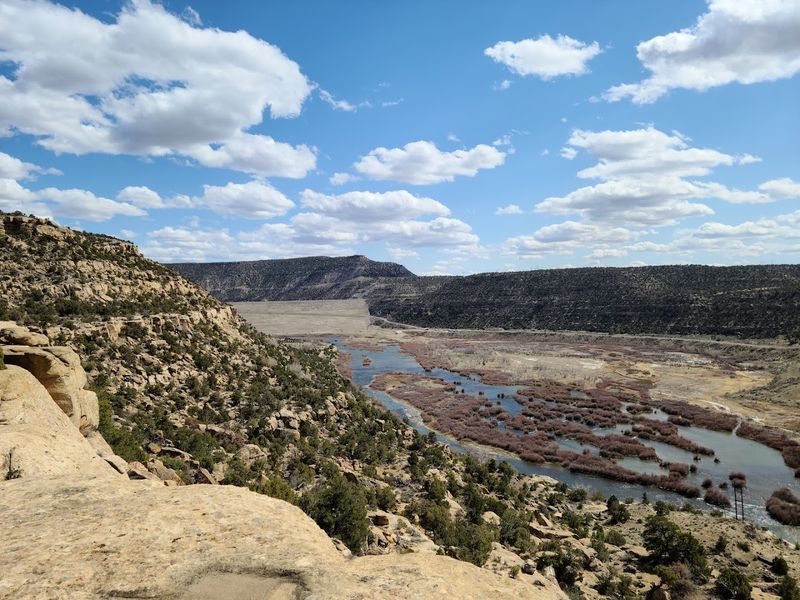
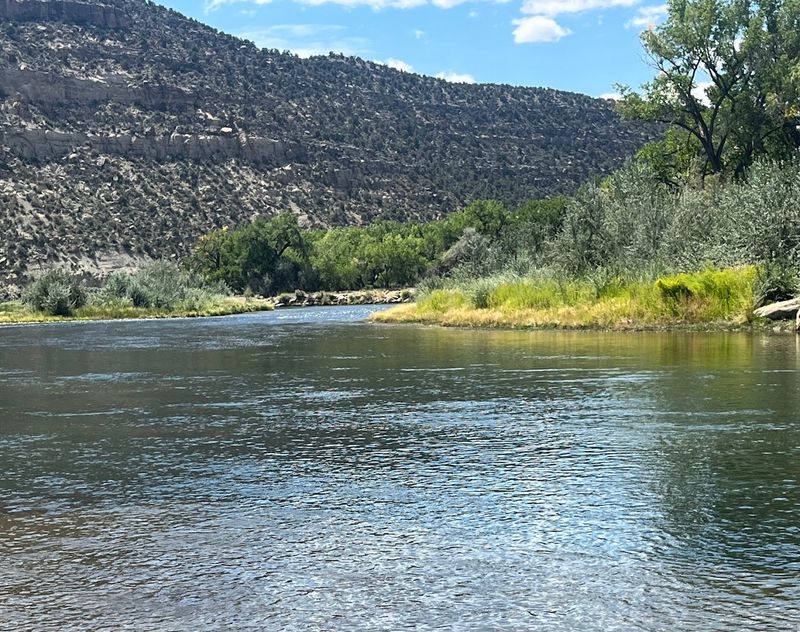
Below the dam, the landscape shifts in a way that feels almost startling. After the open expanse of the lake above, it narrows into a river corridor lined with cottonwood trees and cool, moving water.
The San Juan River below Navajo Dam is considered one of the premier fly-fishing destinations in the entire United States. Its roughly four-mile Quality Waters section consistently produces large trout and draws serious anglers from across the country.
The river trails here feel completely different from anything happening up at the lake. They are quieter and more intimate, with the sound of moving water replacing the hum of boat engines.
Cottonwood trees grow thick along the banks, and their broad leaves create patches of genuine shade. After hiking through open desert terrain, that shade feels like a reward.
I spent a morning on the river trail without fishing gear, just watching the water move over the rocks. The cottonwood leaves caught the light, and it ranked among the most peaceful hours of the entire trip.
The contrast between the wide-open lake experience and this sheltered river corridor is one reason Navajo Lake State Park offers something genuinely different. Nearly every kind of outdoor visitor can find a reason to make the journey here.
Wide Horizons And Hidden Shores
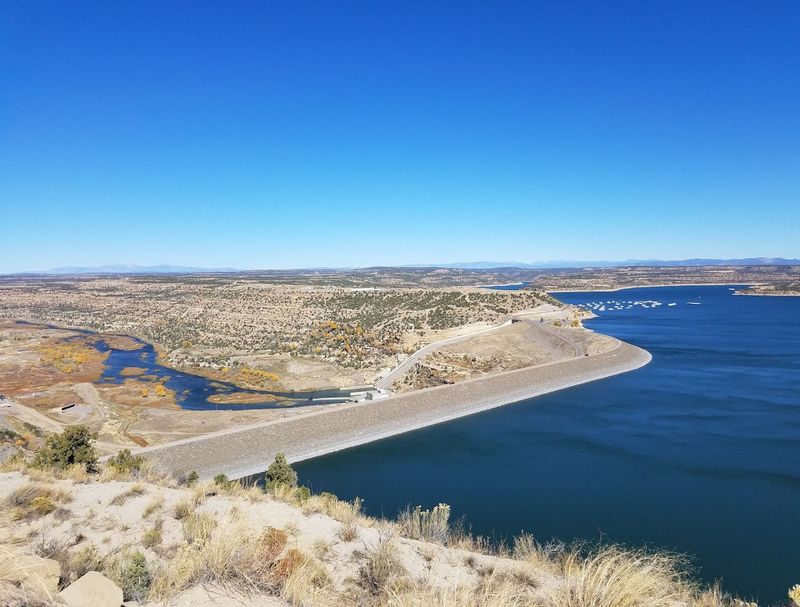
Navajo Lake has a quality that is surprisingly hard to find in a lake this size: genuine solitude. You just have to go a little farther than the main launch ramps and picnic areas.
The park feels big without feeling chaotic, especially during the winter months. When the crowds thin out, the landscape takes on a stark, almost severe beauty that feels entirely different from the summer version.
Over 150 miles of shoreline gives visitors plenty of room to spread out, even on a moderately busy weekend. If you are willing to paddle or hike a reasonable distance from the facilities, you can find a stretch of water with nobody else in sight.
Hidden beneath and around the reservoir’s history are the former communities of Los Arboles and Rosa. Structures there were moved, removed, buried, burned, or flooded when Navajo Dam and Navajo Reservoir were created.
The idea that two former communities are tied to this landscape adds a layer of quiet history. It changes the way you think about every swim and boat ride on the water.
All of this waits at Navajo Lake State Park. The wide horizons, hidden shores, former communities, and world-class fishing make it one of the most rewarding and least-hyped outdoor destinations in the entire state.