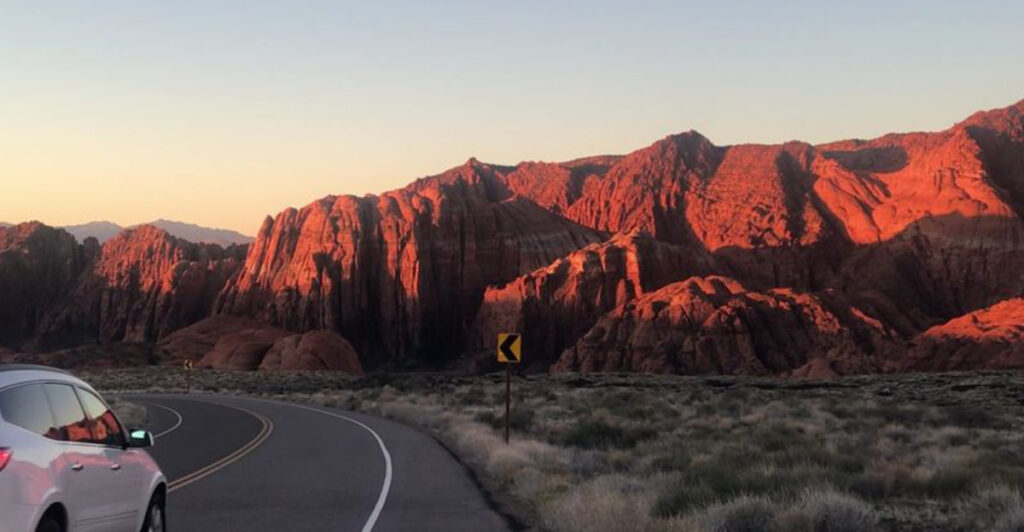
Some desert landscapes do not ask for attention, they seize it before you have time to reach the next highway sign. In southern Utah, this remarkable stretch of red rock feels like several adventures compressed into one wildly photogenic place.
You get towering sandstone cliffs, dark lava fields, sculpted dunes, narrow canyon passages, and that strange desert magic where every turn seems to change the color of the world. What makes it even better is how manageable it feels, giving visitors a serious dose of drama without demanding an expedition-level commitment.
The trails, overlooks, and textures make it easy to understand why so many people arrive surprised and leave slightly annoyed that nobody mentioned it sooner. Utah’s famous scenery has plenty of headline acts, but this spot proves the supporting cast can be just as unforgettable.
Skip the autopilot drive, because this is the detour that becomes the story.
The Landscape That Makes You Question Everything You Knew About Utah
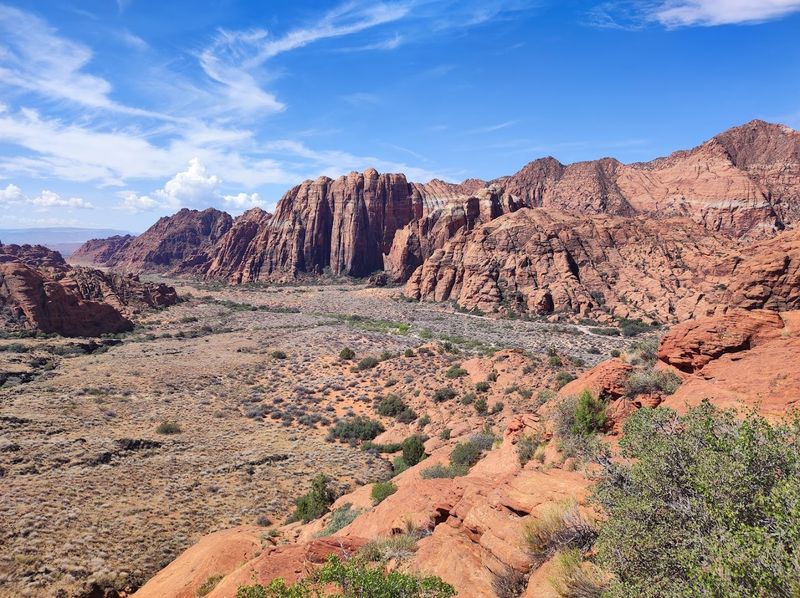
Most people assume Utah’s desert landscapes follow a predictable script: red rocks, blue sky, repeat. It tears that script up entirely.
Within a single park boundary, you get red sandstone cliffs, white sandstone formations, ancient black lava flows, petrified sand dunes, and a slot canyon short enough for kids but dramatic enough to stop adults mid-sentence.
The geological variety here is genuinely rare. The collision of volcanic history and wind-sculpted sandstone creates a landscape that feels almost cinematic, like someone layered three different national parks into one compact space.
Why It Matters: This isn’t just pretty scenery. The park sits in the Mojave Desert transition zone, making it one of the most geologically diverse state parks in Utah.
Visitors consistently note that just driving through the park corridor is rewarding on its own, before a single trail is attempted.
Quick Tip: Go early in the morning when the low-angle sunlight hits the canyon walls. The color contrast between red, white, and black rock at that hour is something a camera struggles to fully capture, which is a good reason to show up in person.
Petrified Dunes: Where The Desert Froze Mid-Motion
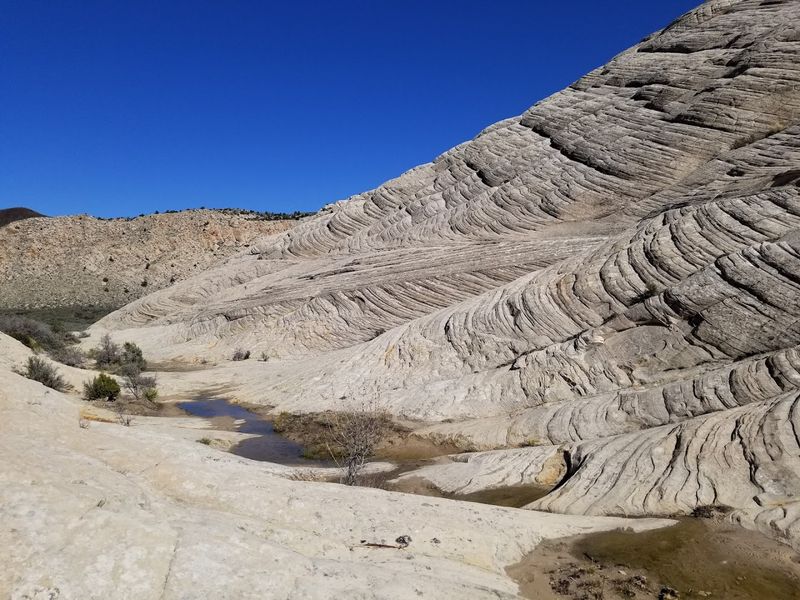
Picture a sand dune the size of a small hill, then imagine it slowly turning to stone over millions of years while keeping every ripple and wave intact. That is exactly what you are looking at when you walk onto the petrified dunes at Snow Canyon State Park.
Visitors can walk directly on these formations, which is the kind of access that national parks rarely allow. The sensation of standing on what was once a shifting, windblown dune field is genuinely hard to shake.
It feels less like hiking and more like stepping onto a different planet.
Fun Fact: These formations are composed of Navajo Sandstone, the same ancient aeolian dune deposits found across much of the Colorado Plateau. They were formed during the Jurassic period, meaning your footsteps are landing on geology that predates the dinosaurs that once wandered nearby.
Best For: Families with younger children who want a high-impact, low-effort experience. The terrain is open and walkable without requiring serious hiking gear.
Wear closed-toe shoes with grip since the surface is uneven, and the sandy stretches between formations can surprise first-timers.
Lava Tubes That Turn A Casual Hike Into An Adventure Story
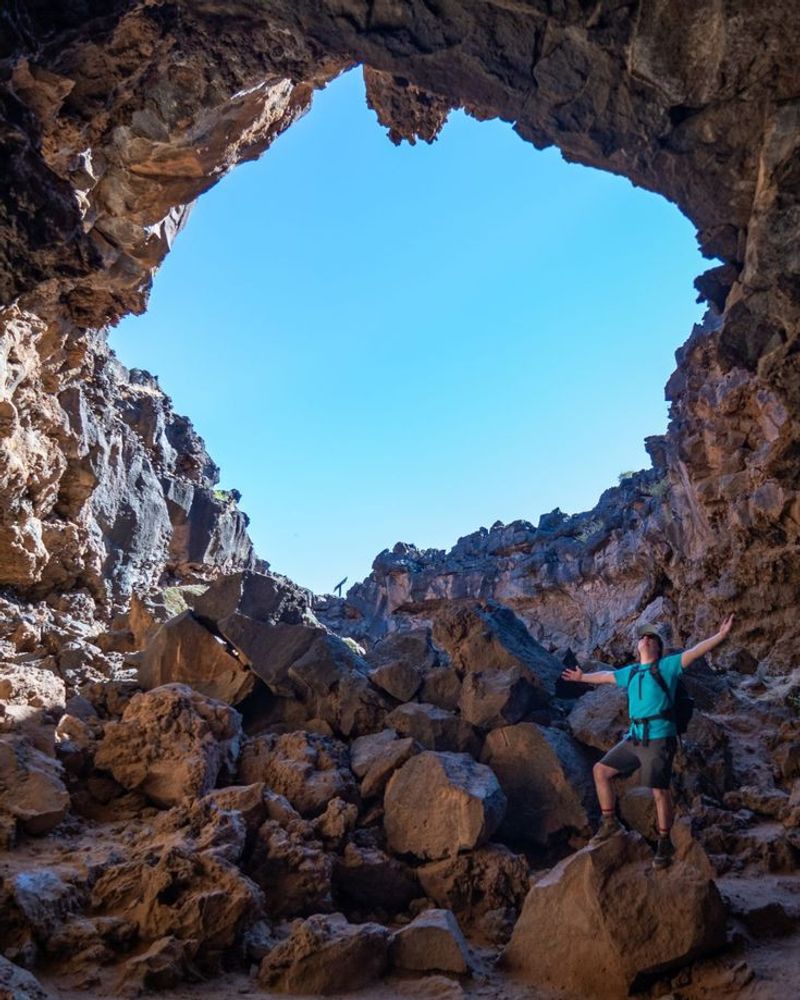
Not every state park can offer you the chance to crawl into a volcanic tube formed by ancient lava flows. Snow Canyon can.
The lava tubes scattered through the park are among the most talked-about features among repeat visitors, and for good reason: they are the kind of discovery that makes children forget they were ever tired.
The tubes were created when lava flows cooled on the outside while molten rock continued moving through the interior, eventually draining and leaving hollow tunnels behind. Walking up to one feels like finding a secret door in the desert floor.
Insider Tip: Bring a small flashlight or use your phone light before entering. The interiors are dark, uneven, and genuinely cave-like, which is most of the fun.
Adults may need to crouch, and the experience shifts quickly from casual nature walk to something that earns bragging rights at dinner.
Who This Is For: Curious families, geology enthusiasts, and anyone who has ever wanted to say they crawled through a lava tube in the Utah desert. This is not for visitors with mobility limitations, as the entry points require bending and careful footing on rough volcanic rock.
Jenny’s Canyon: The Slot Canyon That Fits Everyone’s Schedule
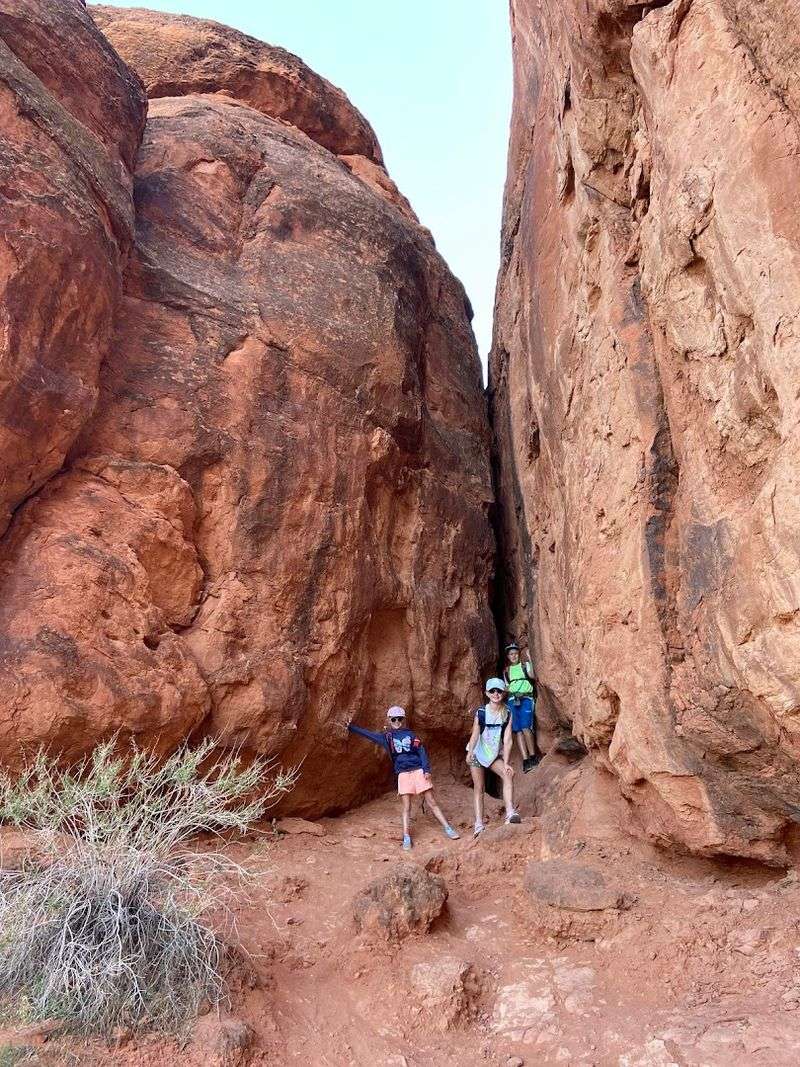
Slot canyons have a reputation for requiring permits, long drives, and a certain tolerance for crowds pressing against you from both sides. Jenny’s Canyon at Snow Canyon State Park operates on a completely different system: it is short, accessible, and quietly spectacular.
The trail leading to it is easy enough for children and relaxed enough for visitors who did not exactly come dressed for a technical hike. Once inside the narrow passage, the sandstone walls rise on both sides and the light shifts in ways that make even reluctant photographers reach for their phones.
Planning Advice: The trail splits near the canyon, with one path leading into the slot and another climbing to an elevated viewpoint above. Do both if time allows.
Each perspective delivers something the other cannot, and the combined distance remains well within the range of a casual morning outing.
Best For: First-time visitors to Snow Canyon, families with mixed hiking abilities, and couples who want a memorable experience without committing to a full-day trek. Parking near Jenny’s Canyon fills up faster than other spots in the park, so arriving before mid-morning is a genuinely practical strategy rather than just cautious advice.
Paved Bike Trails That Make The Whole Canyon Accessible
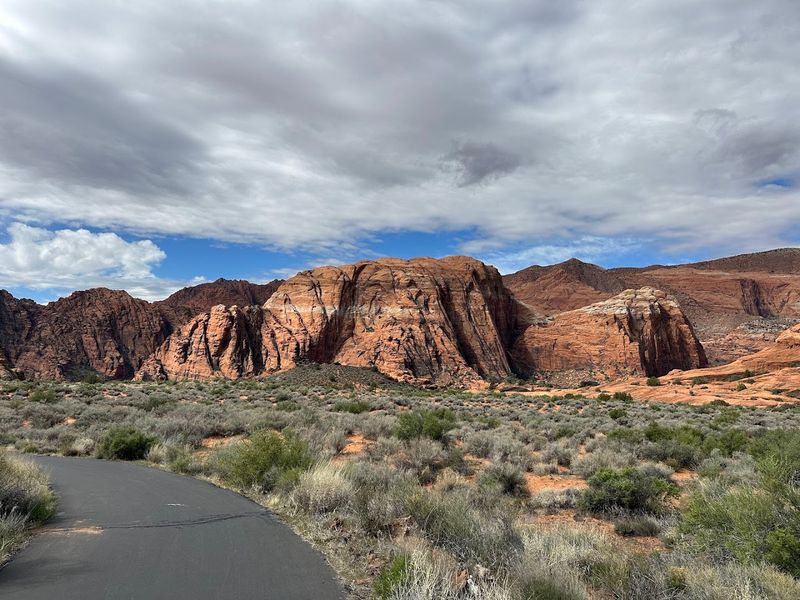
Not every great landscape experience requires boots and a backpack. Snow Canyon State Park runs a dedicated paved bike path through the canyon corridor that keeps cyclists and pedestrians completely separate from vehicle traffic, which sounds like a minor detail until you realize how much it changes the experience.
Riding through the canyon on that path puts you physically closer to the sandstone walls than a car window ever could. The scale of the cliffs registers differently at bike speed, and the silence between canyon walls is a feature that no trail map can fully advertise.
Pro Tip: If you want a mostly downhill ride, start at the northern gate near the upper Galoot picnic area and ride south. The paved path runs roughly two miles in that direction before the terrain shifts.
Riders who prefer the climb first can enter from the south and coast back on the return.
Best For: Families with older kids on bikes, couples looking for a low-impact way to cover more ground, and e-bike riders who want the canyon experience without the elevation debate. The path is clean, well-maintained, and gives the park a decidedly non-intimidating entry point for visitors who arrived unsure about hiking.
Beating The Crowds: What Zion Regulars Already Know
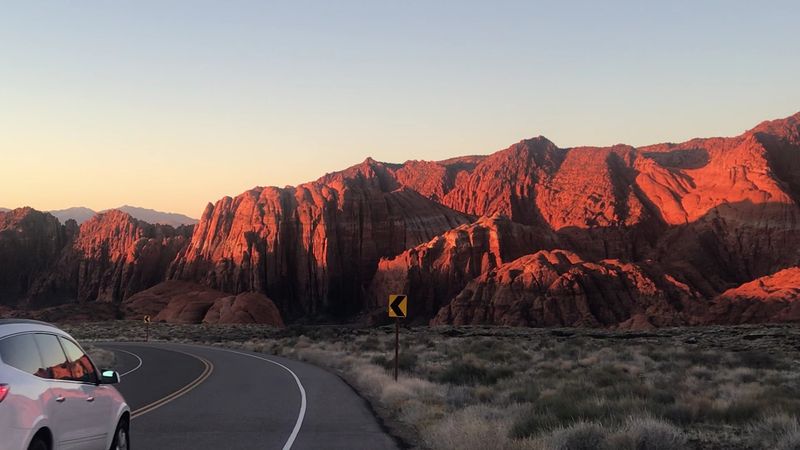
Here is the part that visitors who have fought for parking at Zion find almost offensive: Snow Canyon State Park, with its comparable desert drama and genuinely varied landscape, regularly sees a fraction of the foot traffic. The park sits just minutes from residential St. George, holds a near-perfect rating from thousands of visitors, and still manages to offer uncrowded trail experiences on most days.
The comparison to Zion comes up constantly among visitors, and not in a consolation-prize way. Multiple visitors describe it as offering similar vibes with none of the logistical stress that has made Zion’s shuttle system a necessary but occasionally exhausting part of the experience.
Common Mistakes to Avoid: Showing up late on a Saturday without a parking plan. The lot fills quickly at popular trailheads, particularly near Jenny’s Canyon and the petrified dunes.
Arriving before 8 AM on weekends gives you a noticeably different, quieter experience than the mid-morning rush.
Quick Verdict: If your Utah trip is built around Zion and you have a single spare morning, redirect it here. The park is open daily from 6 AM to 10 PM, which means early risers have a genuine advantage and late-afternoon visitors can catch the canyon walls glowing in the last hour of sunlight.
Making It A Real Plan: Your Snow Canyon Visit From Start To Finish
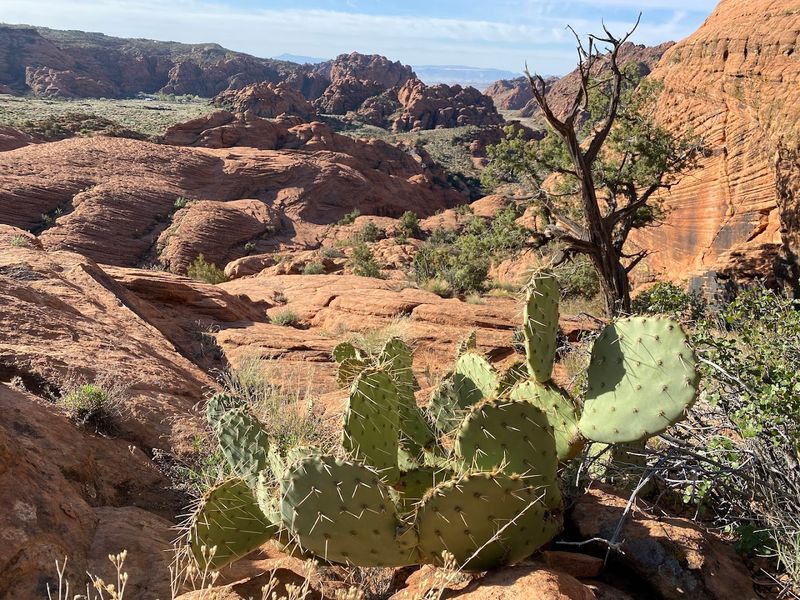
Snow Canyon State Park is the rare outdoor destination that rewards both the meticulous planner and the person who decided to go thirty minutes ago. The park is open every day from 6 AM to 10 PM, with an entrance fee of around fifteen to twenty dollars depending on residency.
The entire corridor can be driven through in roughly ten minutes, but that would be a spectacular waste of a visit.
A well-paced half-day covers the petrified dunes, Jenny’s Canyon, and at least one lava tube without anyone feeling rushed. Families with younger children can complete the most popular trails before lunch and still have energy left.
Couples can take the paved bike path and make the canyon views the main event.
Insider Tip: The visitor center is small and lightly stocked, so do not count on it for supplies. Bring more water than you think you need, especially between spring and fall when desert heat arrives faster than expected.
Wear shoes with grip since sandy trails are the norm across most of the park.
Best Strategy: Pair your visit with a stop in nearby St. George for a post-hike meal. Snow Canyon is just a quick stop off your route if you are already moving through southern Utah, and it earns its place on any itinerary without demanding much in return.