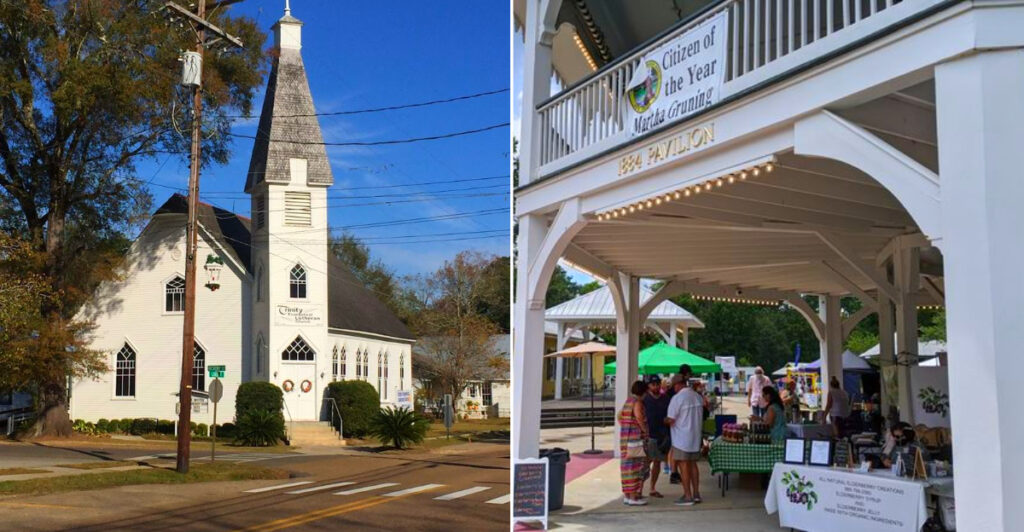
Small towns that keep showing up on lists of hidden gems tend to disappoint the moment you arrive but this particular town north of Lake Pontchartrain manages to stay genuinely surprising even after you have seen the postcards and read the reviews.
The music starts before you find the venue and the art shows up in places you did not think to look and the springs that gave the town its name still bubble up in a park that feels like it was designed by someone who understood that not everything needs a ticket.
This is the kind of place where a Saturday afternoon turns into a full day without warning and the walk from one end of town to the other takes just long enough to make you want to sit down and stay.
A hidden Louisiana town with live music in the town hall, folk art around every corner, and natural springs that have been drawing visitors for well over a century proves that small-town charm does not need a marketing budget.
Town Hall Sessions
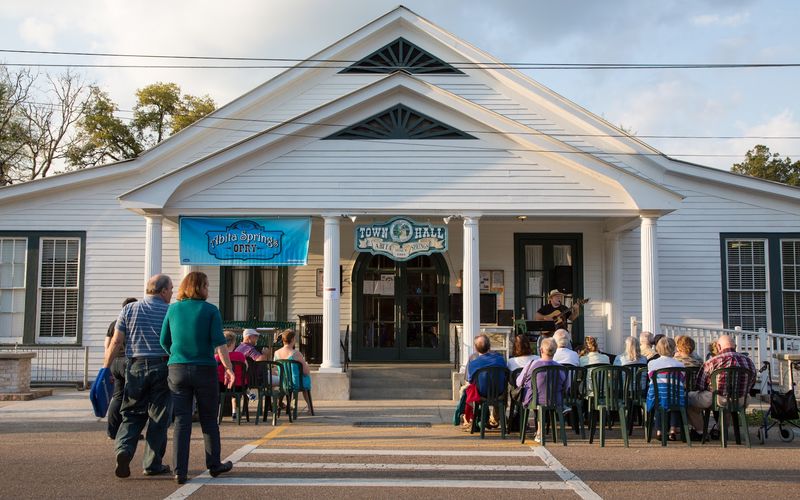
The Abita Springs Town Hall is a warm, unpretentious space where acoustic music feels immediate and communal. I remember the hush before a set, the way plucked strings sounded like local conversation, and the clap that followed each story-song.
The room itself holds the town’s rhythms in the wood and plaster, an honest backdrop for bluegrass, Cajun, and gospel-rooted performances.
Shows are often organized by the Abita Springs Opry, a nonprofit focused on preserving regional music, and they host several acoustic evenings a year. For visitors, arriving early means snagging a front-row seat and a chance to chat with performers, who are usually generous with song histories and playing tips.
Small-Town Detour With Springs In Its Bones
Abita Springs has that quiet Northshore feel, the kind of town that rewards you for getting off the faster road and arriving with no dramatic agenda.
You’ll find the town center around 22161 Level St, Abita Springs, Louisiana 70420, the address used for Abita Springs Town Hall and Abita Opry.
Park once and wander from there. The best arrival is simple: slow streets, old-town charm, a little shade, and the sense that the place has been waiting patiently for you to notice it.
Give yourself time to look at the porches, small storefronts, and leafy corners, because the appeal here is not one big attraction but the gentle accumulation of details that make a short stop feel unexpectedly restorative.
Tammany Trace Trailhead
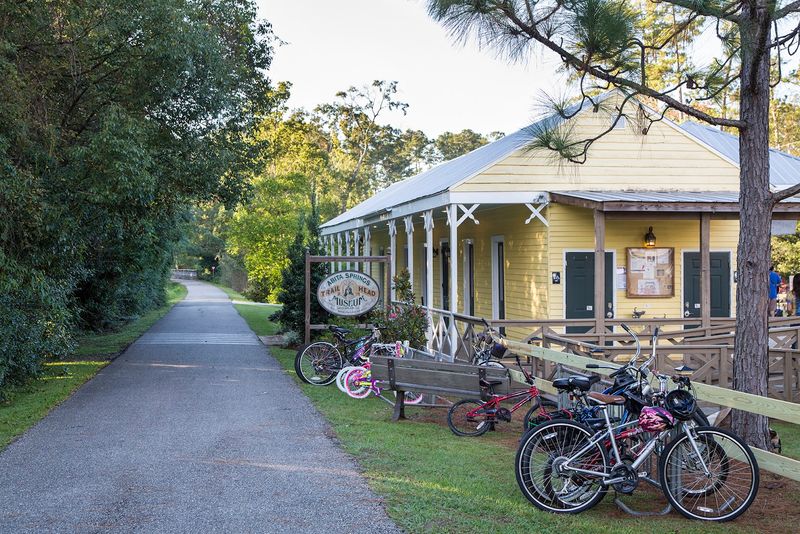
The Tammany Trace trailhead at Abita Springs invites easy, scenic exploration whether you walk, jog, or pedal. The paved 31-mile rail-trail links towns across the Northshore and gives a quiet way to experience local landscapes, from shaded stretches to glimpses of historic neighborhoods.
The trailhead area offers maps and benches for planning or resting before a longer ride.
I like starting here early to enjoy cooler air and fewer people, and the path’s gentle grade makes it suitable for most fitness levels. Practical tips include bringing water and a lock if you rent a bike locally, and taking side streets through the historic district to discover bungalow porches and small galleries.
Abita Fall Fest and Busker Festivals
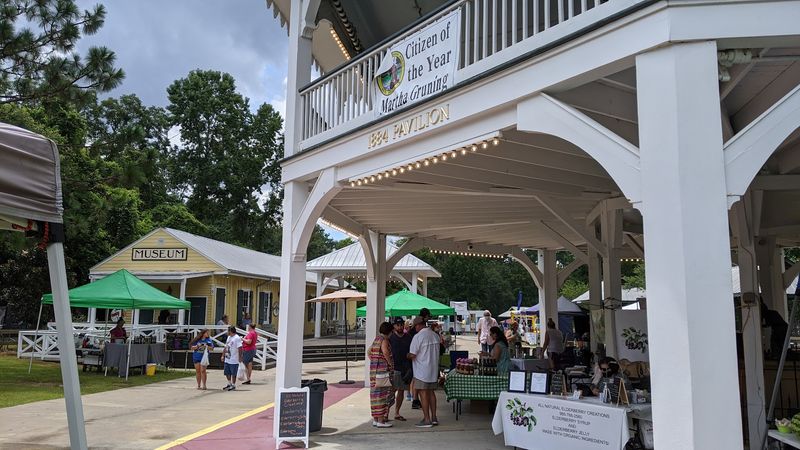
Abita Fall Fest and the Busker Festival turn Level Street and nearby parks into lively stages where local music and storytelling converge. These events celebrate regional talent and bring in buskers, acoustic bands, and family-friendly performances, creating a spontaneous, street-level festival atmosphere.
For music lovers, it’s a chance to sample a range of roots styles in one afternoon.
I experienced the Busker Festival’s informal energy, where performers move among the crowd and stories are told between songs. Arrive prepared with comfortable shoes, sun protection, and an appetite for wandering — the best moments often appear where you least expect them, under a tree or beside a historic porch.
Historic District Architecture
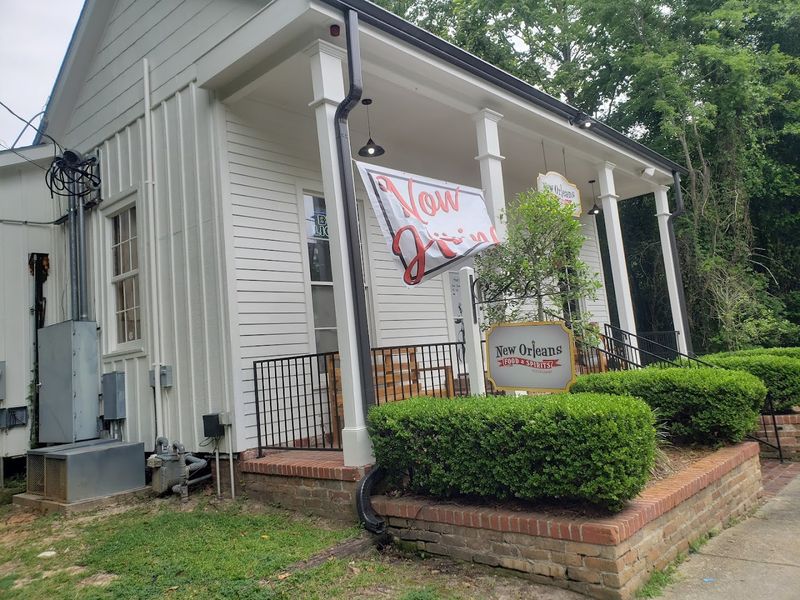
Strolling Abita Springs’ Historic District reveals a concentrated display of shotgun houses and bungalows, many with large porches and period woodwork. The buildings form a tangible timeline of the town’s growth, and the preserved facades give the streets a slow, lived-in quality.
Architectural details like turned posts and sash windows reward even brief observation with a sense of continuity and care.
One practical observation is to look at house plaques and the National Register signage, which often indicate construction dates and historical notes. Photographing porches in early morning light captures textures best and shows why residents value these structures as everyday stage sets for local life.
Longbranch Hotel and Trailhead Museum
The Longbranch Hotel’s former bachelor quarters now house the Trailhead Museum, a compact repository of Abita Springs’ local history and artifacts. The museum’s exhibits cover Native American pottery, the healing spring legend, and early tourism when visitors came seeking the springs’ restorative qualities.
A focused visit here gives context to many of the town’s traditions and community events.
Docents are often knowledgeable and enjoy pointing out connections between displayed objects and the town’s festivals or musical legacy. It’s a short stop that pays off, especially when paired with a walk along Level Street to see the buildings mentioned in the displays and imagine the town’s turn-of-the-century bustle.
Cotton Centennial Pavilion and Park
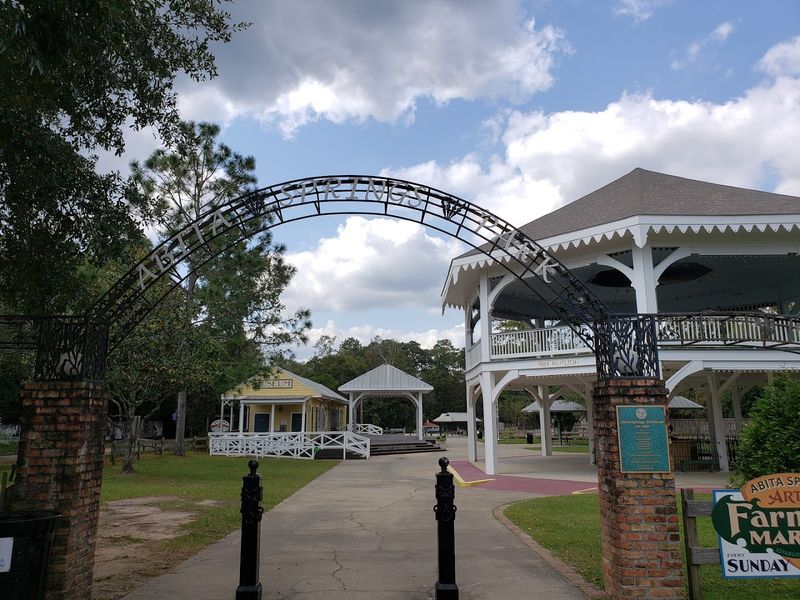
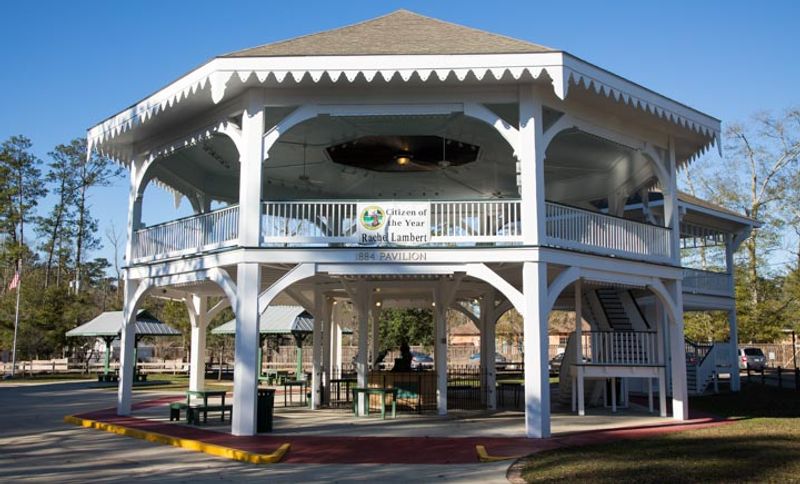
The restored Cotton Centennial Pavilion sits in Abita Springs Park as a graceful reminder of past exposition architecture and community gatherings. Its open structure works well for impromptu performances, craft markets, and small ceremonies, and the park around it is a pleasant spot for picnics or to listen for distant music drifting from town.
The pavilion’s wooden beams frame the sky in a way that invites quiet observation.
When I visited, the pavilion felt like a neighborhood living room opened to the public, where conversations and songs blend naturally. Bring a blanket and linger through golden hour to see how light and shadow make the structure unexpectedly photogenic and peaceful.
Local Artists and Galleries
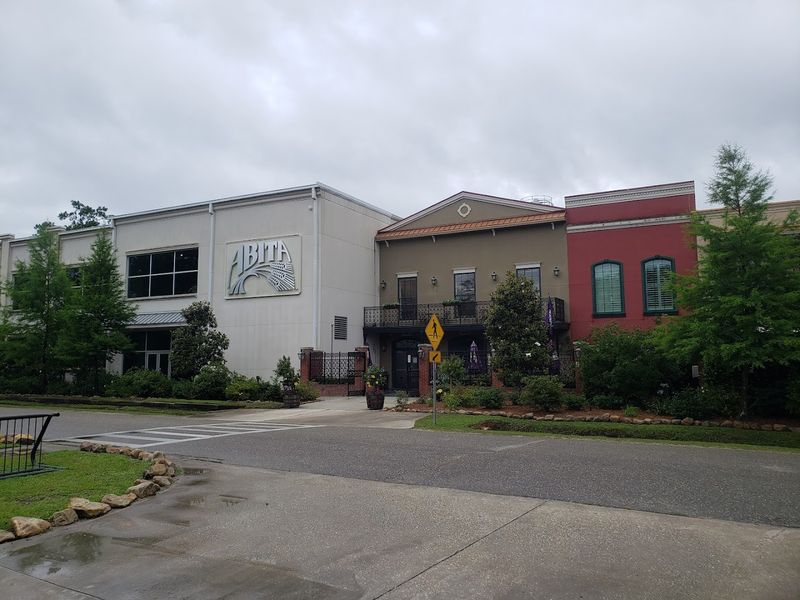
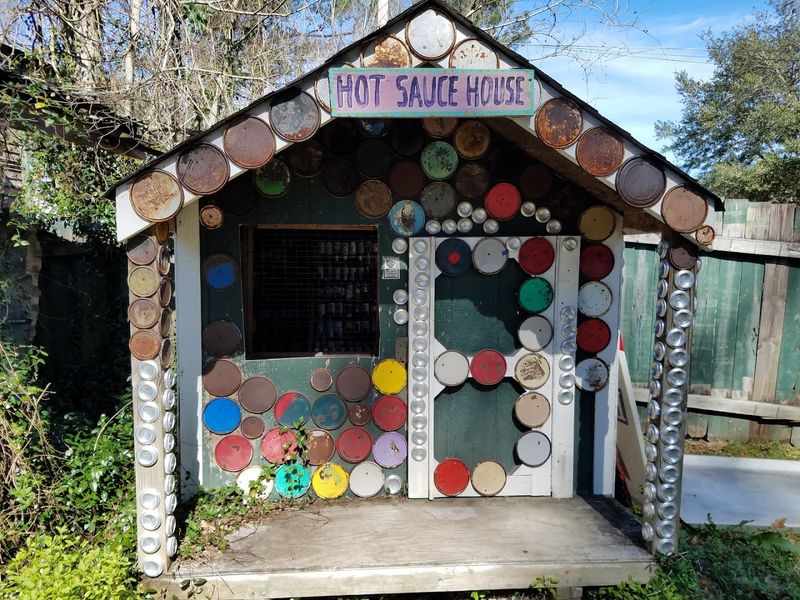
Abita Springs hosts a tight-knit community of artists, jewelers, and makers whose work appears in small galleries and storefronts along Level Street. The art tends to be grounded in local themes – wetlands, music, and folk traditions – and many artists are happy to discuss their techniques and inspirations.
Visiting these spaces offers insight into how creativity anchors everyday life here.
I enjoyed peeking into studios and speaking briefly with makers who described their materials and process. If you’re shopping, bring cash and ask about commission possibilities; local artists often welcome custom work and conversation more than hurried transactions.
Porch Culture and Informal Storytelling
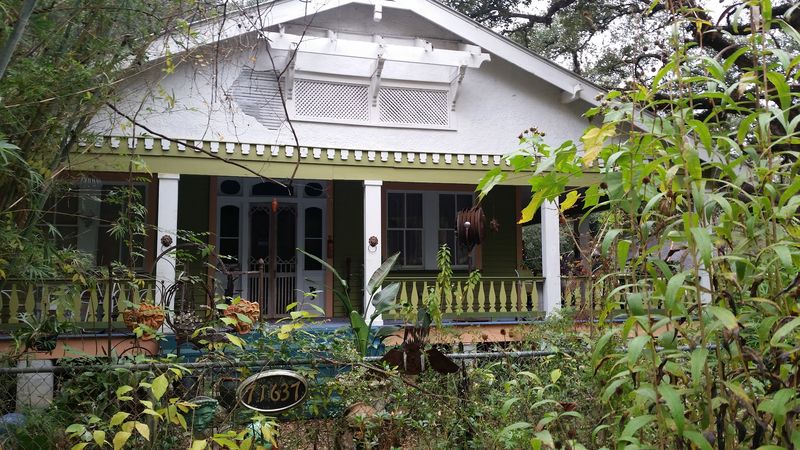
Porch culture in Abita Springs feels like an ongoing, low-volume performance where neighbors share news, memories, and songs. Sitting on a public bench or a cafe porch, you can overhear friendly exchanges that often lead to personal recommendations for music nights or local storytellers.
The porches themselves are social stages where the town’s oral traditions continue in everyday form.
On a quiet evening, I found that smiling and starting a conversation usually invites helpful tips on upcoming shows or the best time to visit a museum. Respecting private property while engaging politely opens more doors than expected and creates chances for genuine local stories to surface.
Seasonal Highlights, Fall And Festivals
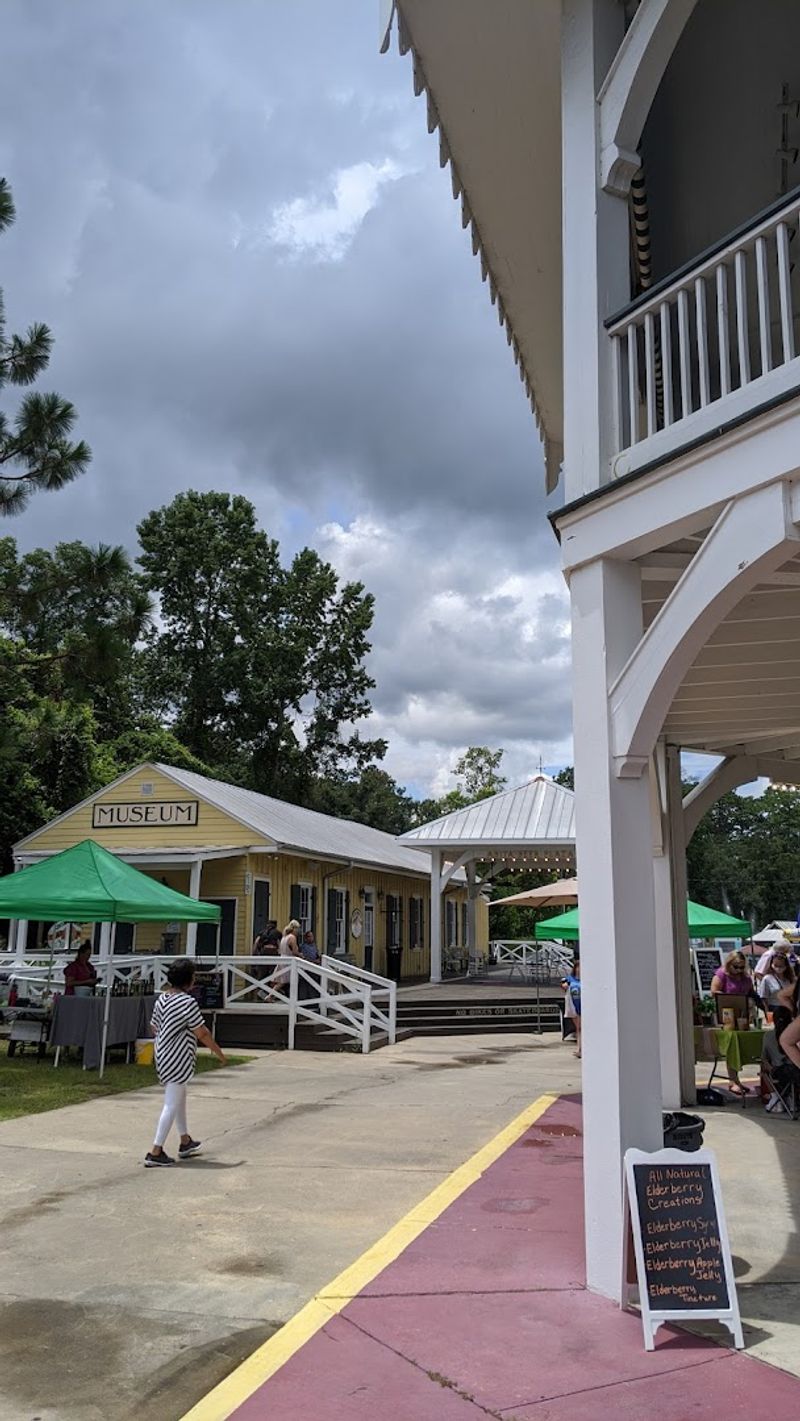
Fall in Abita Springs brings a rhythm of festivals and cooler weather that encourages walking and lingering outdoors. Events like Abita Fall Fest concentrate music, crafts, and food into a weekend, offering a strong sense of community and lively moments to witness local traditions.
The cooler temperatures make porch conversations and outdoor performances more comfortable and sociable.
When planning a fall visit, check festival dates early and consider staying nearby to absorb morning markets and late-afternoon performances. Mornings are best for quiet exploration of the historic district, while evenings belong to music and storytelling under strings of lights.
Preserving Oral Traditions and Music
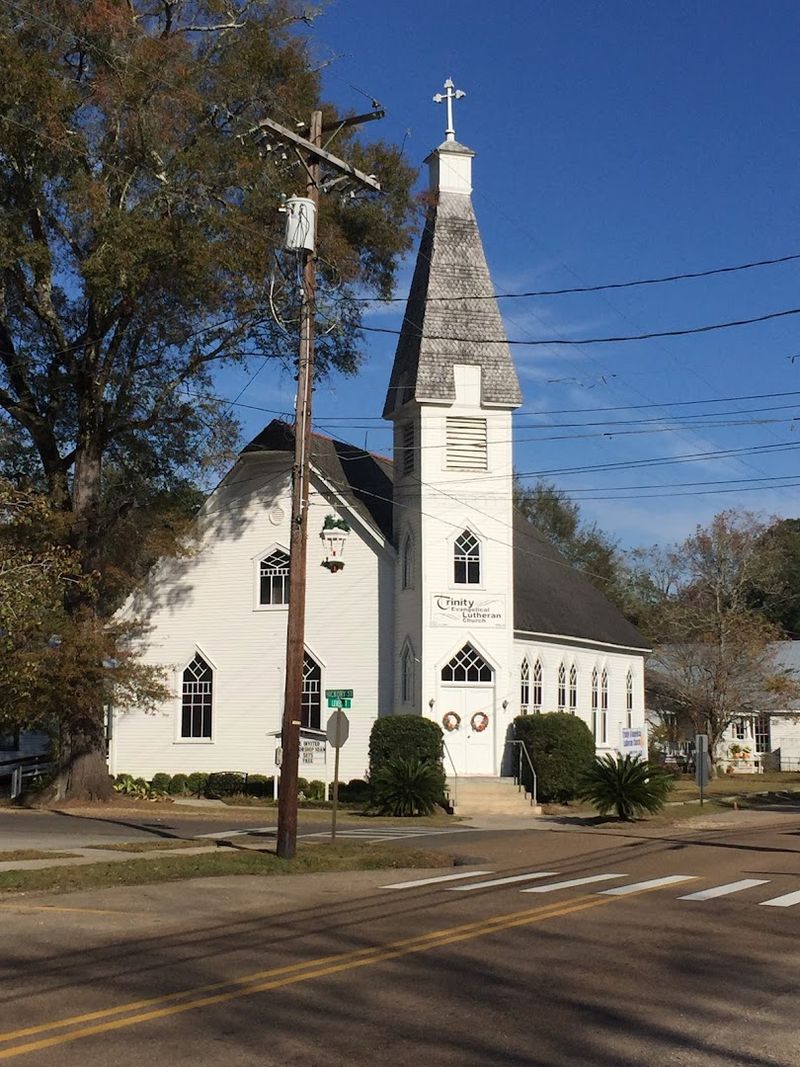
In Abita Springs, music and storytelling are treated like living archives passed between neighbors and visiting performers. Local groups and the Opry actively preserve songs and dance forms through regular programming and informal gatherings, emphasizing authentic transmission rather than polished presentation.
This approach keeps traditions flexible and accessible to newcomers and curious listeners alike.
I noticed musicians often share song backgrounds and invite audience participation, which helps contextualize tunes within local history. For visitors wanting to learn, polite curiosity and willingness to listen can lead to invitations to workshops or participatory dances that deepen appreciation for the town’s cultural continuity.
Practical Tips for Visiting
Practical visiting tips include arriving mid-morning to enjoy shops and museums before evening performances attract crowds. Parking along Level Street is generally available, but festival days require extra walking from nearby lots.
Many venues are small and community-run, so checking event calendars and calling ahead ensures you won’t miss a show or a guided tour.
Bring comfortable shoes, water, and a map of the Historic District to plan purposeful wandering. Engage with locals respectfully and ask for recommendations; most residents are happy to point you toward a lesser-known gallery, a story-telling evening, or a quiet porch where music drifts across the street.