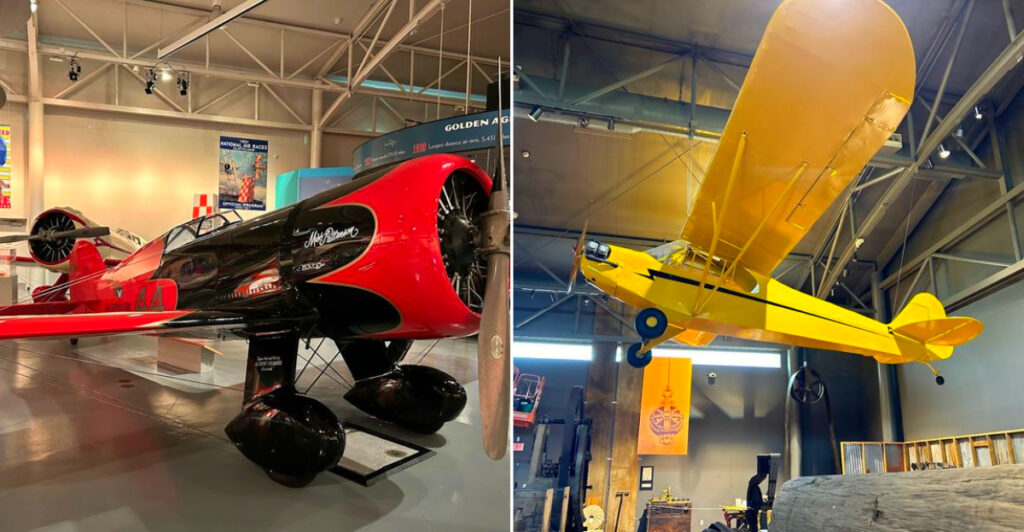
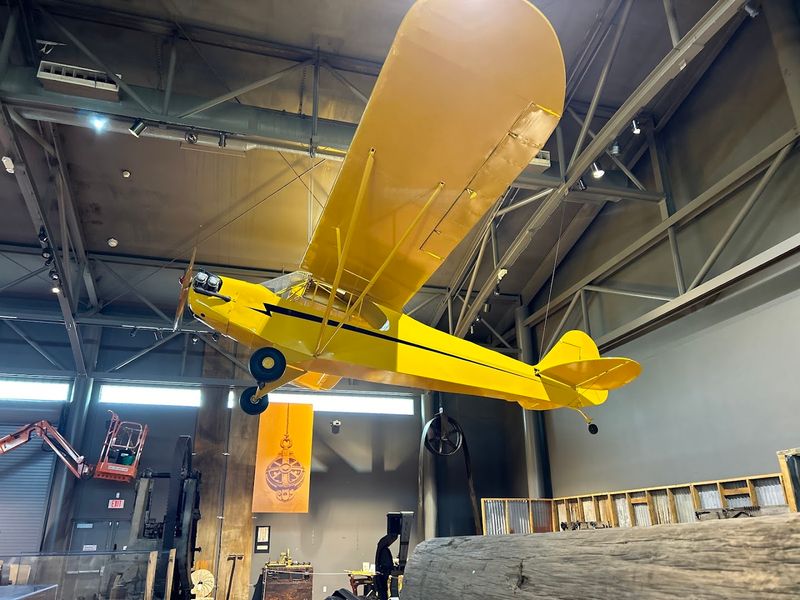
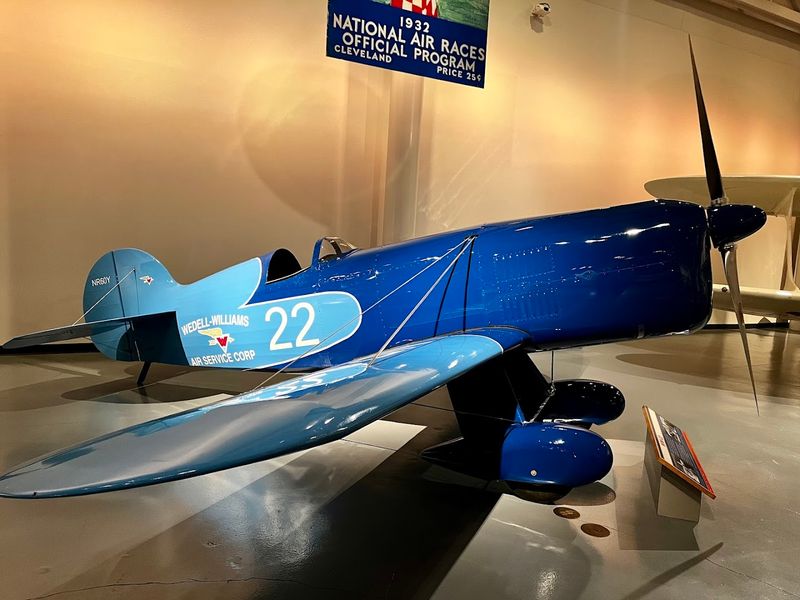
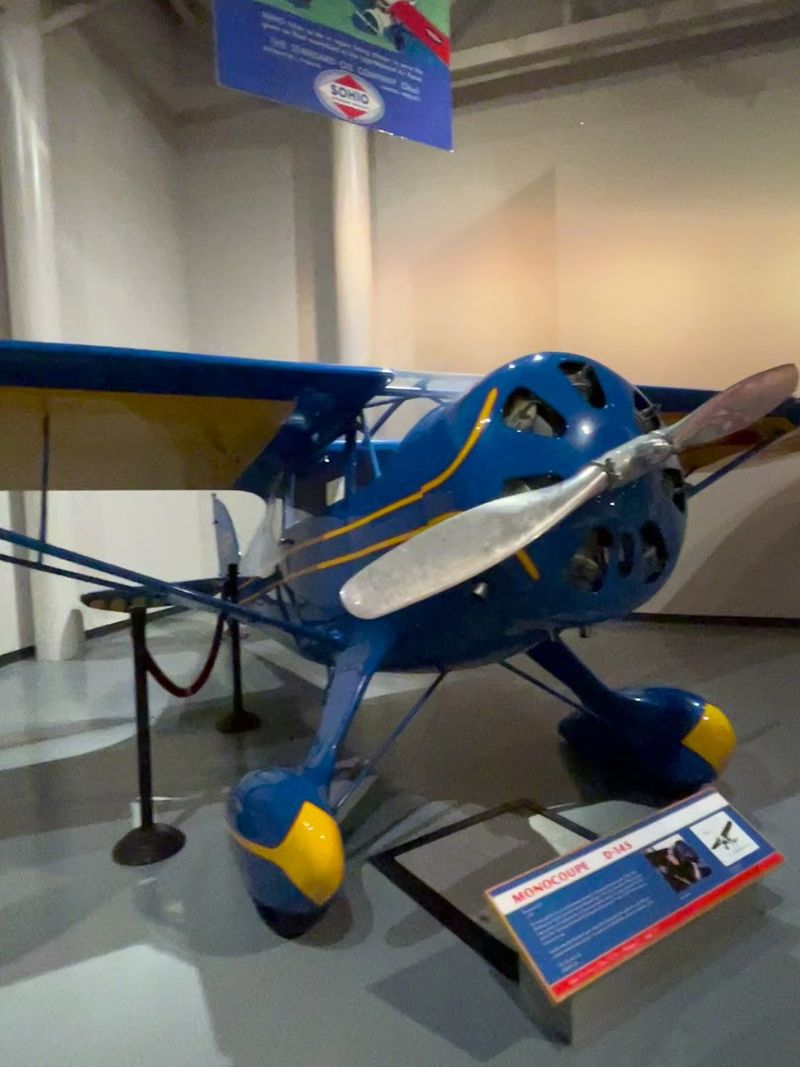
Most people do not associate Louisiana with aviation history. That is exactly what makes walking into this Patterson museum such a surprising experience because the planes hanging from the ceiling are not replicas they are the real racing aircraft that set speed records in the 1930s.
The stories behind them involve two men who built an airline out of swamp country and proved that innovation does not need a coast.
The museum doubles as a cypress sawmill exhibit which sounds like an odd pairing until you realize that the same landscape that produced the timber industry also produced the runway and the combination fills a building that most drivers on Highway 90 pass without knowing it exists.
Admission is free the volunteers know every bolt of every plane and the surround-sound theater re-creates an air race in a way that makes you grip the armrest.
An under-the-radar museum in Patterson Louisiana pairs golden-age racing planes with cypress sawmill history and proves that the most surprising stories are the ones nobody told you to look for.
Arrival Mood And First Impression
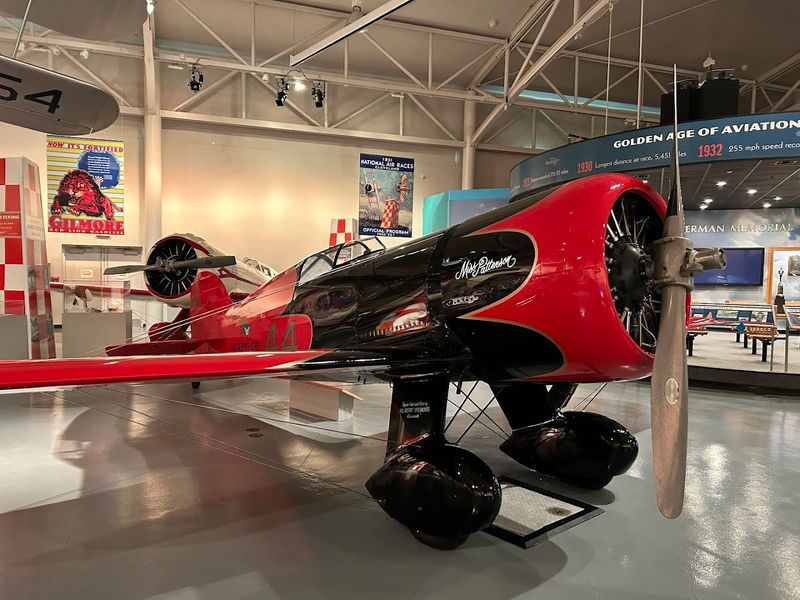
A hush settles under the hangar lights when you first enter the aviation gallery, and the Wedell-Williams story hits you. Polished fuselages and painted numbers feel like frozen motion, while friendly labels guide curious eyes.
The presentation is tidy and respectful, not flashy, which somehow makes the machines more impressive.
Walking toward the sawmill displays shifts the mood, invoking bayous and the smell of turned timber in imagination. Models, film clips, and original tools explain how cypress logging built regional wealth and influenced local lives.
Panels link industry to aviation money and ambition.
The small theater and interactive stations add depth, letting kids test lift and visitors linger over trophies. Admission is free and staff are welcoming, so plan a relaxed weekday visit with time to read and watch the film at your own pace.
Two Histories, One Quiet Patterson Stop
Wedell-Williams Aviation and Cypress Sawmill Museum sounds like two field trips accidentally sharing the same building, which is exactly what makes the arrival more interesting.
You’ll find it at 118 Cotten Rd, Patterson, Louisiana 70392, a straightforward stop in Patterson with official Louisiana State Museum roots.
Park, walk in, and let the shift happen fast. One moment you are arriving from the road, the next you are between air-race history, old machinery, and the strange pleasure of finding planes and cypress lumber under one roof.
Cypress Sawmill Atmosphere
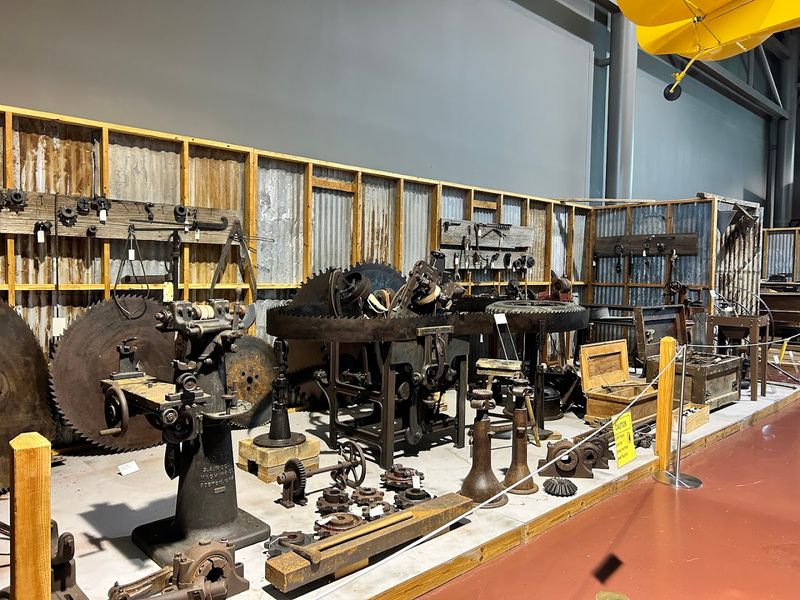
The sawmill wing opens with a surprising domestic sense of scale: giant logs imagined beside small tools and handwritten ledgers. Exhibits trace how cypress logging became Louisiana’s first big manufacturing industry and how that economy underwrote other local ventures.
Photos and artifacts make the trade immediate and oddly elegant.
Display cases hold saw teeth, pulleys, and worker gear, paired with images of crews and steam-driven equipment. Panels explain techniques and ecological impact without sentimentalizing loss, presenting industry as a central chapter in regional history.
The connection back to aviation is explicit: timber money helped fund speed and innovation. The museum balances technical detail with human stories, so expect a thoughtful blend of labor history and local pride.
The David J. Felterman Theater Experience
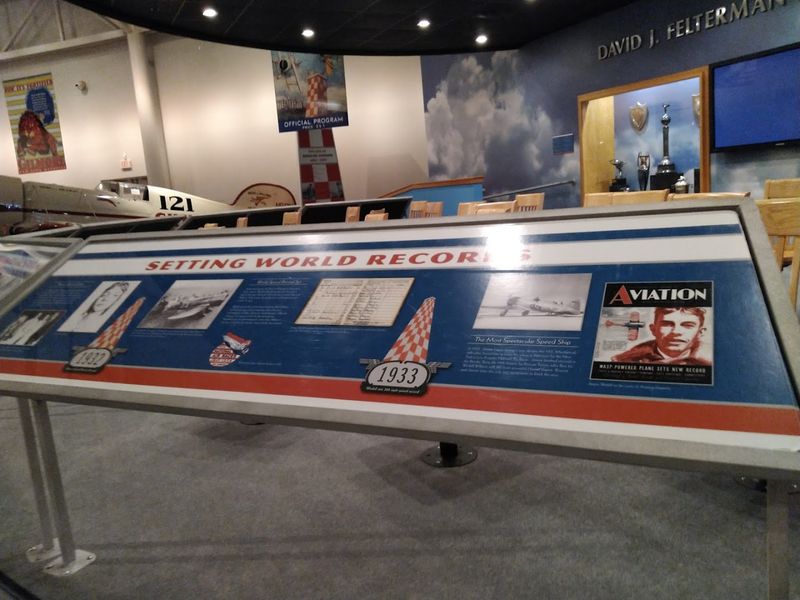
The little theater screens a short but effective film that folds you into the 1932 Cleveland races, creating a thrill disproportionate to the room’s size. The production mixes archival footage with reenactment in a way that emphasizes atmosphere over spectacle, and fans in the theater add a gusting effect during flight sequences.
It is a compact immersive experience that helps visitors imagine scale, speed, and crowd energy from another era. The explanation of why those races mattered is clear and ties directly to the museum’s objects and trophies.
Because the film runs at set times, plan to arrive with a little buffer so you can watch without rush. The theater is accessible and family-friendly, making it a fine complement to the static exhibits.
Interactive Displays And Kids
Interactive stations are modest but cleverly designed to explain flight principles without dumbing things down; kids and adults both seem to enjoy testing lift and balance. Models and simple hands-on devices translate the physics of flight into immediate, observable effects that prompt questions rather than answers.
The museum strikes a good balance between artifacts and engagement, so families linger longer than expected. Staff are ready with short, clear demonstrations if asked, and younger visitors usually leave with a new curiosity about planes and engineering.
If you are bringing a family, schedule time for the activities and the short film; combining both hooks variety into a single visit. The space feels safe and welcoming for children and multi-generational groups.
Preservation Techniques On Display
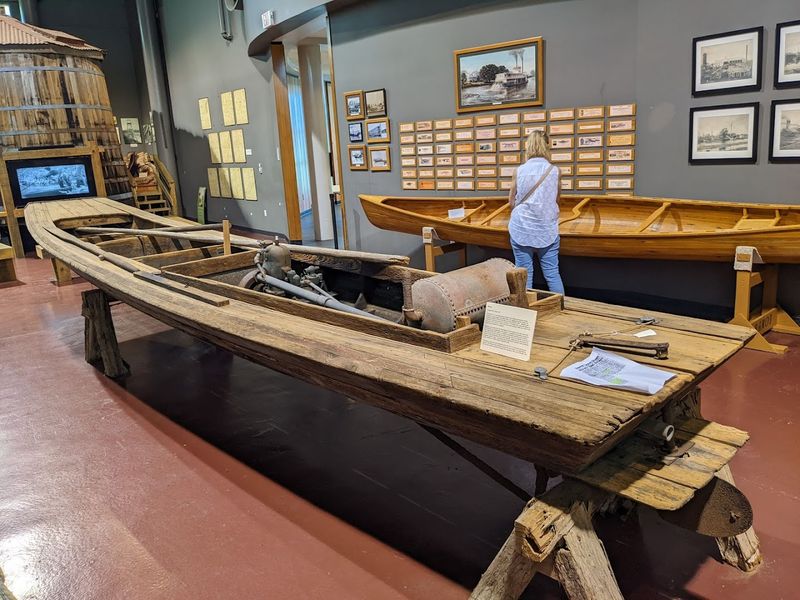
The museum does a quiet job demonstrating preservation techniques for both aircraft and wooden artifacts, showing how careful conservation keeps fragile items legible for future visitors. Labels explain materials and methods, from varnish choices on wooden components to corrosion prevention on metal fittings, with enough detail to satisfy curious amateurs.
Seeing restoration notes alongside trophies and components makes the conservation work visible and comprehensible. It reframes objects as living research projects rather than static relics, and that perspective deepens appreciation for the craft involved.
If you geek out about materials or restoration, ask staff about specific efforts; they are accommodating and often happy to point out recent work. The transparency of practice adds trustworthiness to the displays.
Architectural Features To Notice
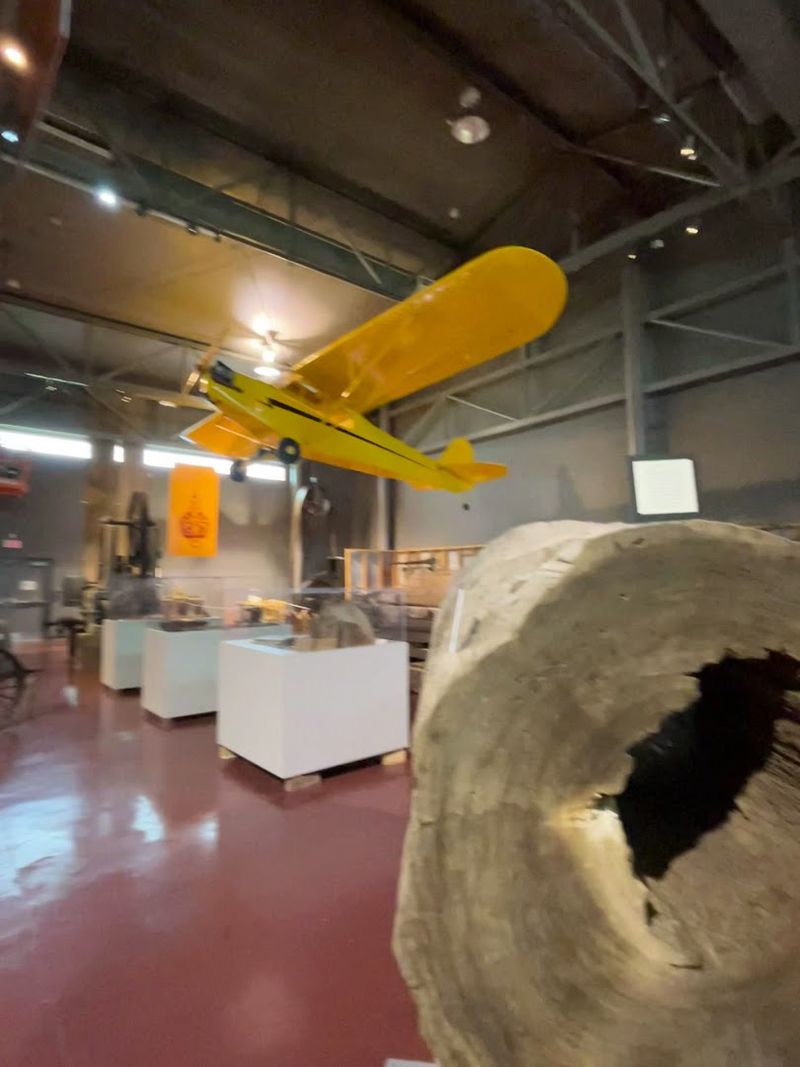
The building’s interior is spare and efficient, with high ceilings that suit suspended planes and wide sight lines that let exhibits breathe. Attention to lighting and sightlines means you rarely feel crowded even when several groups are present.
Small design choices like bench placement and display height reveal a thoughtful approach to visitor flow.
Materials are chosen to complement artifacts rather than compete: warm wood tones in the sawmill wing and cooler metals in the aviation gallery keep each story distinct. Accessibility is integrated rather than bolted on, with ramps and clear routes throughout.
Those details matter because they shape how long you stay and how closely you study objects. The museum’s restraint enhances focus and comfort, making the visit quietly satisfying.
Local Culture And Community Ties
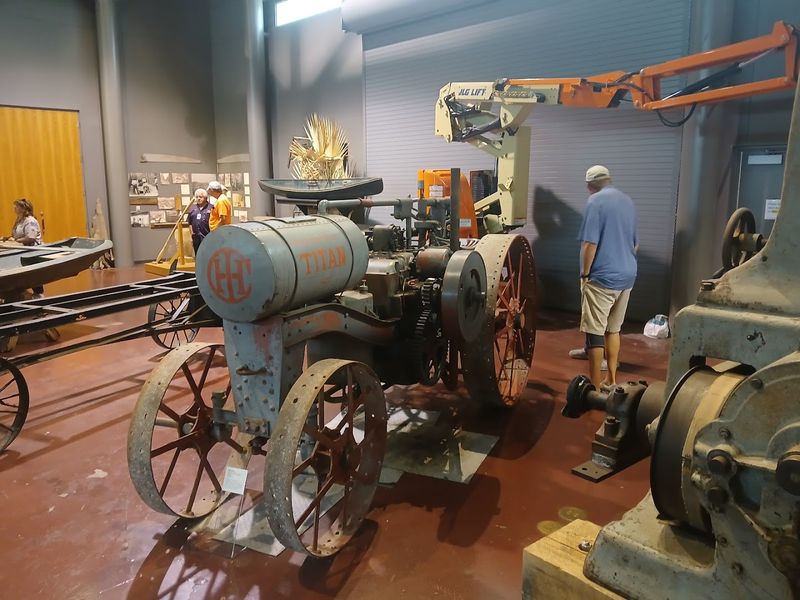
The museum clearly exists as a community anchor, collecting local photographs, festival posters, and oral history excerpts that root the displays in Patterson’s cultural fabric. That localness gives the exhibits warmth and authenticity, turning industrial history into a neighborhood story rather than distant scholarship.
Interpretive panels mention the Saw Mill Festival and other town events, signaling an ongoing relationship between museum and residents. Staff and volunteers often reflect local knowledge, and the free admission policy reinforces accessibility as a value rather than a marketing point.
Visitors who linger tend to find personal anecdotes and connections woven into the displays, making the museum feel like a public living room for regional memory. That civic intimacy is one of the place’s strongest assets.
Practical Visiting Tips
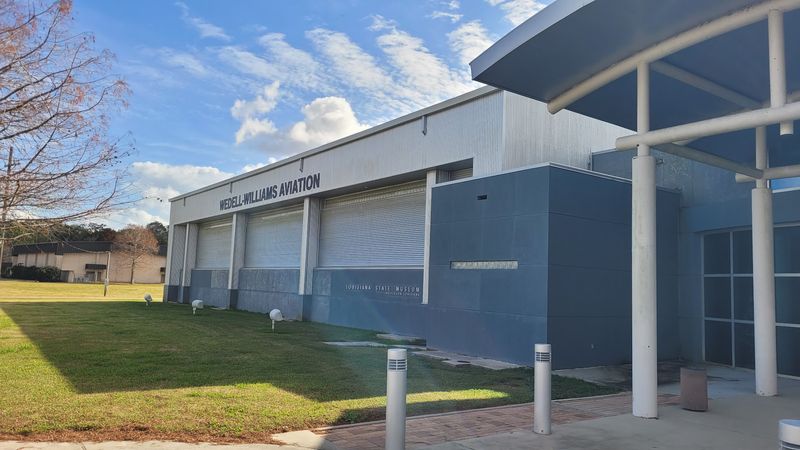
Plan a mid-morning visit on a weekday to avoid crowds and catch the theater screening with ease; the museum is open Tuesday through Saturday from 9:30 am to 4:00 pm. Admission is free and parking is convenient, which makes a spontaneous stop easy when driving through the area.
The facility is wheelchair accessible and clearly signed.
Bring a notebook or camera if you enjoy details; the captions and photographs reward close reading. Allow at least an hour, and two if you want to watch the film and read most panels carefully.
The staff are welcoming and helpful, often pointing out lesser-known artifacts or recent donations. A relaxed pace yields the best experience here, so resist rushing.
Seasonal Quirks And Timing
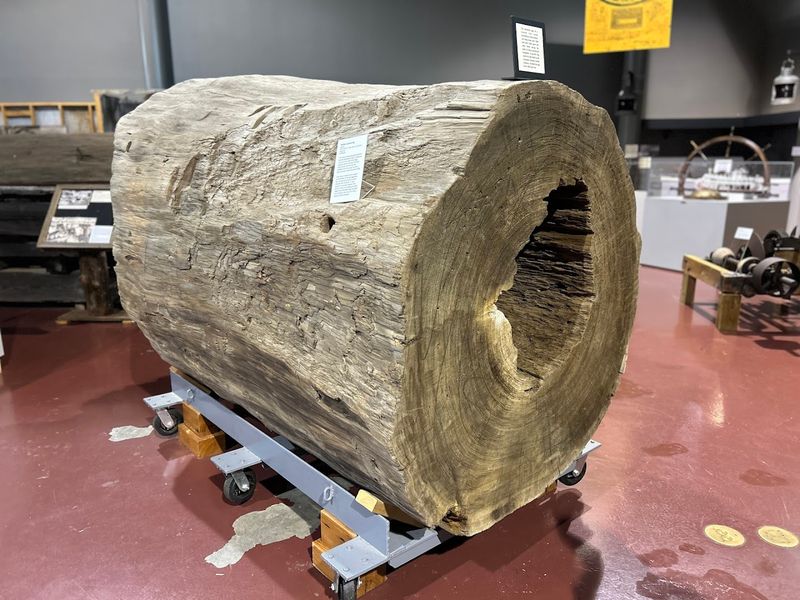
Visiting in the cooler months changes the mood; fewer tourists pass through and the museum often feels almost private. In that quiet, small details stand out more clearly, from the grain patterns on cypress artifacts to inscriptions on trophies.
Off-peak timing improves the chance of an attentive staffer describing provenance or recent finds.
Summer visits can be busier when families travel, but the building’s climate control keeps exhibits comfortable. Weekends may host local groups or school trips, which adds energy but can limit quiet reflection.
If you prefer solitude, aim for late morning on a weekday and bring patience; the museum rewards unhurried attention with richer discoveries and unexpected conversations.
Staff, Volunteers, And Human Stories
Staff and volunteers often give the museum its heart; their knowledge and warmth surface in small ways, from offering wheelchair assistance to answering deep historical questions. Visitors frequently mention a single person who made their trip memorable, which speaks to intentional hospitality rather than happenstance.
Docents can point to family photos or local donors associated with artifacts, framing objects as parts of living networks. Their enthusiasm feels sincere and rooted in community stewardship rather than performance.
Don’t hesitate to ask questions; staff are approachable and happy to share context or suggest which exhibits pair best for a themed visit. These human connections are part of why the museum feels more than simply a collection.
Final Reaction And Why It Matters
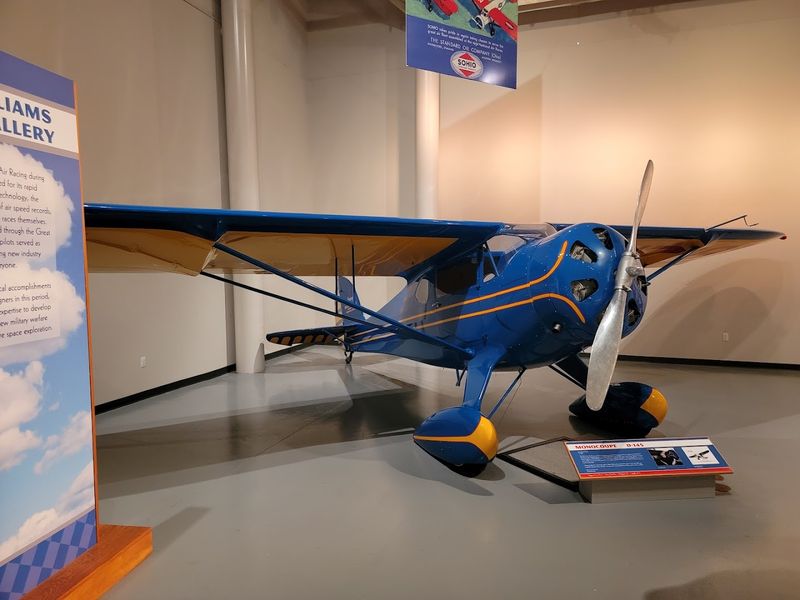
By the time you leave, a clear throughline emerges: this museum tells a regional story about ingenuity, labor, and local ambition that links logging camps to air races. The juxtaposition of cypress industry and aviation is not gimmicky; it reveals how economic force and human curiosity combined to shape a community.
The exhibits are well researched and respectfully presented, offering enough technical detail for enthusiasts and clear narratives for casual visitors. The free admission model and accessible layout reinforce that this history belongs to everyone in the region.
If you appreciate craftsmanship, regional stories, or the mechanics of flight, the Wedell-Williams museum delivers a compact, thoughtfully curated experience that rewards a curious mind and a patient visitor.