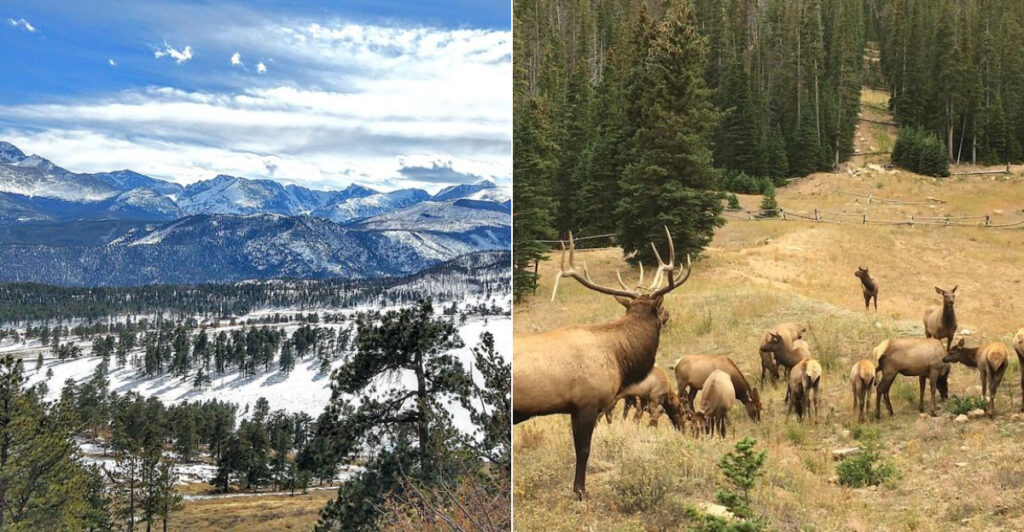
At 9,240 feet above sea level, the air hits differently and the views hit harder. This valley inside one of Colorado’s most beloved national parks has been quietly stealing hearts for decades.
Spruce trees, snow-capped peaks, and meadows so calm they almost feel unreal. Photographers show up before sunrise, families arrive with sleds, and hikers come back every single season without fail.
Everyday noise fades fast up here, and that is exactly the point. This is the kind of place that reminds you what it feels like to actually slow down and look around.
Colorado is full of beautiful spots, but this valley has something extra that keeps pulling people back. Go once and you will completely understand why.
A Valley With A Past
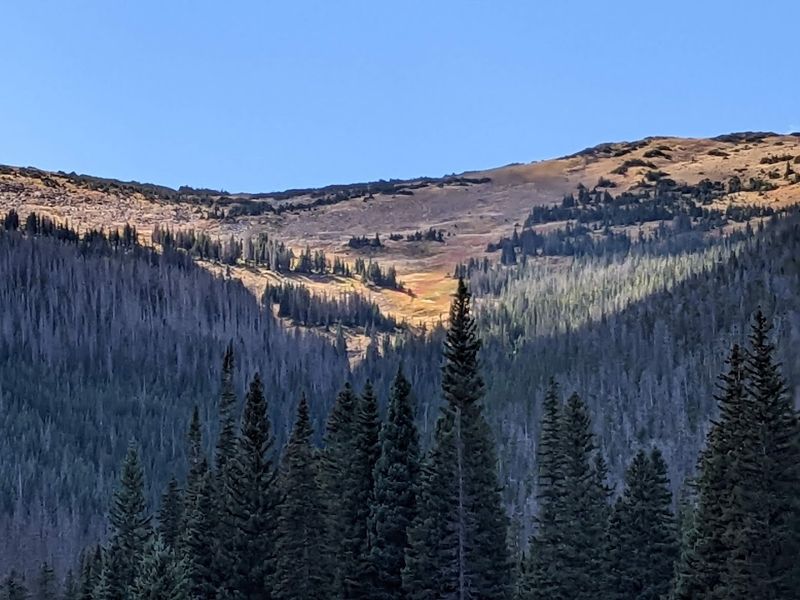
Not many picnic spots can say they were once a full ski resort. Hidden Valley operated as a working ski area from 1955 to 1991, known locally as Ski Estes Park.
It had a 2,000-foot vertical drop and welcomed skiers of every skill level.
The slopes drew families from across Colorado for nearly four decades. Then in 1991, a combination of financial pressure, unreliable snowfall, and new National Park Service priorities brought the lifts to a stop.
The chairs came down, the lodge went quiet, and the mountain returned to nature.
What is fascinating is how much history still lives in the landscape. Old ski runs now serve as hiking and backcountry trails through the forest.
The former bunny slope became the sledding hill that families love today. If you look carefully while walking through the trees, you can almost feel the energy of those old winter seasons still hanging in the cold mountain air.
Hidden Valley did not disappear when the ski area closed. It simply changed its purpose and kept welcoming people.
That kind of staying power says a lot about what makes this place so special to Colorado.
The Sledding Hill Everyone Loves
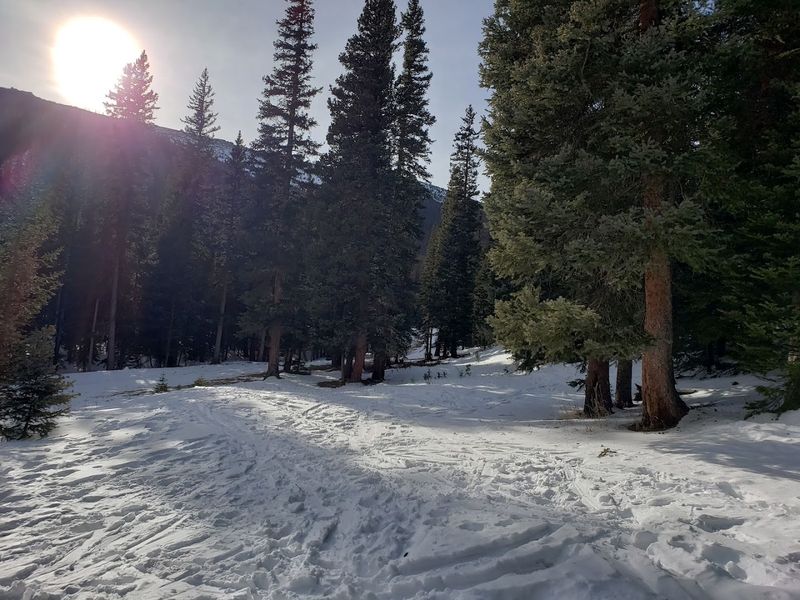
The old bunny slope of the former ski area has found a second life, and honestly, it might be more popular now than it ever was. The sledding hill at Hidden Valley is the only place inside Rocky Mountain National Park where you can ride a sled downhill through a snowy mountain setting.
Visitors say the hill is wide enough for several families to sled at the same time without feeling crowded. The slope is gentle enough for young kids but still gives older riders a satisfying run.
Park rangers and volunteers, known as Sled Dawgs, are often on site during winter weekends to keep things running smoothly and safely.
One thing to plan for: the park does not rent sleds or tubes on site. You will need to pick up equipment from shops in Estes Park before heading in.
That small bit of planning makes a big difference on a busy winter day.
A warming hut with heated restrooms sits near the sledding area, which families consistently say is a lifesaver after a few runs in the cold. Can you think of a better way to spend a Saturday in Colorado than flying down a snowy hill with your favorite people?
Backcountry Skiing Without The Crowds
After the ski lifts stopped running, something unexpected happened. Backcountry skiers discovered that Hidden Valley was actually perfect for their style of exploring.
No chairlifts, no ticket lines, no groomed runs. Just open terrain, quiet forest, and the kind of freedom that is hard to find at a busy resort.
The valley offers options both below and above the treeline, making it accessible for beginners while still giving intermediate riders terrain worth exploring. Some of the original ski runs are still recognizable as trails cutting through the spruce and fir forest, which adds a surreal quality to the experience.
During winter, the unplowed section of Trail Ridge Road becomes a natural corridor for cross-country skiing and snowshoeing. It is wide, scenic, and far less traveled than most trails in the park.
Have you ever had an entire mountain road to yourself on a snowy morning? That is what Hidden Valley can offer.
Colorado backcountry skiers who have spent years searching for quiet terrain often end up circling back to this valley. It is not about the vertical drop.
It is about the silence between the trees, the untouched snow, and the rare feeling of moving through a national park completely on your own terms.
Snowshoeing Through Spruce Forest
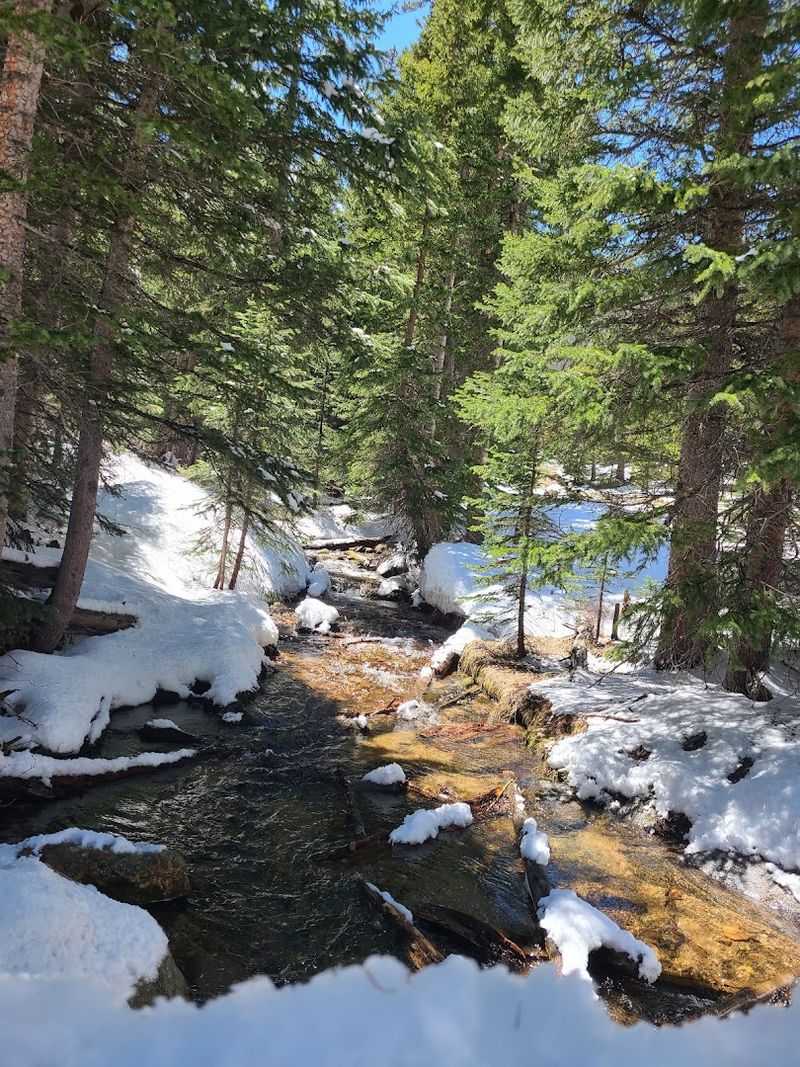
Snowshoeing at Hidden Valley is one of those activities that sounds simple but ends up being completely unforgettable. The boreal forest of spruce and fir trees holds snow beautifully, turning the valley into a quiet, white world that feels far removed from everything.
Trails wind through the forest at a pace that lets you actually look around. You notice the way snow sits on branches.
You hear the creak of trees in the wind.
You spot tracks left by animals moving through the night before you arrived. It is the kind of slow exploration that resets your brain in a way that faster activities cannot.
The elevation sits at 9,240 feet, so visitors coming from lower altitudes should take their time and drink plenty of water. Altitude affects people differently, and going slow is always the smarter choice up here.
Most visitors say the adjustment is worth every step.
Snowshoe rentals are available in Estes Park before you enter the park, so there is no need to own your own gear to enjoy this. The valley is open daily starting at 8 AM, giving early risers the best chance at fresh tracks and quiet trails.
What is your best excuse for not trying snowshoeing this winter?
Summer Hiking In The Valley
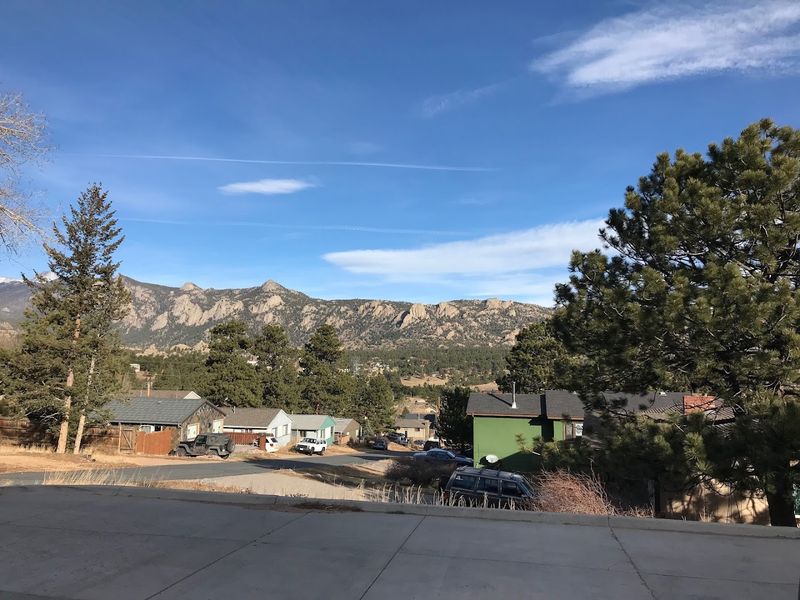
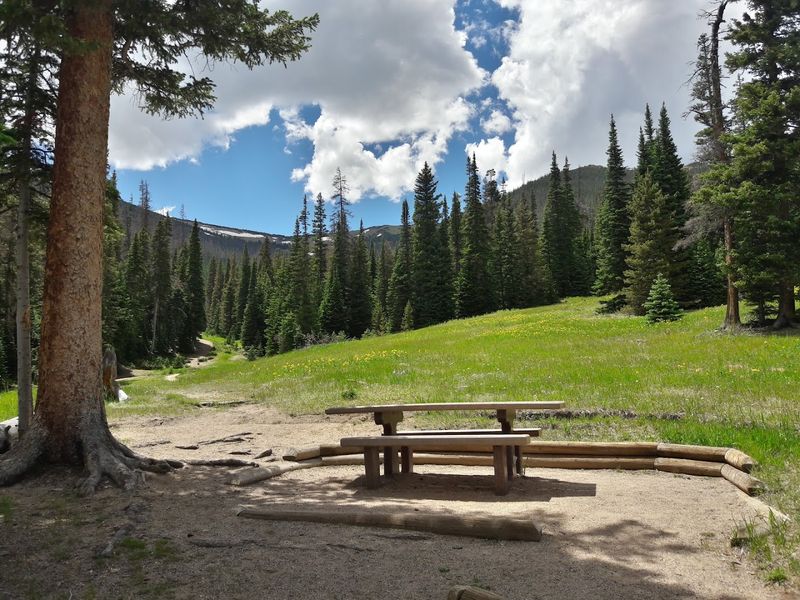
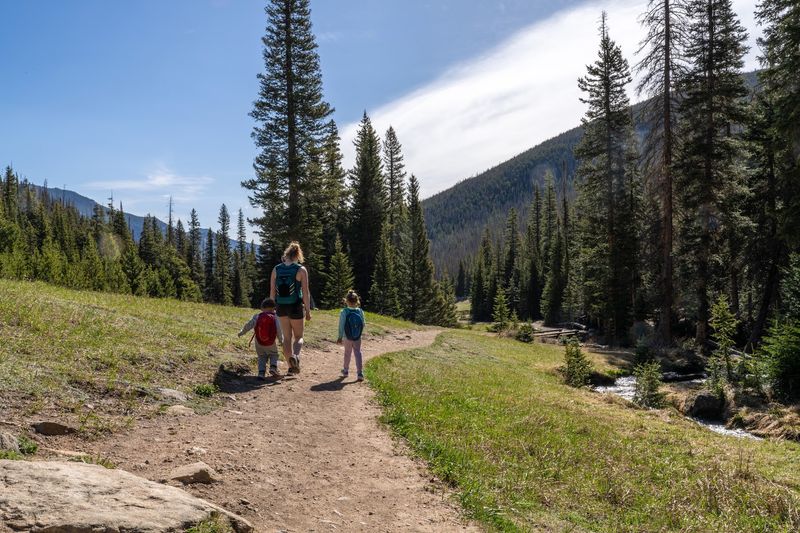
When the snow melts and the meadows turn green, Hidden Valley shifts into a completely different kind of beautiful. Wildflowers push through the soil, the creek runs clear and fast, and the mountains above the valley reveal their full size without a cloud blocking the view.
A short loop trail of roughly half a mile runs through the valley, crossing bridges over the creek and passing through open meadow areas.
It is accessible enough for young children and visitors who prefer a lighter pace. An extended dirt path continues further into the valley for those who want more distance and a bit more solitude.
Visitors say the creek at the end of the trail is a favorite spot for kids to splash around and explore after a walk. The trail is lightly trafficked compared to other routes in Rocky Mountain National Park, which means you are less likely to feel like you are moving through a crowd.
One honest note: the trail can get slippery on the steep section during spring and early summer when snowmelt is still fresh on the path. Sturdy footwear makes a real difference.
Pack a lunch, find a picnic table, and let the afternoon stretch out as long as it wants to.
Junior Rangers Take Over
Hidden Valley is home to one of the most entertaining stops in the entire national park for families traveling with young kids. The Junior Ranger Station is a real operation, run by rangers and volunteers who clearly love what they do and know how to make kids feel genuinely important.
Children get sworn in as Junior Rangers before hitting the trail. They receive activity packs and booklets full of scavenger hunts and nature challenges designed to teach them about local animals, plants, and responsible behavior in the park.
Parents often say the kids talk about this experience for weeks afterward.
The rangers are patient, enthusiastic, and full of stories that hold a child’s attention. Visitors have spotted wildlife right in the area, including elk with impressive antlers wandering near the parking lot.
One family even reported watching two bull elk following a female and her calf just steps from the trailhead.
There is also a friendly llama that has been known to make an appearance near the station, which sends kids into complete delight.
The whole setup is free with park entry, and the activity packs are provided at no extra cost. Is there a better way to get the next generation excited about wild spaces in Colorado than handing them a mission and sending them into the forest?
Wildlife Watching Is Real Here
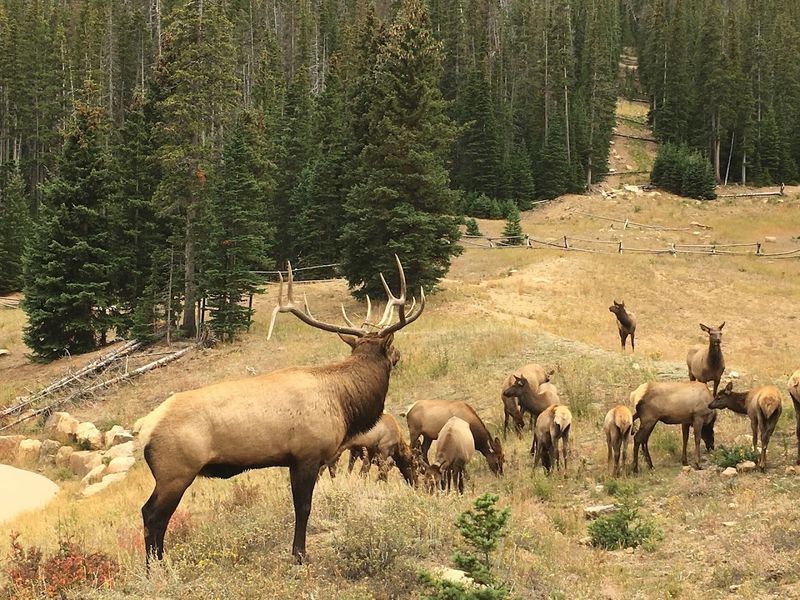
You do not have to travel deep into the backcountry to see real wildlife at Hidden Valley. Elk show up regularly, sometimes right in the parking area or along the edges of the meadow.
Visitors consistently report close encounters with bulls, cows, and calves going about their daily routines without much concern for the humans watching nearby.
The valley sits at the edge of a boreal ecosystem, which means the habitat supports a wide variety of animals. Birds move through the spruce and fir canopy.
Smaller mammals leave their tracks in the snow during winter months. Photographers who arrive early in the morning often say they capture their best wildlife shots before 9 AM.
Wildlife watching at this elevation requires a bit of patience and a lot of quiet. Loud voices and sudden movements tend to scatter animals quickly.
The visitors who see the most are usually the ones who slow down, stand still, and let the valley come to them.
A good camera with a zoom lens makes a significant difference, but even a phone camera can capture a memorable shot when elk are just a few yards away. Colorado wildlife does not perform on a schedule, but Hidden Valley gives you some of the best odds of a spontaneous and completely real encounter.
Planning Your Visit Right
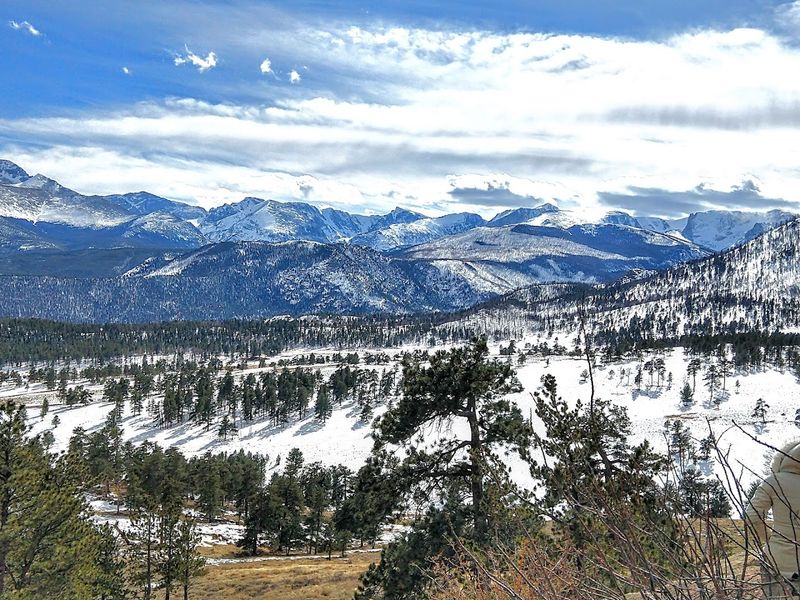
A few practical details can turn a good visit into a great one at Hidden Valley.
The area sits inside Rocky Mountain National Park at Estes Park, CO 80517, and park entry requires either a timed entry permit or a valid park pass. Planning ahead saves a lot of frustration at the gate, especially during peak summer and winter weekends.
The valley opens at 8 AM daily. On weekends, it closes at 9 PM on Sundays and 7 PM on other days.
Arriving early gives you the best parking situation and the quietest experience on the trails.
The parking lot is large, but it fills up fast on busy days, with cars cycling in and out regularly throughout the afternoon.
Trail Ridge Road divides the valley into upper and lower sections. In winter, the road closes on the upper side, which is actually what creates the ideal backcountry skiing and snowshoeing corridor that regulars love so much.
AWD or 4WD vehicles are recommended for winter visits, though visitors have navigated the road successfully in standard cars by driving carefully.
The warming hut is open on Fridays through Sundays from 10 AM to 3 PM during winter. Heated restrooms are available on site.
Pack food and water before entering the park, since there are no vendors inside.