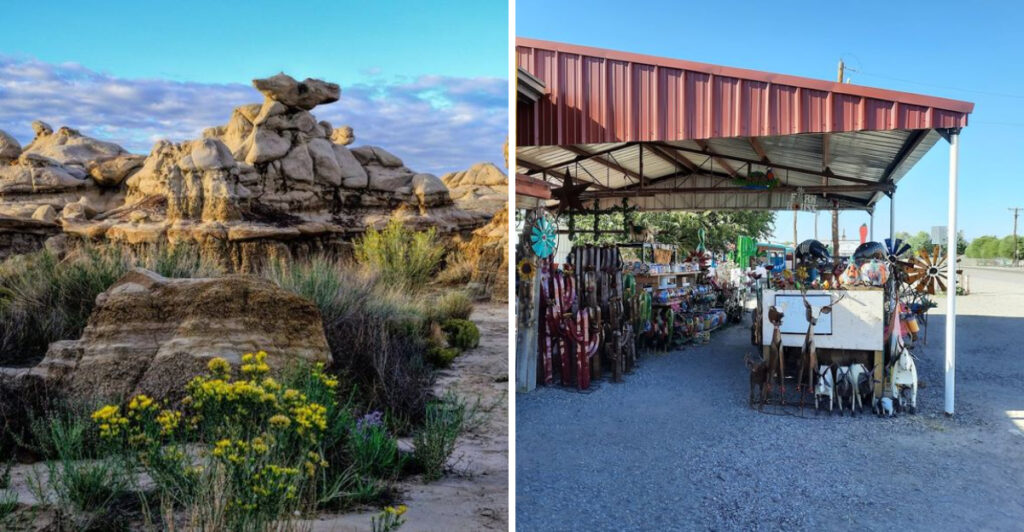
A road trip through New Mexico rarely goes exactly the way you expect. You think you are just stopping for chile, then the sky opens wide and the whole drive starts feeling bigger than your plans for the day.
I have taken roads here that looked empty on the map but felt full once I was finally on them. Old towns sit in the dust like they are waiting for someone curious enough to stop.
Red-rock views sneak up fast and make you forget whatever playlist you had on. Then comes the green chile stew, the kind of meal that turns a quick stop into a full memory.
That is what makes this place so hard to leave. It keeps changing the mood on you.
If your travel list needs something less predictable, keep reading. These experiences may be the road trip shake-up you did not know you needed.
1. Browse Roadside Vendors For Local Treasures
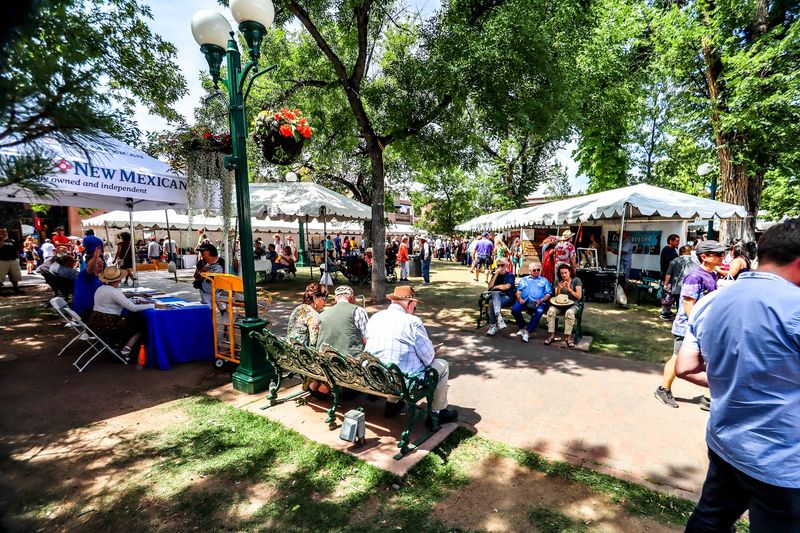
Pull off the highway in New Mexico for a roadside vendor stall. It might be the best unplanned decision you make on your entire trip.
Routes like U.S. Highway 550 near Bernalillo and the roads leading to Taos are known for local roadside finds.
Around Santa Fe, artisan markets also showcase handcrafted turquoise jewelry, hand-painted pottery, and woven Native textiles that feel deeply tied to place.
The vendors are often the artists themselves, and a good conversation is half the fun.
I once bought a small clay pot from a woman who explained every symbol she had painted on it, and I ended up standing there for forty minutes completely spellbound.
Prices are usually reasonable, though it is better to be respectful than pushy when asking about a deal.
Every piece you take home carries a story, making these dusty roadside stops some of the most meaningful souvenir shops you will ever visit.
2. Find Big Flavor In An Unexpected Local Restaurant
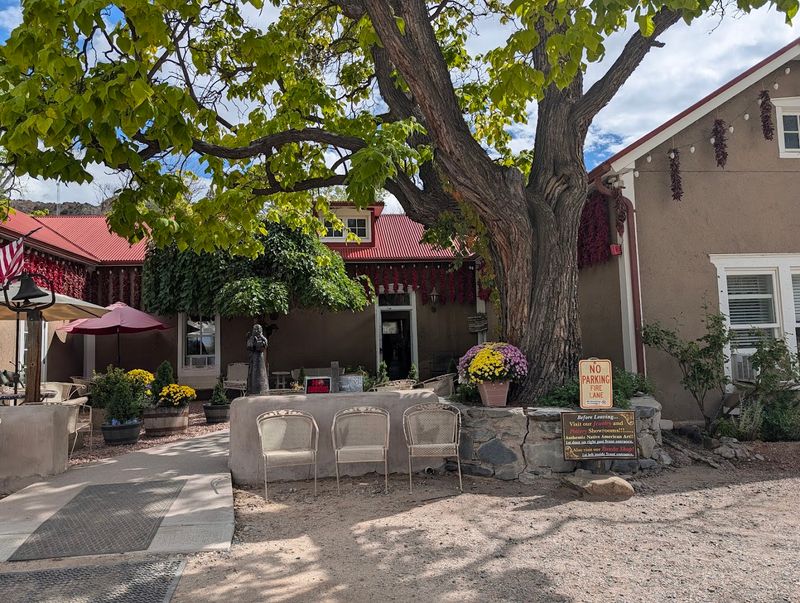
Tiny local restaurants can turn into the most memorable meals of a trip. Some have hand-painted signs and only a few tables inside.
Towns like Hatch, known as the Chile Capital of the World, and Chimayo are home to family-run spots where traditional recipes still shape the menu.
A plate of enchiladas or posole in a place like this goes far beyond eating.
The flavors are bold, smoky, and layered in ways that chain restaurants simply cannot replicate, no matter how hard they try.
I remember walking into one small, unmarked spot in Espanola and getting a bowl of red chile that completely changed my understanding of flavor.
Trust the locals, follow their recommendations, and always save room for sopapillas.
3. Taste The Magic Of Fresh-Roasted Chile
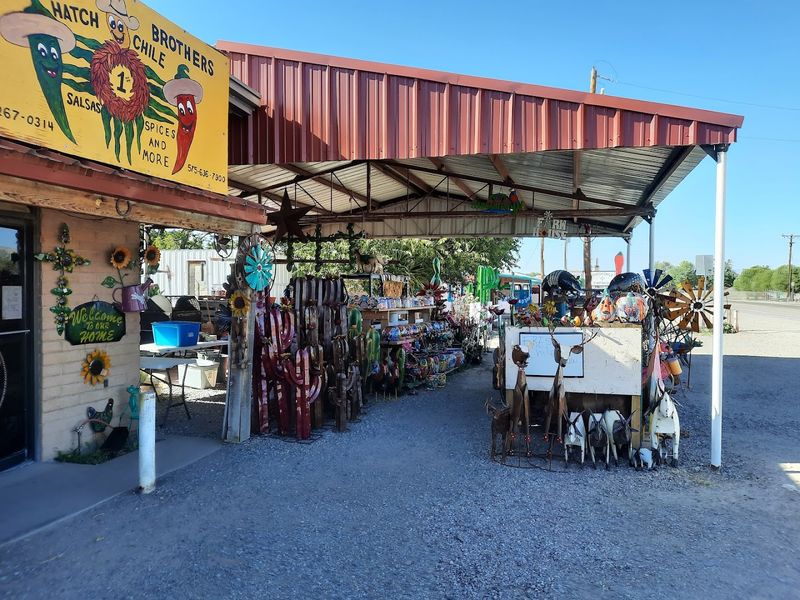
Late summer brings a smell that can stop you in your tracks. It is fresh green chile roasting over an open flame.
Hatch is the heart of this tradition, where local farms grow some of the most flavorful chiles around and roadside vendors set up roasting drums that spin the pods until they blister and char to perfection.
The roasting process feels almost hypnotic, with bright green pods tumbling in the heat while smoke curls into the dry desert air.
You can buy bags by the pound, still warm, to take home and freeze for months of incredible cooking.
I grabbed a bag once and ended up eating half of it in the car before I even made it back to the highway.
Fresh-roasted Hatch chile is one of the state’s most honest and irresistible gifts.
4. Order Your Meal “Christmas-Style” Like A Local
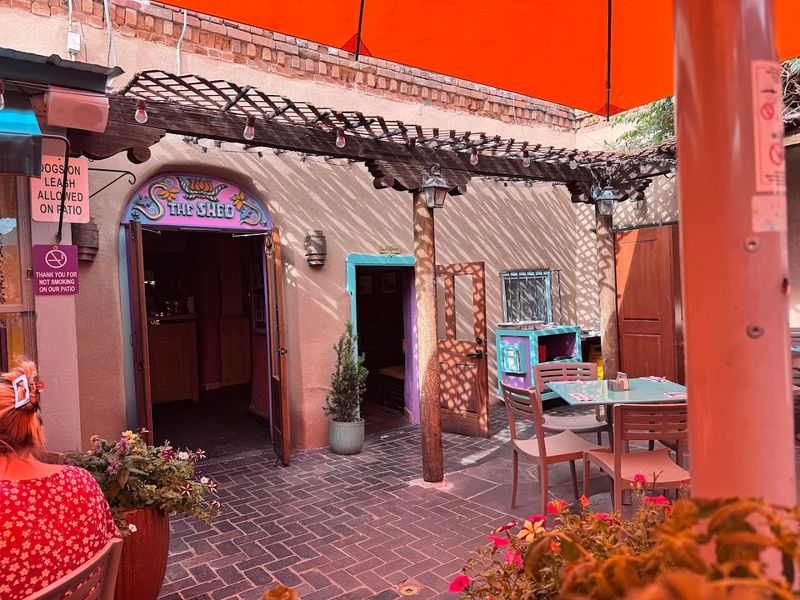
One phrase instantly makes you sound like you know the local food scene. Ask for your chile “Christmas-style.”
That means you want both red and green chile sauce on your plate at the same time.
Walk into any diner in Santa Fe or Albuquerque and order your enchiladas Christmas-style. You will probably get a knowing nod from your server.
The combination is brilliant because the earthy, smoky depth of red chile and the bright, sharp heat of green chile play off each other in ways that make every bite interesting.
First-timers sometimes hesitate, unsure which style to choose, and locals will usually tell you the same thing: you do not have to pick just one.
This order is not just about food; it is a small taste of local culture.
5. Share The Comfort Of Green Chile Stew
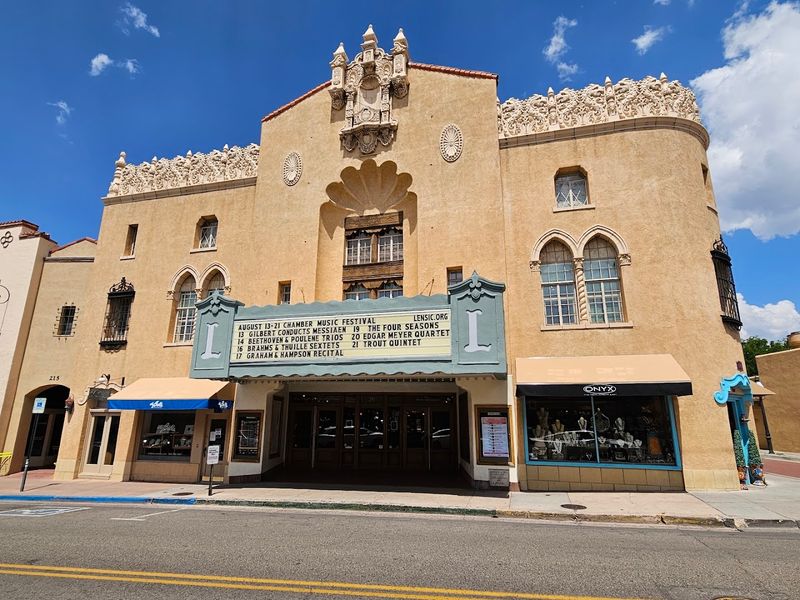
A cool evening in the high desert makes one meal sound better than almost anything else. That meal is green chile stew.
Served at restaurants and homes throughout Albuquerque and Taos, this thick, hearty stew is pure comfort. It typically features slow-cooked pork, diced potatoes, garlic, and generous handfuls of roasted Hatch green chile in a rich broth.
The heat level varies from mild to genuinely eye-watering, so it is smart to ask before committing.
I shared a pot with a family in a small village near Espanola once, and the warmth in that kitchen had nothing to do with the stove.
Warm flour tortillas on the side for dipping are non-negotiable, and most locals will agree that leftover stew tastes even better the next morning.
This dish is New Mexico in a bowl.
6. Layer Up For New Mexico’s Wild Weather Swings
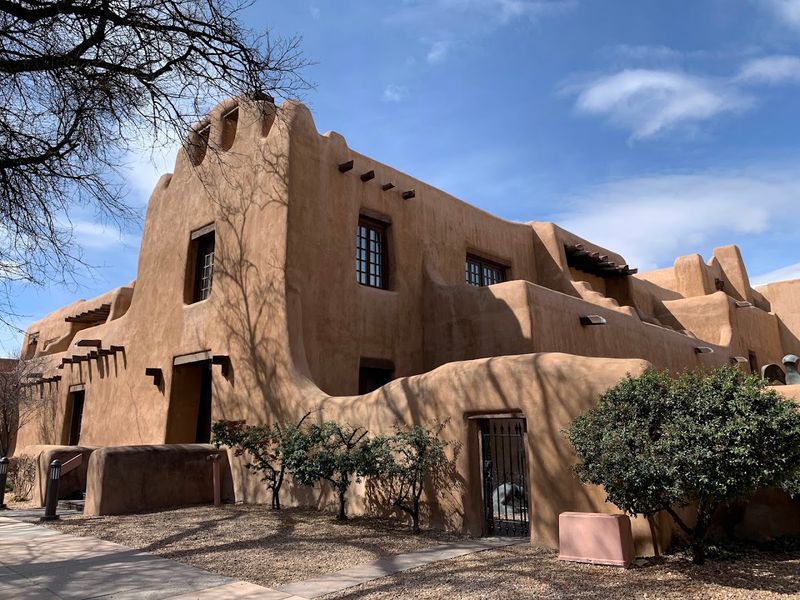
The state has a reputation for sunshine, and that reputation is well earned. The postcards just do not tell the whole story.
In Santa Fe, which sits at a high elevation, mornings can feel crisp even in July, and by early afternoon the strong sun can make the air feel much hotter before a quick thunderstorm rolls through and cools everything back down again.
The trick every seasoned traveler learns fast is to pack layers and keep them accessible, not buried at the bottom of your bag.
A light jacket, a breathable shirt, and a pair of sunglasses are your best three friends here.
I once watched a group of underprepared tourists huddling under a restaurant awning during a surprise downpour, wishing they had listened to literally any local advice.
Dress smart and the weather becomes part of the adventure rather than an obstacle.
7. Celebrate Desert Rain Like A True New Mexican
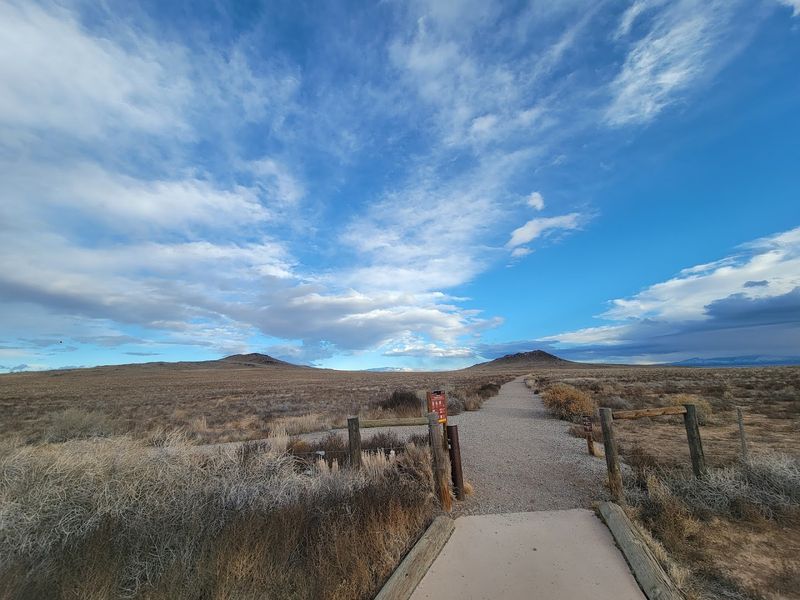
Rain in the desert is not an inconvenience; it is a celebration, and locals often treat it exactly that way.
During the summer monsoon season, officially recognized from June 15 through September 30, areas around Albuquerque and Las Cruces can see afternoon skies build into towering dark clouds. Sudden, dramatic downpours often follow and cool the air.
Those storms can fill the desert with an electric, petrichor-soaked energy.
Locals often step outside to watch rather than run for cover, and that instinct is worth borrowing.
The smell of rain on dry desert earth, combined with the sight of lightning over distant mesas, is one of the most sensory experiences the Southwest offers for free.
I stood outside a roadside cafe near Socorro once watching a storm roll in, and someone nearby smiled and said, “That is our version of fireworks.”
She was absolutely right.
8. Cross The Rio Grande Into Another World
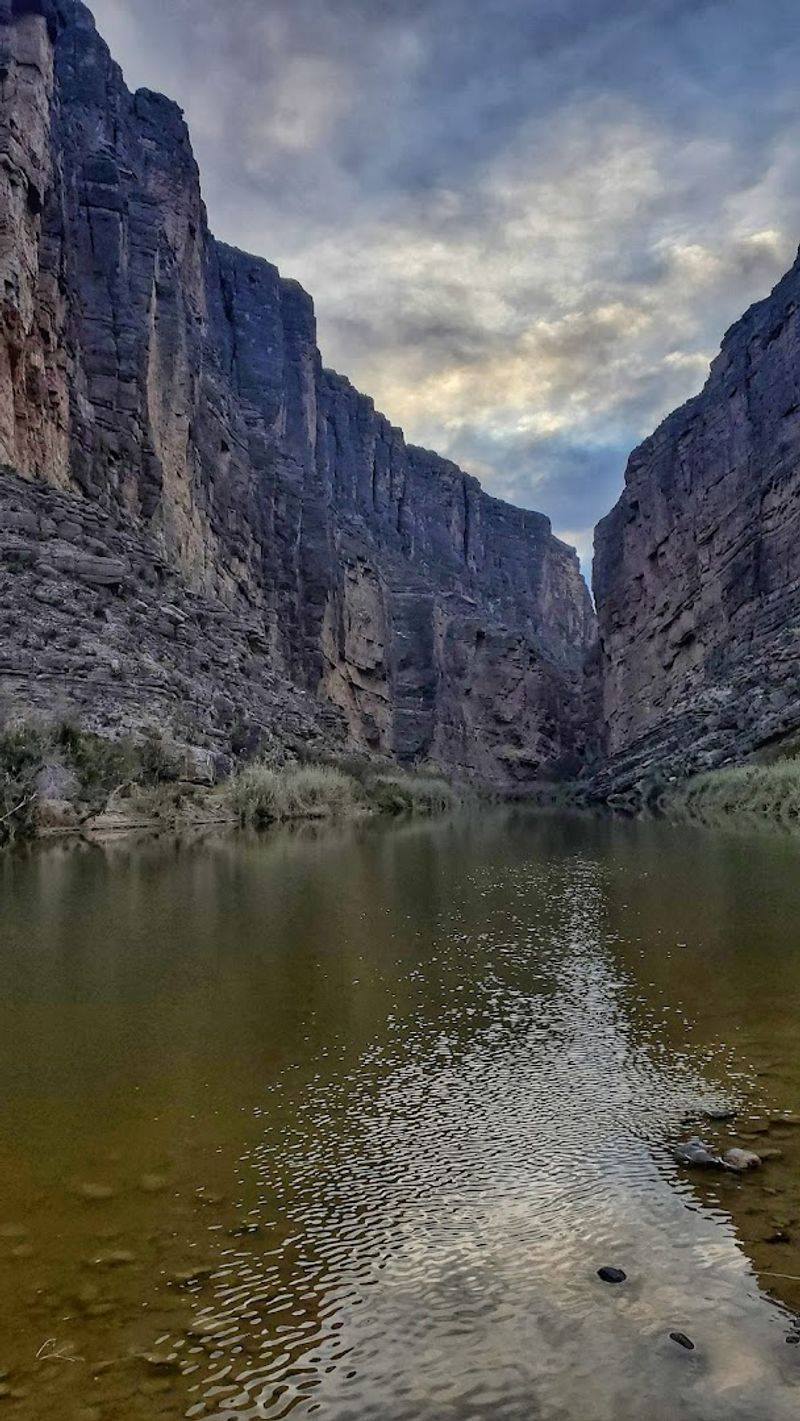
The edge of the Rio Grande Gorge near Taos, changes your sense of scale fast. Look down once and you will understand why.
The Rio Grande Gorge Bridge, located along U.S. Highway 64 roughly ten miles west of Taos, spans a gorge that drops steeply into the earth, with the river running as a thin silver ribbon far below.
A walk across the bridge is free, windswept, and slightly nerve-rattling in the best possible way.
Below the bridge, the Rio Grande offers world-class white water rafting through sections like the Taos Box, where Class 3 and 4 rapids push you through walls of basalt carved over millions of years.
Whether you cross on foot or float beneath it, the Rio Grande feels like a living boundary between the ordinary world and something far more ancient and wild.
9. Hike Through New Mexico’s National Forests
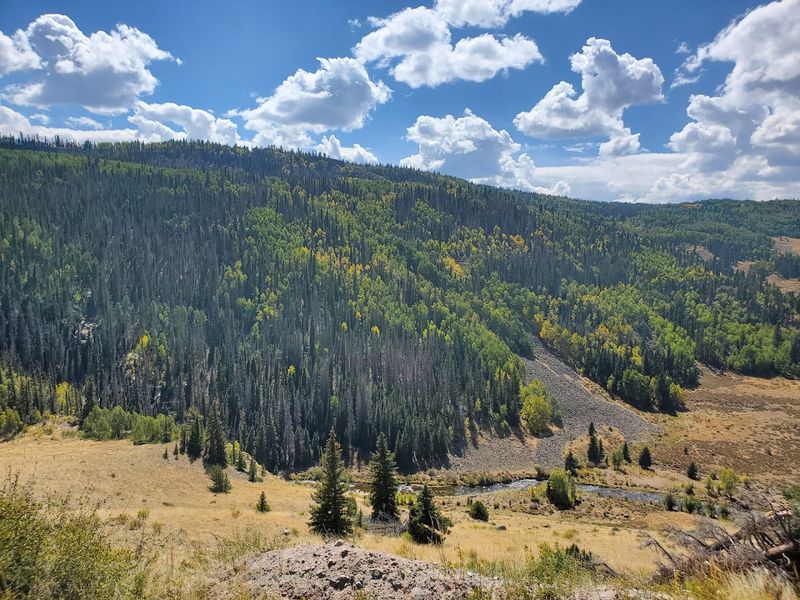
The open desert is only part of the story. Head into the mountains, and cool pine forests change the whole mood.
Carson National Forest near Taos, and Gila National Forest near Silver City, offer miles of hiking trails that wind through aspen groves, mountain scenery, river corridors, and canyons so quiet you can hear your own footsteps clearly.
Fall is particularly jaw-dropping in Carson National Forest, when the aspen trees turn a shade of gold so vivid it looks almost unreal against the deep blue sky.
Gila National Forest takes things in a wilder direction, with rugged terrain and the famous Gila Cliff Dwellings National Monument tucked into the canyon walls, where Mogollon people built their homes centuries ago.
Lace up a solid pair of boots, carry more water than you think you need, and let the trees do the rest.
10. Test Your Nerve In The Remote Backcountry
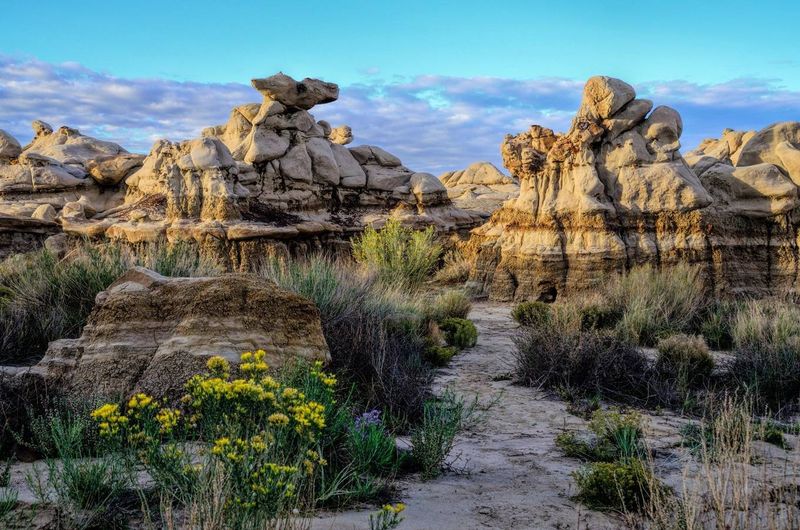
Real solitude still exists out here, but it does not come with reliable cell service. The remote backcountry demands attention.
The Bisti/De-Na-Zin Wilderness near Farmington, covers roughly 45,000 acres of otherworldly terrain where strange mushroom-shaped rock formations, ancient petrified wood, fossils, and eroded clay hills create a landscape that looks pulled from a science fiction film set.
There are no developed marked trails here, which means navigation is entirely on you, and bringing a downloaded offline map is not optional; it is survival common sense.
The solitude feels profound in a way that is hard to describe until you are standing in the middle of it, with nothing moving in any direction for miles.
I spent an afternoon in the Bisti once without seeing another person, and that particular flavor of quiet ended up being the most powerful part of my entire trip.
11. Drive A Lonely Highway Through Wide-Open Country
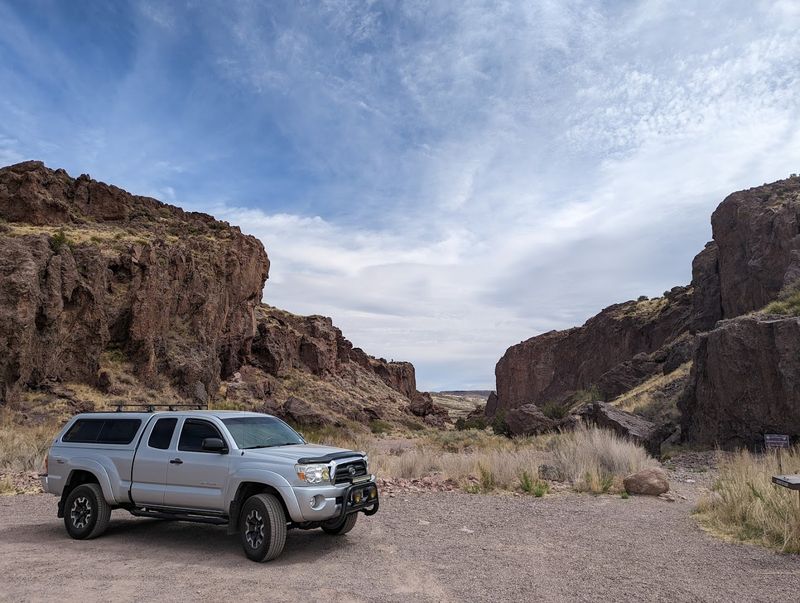
Few things in American travel match the freedom of a lonely desert highway. Point the car forward and the world opens wide.
U.S. Highway 60 between Socorro and Magdalena, or State Road 41 through the Estancia Valley, offers the kind of drive that makes you turn the music up and forget that deadlines exist.
The land rolls out flat and vast, interrupted by distant mesas, cattle fences, and the occasional dust devil spinning lazily across the scrub.
That kind of emptiness can clear your head in a way busy places never do.
The horizon sits so far away that time seems to slow down just a little.
Pull over when something catches your eye, because out here the unexpected views are always the best ones and nobody is waiting behind you to honk.
These highways do not rush you, and you should return the favor.
12. Stargaze Beneath A Brilliant Desert Sky
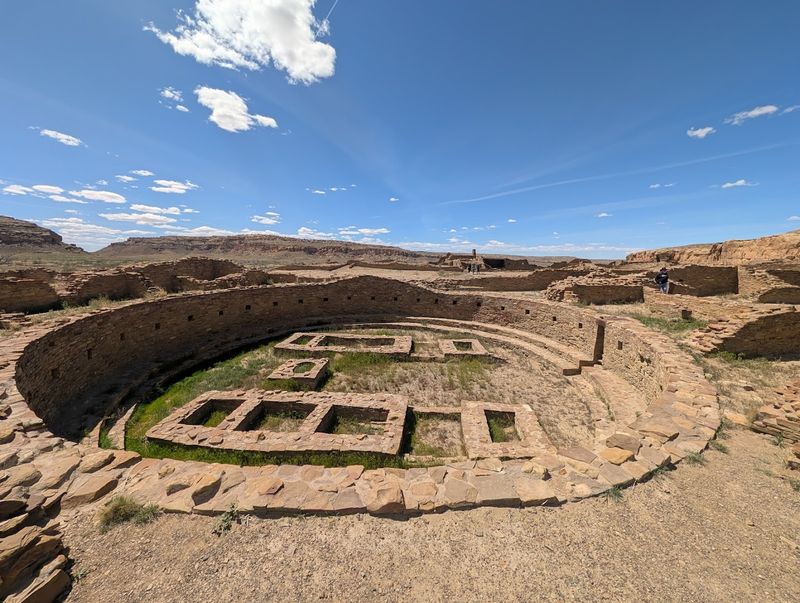
The desert sky can make looking up feel like the whole point of the trip. At night, that feeling only gets stronger.
The wide-open area around the Very Large Array near Socorro, shows just how closely this landscape is tied to astronomy, while Chaco Culture National Historical Park near Nageezi, is a designated International Dark Sky Park and one of the premier stargazing destinations in the country.
The Capilla Peak area in the Manzano Mountains can also offer dark, high-country skies when conditions are clear.
I spread a blanket on the ground near Chaco one September night and stared upward for two hours without once checking my phone.
The ancient Puebloan people who built Chaco were deeply connected to the night sky above it, and lying under those same stars makes that connection feel completely tangible.
13. Wander Through A Dusty Old Ghost Town
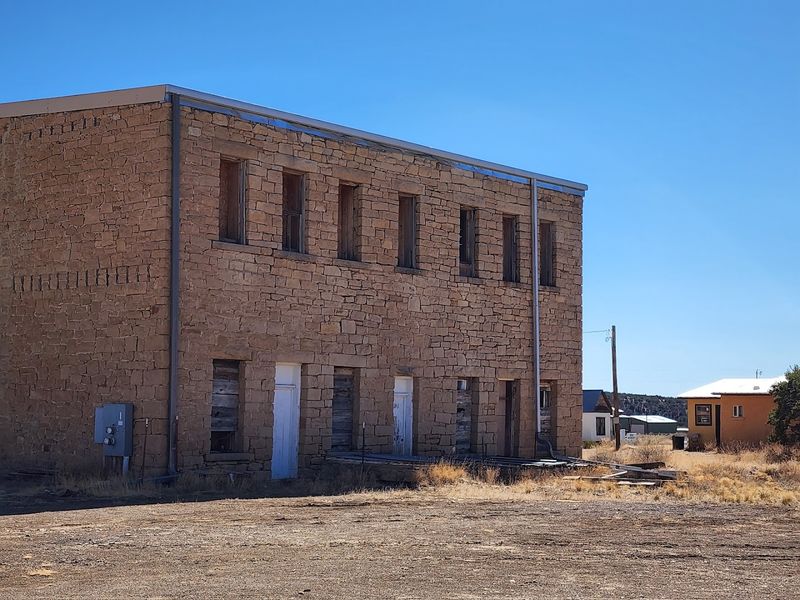
A dusty ghost town can feel eerie, fascinating, and strangely beautiful. The feeling gets stronger when wind rattles through an abandoned frame.
White Oaks, near Carrizozo, is one of the most atmospheric ghost towns in the state, with crumbling adobe buildings, an old cemetery, and a history tied to gold mining that once made it one of the most prosperous communities in the territory.
Mogollon, NM 88039, near the Arizona border, is another hauntingly beautiful stop, tucked into a steep canyon with restored buildings still standing against the hillside.
These towns are quieter and less commercialized than many tourist stops, though some museums, galleries, cafes, shops, or seasonal services may be open depending on when you visit.
I wandered through White Oaks on a Tuesday with no other visitors around, and the silence had a texture to it that I have not forgotten since.
14. Remind Everyone New Mexico Is Part Of The United States
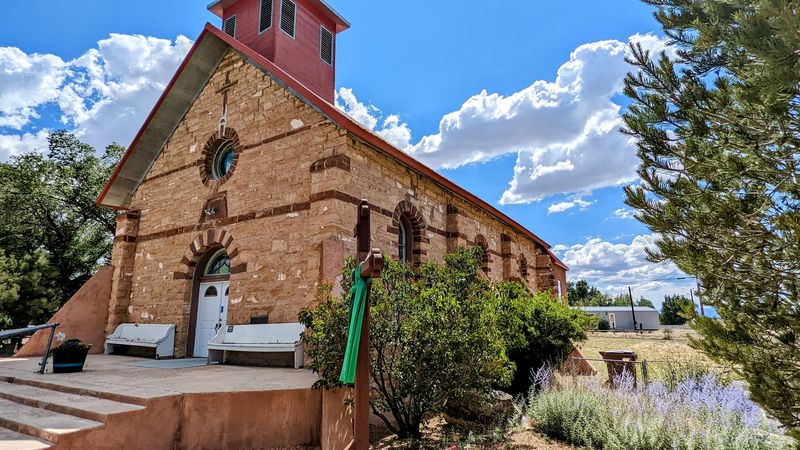
New Mexico has been a U.S. state since 1912, but the misunderstanding still pops up often enough to become a local joke.
Stories of residents being asked for foreign documentation when ordering online, or being told their U.S. credit cards would not work “internationally,” have become a proud and slightly absurd part of the state’s cultural identity.
Locals in Albuquerque and Santa Fe have turned this mix-up into a running joke, and you will find bumper stickers, t-shirts, and mugs leaning into the gag with obvious delight.
A visit here lets you join in on that joke, which is the most welcoming kind of inside humor a state can offer a newcomer.
U.S. travelers can treat the state like any other domestic destination; international visitors should still carry whatever documents they need for travel within the United States.