Some places do not ease you in. They surprise you so fast you just stand there trying to process what you are looking at.
That was me on my first trip to this desert canyon in New Mexico. One minute, the road felt endless.
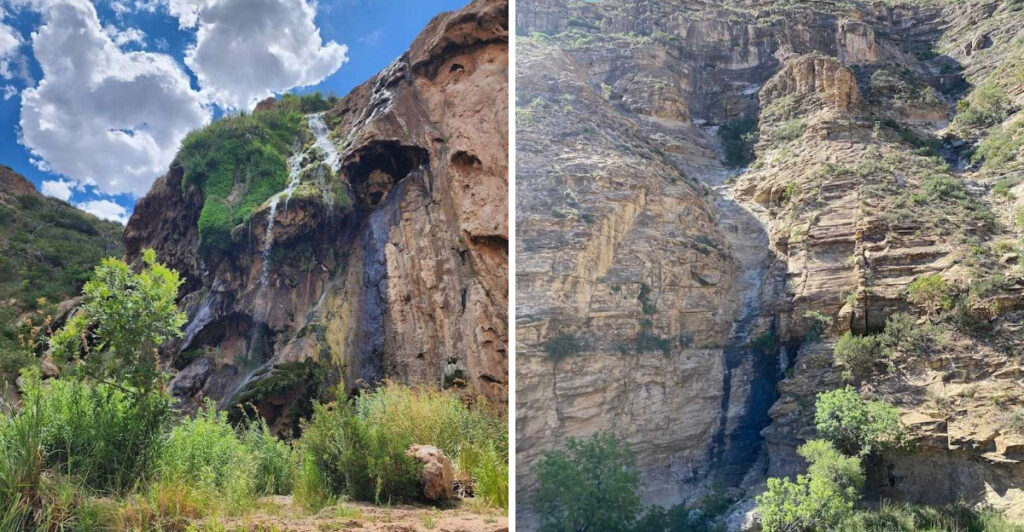
The next, I was hearing water echo off canyon walls in a place that looked far too dry for that sound. Then the waterfall came into view.
It drops 150 feet into turquoise pools so clear they look unreal. The contrast is wild.
Dry desert above you, cool water below you. Everyone around you goes quiet.
The best part is how reachable it is. You can get there without hiking skills or an all-day trek.
It is just a walk with a payoff that feels much bigger than the effort. Pack extra water and take your time.
Keep reading, because this place will surprise you.
A Desert Canyon With Unexpected Waterfall Views
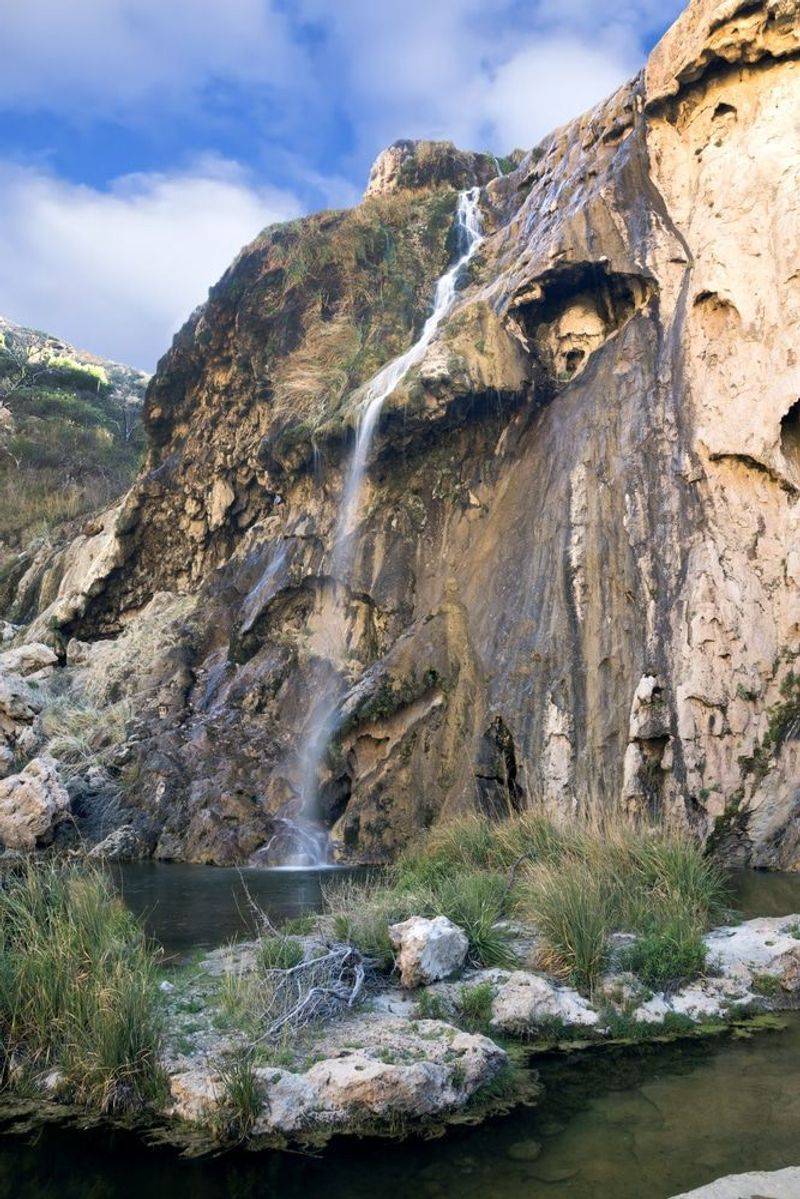
At the overlook, I genuinely had to remind myself I was still in the Chihuahuan Desert.
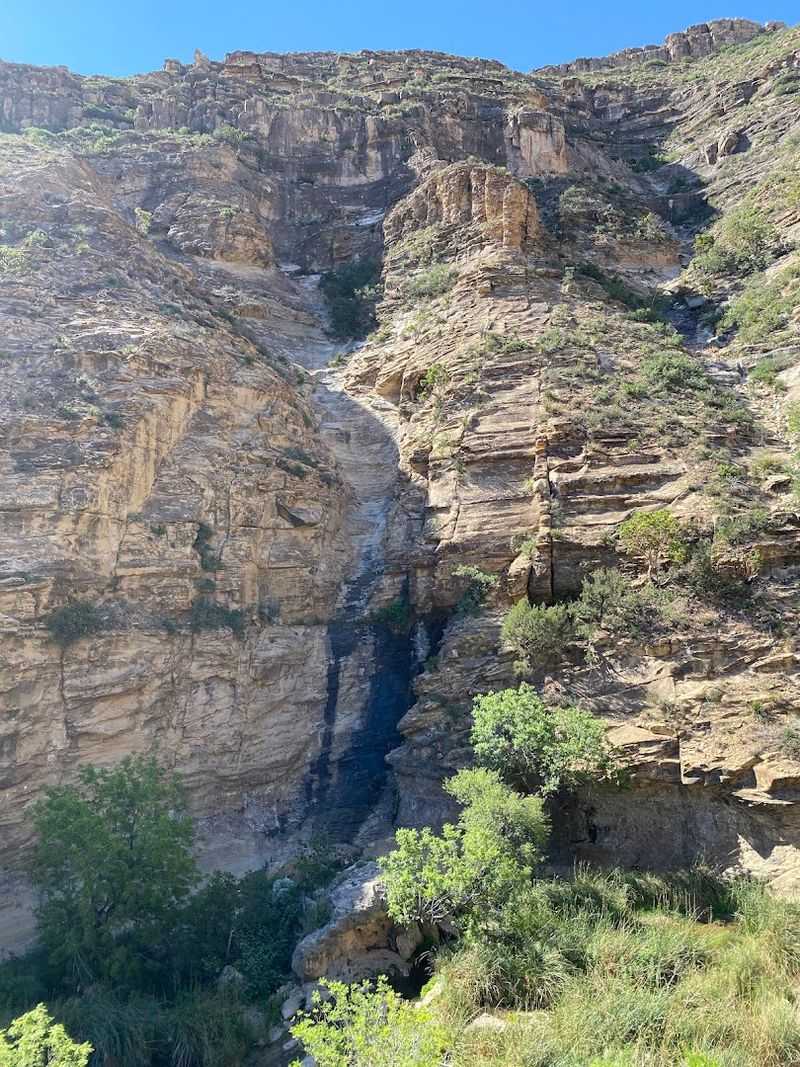
The canyon walls rise dramatically on either side, carved from ancient Permian-age rock shaped when this region was part of a vast inland sea.
That geological backstory is not just trivia because it explains why the rock here looks so layered, so textured, and so unlike anything you find in a flat desert plain.
The main waterfall drops a stunning 150 feet down the face of the cliff, feeding a pool below that glows with a cool turquoise color that feels almost too vivid to be real.
Lush ferns, mosses, and desert willows cling to the wet rock around the falls, creating a ribbon of green that runs right through the middle of an otherwise sun-scorched landscape.
Visitors who arrive expecting a modest trickle tend to stop mid-sentence when they first see it, which honestly never gets old to watch.
This is the kind of place that earns its reputation honestly, and you will find it waiting at Sitting Bull Falls Recreation Area at 742 Sitting Bull Falls Rd, Carlsbad, NM 88220.
Cool Pools Beneath Rugged Limestone Cliffs
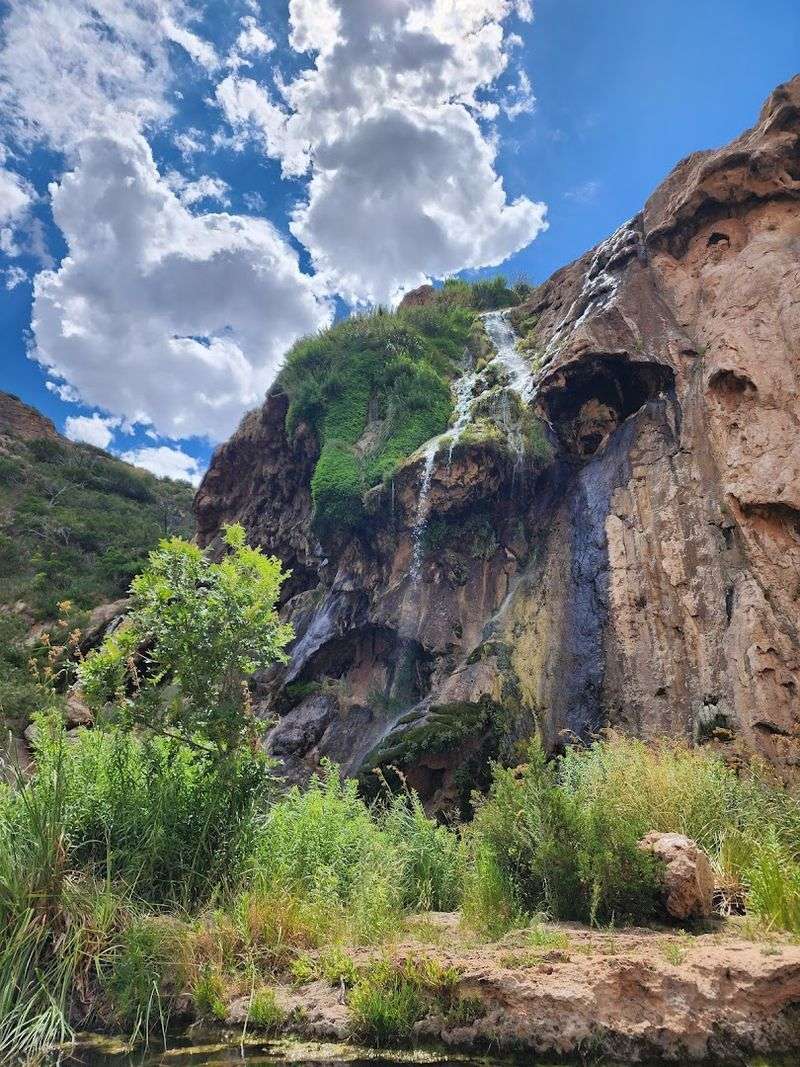
Few Southwest moments feel as rewarding as cold, spring-fed water on a scorching afternoon. The pools beneath these falls deliver exactly that kind of relief.
The water here originates from natural springs above the canyon, which means it stays consistently cool and surprisingly clear even during the hottest months of the year.
Looking down into the main pool, you can see straight to the rocky bottom, and the color shifts from pale green near the edges to a deeper, almost jewel-like blue in the center.
Swimming and wading are commonly enjoyed in the pools when posted conditions allow, though wearing water shoes is a smart move since the rocky floor can be slippery and uneven underfoot.
Because these are natural, unchlorinated bodies of water, small wildlife may be present, and the experience feels much more wild than polished.
The cliff walls surrounding the pools block the direct afternoon sun for a good portion of the day, which keeps the whole area noticeably cooler than the open desert just a short walk away.
Spending an hour here feels more like a full afternoon, mostly because nobody really wants to climb back out.
A Short Trail Into A Hidden Oasis
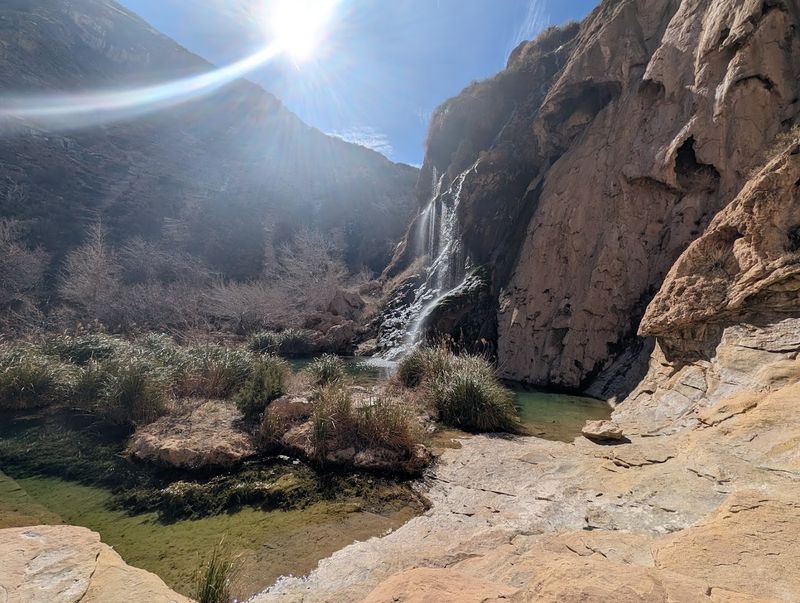
The main falls take very little effort to reach. That easy approach is genuinely part of the appeal for families, older visitors, and anyone who just wants the payoff without a grueling trek.
The path from the parking area to the falls overlook is paved, relatively flat, and fully ADA-accessible, making it one of the more inclusive natural attractions in this part of New Mexico.
The walk can take only a few minutes, and it feels more like a relaxed stroll than a true hike, especially if you stop often to take in the canyon views.
A short set of stairs leads down from the overlook to the base of the falls, where you can stand close enough to feel the cool mist drifting off the water.
The Apache name for this canyon is gostahanagunti, which translates to hidden gulch, and that name captures the feeling of the place perfectly because nothing about the surrounding desert prepares you for what waits inside.
Archaeological traces show that Native American communities used this canyon long before modern trails and picnic shelters arrived, drawn by the same reliable water source that still makes the place feel special today.
That connection makes the visit feel less like simple tourism and more like joining a much longer story.
Stone Picnic Shelters With Southwestern Character
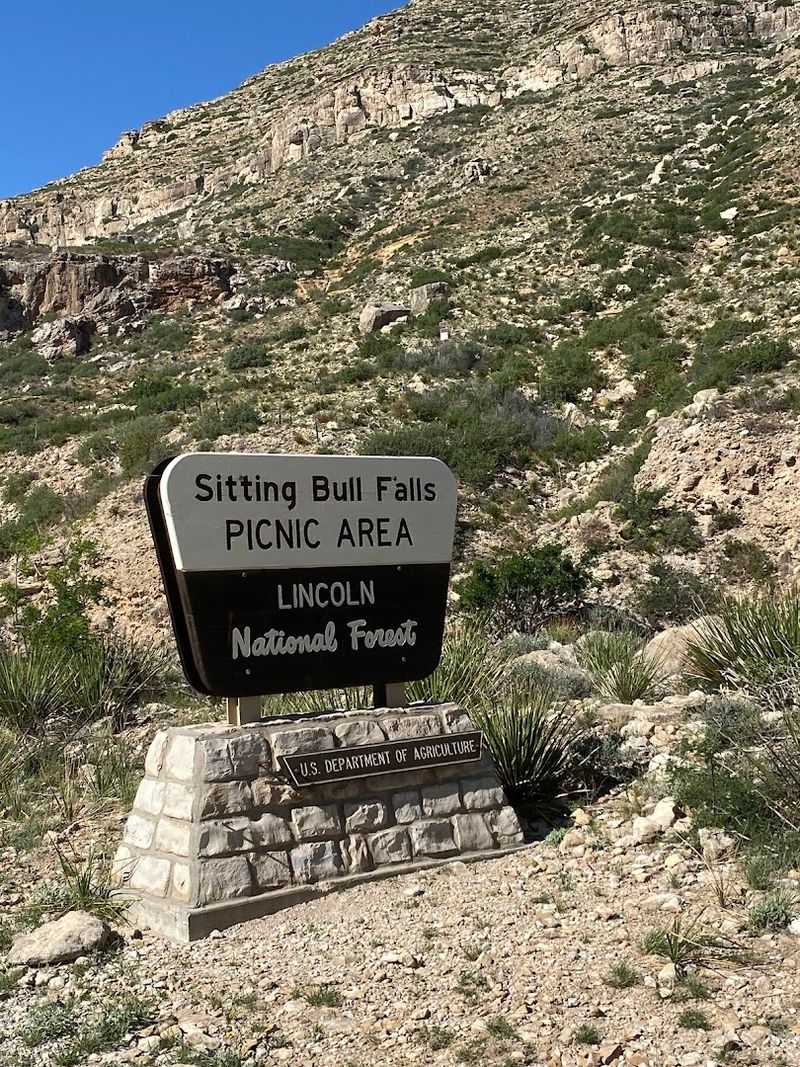
Long before the picnic area became a popular stop, young Civilian Conservation Corps workers were shaping this place with hand tools and local stone.
The Civilian Conservation Corps constructed several stone buildings in the picnic area in 1940, and those structures have held up remarkably well over the past eight decades.
The shelters feature thick walls built from large local stones, and some of them still show the outlines of old fireplaces tucked into the corners, hinting at how the space was used during cooler desert evenings long ago.
The huge stones and thick walls still give the area a sturdy, hand-built character that fits beautifully with the canyon setting.
The picnic area itself is surprisingly lush and grassy, a direct result of the reliable water source nearby that allows vegetation to thrive in a region where green grass is otherwise a rare luxury.
Tables, grills, covered shelters, flush restrooms, and potable water make this a genuinely comfortable spot for a full afternoon meal.
Few roadside picnic stops in New Mexico come with this much history baked into the stonework.
Shaded Corners Surrounded By Canyon Walls
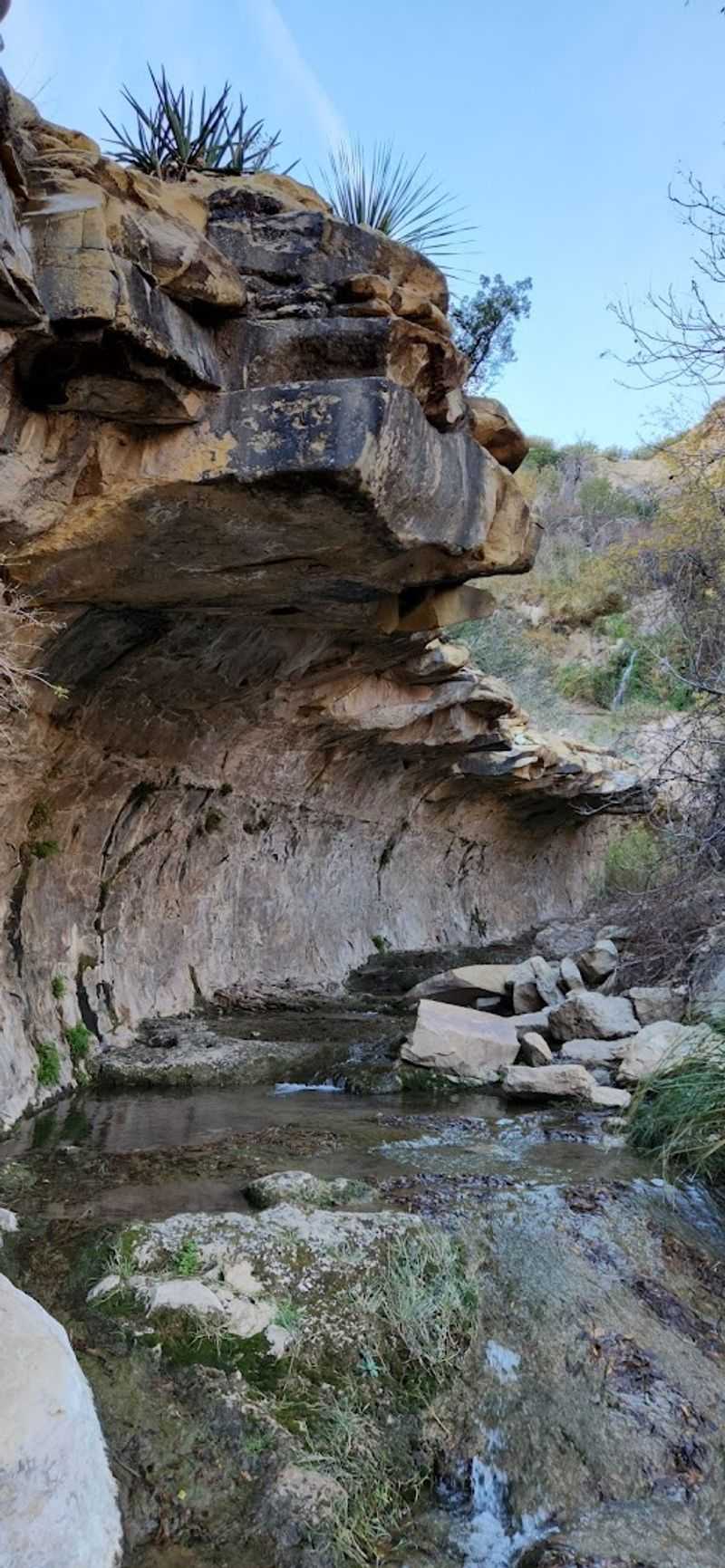
One thing I did not expect before visiting was just how much natural shade the canyon itself provides, turning what could be a brutally hot desert outing into something genuinely comfortable.
The limestone walls rise steeply on both sides of the canyon floor, and for a significant part of the day they block the direct overhead sun, creating pockets of cool shadow that feel almost air-conditioned by comparison to the open terrain outside.
Sitting in one of those shaded corners with the sound of moving water nearby and a breeze channeling through the narrow canyon is one of those simple travel moments that sticks with you for months.
A reviewer who visited on a warm afternoon described sitting in the shade provided by the water-worn cliffs and just enjoying the cool breeze, which is about as accurate a description as anyone could give.
The canyon walls themselves are worth studying up close because the layered limestone tells a quiet story about ancient seas, shifting geology, and the slow patience of water carving through rock over millions of years.
Bringing a book or a journal and just sitting in one of these shaded corners for an hour is a completely valid way to spend your time here.
Nature does not always need to be a sprint.
Spring-Fed Water Flowing Through The Desert
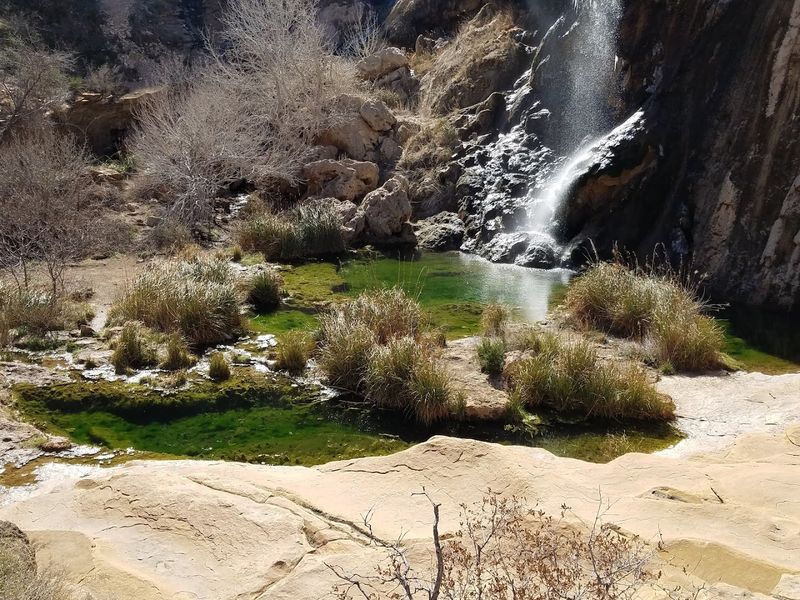
Water tells the whole story here. Understanding where it comes from makes the experience feel even more remarkable than it already looks.
The falls and pools at this site are fed by natural springs that emerge from the rock above the canyon, a process that began long before any trails or parking lots existed.
Those springs are part of the broader Permian shelf-and-reef geologic story of this southeastern desert region, where ancient seas left behind layers of rock that still shape the landscape today.
The water that seeps through that ancient rock eventually finds its way to the surface here, emerging cold and clear with minerals that help give the pools their distinctive turquoise tint.
Trails above the falls lead toward the spring sources themselves, and hiking up to see where the water originates adds a whole new layer to the visit beyond the main overlook experience.
The upper route can be rocky and uneven in places, so it is best approached with sturdy shoes, extra water, and enough time to move carefully.
Finding the source of something beautiful always feels like a small personal victory.
A Peaceful Escape Beneath The Falls
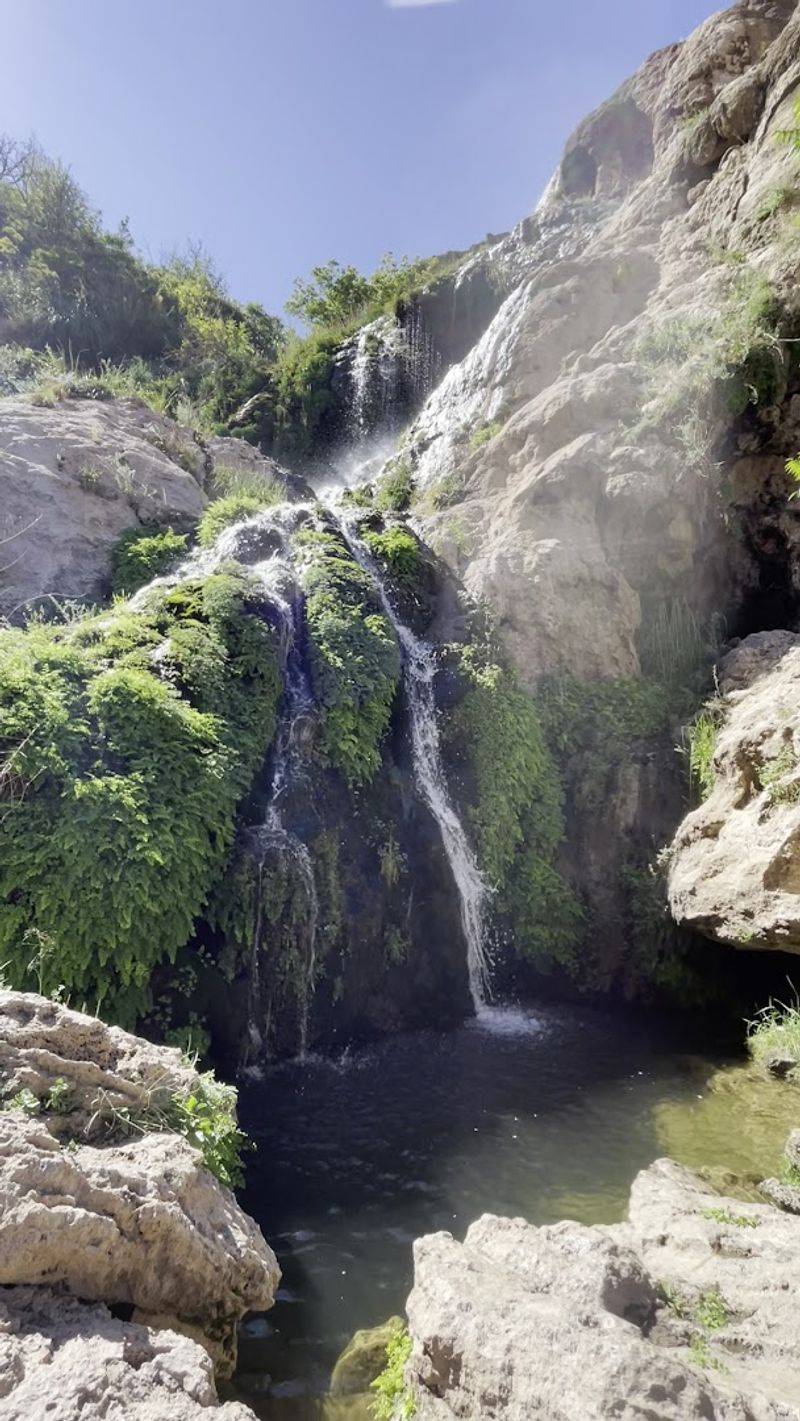
The base of a waterfall has its own kind of quiet. The rushing sound fills every corner and somehow makes the world feel smaller and simpler.
Standing at the bottom of the main falls with the mist settling on your skin and the walls of the canyon rising overhead is the kind of experience that tends to stop conversations mid-sentence.
The pool at the base is often deep enough for swimming when posted conditions allow, and wide enough that several visitors can spread out comfortably without feeling crowded, especially during weekday visits or early morning arrivals.
I spent a good chunk of time just sitting on a flat rock near the water’s edge, watching the light shift across the wet limestone and listening to the constant percussion of water hitting the pool below.
Because the water is spring-fed, the falls can be rewarding outside the peak summer season too, though the flow and conditions can always vary.
The combination of sound, cool air, moving water, and dramatic canyon scenery creates a sensory experience that no photograph quite manages to capture accurately.
Some places earn their reputation through spectacle, and this one earns it through something quieter and harder to name.
Quiet Trails Framed By Rugged Canyon Views
Beyond the main falls overlook, several trails fan out through the canyon and surrounding terrain. Extra effort brings views that most visitors never see.
The trail to the top of the falls is short but gains elevation quickly, with large rocky steps that require some attention and balance, especially on the way back down.
From the top, the perspective completely changes because instead of looking up at the falls you are suddenly looking out across the canyon, watching the water begin its long descent below your feet.
Longer backcountry routes extend beyond the main recreation area, but distances, access, and conditions can vary, so hikers should check current Forest Service guidance before committing to a longer route.
Dogs may be allowed on some trails where posted rules permit, which can make this an accommodating outdoor destination in the Carlsbad area for visitors traveling with pets.
One important note for trail hikers is that the upper routes have almost no shade, so carrying more water than you think you need is less a suggestion and more a firm requirement.
The canyon does not hide its beauty, but it does ask you to work just a little to find the best of it.