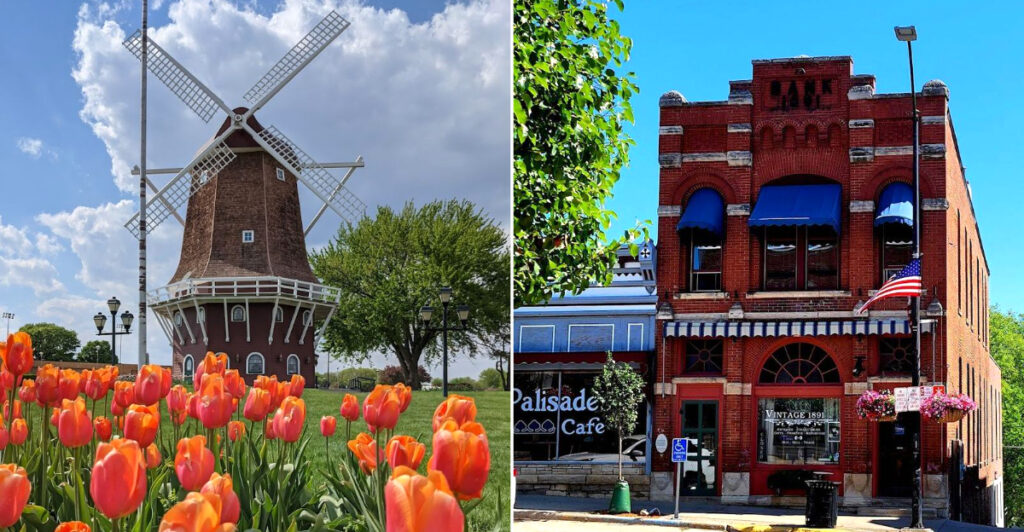
Some Iowa towns seem built for people who are not in a hurry, and honestly, that is a very underrated talent.
These are the places where the road gets quieter, the storefronts have a little age on them, and the best plan is usually to wander first and check the time later.
You will find river bluffs, covered bridges, old town squares, windmills, bakeries, historic villages, and main streets that still know how to move at a human pace.
Nothing feels forced here, which is exactly the charm.
These 12 slow-paced Iowa towns are the kind of stops that make a backroad drive feel like the whole point of the day.
Roll down the windows, leave the rushed itinerary at home, and let the small-town details do their quiet work.
1. Decorah
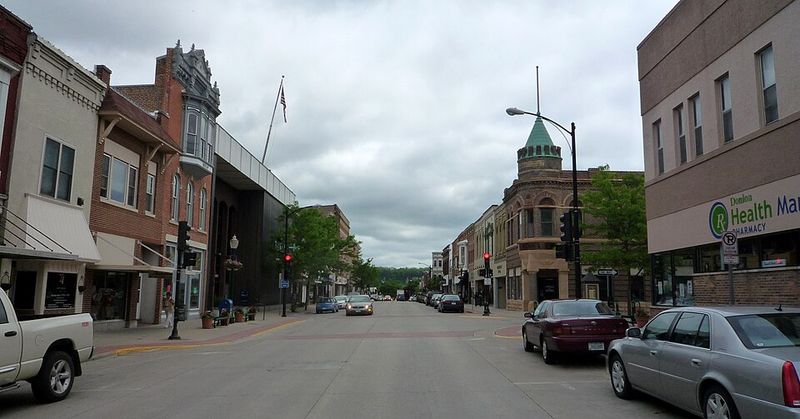
Tucked into the bluffs of northeast Iowa, Decorah sits along the Upper Iowa River like it was placed there on purpose by someone with excellent taste.
The town has deep Norwegian roots, and you can feel that heritage everywhere, from the Vesterheim Norwegian-American Museum to the annual Nordic Fest celebration held each July.
The river is one of the best places to spend a lazy afternoon, and local outfitters make it easy to rent a kayak and float past limestone cliffs at your own pace.
Decorah is also a serious destination for birdwatchers, since a nesting pair of bald eagles has been livestreamed here for years, drawing viewers from across the country.
The downtown strip is lined with locally owned shops and cafes where conversations move slowly and nobody seems to be in a hurry.
Stop by the Decorah Visitor Center and Chamber of Commerce at 507 W Water Street for maps, event schedules, and friendly advice on where to find the best cinnamon roll in town.
2. Pella
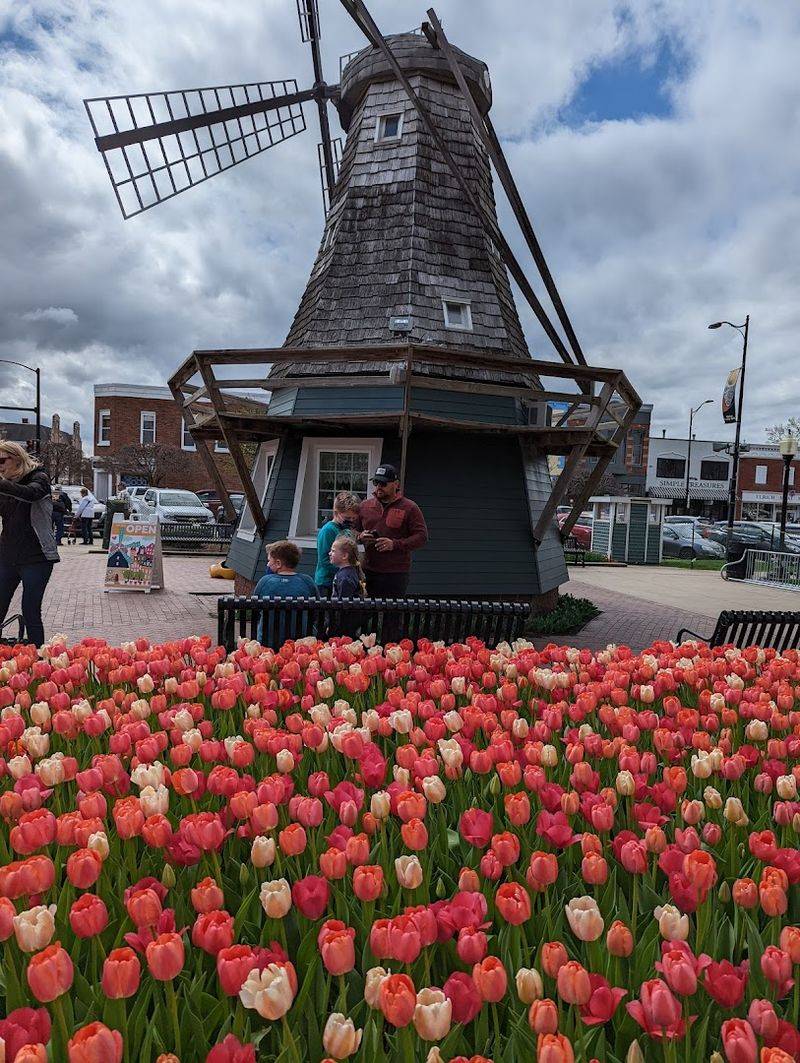
Every spring, Pella transforms into a sea of tulips so vivid that it genuinely looks like a painting someone forgot to finish.
The town was founded in 1847 by Dutch immigrants, and that heritage is not just preserved here, it is celebrated with enormous pride.
The Vermeer Mill, a fully operational Dutch windmill standing over 124 feet tall, is one of the most photographed landmarks in the entire state of Iowa.
Pella’s historic town square is surrounded by Dutch-style architecture, and the local bakeries turn out stroopwafels and Dutch letters that taste like they were imported straight from Amsterdam.
The Tulip Time Festival draws thousands of visitors each May, featuring traditional Dutch dancing, street scrubbing ceremonies, and a parade that the whole community participates in with obvious joy.
Even outside of festival season, the town has a calm, well-kept energy that invites slow walks and long lunches.
Head to the Pella Convention and Visitors Bureau at 915 Broadway Street for a full calendar of events and self-guided tour options.
3. Amana Colonies
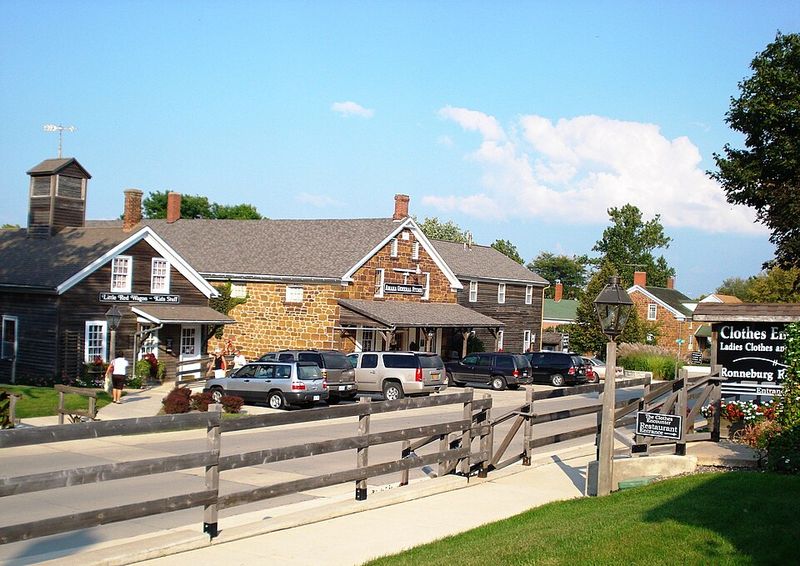
Seven villages, one extraordinary story. The Amana Colonies were founded in the mid-1800s by German pietists seeking religious freedom, and the community lived communally for nearly a century before transitioning to a more traditional economy in 1932.
Today, the colonies feel like a living history lesson wrapped in really good food and handcrafted furniture.
Walking through the villages, you pass old woolen mills, cellars, and workshops where artisans still practice trades that most of the modern world has forgotten.
The Amana Heritage Museum offers a thorough and genuinely engaging look at how this unique community functioned, and the guided tours are worth every minute.
Local restaurants serve hearty German-style meals that have been satisfying visitors for generations, and the portions are not shy.
The landscape surrounding the colonies is quietly beautiful, with the Iowa River winding through farmland that turns golden in October.
Start your visit at the Amana Colonies Visitors Center at 622 46th Avenue in Amana for maps, walking tour guides, and a warm welcome from people who love sharing this place.
4. McGregor
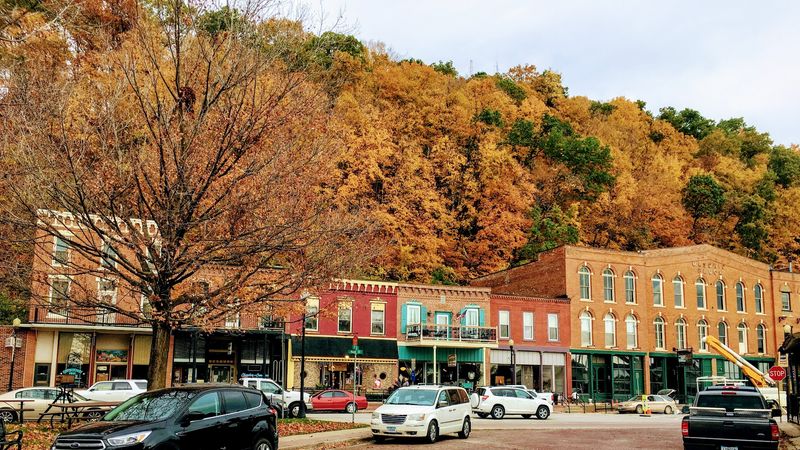
Perched right on the edge of the Mississippi River, McGregor is the kind of town that rewards anyone willing to wander without a plan.
The bluffs here rise dramatically above the river, and Pikes Peak State Park, located just south of town, offers some of the most memorable Mississippi River views in the upper Midwest.
McGregor itself is a walkable little town with antique shops, art galleries, and a main street that has not been overrun by chain stores or tourist traps.
The history is layered and fascinating. The town once served as a major river crossing point and was a busy commercial hub during the steamboat era of the 1800s.
Fall is arguably the best time to visit, when the bluffs explode in color and the river traffic slows to a peaceful drift.
Birdwatching is excellent here too, especially during spring and fall migrations when the river corridor brings large numbers of birds through the area.
Stop by McGregor City Hall at 416 Main Street for local information and to ask about upcoming community events.
5. Elkader
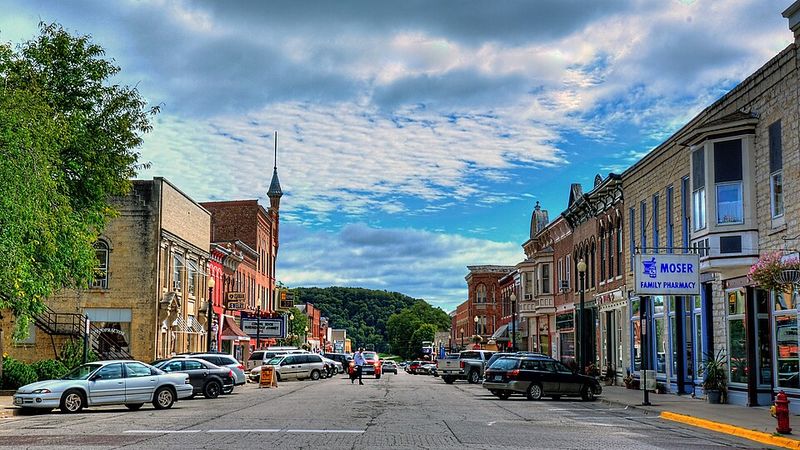
Named after a famous Algerian resistance leader, Elkader has one of the most unusual origin stories of any small town in the Midwest, and that distinctive spirit carries through everything here.
The town sits along the Turkey River in Clayton County and is surrounded by some of the most rugged, beautiful terrain in all of Iowa.
The Motor Mill Historic Site, located just a few miles outside of town, features a six-story limestone flouring mill and related stone buildings dating from the late 1860s.
The Turkey River itself is a favorite among canoeists and kayakers, offering calm stretches perfect for beginners as well as more challenging runs for experienced paddlers.
Downtown Elkader has a charming, unhurried atmosphere with locally owned shops and a historic opera house that still hosts community performances.
The surrounding Driftless Area landscape means you are never far from a scenic overlook or a quiet hiking trail.
For local guidance, stop by Elkader City Hall at 207 N Main Street, where staff can point you toward the best spots in and around town.
6. Mount Vernon
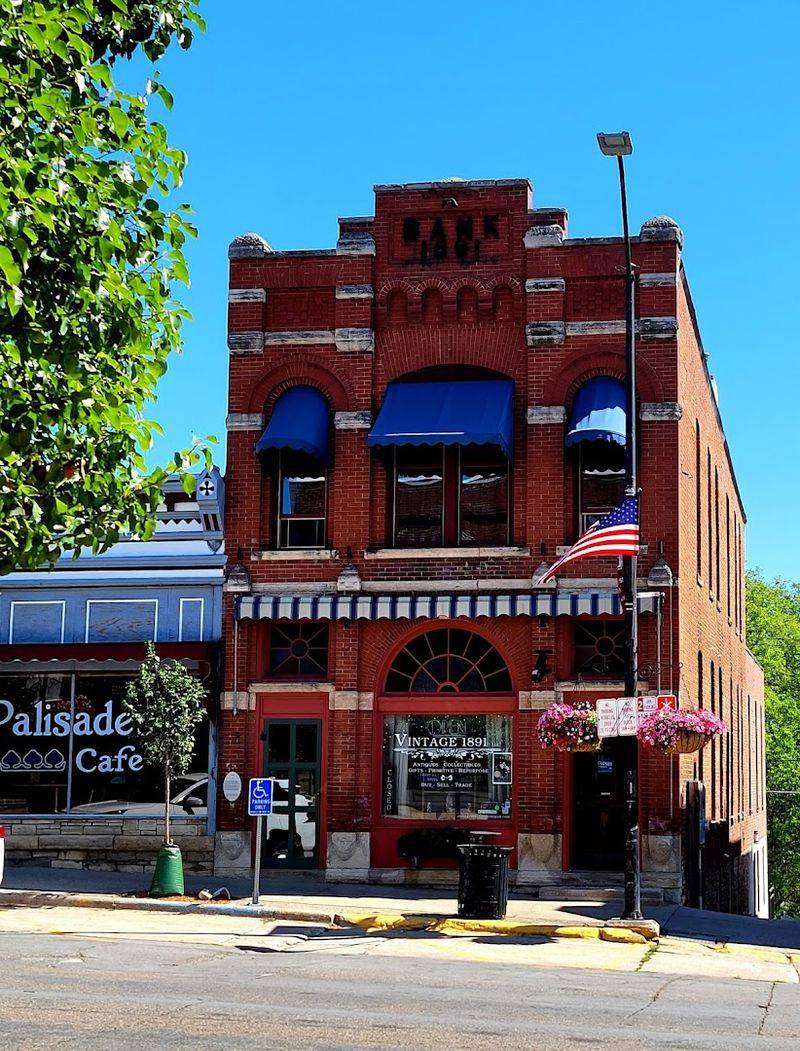
Cornell College has called Mount Vernon home since 1853, and that academic energy gives this small Linn County town a liveliness that sets it apart from its neighbors.
The main street is anchored by independent bookshops, coffee spots, and art studios that draw a creative crowd without ever feeling pretentious or crowded.
Mount Vernon is a designated Iowa Cultural District, which means the arts are not just tolerated here, they are genuinely woven into the fabric of daily life.
The historic downtown is compact enough to explore on foot in an afternoon, but interesting enough that you will want to come back for more.
Local festivals throughout the year bring the community together in ways that feel authentic rather than manufactured for tourism.
The surrounding countryside offers quiet roads perfect for cycling or a slow Sunday drive through rolling farmland.
Cornell College’s campus is open to visitors and worth a stroll, especially when the historic buildings are lit up in the warm glow of late afternoon sun.
The Mount Vernon-Lisbon Community Development Group at 311 First Street NW is a great starting point for planning your visit.
7. Winterset
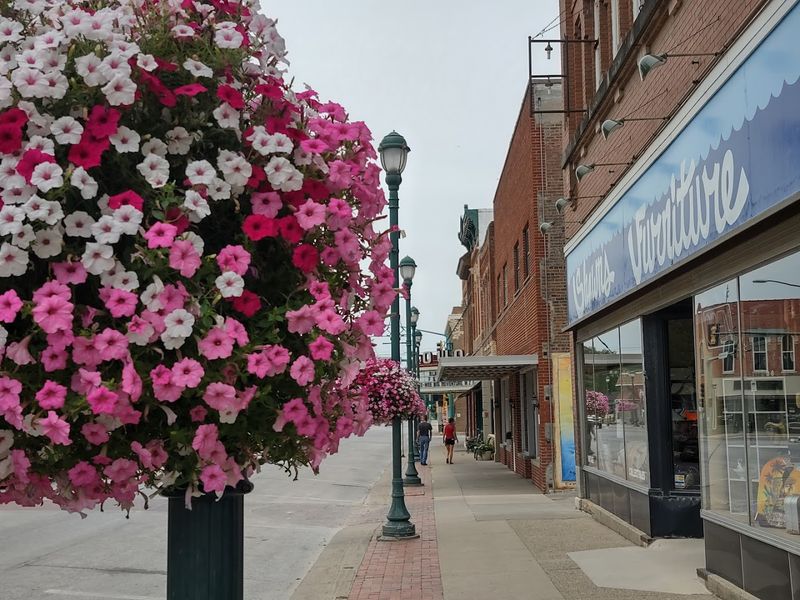
Madison County’s covered bridges are famous for good reason, and Winterset is the town at the center of it all.
Six historic covered bridges are scattered across the county, each one framed by rolling hills and seasonal color that makes every visit feel like a postcard come to life.
Winterset is also the birthplace of John Wayne, and the modest white house where the iconic actor was born in 1907 is now a museum that draws fans from across the country.
The town square has a classic Midwestern charm, with a courthouse at its center and locally owned shops and restaurants filling the surrounding blocks.
The Madison County Covered Bridge Festival each October is one of the most beloved fall events in Iowa, featuring artisan vendors, live music, and guided bridge tours.
Beyond the bridges, the county has miles of quiet backroads that reward slow drives and spontaneous stops.
The Madison County Chamber and Welcome Center at 73 E Jefferson Street in Winterset is the ideal first stop for maps, bridge locations, and insider tips on the best spots in the area.
8. LeClaire
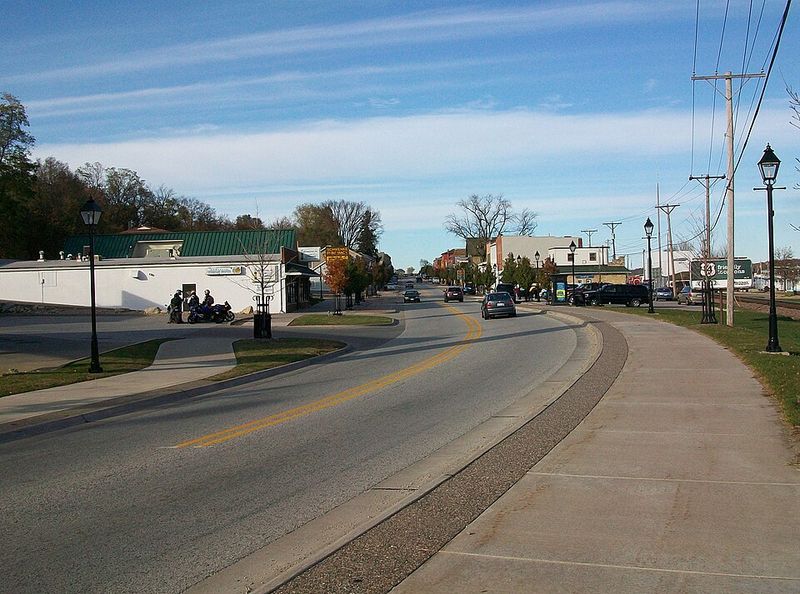
LeClaire has a quiet confidence about it, the kind that comes from knowing you sit on one of the most historically significant stretches of the Mississippi River in the entire country.
Located in Scott County in eastern Iowa, the town was a hub for river pilots in the 1800s because the nearby Rock Island Rapids required expert navigation, and many of the best pilots called LeClaire home.
The Buffalo Bill Museum here celebrates the town’s most famous son, William Cody, who was born in LeClaire in 1846 before becoming one of the most recognized figures in American frontier history.
The riverfront is peaceful and walkable, with views of the Mississippi that remind you just how wide and powerful that river really is.
Antique shops line the main street, making LeClaire a popular destination for collectors and casual browsers alike.
The town also served as a filming location for the television show American Pickers, which brought national attention to its already well-stocked antique scene.
Stop by the LeClaire Information Center at 117 S Cody Road for local maps and event listings.
9. Kalona
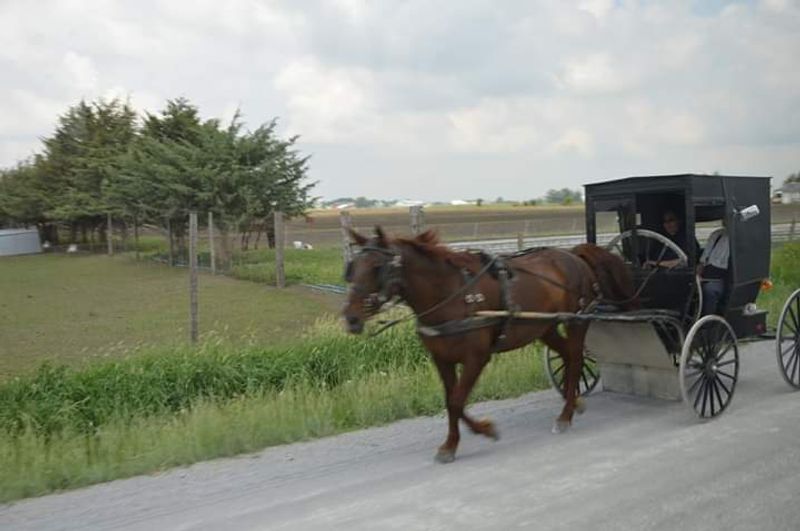
Horse-drawn buggies moving quietly down gravel roads set the pace in Kalona, and honestly, that pace feels like exactly what most people need.
Located in Washington County in southeast Iowa, Kalona is home to one of the largest Amish communities west of the Mississippi River, and that presence shapes the town’s atmosphere in the most grounding way.
The Kalona Historical Village is a collection of original 19th-century buildings that gives visitors a hands-on look at pioneer and Amish life, including a working blacksmith shop and an old-fashioned general store.
Local shops sell handmade quilts, fresh-baked goods, and handcrafted furniture that reflect the skill and patience of the community’s artisans.
The weekly Kalona Sales Barn auction is a fascinating slice of rural life that locals and visitors attend side by side, and no prior knowledge of livestock pricing is required to enjoy the spectacle.
The surrounding farmland is lush and meticulously tended, making even a short drive through the countryside feel restorative.
The Kalona Area Chamber of Commerce Visitors Center at 514 B Avenue is the place to start your exploration of this one-of-a-kind community.
10. Guttenberg
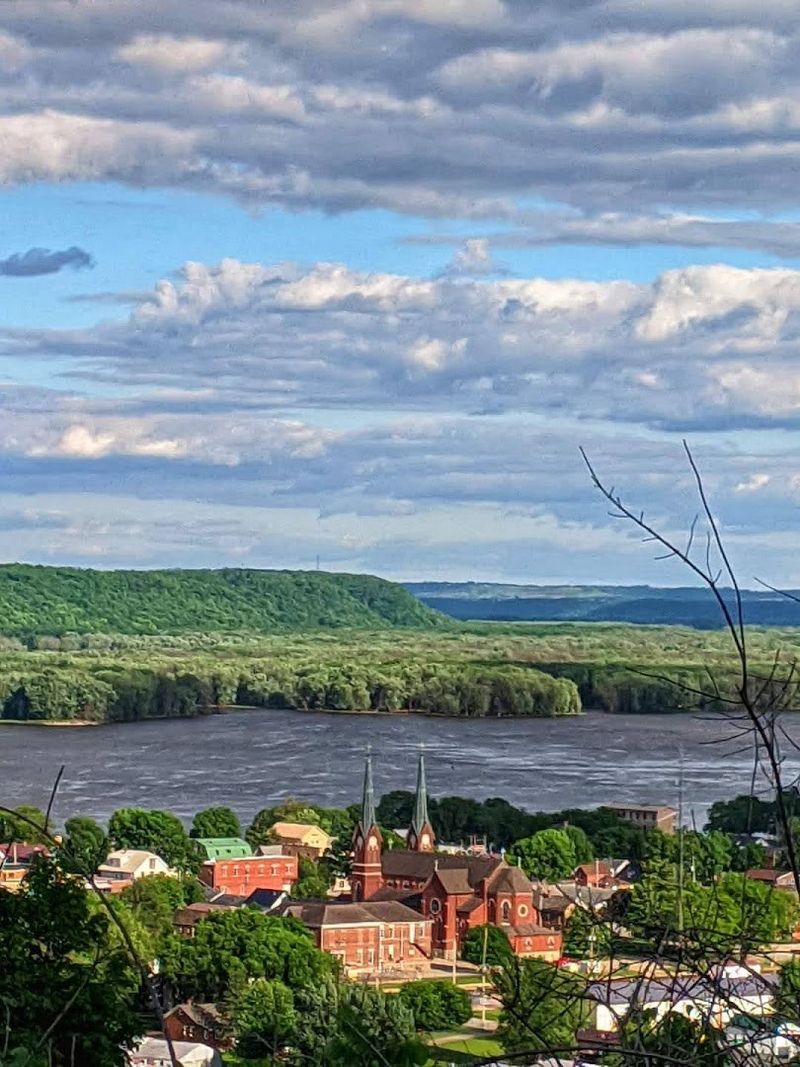
Few towns in Iowa can claim a setting as dramatic as Guttenberg, where limestone bluffs tower above the Mississippi River and the whole scene looks like it belongs on a nature calendar.
Located in Clayton County in northeast Iowa, Guttenberg’s German immigration began in the mid-1840s, and the city was later incorporated by German immigrants in 1850.
The town is named after Johannes Gutenberg, the inventor of the movable type printing press.
The town’s waterfront park stretches along the river and offers excellent fishing, birdwatching, and a front-row seat to the constant river traffic of barges and pleasure boats.
Lock and Dam No. 10, located right in town, is a fascinating piece of river engineering that you can watch operate from an observation deck free of charge.
The historic downtown retains much of its 19th-century character, with stone buildings and wide sidewalks that invite slow afternoon walks.
Fall brings spectacular color to the bluffs above town, and the Great River Road that runs through Guttenberg is one of the most scenic drives in the entire state.
The Guttenberg Chamber of Commerce and Welcome Center at 323 S River Park Drive is ready to help you make the most of your visit.
11. Elk Horn
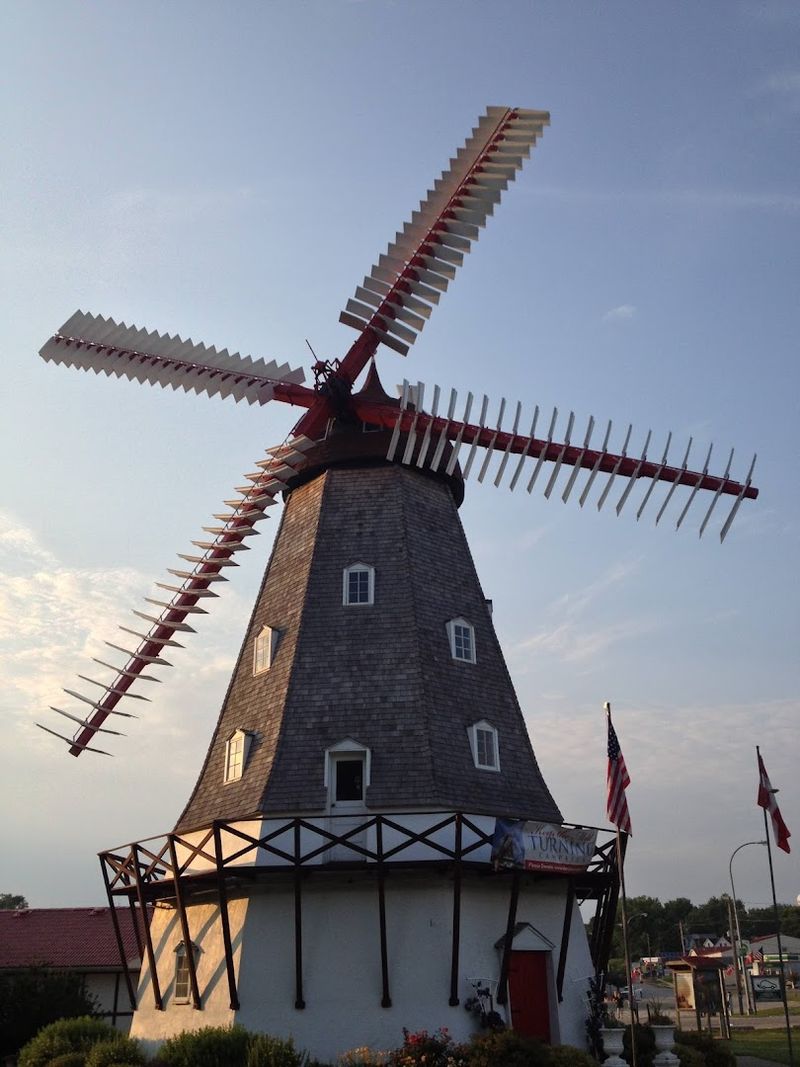
A fully functioning Danish windmill standing in the middle of a small Iowa town is not something you expect to find, and yet there it is in Elk Horn, turning slowly and looking completely at home.
Elk Horn and neighboring Kimballton form the largest rural Danish settlement in the United States, and that heritage is preserved with a care and enthusiasm that is genuinely moving.
The windmill was actually dismantled in Denmark, shipped across the Atlantic, and reassembled here in 1976 by community volunteers who wanted to honor their ancestors.
The Museum of Danish America at 2212 Washington Street is one of the finest ethnic heritage museums in the country, with rotating exhibits that explore Danish immigration, culture, and contributions to American life.
The town itself is small and walkable, with Danish-inspired architecture and a community spirit that makes visitors feel like guests at a family gathering.
Aebleskiver, a traditional Danish pancake ball, is served at local events and is absolutely worth tracking down.
Elk Horn is a reminder that Iowa’s cultural tapestry is far richer and more surprising than most people ever expect.
12. Orange City
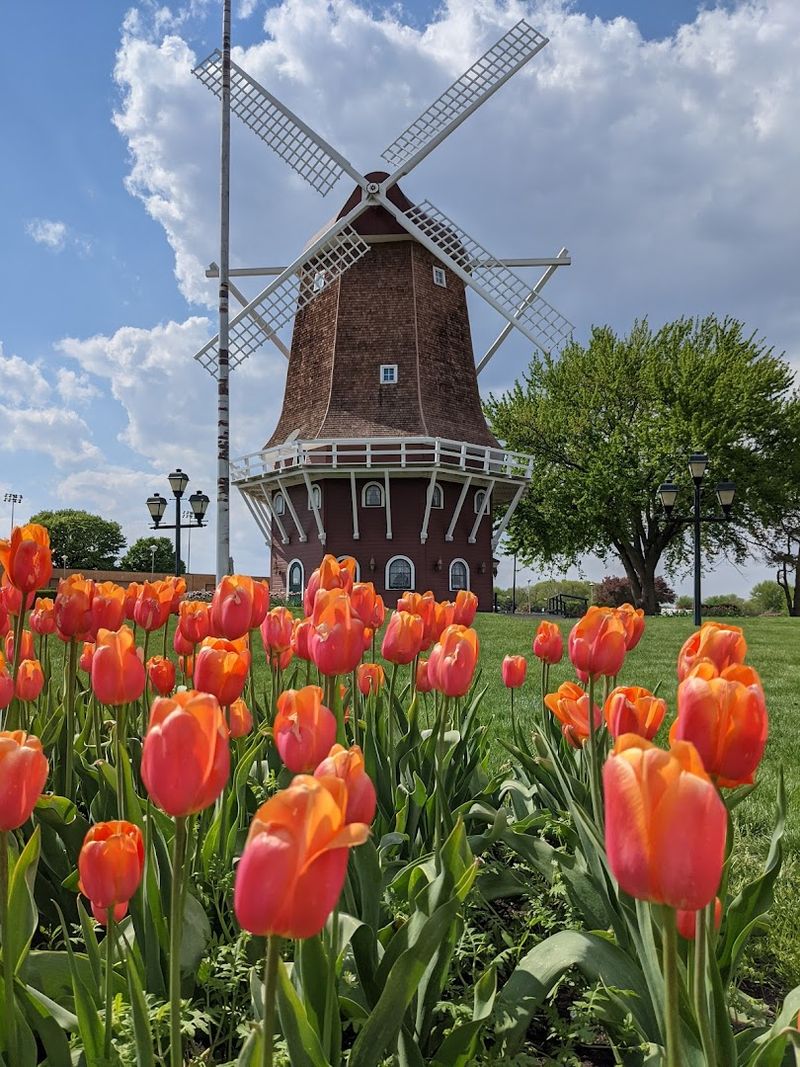
Orange City takes its Dutch heritage so seriously that the town’s Windmill Visitor Center has become one of its signature landmarks, and the whole downtown looks like it was designed with a Dutch architectural guidebook in hand.
Located in Sioux County in northwest Iowa, Orange City was settled by Dutch immigrants in the 1870s and has maintained that identity with remarkable consistency ever since.
The Tulip Festival held each May is the crown jewel of the town’s calendar, drawing visitors from across the region for three days of Dutch costumes, street scrubbing, parades, and freshly baked Dutch treats.
Outside of festival season, the town is a calm and welcoming place with a well-kept downtown, friendly locals, and a strong sense of community pride.
Northwestern College, a private Christian liberal arts school located here, adds an intellectual and cultural energy that enriches the town’s character year-round.
The surrounding farmland is flat, wide, and beautifully open, offering the kind of big-sky scenery that northwest Iowa does better than almost anywhere.
Start your visit at the Orange City Windmill Visitor Center at 509 8th Street SE for event information and a warm welcome.