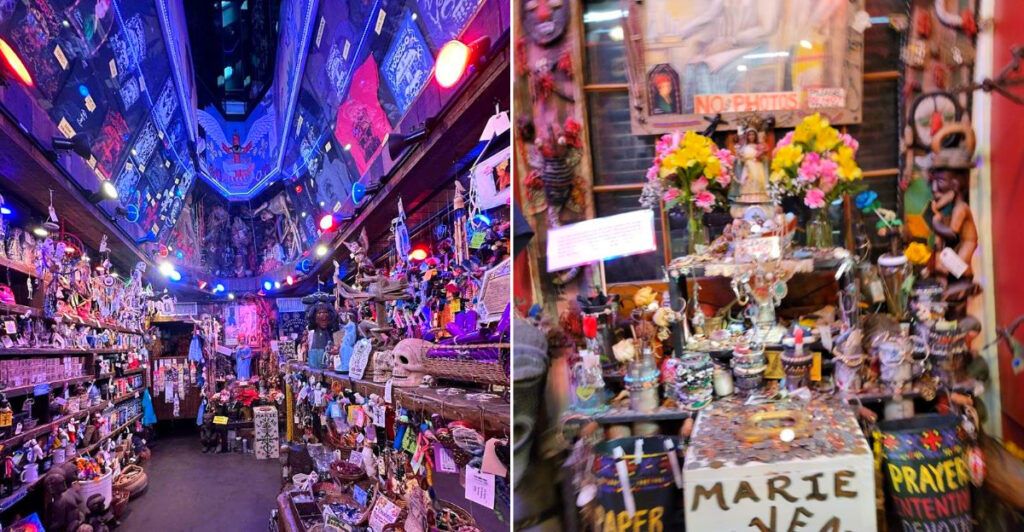
You know the shop before you see it because the energy on that stretch of sidewalk shifts in a way that is hard to explain and easier to feel and by the time you reach the doorway you have already slowed your pace.
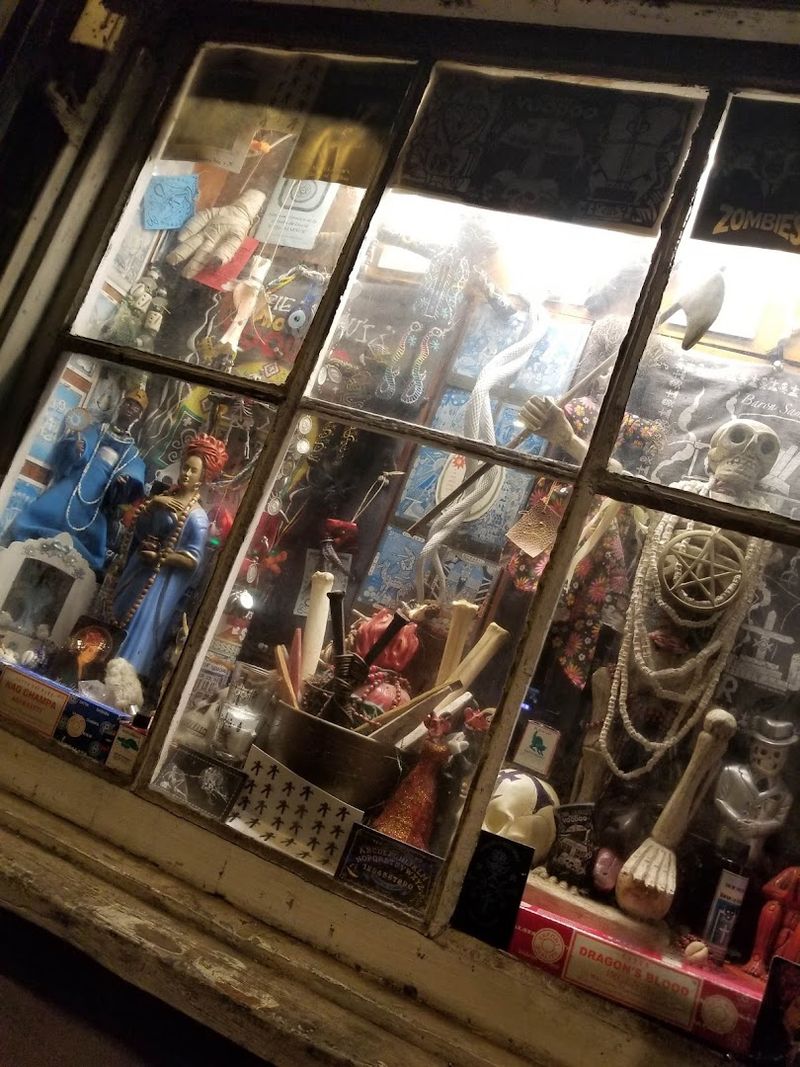
Because something about the dressed candles and the jars of herbs and the handmade charms behind the glass pulls you in like the shop has been waiting for you specifically.
The interior smells like frankincense and old wood and the people behind the counter do not rush you or explain too much because the point is that you discover what you need on your own whether it is a charm bag or a reading in the back room.
There is no gift-shop gloss here just real tools on real shelves and that sincerity is what separates it from every other curiosity on the same block. Every Louisiana shop has a personality but this one has something closer to a pulse.
Approach With Curiosity Not Spectacle
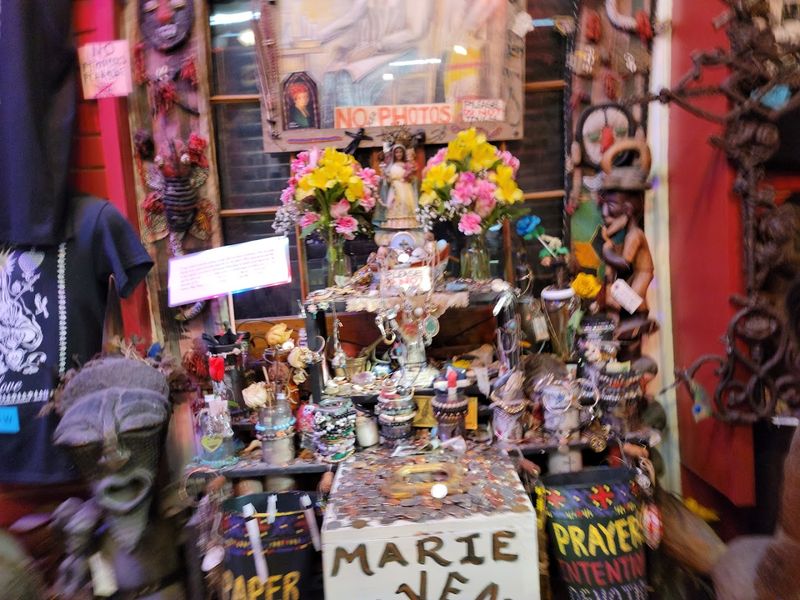
The immediate vibe at the door is dense with things to look at and rules to respect. You will notice a security presence and signs asking for no photography.
That is not theater but a protection for both the objects and the people who practice. Take a breath and move slowly, letting the curated clutter feel like a museum cabinet rather than a flea market.
Staff may seem reserved; approach with a simple greeting and a question if you want guidance. Ask about origins of an item before touching, some pieces are ritual tools, others are tourist souvenirs.
Your curiosity matters more than impulse purchases here. The narrow aisles reward patience, especially when shelves mix candles, carvings, books, herbs, and handmade objects with very different purposes.
Pay attention to labels, listen carefully to explanations, and avoid treating unfamiliar traditions as props for a thrill or spectacle.
Bourbon Street Gets Stranger Here
Marie Laveau’s House of Voodoo turns a regular French Quarter walk into something darker, stranger, and far more crowded with charms, masks, and mysterious curiosities.
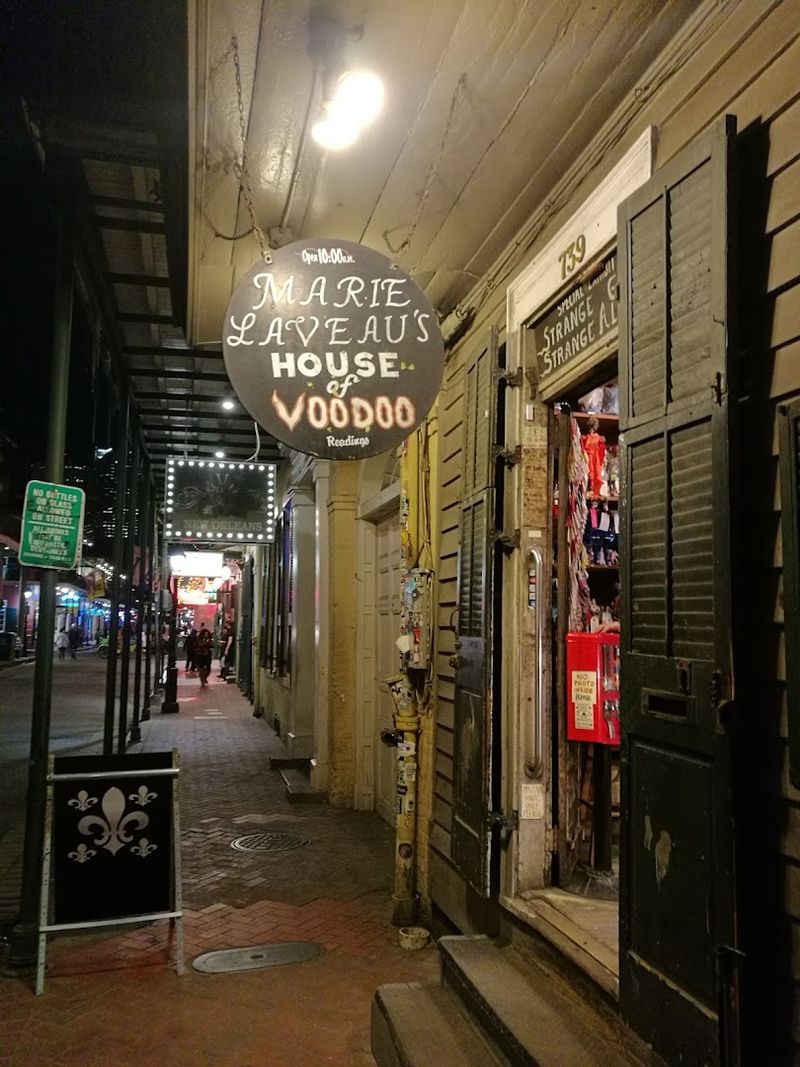
You’ll find it at 628 Bourbon St, New Orleans, Louisiana 70130, the shop’s current official location in the French Quarter.
Approach on foot, watch for the distinctive storefront, and leave enough time to browse instead of treating it like a quick photo stop. Bourbon Street supplies the noise, but the atmosphere shifts as soon as you step through the door.
Inside, narrow aisles encourage a slower pace as shelves fill with candles, talismans, books, herbs, and handmade pieces. Respect the no-photography rules, ask before touching unfamiliar objects, and remember that some items carry religious meaning beyond their obvious decorative appeal.
Timing Your Visit And Readings
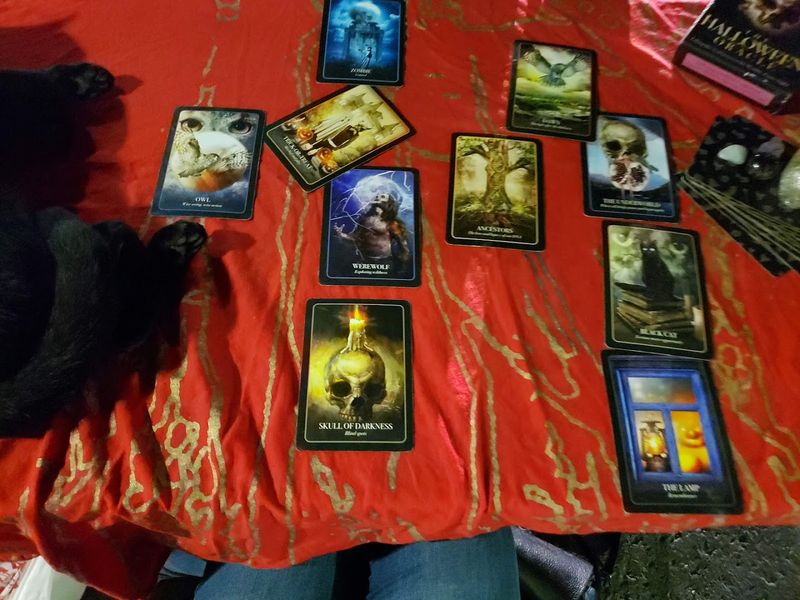
Readings are offered daily and usually run from noon until closing, often on a first-come, first-served basis. If a tarot or psychic session is part of your plan, arrive early to sign up or call ahead on busy weekends; popular readers can book out and the wait list grows fast.
I once dashed in before midday and snagged a same-day slot with calm results, so being early pays off.
Expect sessions to be practical and concise unless you schedule extra time. Fees vary by reader and duration.
Ask about timing and cost before you sit down so there are no surprises during the reading.
What To Buy: Souvenirs Versus Ritual Supplies
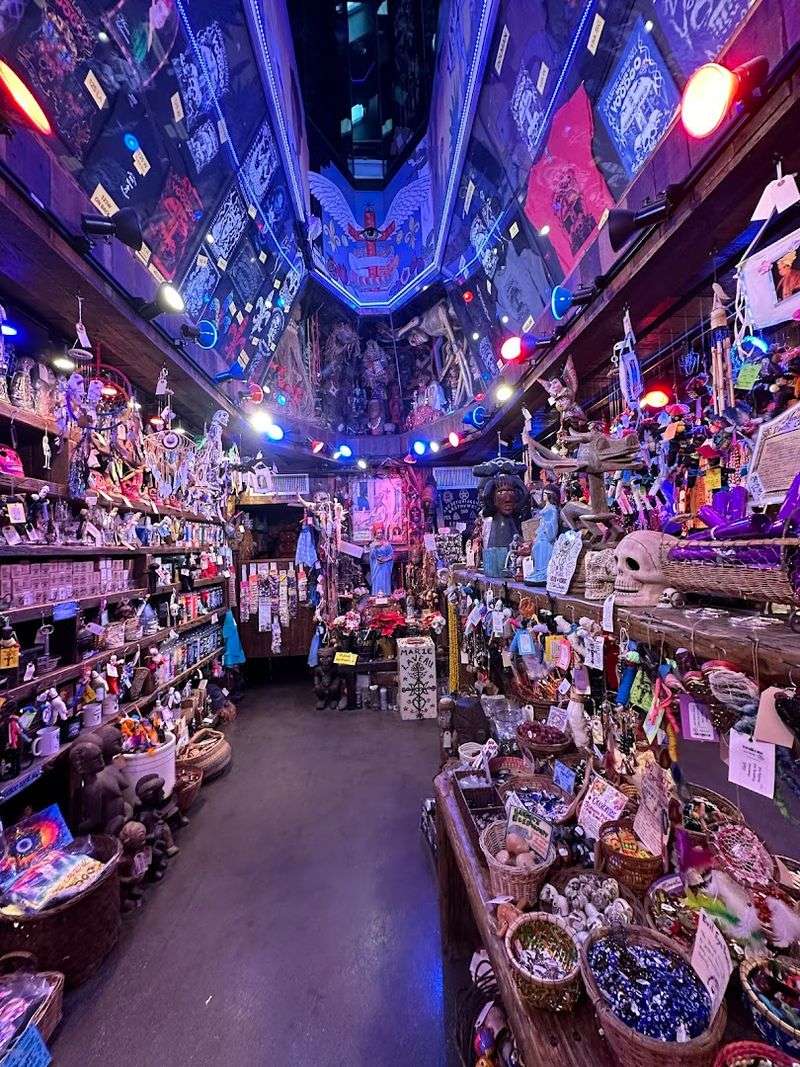
Shelves hold a mix of decorative souvenirs and items intended for ritual use like gris-gris bags, oils, spiritual waters, and roots. If you seek authentic practitioner supplies, ask staff specific questions about sourcing and traditional use.
I learned to listen for practical answers rather than marketing lines; the more precise the explanation, the likelier an item is meant for ritual work rather than novelty.
Books, charms, and tribal masks can range from collectible to mass-produced. If provenance matters, look for clear labeling or staff guidance and be prepared to pay a premium for items with documented origin and craftsmanship.
Take your time comparing similar objects, because packaging can blur the difference between devotional tools and themed merchandise. Smaller details, including handwritten labels, ingredient lists, and explanations of preparation, often reveal whether the piece carries cultural context or decorative appeal.
Watching The Altar, A Quiet Focal Point
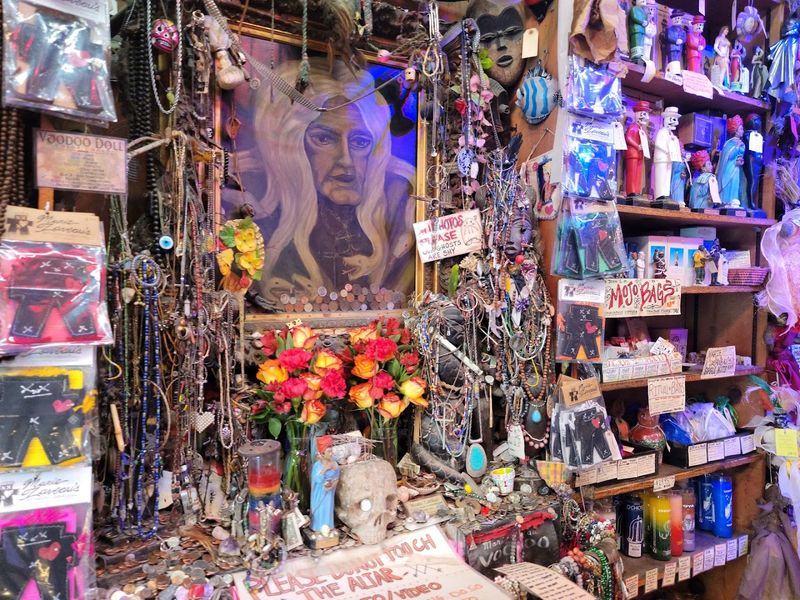
There is an altar inside that serves as a focal point for display and devotion, blending folk art with spiritual objects. When I watched people move through the space, most offered a small, personal pause near the altar, a quick bow, a whispered thought, or a moment of reflection, and these gestures felt appropriate and welcomed.
The altar anchors the shop’s dual role as museum and living spiritual space.
Do not touch offerings or rearrange items. If you wish to leave something, ask staff about appropriate offerings and placement so your gesture aligns with house practice and respect for tradition.
Candles, photographs, coins, and handwritten notes create layers of meaning that may not be obvious to casual visitors. Standing back allows others room for their observance while giving you time to notice how each object contributes to the altar’s presence.
Staff Interactions, Ask With Intention
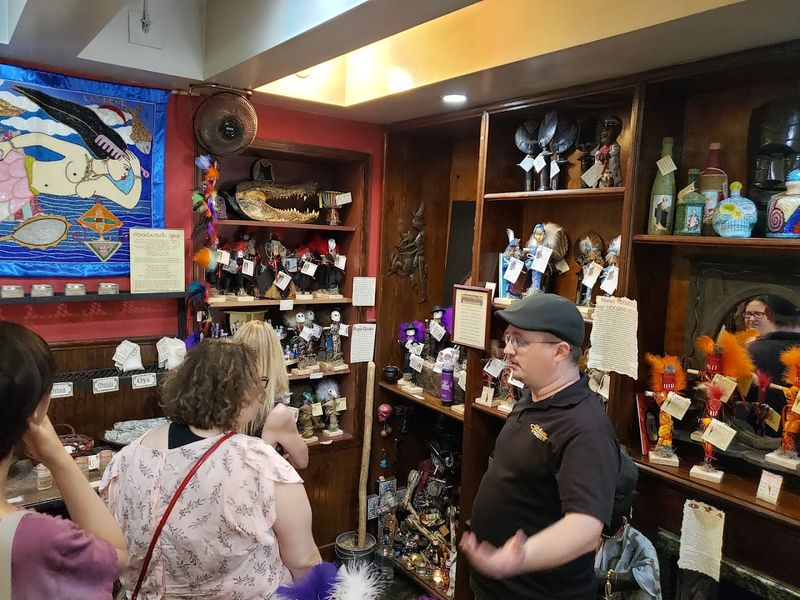
Staff responses vary from reserved to warm depending on who is working and how busy they are. A clear, polite question usually gets thoughtful answers; vague demands do not.
I found that asking about an item’s traditional use or cultural background prompted the most informative replies, while probing about provenance sometimes highlighted limits to what staff could confirm.
If staff seem distracted, try a different person or return during a quieter hour. Being concise and respectful helps you get accurate information about readings, goods, or ritual advice without friction.
Busy afternoons can make even knowledgeable employees sound abrupt, so patience matters. Listen to the answer you receive, avoid turning conversation into a test, and remember that uncertainty can be more honest than polished storytelling designed to secure a sale.
Balancing Authenticity Concerns
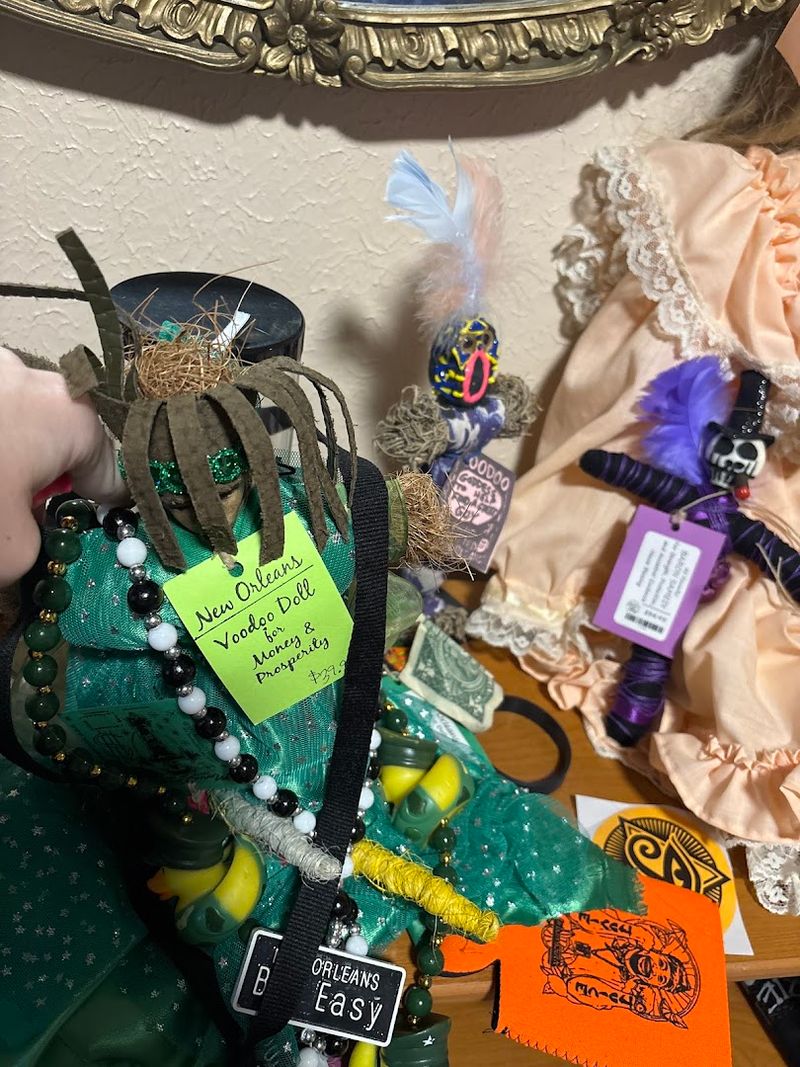
Not every piece in the shop is handcrafted or locally sourced, and locals sometimes debate the balance between commerce and cultural preservation. I noticed clear differences between items labeled with provenance and those that look mass-produced.
If authenticity matters, inspect labels, ask about makers, and consider supporting smaller local artisans elsewhere in the Quarter or at specialist stores that emphasize traditional methods.
Buying respectfully means recognizing what you want, a souvenir, a reading, or a tool for practice, and choosing items with transparency about origin and purpose. That awareness supports both your experience and local craftspeople.
Slowing down before purchasing also gives you space to compare quality, price, and meaning without pressure. A thoughtful choice can still be playful or personal, but it should not depend on exaggerated claims, unclear origins, or assumptions about sacred traditions.
Practical Tips: Cash, Cards, And Small Purchases
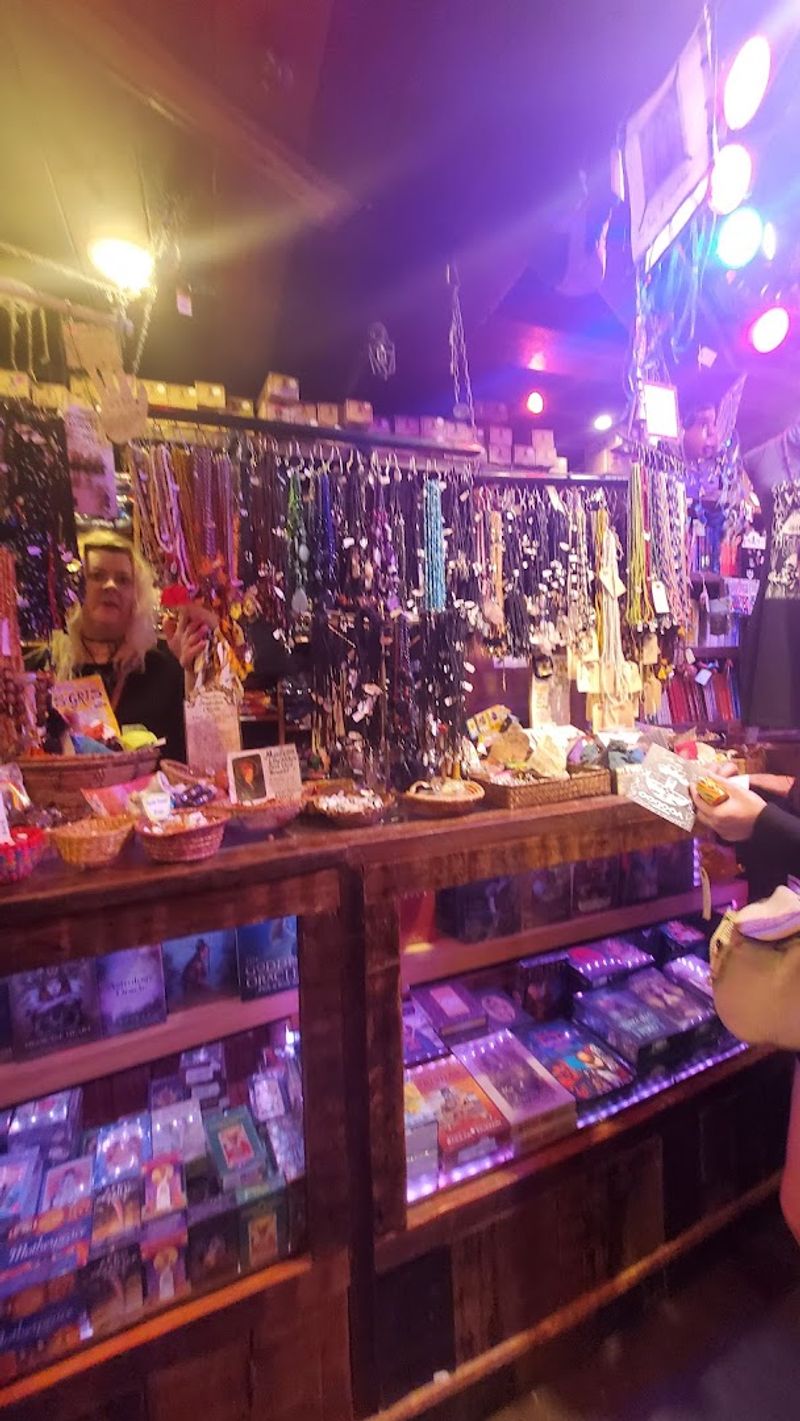
Most purchases are small: charms, candles, magnets, but some readers and specialty items require cash or require card payment with a minimum. I always carry a mix of cash and card when visiting the French Quarter; it smooths transactions and tips for readings.
Prices can range widely, so if you have a budget in mind, scan shelves first and ask about price ranges before committing.
If you plan a reading, bring exact change or verify card acceptance. This reduces awkward pauses and keeps the experience moving when readers have limited time between appointments.
Keep receipts for higher-priced goods, and confirm whether readings, custom preparations, or consultations include gratuity in the quoted amount. Small bills are especially useful during crowded periods, when splitting payments or waiting for change can slow staff and customers down.
Seasonal And Special Events
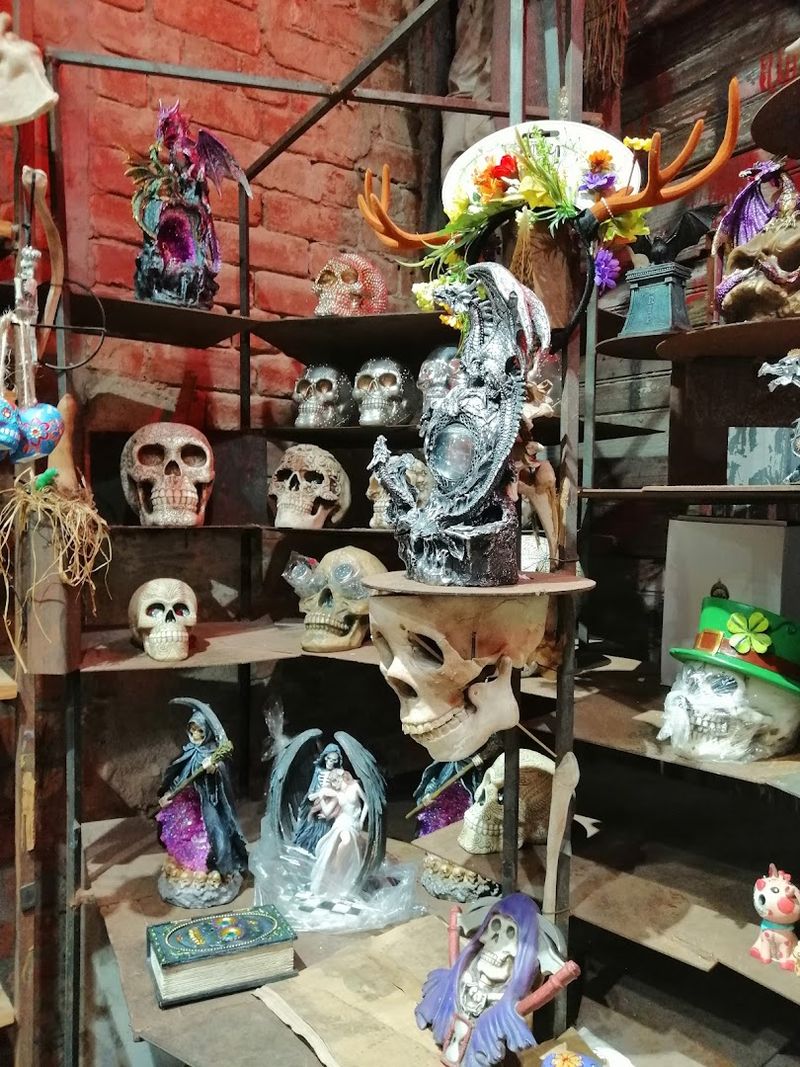
Seasonal displays and limited edition items appear at certain times of year, such as Halloween shirt releases or themed charms. I saw limited runs promoted in-store and staff mentioned special drops that regular visitors enjoy.
If you have a specific interest, ask about seasonal releases; locals sometimes plan return visits to catch those offerings before they sell out.
Holiday crowds affect both foot traffic and reading availability. Visiting midweek or earlier in the day typically offers a calmer browsing experience and better chances for on-the-spot readings without long waits.
Preservation And Display Techniques
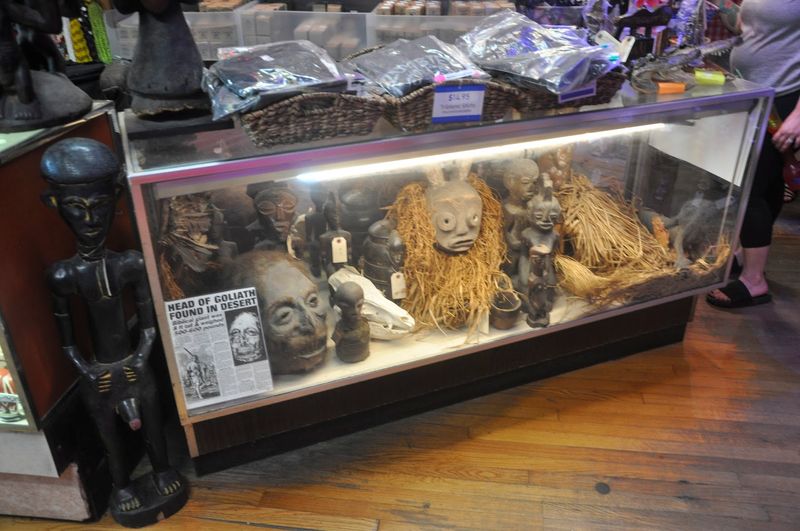
Display choices blend retail needs with preservation of fragile folk art; some items are behind glass, others on open shelves with clear labels. I noticed that more delicate pieces are kept sheltered, and the use of printed labels helps communicate provenance or ritual context.
That curation gives the shop a museum-like feel in parts, signaling which objects are for sale and which deserve reverence.
When in doubt, read the placards and follow staff guidance about touching or handling. Respecting those cues protects objects and honors the cultural traditions they represent.
If You Want Deeper Practice, Where To Go Next
For ceremonial services or deeper spiritual practice, the nearby Voodoo Spiritual Temple is recommended and offers a different, more ceremony-focused experience.
I suggest treating Marie Laveau’s House of Voodoo as an accessible introduction, a place to browse, learn, and perhaps book a reading, while pursuing formal ritual work at a temple that specializes in community ceremonies and structured practice.
Ask staff for directions or recommendations if you want to connect with more practice-oriented venues. They can often point you to temples, reputable readers, or practitioners in the city who focus on ceremonial work and community traditions.