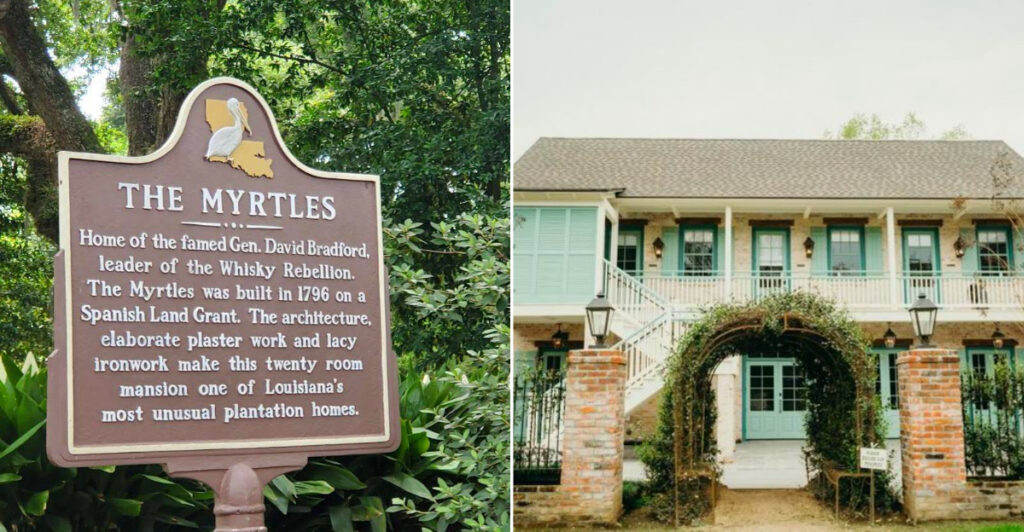
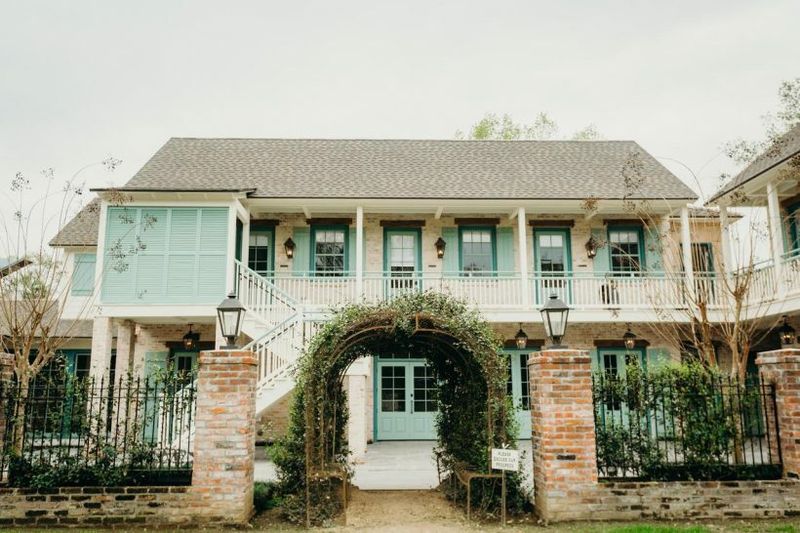
The house looks like it was painted for a postcard and that is the trick of it because the wide porch and the dormer windows suggest nothing more troubling than sweet tea on the lawn but the stories accumulated inside those walls over two centuries tell a different version of the same place.
A mirror that holds fingerprints that will not wipe away. A figure at the foot of a bed who vanishes when you reach for the light.
A woman in a green turban who appears in the gallery and then does not. The staff do not push the haunting angle because they do not have to and the people who stay there come down to breakfast with the kind of expression that says they did not sleep well but they are not entirely sorry about it.
A Louisiana plantation with a reputation this old does not need fog machines or jump scares because the real ghosts do not require a schedule. The stories tucked inside this Louisiana home have kept guests reaching for the light switch for over a hundred years.
Front Porch Vibe
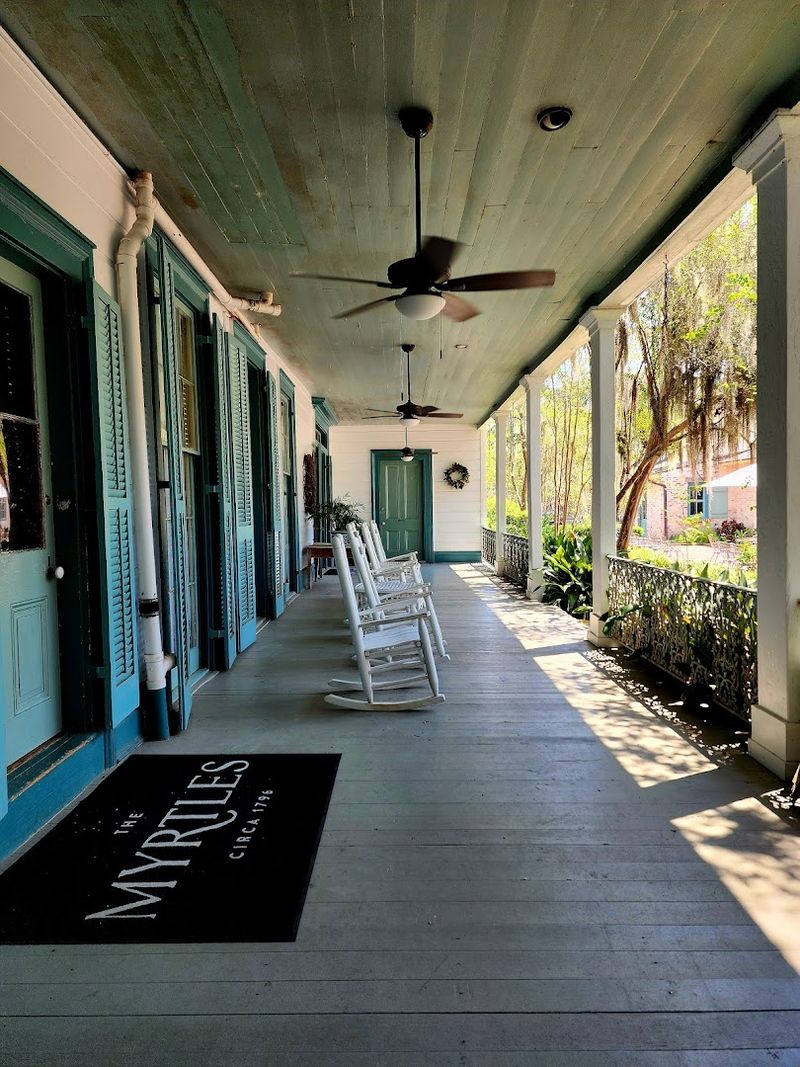
The first thing that hits is the porch itself: wide planks, four-over-four windows, and the kind of columns photographers chase. The Myrtles’ wraparound porch invites slow footsteps and long looks, and you can feel how social life once centered here while the oak trees keep their watch.
Visitors often pause on the steps, caught between wanting to linger and wanting to step inside where stories gather.
My tour began here and the guide explained how the porch helped shape living patterns on the plantation, connecting public and private life. The boards creak in a way that sounds almost conversational, which only adds to the place’s layered mood.
If you stand quietly you will hear birds, distant farm noises, and sometimes, according to guides, footsteps that seem to belong to another era.
Location
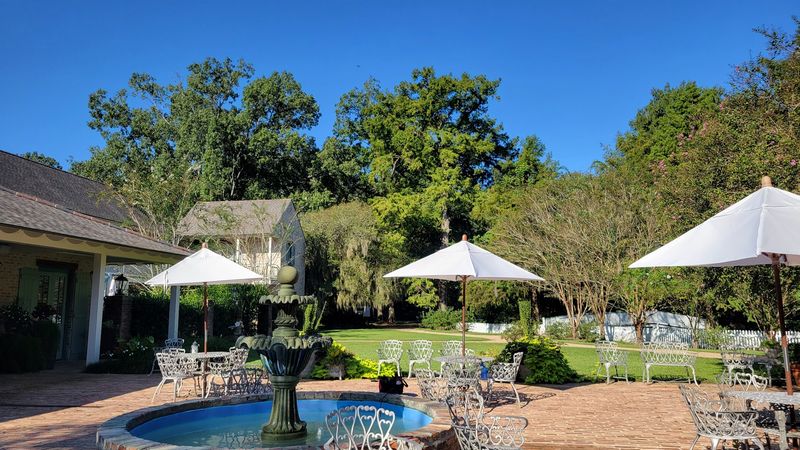
The Myrtles Plantation makes the final stretch into St. Francisville feel appropriately eerie, with moss-covered trees and the historic house slowly appearing beyond the grounds.
Set your GPS for 7747 US Highway 61, St. Francisville, Louisiana 70775, where the property offers both guided and self-guided tours.
Pull in, park, and give yourself time to explore before your scheduled tour. The road trip ends quietly here, but the stories begin almost immediately.
The Mirror In The Hallway
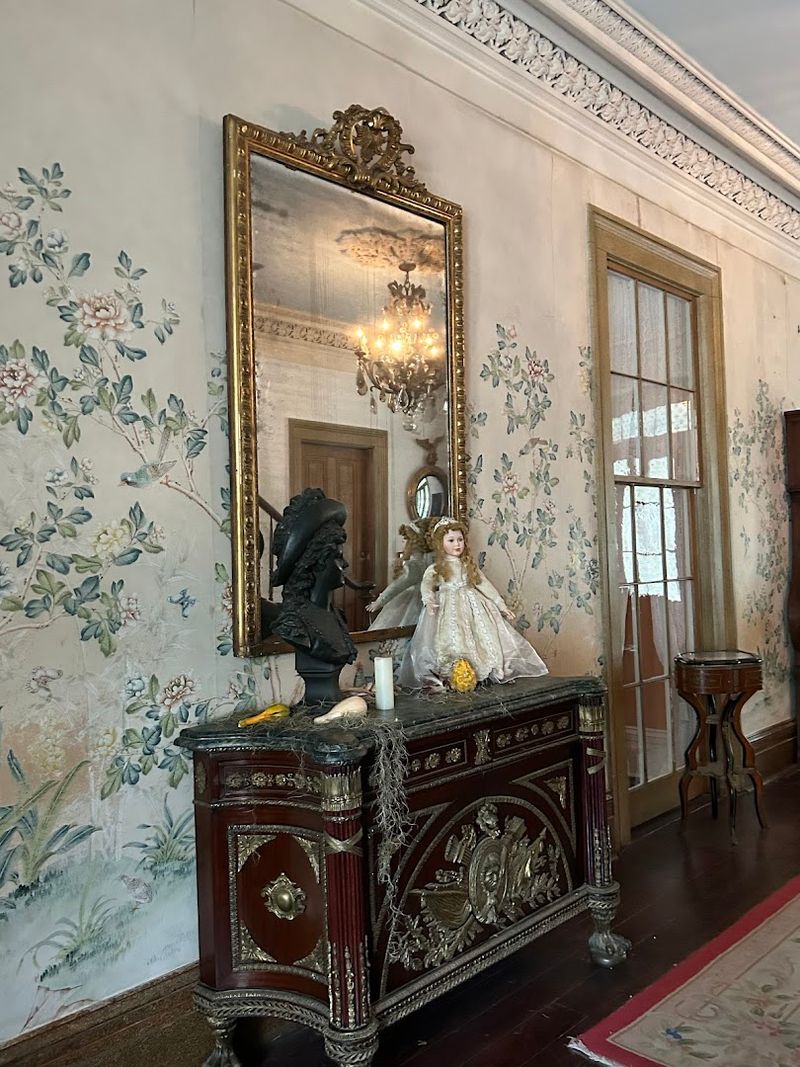
An antique mirror in the grand hallway is central to many of the Myrtles’ tales, often called the haunted mirror by guides and guests. It sits opposite the main staircase and reflects the long corridor of family portraits, sunlight that moves slowly across hardwood floors, and visitors who stop to study the glass.
Many people point to faint handprints, odd smudges, or the sense that something watched them in that reflection.
The plantation staff will show you the mirror and explain its provenance while also noting how cameras sometimes capture unexplained anomalies around it. Historically grounded facts and the lore around the glass are presented side by side so you can form your own impression.
When I stood before it the surface felt cooler than the air, and photos taken by others show marks that prompt genuine curiosity rather than sensationalism.
Chloe: The Legend
Chloe is the most famous figure tied to the Myrtles: a young woman often pictured in a green turban in retellings of the home’s darker stories. Guides are careful to explain that while the Chloe tale is persistent and vivid in oral tradition, historical records do not corroborate the poisoning story or a slave by that name tied to the Woodruff household.
Documents suggest deaths attributed to yellow fever rather than deliberate harm.
That distinction matters to how the plantation frames its narrative. The staff presents folklore alongside documented events, so visitors can see the difference between legend and archive.
Chloe’s image persists in photos and memories not because the record proves her, but because the story filled a cultural need to explain tragedy.
It becomes clear that lore can be powerful even when evidence is thin, and the Myrtles treats both with respect.
William Drew Winter: The 17th Step
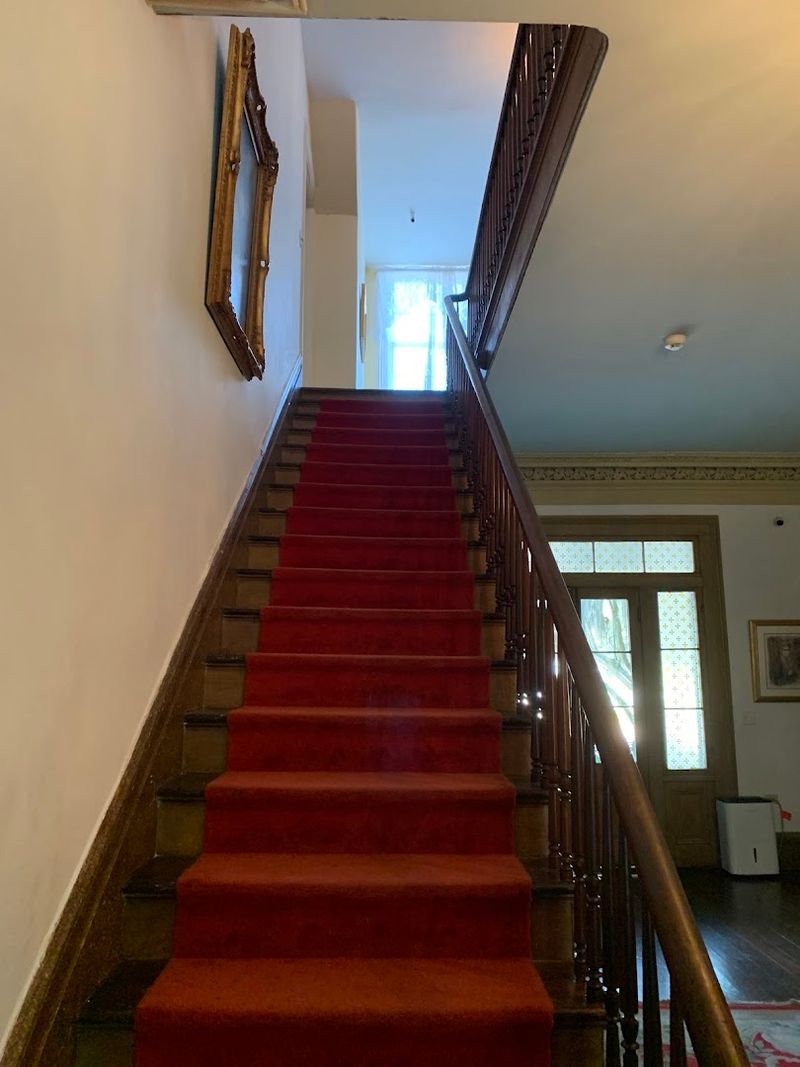
One verified event at the Myrtles is William Drew Winter’s murder in 1871, after which he reportedly died on the seventeenth step of the main staircase. The number has become part of the house’s story and guides will point out that step during tours.
It is a rare touchpoint where a concrete incident anchors other, more ambiguous experiences.
Hearing the tale while standing at the base of the stairs is quietly affecting. The craftsmanship of the banister and the wear on the treads underscore the house’s age, while the story gives a human face to the house’s history of ownership and conflict.
That historical context helps visitors understand the building beyond just spooky anecdotes.
Some guests report hearing heavy footsteps that stop precisely at the eighteenth or seventeenth step, and staff present these accounts as part of an ongoing, respectful record of unusual occurrences.
Children’s Apparitions
The Myrtles has frequent reports of childlike apparitions, laughter, and the feeling of small presences in rooms that once functioned as nurseries. The Ruffin Stirling Room, noted for its former role as a nursery, figures into several visitor accounts describing cries, faint giggles, or toys appearing in unexpected places.
Guides balance these stories with archival facts about family life and child mortality in the 19th century.
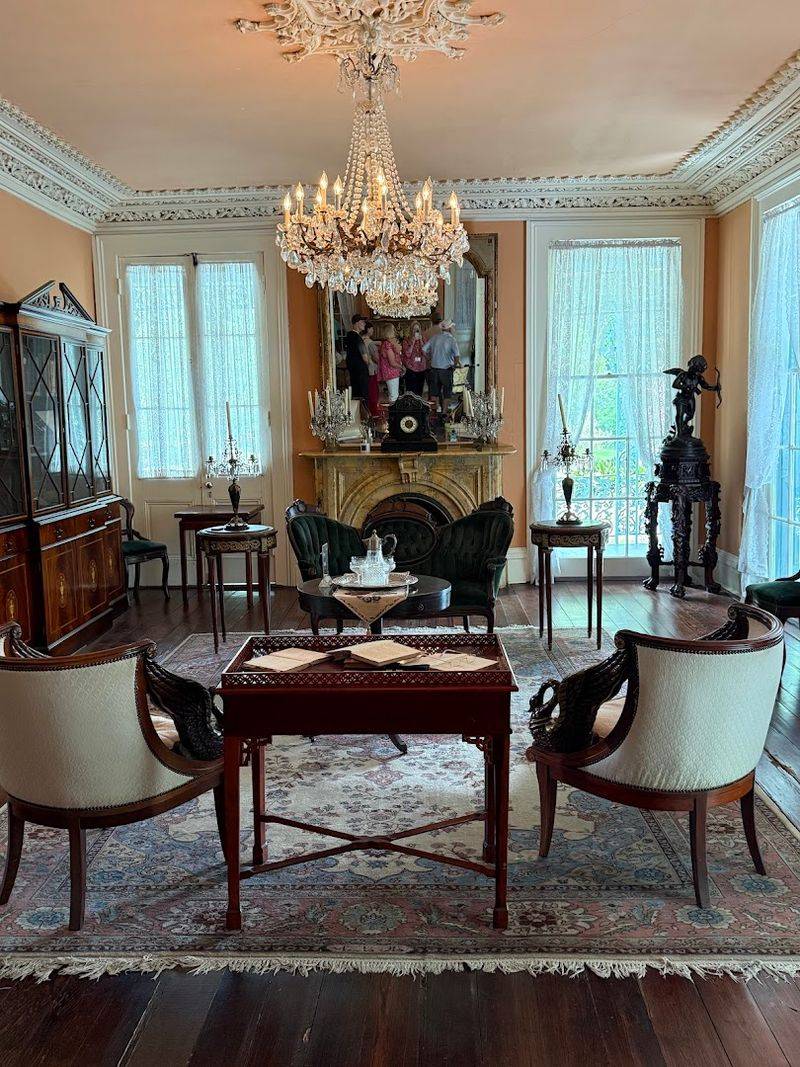
Walking into such a room can feel intimate and bittersweet; the décor and period furnishings preserve the sense of earlier domestic routines. It is easy to imagine the space filled with energetic children at some point in history, which deepens the emotional resonance.
Guests who pay close attention to acoustics and light often report subtle sensory shifts that add to the room’s poignant atmosphere without veering into melodrama.
Architecture And Craftsmanship
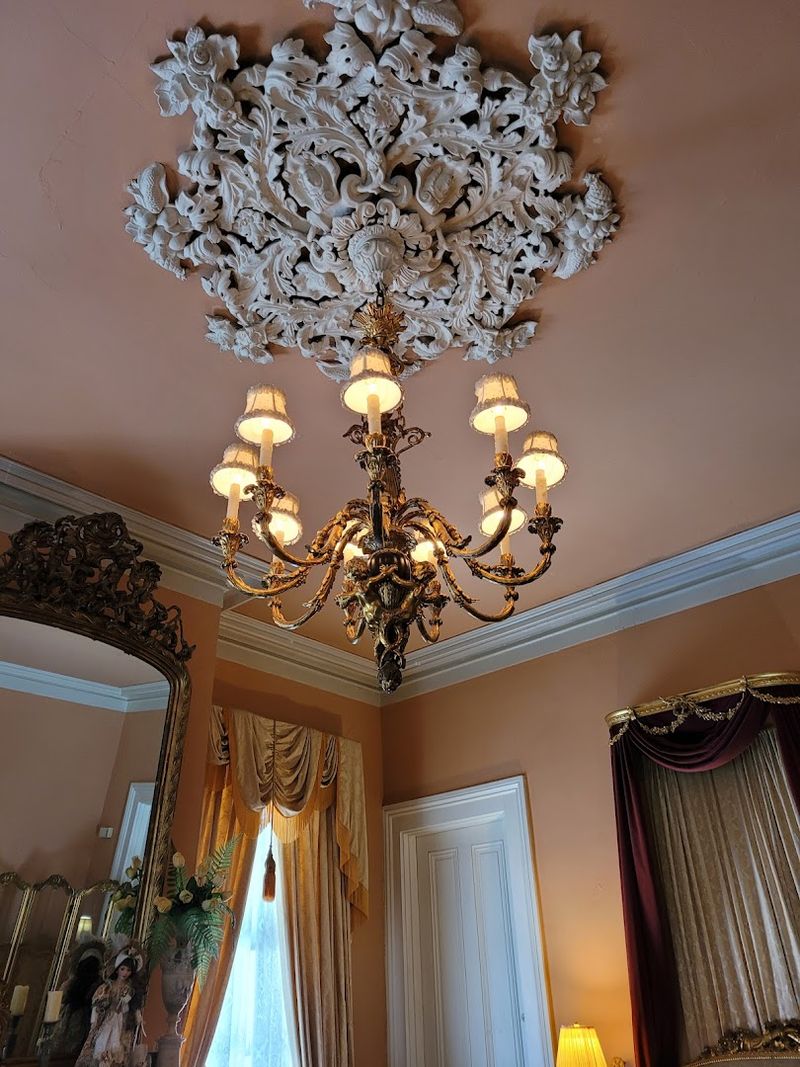
The Myrtles is as much an architectural study as it is a site of stories; carved crown molding, period-accurate trim, and original floors demonstrate skilled craftsmanship. Walking through the rooms, I kept pausing at doorways and mantels to admire the woodwork and proportion.
These details anchor the house in late 18th and early 19th century building practices and remind visitors that the site is historically significant beyond its ghost lore.
Preservation efforts are visible and discussed on the daytime tour, including how staff maintain antiques and restore plaster without erasing patina. That work keeps the house feeling lived-in rather than museum-like, which in turn makes the stories that much more immediate.
For anyone interested in historic architecture, the Myrtles offers rich visual lessons alongside its more spectral attractions.
Guides And Storytelling
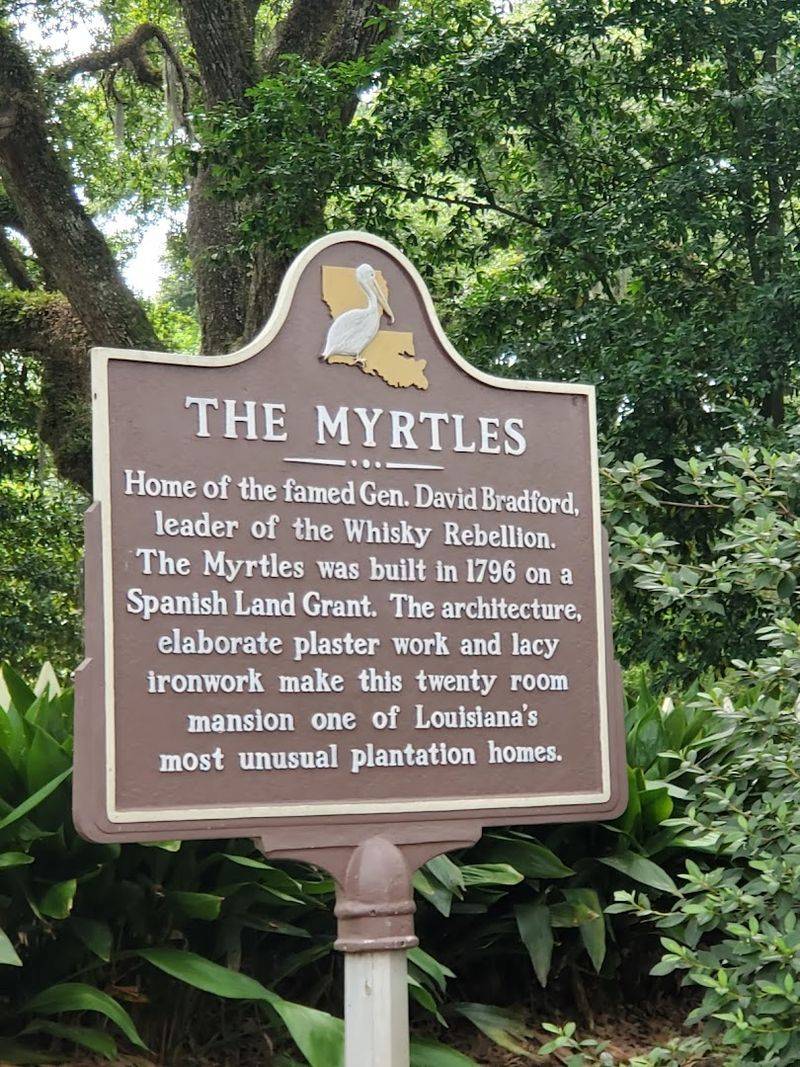
The guides at the Myrtles shape the experience; their careful mixing of documented history and local lore keeps tours credible and compelling. A guide I listened to provided dates, ownership records, and primary-source facts, then contrasted those with the oral stories that have accrued over time.
That method lets visitors decide what they find believable, and it turns the tour into an exercise in critical listening as much as imagination.
Guides often share firsthand staff accounts without sensationalizing them, and they point out specific artifacts tied to stories, such as the mirror or the staircase. Many guests appreciate this balanced approach because it honors both history and memory.
If you have questions, ask your guide; they are a thoughtful bridge between archive and atmosphere and often welcome curious follow-ups.
Grounds And Seasonal Light
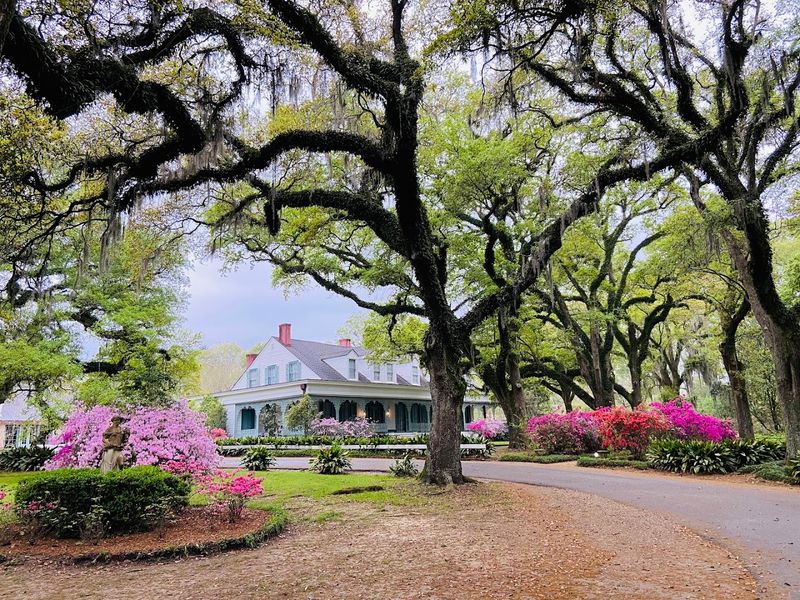
The Myrtles’ grounds change personality with the seasons, and I found spring and autumn light especially revealing for photographs and quiet reflection. Live oaks draped in Spanish moss alter depth perception; early morning mist over the pond makes lawns look painted.
Guides point out how light and weather influence visitor impressions, and local flora gives the property a sense of continuity with the surrounding landscape.
Seasonal quirks like migrating birds or blooming azaleas enrich the visit, offering sensory counterpoints to the house’s stories. The grounds are also practical space: walkways lead to cottages and the cafe, so touring is comfortable but requires sensible footwear.
Bring a jacket in shoulder seasons; the temperature by the pond can feel several degrees cooler than on the porch, and light can shift fast during late afternoon.
Animals On Site
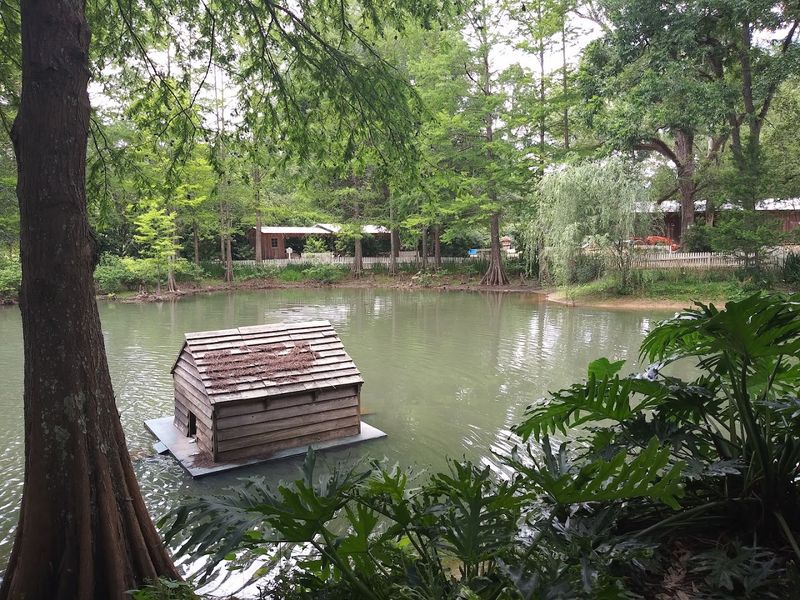
Part of the Myrtles’ charm is its animals: cats, ducks, and chickens wander the grounds and add a domestic texture to the experience. Guests often mention enjoying the company of well-cared-for animals during their visit, and staff integrate them into everyday life on the property.
These creatures can make the setting feel more like a lived-in home rather than a static historic site.
Staff will warn that animals have their own routines, and sometimes they appear mid-tour or near cottages. That unpredictability is part of the delight, giving visitors spontaneous, gentle moments that contrast with more eerie stories.
If you are sensitive to animals or have allergies, check ahead; otherwise, expect to meet a few friendly residents while wandering the paths.
Staying Overnight
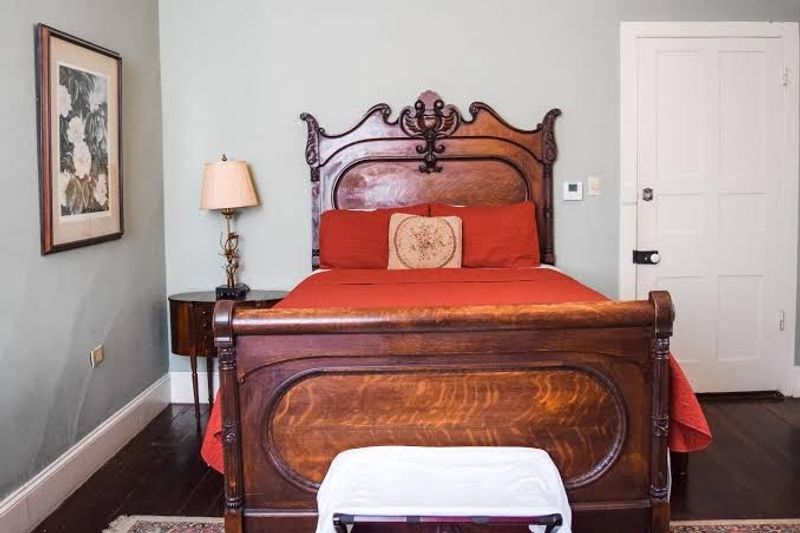
Staying overnight at the Myrtles turns a daytime curiosity into a layered, immersive experience where anecdotes and ambient noises feel personal. Rooms feature period antiques, some with en-suite baths and claw-foot tubs, and the inn operates as a bed and breakfast with options ranging from garden rooms to rustic cottages.
Reservations for evening ghost tours and daytime historical tours are available to overnight guests, making planning straightforward.
Several guests report waking to unexplained sounds in the night, and staff treat such accounts with respect while maintaining clear records. Practical amenities like free parking and Wi-Fi keep modern comfort in view, which many travelers appreciate when balancing history with relaxation.
If you plan to stay, book ahead for weekends and consider requesting a room linked to stories you want to learn more about—staff can often accommodate curious travelers.