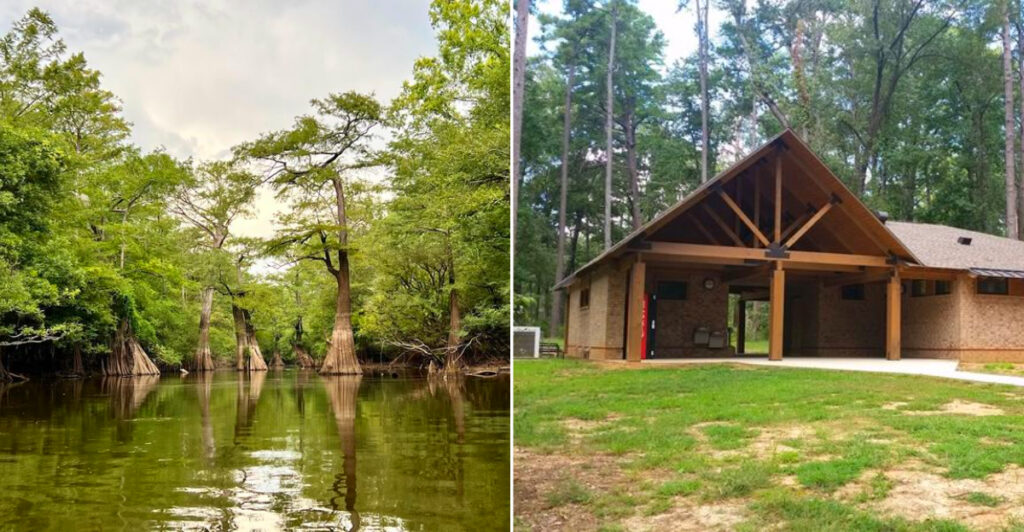
Ancient cypress trees draped in Spanish moss guard a winding waterway that has drawn people for thousands of years.
Long before paved roads cut through the floodplain, Native American traders followed this elevated ridge above the bayou, a natural corridor high enough to stay dry when the surrounding lowlands turned to swamp.
Today that same ridge shelters a quiet park where the modern world feels distant. Canoes glide past tupelo roots on still, dark water while turtles warm themselves on fallen logs.
Trails loop through old-growth forest, passing a hollowed-out tree estimated to be over a thousand years old.
Families gather at shaded picnic areas, kids splash in the pool on summer afternoons, and cabins on stilts overlook the bayou at dusk. The name itself translates to a road on higher ground, a fitting description for Louisiana once offered safe passage through its wetlands, and it still does.
Understand The History
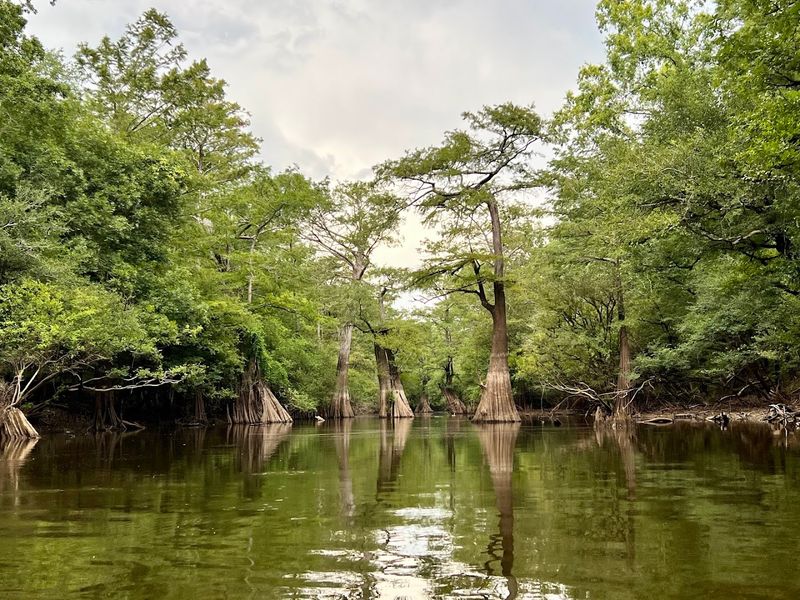
History at Chemin-A-Haut State Park is layered into the land rather than sealed behind glass. The name itself points to the park’s deeper story, referring to a high road or elevated route once used by Native American travelers moving through the region.
In a landscape shaped by bayous, floodplains, and low wet ground, a dry ridge would have mattered. It was not just a path; it was a practical corridor through difficult terrain.
Later chapters added their own marks. The Civilian Conservation Corps helped shape the park’s early facilities in the 1930s, giving the place a planned public-park structure that still guides how visitors move through it.
That combination of ancient travel route, bayou ecology, and New Deal-era park building gives the landscape real depth. Walk slowly here and the past feels less like a date on a sign and more like something underfoot.
The High Road Into Bayou Country
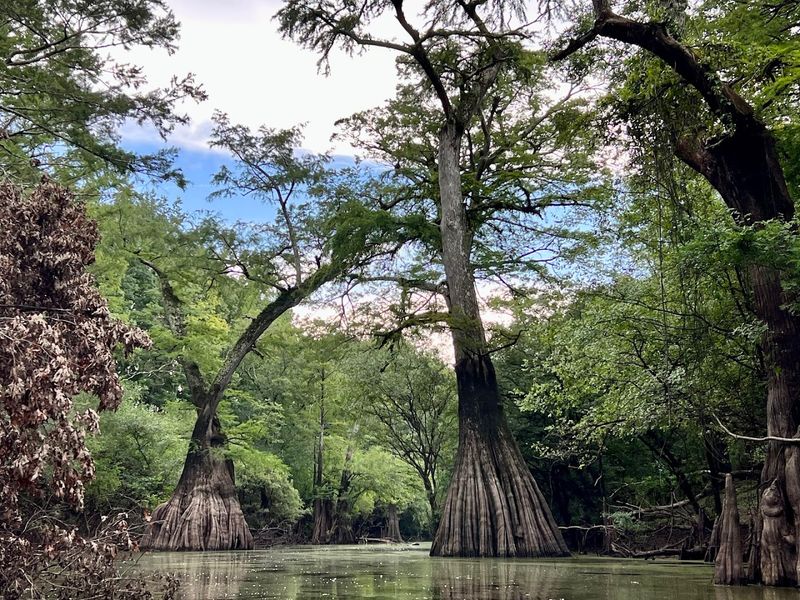
The drive into Chemin-A-Haut State Park already begins changing the mood before you step out of the car. Piney woods, bluff views, and glimpses of Bayou Bartholomew make the road feel like it is leading toward a quieter version of north Louisiana.
The park sits at 14656 State Park Road, Bastrop, Louisiana 71220, close enough to town for an easy visit, yet tucked far enough into the landscape to feel like a retreat.
This is not the kind of place that rewards rushing. Arrive with time to picnic, walk a trail, paddle, or simply sit under the trees and let the bayou set the pace.
The elevated setting is part of the park’s identity, connecting today’s visitors to the old “high road” that once made passage through the wetlands possible. Even a short visit feels better when you let the road slow you down first.
Meet The Castle Tree
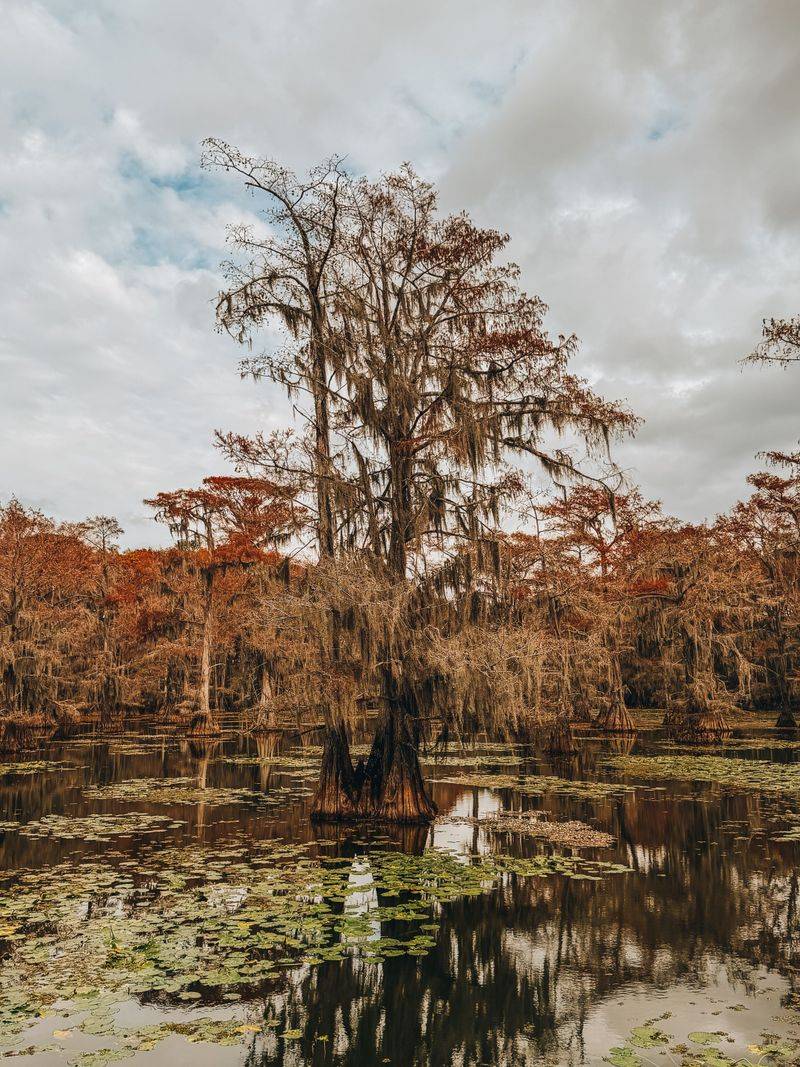
The Castle Tree feels like the park’s old witness. This massive cypress, hollowed by time and shaped by centuries of weather, has become one of Chemin-A-Haut’s most memorable natural landmarks.
Estimates often place it at many hundreds of years old, sometimes described as over a thousand, and standing near it can make ordinary human schedules feel briefly ridiculous.
Part of the appeal is its scale. The trunk has a dramatic hollow opening, and when water levels cooperate, paddlers may be able to approach it from the bayou.
That journey makes the encounter feel earned rather than casual. Conditions can shift with season, rainfall, and water height, so checking with park staff before setting out is a smart move.
Photographs are almost unavoidable, but the better memory may be quieter: dark water, old bark, filtered light, and the strange feeling of meeting a tree that has outlasted entire chapters of Louisiana history.
Bayou Bartholomew Biodiversity

Bayou Bartholomew gives the park more than atmosphere. It is one of the most biologically rich waterways in the region, supporting a wide range of fish, birds, amphibians, reptiles, and wetland plant life.
That richness changes the way you experience the park. The water is not just a pretty backdrop; it is a living corridor, busy with movement even when the surface looks still.
Early morning is often the best time to notice it. Fish disturb the shallows, frogs call from hidden edges, turtles climb onto logs, and birds move between branches with the efficient confidence of creatures that know the place better than you do.
Bring binoculars if wildlife matters to you, and keep a respectful distance from nesting or resting areas.
Spring and fall can add migratory bird activity, while warmer months bring louder insect and frog choruses. The bayou rewards patience, soft steps, and a willingness to watch before moving on.
Trail Patterns And Surprises
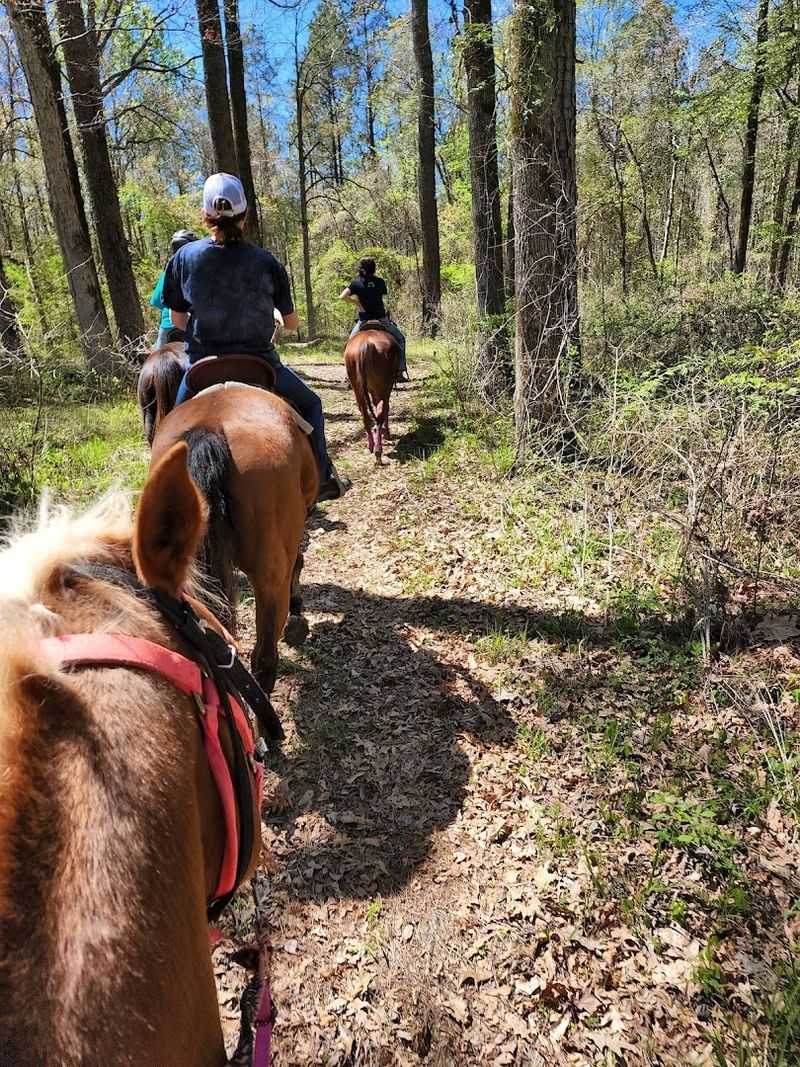
Trails at Chemin-A-Haut offer an easy way to feel the park’s variety without needing an intense wilderness plan. Some routes are short and family-friendly, while longer paths and equestrian trails move through different textures of forest, ridge, and wetter ground.
The elevated sections give occasional views toward the bayou, reminding you why this high route mattered in the first place.
The best parts often arrive quietly. A shift in tree species, a sudden damp patch, a bird call from the understory, or a stretch of shade where the air cools faster than expected can make the walk feel more alive.
Boardwalks and maintained paths help protect sensitive root systems while giving visitors safer access through tricky sections.
Good shoes are still useful, especially after rain. Move slowly rather than treating the trail as a checklist.
This park is full of small transitions, and the landscape becomes more interesting when you let those changes register.
Camping And Cabins
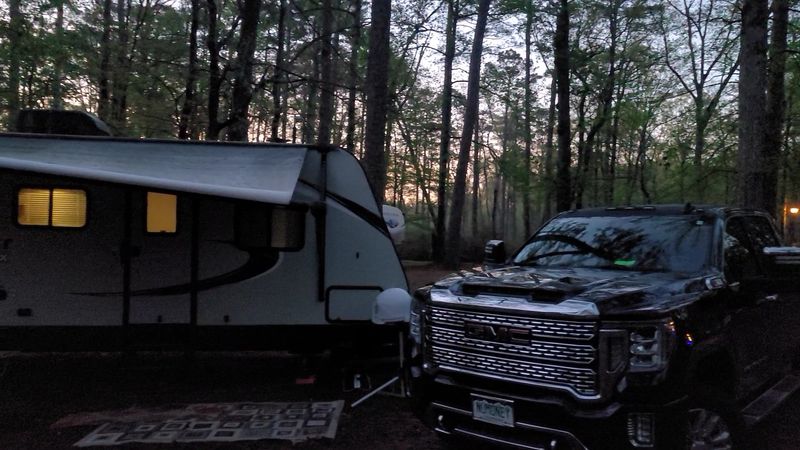
Overnight stays turn Chemin-A-Haut from a pleasant day trip into a fuller bayou retreat. The park offers cabins, RV sites, and tent camping, giving visitors several levels of comfort depending on how rustic they want the experience to feel.
Cabins are especially appealing for families or anyone who wants the atmosphere of the woods without giving up walls, beds, and a little climate control.
Campers who prefer RVs will appreciate the practical setup, while tent campers can enjoy the shade and quiet without feeling too far from basic facilities. Bathhouses and park amenities make longer stays easier, and the surrounding forest gives mornings a peaceful, tucked-away feeling.
Reserve ahead for holidays, weekends, and summer stretches, especially if you want a particular cabin or campsite. Bring extra cooking supplies if you plan to prepare full meals, and pack bug protection for evenings.
Nights near the bayou can feel wonderfully still, but the insects are part of the ecosystem too.
Family-Friendly Amenities
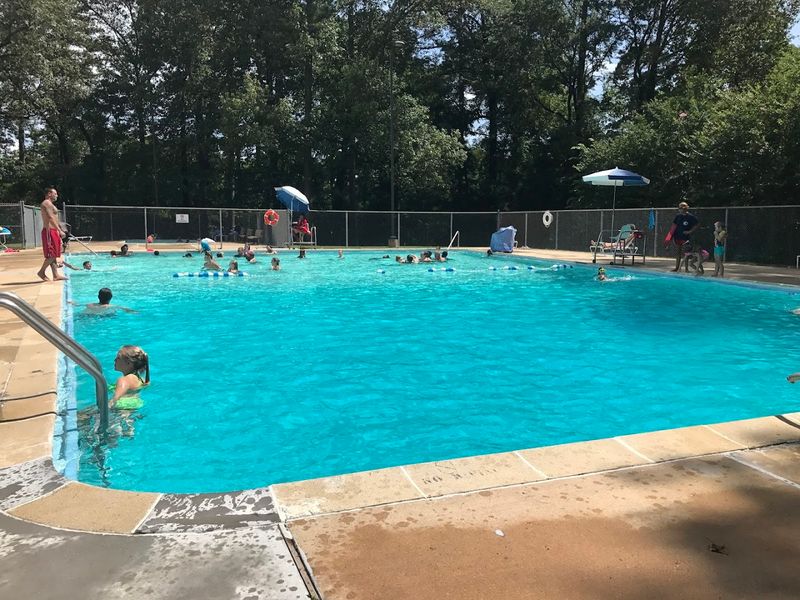
Families have plenty to work with here, which makes Chemin-A-Haut more accessible than many wilder bayou escapes. Picnic areas, playgrounds, open space, seasonal swimming, and group shelters allow the park to function as both nature retreat and easy gathering place.
That balance matters when different generations want different things from the same day outside.
Kids can burn off energy at the playground or pool during warmer months, while adults settle into shaded picnic tables, grills, and slower conversations under the trees. The park’s layout makes it possible to mix activities without turning the visit into a logistical puzzle.
A family can hike briefly, eat lunch, swim, and still leave time for a short scenic drive or quiet bayou view.
For larger gatherings, reserve shelters ahead and bring extra shade, drinks, and simple games. Louisiana heat can build quickly, so pacing the day around morning trails and afternoon water time usually makes the experience smoother for everyone.
Paddling Logistics
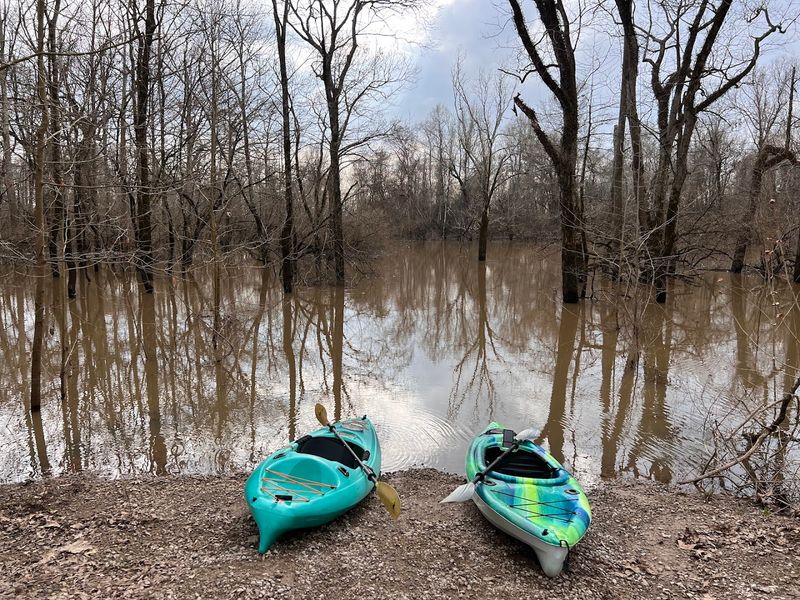
Paddling is one of the best ways to experience Chemin-A-Haut, but it helps to plan before putting anything in the water. Bayou routes can feel peaceful and simple from shore, yet water levels, current, launch conditions, and seasonal debris can change the trip quickly.
Ask park staff about current conditions, recommended launch points, and the easiest route if you hope to reach landmarks like the Castle Tree.
The park area may offer different launch options depending on water levels and access, and some are easier for beginners than others. A concrete launch can feel more manageable, while steeper or rougher access points require extra care when carrying kayaks or canoes.
Bring life jackets, water, sun protection, and a dry bag for keys and phones.
Start early if heat is a concern. Morning paddles often bring calmer water, better wildlife activity, and fewer people.
The bayou is best enjoyed without hurry, especially when the cypress shadows begin stretching across the surface.
Birding And Best Times
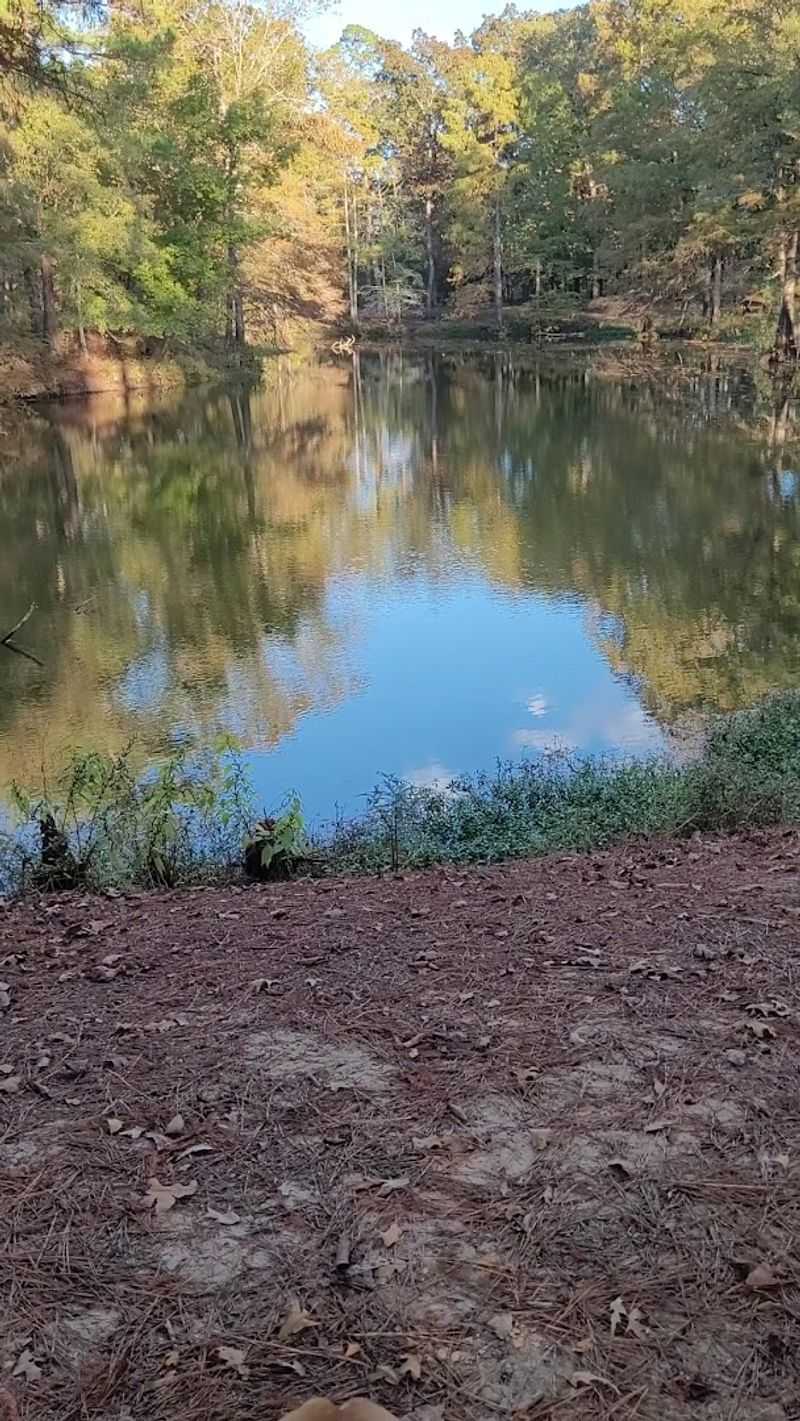
Birding at Chemin-A-Haut works because the park offers several habitats close together. Upland woods, bayou edges, sloughs, open areas, and wetland pockets create opportunities for both resident birds and seasonal migrants.
Even visitors who do not consider themselves birders may find themselves stopping mid-walk because something bright, quick, or loud has moved through the branches.
Dawn is the strongest window. The air is cooler, human activity is lower, and birds tend to be more vocal and visible.
Spring and fall migrations can add variety, while summer brings nesting activity and the dense soundscape of a living Louisiana forest. Binoculars make a real difference, but quiet movement matters just as much.
Keep a simple list if you enjoy tracking sightings. The park’s calm makes even small encounters feel rewarding: a heron lifting from the water, a woodpecker working a trunk, or songbirds moving through the understory before the heat settles in.
Practical Visitor Tips
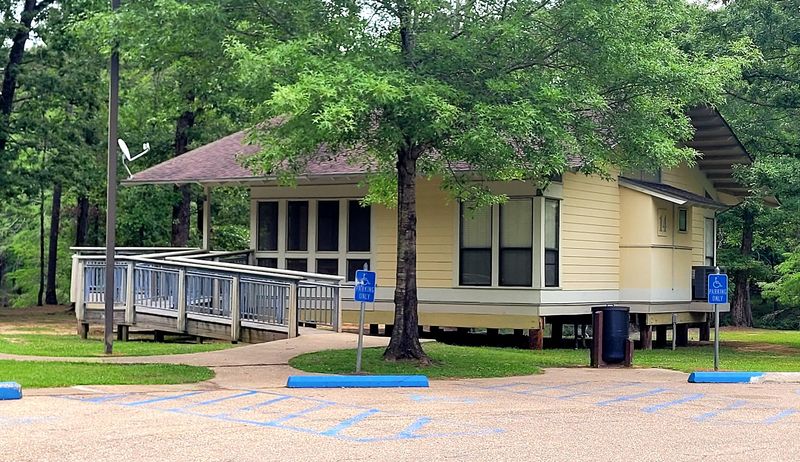
A little preparation makes the visit easier. Chemin-A-Haut State Park usually requires a modest entrance fee, and anyone planning to camp, rent a cabin, or use group facilities should reserve ahead during busy periods.
Holiday weekends, summer breaks, and good-weather Saturdays can fill faster than a casual visitor might expect.
Cell service may be unreliable in parts of the park, so download maps before arrival or pick up a paper map at the entrance. Bring insect repellent, sunscreen, water, and shoes that can handle dirt, roots, and damp patches.
A hat helps in open areas, while layers can be useful during cooler mornings or breezy evenings near the water.
Equestrian visitors should check current trail rules and required paperwork before bringing horses. Paddlers should confirm launch conditions.
Families should verify pool schedules before promising a swim. The park feels peaceful, but the smoothest trips still begin with a few practical checks.
Nearby Culture And Extensions
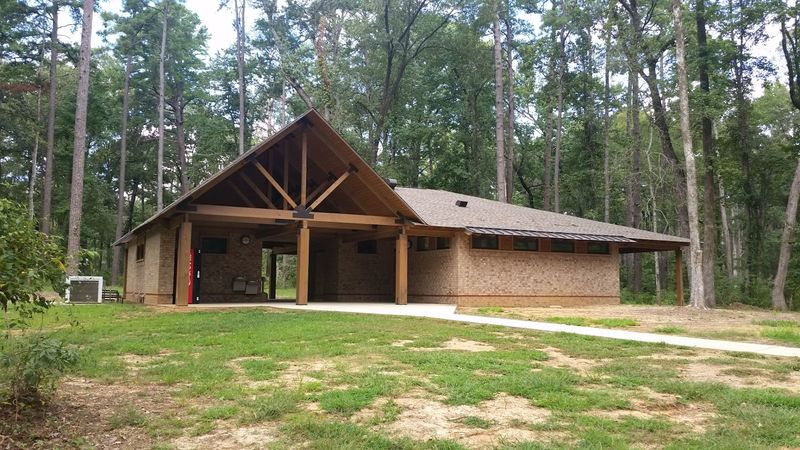
Chemin-A-Haut pairs well with a wider north Louisiana outing. Bastrop is close enough for supplies, meals, or a short cultural stop, while the broader region offers deeper context for anyone interested in Indigenous history, river travel, and the landscapes that shaped early movement through this part of the state.
A visit to nearby museums or historic sites can add meaning to the park’s “high road” story. The land around Bayou Bartholomew was never just scenery; it was part of a larger network of travel, settlement, trade, and adaptation.
Pairing a morning hike or paddle with an afternoon cultural stop helps that bigger picture come into focus.
The key is not to overpack the schedule. Let Chemin-A-Haut remain the center of the day.
Add one nearby extension, leave room for slow driving, and return to the park in time for dusk if you are staying overnight. The bayou does some of its best work when the light starts fading.