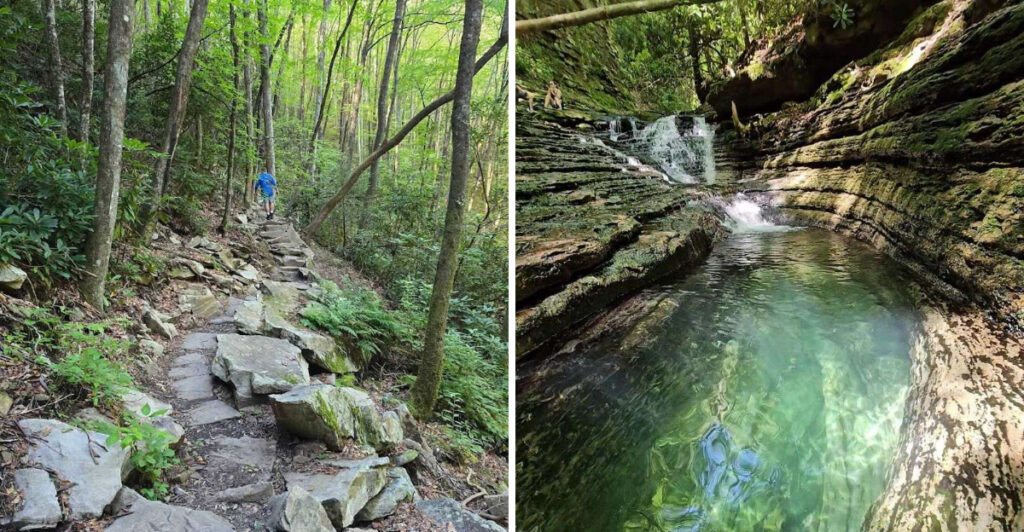
There is a rock pool in southwest Virginia that people have been trying to keep quiet for years. It is not working.
The water is aquamarine, carved directly into sandstone, fed by a small waterfall that does not stop. Cold enough in summer to knock the air right out of you.
Getting in requires a few miles of trail and up to a dozen creek crossings. Wet shoes are absolutely part of the deal and worth it.
Virginia does not push this one loudly, but the trail keeps filling up and word keeps spreading anyway. Go once and you will understand why completely.
Bring someone skeptical about hiking and watch that skepticism dissolve about halfway through the first creek crossing.
What Exactly Is The Devil’s Bathtub

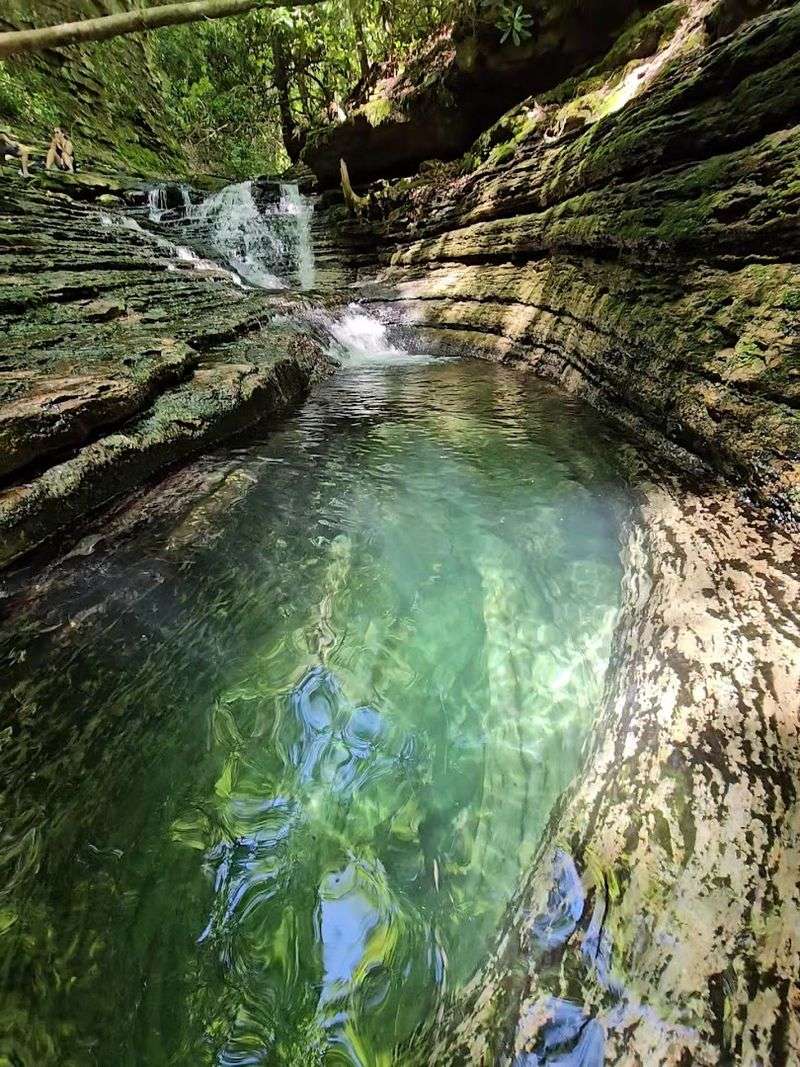
Picture a kidney-shaped basin, carved directly into solid rock, filled with water so clear it looks almost unreal. That is the Devil’s Bathtub.
It sits along the Devil’s Fork of Big Stony Creek, deep inside Jefferson National Forest in Scott County, Virginia.
The pool measures roughly 20 feet long and 8 feet wide. The depth drops to around 10 to 12 feet in places, making it feel more like a natural plunge pool than a simple puddle.
A small waterfall continuously spills into it, keeping the water cold and the scene dramatic.
The striking aquamarine and emerald color comes from the clarity of the water and the smooth sandstone and rock beneath the surface. Locals joke that the water stays cold enough to put out the fires of hell, and that saying is not far off.
Even during the hottest summer months, the temperature rarely climbs above 60 to 65 degrees Fahrenheit. It is cold, beautiful, and absolutely worth the effort to reach it.
The Trail That Gets You There
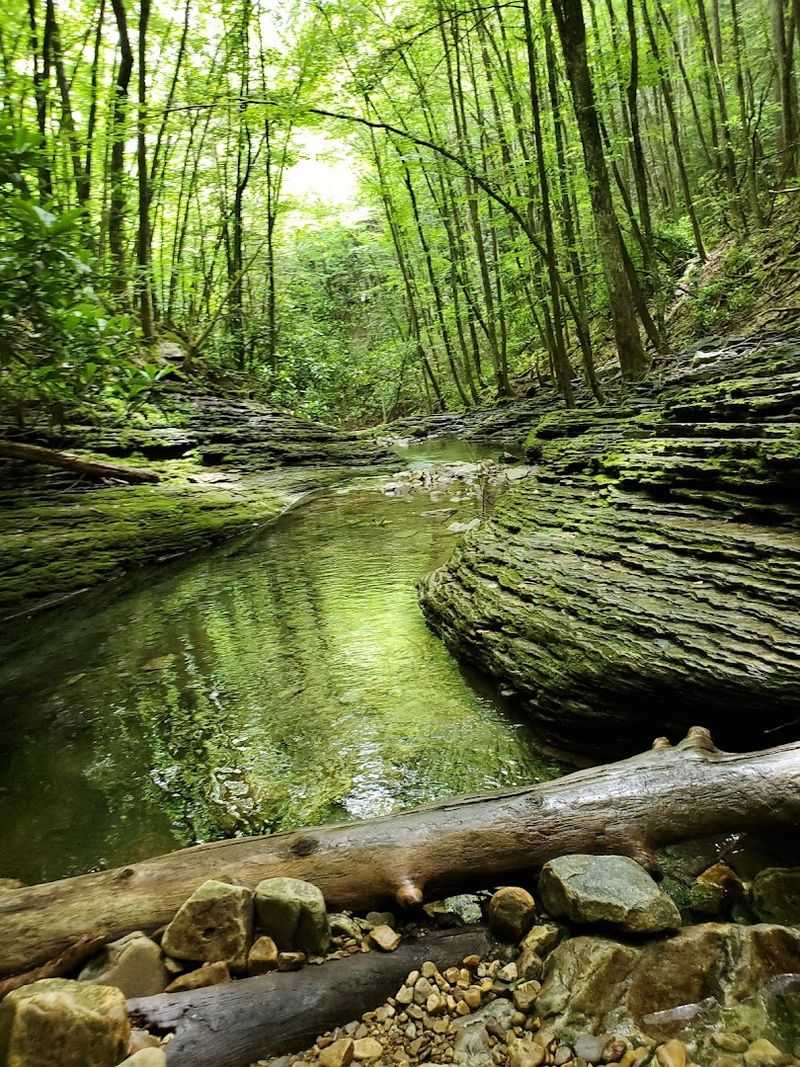
Getting to the Devil’s Bathtub is not a casual stroll. The Devils Fork Loop Trail in Duffield, Virginia, demands real effort, and that is part of what makes arriving feel so satisfying.
The out-and-back route to the bathtub covers roughly 3.6 to 4 miles round trip. Expect rocky terrain, exposed tree roots, and a path that can turn slick after rain.
The trail runs alongside Devil’s Fork of Big Stony Creek for much of the way, which means the scenery stays gorgeous even when the footing gets tricky.
Stream crossings are the defining feature of this hike. Depending on conditions and which route you take, hikers can expect anywhere from 7 to 15 crossings before reaching the destination.
Some crossings are ankle-deep. Others can reach knee height after heavy rainfall.
Waterproof shoes or water shoes with solid grip are strongly recommended. A trekking pole or walking stick helps enormously when rocks are wet and the current picks up speed.
Parking And Finding The Trailhead
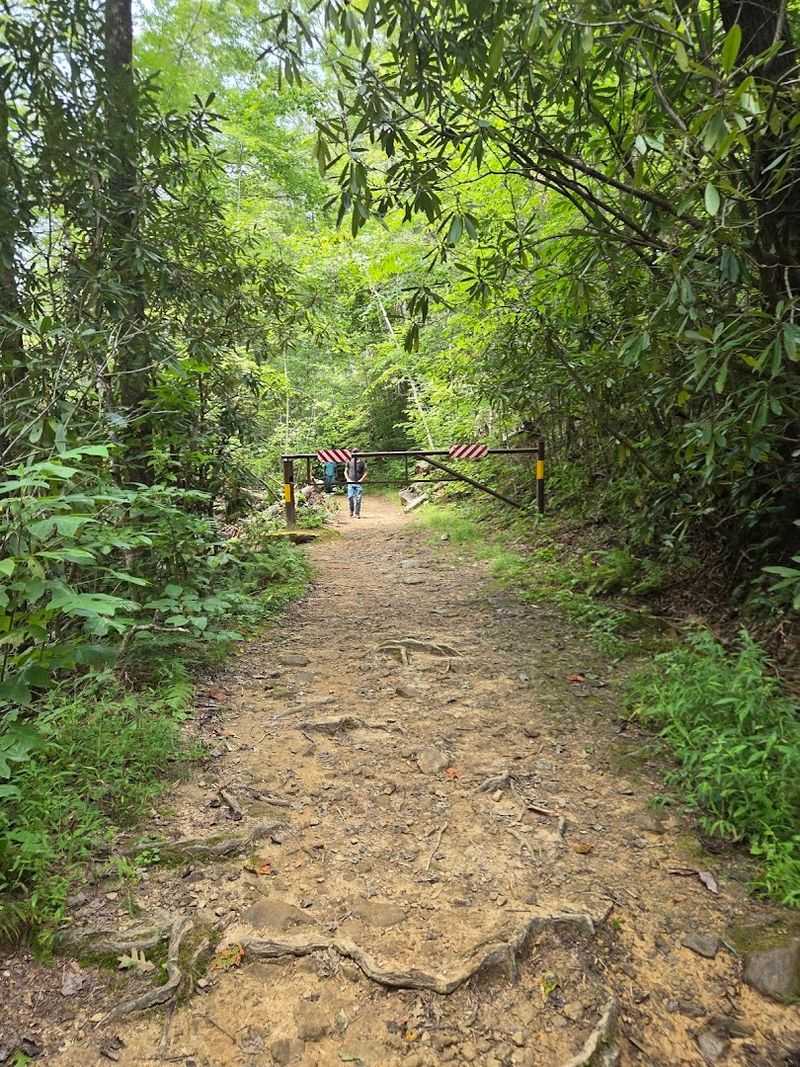
Finding the trailhead for the first time can be a small adventure on its own. The road leading to the parking area is unpaved and a bit bumpy, so a vehicle with decent clearance handles it more comfortably than a low-riding car.
Two main parking areas serve the trail. The first lot, located further from the trailhead, works well for standard vehicles and includes a restroom facility.
It sits roughly half a mile from where the actual trail begins, which adds a bit of extra walking each way. A second, smaller lot sits right at the trailhead fork and suits trucks or SUVs better given the rougher access road.
Arriving early makes a significant difference, especially on weekends when the trail draws larger crowds. Weekday mornings tend to offer the best chance of snagging a spot near the trailhead.
Cell service disappears well before reaching the parking area, so downloading an offline map before leaving town is a smart move that many visitors wish they had made sooner.
The Waterfall You Meet Before The Bathtub
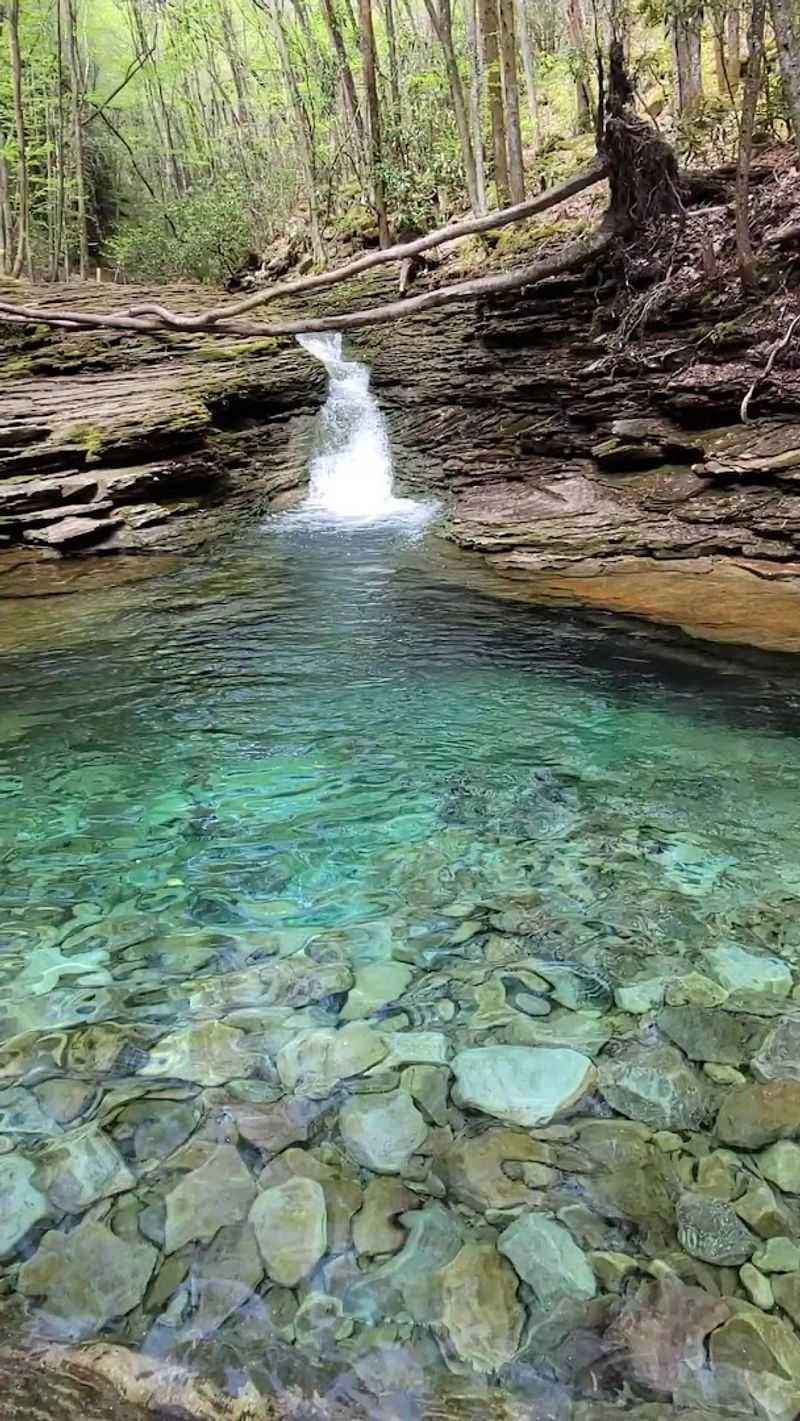
Most hikers expect to find the bathtub first, but the trail has a different order in mind. Approaching from the northern trailhead, the waterfall appears before the famous pool, and it stops people in their tracks every single time.
The falls drop over a broad ledge of layered rock, spreading wide as the water fans out and crashes into a larger swimming area below. The pool beneath the falls is roomier than the bathtub itself and draws plenty of swimmers on warm days.
The blue-green color of the water here mirrors what awaits just a short distance further up the creek.
From the waterfall, the bathtub is only about 30 seconds to a minute of additional walking. The path down to the water requires some care, as the surrounding rocks stay wet and slippery from constant spray.
Taking time at the waterfall before continuing is worth every moment. Virginia has no shortage of scenic spots, but this particular combination of waterfall and rock pool in one compact area feels genuinely rare.
What To Wear And Pack For This Hike
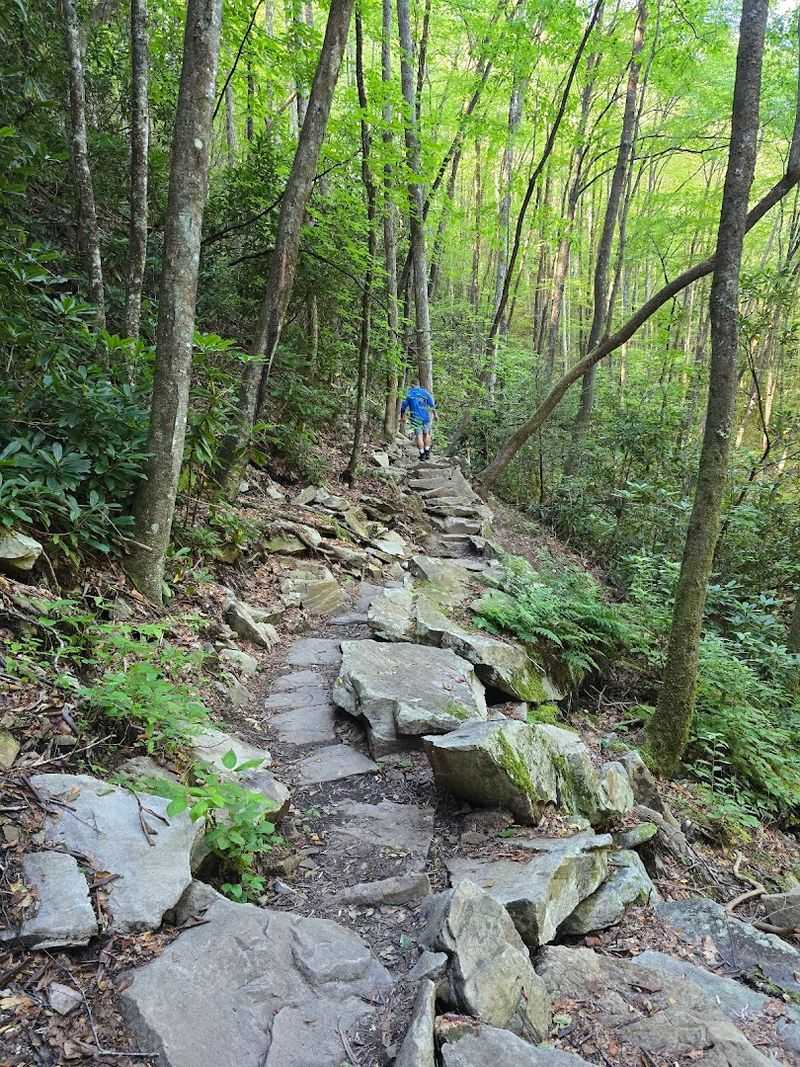
Gear choices matter more on this trail than on most. The stream crossings make wet feet almost inevitable, so planning for that reality from the start saves a lot of discomfort on the way back out.
Water shoes with strong grip are the top recommendation from experienced hikers who have done this trail multiple times. Hiking boots work well on the rocky terrain itself, but they soak through quickly at the crossings.
Some hikers bring both and swap at the creek. Packing an extra pair of socks in a dry bag is a small habit that pays off enormously by the end of the hike.
A trekking pole or sturdy walking stick helps at every single crossing, especially after rainfall when the current strengthens and rocks become harder to read. Sunscreen and water are obvious essentials, but a small first-aid kit rounds out a smart pack.
The trail in Virginia also has no trash cans, so carrying out everything brought in keeps this special place clean for the next visitor.
Best Times To Visit And What To Expect
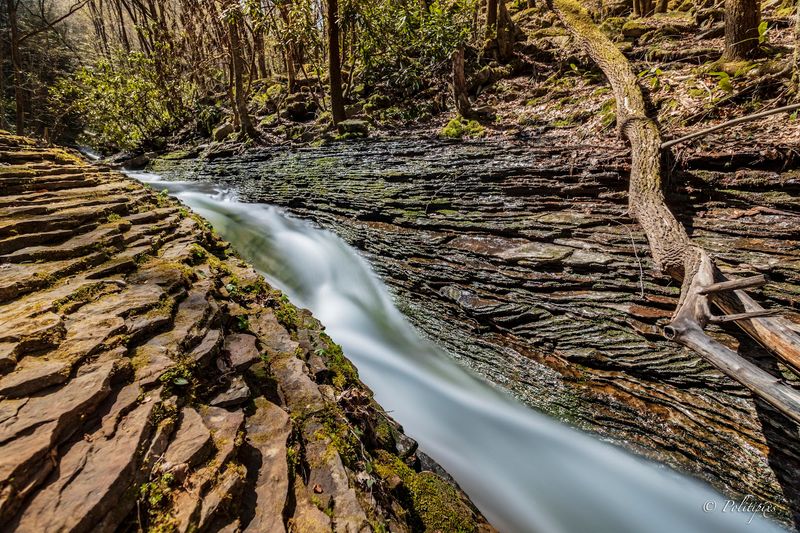
Timing a visit to the Devil’s Bathtub can shape the entire experience. Spring and early summer bring lush greenery and full water flow, making the waterfall especially dramatic.
Mid-April through June tends to offer ideal conditions for both scenery and comfortable hiking temperatures.
Summer weekends draw the largest crowds, and the parking situation can become genuinely chaotic by mid-afternoon. Arriving before 10 in the morning on any day gives hikers a much calmer experience.
Weekdays during summer are noticeably quieter, though still popular enough to encounter other groups on the trail.
Fall hiking on this trail offers a different kind of reward. The canopy turns vivid shades of orange and red, and the cooler air makes the uphill sections feel less taxing.
Water levels tend to drop in late summer and fall, which actually makes the stream crossings easier to manage. After heavy rain, regardless of season, water levels can rise quickly and make crossings genuinely challenging, so checking recent weather before heading out is always a wise call.
Leave No Trace And Respecting The Trail
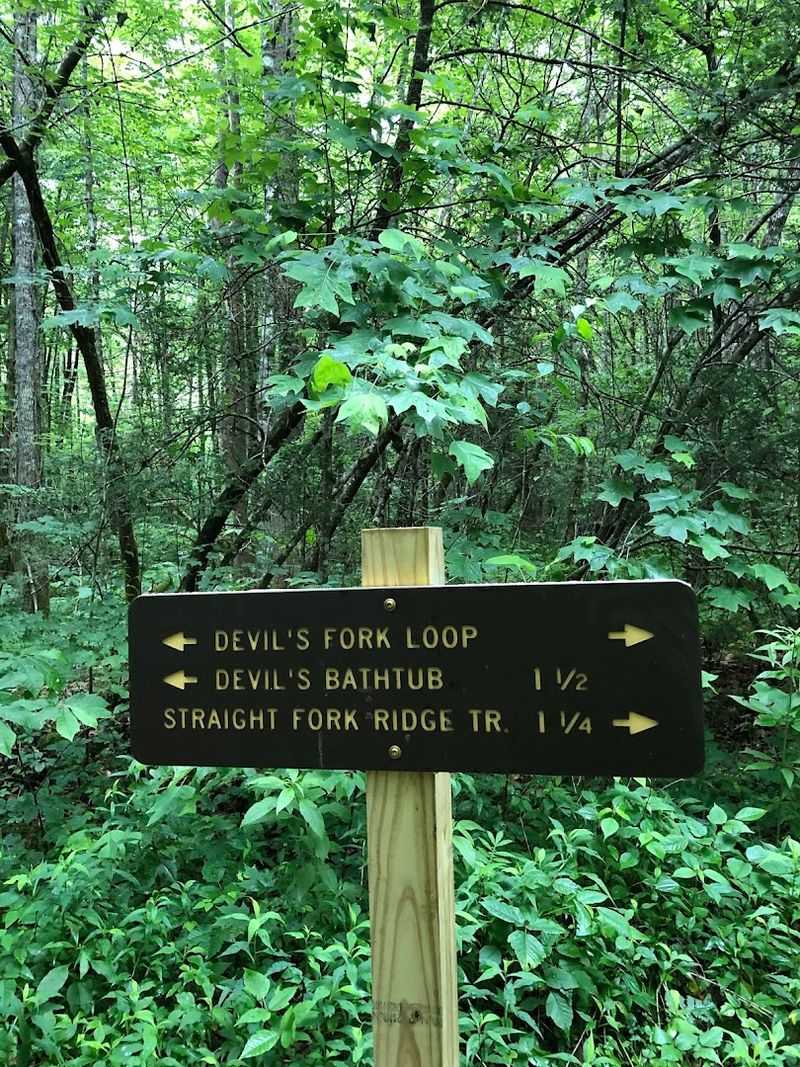
Popularity has a cost, and the Devil’s Bathtub has been paying it. The surge in visitors driven by social media and travel features has brought real challenges to this corner of Southwest Virginia.
Littering, erosion, and overcrowded parking areas have all become visible problems in recent years.
Efforts to protect the trail are ongoing. Leave No Trace principles are actively promoted at the site, and recent trail improvements include new signage directing hikers to stay on marked paths.
Some older routes have been closed specifically to help vegetation recover from years of foot traffic cutting across sensitive areas.
Every visitor carries responsibility for keeping this place intact. Packing out all trash, staying on marked trails, and avoiding trampling the plants around the creek banks all contribute to long-term preservation.
Dogs are welcome on the trail but must be kept on a leash. Picking up after pets is a basic courtesy that not everyone practices, which makes it even more important for those who do to set the standard.
Small choices add up over time.
Why This Virginia Waterfall Keeps Drawing People Back
Word travels fast, even about places people swear to keep quiet. The Devil’s Bathtub earned its reputation the hard way, through thousands of hikers who made the trek, got soaked at the crossings, and still came back the following season.
The combination of elements here is hard to replicate. A challenging but manageable trail, multiple swimming spots along the way, a dramatic waterfall, and then the bathtub itself waiting at the end creates a layered experience that most outdoor destinations simply cannot match.
Each part of the journey builds anticipation for the next.
Virginia has plenty of beautiful hiking destinations, but few carry the same sense of discovery that this trail delivers. Even after social media pulled back the curtain, standing at the edge of that aquamarine pool still feels like finding something that was not meant to be found.
The cold water, the carved rock walls, the sound of the waterfall echoing through the trees, it all adds up to something that sticks with a person long after the drive home is done.