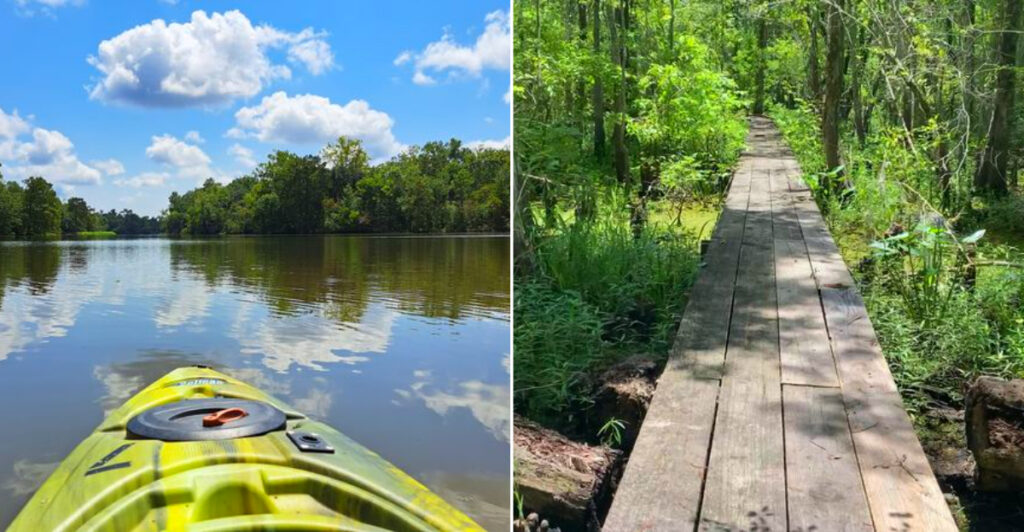
Pushing off from the dock, the first thing that strikes you is the silence. Your paddle dips into water so still it acts as a mirror, reflecting massive cypress trees rising from the surface like sentinels stationed by some ancient agreement between land and water.
Their trunks flare at the base into swollen buttresses, bark the color of dark chocolate, roughened by decades of slow growth. Spanish moss hangs from branches in long silver curtains, filtering sunlight into soft columns that shift as your kayak drifts between them.
Turtles slide off logs at your approach, herons lift from the shallows with slow wingbeats, an alligator watches from a muddy bank with the patience of something perfecting its stillness since the age of dinosaurs.
Water, trees and creatures here follow their own rhythms, thousands of years in the making. Paddling through this flooded forest in Louisiana is among the most humbling experiences you can have.
Know The Kayak Rentals
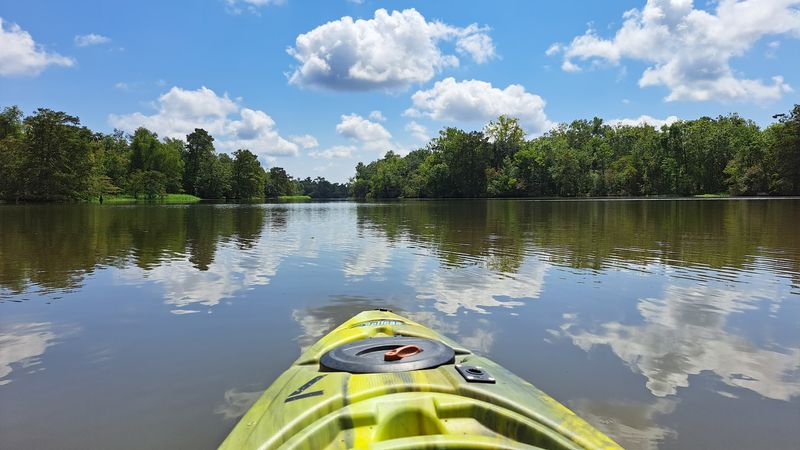
Renting a kayak here is refreshingly simple, which makes the whole trip feel more possible even without owning gear. The park lists kayaks at seven dollars per hour or thirty-five dollars for the day, with paddles and life jackets included.
Canoes and flat boats are also available, giving groups a few different ways to get onto the water depending on comfort level and plans.
That setup makes a spontaneous paddle easier than expected. You can arrive, check in, ask about the canoe trail, and make a realistic decision based on weather, time, and energy.
A morning launch is usually the better move, especially when the air is cooler, the light is softer, and wildlife has not yet retreated into the heat.
Treat the rental desk like your small command center. Ask for a map, current trail advice, water-level updates, and any warnings about wind or shallow stretches. The prettiest paddle is still better when you know how to get back.
Swamp Roads Before The Still Water
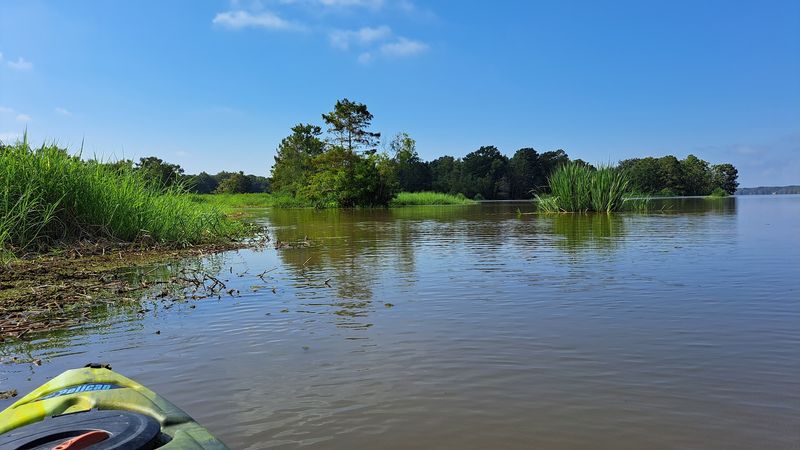
The drive in already begins changing the mood before a paddle ever touches the water. Lake Fausse Pointe State Park sits at 5400 Levee Road, St. Martinville, LA 70582, near the edge of the Atchafalaya Basin, where roads seem to narrow into a landscape of canals, levees, birds, and cypress shade.
It feels removed in a way that makes the visit more satisfying.
Arrive with enough time to let that remoteness settle. Rushing straight from the car to the launch misses part of the pleasure.
The park includes camping, cabins, hiking trails, fishing, paddling routes, and boat rentals, but the first real attraction is the atmosphere itself.
There is a particular kind of quiet here, built from water, insects, leaves, and distance. Once you park, the outside world starts losing volume.
By the time you reach the launch, the kayak feels less like equipment and more like permission to enter slowly.
Observe The Ancient Cypresses
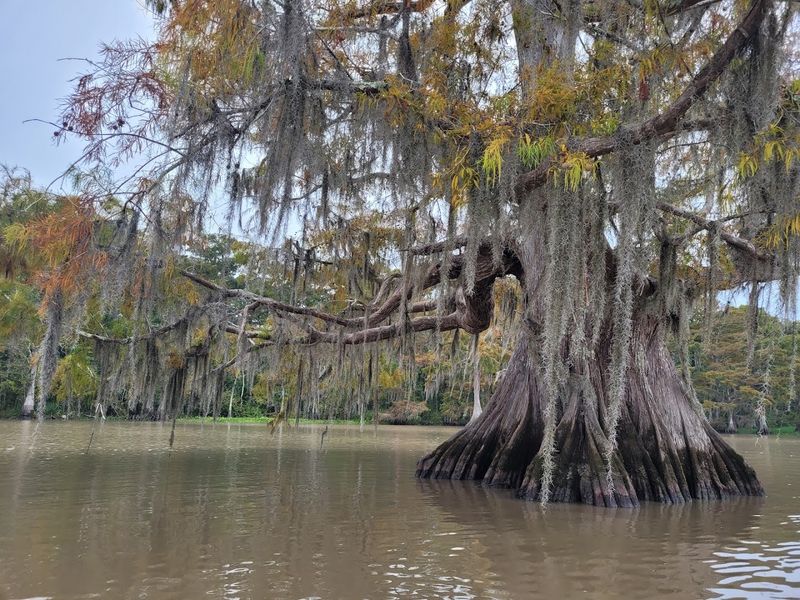
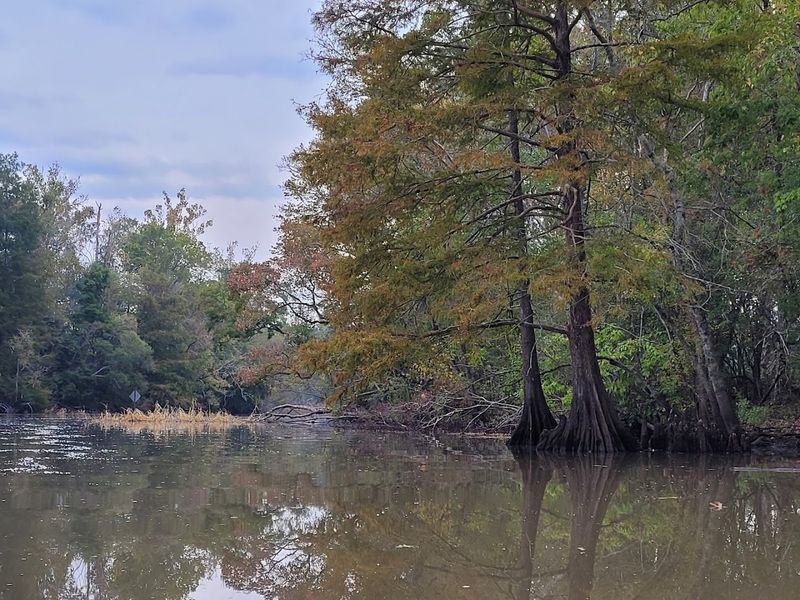
Old cypress trees change the scale of a paddle. Their flared trunks rise from the water with a calm that makes human time feel slightly ridiculous.
Some lean, some tower, some hold curtains of moss in their branches, and many look less like individual trees than members of an old council gathered in the flooded forest.
Move gently around them. Cypress knees can sit just below the surface, and careless paddling can bump roots or disturb shallow habitat.
The best approach is slow, quiet, and observant. Let the kayak drift when you can.
Listen to the small sounds: water sliding against bark, wings shifting overhead, something unseen moving in the reeds.
Photographs help, but they rarely catch the feeling of being surrounded by trunks that seem to belong to another age. The real reward is spatial.
You are not just looking at the swamp from a trail or overlook. You are inside its architecture, passing through its columns.
Watch For Wildlife
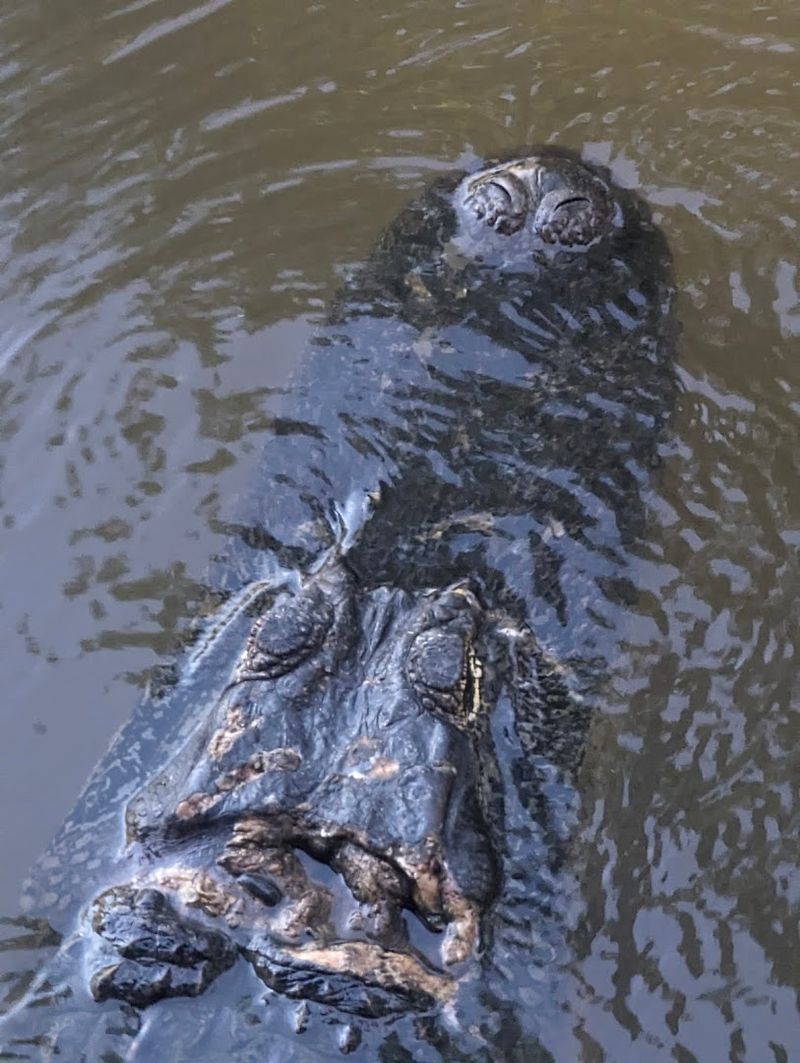
Wildlife appears gradually here, then suddenly feels everywhere. A turtle drops from a log with a soft splash.
A heron unfolds itself from the shallows. Dragonflies patrol the edges of the kayak like tiny metallic guards.
With patience, you may spot ibises, egrets, owls, snakes, frogs, and alligators moving through the same watery corridors you are using.
Distance matters. Alligators should never be approached, fed, teased, or treated like photo props.
The safest and most respectful sightings happen when you stay in the boat, keep your hands inside, and let the animal decide where it wants to be. That calm distance also gives better viewing, because wildlife relaxes when visitors stop performing excitement.
Binoculars are worth bringing, even on a kayak. Many birds reveal themselves only as shapes in the canopy or movement along a far bank.
The slower you paddle, the more the swamp seems to return your attention.
Pack For Bugs And Sun
Preparation can make the difference between a magical paddle and an itchy little endurance test. Mosquito repellent belongs near the top of the packing list, especially in warm months when the swamp feels lush, alive, and extremely interested in your ankles.
Sunscreen matters too, even under cypress shade, because reflected light off the water can sneak up on you.
A hat, sunglasses, and a lightweight long-sleeve shirt are all useful. Polarized lenses help with glare and make it easier to see shallow hazards, fish movement, and submerged branches.
A dry bag is smart for your phone, keys, snacks, and anything else you would prefer not to baptize in swamp water.
Bring more water than seems necessary. The quiet can trick you into forgetting how much sun, humidity, and paddling drain energy.
A small first-aid kit, a whistle, and a portable charger round out the practical side without overloading the boat.
Try Primitive Canoe Camping
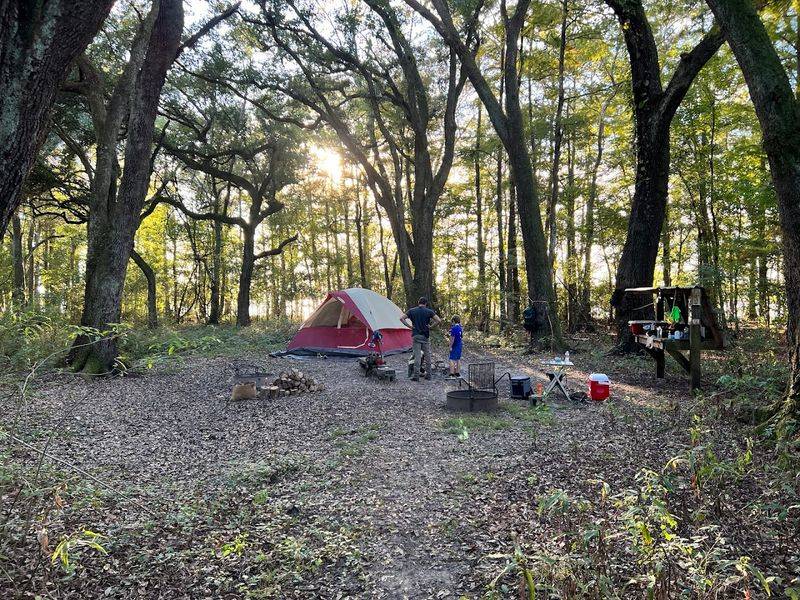
Overnight paddling adds a completely different layer to the park. Canoe campsites are available for visitors who want to move beyond a day trip and sleep closer to the water’s slower rhythms.
These sites are water-accessible, which gives the experience a genuine backcountry feeling without requiring a huge expedition.
Planning matters more once camping enters the picture. Reserve ahead when needed, confirm your site, ask about the route, and check water levels before committing to the paddle.
Pack as if comfort depends on your own judgment, because out there it does. Dry storage, food protection, a headlamp, water, cooking basics, and weather awareness all become important.
The reward is enormous. Evening in the swamp has its own orchestra: frogs, insects, distant bird calls, and the soft movement of water around camp.
Morning brings mist, pale light, and the strange satisfaction of waking somewhere your car cannot reach.
Mind The Water Levels
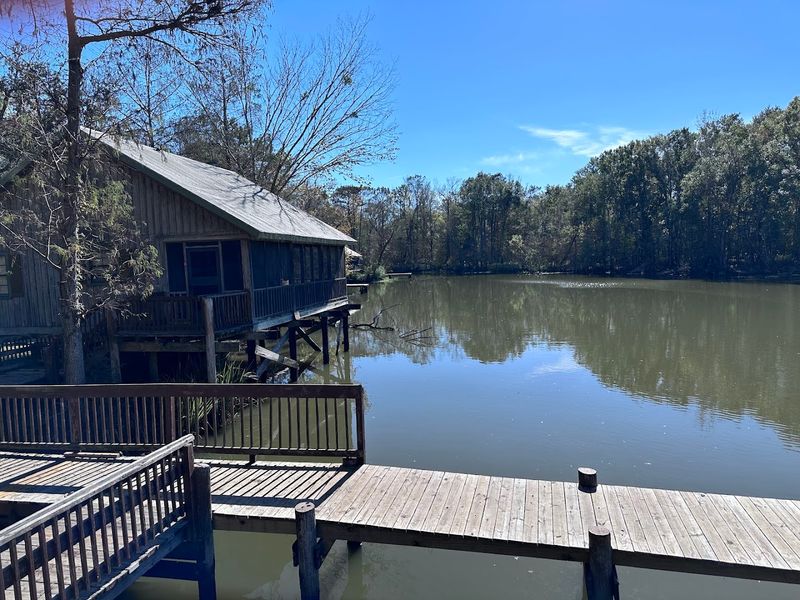
Water levels shape the experience more than many first-time visitors expect. A route that feels easy one week may become shallow, muddy, or confusing after conditions shift.
Higher water can open beautiful passages, but it can also hide stumps, roots, and other hazards just below the surface. Lower water may leave certain stretches awkward or difficult to navigate.
Checking in with park staff before launching is the simplest safeguard. They will usually know which routes are working well, where paddlers have struggled recently, and whether any trail markers or sections deserve extra caution.
A paper map helps, but local advice gives the map context.
Flexibility keeps the day enjoyable. Turning around is not failure; it is often just part of paddling in a living wetland.
Choose a route that matches current conditions, your skill level, and the amount of daylight left. The swamp is more generous when you stop arguing with it.
Respect Park Rules
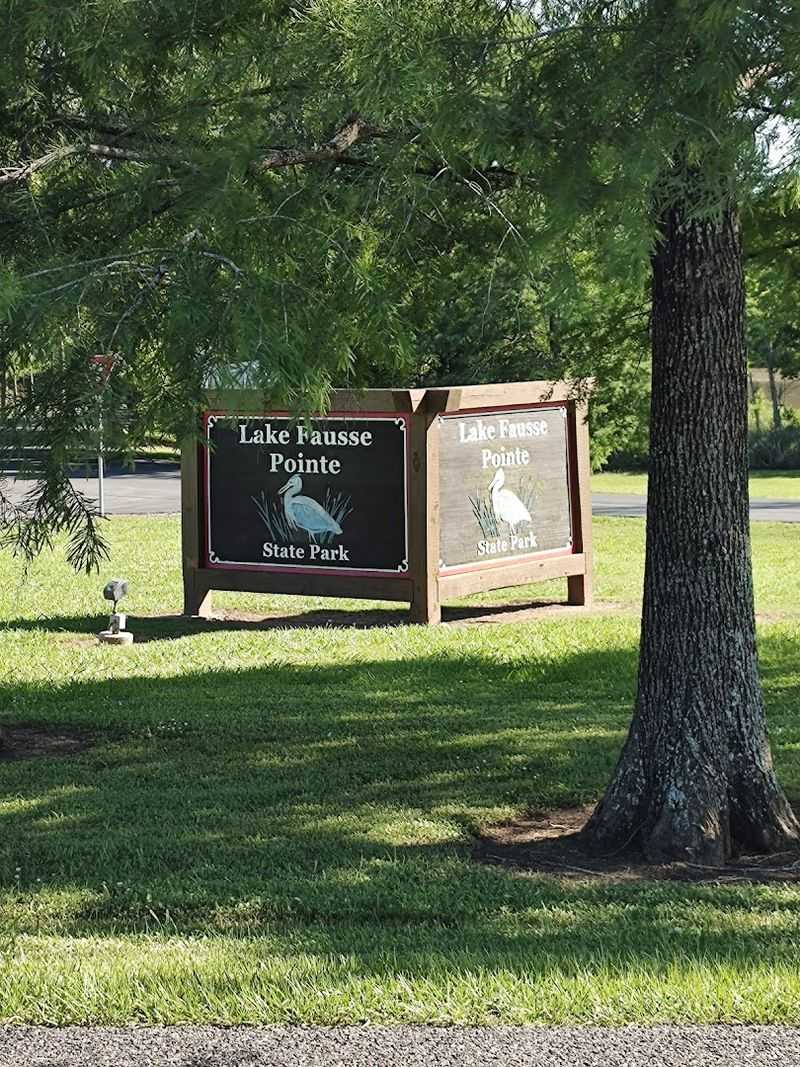
Rules here are less about restriction and more about keeping the place intact. Entrance fees, rental procedures, quiet hours, campsite guidelines, and wildlife protections all support the same basic goal: letting people experience the swamp without damaging the reason they came.
It is worth checking current fees and hours before arrival, since details can change.
Life jackets should be treated as standard gear, not decoration. Even calm water can become tricky when wind, fatigue, submerged obstacles, or sudden weather enter the picture.
Feeding wildlife is also a hard no. It changes animal behavior, creates risk for visitors, and harms the creatures people came to admire.
Think of the park as shared habitat rather than a private playground. Keep noise low, pack out trash, stay on marked routes when directed, and follow staff guidance.
The quieter and cleaner your presence, the better the visit becomes for everyone after you.
Time Your Visit For Birding
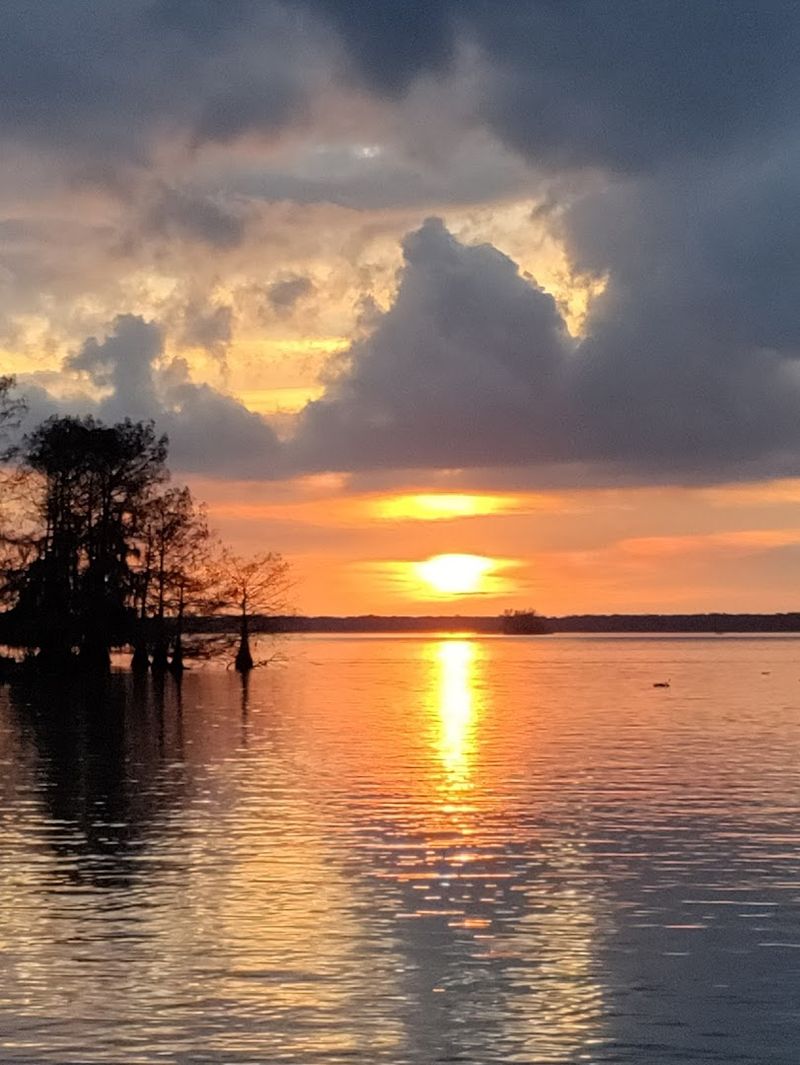
Birding is best when the day is still deciding what it wants to become. Early morning brings cooler air, softer light, and more active movement along the water’s edge.
Late afternoon can also be rewarding, especially when the sun drops low enough to turn the cypress trunks golden and send shadows across the channels.
A slow kayak is better than a fast one for birdwatching. Stop paddling near promising banks, let the boat drift, and scan the branches before assuming nothing is there.
Herons, ibises, egrets, owls, and smaller songbirds often appear only after your eyes adjust to the layered green and gray of the swamp.
Bring binoculars or a birding app if identification matters to you, but do not let naming everything become the whole point. Sometimes the best moment is simply watching a bird lift from the water and disappear between trees without needing to file it away.
Plan For Limited Connectivity
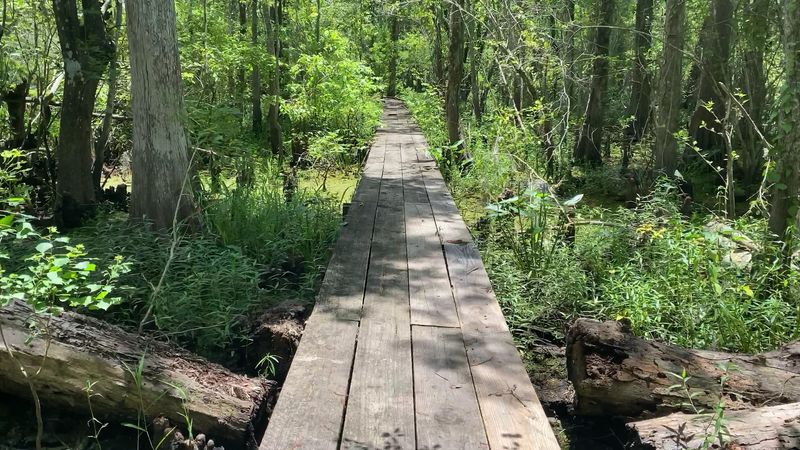
Cell service can be unreliable in this remote basin setting, so treat the trip like a real partial disconnect. Download maps before you arrive, take a photo of any posted trail information, and carry a paper map if one is available.
Relying on a phone signal once you are already on the water is a weak plan.
Let someone know your rough route and expected return time, especially if you are paddling alone or heading toward longer loops. A portable charger helps, but battery life only solves one problem.
Navigation, daylight, weather, and distance still need old-fashioned attention.
The lack of constant connectivity can become one of the best parts of the visit. Without notifications, the swamp gets louder in a good way.
You start noticing wingbeats, water sounds, and the small shift of your own paddle. Preparation turns that silence from risky into restorative.
Respect Seasonal Challenges
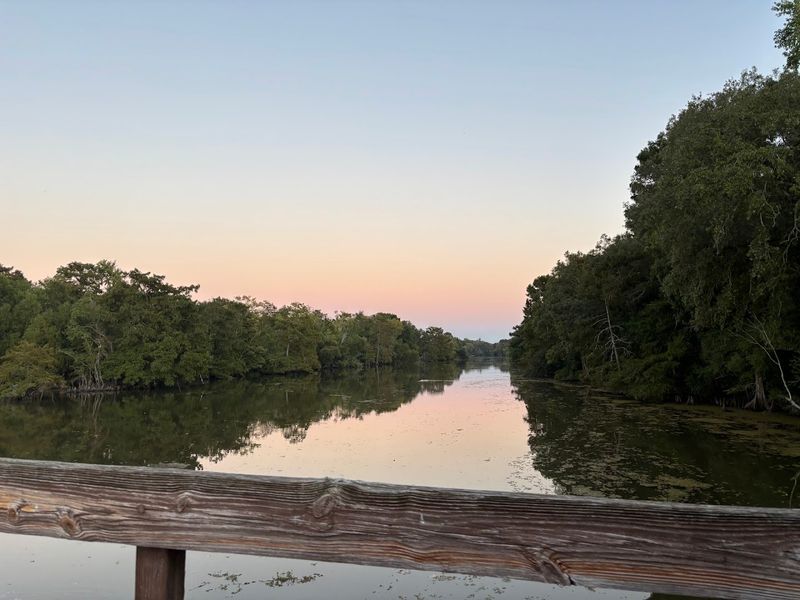
Every season changes the swamp’s personality. Spring and fall usually offer more comfortable temperatures and strong bird activity.
Summer brings deep green growth, heavy humidity, and serious mosquito pressure. Wet periods can alter routes and water levels, while drier stretches may make some areas harder to paddle.
Clothing should match the season rather than the fantasy version of the trip. Lightweight long sleeves, quick-dry fabric, a hat, and reliable shoes can save you from sun, insects, mud, and small annoyances that become large annoyances after two hours on the water. Repellent is not optional in warmer months; it is part of the ticket.
Ask staff what the current conditions feel like, not just what the calendar says. The most enjoyable visit comes from adjusting expectations. Some days are perfect for birds. Some are better for quiet reflections. Some mainly teach you respect for humidity.