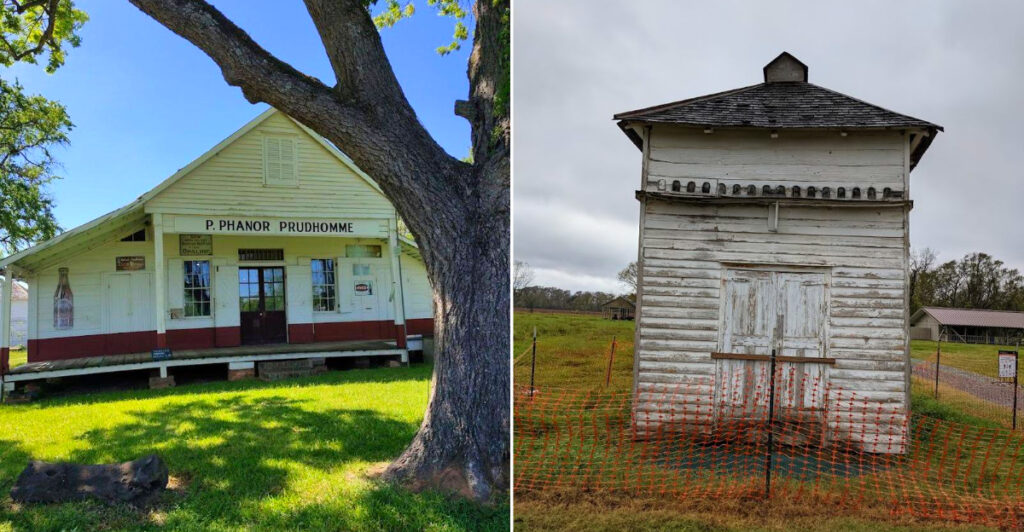
Rolling along a road paralleling a narrow river wrapped in Spanish moss, the landscape tells a story no textbook could capture.
Oak allees stretch toward plantation homes whose weathered cypress walls hold centuries of weight, their deep porches designed to catch breezes carrying the scent of cane fields and slow-moving water beyond the lawn.
The park preserves two plantation properties, each a chapter in a narrative about people who built lives here through ingenuity, endurance and cultural traditions that survived forced migration, enslavement and economic upheaval with a tenacity defying easy explanation.
Walking through the original outbuildings, the cotton gin, the cabins that still bear the marks of the hands that built them, you feel the scale of what happened here viscerally. The river glides past, carrying it all downstream.
Louisiana holds places where the past does not simply live in memory, it lives in the very soil beneath your feet.
Begin At The Visitor Center
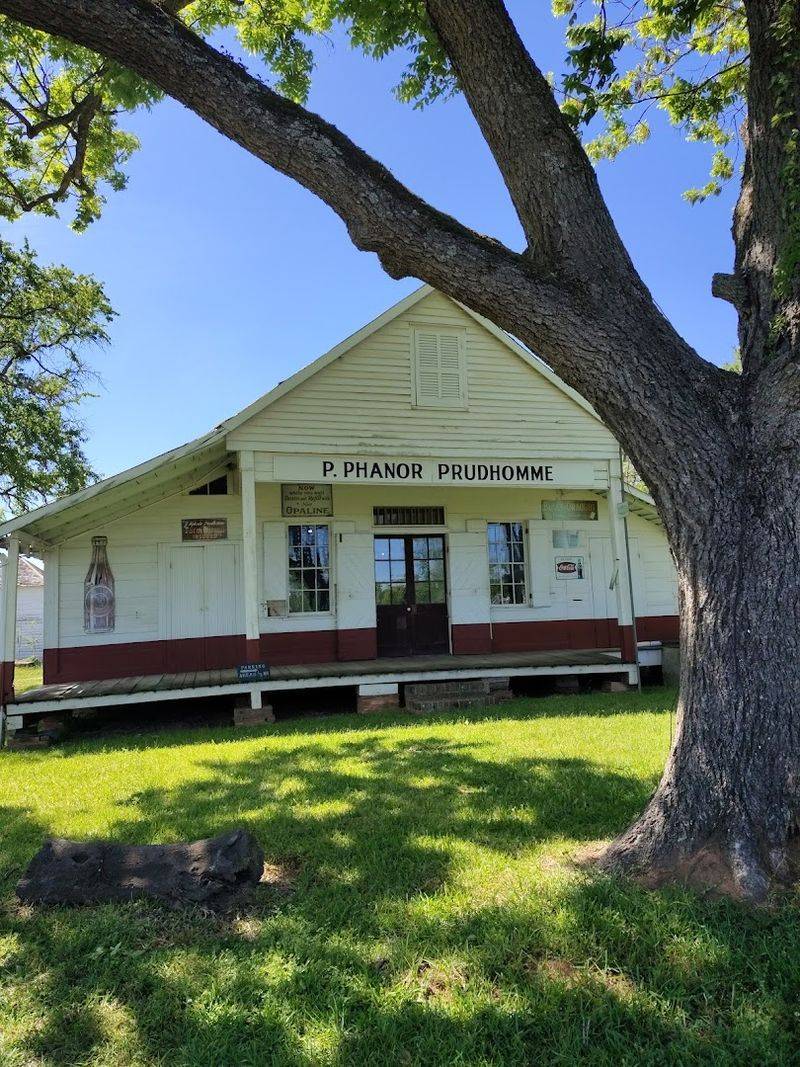
I start most visits at the park headquarters in the restored Texas and Pacific Railway Depot because it sets the tone for the day. The small visitor center feels unexpectedly intimate: a tidy desk, helpful rangers, and a bookshelf of regional histories that invite questions.
Brochures and a National Park Service map make it easy to decide whether to begin at Oakland or Magnolia, and the staff can point out weekend house tours and accessibility options. There is no entrance fee, and the passport stamp is a neat collectible for NPS fans who travel with that little ritual in mind.
Simple comforts like clean restrooms, water bottle refill stations, and a shaded bench outside mean this is a practical first stop. Ask about guided walks, the times for house tours, and any special programs.
Those bits of local knowledge change a good visit into something memorable. Take a moment to orient yourself to the plantation layout before setting off down the shaded paths toward the outbuildings and cabins.
Old Roads Into Cane River History
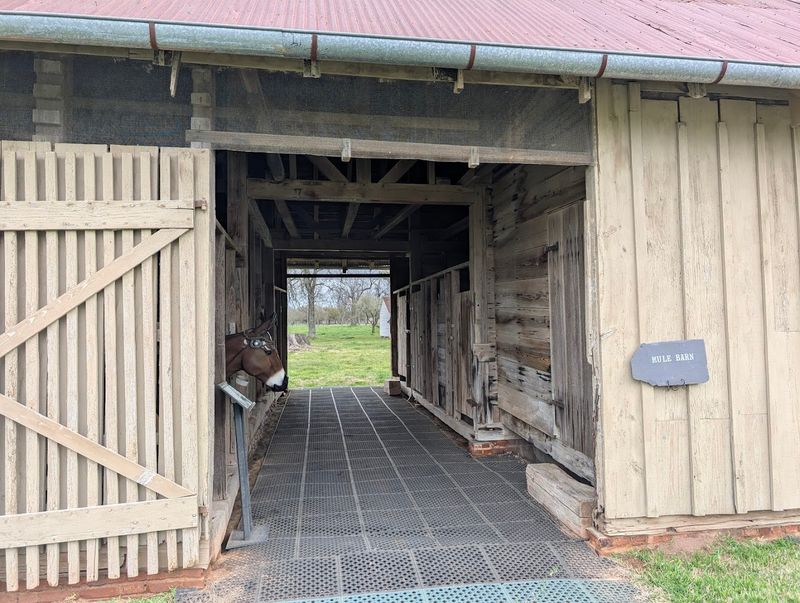
Cane River Creole National Historical Park feels like the kind of place where the drive asks you to slow down before the history even begins, with rural roads, quiet fields, and old plantation landscapes replacing the usual rush. The park preserves the cultural landscapes of Oakland and Magnolia Plantations.
You’ll find the Oakland Plantation side at 4386 Highway 494, Natchez, Louisiana 71456, which matches the National Park Service directions for the site.
Arrive with patience and walking shoes. This is not a quick photo stop; it is a place to move carefully through layered history, old structures, shaded grounds, and stories that need more than a passing glance.
See The Rare Wooden Cotton Press
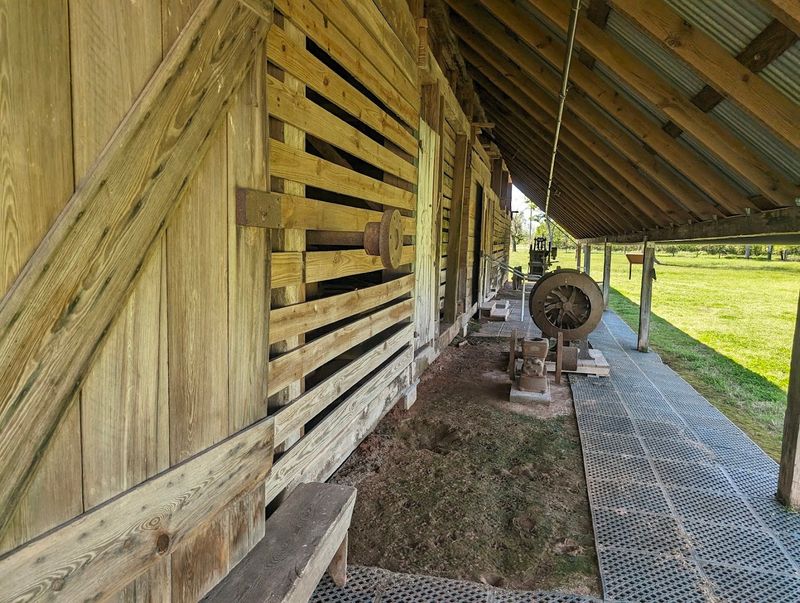
One of the most arresting artifacts on site is Magnolia’s wooden screw-type cotton press, the last of its kind still in original location in the United States. Seeing this large timber-and-iron machine where it was used adds a layer of authenticity that museum displays sometimes lack.
I found its scale and the simplicity of its mechanism compelling, it compresses the story of labor, technology, and agricultural economy into a single, physical object.
Interpretive panels explain how the press fit into the cotton-processing sequence and why its survival matters to historians. It is a reminder that technological history is intimate and local, shaped by regional practices.
Take time to walk around it and read the captions; the press rewards careful looking with clear insights into the plantation’s working life.
Learn Creole Cultural Threads
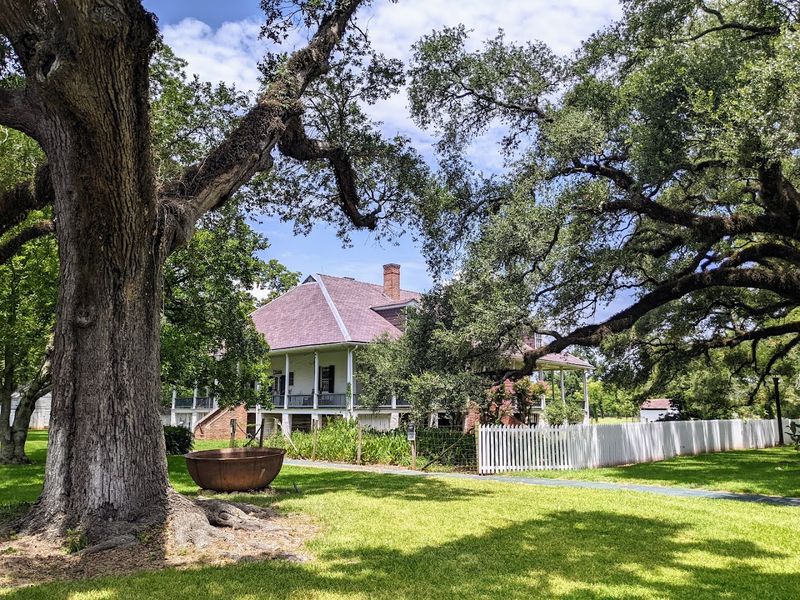
Understanding Creole culture here requires attention to layered histories: French and Spanish colonial law, African traditions, Native presence, and local Catholic practice all converged to shape community life.
The park does a careful job of presenting those intersections through family histories like the Prud’hommes and LeComtes, and the displays emphasize language, faith, and kinship as organizing threads.
While traces of plantation architecture are visible, the interpretive work is what gives voice to generations who lived and labored on these lands.
When a ranger explained how free people of color and Creole families navigated complex social systems, it made the place feel less like a static monument and more like living memory.
Seek out genealogical references in the exhibits if you want to dig deeper into local lineage and naming conventions; these resources help translate buildings into human lives.
Visit Nearby Natchitoches
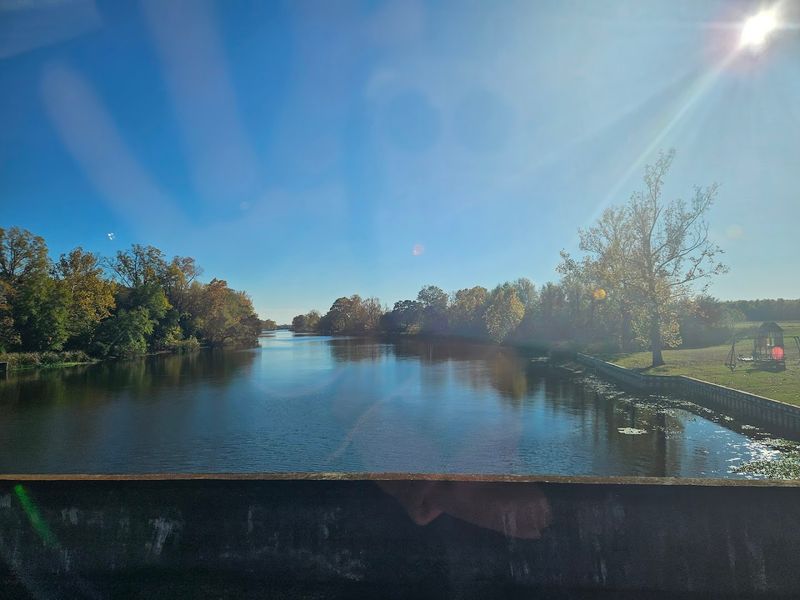
Natchitoches, a short drive from the park, offers a complementary urban perspective on Creole life with a 33-block National Historic Landmark District of Creole and Art-Deco buildings.
Strolling the riverfront and the old commercial streets shows how trade, architecture, and community life extended beyond plantation boundaries.
I like to treat Natchitoches as the town that responded to the plantations, it has shops, interpretive plaques, and historic facades that help contextualize what you see in the park.
Allow an hour or two to wander the historic district, visit small local museums, and appreciate how the town’s layout and commercial buildings reflect regional patterns of settlement. Maps at the visitor center will point you toward specific blocks and notable structures worth a closer look.
Discover Clementine Hunter At Melrose
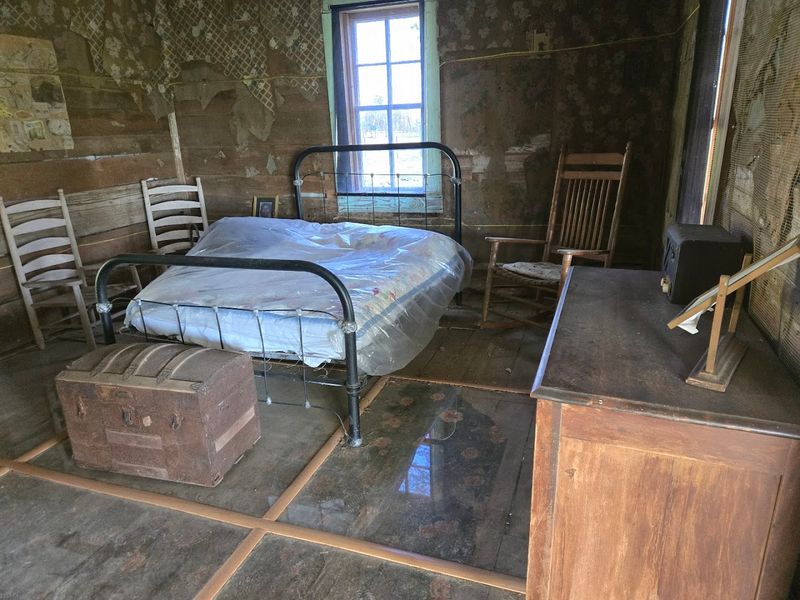
Melrose Plantation, within the Cane River region though distinct from the park, is associated with Clementine Hunter, whose folk paintings capture scenes of plantation life with surprising directness. The African House murals and her canvases give visitors a rare visual perspective produced by someone who lived within that world.
I find Hunter’s work refreshingly candid, it balances documentary detail with a personal, expressive touch that resonates differently than written labels.
Check times and access before you go because Melrose has separate visiting arrangements. If you can see Hunter’s murals in person, do so; they are a vivid complement to the park’s archival materials and help humanize daily labor and celebrations in a way that makes history immediate.
Step Into Fort St. Jean Baptiste
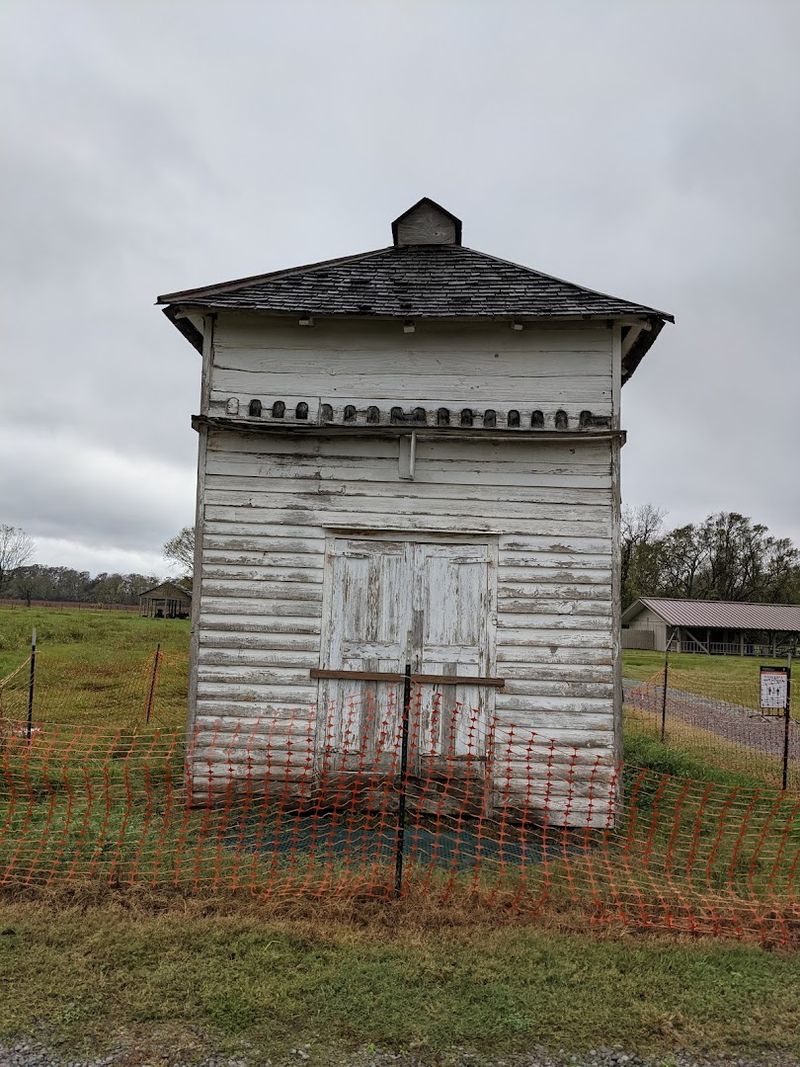
The reconstructed Fort St. Jean Baptiste offers a compact look at colonial military and trade networks that once connected the region to broader Atlantic circuits.
Its wooden palisades and small barracks are arranged to demonstrate logistics of defense and commerce rather than grand spectacle, and that scale helps explain daily life at a frontier outpost.
I appreciated the fort’s interpretive panels for clarifying how these structures fit into the politics of empire and local alliances.
While the fort is a short detour from the plantations, it sharpens a visitor’s sense of the period’s geopolitical realities. Think of it as context-building: forts like this helped shape movement, settlement, and negotiation in the wider Cane River world.
Respect St. Augustine Catholic Church
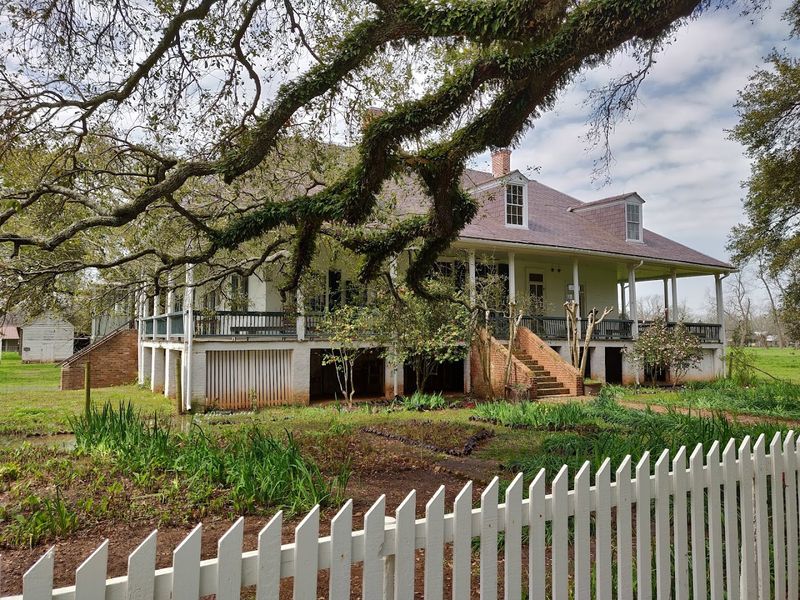
St. Augustine Catholic Church in Isle Brevelle stands as an important cultural touchstone, historically significant as the first Catholic church in the United States built and supported by free people of color. The building and its cemetery express layers of faith, memory, and community continuity that complement the plantations’ narratives.
When visiting, I advise approaching the site with quiet respect; it continues to be a place of worship and family remembrance.
If services or community events are scheduled, those are opportunities to witness living traditions connected to the region’s Creole families. Otherwise, view the exterior architecture, read any posted historical notes, and consider how spiritual life intersected with daily practice across generations here.
Enjoy Outdoor Activities On The Lake
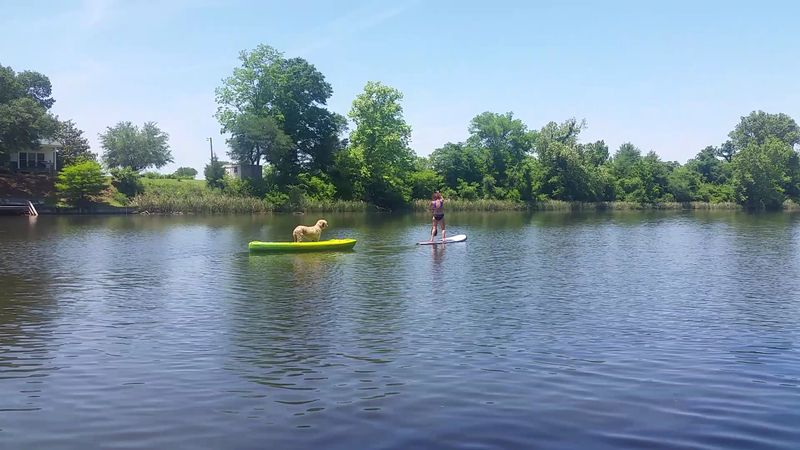
Cane River Lake is a gentle backdrop to the plantations and offers quiet ways to experience the landscape that shaped local life. Kayaking, paddleboarding, or taking a scenic tour lets you see sugarcane flats, cypress-lined banks, and the slow water that powered transport and trade.
I chose a short paddle and found the perspective from the water clarifying. The plantations line the shore in a way that underscores how central the river was to movement and commerce.
Bring sunscreen, a hat, and insect repellent, and check launch points near Natchitoches for rental options. If you prefer a guided experience, local outfitters and seasonal tours provide interpretive commentary alongside the scenery, which deepens what you’ll notice from the shoreline.
Plan Visits Around Operating Hours
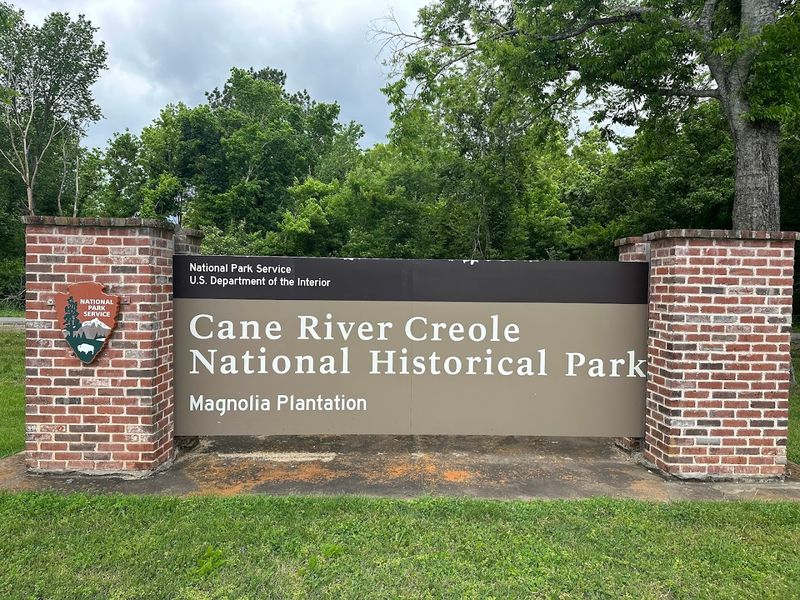
Timing matters here. The Cane River Creole National Historical Park grounds and outbuildings are generally open Wednesday through Sunday from 9:30 am to 3:30 pm, while the Oakland main house is open only on Saturdays and Sundays from 10 am to 2 pm.
The park is closed Mondays, Tuesdays, and federal holidays, so plan accordingly to avoid disappointment. I learned this the practical way by arriving on a weekday when some houses were closed and adjusting the itinerary.
Call ahead or check the NPS website for special events and potential schedule changes. Weekends are busiest and offer more building access, whereas weekday visits can feel quieter for reflective walking; choose based on what you want from the day.
Use Park Resources And Apps
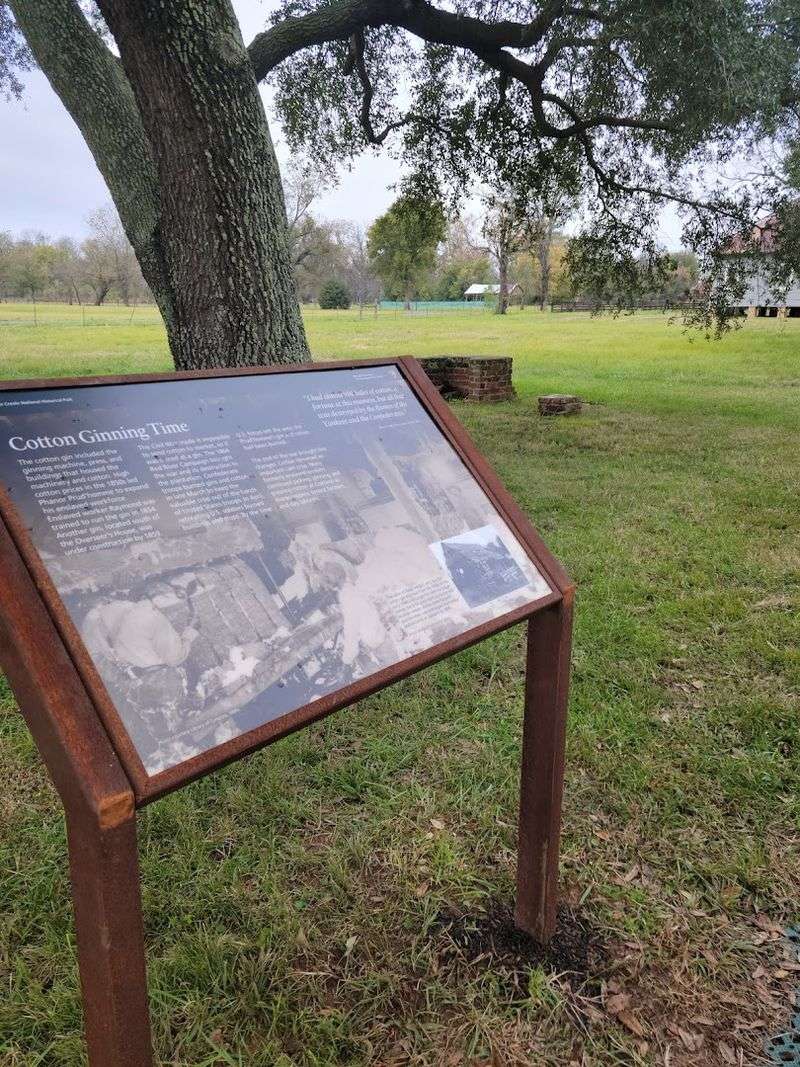
Take advantage of the National Park Service resources available for Cane River, the official NPS app includes self-guided and audio tours for Oakland and Magnolia Plantations that complement on-site signs.
I like having the app open while walking between buildings; it layers oral histories over the visible landscape and makes it easier to absorb detailed timelines without carrying heavy books.
Rangers also offer guided tours when staffing permits, and asking at the visitor center can reveal programs not widely advertised.
The park has no entrance fee, so downloading digital materials beforehand is an efficient way to plan a structured visit. Passport stamp collectors will find cancelation stamps at the store or visitor center, which is a small but satisfying souvenir for road-trippers and history buffs alike.