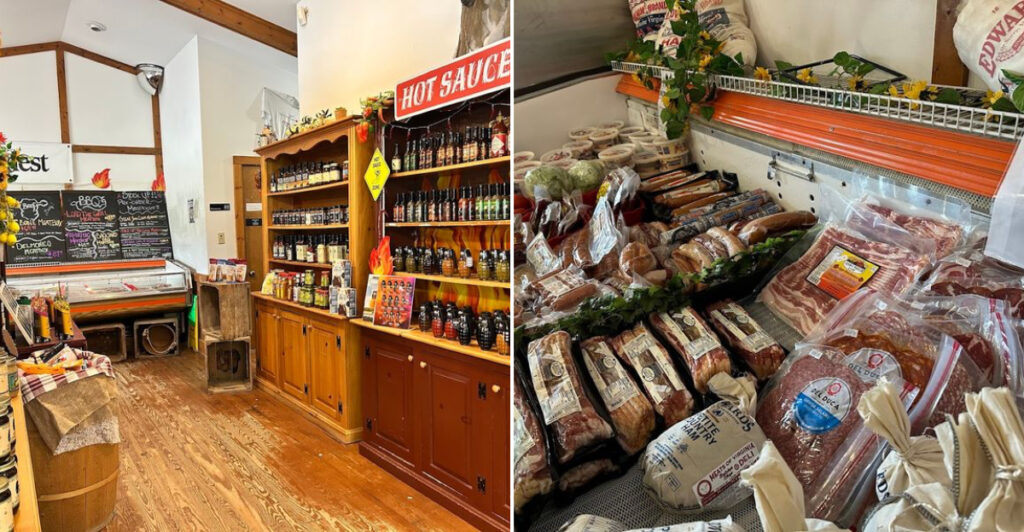
Ever wondered where cured meats turn into the kind of food people drive miles for?
On the road through Virginia, the scent of smoked tradition pulls you toward something bold and deeply local. Long traditions, oversized sandwiches, and butcher counter surprises create a stop that feels part deli and part roadside story.
This kind of shop becomes more than a quick bite. It turns into a reason to detour and explore.
Piled-high deli sandwiches, country ham, and unexpected specialty meats turn a simple stop into a full-flavor experience.
Travelers and locals cross paths here for food that feels handcrafted and rooted in tradition, the kind you remember long after the road trip ends.
The highway brings people here, sure, but the butcher counter gives them a reason to remember it.
Why Virginia Ham Still Drives The Conversation
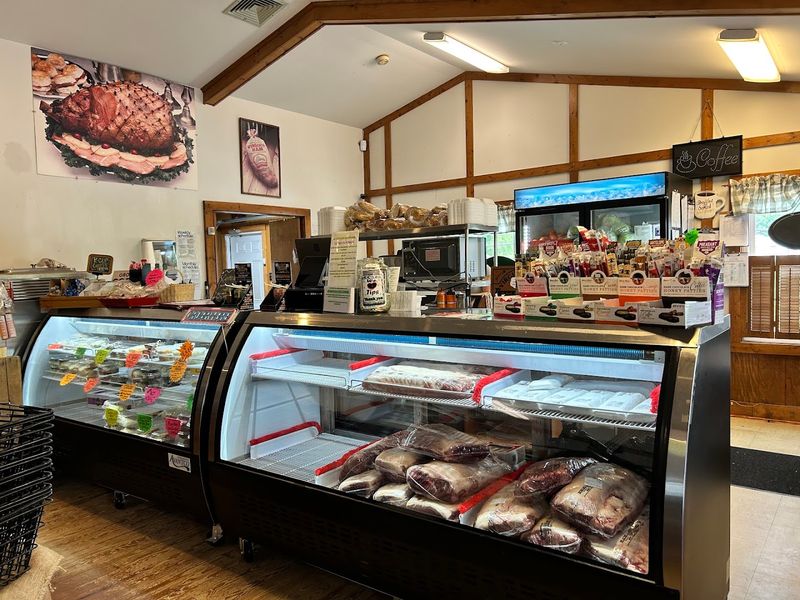
Virginia ham gives this shop its clearest identity. The business traces its public name to the former Edwards Ham Shop, which links the counter directly to one of the Commonwealth’s oldest cured meat traditions.
That matters because Virginia country ham follows a distinct method of salting, aging, and concentrating flavor. In Surry County, that tradition carries real geographic weight.
Smithfield and Surry sit inside the region most travelers already associate with cured ham, smokehouses, and salt-cured meat.
So when you stop here, you are not chasing a roadside gimmick. You are looking at a food culture with deep local roots.
The key detail is the cure itself.
Country ham develops through salt, time, and controlled aging, which gives the slices their dense texture and pronounced savor. Chefs value that intensity because a small amount changes a biscuit, a sandwich, or a plate of greens.
Home cooks notice the same thing the minute the knife hits the board.
Then the deli side pushes that legacy forward. Instead of treating cured meat as a museum piece, the shop sells it in a format you can actually eat on a trip through Surry.
That bridge between smokehouse tradition and lunch counter practicality explains the draw better than any slogan. Order a few slices and let your next biscuit handle the argument.
The Address Matters Because The Region Matters
Geography explains part of the appeal. Meats Of Virginia Butcher Shop & DELI sits in Surry County, a place where road trips often include the Jamestown-Scotland Ferry, colonial history sites, and long stretches of farmland.
That traffic pattern gives a meat counter unusual reach. Travelers pass through with coolers, lunch plans, and room for something they cannot grab at a chain stop.
Midway through Surry, the shop anchors itself at 11381 Rolfe Hwy, Surry, Virginia. That exact location puts it on a practical route for people moving between the Southside, the Peninsula, and the river crossings.
In plain terms, it is the kind of stop people can fold into a day trip without rerouting their entire schedule.
The setting also matches the product mix.
A butcher shop in this part of Virginia can sell cured ham, steaks, seafood, sausage, and deli sandwiches to several kinds of customers in a single day.
Locals may buy dinner cuts. Day trippers may grab subs.
Serious cooks may stock a cooler for the drive home.
That regional usefulness helps explain the shop’s wide reputation.
It is not isolated from travel patterns, and it does not rely on one narrow audience. The road does some of the talking.
Your next detour can do the tasting.
The Deli Counter Turns A Butcher Shop Into Lunch
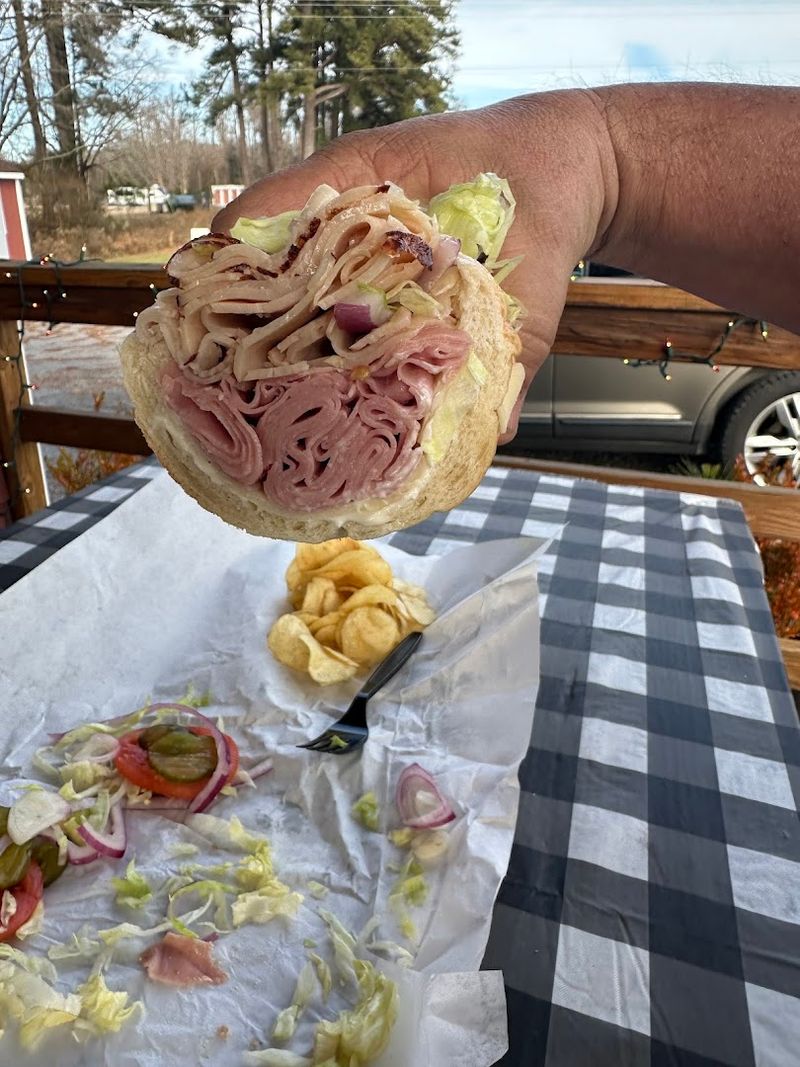
A butcher shop can sell raw cuts all day, but the deli counter tells you how the products perform. Here, that distinction matters.
Customers often highlight large deli sandwiches such as Italian subs and Reubens. Those items turn the meat case into direct evidence.
The format stays simple. Sliced meats leave the cooler, meet bread, cheese, and standard sandwich extras, and then become a meal with visible heft.
That matters more than menu poetry because a sandwich reveals slice thickness, seasoning balance, and the practical value of cured and roasted meats in one bite.
Several named orders appear again and again in public descriptions. The Italian sub shows up often, and so does a classic Reuben.
People also love Philly steak and cheese, pulled meat barbecue with slaw, salads, and large wraps. Those are not random edge cases.
They suggest a deli menu built around substantial protein, not token garnish. I like that structure because it lets you test the shop on two levels.
You can buy a steak or a pack of sausage for later, then judge the lunch counter on the spot. Few businesses manage both sides with equal clarity.
Pick the sandwich that sounds messiest and see what the slicer has been trying to tell you.
Exotic Meats Expand The Case Beyond Country Ham
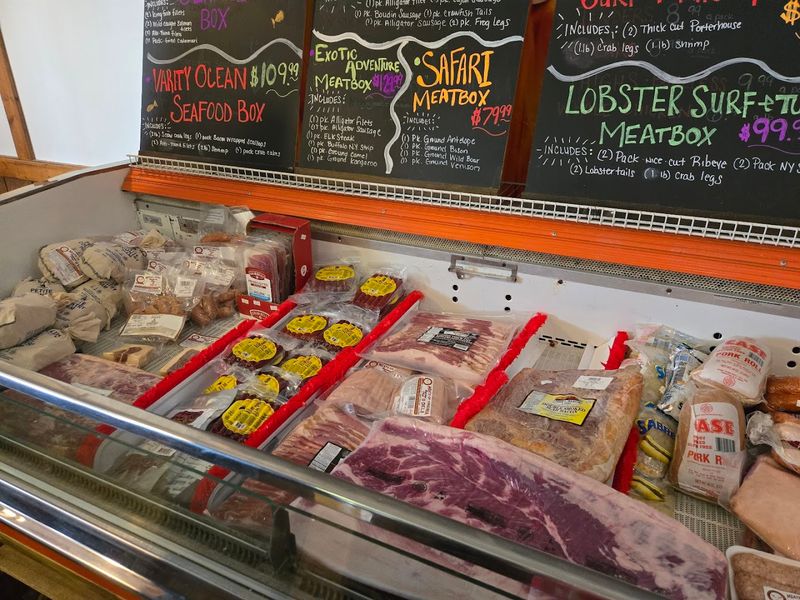
Virginia ham may open the conversation, but the cold case does not stop there. Public product mentions linked to this shop include bison, alligator burgers, frog legs, and camel jerky.
That list changes the scale of the business. You are not just dealing with a ham counter that added a few steaks.
Exotic meat can mean many things, so the important fact lies in the range. Bison points toward lean red meat with a familiar cooking framework.
Frog legs move into a niche protein category that many stores never touch. Alligator burgers and camel jerky push even farther, which signals deliberate buying and a willingness to serve curious cooks.
That variety also reshapes who shops here. A traveler may stop for lunch and leave with country ham.
A grill enthusiast may head straight for burgers or whole muscle cuts. Someone planning a dinner party may want a talking point that starts before the first plate hits the table.
This counter gives each of those customers a concrete option. The practical upside is obvious.
You can compare traditional Virginia specialties with proteins that rarely share the same retail space.
That makes the visit more useful than a standard deli run and more grounded than a novelty shop. If your cooler has room for one conversation starter, the case offers several candidates.
The Butcher Case Serves Serious Cooks, Not Just Browsers
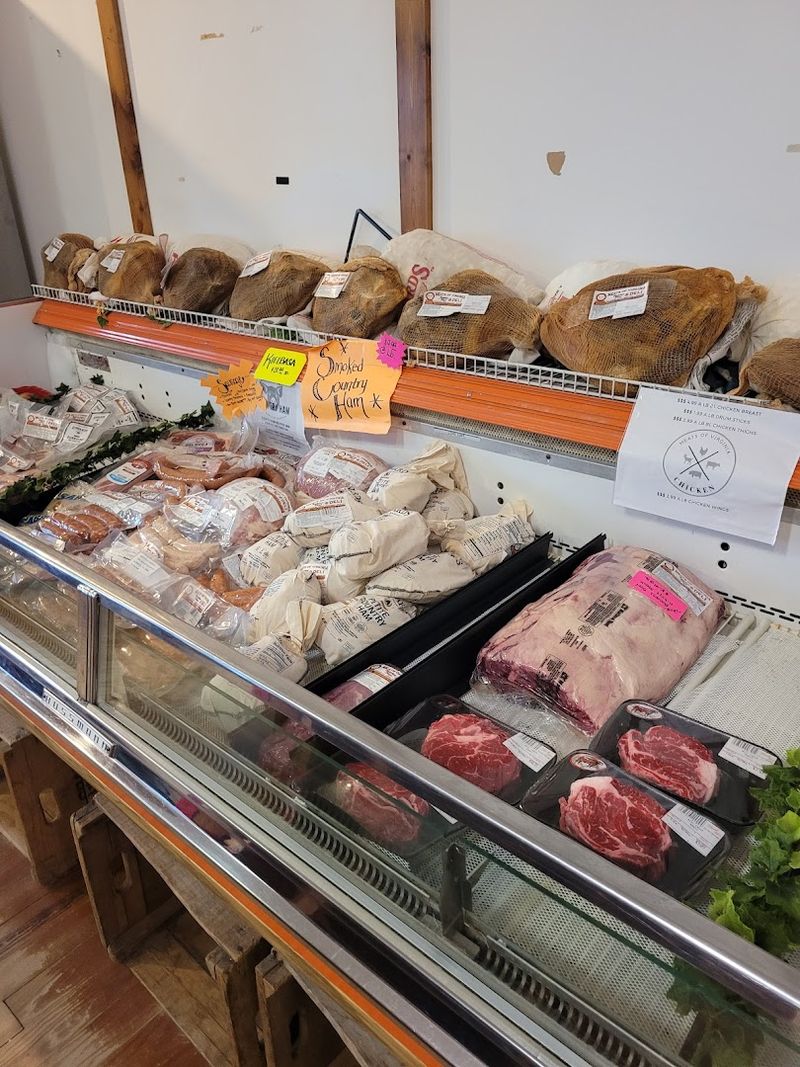
The butcher side deserves its own look because it serves a different customer than the deli line. The shop is tied to fresh cuts, steaks, whole ribeyes, seafood, homemade sausages, and custom thickness requests.
That tells you the business handles raw product with enough breadth to support actual meal planning.
One repeated detail stands out.
Shoppers love having steaks cut to their preferred thickness and packages wrapped for the refrigerator or freezer. That service matters because thickness changes cooking time, crust development, and final texture.
A one-inch steak and a thicker cut do not belong to the same skillet strategy.
The whole ribeye detail matters too. The butcher here includes large cuts of beef, including whole ribeyes available for custom slicing.
Add sausage and seafood to the mix, and the case starts to look like a place where you can build several dinners from one stop instead of patching together a cart from multiple stores.
I also like the clear overlap between butcher trade and deli logic. When a shop slices ham for lunch and cuts steaks for supper, you get a stronger read on how seriously it takes meat handling across categories.
That range does not answer dinner for you, but it gives you better raw material for the argument at your stove.
The Shelves Add Virginia Pantry Staples To The Haul
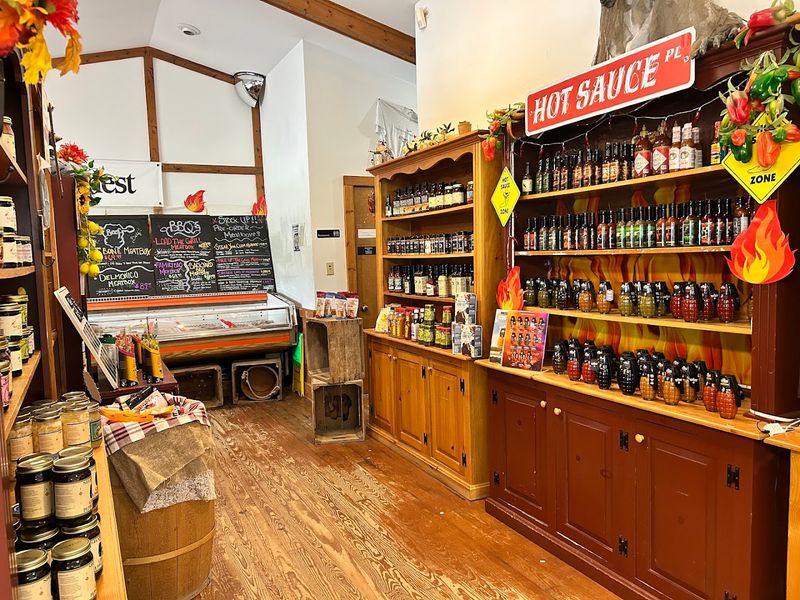
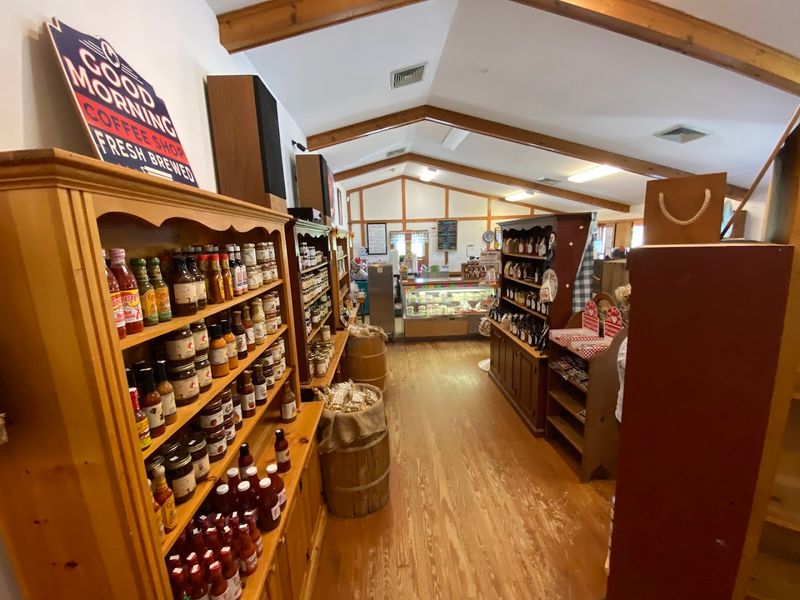
The meat gets top billing, yet the shelves matter because they round out the stop. Publicly shared purchases and product notes point to honey, jams, jellies, syrups, peanuts, sauces, candies, soup mixes, seasonings, and pastries.
That list gives the shop a wider function than a lunch counter with a cooler behind it. Several of those products fit the region neatly.
Virginia peanuts carry obvious local relevance, and honey from Appalachia appears in customer accounts of what the store stocks. Syrups, preserves, and seasonings also make sense beside cured meat because they solve practical pairing questions.
Sweetness cuts salt. Spice sharpens a roast.
A pantry shelf can finish what a meat case starts. The desserts and pastries add another useful angle.
When shoppers mention grabbing lunch and then leaving with sweets, you can see how the visit expands from one purchase into a small provisions run.
That does not make the store a general market. It makes it a strategic stop for people who want dinner components, giftable jars, and a snack for the road.
I appreciate that the shelf mix stays concrete. These are products you can cook with, pack, or serve.
Nothing about that assortment asks you to invent a use on the spot. If your basket already has ham, add the honey or peanuts and let the pantry do some talking too.
Big Portions Are Part Of The Shop’s Public Identity
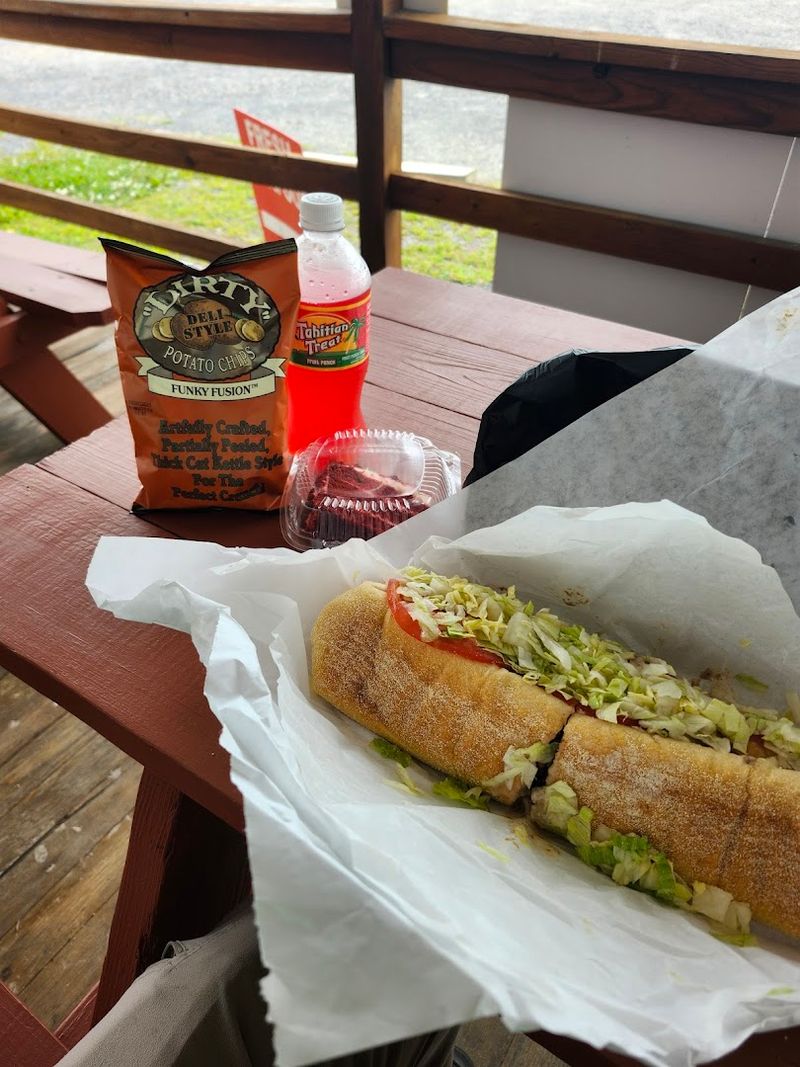
Portion size has become one of the shop’s most documented public traits. Across customer accounts, people repeatedly describe sandwiches as huge, oversized, or hard to finish in one sitting.
Some mention sharing, others mention taking food away, and nearly all point to scale as a central fact. That consistency matters because it moves portion talk out of exaggeration and into pattern.
The examples get specific fast. One public comment claims an Italian sub carried enough ham to feed several people, while other accounts call the sandwiches the biggest they had seen.
Separate mentions describe adult meals as enormous and kids’ meals as large too. Put together, those details suggest portion size is not limited to one specialty item.
Why does that matter beyond spectacle? In a deli built on cured meats, roasted meats, and butcher cuts, portion size reveals the business model.
The shop does not treat meat as a decorative layer under bread and lettuce.
It uses protein as the center of the purchase. That approach changes how customers judge price, leftovers, and value for a road meal.
I would not reduce the place to a size contest, but the numbers and repeated descriptions clearly belong in the story. A deli can be memorable for craft alone.
This one also uses abundance as a visible, measurable choice.
A Legacy That Continues Beyond The Name Change
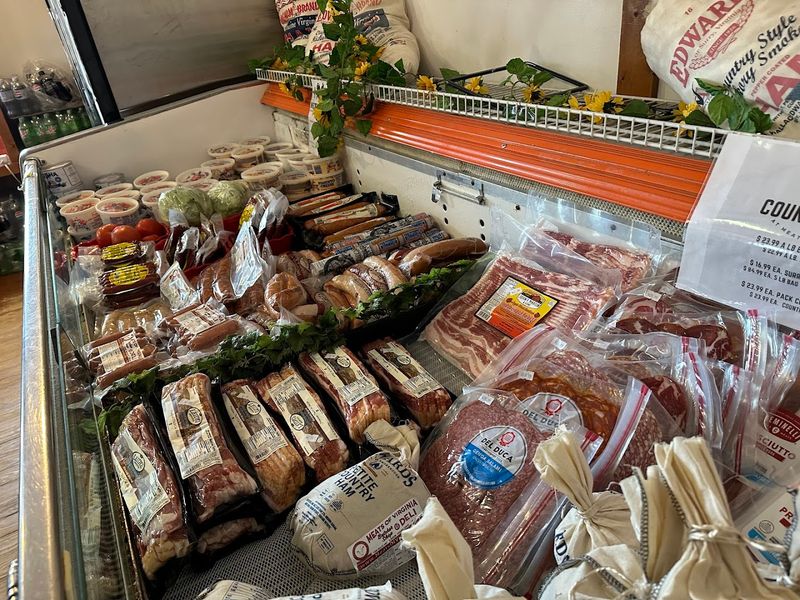
The name on the sign may have changed, but the foundation of the business has not. What began as Edwards Ham Shop still anchors itself in the same Surry County tradition of curing, slicing, and selling Virginia ham built on time, salt, and patience.
That continuity matters because it explains why the shop feels larger than a simple rebrand. The butcher cases, deli counter, and pantry shelves all extend from the same idea: meat as both heritage and everyday food, not something separated into “old” and “new” categories.
Today, Meats Of Virginia Butcher Shop & DELI (Formerly Edwards Ham Shop) stands as a place where that history is still visible, but also practical. Travelers still stop for ham, locals still build meals from the counter, and the business still operates as a working butcher shop rather than a preserved relic.
That balance is what ultimately defines it. The traditions behind Virginia country ham remain intact, but they are not locked behind glass.
They are sliced, wrapped, and handed across the counter, ready for a sandwich, a skillet, or a table a few miles down the road.
In the end, the story is less about a name change and more about persistence. The same curing rooms, the same regional expectations, and the same appetite for well-made meat continue to shape what comes out of the building every day.