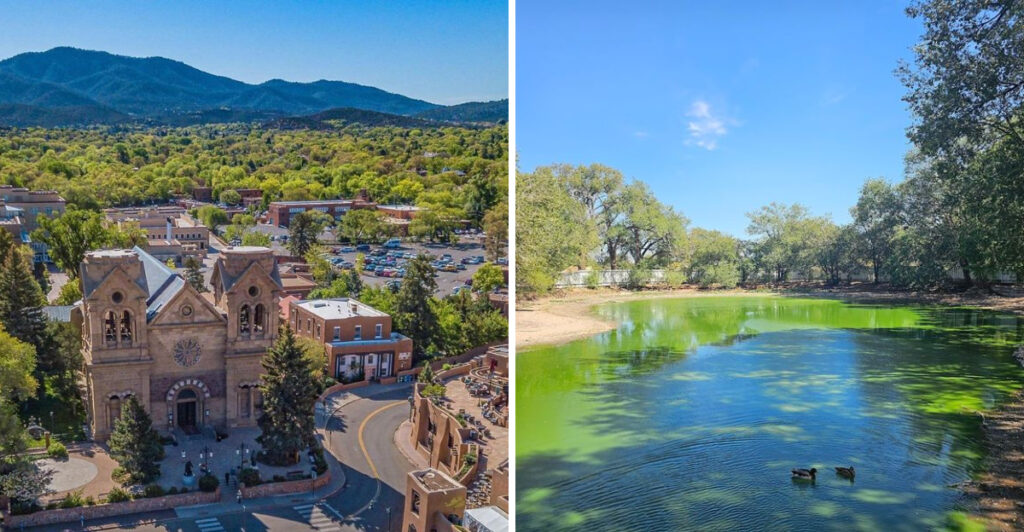
A $1,200 monthly retirement budget sounds impossible in plenty of places, but not every city plays by the same rules. New Mexico still has communities where a smaller budget can breathe, especially for retirees who care more about steady costs than glossy extras.
Picture mornings with big skies, errands that do not require a long drive, and neighborhoods where a simple walk can turn into the best part of the day. The cities on this list are not perfect, and that actually makes them more interesting.
They are practical and full of little reasons to stay. Rent matters here.
So does healthcare access. So does the kind of scenery that helps a tight budget feel less limiting.
For retirees counting carefully, these places deserve a closer look before any big move gets written off as too expensive or too far out of reach right now. This is where possibility starts.
1. Las Cruces
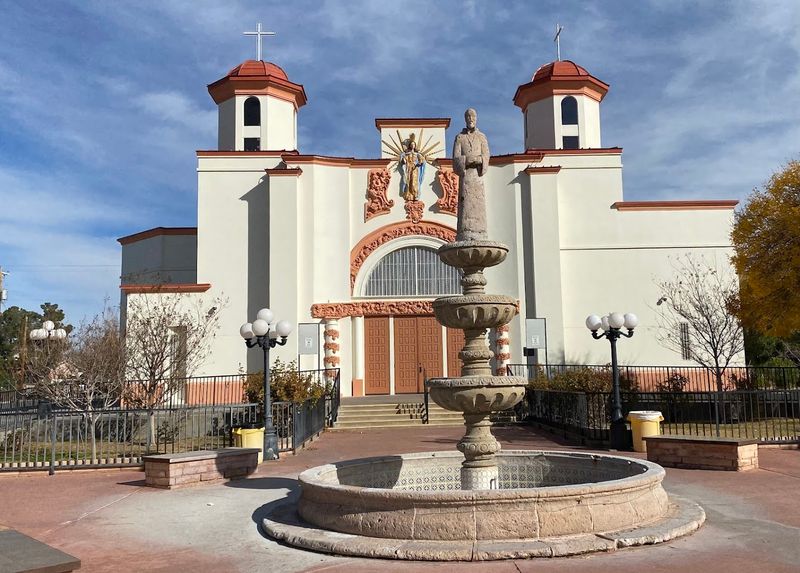
My first morning in Las Cruces, I watched the Organ Mountains turn pink at sunrise and immediately understood why so many retirees never leave.
Sitting in southern New Mexico, Las Cruces is a sun-soaked city where the cost of living runs noticeably below the national average, making it a smart choice for anyone watching their monthly budget.
One-bedroom apartments regularly rent for around $750 to $850, and modest homes can be found well under $200,000 in many neighborhoods.
The city’s farmers market on the historic downtown mall is a weekly ritual I looked forward to, packed with fresh produce, handmade crafts, and friendly faces that make you feel like a local fast.
New Mexico State University gives the city a youthful, lively energy that keeps things interesting without cranking up the cost of entertainment.
Healthcare access here is solid, with several reputable clinics and a major regional hospital serving the area.
The mild winters are a genuine bonus, with most days offering clear skies and comfortable temperatures even in January.
Outdoor lovers will find trails in the Organ Mountains-Desert Peaks National Monument practically at their doorstep, free to explore any day of the week.
Las Cruces keeps life affordable, active, and full of flavor, which is a combination that is genuinely hard to beat on a fixed income.
2. Albuquerque
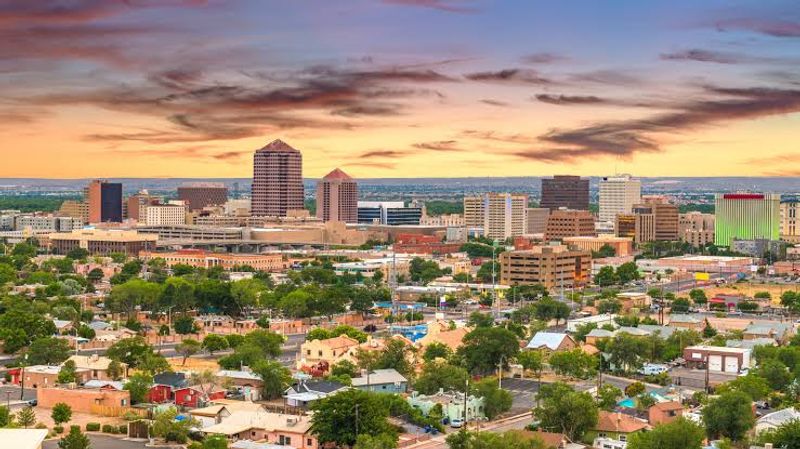
Hot air balloons drifting over the Sandia Mountains at dawn is the kind of sight that makes you forget you are living on a budget.
Albuquerque is the largest city on this list, and that size works in a retiree’s favor because competition keeps housing costs, grocery prices, and service fees lower than you might expect from a major metro area.
Rents for a one-bedroom apartment often land between $850 and $1,050, and the public transit system makes owning a car optional for many daily errands.
The Old Town district is a free afternoon well spent, with adobe buildings dating back centuries and local artisans selling pottery and jewelry under covered walkways.
I spent a lazy Tuesday afternoon at the Albuquerque BioPark, which offers affordable admission and a surprisingly rich collection of gardens, a zoo, and an aquarium all in one spot.
The food scene here is deeply rooted in New Mexican tradition, meaning green and red chile show up on nearly every menu, and most meals cost far less than you would pay in bigger cities.
Healthcare infrastructure is strong, with several major hospitals and specialized clinics spread across the metro area.
Albuquerque rewards retirees who want city conveniences without city-sized price tags, and that balance is genuinely refreshing to find.
3. Santa Fe
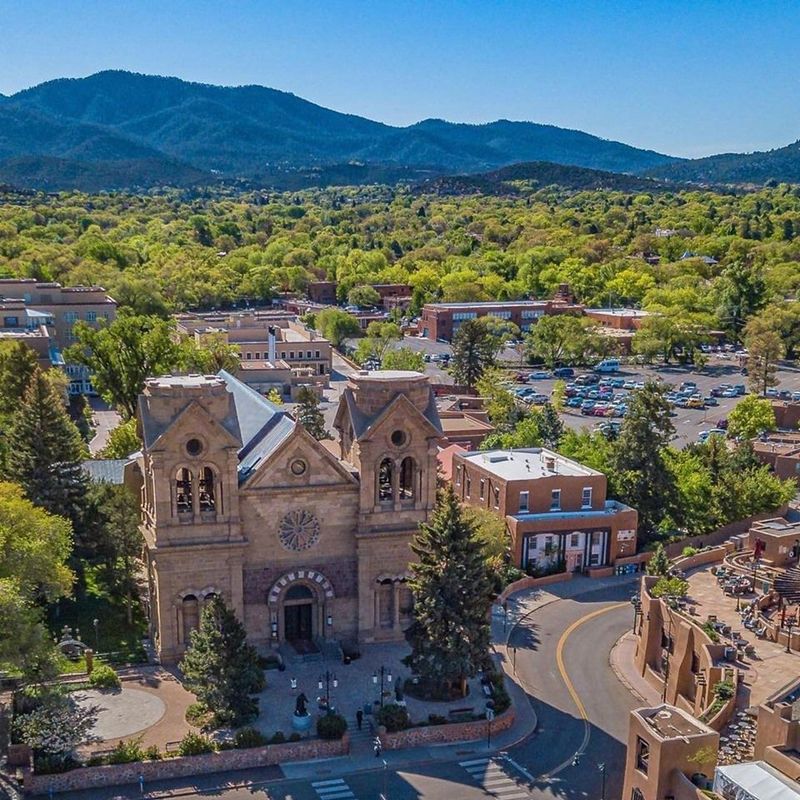
Santa Fe has a reputation for being artsy and expensive, but dig a little deeper and you will find pockets of affordability that make retirement here surprisingly realistic.
The city sits at high elevation in northern New Mexico, surrounded by the Sangre de Cristo Mountains, and the scenery alone feels like a daily luxury that costs nothing at all.
Housing requires some strategy, but neighborhoods slightly outside the historic center offer one-bedroom rentals in the $900 to $1,100 range for those willing to look carefully.
The famous Santa Fe Plaza is the social hub of the city, hosting free events, outdoor markets, and cultural celebrations throughout the year that keep the calendar full without touching your wallet.
I visited the Georgia O’Keeffe Museum on a quiet weekday and paid a modest admission fee for an experience that felt priceless given the quality of the collection.
Senior discounts are widely available here, from museum entries to restaurant meals, and locals are generally helpful in pointing newcomers toward the best deals in town.
The arts community is welcoming and active, with open studio events and gallery walks that give retirees a rich social life built around creativity.
Santa Fe proves that world-class culture and a modest monthly budget can absolutely share the same address.
4. Las Vegas
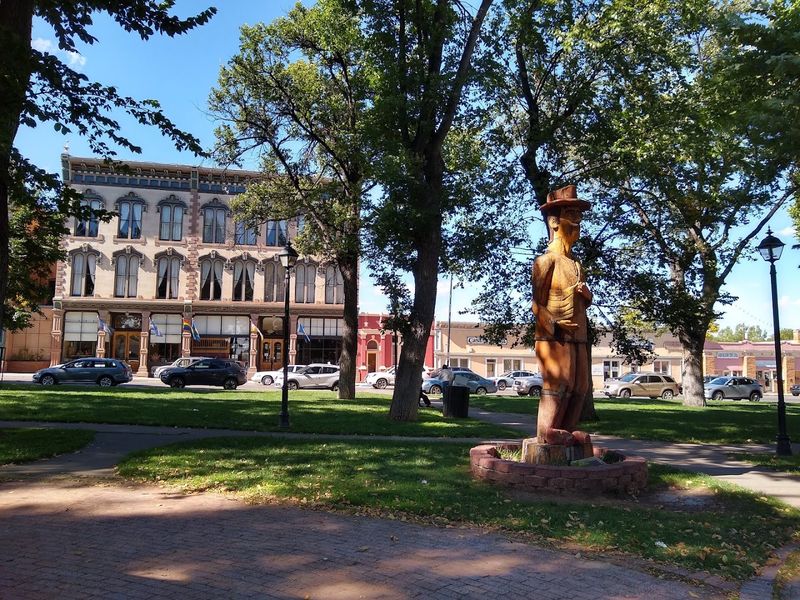
Not the Nevada one, this Las Vegas sits quietly in the foothills of the Sangre de Cristo Mountains and offers a charm that its flashier namesake could never replicate.
Las Vegas, New Mexico is one of the most underrated retirement destinations in the entire Southwest, with housing costs that regularly land well below state and national averages.
Modest homes here can be purchased for under $150,000, and rental options for retirees on a tight budget are plentiful throughout the historic neighborhoods.
The downtown plaza is surrounded by Victorian-era buildings that survived the decades in remarkable condition, giving the city a storybook quality that feels like a reward for every morning walk.
I spent an afternoon at Storrie Lake State Park, just minutes from downtown, where the water views and picnic areas made for a perfect low-cost outing.
The local community is tight-knit and welcoming, with a strong tradition of festivals, farmers markets, and neighborhood events that bring residents together regularly.
Healthcare access has improved in recent years, with clinics and regional services making routine medical care manageable for retirees without major travel.
Las Vegas, New Mexico rewards patience and curiosity, and those who look past the name always seem to find exactly what they were searching for in a retirement town.
5. Farmington
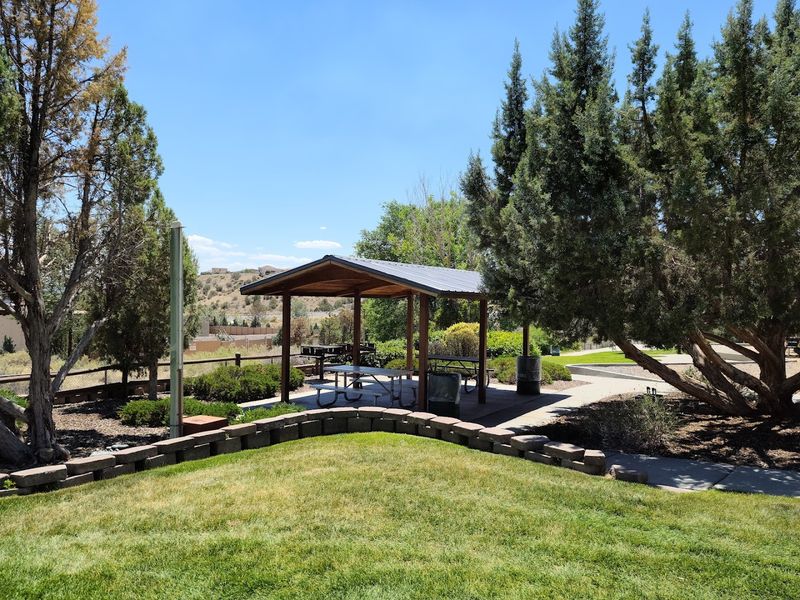
Farmington sits where three rivers meet in the northwestern corner of the state, and that geography alone gives it a character that most small cities can only dream about.
The cost of living here runs meaningfully below the national average, with one-bedroom apartments often available for $750 to $900 per month and home prices that remain accessible for retirees on fixed incomes.
I found the city surprisingly easy to navigate, with a compact downtown area, well-maintained parks, and a trail system along the Animas River that made my morning walks genuinely enjoyable.
Farmington is close to some of the most dramatic scenery in the American Southwest, including Chaco Culture National Historical Park and Mesa Verde just across the state line in Colorado.
The local Riverwalk is free to use and stretches along the river through shaded paths, making it a favorite spot for retirees who want gentle daily exercise without paying a gym membership.
Grocery costs here are reasonable, and the city has a solid selection of chain stores alongside local markets that keep shopping convenient and budget-friendly.
Medical facilities in Farmington serve a wide regional area, which means healthcare options are more robust than you might expect for a city of this size.
Farmington is the kind of place that grows on you steadily, and most retirees who settle here say they wish they had arrived sooner.
6. Roswell
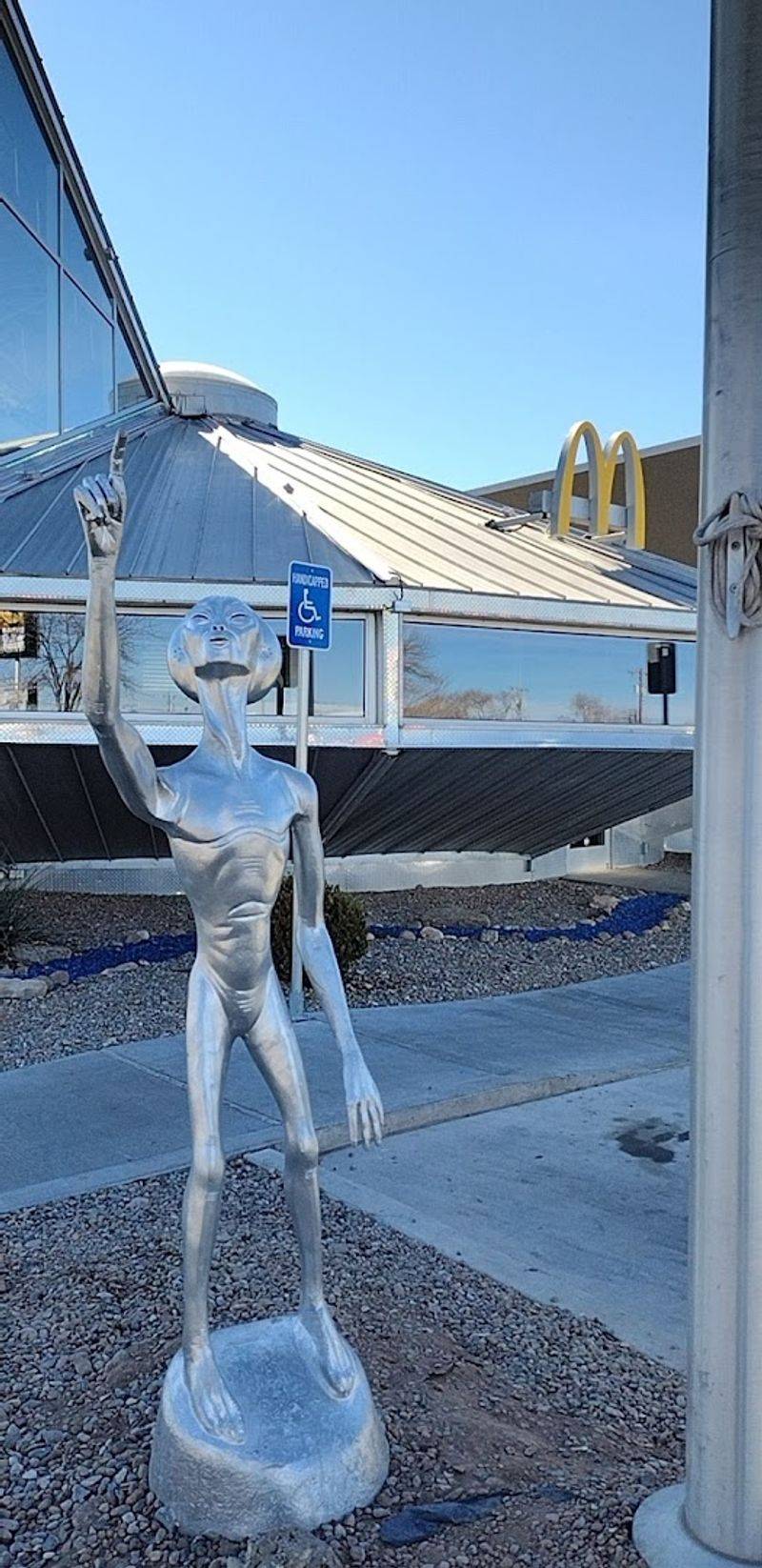
Yes, the aliens put Roswell on the map, but the real story for retirees is a cost of living index that sits nearly 29 percent below the national average.
Average home prices hover around $150,000, and one-bedroom apartments regularly rent for as low as $675 per month, which gives retirees on tight budgets genuine breathing room every single month.
The quirky UFO culture brings a steady stream of tourists, which keeps local restaurants, shops, and entertainment options lively and varied without pushing prices beyond what residents can afford.
I spent a morning at the International UFO Museum and Research Center, which is equal parts fascinating and delightfully campy, and costs only a small admission fee that I happily paid twice.
Beyond the extraterrestrial branding, Roswell has a genuine small-town warmth that shows up in the local diners, community events, and neighborhood parks where residents gather on weekend mornings.
Bottomless Lakes State Park is a short drive away and offers hiking, picnicking, swimming, and fishing in a setting that feels far removed from the larger city bustle.
Healthcare services in Roswell are well-established, with a regional medical center and multiple specialty clinics serving the surrounding area reliably.
Roswell makes retirement affordable without making it boring, and that combination is harder to find than most people realize before they actually visit.
7. Hobbs
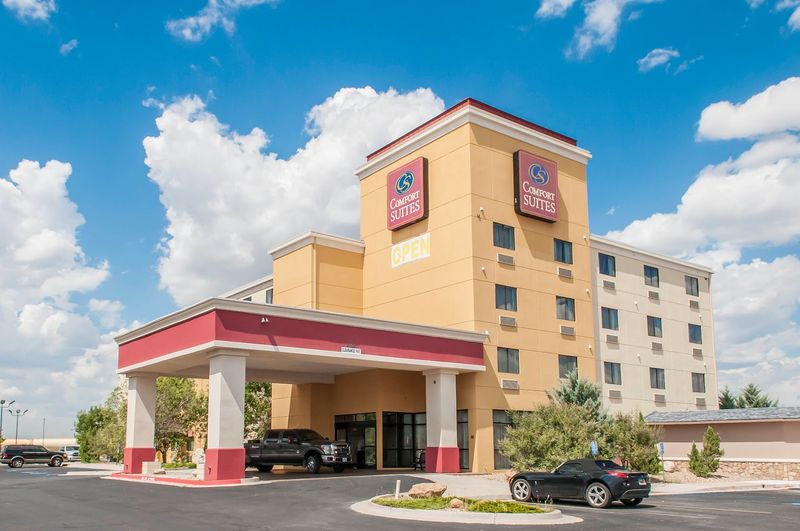
Flat, sunny, and refreshingly no-nonsense, Hobbs sits in the southeastern corner of the state and delivers some of the most affordable retirement living you will find anywhere in the region.
Housing costs here are well below state averages, with modest homes available at prices that allow retirees to own rather than rent, which is a significant financial advantage on a fixed income.
One-bedroom rentals in Hobbs regularly come in under $800 per month, leaving meaningful room in a $1,200 monthly budget for groceries, healthcare, and a few personal treats.
The city has invested heavily in parks and recreational facilities over the years, and the Harry McAdams Park system offers walking trails, sports courts, and open green space that residents use year-round.
I found the local food scene to be straightforward and satisfying, with family-owned restaurants serving hearty meals at prices that still feel like a throwback to simpler times.
Hobbs is close to the Permian Basin region, which gives it a stable local economy and a practical, working-community atmosphere that retirees often find grounding and comfortable.
The community center offers programs specifically aimed at older residents, from fitness classes to social clubs, which makes building a social network here easier than expected.
Hobbs may not top many travel wish lists, but for retirees focused on financial peace of mind, it quietly delivers everything that matters.
8. Clovis
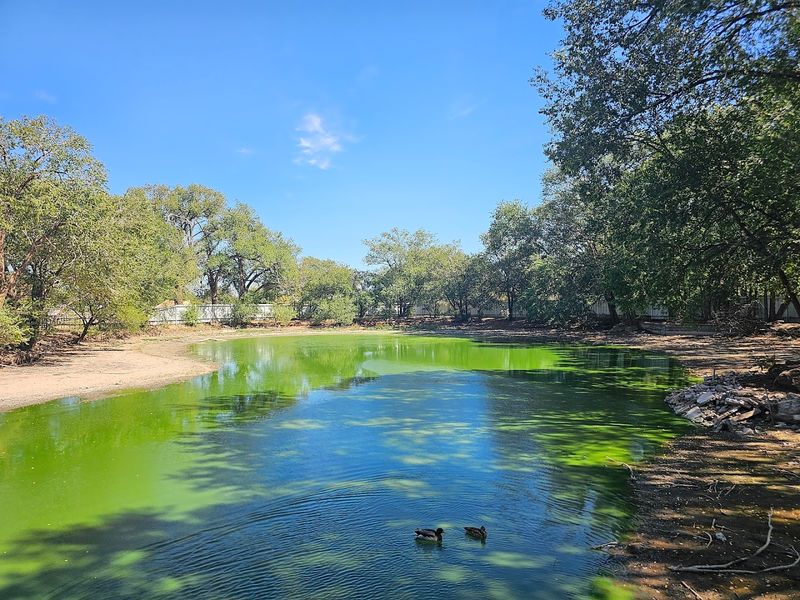
Clovis carries a deep musical history, having hosted recording sessions that shaped early rock and roll, and that creative spirit still hums quietly through the city today.
The overall cost of living in Clovis sits roughly 20 percent below the national average, and housing options are among the most accessible on this entire list for retirees working within a strict monthly budget.
Many homes in Clovis can be purchased for under $100,000, and typical one-bedroom rents often stay well under $1,000 per month, which is a rare combination in today’s housing market.
I walked through the Norman Petty Studios historic site on a quiet afternoon and left with a genuine appreciation for how much musical history is packed into this unassuming eastern plains city.
Clovis sits close to the Texas border, which gives residents easy access to Lubbock’s larger shopping centers and medical facilities when needed, adding practical value to an already affordable lifestyle.
The local parks and recreation department runs a solid calendar of community events, outdoor movie nights, and senior programs that keep residents socially connected throughout the year.
Cannon Air Force Base nearby contributes to a stable local economy, which helps keep business activity and service availability consistent for residents of all ages.
Clovis rewards retirees who value simplicity, low costs, and a community that still knows its neighbors by name.
9. Alamogordo
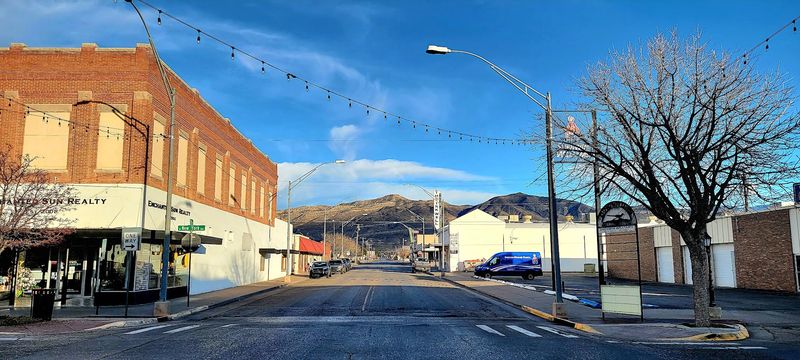
White sand dunes stretching to the horizon on one side and the Sacramento Mountains rising sharply on the other, Alamogordo offers a backdrop that most retirees would pay a premium for but somehow doesn’t cost them one.
Housing prices in Alamogordo are comfortably below state averages, with one-bedroom rentals frequently available between $700 and $850 per month and home purchase prices that remain realistic for retirees on modest savings.
White Sands National Park is the crown jewel of the area, and entry fees are low enough that visiting multiple times per month fits easily into any retirement budget.
I spent a full morning sliding down the gypsum dunes on a rented sled and felt completely ridiculous and completely happy at the same time, which is honestly the best combination.
The city has a relaxed, unhurried pace that many retirees find deeply appealing after years of fast-paced working life, and the local community is warm and easy to connect with.
Holloman Air Force Base gives the local economy a stable foundation, which keeps local businesses active and services reliable for permanent residents throughout the year.
The New Mexico Museum of Space History sits right in Alamogordo and offers affordable admission to exhibits covering everything from early rocket programs to modern space exploration.
Alamogordo is the rare place where natural wonder and financial practicality actually line up perfectly for retirees ready to slow down and look around.
10. Rio Rancho
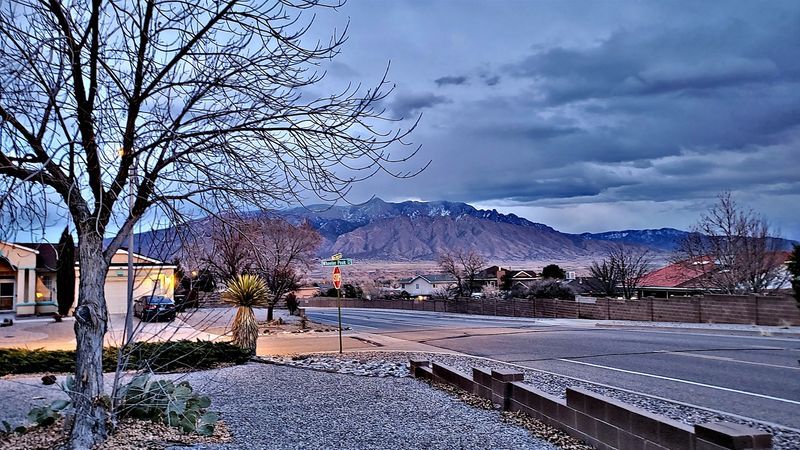
Rio Rancho grew from a planned community into a full-fledged city with surprising speed, and the smart infrastructure that came with that growth makes it one of the most livable retirement spots in the state.
Sitting just northwest of Albuquerque, Rio Rancho gives retirees access to big-city amenities, including major hospitals, large grocery chains, and entertainment venues, while keeping their own neighborhood costs noticeably lower.
One-bedroom apartments here typically rent between $850 and $1,050 per month, and the housing stock includes a wide variety of single-story homes that suit retirees looking for easy, low-maintenance living.
The city’s trail network connects parks, open spaces, and neighborhoods in a way that makes daily walking or cycling feel natural and rewarding rather than like a chore.
I found the Rio Rancho Aquatic Center and Cabezon Recreation Center Pool to be useful city facilities, offering fitness classes, lap swimming, and seasonal swimming access.
Views of the Sandia Mountains from many neighborhoods are a daily reminder that you are living somewhere special, and those views cost nothing extra on the monthly bill.
The city has a younger average resident profile than many retirement destinations, which keeps the energy fresh and the local services competitive and well-maintained.
Rio Rancho is proof that a well-planned city and a well-planned retirement budget can absolutely grow together in the right direction.