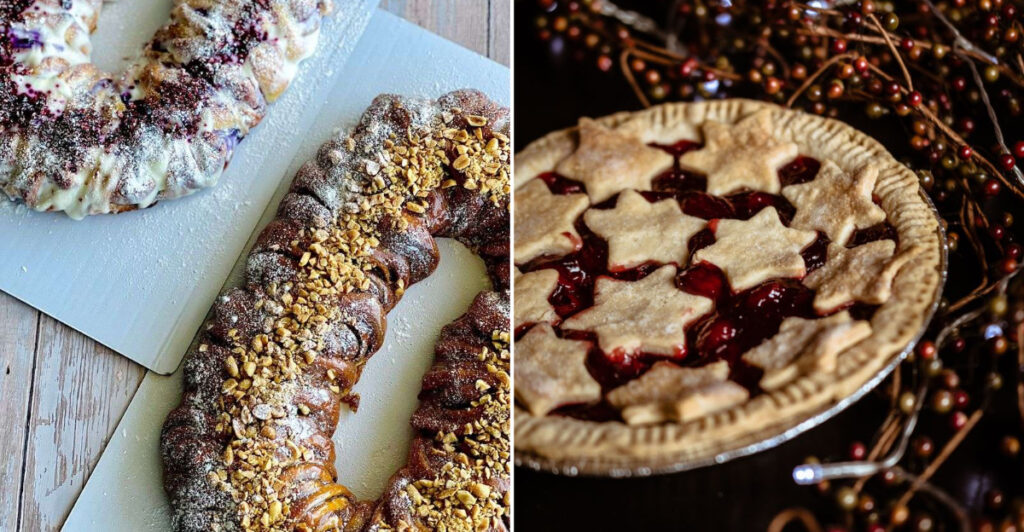
Wisconsin is the state of supper clubs and hearty meals. But the most talked-about bites are not the ones splashed across restaurant signs, but the recipes kept in the community. You know what I mean?
The recipes that show up at local picnics, family reunions, county fairs, neighborhood bakeries, where traditions matter just as much as the ingredients.
These dishes have survived changing tastes, food trends, and generations of competition because locals never stopped making them. Why would they?
You can’t really improve a classic.
That being said, some of these inspire fierce debate over preparation or spices. Heritage recipes tend to do that.
If you find yourself in a debate like that, remember what it’s all about. Community, tradition, and really good food that connects both.
1. Chicken Booyah
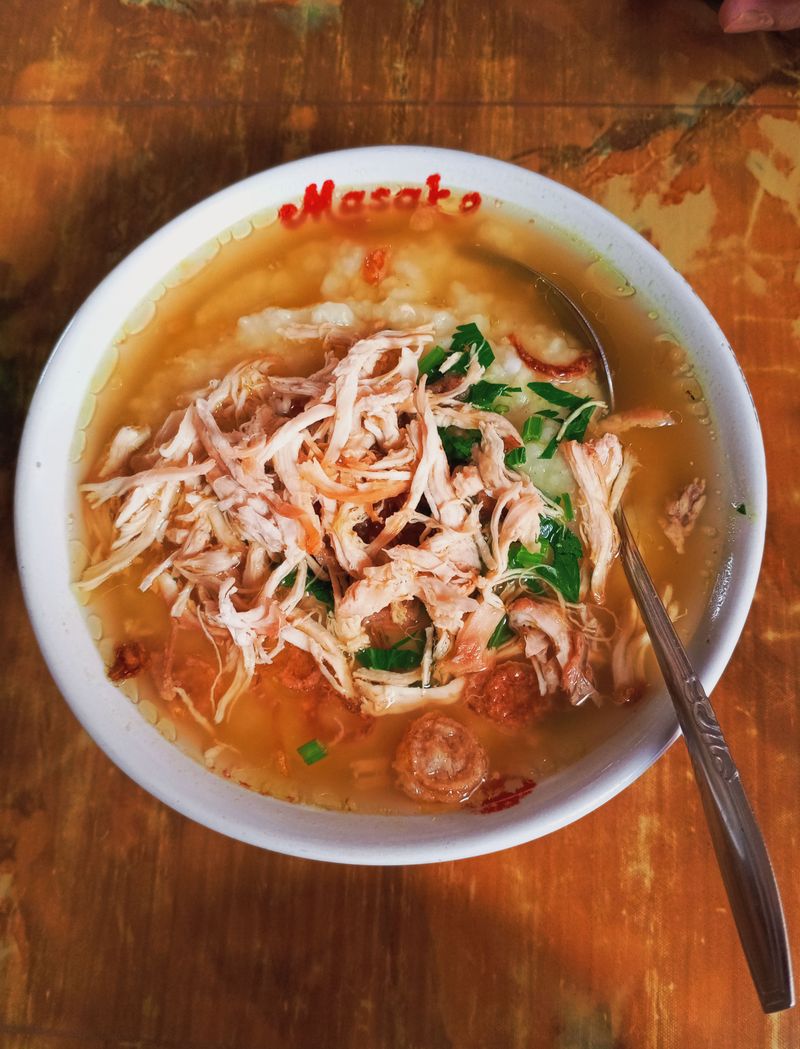
Chicken Booyah is the kind of dish that feeds an entire neighborhood and still leaves people asking for more. Born in the Belgian communities of northeastern Wisconsin, this thick, slow-cooked stew has roots going back well over a century.
Locals cook it in massive iron kettles outdoors, stirring for hours until the chicken falls off the bone and the vegetables melt into the broth. The smell alone draws crowds from blocks away.
Green Bay and its surrounding towns treat Booyah as a community event, not just a meal. Community fundraisers, family reunions, and fall festivals all revolve around a steaming pot of it.
Every family swears their version is the original. Cabbage, carrots, potatoes, celery, and chicken all go in, but the exact seasoning blend stays fiercely protected.
Tasting it straight from the kettle on a cold Wisconsin day is an experience that sticks with you long after the bowl is empty.
2. Door County Fish Boil
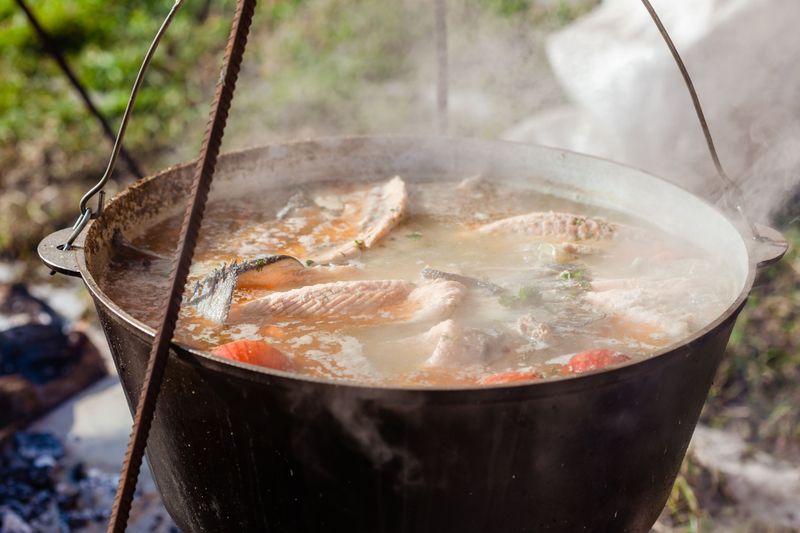
Picture a massive cauldron of boiling water, flames roaring underneath, and a crowd stepping back as the pot erupts in a dramatic overflow.
That is the Door County Fish Boil, and it is one of the most theatrical meals you will ever witness.
Scandinavian and Scandinavian-influenced fishing communities brought this tradition to Door County generations ago. Fresh Lake Michigan whitefish, red potatoes, and onions cook together in salted water over an open fire.
The boilover moment, when the cook throws fuel on the fire to make the pot overflow, is not just for show. It actually pushes the fish oils to the surface and out of the pot, leaving the fish clean and flaky.
Restaurants and supper clubs throughout the peninsula host fish boils regularly, and each one claims its method is the most authentic.
Eating outdoors beside the water as the sun drops behind the bay makes this meal feel like something specific for Wisconsin and its many communities.
3. Sheboygan Hot Tub Bratwurst
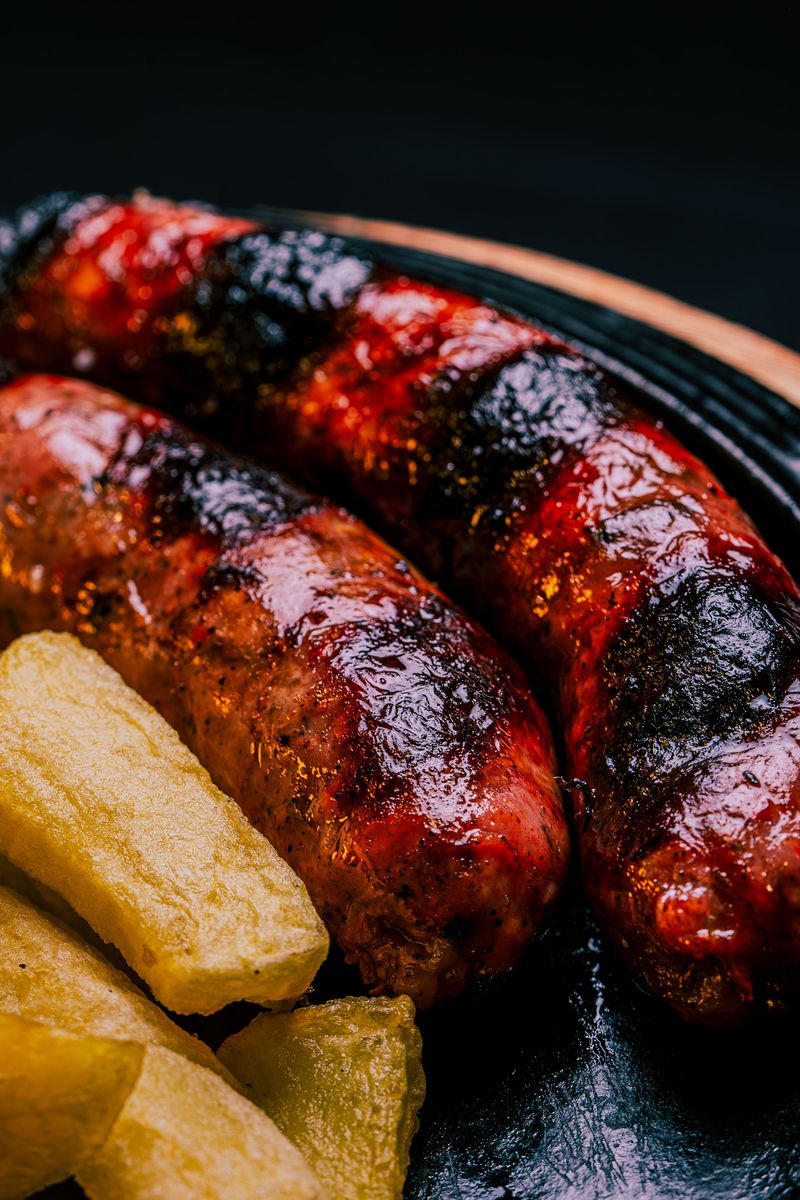
Sheboygan takes bratwurst so seriously that the city earned the nickname “Bratwurst Capital of the World.” The Hot Tub method is the secret weapon locals use to keep every brat juicy, flavorful, and impossible to put down.
After grilling the brats over charcoal until they get a good snap and some char, cooks transfer them into a pan of simmering butter and onions. That pan, called the hot tub, keeps the brats warm and soaks them in even more richness.
Locals serve them on a double hard roll, called a semmel, with brown mustard and raw onions. Ketchup is considered a no-no here, and visitors learn that rule fast.
Tailgate parties, summer cookouts, and Fourth of July celebrations in Sheboygan all center around the grill and the hot tub. Butcher shops throughout the city sell fresh brats made daily with proprietary spice blends that families have trusted for decades.
Biting into one straight from the hot tub, juices running down your hand, is pure Sheboygan.
4. Cheese Curds
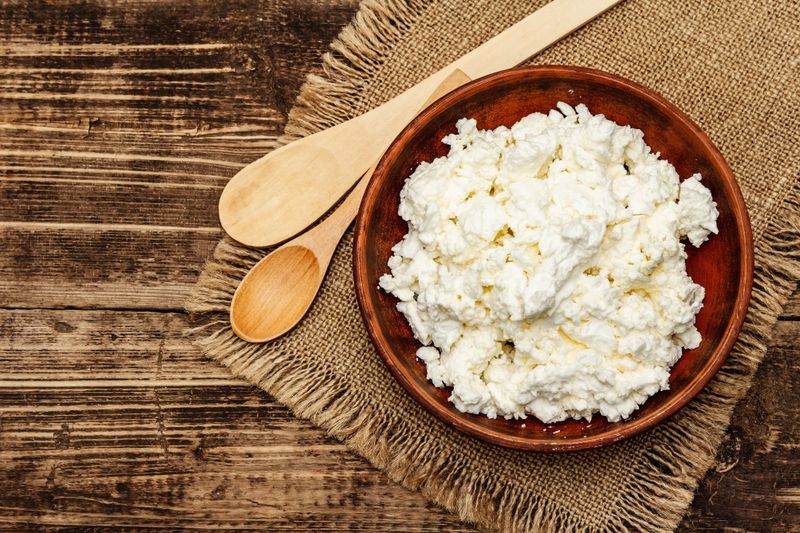
Fresh cheese curds squeak against your teeth when they are at peak freshness, and Wisconsinites treat that squeak as a quality guarantee. Miss the squeak and you have waited too long.
Wisconsin produces more cheese than any other state, and the curd is the purest form of that tradition. Straight from the vat at a local dairy, they are salty, springy, and addictive in a way that is genuinely hard to explain.
Small-town cheese factories across the state sell curds fresh daily, and lines form early. Fried curds, coated in a light batter and dropped in hot oil, show up at county fairs, supper clubs, and roadside stands statewide.
The debate between fresh and fried curds runs deep in Wisconsin culture. Both sides are passionate, and both sides are right.
Towns like Ellsworth, known as the Cheese Curd Capital of Wisconsin, host festivals dedicated entirely to the beloved curd. Trying them straight from the bag in a dairy parking lot is a rite of passage that every visitor to the state owes themselves.
5. Friday Fish Fry
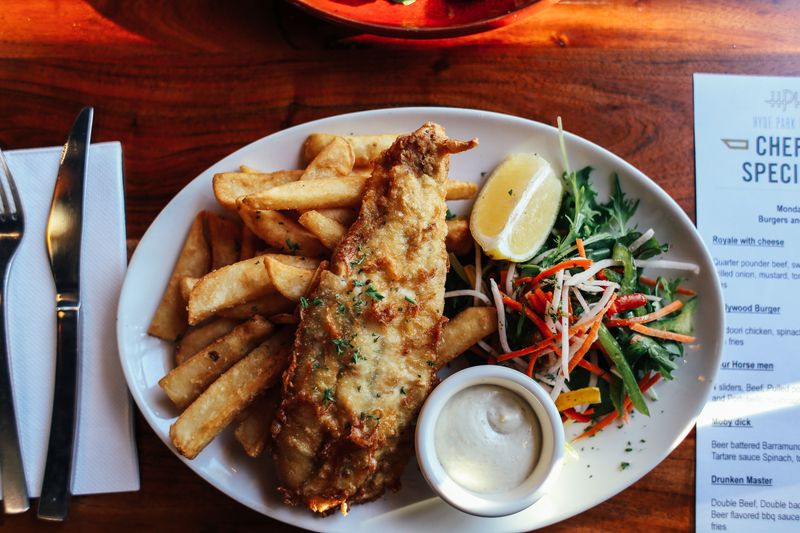
Friday nights in Wisconsin have one unwritten rule. You go to the fish fry.
It is not just a meal. It is a weekly ritual woven into the state’s heritage and community culture.
Supper clubs, VFW halls, community basements, and local taverns all serve fish fry from the moment the workweek ends. Cod, perch, walleye, and bluegill all make appearances, battered and fried to a deep golden crisp.
The full plate usually comes with coleslaw, rye bread, tartar sauce, and potato pancakes or french fries. The portions are generous, the atmosphere is loud and familiar, and the tables fill up fast.
Generations of Wisconsin families have claimed their regular Friday spot and defended it with the loyalty of a hometown sports team.
Newcomers quickly discover that every community believes their local fish fry is the best one in the state.
Getting a seat at a packed supper club on a Friday evening, surrounded by the hum of conversation and the smell of hot oil, captures something deeply Wisconsin that no travel guide can fully prepare you for.
6. Racine Kringle
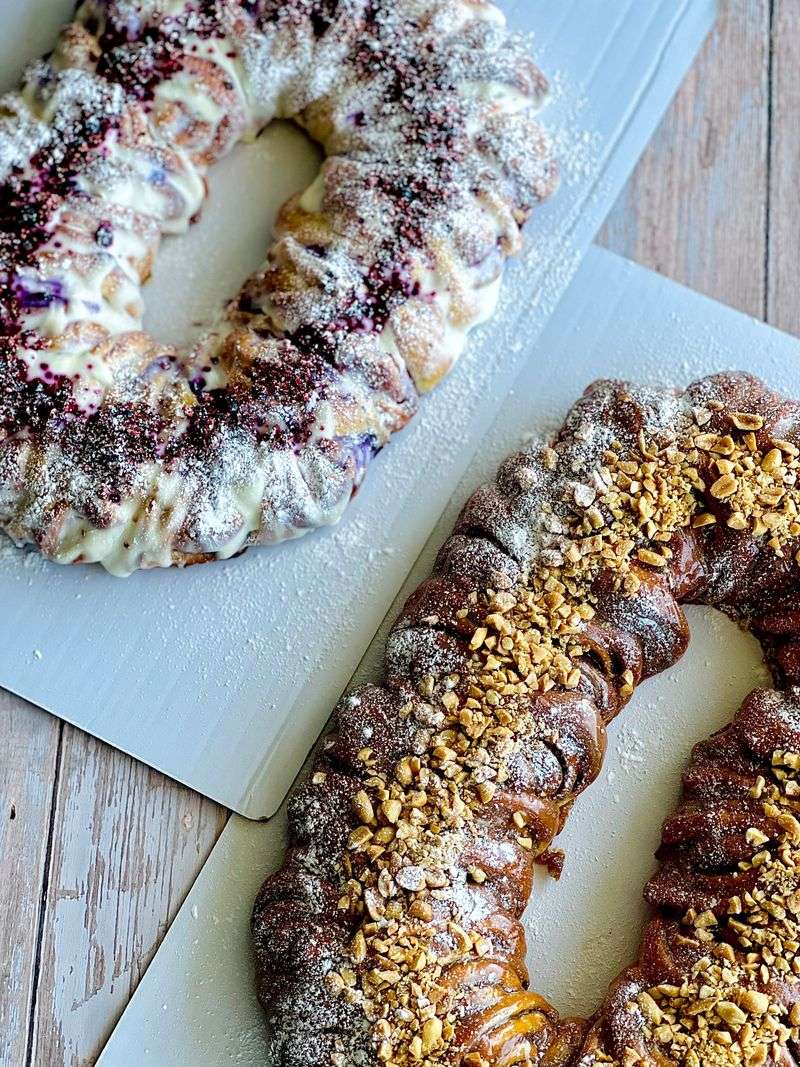
Racine’s kringle is the official state pastry of Wisconsin, and the city wears that title with enormous pride. Danish immigrants brought the recipe to Racine in the 1800s, and their descendants have been perfecting it ever since.
The pastry is oval-shaped, paper-thin layers of buttery dough wrapped around sweet fillings like almond, pecan, raspberry, or cream cheese. It takes days to make properly, with the dough folded and chilled repeatedly to build those signature flaky layers.
Bakeries in Racine that have operated for generations guard their recipes carefully and ship kringles across the country to homesick Wisconsin natives. Locals pick up boxes for holidays, office gatherings, and weekend breakfasts without needing a special occasion as an excuse.
Biting into a fresh kringle, with its glazed top crackling slightly and the filling warm and fragrant, is a completely different experience from anything mass-produced.
Racine’s bakery district draws visitors specifically for this pastry, and people often leave with stacks of boxes. The kringle is proof that one immigrant community’s baking tradition can shape the identity of an entire city.
7. Butter Burgers
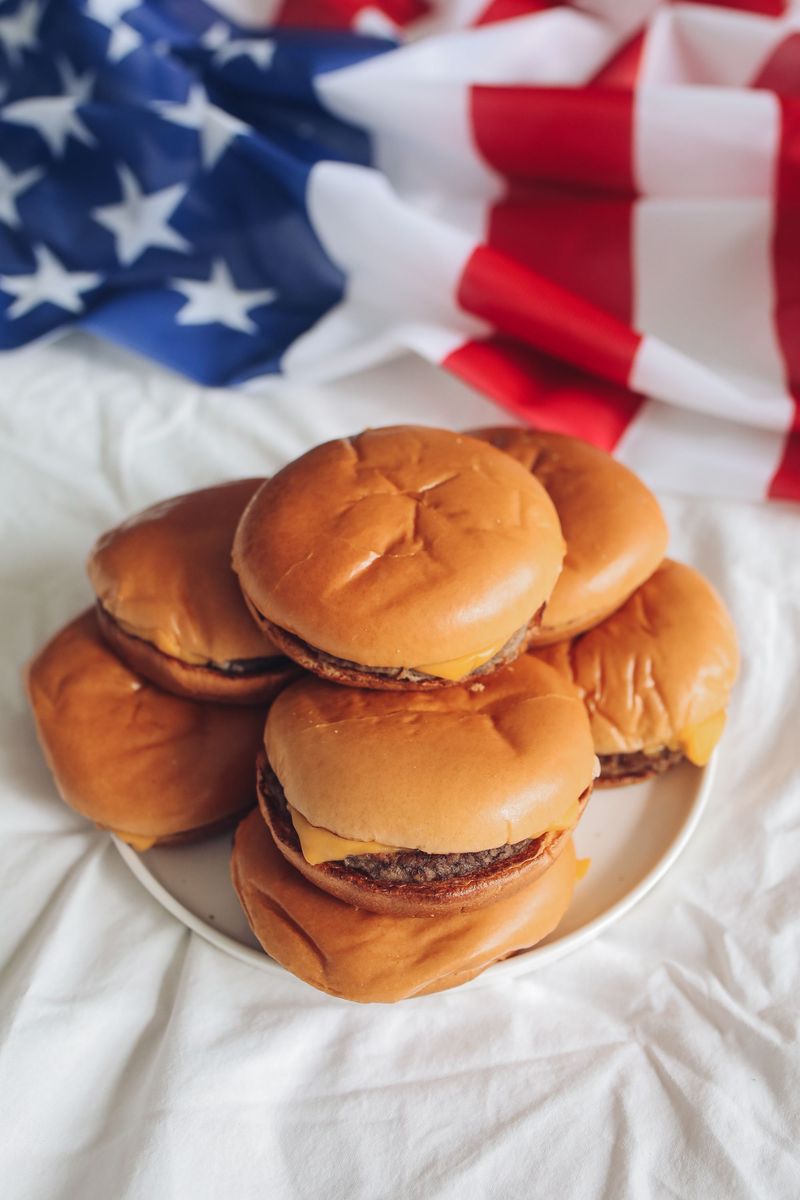
Butter burgers sound indulgent because they absolutely are. Wisconsin takes its dairy seriously, and smearing a generous pat of butter on the crown of a fresh bun is not a gimmick here.
It is tradition.
The concept is simple and brilliant. A thin beef patty gets cooked on a flat-top griddle, and just before serving, soft Wisconsin butter melts onto the top bun, soaking into the bread and dripping down over the meat.
Solly’s Grille in Milwaukee is often credited with popularizing the style, but butter burgers show up at roadside stands and small diners across the state. Each spot has its own loyal following and its own slight variation on the formula.
The result is a burger that tastes richer, softer, and more satisfying than anything you have eaten before. The butter does not overpower the beef.
It amplifies it.
Locals order them with simple toppings, because the butter is the star and heavy condiments just get in the way. Eating one at a worn counter with a paper napkin tucked into your collar is the full Wisconsin experience.
8. Cornish Pasties
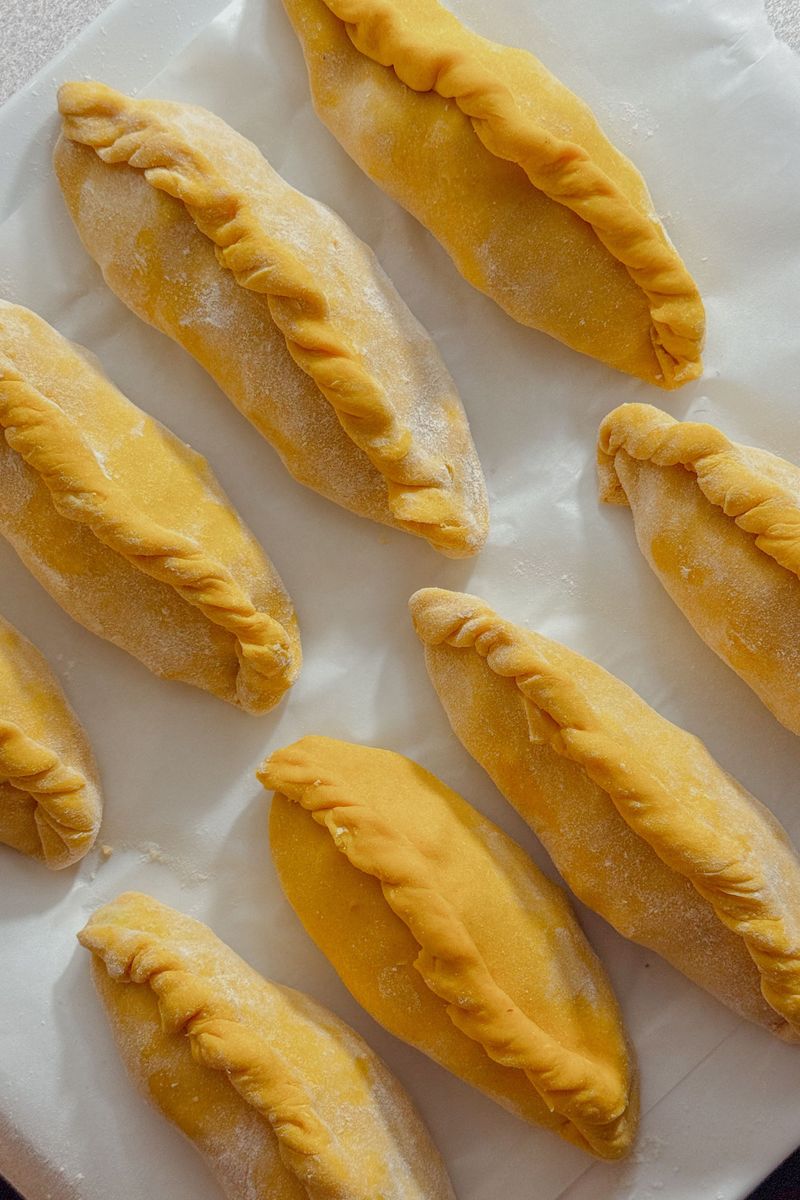
Cornish pasties arrived in Wisconsin’s north woods with Cornish miners who came to work the copper and iron mines in the 1800s. Their handheld meal, a thick pastry shell stuffed with meat and root vegetables, became a staple of mining communities in the Badger State.
The traditional filling combines beef, potato, rutabaga, and onion, all seasoned simply and sealed inside a sturdy crimped crust. Miners ate them straight from their pockets during shifts underground, using the thick crust as a handle and discarding it after.
Towns in northern Wisconsin and the Iron Range still celebrate the pasty as a cultural treasure. Local bakeries and diners make them fresh, and longtime residents debate the correct crimping style with surprising intensity.
Rutabaga is the ingredient that separates a true pasty from an imitation, and any local will tell you that skipping it is unforgivable.
Eating a warm pasty in a small northern Wisconsin diner, surrounded by mining history and pine forests, connects you directly to the immigrant labor that shaped this region. It is humble food with a powerful story behind every bite.
9. Door County Cherry Pie
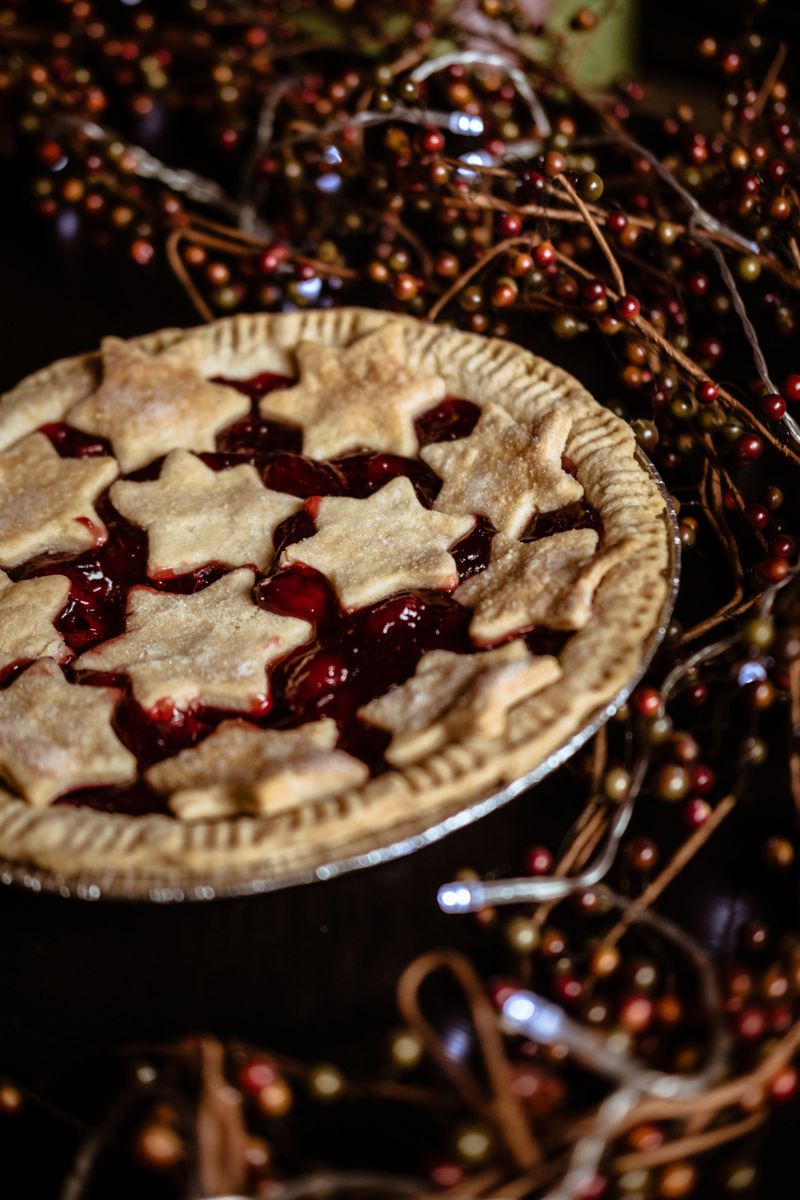
Door County grows some really amazing tart cherries, and the cherry pie made from them is nothing short of legendary.
The peninsula’s unique microclimate, shaped by Lake Michigan on both sides, creates ideal conditions for cherry orchards that have thrived for over a century.
Montmorency cherries, bright red and intensely tart, fill the pies that bakeries and farm stands sell from late summer through fall. The filling is thick, jammy, and balanced with just enough sugar to let the natural tartness shine.
Orchard stands along the rural highways sell pies baked fresh daily, and the lines during cherry season stretch out the door and into the parking lot. People drive hours specifically to buy a pie and eat slices on a picnic table with a view of the bay.
The lattice crust, crimped by hand and brushed golden, holds a filling that bursts with flavor unlike anything from a frozen grocery pie.
Door County cherry pie is tied completely to place and season. Eating it there, in the orchard country, with cherry juice staining your fingers, makes the experience irreplaceable and deeply personal.
10. Wisconsin Frozen Custard
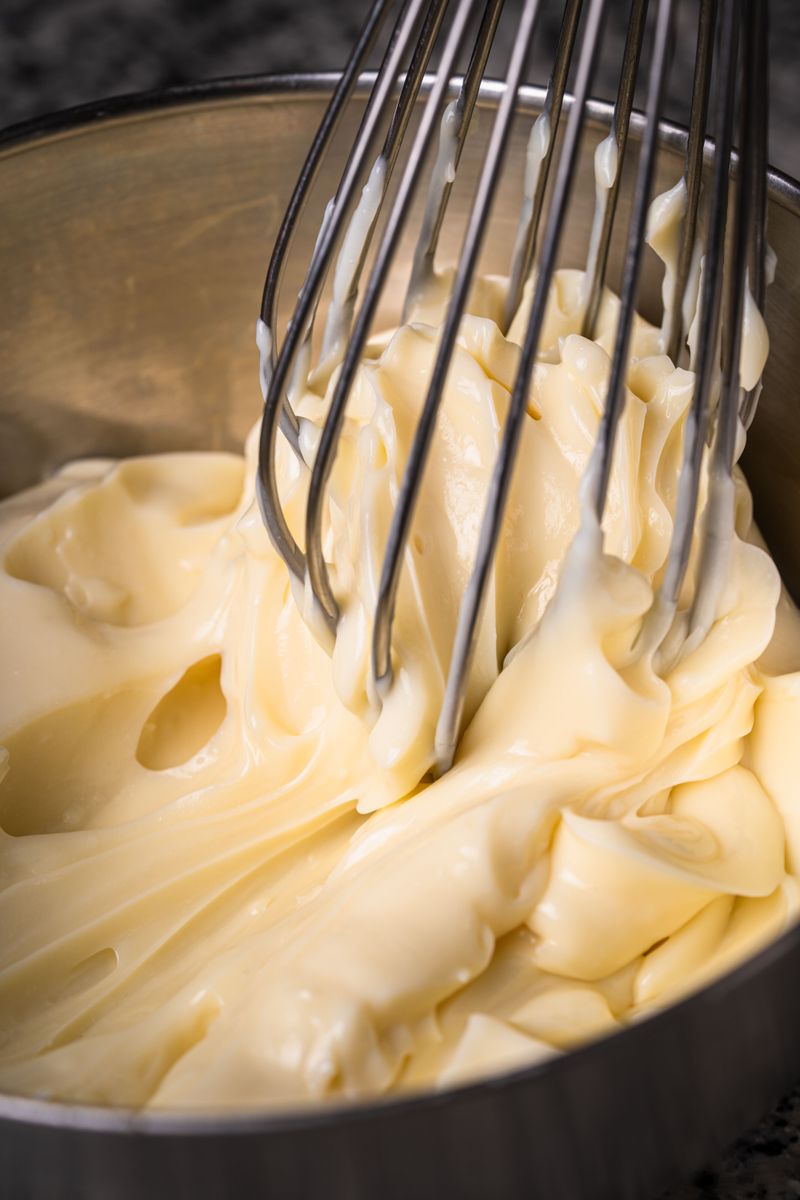
Frozen custard is denser, creamier, and richer than ice cream, and Wisconsin has elevated it to an art form that is really hard to match.
The difference is in the egg yolks and the slower churning process that keeps air out and flavor in.
Milwaukee is considered the custard capital of the country, with stands that have operated for decades drawing lines on hot summer evenings. But small towns across Wisconsin have their own beloved custard spots with loyal regulars who show up weekly.
The custard gets made fresh throughout the day in small batches, meaning what you eat was likely produced within the last hour. Flavors rotate constantly, and regulars check the daily schedule the way others check the weather forecast.
Vanilla and chocolate are the anchors, but concrete mixers, which blend custard with mix-ins like fresh fruit or cookies, take the experience to another level entirely.
Standing at an outdoor window on a warm Wisconsin evening, cone in hand, watching the sun set over a cornfield, feels like the state summing itself up in one perfect moment.
Frozen custard is Wisconsin’s sweetest local secret.