You ever walk into a place thinking, okay, quick museum stop, and then suddenly you are still there hours later? That was me here.
It does not feel like a building where culture is pinned to walls. It feels like people are speaking directly to you through murals, dance, foodways, pottery, and recorded voices.
New Mexico is full of places that photograph beautifully, but this one asks for more than a photo. It asks you to listen.
One minute you are reading about the 19 Pueblo Nations. The next, you are hearing a language spoken aloud or watching a courtyard fill with drumbeats.
I expected history. I got something more personal.
The kind of visit that makes you slow your steps and pay attention to who is telling the story. That part stayed with me long after I left the building, and it still does.
Where Pueblo Stories Come Alive
My first step inside felt less like entering a building and more like stepping into a conversation that had been going on for centuries.
The permanent exhibit, titled “We Are of This Place: The Pueblo Story,” sets the tone immediately with stories told entirely through the voices of Pueblo people themselves.
That choice matters enormously, and you feel it in every panel, every recorded voice, every carefully placed artifact.
Small video niches are tucked throughout the space, where you can hear different Pueblo dialects spoken aloud, which is something I had never encountered in a museum setting before.
The layout moves you gently through time, from ancient origins through centuries of resilience, without ever feeling like a lecture.
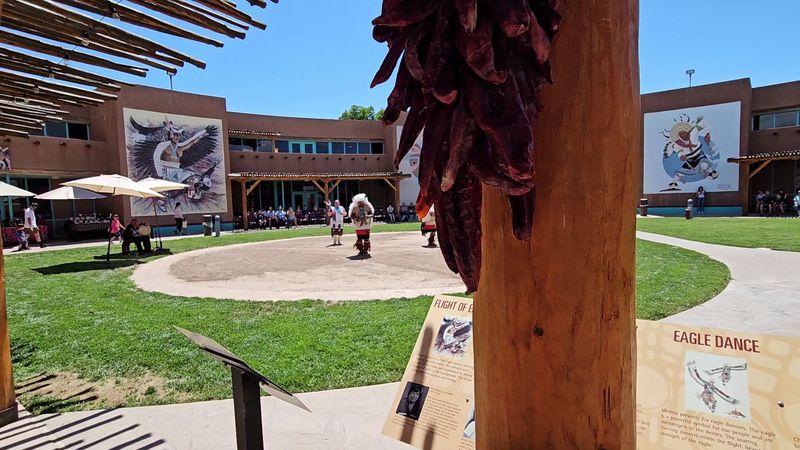
More than 20 large-scale murals painted by Pueblo artists line the walls, each one honoring a specific aspect of Pueblo life with vivid color and careful detail.
I kept stopping mid-step just to take them in properly.
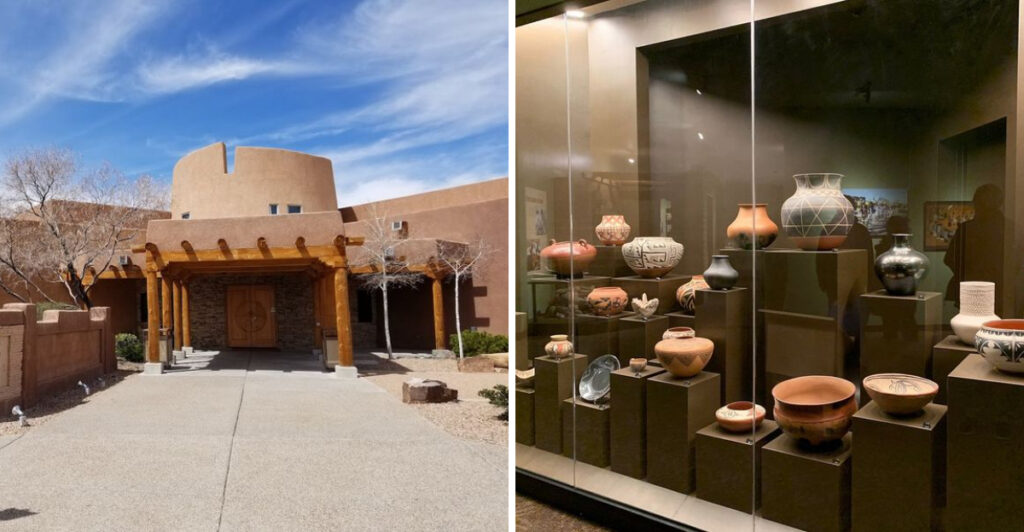
You can find all of this waiting for you at the Indian Pueblo Cultural Center at 2401 12th St NW, Albuquerque, NM 87104.
Warm Adobe Walls In Desert Light
Adobe has a way of holding light differently than any other building material, and this place proves that on a sunny New Mexico afternoon.
The architecture of the center draws directly from Pueblo building traditions, with its layered, earthy forms echoing the villages that inspired it.
Standing in the outdoor courtyard, I noticed how the walls seemed to glow a soft amber as the sun shifted, making the whole space feel warm in a way that went beyond temperature.
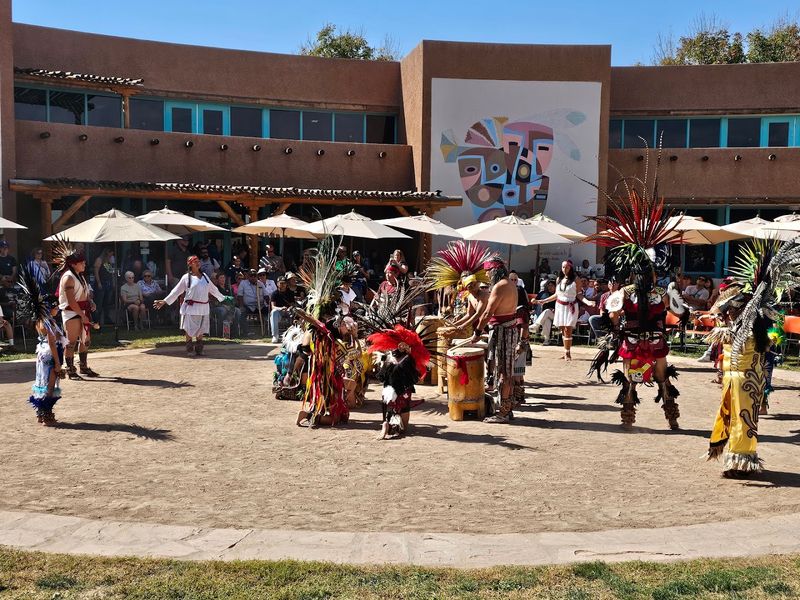
The courtyard itself is where the cultural heartbeat of the center really pulses, especially on weekends when traditional Native American dances are performed right there in the open air.
Those performances happen every weekend, year-round, which means a visit in January gives you just as much of a chance to witness them as one in July.
The sound of drums bouncing off those adobe walls creates an atmosphere that no indoor exhibit could fully replicate.
Even without a performance scheduled, the courtyard invites you to slow down and simply notice the craftsmanship built into every surface around you.
Inside A Living Cultural Legacy
Opened in August 1976, this institution was built with a clear and enduring purpose: to preserve Pueblo culture and advance understanding of it on Pueblo terms.
That founding mission is not just a sentence on a wall here; it shapes every decision about what gets displayed, how stories get told, and whose voice leads the narrative.
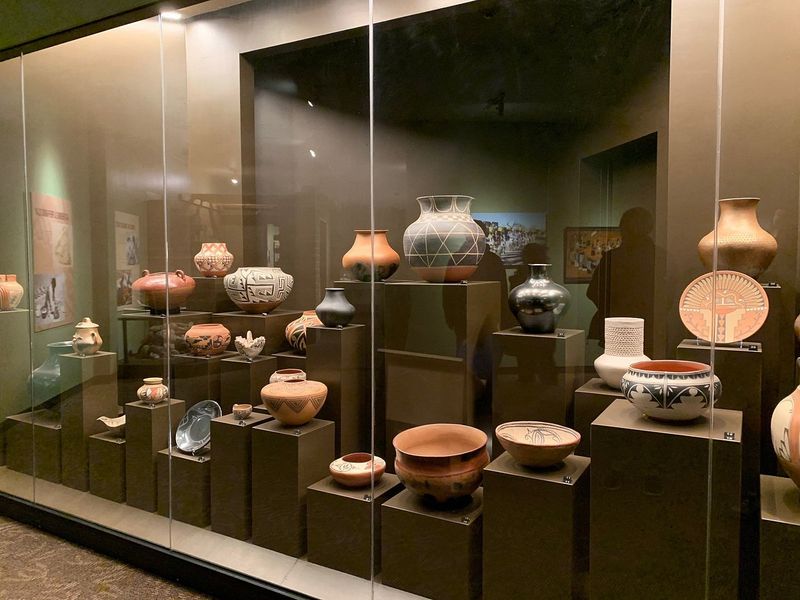
The pottery collection alone is worth the trip, with pieces from all 19 Pueblos showing the remarkable range of techniques, symbols, and traditions that each community brings to the craft.
What struck me most was how the collection balances historical artifacts with the work of living artists, making it clear that Pueblo culture is not frozen in the past.
Rotating exhibits keep the experience fresh on return visits, and during my time there a showcase of modern Pueblo architects incorporating traditional design into contemporary buildings caught me completely off guard with its creativity.
The library and archives housed within the center add another layer for anyone who wants to go deeper than the gallery floor allows.
Every corner of this place carries the weight of something carefully and lovingly built over nearly five decades.
A Place Shaped By Pueblo Heritage
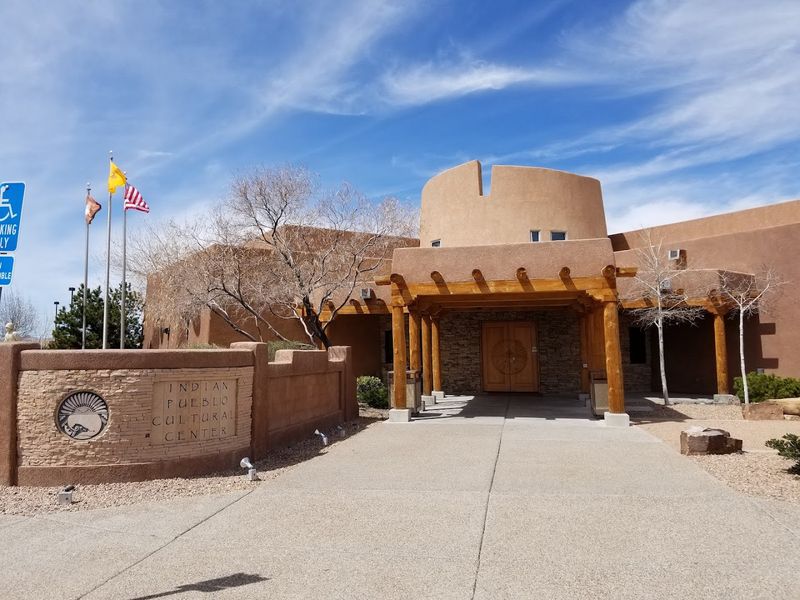
Sovereignty is a word that carries real meaning here, and you start to understand why the moment you learn who actually owns this place.
All 19 Indian Pueblos of New Mexico collectively own and operate the center, which makes it unlike virtually any other cultural institution I have visited anywhere in the country.
That collective ownership means the center answers directly to the communities whose stories it tells, and that accountability shows in the care and accuracy of every exhibit.
The architecture exhibit I came across during my visit explored how Pueblo builders have influenced design for generations, and how contemporary architects with Pueblo roots are carrying those principles into the present.
Seeing that connection drawn so clearly between past construction methods and modern buildings gave me a new way of looking at the landscape of the entire Southwest.
The center also serves as a practical gateway for visitors who want to travel further and visit the actual Pueblo villages scattered across New Mexico.
Staff are genuinely knowledgeable and happy to point you toward specific communities based on what interests you most, which transforms a single museum visit into a much larger journey.
Quiet Corners Filled With Meaning
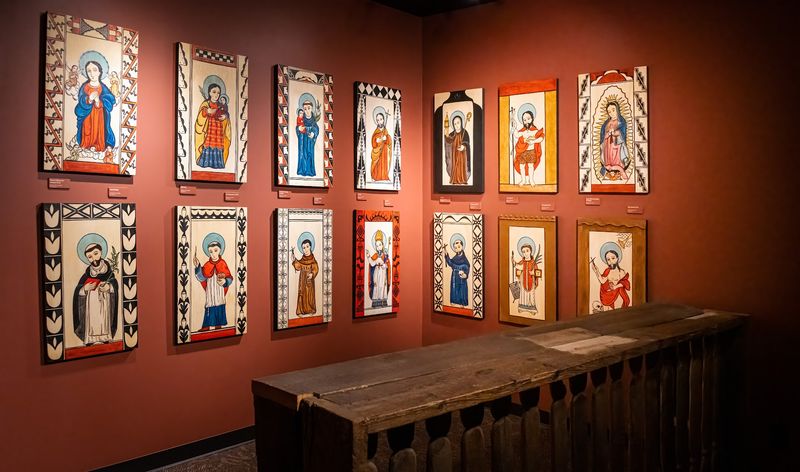
Not everything here announces itself loudly, and some of the most memorable moments I had came from the smaller, quieter spaces tucked between the larger exhibits.
Those small video niches I mentioned earlier deserve their own spotlight, because sitting down to hear a spoken Pueblo dialect for the first time is an unexpectedly moving experience.
Each recording is brief, but each one carries the full weight of a living language that has survived centuries of pressure to disappear.
The written explanations throughout the museum are carefully measured, giving you enough context to understand without overwhelming you with dense academic text.
One visitor I overheard told her companion that she had been to many history museums and never felt this personally connected to the material, and I understood exactly what she meant.
The pacing of the space is thoughtful, with natural pauses built in so you never feel rushed from one display to the next.
I spent nearly three hours inside and still felt like I had only scratched the surface of what the center holds, which is honestly the best kind of problem a museum can give you.
Textures Of Tradition And Memory
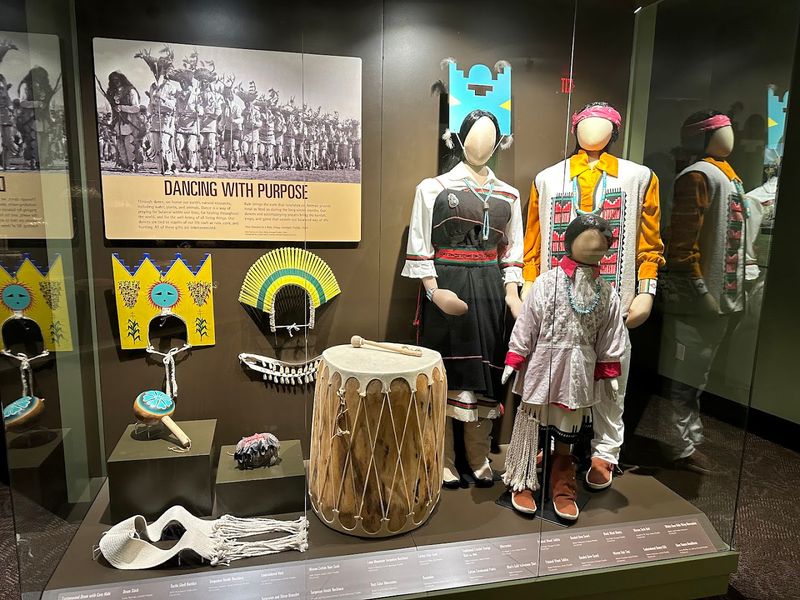
Pueblo art does not just decorate space; it communicates, and the collection here gives that communication room to breathe.
Pottery is the undisputed centerpiece, with pieces ranging from ancient forms to works made by artists who are alive and working today, all sharing the same deep connection to the land and its materials.
Jewelry vendors set up in the courtyard on event days, and I spent a good chunk of time at those tables listening to artists explain the symbolism woven into their designs.
That kind of direct conversation with makers is something you rarely get in a traditional museum setting, and it adds a dimension to the experience that no exhibit panel can fully replace.
Textiles on display inside the galleries show a similar depth of intention, with patterns that carry meaning tied to seasons, ceremonies, and community identity.
The Indian Pueblo Store is located inside the Indian Pueblo Cultural Center and offers original, handcrafted works of Native American art, jewelry, pottery, and more, so anything you take home is a direct extension of the culture you just spent hours learning about.
Every piece I looked at felt like a small piece of living memory, made by hands connected to a tradition far older than the building that houses it.
Walking Through Pueblo Culture
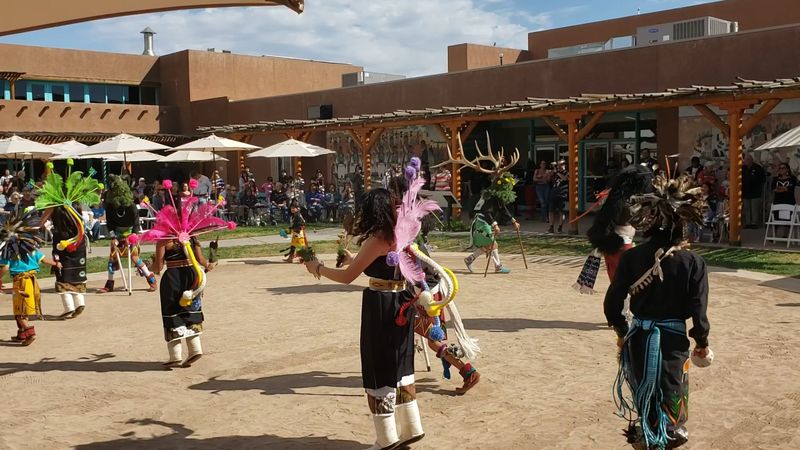
Weekend mornings at this center have a particular energy that you really have to experience in person to fully appreciate.
The traditional dances performed in the outdoor courtyard draw visitors into a circle of sound, color, and movement that feels both deeply ceremonial and welcoming to outsiders who approach with respect.
Guided museum tours run on Tuesdays and Thursdays at noon and two in the afternoon, and I would strongly recommend joining one because the context a knowledgeable guide adds to what you are seeing is substantial.
My guide on the day I visited connected details across different exhibits in ways I never would have linked on my own, and those connections made the whole experience feel cohesive rather than fragmented.
The Indian Pueblo Kitchen restaurant inside the center adds yet another layer to the cultural immersion, with a menu built around native-sourced, Pueblo-inspired ingredients that you will not find on any standard New Mexico restaurant menu.
I ordered something I had never heard of before and found it to be one of the most interesting meals I had during my entire time in the state.
The center is open daily from 9 AM to 5 PM, making it easy to build a full day around the experience.
A Deep Look Into Living History
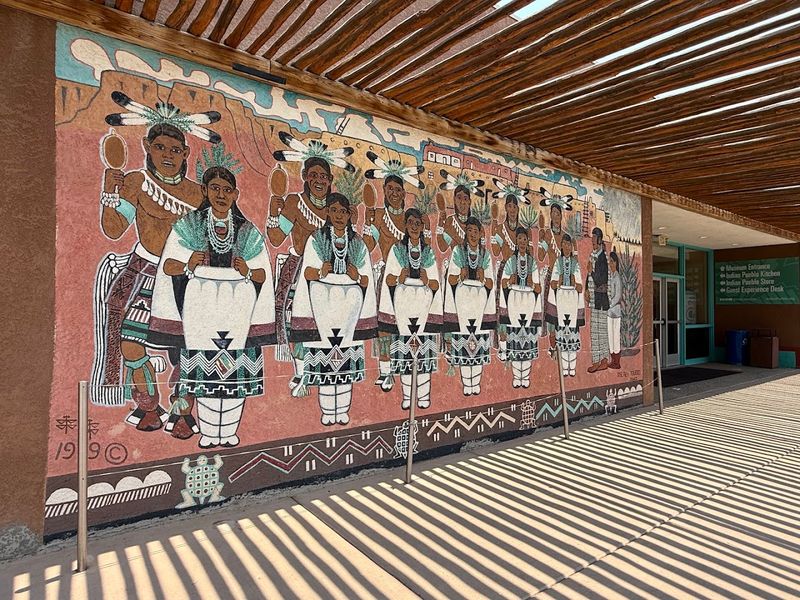
History feels different when the people whose story is being told are also the ones choosing how to tell it, and that difference is palpable here.
The center opened its doors in August 1976 and has spent nearly five decades refining its approach to sharing Pueblo history with the world, always keeping the dignity and perspective of the Pueblo people at the center of that work.
What I found most striking was how the exhibits handle the harder chapters of that history, including periods of forced assimilation and cultural suppression, with honesty and without sensationalism.
Those sections of the museum are sobering, but they are presented in a way that emphasizes resilience and continuity rather than defeat, which reflects the actual spirit of the communities behind this institution.
Tuesday visits come with a two-for-one admission deal, which makes it an especially practical choice for families or anyone traveling on a tighter budget.
Parking is available behind the building, and arriving before 10 AM on busy event days helps you avoid the lot filling up quickly.
Few places in New Mexico leave you with this much to think about long after you have driven away.