Somewhere between the Spanish moss and the gas station boudin, a day trip in Louisiana stops being ordinary.
The state packs a ridiculous range of experiences into a single tank of gas: thousand-year-old earthworks that predate the pyramids, an island where hot sauce has been made for over a century, a wildlife reserve where giraffes walk up to your car window.
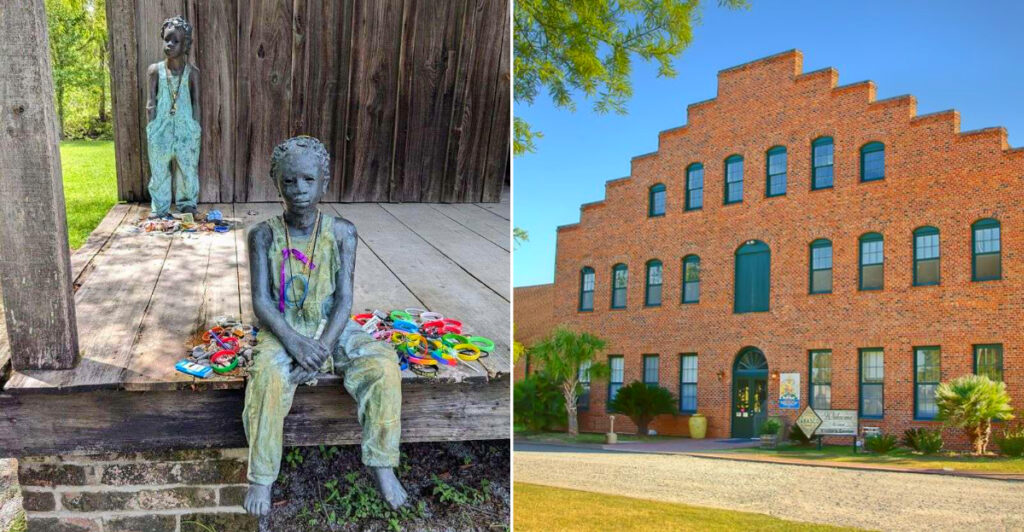
You can start the morning paddling through cypress swamps draped in moss, then stand inside a former sugar plantation home by afternoon, tracing the grain of wood that enslaved hands carved.
None of these trips require more than a few hours behind the wheel, plus each one returns you home with a story that sounds made up until you show the photos. Louisiana day trips have a way of turning a free Saturday into the kind of adventure that people in other states only read about.
12. TABASCO Factory Tour & Jungle Gardens
Driving past the city line does something to your expectations. The signage gets smaller, the parking lots get wider, plus the restaurants stop trying to impress you with ambiance and start competing on the plate instead.
Suburb dining in Louisiana operates on a different set of rules: the cook has probably been running the kitchen for decades, the menu changes when the season demands it, and the person at the next table drove forty minutes for the same dish you just ordered.
Some of these spots hide behind gas stations, others sit in converted houses with hand-painted signs, and a few have been packing every table since before anyone reading this was born.
None of them need a downtown zip code to serve a meal that keeps you thinking about it on the drive home. Every meal on this list earned its reputation one plate at a time in Louisiana.
11. Natchitoches National Historic Landmark District
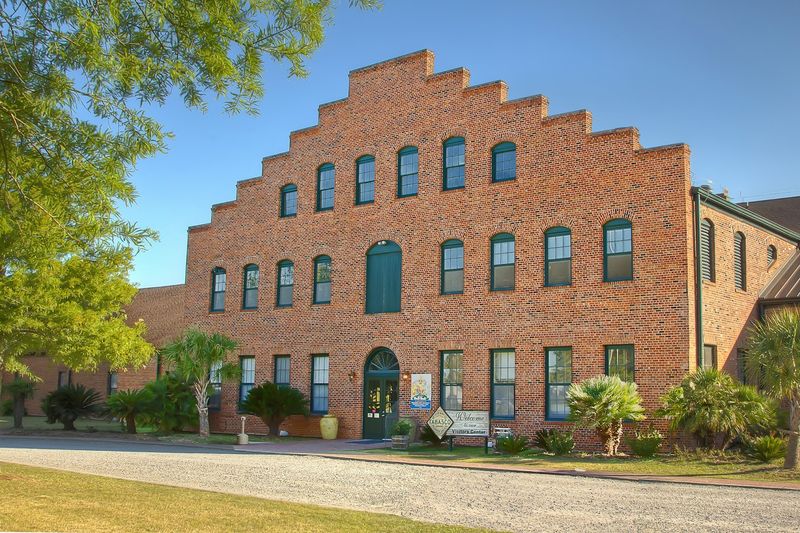
On Avery Island at 32 Wisteria Road, the story behind a familiar red bottle unfolds through a self-guided tour of the TABASCO factory, museum, barrel warehouse, and production grounds.
Exhibits explain how peppers are grown, mashed with salt, aged in repurposed oak barrels, blended with vinegar, and eventually bottled. The process combines industrial scale with traditions that have remained recognizable across generations.
Avery Island also holds Jungle Gardens, a 170-acre landscape of live oaks, bamboo, camellias, azaleas, ponds, wildlife habitat, and winding roads. Bird City becomes particularly active during nesting season, when snowy egrets return to the rookery established to help protect them.
The combined experience is open daily from 9 a.m. to 4 p.m., with reservations recommended. Allow at least two or three hours if you plan to explore both attractions without rushing.
Restaurant 1868 serves Cajun dishes seasoned with the company’s sauces, but it closes earlier than the tour grounds. Visit the restaurant before beginning a long garden drive rather than assuming lunch will still be available late in the afternoon.
10. Poverty Point World Heritage Site
Along Front Street and Cane River Lake, Louisiana’s oldest permanent settlement offers one of the state’s easiest historic districts to explore on foot.
Begin at the Natchitoches Welcome Center at 780 Front Street, where maps and local advice help organize a route through the compact downtown.
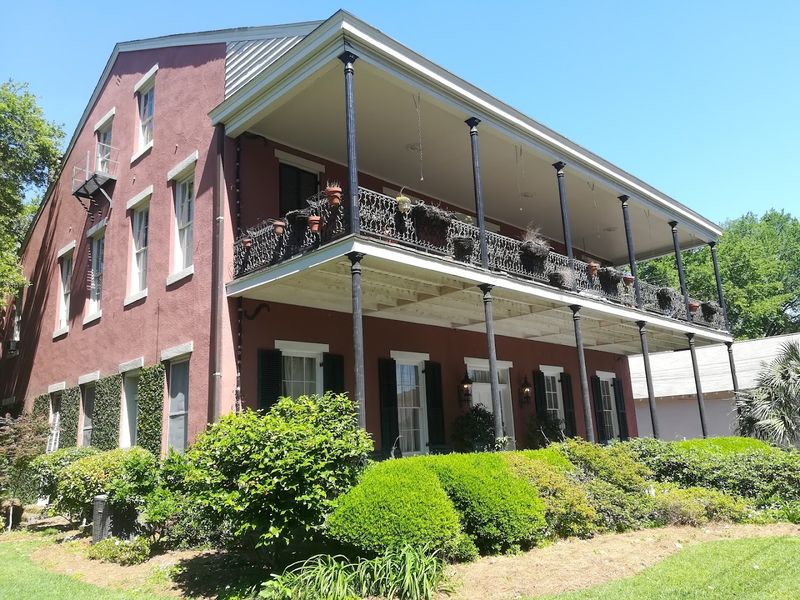
Brick streets, wrought-iron balconies, historic storefronts, churches, townhouses, and shaded riverfront spaces reveal architectural layers shaped by French, Spanish, Creole, African, and American influences.
Free guided walking tours explain more than the appearance of the buildings. Stories include Indigenous history, colonial settlement, plantation society, Reconstruction, Catholic traditions, Creole culture, and the communities that developed around the Cane River region.
Shops and restaurants occupy many preserved structures, keeping the district active rather than frozen as an outdoor museum. Try a Natchitoches meat pie before leaving, then walk the riverbank as the late-afternoon light reaches the façades across Front Street.
Public parking is available around downtown, although festivals can change access. Check the community calendar before visiting, particularly during the busy Christmas season.
9. Rip Van Winkle Gardens
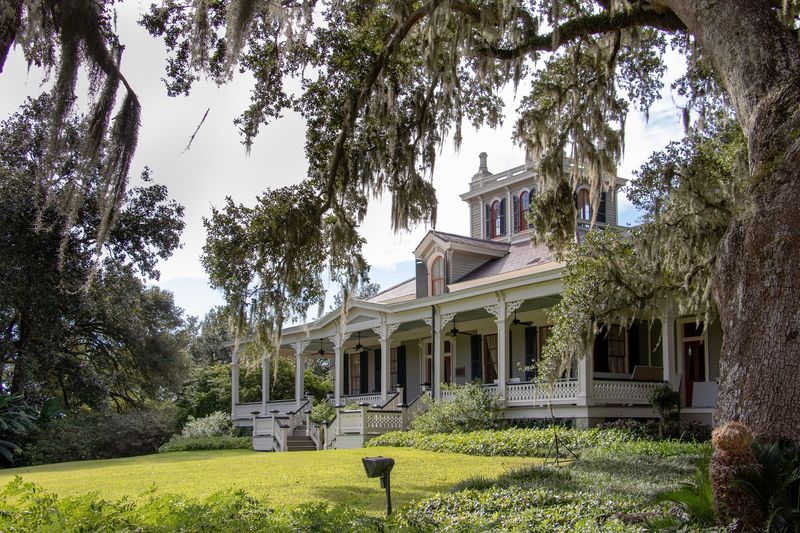
On Jefferson Island at 5505 Rip Van Winkle Road near New Iberia, tropical gardens surround the nineteenth-century home of actor and painter Joseph Jefferson.
The property sits above the salt dome beside Lake Peigneur, giving the landscape a surprising combination of elevation, water views, and dense vegetation. Live oaks, camellias, bamboo, palms, hibiscus, and seasonal flowers frame paths that feel increasingly removed from the surrounding countryside.
Peacocks wander the grounds, while sculptures and small architectural features add flashes of theatrical personality. A guided tour of the Joseph Jefferson House introduces the actor’s life, artwork, and decision to build his winter home here during the 1870s.
The gardens are open daily from 9 a.m. to 5 p.m., and house tours do not normally require advance reservations. Café Jefferson serves lunch beside the lake, with longer hours on weekends.
Spring brings some of the strongest floral displays, but the mixture of broadleaf plants, water, and shade keeps the property visually interesting throughout the year. Allow time to sit near the lake instead of treating the visit as a race between garden landmarks.
8. Abita Mystery House
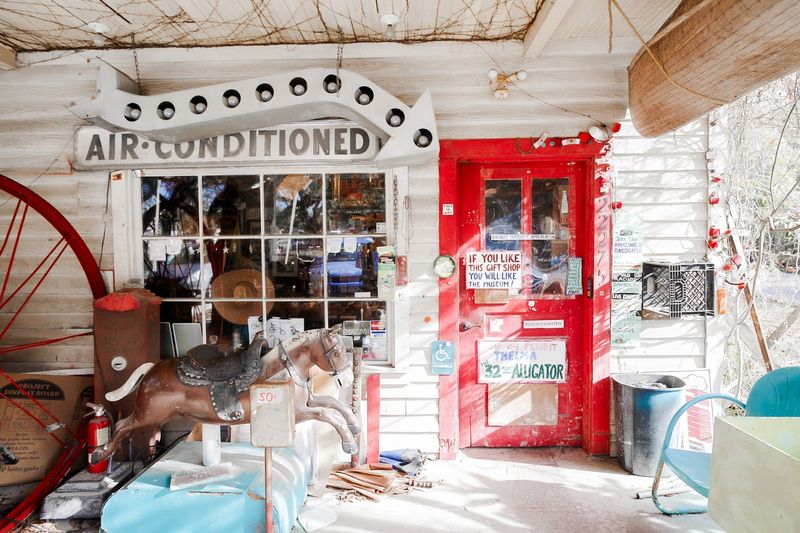
Behind an old service-station façade at 22275 Highway 36 in Abita Springs, thousands of objects, inventions, jokes, collections, and handmade creatures create one of Louisiana’s strangest roadside attractions.
The experience spreads through several buildings and outdoor spaces rather than following the orderly logic of a conventional museum. Vintage arcade machines, old advertising signs, bottle-cap mosaics, miniature scenes, found objects, folk art, and mechanical displays compete for attention at every turn.
Some creations combine familiar animals into fictional Louisiana species, while others transform discarded materials into elaborate visual jokes. Reading the handwritten labels matters because much of the humor hides in the details.
The museum is compact, but rushing defeats the point. Allow at least an hour to notice the tiny scenes, moving parts, and unusual objects tucked behind larger displays.
Admission is cash only, and operating hours can vary, so confirm before driving to Abita Springs. Afterward, continue into the town center for the trailhead, local cafés, and the shaded streets around this quietly eccentric Northshore community.
7. Atchafalaya Basin Landing & Swamp Tours
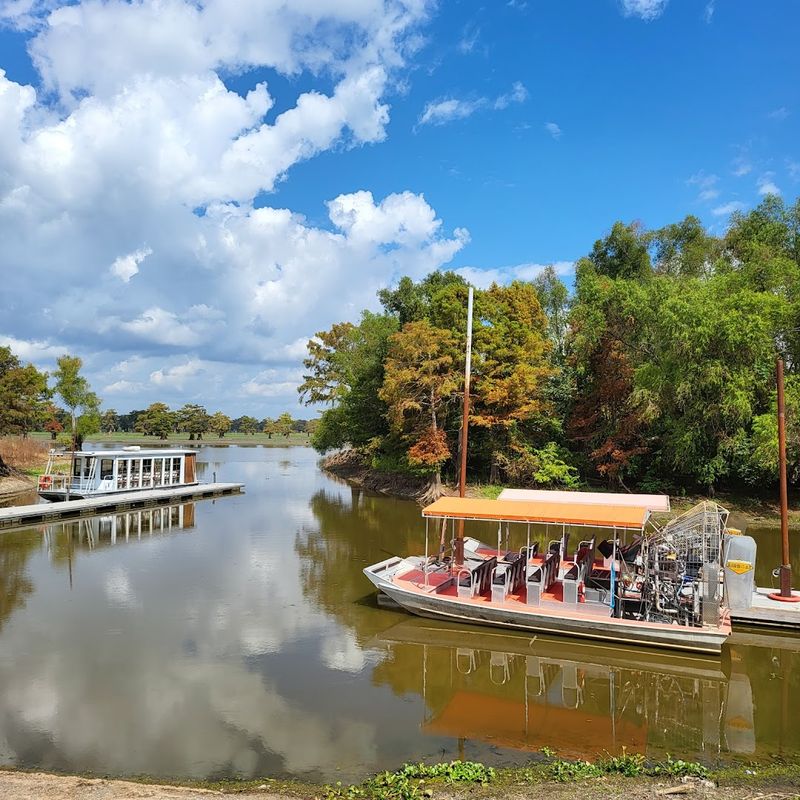
At 1377 Henderson Levee Road in Henderson, boats leave the landing and enter the largest river swamp in the United States.
Cypress trees, hanging moss, flooded forests, bayous, and open stretches of water create a landscape that changes with river levels and seasons. Wildlife may include alligators, turtles, herons, egrets, osprey, and other animals adapted to the basin’s shifting environment.
Visitors can choose between an airboat and a traditional swamp boat. Both tours last approximately 90 minutes, but they produce different experiences.
Airboats move faster and can reach shallow areas, while the larger traditional boat offers a quieter ride with more room for relaxed wildlife observation.
Local captains explain the basin’s ecology alongside the lives of fishing families, boat operators, and communities connected to the water. The human history is as important as the wildlife sightings.
Reservations are strongly recommended because departure times and availability depend on season and demand. Bring sun protection, weather-appropriate clothing, and insect repellent. Wildlife is never guaranteed, but the flooded landscape alone makes the journey memorable.
6. Fontainebleau State Park
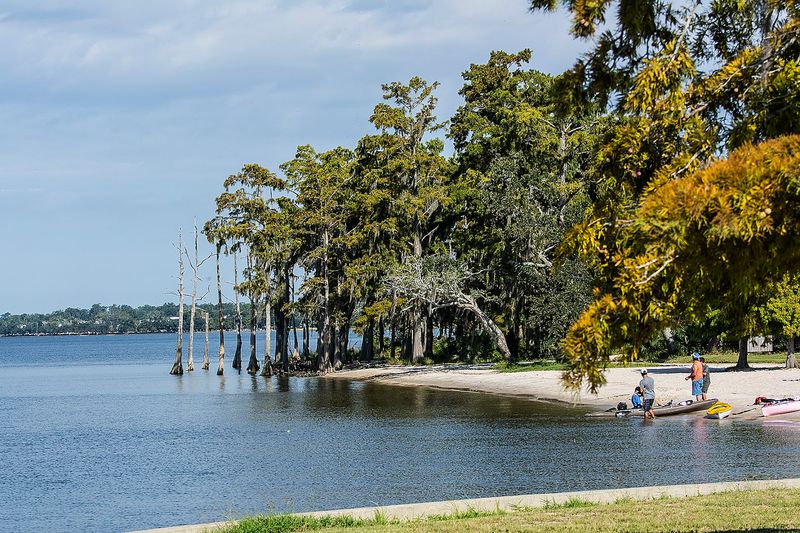
On the shore of Lake Pontchartrain at 62883 Highway 1089 in Mandeville, sandy beach, forest, marsh, and historic ruins come together across a large public park.
The waterfront provides broad lake views and space for swimming, picnicking, paddling, or watching the sunset. A boardwalk leads through wetland habitat, while nature trails offer opportunities to see birds and native plants away from the busier beach area.
Visitors can also examine the brick remains of an 1829 sugar mill built on the former Fontainebleau plantation. Interpretive material addresses the plantation economy and the enslaved African Americans forced to labor there, adding a difficult historical layer to an otherwise peaceful recreational landscape.
The Tammany Trace passes near the park, allowing cyclists and walkers to connect the visit with Louisiana’s long rail-to-trail route.
Gates are open daily from 7 a.m. to 9 p.m. Summer weekends can become crowded, so arrive early for easier parking near the beach. Bring water shoes for the shoreline and insect repellent for trails through shaded or marshy sections.
5. Grand Isle State Park
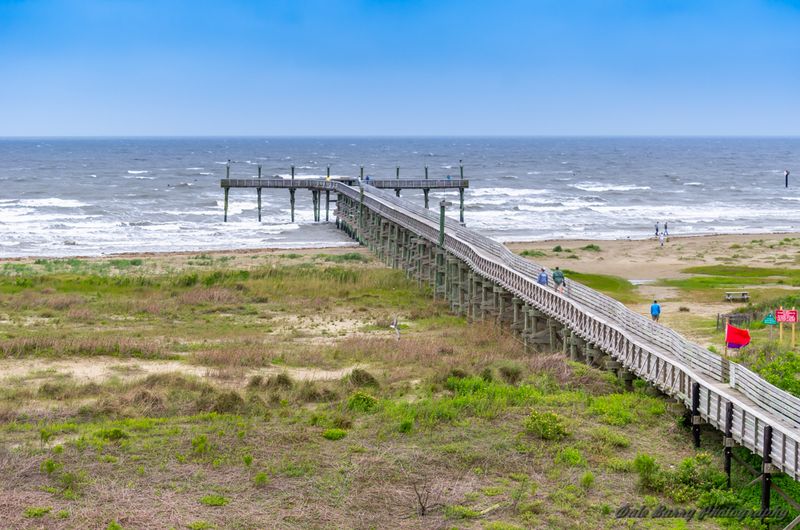
On the shore of Lake Pontchartrain at 62883 Highway 1089 in Mandeville, sandy beach, forest, marsh, and historic ruins come together across a large public park.
The waterfront provides broad lake views and space for swimming, picnicking, paddling, or watching the sunset. A boardwalk leads through wetland habitat, while nature trails offer opportunities to see birds and native plants away from the busier beach area.
Visitors can also examine the brick remains of an 1829 sugar mill built on the former Fontainebleau plantation. Interpretive material addresses the plantation economy and the enslaved African Americans forced to labor there, adding a difficult historical layer to an otherwise peaceful recreational landscape.
The Tammany Trace passes near the park, allowing cyclists and walkers to connect the visit with Louisiana’s long rail-to-trail route.
Gates are open daily from 7 a.m. to 9 p.m. Summer weekends can become crowded, so arrive early for easier parking near the beach.
Bring water shoes for the shoreline and insect repellent for trails through shaded or marshy sections.
4. Global Wildlife Center
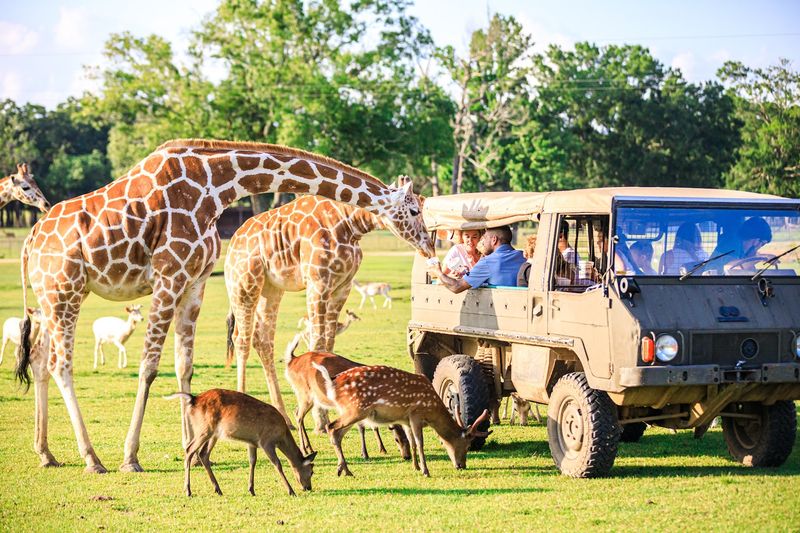
Across 900 acres at 26389 Highway 40 in Folsom, giraffes, zebras, camels, bison, deer, antelope, and other animals move through open pastures rather than conventional zoo enclosures.
Guided safari wagon tours carry visitors into the preserve for approximately 75 minutes. Animals frequently approach the wagons, especially when guests have purchased approved feed, creating close encounters that feel far removed from an ordinary Louisiana drive.
Guides provide information about the species, their behavior, and the center’s care and conservation work. Private tours offer a smaller-group experience, while the standard wagons provide the lively atmosphere of families reacting together as animals gather nearby.
The center operates year-round except during its January maintenance period, but tour schedules change seasonally and depend on weather. Advance booking is essential because visitors cannot simply drive their own vehicles through the preserve.
Morning departures usually bring cooler temperatures for both guests and animals. Follow feeding instructions carefully, keep hands clear when larger animals approach, and avoid assuming every species wants contact.
The animals control much of the experience, which is precisely what keeps every tour different.
3. Whitney Plantation
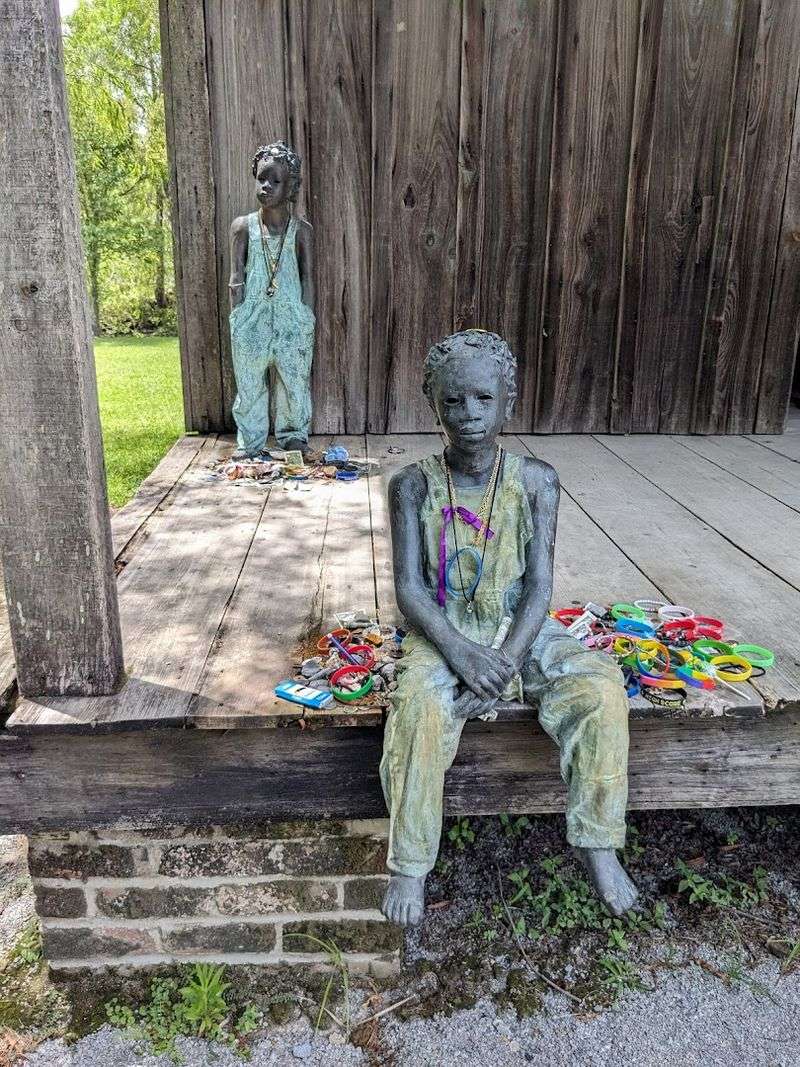
Along historic River Road at 5099 Louisiana Highway 18 in Wallace, a museum devoted to the history of slavery places enslaved people at the center of the plantation story.
Exhibits, memorials, historic structures, archaeological research, and first-person narratives document the lives of people forced to work on Louisiana sugar plantations. The experience moves through original and relocated buildings, including cabins, a church, service structures, and the plantation’s main house.
A self-guided audio tour allows visitors to control the pace, while guided tours add interpretation and opportunities to ask questions. Both approaches demand time and attention because the site examines violence, family separation, resistance, labor, survival, and the long legacy of slavery.
Whitney is open from 9:30 a.m. to 4:30 p.m., with final entry at 3 p.m., and is closed on Tuesdays and selected holidays. Reserve tickets before traveling, particularly during busy periods.
Allow at least two hours and avoid scheduling the visit between lighter attractions as though it were merely another decorative mansion tour. The experience is deliberately serious and deserves space for reflection afterward.
2. Houmas House Estate And Gardens
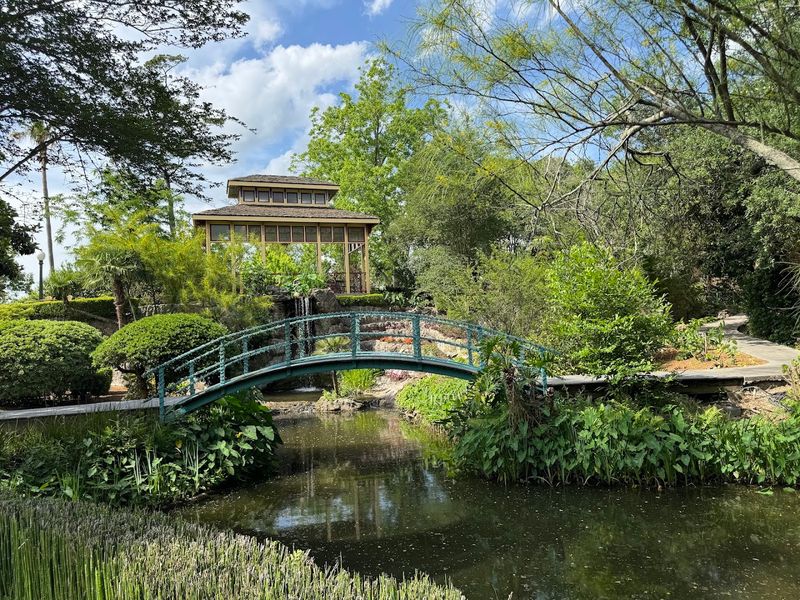
Beside the Mississippi River at 40136 Highway 942 in Darrow, 38 acres of gardens surround a large historic estate, restaurants, guest cottages, and the Great River Road Museum.
Formal paths move past ponds, bridges, fountains, sculptures, mature live oaks, and dense subtropical plantings. The landscaping is extensive enough to occupy a large part of the day, especially for visitors who enjoy photography or garden design.
Guided mansion tours examine the building’s architectural evolution, decorative arts, and successive owners. The broader history cannot be separated from sugar production and the enslaved people whose labor generated plantation wealth, so visitors should approach the opulent interiors with that economic and human context in mind.
The nearby Great River Road Museum expands the story toward Mississippi River commerce, culture, transportation, music, and regional development. A combined visit can require four hours or more.
The estate is open daily from 9 a.m., with later mansion tours extending into the evening. Wear comfortable shoes, particularly in summer, when the distance between gardens, mansion, museum, and restaurants becomes more noticeable in the heat.
1. R.W. Norton Art Gallery And Botanical Gardens
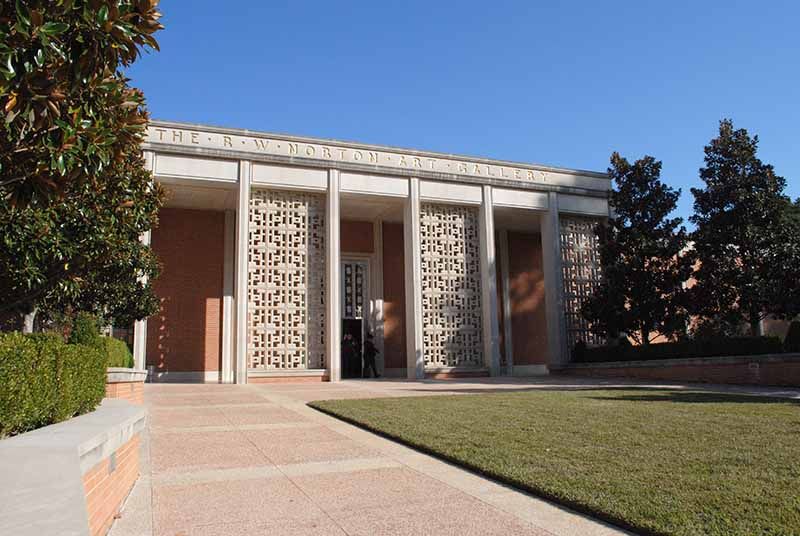
Surrounding the gallery at 4747 Creswell Avenue in Shreveport, 40 acres of landscaped grounds combine art, mature trees, flowering plants, water features, and winding paths.
Inside, the museum holds hundreds of European and American paintings alongside sculpture, decorative arts, rare books, and rotating exhibitions. Outside, azaleas, camellias, native plants, old pines, oaks, ponds, bridges, and wildlife sculptures create a garden that feels more like a wooded estate than a formal urban park.
Spring produces the most dramatic floral display, when thousands of azaleas cover the grounds with color. Even outside peak bloom, shade and carefully planned paths make the garden a pleasant place for a slow walk.
The botanical gardens are currently open Wednesday through Sunday from sunrise to sunset. Rules prohibit photography and videography throughout both the museum and grounds, so this is a place to experience without treating every view as content.
Admission is free. Check gallery hours separately from garden access, then give yourself enough time to move indoors and outdoors rather than choosing only one half of the property.