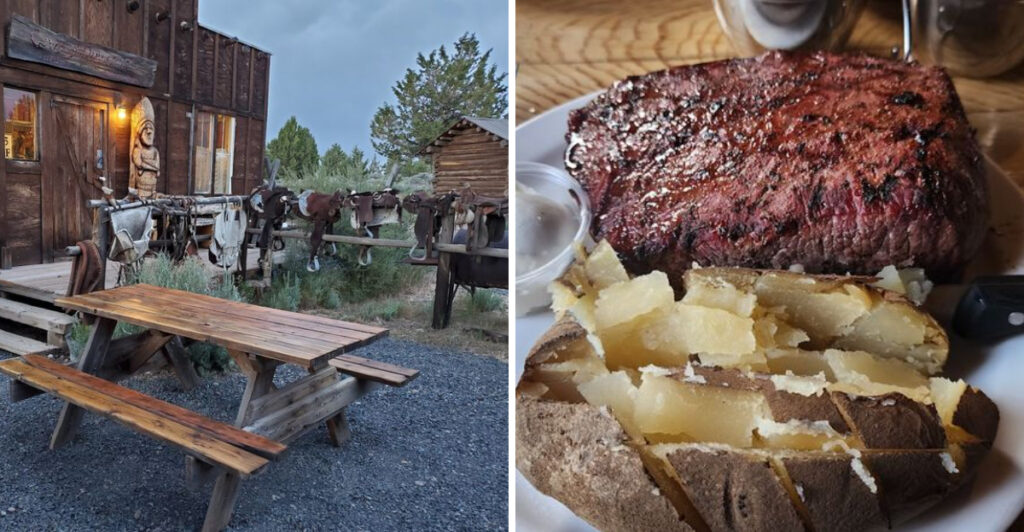
Getting ready and going out to restaurants in the city is a nice dinner date. But have you ever wanted to trade dinner in the city for dinner under the stars?
Out in Oregon’s high desert stands a cabin restaurant built around one meal.
Driving across long stretches of open country for a supper sounds almost exaggerated. Until the plate lands in front of you and stars sparkle above you.
If your idea of a memorable night includes history, huge portions, and a sense of true remoteness, this cabin in Oregon deserves a spot on your bucket list.
It’s the kind of place that reminds you just how big our world actually is.
History That Goes Back To The Cattle Drives Of Old Oregon
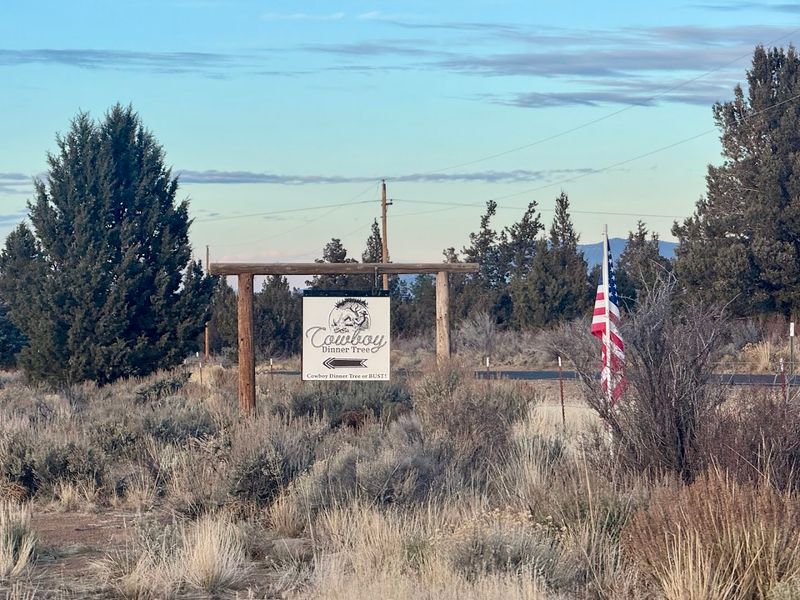
Long before Cowboy Dinner Tree became a restaurant, this stretch of Lake County served a practical purpose for hungry cattle hands.
Ranchers pushing herds from Paisley, Summer Lake, and Silver Lake toward Sycan Marsh needed a stopping point, and the old shack under a juniper tree filled that role.
By the time riders reached the halfway mark, supper mattered more than ceremony.
That history gives the place its backbone. The original chuck wagon meal centered on buckaroo beans and biscuits, and those details still shape the table today.
You can trace a direct line from trail food to the restaurant’s present menu, which turns a simple ranch tradition into a dinner people now drive across Oregon to find.
What makes the story stick is its specificity. This was not invented frontier theater or a generic western concept dropped onto a random roadside parcel.
The restaurant stands where working ranch culture already lived, and the meal draws power from that real connection to cattle drives, open range, and the geography of south-central Oregon.
Start with the history, and the giant steak makes more sense.
A place born from cowboys needing supper should probably serve dinner with some swagger.
A Family Restaurant In The Truest Possible Sense
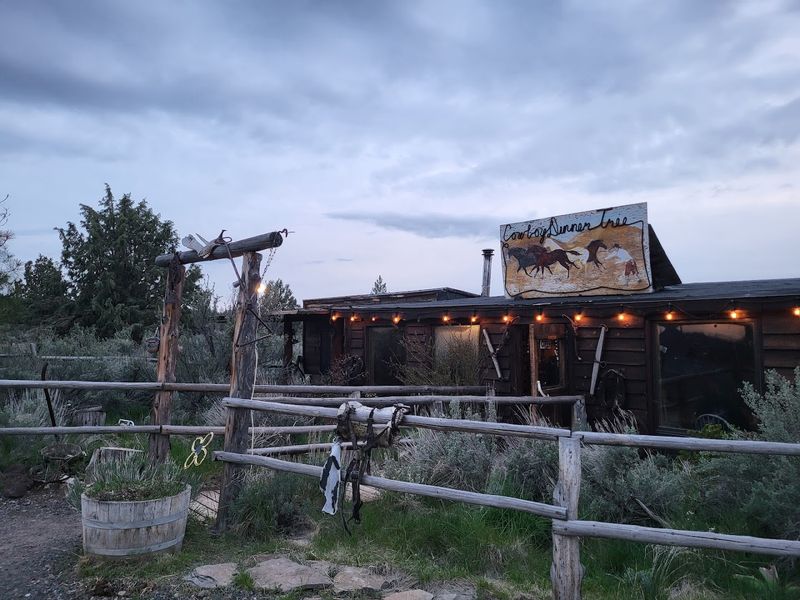
Some restaurants inherit recipes, but Cowboy Dinner Tree inherited an entire life story.
Angel Roscoe started helping there as a teenager, met Jamie during one of those early years, and later took over the restaurant with him after her parents stepped back.
That arc matters because it explains why the place reads less like a concept and more like a long chapter in one family’s history.
Don and Connie Ramage bought the restaurant in the late 2000s, and the next generation picked it up not long after.
The story is still writing its chapters at 50836 E. Bay Road County Rd 4, 12 Forest Service Rd #28, Silver Lake, OR 97638.
You can connect ownership, family memory, and local identity without stretching for symbolism.
That continuity shapes how the restaurant presents itself. The menu stays focused, the ranch history stays visible, and the whole operation reflects people who know the property from the inside out.
You do not need a grand backstory to enjoy dinner, but it helps. In this case, the story gives every plate a stronger sense of place.
Silver Lake Oregon Requires A Decision To Go There
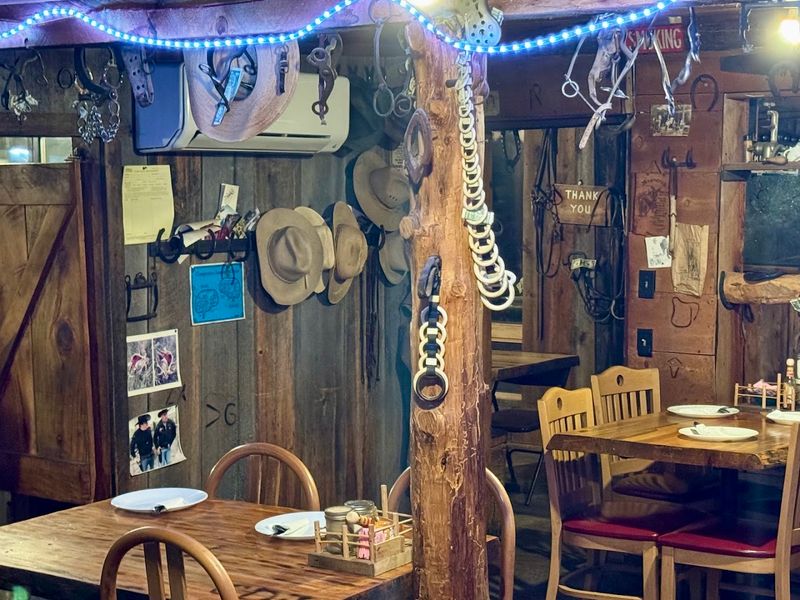
Getting to Cowboy Dinner Tree is part of the point, because Silver Lake does not sit on a casual errand route.
The restaurant lies outside town in Oregon’s high desert outback, where long roads, open land, and big skies set the terms before dinner even starts.
You make a decision to go there, and that decision shapes the whole experience.
Geography does important work here. Silver Lake sits far enough from larger hubs that the surrounding country keeps its own rhythm, with broad views at sunrise and sunset and very little visual clutter.
The remoteness gives the restaurant a context that a bigger town could never supply, and the drive underlines exactly where you are.
The location can sharpen appetite. When you spend real time crossing ranch country to reach a meal, the restaurant enters your memory differently than a spot wedged between errands and traffic lights.
The landscape strips away distractions, and dinner arrives as the main event instead of a stop squeezed into a crowded schedule.
Then night drops over the basin, and the whole outing shifts again.
This restaurant, with a strong geographic signature, deserves its spot on your must-see bucket list.
The Menu Has Two Options And That Is Exactly Enough
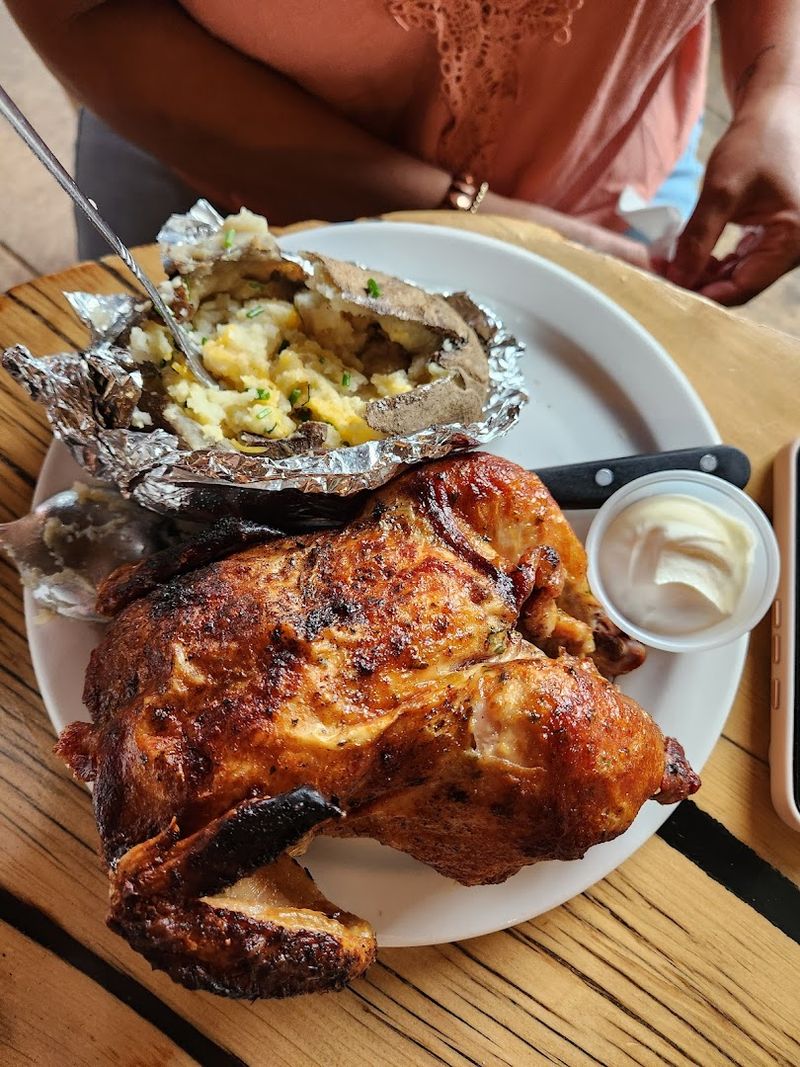
Some menus chase variety, but Cowboy Dinner Tree builds its identity on two main choices.
You pick the cowboy cut top sirloin or the whole roasted chicken. That is it.
The rest of the meal comes in a steady procession of classic sides. That kind of restraint tells you the restaurant knows exactly what it wants to do.
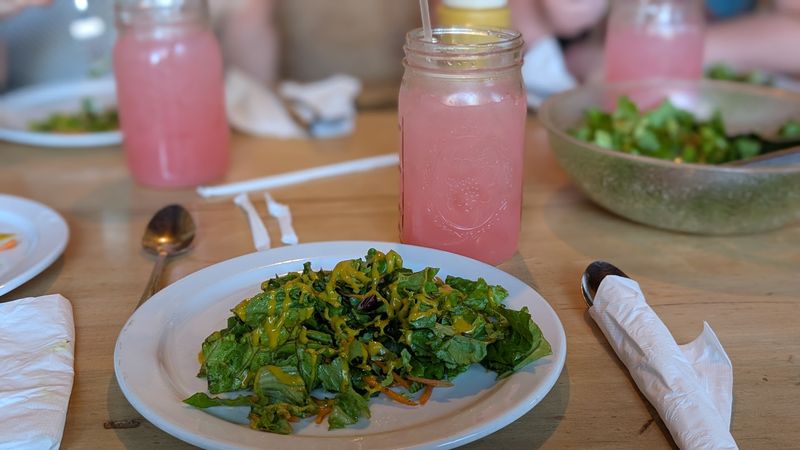
The structure stays simple and generous. Dinner includes salad with house honey mustard or ranch, a hearty soup, old-fashioned sweet yeast rolls, the main dish with a baked potato, dessert, and a drink.
Nothing on that list sounds trendy, yet every piece serves a purpose. The meal reads like ranch-country comfort scaled up for serious appetites.
A short menu also sharpens your expectations. Instead of spending ten minutes debating entrees you barely wanted, you focus on one question: steak or chicken?
The clarity places attention on execution, portioning, and consistency, which are the details that count most in a restaurant built around a signature dinner.
The menu never needs clever wording to hold your attention. Two choices can look limiting on paper, but here they create a stronger identity than a page full of distractions.
The Thirty Ounce Steak Makes The Drive Make Sense
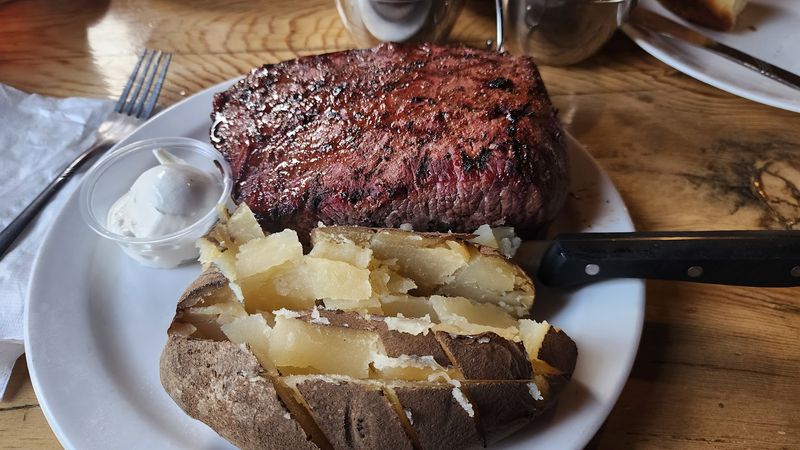
Here is the plate that built the legend: a huge top sirloin that lands with zero fuss and very little need for explanation.
At Cowboy Dinner Tree, the steak is the headline item, cut thick, cooked to order, and paired with a baked potato substantial enough to matter. You do not need decorative sauce or modern plating tricks when the centerpiece already does the heavy lifting.
The appeal starts with scale, but size alone would get old fast without solid execution.
This steak works because the kitchen has spent years doing the same thing in the same style, which gives the result a straightforward confidence.
Each dinner links back to the restaurant’s ranching roots, where beef takes center stage without apology or gimmickry.
The steak arrives in a complete meal, not as an isolated trophy.
Salad, soup, rolls, potato, and dessert frame the sirloin in a way that turns a giant cut of beef into a full dinner sequence. The structure protects the steak from becoming a stunt.
You can spend hours debating where to find memorable beef in Oregon. Or you can point your car toward Silver Lake and let the plate settle the argument.
The Whole Roasted Chicken And The Sides Pull Their Weight
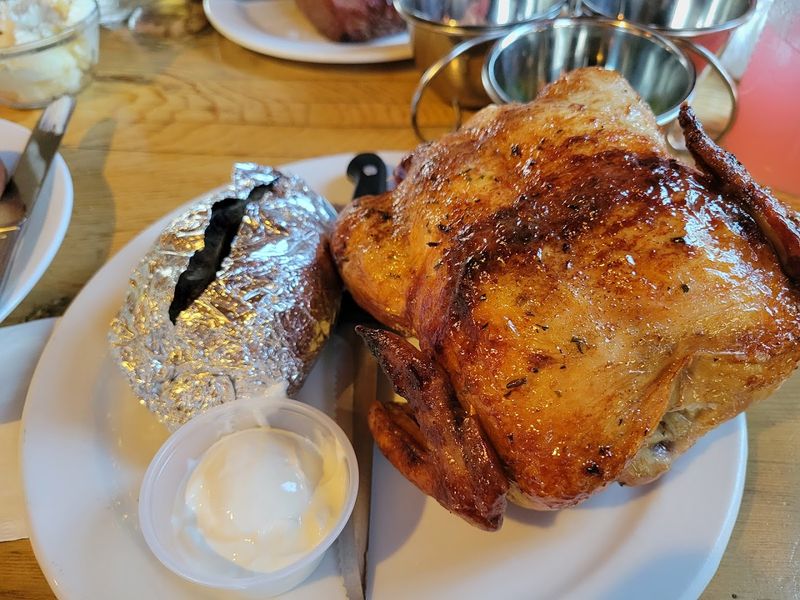
The steak gets the bigger reputation, yet the whole roasted chicken deserves your attention on its own terms.
Cowboy Dinner Tree serves the entire bird with the same lineup of salad, soup, sweet yeast rolls, baked potato, and dessert, which turns chicken into a full-scale signature meal instead of a backup choice.
That distinction matters if you judge a menu by how evenly it treats both mains.
Then there are the supporting dishes, and they are not decorative fillers. The old-fashioned sweet yeast rolls connect directly to the restaurant’s chuck wagon lineage, while the beans and hearty soup anchor the meal in ranch-country practicality.
House honey mustard and ranch keep the salad straightforward, with no detours into unnecessary reinvention.
So yes, order the chicken if that sounds right to you. A whole bird plus those classic sides can make a stronger case than many restaurants manage with twice the options.
The House Rules Change How You Think About Dinner
This restaurant asks you to commit before you sit down, and that single rule changes the entire experience. Cowboy Dinner Tree cooks to order and requires advance reservations, with your party size and main dish chosen ahead of time.
In a dining culture built on spontaneity, that structure stands out immediately.
Several other rules reinforce the point. Plates are not shared, to-go bags are provided, and payment stays cash only.
Those policies may sound unusual if you spend most of your time in city restaurants, but here they help keep a remote operation focused on a narrow menu with large portions and a steady dinner flow.
The key is to read these rules as part of the restaurant’s identity, not as arbitrary restrictions.
A reservation system makes sense when meals are cooked in advance planning cycles and the menu centers on two oversized mains. The same goes for cash handling in a very rural setting where simplicity often beats complication.
There is a practical side to all of this, too. If you like places that ask for a little forethought, this one rewards people who can commit to steak, chicken, and a date on the calendar.
Cabins And The 1875 Beef Program Extend The Story Beyond Dinner
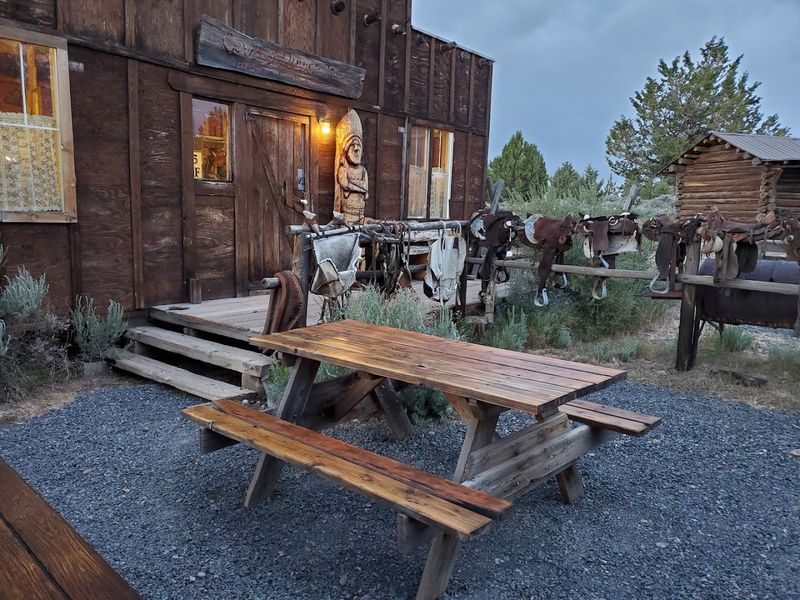
One meal does not quite contain the full Cowboy Dinner Tree story, which is why the property adds lodging and a beef program to the mix.
Rustic cabins give diners a place to stay after dinner, and the setup suits the remote Silver Lake landscape without trying to turn the ranch into a resort. That choice fits the restaurant’s practical character.
Spending the night also highlights the high desert setting in a different way.
Clear skies over this part of Lake County reveal an enormous field of stars, and the extra time on the property turns dinner into a longer rural Oregon outing. A small gift shop adds western crafts, arts, gifts, and memorabilia for people who want a tangible reminder.
The 1875 Beef program pushes the ranch connection even further. Through that label, the restaurant offers sustainably raised, ethically farmed, pasture-fed beef that carries the same regional story back into your own kitchen.
This detail is crucial because it links the meal on the plate to the land outside the window with unusual directness.
Dinner ends, but the narrative keeps going.
Stay overnight if you can, and if the beef sticks in your memory, take that thought home in a cooler.