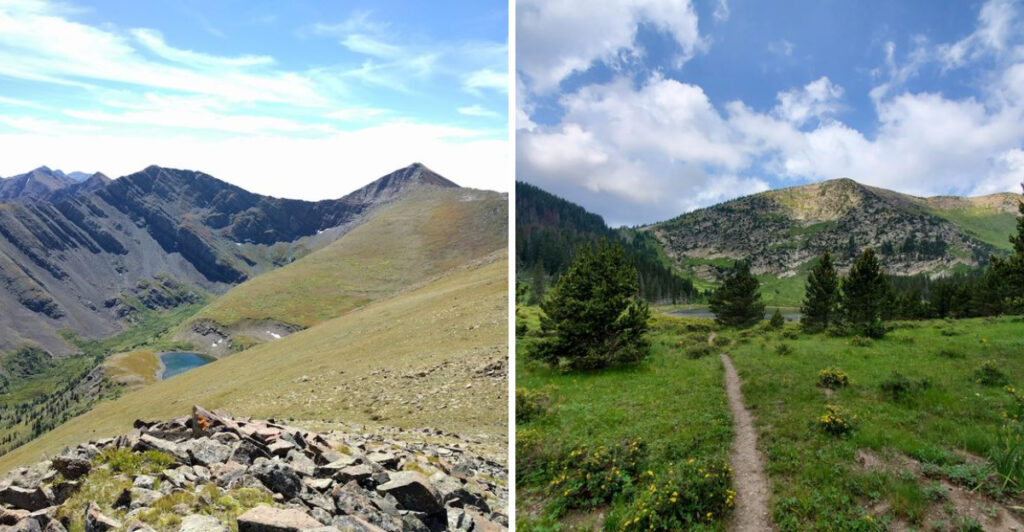
A summer hike can be going perfectly until you spot one tiny passenger crawling up your sock. That is enough to make anyone pay closer attention to the trail.
New Mexico has mountain ranges and river corridors where grassy edges and brush can create suitable tick habitat during warmer weather. The point this summer is not to make outdoor plans feel stressful.
It is to know where a little extra awareness makes sense. Repellent can help, and a quick body check afterward is worth the minute it takes.
Some of the places on this list are famous for scenery rather than ticks, which is exactly why the risk can be easy to forget. You may be focused on the overlook or the next bend in the trail.
Keep enjoying all of it. Just remember that the smallest part of the landscape can sometimes be the one that follows you home.
1. Jemez Mountains
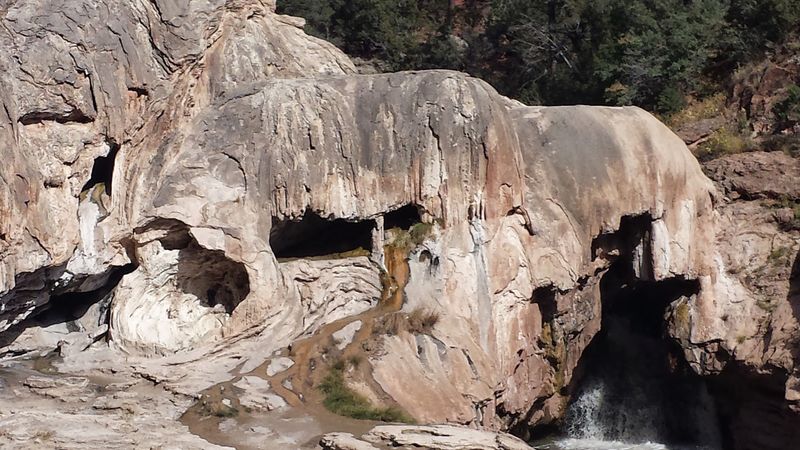
Glowing red rock formations kick off any visit to the Jemez Mountains in Sandoval County, Northern New Mexico. Lush valleys and ancient volcanic landscapes give this place a storybook feel that stays with you.
Driving the Jemez Mountain National Scenic Byway reveals layered mesas and sheer cliffs reaching skyward. Natural hot springs are scattered throughout the area, offering a soothing soak after a long day on the trails.
Hikers can wander more than a hundred public trails leading to hidden waterfalls and sweeping overlooks. Anglers love casting for rainbow, brown, and cutthroat trout in the clear streams that thread through the canyons.
Culture runs deep here too. The Jemez Historic Site preserves ruins of San José de los Jémez Mission from the early 1600s, and the Walatowa Visitor Center at Jemez Pueblo shares a vibrant living heritage.
Because tall grasses and brushy stream edges are favorite tick hangouts, wear long socks, tuck in your pants, and dab on repellent before you explore. A quick body check after your hike keeps the fun rolling and the hitchhikers away.
Soak, hike, and marvel, then head home with only good memories tucked in your pack.
2. Sangre De Cristo Mountains
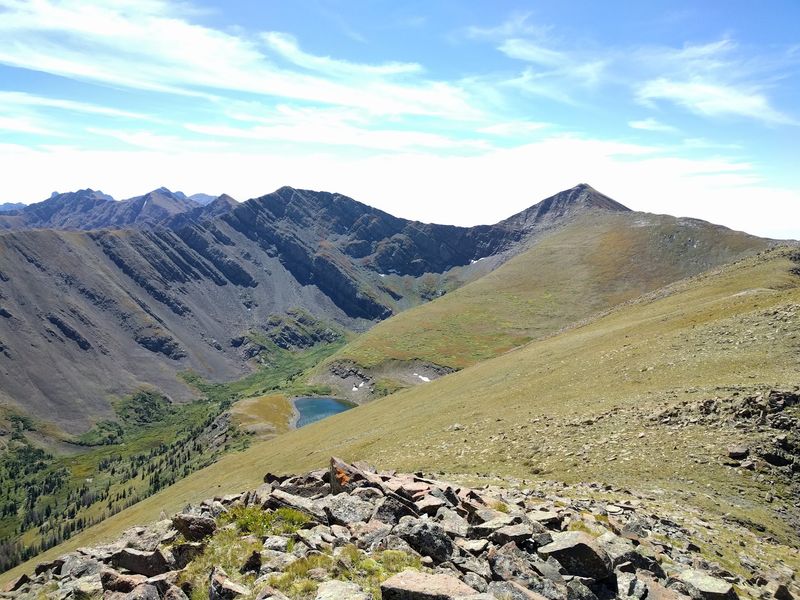
Pink and red alpenglow often washes over the Sangre de Cristo Mountains at dawn and dusk, giving this dramatic range one of its most memorable looks. The southern Rocky Mountains stretch from Colorado into northern New Mexico and continue toward Santa Fe.
Red River makes a lively base for exploring the region, with trails that range from easy walks to demanding climbs. Higher routes reward hikers with alpine scenery and cooler air as elevation rises.
Warm months bring opportunities for rafting in the Rio Grande Gorge, while rivers and mountain lakes draw anglers looking for a slower pace. Campgrounds across the region make it easy to stay close to the scenery after sunset.
Winter changes the rhythm completely. Ski Santa Fe and the Red River area attract visitors once snow begins covering the slopes, giving the mountains a strong four-season appeal.
Grassy meadows and shrubby trail edges can shelter ticks during warmer months. Treat clothing, use repellent, and check yourself carefully after spending time outdoors.
The mix of high peaks, forested slopes, and open meadows gives this range plenty of variety. Wildlife sightings can add another memorable moment along trails.
Take your time on the trails, watch the weather, and let the mountain views set the pace for the day.
3. Sacramento Mountains
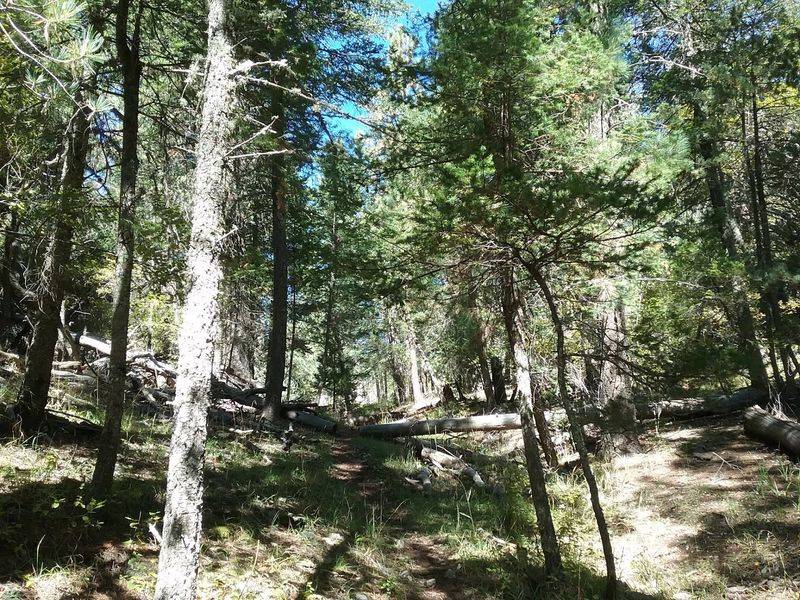
Quiet and refreshing, the Sacramento Mountains rise across southern New Mexico, offering a cooler escape from the desert landscapes below. The small community of Sacramento, ZIP code 88347, sits within this peaceful stretch of high country.
Much of the range lies within Lincoln National Forest, where forest roads and hiking trails lead through pine-covered slopes. Higher elevations bring cooler temperatures, making summer outings especially appealing when lower areas feel much warmer.
Hiking options range from easy forest walks to longer routes that climb through rugged terrain. Campgrounds give visitors a chance to stay overnight and enjoy darker skies once the sun drops behind the ridges.
Shady undergrowth and grassy clearings can provide suitable habitat for ticks during warmer months. Long sleeves, treated footwear, and a careful post-hike check can help reduce the chance of bringing one home.
Wildlife watchers may spot deer or a variety of birds moving through quieter sections of forest. Early mornings can be especially rewarding when trails are calm.
The Sacramento Mountains offer a slower pace than many busier recreation areas. Pack water, choose a trail that matches your comfort level, and enjoy the combination of forest shade, mountain air, and broad views before heading back down at the end of a long summer afternoon outside.
4. Sandia Mountains
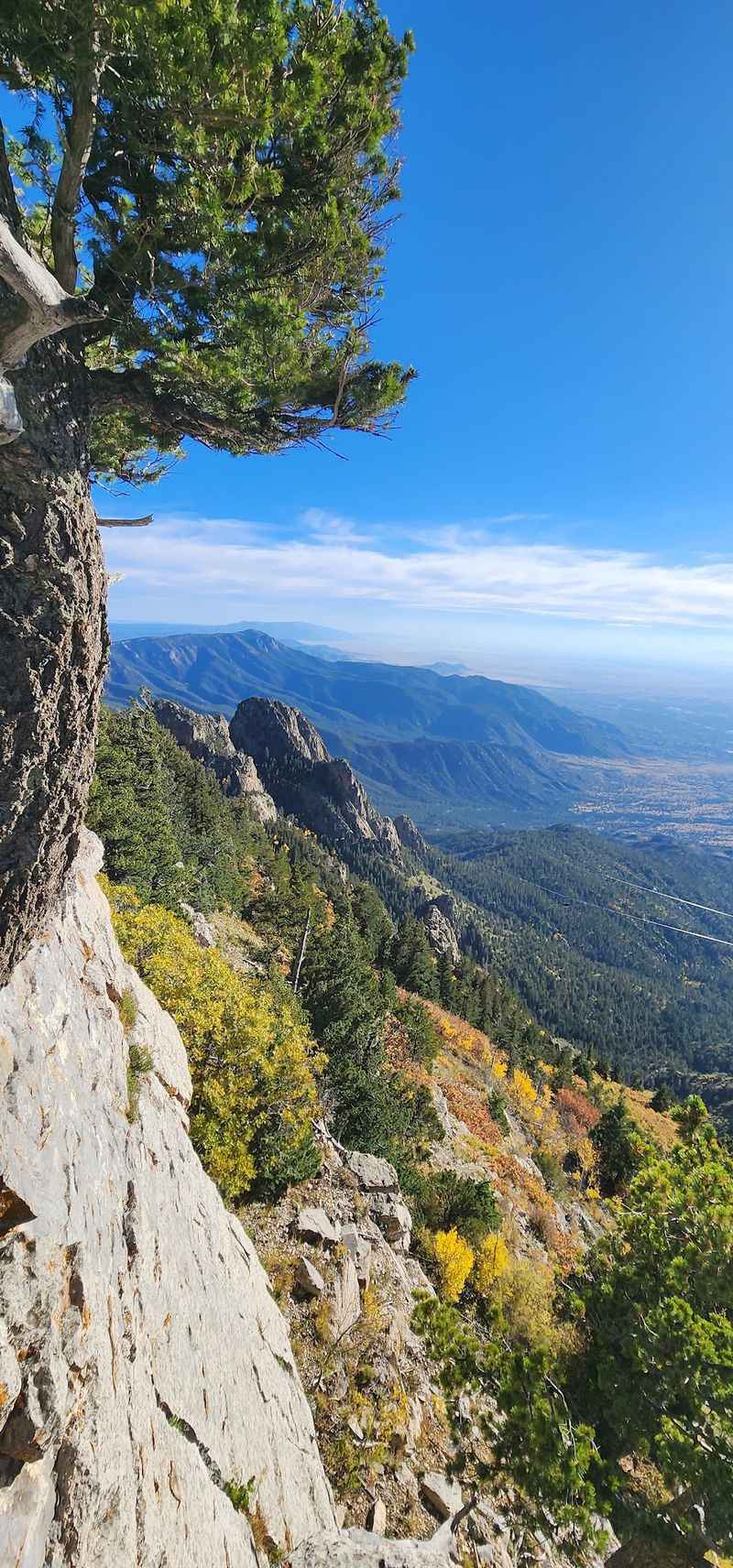
The Sandia Mountains rise sharply just east of Albuquerque, stamping their outline onto the skyline. Sunset paints the granite cliffs in shades of pink and orange, which is exactly why Sandia means watermelon in Spanish.
The range spans Bernalillo and Sandoval counties and crowns out at Sandia Crest. The tram reaches Sandia Peak, but NM-536 beyond the 10K Trailhead is closed through January 15, 2027, blocking vehicle access to Sandia Crest during that period.
Summer buzzes with hiking, mountain biking, and rock climbing across countless trails. Cooler months bring skiing and snowboarding at the Sandia Peak Ski Area, so the fun never truly pauses.
Birdwatchers do well here, and the bold even try hang gliding from the ridgeline. Developed campgrounds and dispersed sites offer plenty of places to settle in overnight.
Brushy foothills and grassy slopes can host ticks, especially in warmer weather. Stick to established trails, use repellent, and give yourself a thorough check before climbing into the car.
With big views so close to a major city, this range makes spontaneous escapes easy. Ride the tram up, watch the melon-colored glow spread, and let the crest work its quiet enchantment on you.
5. Manzano Mountains
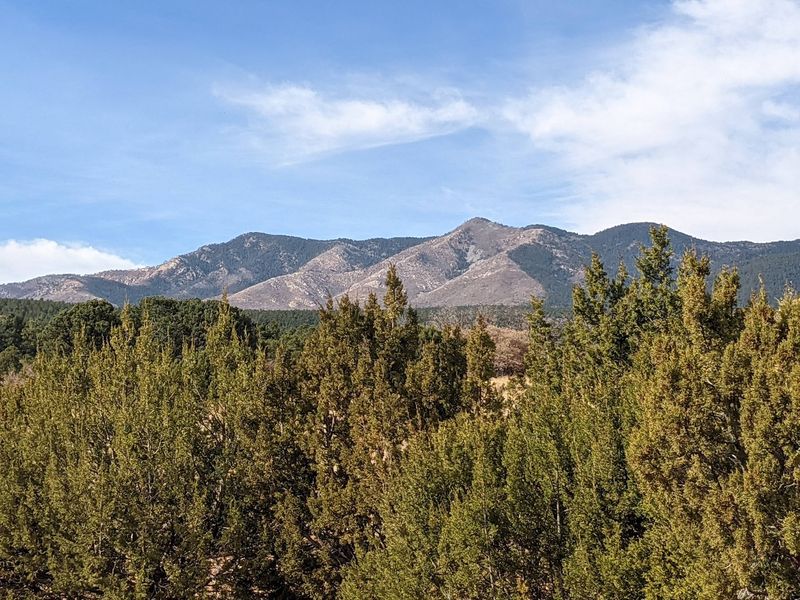
A hint of orchard history flavors the Manzano Mountains, whose name means apple in Spanish. Early settlers planted fruit trees near the village of Manzano, and the story still lingers in the air.
Located mostly in Torrance County southeast of Albuquerque, this quiet range surprises visitors with wooded foothills and standout peaks like Manzano Peak. Manzano Mountains State Park near Mountainair, ZIP 87036, makes a welcoming entry point.
Tajique Canyon shelters some of the largest stands of Rocky Mountain bigtooth maples in the state. Come autumn, those leaves erupt in burgundy, red, and gold that stop hikers in their tracks.
Alligator juniper, pinyon, and ponderosa pine spread shade across trails perfect for wandering and wildlife watching. History buffs can explore the Tijeras Pueblo site and the Quarai Ruins of Salinas Pueblo Missions National Monument.
Shady undergrowth and leaf-strewn paths can shelter ticks, so treat your socks and check your skin after exploring. A few careful minutes keep the day pleasant.
Fewer crowds mean the forest feels almost private, a rare treat these days. Bring a camera for the maples, and let this understated range charm you at its own gentle pace.
6. Gila Wilderness
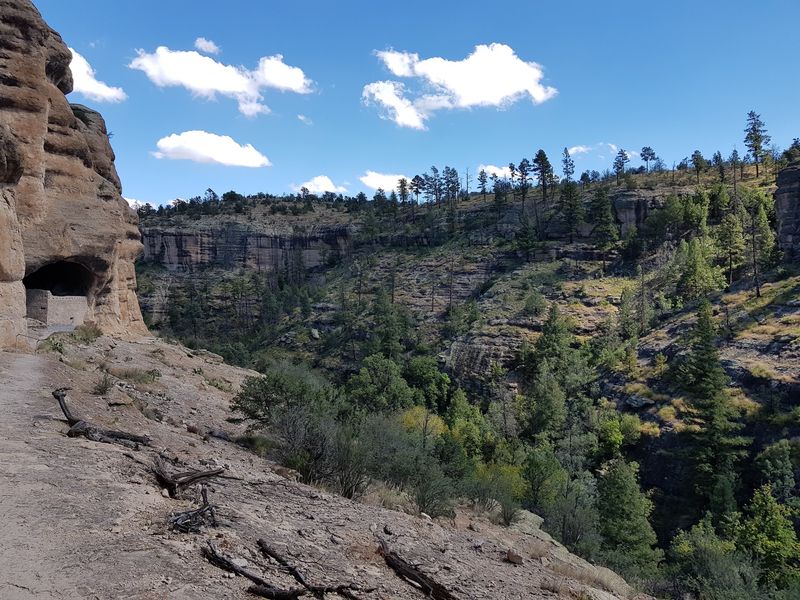
The very first designated Wilderness Area in the world lives right here in southwestern New Mexico. Established in 1924 thanks to Aldo Leopold, the Gila Wilderness invites you to unplug and wander.
Set inside the larger Gila National Forest, this untouched land is often reached through Mimbres, ZIP 88049, near the Gila Visitor Center. Mountain meadows spill into rock-walled canyons, and aspen glades give way to high mesas.
Ponderosa pines cover the heart of the wilderness, while sheer cliffs trace the Gila River. Backpackers find endless trails, anglers cast into clear water, and horseback riders explore scenic routes at an easy pace.
History lives on at the nearby Gila Cliff Dwellings National Monument, where ancient people once made their homes. For night owls, the Cosmic Campground shines as an International Dark Sky Sanctuary bursting with stars.
Grassy stream banks and brushy meadows can hide ticks, so pack repellent and inspect yourself when you make camp. A tidy check keeps your trip smooth and comfortable.
Few places offer this much quiet in one sweeping expanse. Follow a canyon, count constellations overhead, and let the birthplace of wilderness leave a lasting mark on your traveling heart.
7. Pecos Wilderness
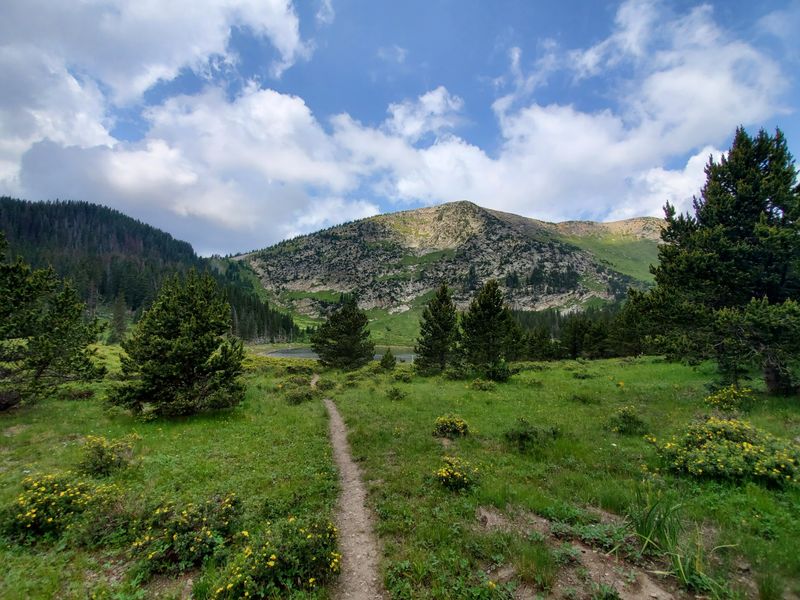
Sparkling alpine lakes and wildflower meadows make the Pecos Wilderness a summer favorite in northern New Mexico. This vast landscape stretches across the Santa Fe and Carson National Forests, giving hikers plenty of room to roam.
The Village of Pecos, ZIP 87552, serves as a popular gateway to rugged peaks and deep canyons. Nearby, the Pecos River draws anglers who come for trout fishing and cooler mountain air.
Hikers can explore hundreds of miles of trails, including routes toward Pecos Baldy Lake and the Winsor Trail. Some paths climb through forested slopes before opening to wide views that feel far removed from everyday noise.
July and August bring wildflowers to high meadows, adding bursts of color across the green terrain. Campers can settle in beneath broad night skies, while wildlife sightings add another layer to the experience.
Tall grasses and forest edges can shelter ticks during warm months. Tuck in your pants, treat your boots, and check yourself after each hike.
Horseback riding offers another way to take in the scenery at a slower pace. Summer mornings feel especially crisp at higher elevations here.
Cast a line, wander a meadow, and enjoy the cool mountain air before heading back down.
8. Rio Grande Valley
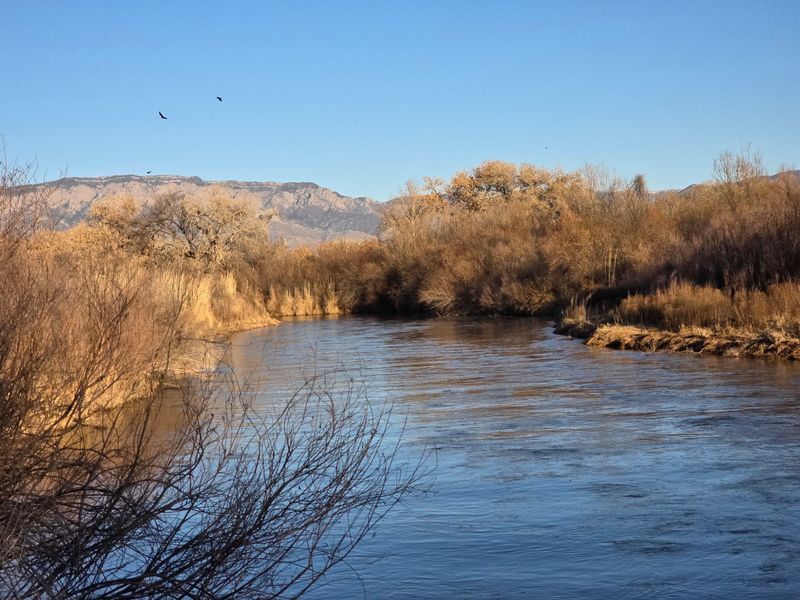
Threading through the heart of the state, the Rio Grande Valley blends natural beauty with deep cultural roots. Cities like Albuquerque and towns such as Belen, ZIP 87002, and Los Lunas, ZIP 87031, sit along its path.
Wide open skies frame the Mesilla Valley and distant mountains, giving the Land of Enchantment its well-earned nickname. Over centuries, the river carved towering cliffs and ancient rock formations that make dramatic backdrops for adventure.
Thrill seekers can tackle whitewater at sections like the Taos Box, while calmer floats let you drift and soak up the views. Nature lovers explore trails at the Whitfield Wildlife Conservation Area and the Rio Grande Nature Center State Park.
History whispers from petroglyphs etched into riverside rocks and from old Spanish colonial farming villages. Every bend seems to hold another layer of story.
Grassy banks and shady bosque areas can harbor ticks, so wear repellent and check yourself after wandering near the water. A short inspection keeps the day breezy.
The mix of rapids, wildlife, and living history makes this corridor endlessly rewarding. Paddle a stretch, spot a heron, and let the river guide you gently from one discovery to the next.
9. Raton-Clayton Volcanic Field
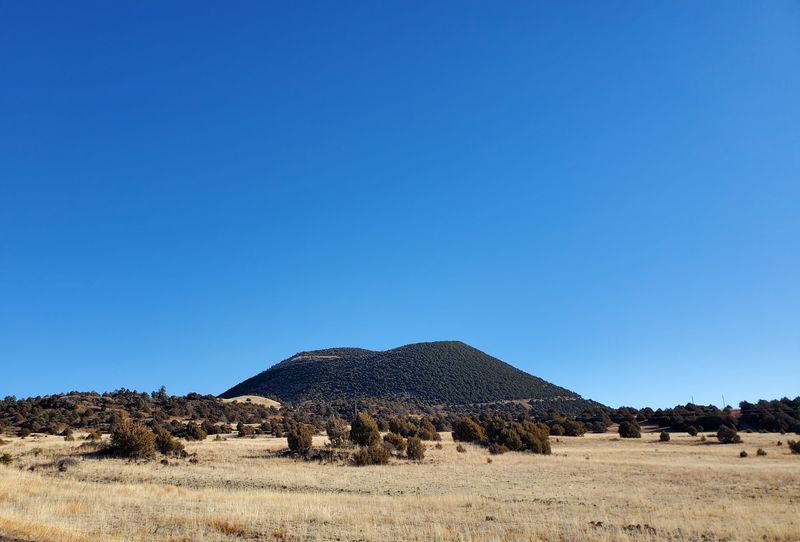
Geology fans light up at the Raton-Clayton Volcanic Field, an enormous stretch of northeastern high plains. Capulin Volcano National Monument stands as the crown jewel, a beautifully preserved extinct cinder cone.
The town of Raton, ZIP 87740, rests at the base of this remarkable field, with Clayton, ZIP 88415, not far away. From the volcano rim, sweeping views reach across four neighboring states on a clear afternoon.
A paved road spirals gracefully to the top, where trails invite you to walk the rim and peer into the crater. After dark, the skies rank among the inkiest in the country, ideal for stargazing.
Sugarite Canyon State Park adds more recreation nearby, from easy walks to peaceful lakeside afternoons. History buffs can browse the Raton Museum and Old Pass Gallery, then trace the storied Santa Fe Trail at Raton Pass.
Grassy slopes and shrubby areas can shelter ticks in warm weather, so treat your clothing and check your skin after hiking. Quick prevention keeps the trip smooth.
Where fiery earth once shaped the land, quiet trails and dazzling stars now welcome curious travelers. Climb the cone, watch night arrive, and let this volcanic wonderland close your New Mexico journey on a high note.