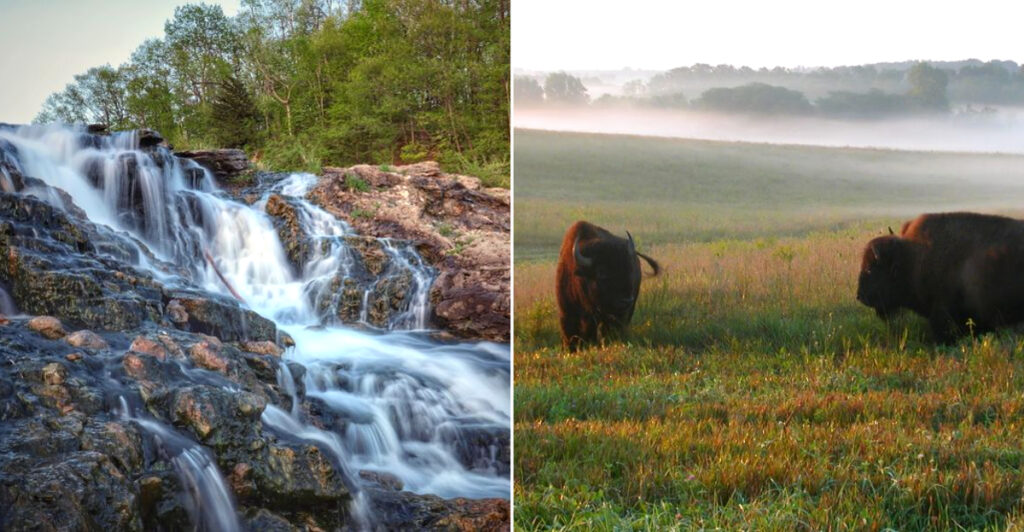
The data center talk in Iowa has gotten loud enough to make a quiet trail sound luxurious.
New projects keep showing up on maps, in meetings, and in comment sections where nobody seems especially relaxed about them.
So when a place still feels open, green, and untouched by that whole conversation, it lands differently.
That is the pull here.
Iowa still has corners where the view is not interrupted by construction plans. The air feels slower.
The trees do not need a public hearing. The only buzz comes from bugs minding their own business.
These 12 nature escapes feel refreshing because they offer something people are clearly craving right now. Space without the server hum.
Trails without the tech shadow. A few hours where Iowa feels like itself again.
1. Pikes Peak State Park, McGregor
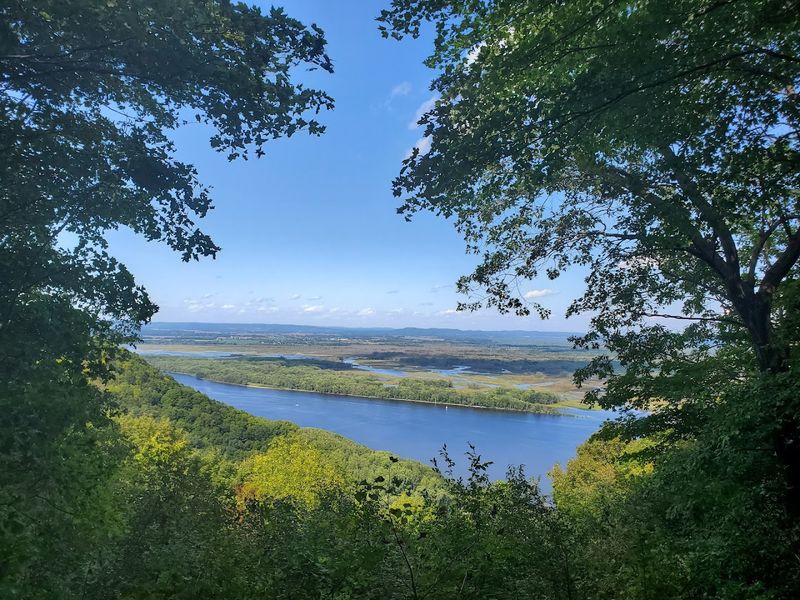
Standing at the edge of the bluffs here, with the Mississippi River sprawling out 500 feet below, it is hard to believe this kind of view exists in the Midwest.
Pikes Peak State Park sits just outside McGregor in northeastern Iowa, and it consistently earns its title as one of the most dramatic overlooks in the entire state.
The park covers over 900 acres of forested ridgelines and ravines, laced with trails that range from easy strolls to more rugged hikes.
Bridal Veil Falls is a short detour well worth taking, especially after spring rains when the cascade is at its most impressive.
Fall is arguably the best season to visit, when the tree canopy turns every shade of orange and red imaginable. Families with younger kids will appreciate the relatively accessible overlook trail that leads straight to those jaw-dropping Mississippi views.
Camping is available on-site, so there is no reason to rush out before catching a sunset over the river bluffs that will stay with you long after you drive home.
2. Effigy Mounds National Monument, Harpers Ferry
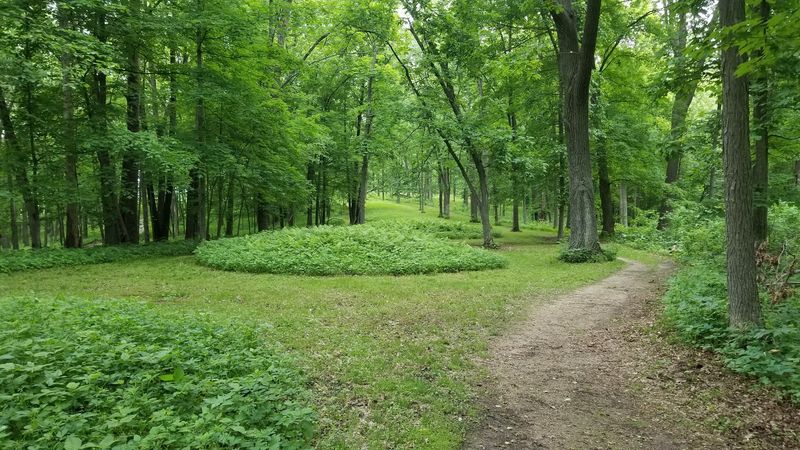
Few places in the country carry the kind of quiet weight that Effigy Mounds National Monument does, perched above the Mississippi River near Harpers Ferry in northeastern Iowa.
The monument protects more than 200 prehistoric mounds, many of them shaped like bears and birds, built by Indigenous peoples over 2,500 years ago.
Walking the trails here feels genuinely different from any standard nature hike. There is a reverence to it that tends to slow your pace without you even noticing.
The Fire Point Trail is the most popular route, climbing through dense hardwood forest before opening onto a bluff overlook with sweeping river views.
Interpretive signs along the paths do a solid job of explaining the cultural and spiritual significance of the mounds without oversimplifying the history.
Visitor numbers are modest compared to more famous national monuments, which means you can often enjoy the trails with genuine peace and quiet.
Spring and early fall offer the most comfortable hiking temperatures, and the wildflowers that bloom along the lower trails in May are a genuinely lovely bonus to the experience.
3. Backbone State Park, Dundee
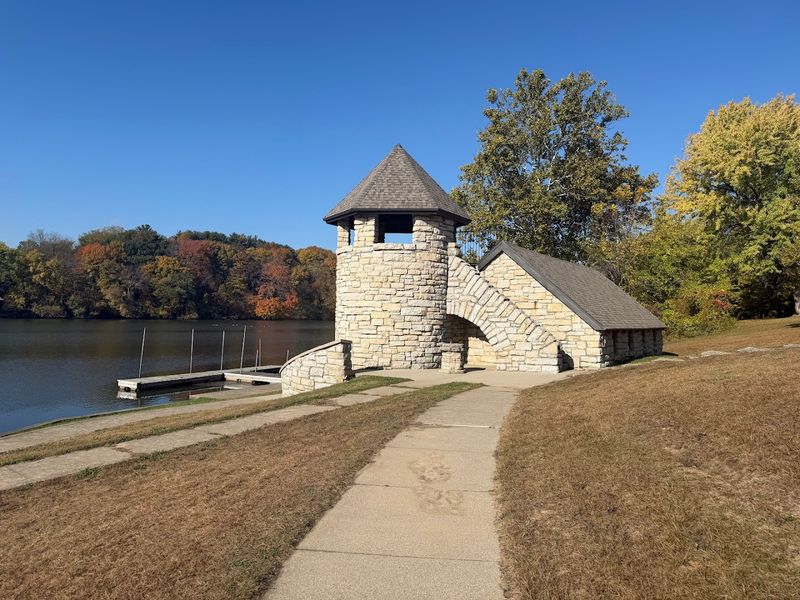
Iowa’s oldest state park earns its dramatic name from a narrow limestone ridge that juts above the Maquoketa River like a rocky spine cutting through the trees.
Backbone State Park near Dundee offers some of the most genuinely rugged terrain you will find anywhere in the state, which makes it a favorite among hikers who want a little more challenge than a flat prairie trail.
The park spans more than 2,000 acres and includes a lake stocked with fish, a campground, and a network of trails that wind along cliffs and through shaded valleys.
Trout fishing in the Maquoketa River draws a dedicated crowd from spring through fall, and the catch rates are impressive enough to keep anglers coming back year after year.
The Backbone Trail itself crosses the ridge at several points, offering views that feel genuinely earned after the climb.
Cabins are available for overnight stays, which makes this an easy spot to turn into a proper weekend getaway rather than just a day trip.
Early mornings in summer, when mist hangs over the river, are the kind of moments that make you forget your inbox exists.
4. Mines of Spain State Recreation Area, Dubuque
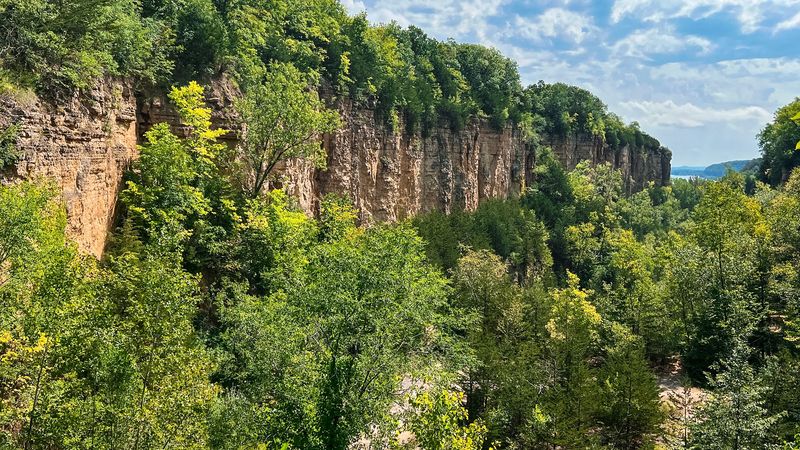
Right at the edge of Dubuque, where the city quietly gives way to bluffs and bottomlands, Mines of Spain State Recreation Area manages to feel genuinely remote despite its proximity to town.
The recreation area covers roughly 1,400 acres and takes its name from a Spanish land grant issued in the late 1700s, making it one of the historically richest natural areas in Iowa.
Trails here wind through a mix of upland forest, restored prairie, and Mississippi River floodplain, giving hikers a satisfying variety of landscapes in a single visit.
The E.B. Lyons Interpretive Center at the entrance is a great first stop, offering exhibits on the area’s ecology and history that add real depth to whatever trail you choose afterward.
Bald eagles are a common sight along the river corridor, especially during winter months when they gather near open water.
Spring brings a spectacular wildflower bloom across the forest floor, with trillium and wild ginger carpeting the understory in early May.
For a spot so close to a city, the sense of natural stillness here is genuinely surprising and well worth the short detour off the main road.
5. Maquoketa Caves State Park, Maquoketa
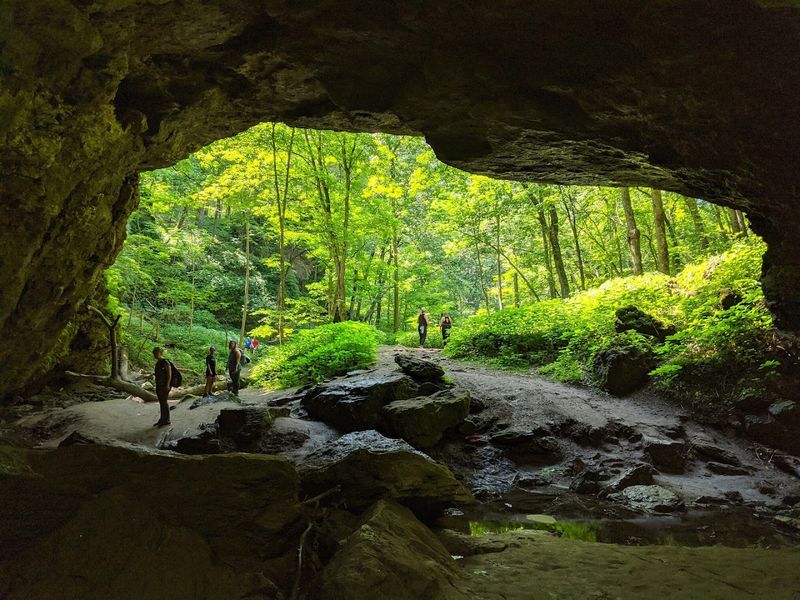
Not many state parks in the Midwest can offer you a proper underground adventure, but Maquoketa Caves State Park near Maquoketa, Iowa, delivers exactly that.
The park contains the largest publicly accessible cave system in the state, with 13 distinct caves ranging from short walk-through passages to longer crawl-through tunnels that will genuinely test your enthusiasm for tight spaces.
Dancehall Cave is the most famous of the bunch, stretching about 1,100 feet and wide enough to walk through without stooping in most sections.
Above ground, the park is equally impressive, with forested trails connecting the cave entrances across a rugged landscape of limestone outcroppings and wooded ravines.
A headlamp or sturdy flashlight is essential for exploring the darker caves, and closed-toe shoes are a must since the cave floors can be slippery.
The campground fills up fast on summer weekends, so booking ahead is a smart move if you want a site near the cave trail entrance.
Kids absolutely love this place, and watching their faces light up the moment they step into their first cave makes the trip feel entirely worthwhile.
6. Wildcat Den State Park, Muscatine
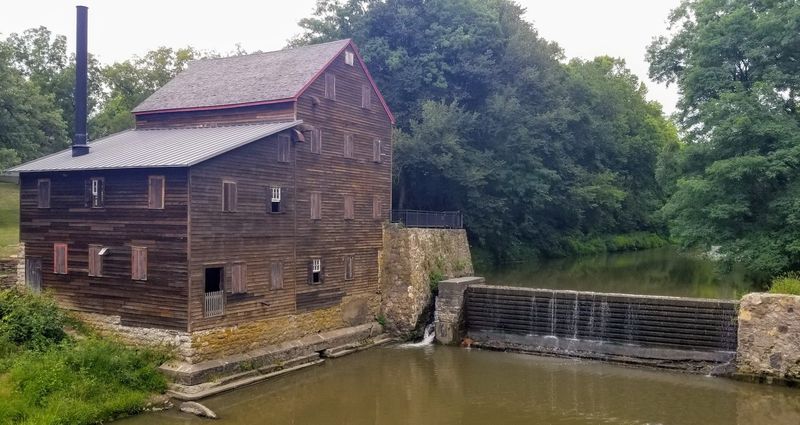
Set into the bluffs just east of Muscatine along the Mississippi River, Wildcat Den State Park punches well above its weight in terms of scenery and historical character.
The park is home to Pine Creek Grist Mill, one of the oldest surviving mills in Iowa, built in 1848 and still standing in remarkably good condition beside a rocky, fast-moving creek.
Trails here wind through sandstone canyons, past natural rock formations with names like Fat Man’s Squeeze and Steamboat Rock, which give the park a playful personality that kids and adults both enjoy.
The forest cover is dense enough to keep the trails cool even on hot summer days, making midday hikes more comfortable than you might expect.
Fall color at Wildcat Den is exceptional, and the combination of rugged rock formations and turning leaves creates the kind of scenery that looks almost too good to be real.
The park is small enough to explore thoroughly in a single day, but the variety of terrain keeps the experience from ever feeling repetitive.
Picnic areas near the mill make it easy to pack a lunch and turn the whole outing into a properly relaxed afternoon away from any screen.
7. Lake Macbride State Park, Solon
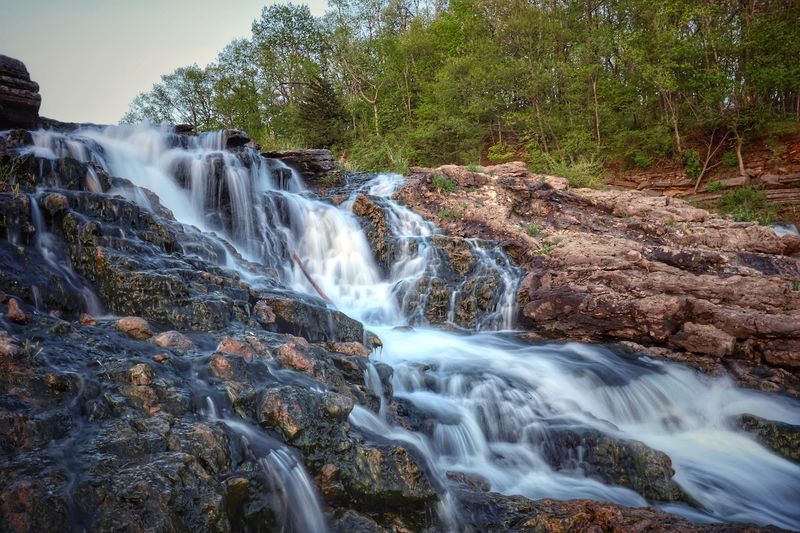
Lake Macbride is the kind of place that rewards visitors who show up without a rigid plan and just let the afternoon unfold at its own pace.
Located near Solon in eastern Iowa, Lake Macbride State Park centers on a 812-acre reservoir that draws swimmers, kayakers, anglers, and sailors in roughly equal numbers throughout the warmer months.
The beach area is clean, well-maintained, and genuinely popular with families looking for a low-key summer day out without driving too far from the Iowa City metro.
Beyond the water, the park has a solid trail system that loops through woodland and open meadow, offering a calmer alternative for anyone who prefers dry land exploration.
Mountain biking is permitted on designated trails, which adds an extra layer of appeal for visitors who want something a bit more active than a lakeside picnic.
Boat rentals are available on-site during peak season, so you do not need to haul your own equipment to get out on the water.
Sunsets over the lake from the eastern shoreline trail have a way of turning even the most distracted visitor into someone who genuinely stops and pays attention to the sky.
8. Ledges State Park, Madrid
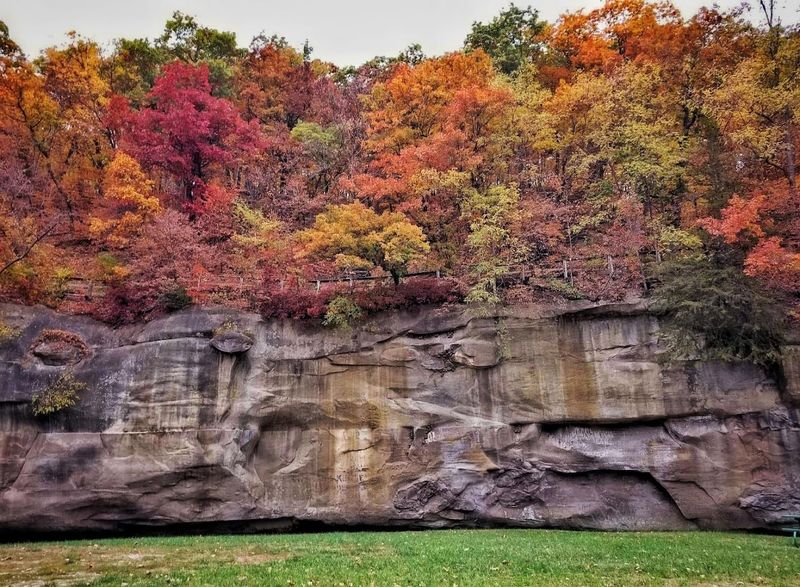
Central Iowa might not be the first region that comes to mind when you think of dramatic canyon scenery, but Ledges State Park near Madrid makes a convincing case for a second look.
The park’s defining feature is its sandstone ledges, layered canyon walls carved over thousands of years by Pea’s Creek and the Des Moines River, rising up to 100 feet in places.
Lower Ledges Road, which runs through the canyon bottom, is one of the most photographed spots in the Iowa state park system, and it earns every bit of that attention.
Trails climb from the canyon floor up through dense woodland to open prairie overlooks, giving hikers a satisfying range of landscapes within a relatively compact area.
The park is particularly stunning after heavy rainfall, when the creek runs fast and the canyon walls take on a deep, saturated color that photographs beautifully.
Camping here is popular year-round, with sites available near the river for those who want to fall asleep to the sound of moving water.
Spring wildflower season at Ledges is legitimately special, drawing nature photographers from across the state to capture the bloom along the canyon trail.
9. Neal Smith National Wildlife Refuge, Prairie City
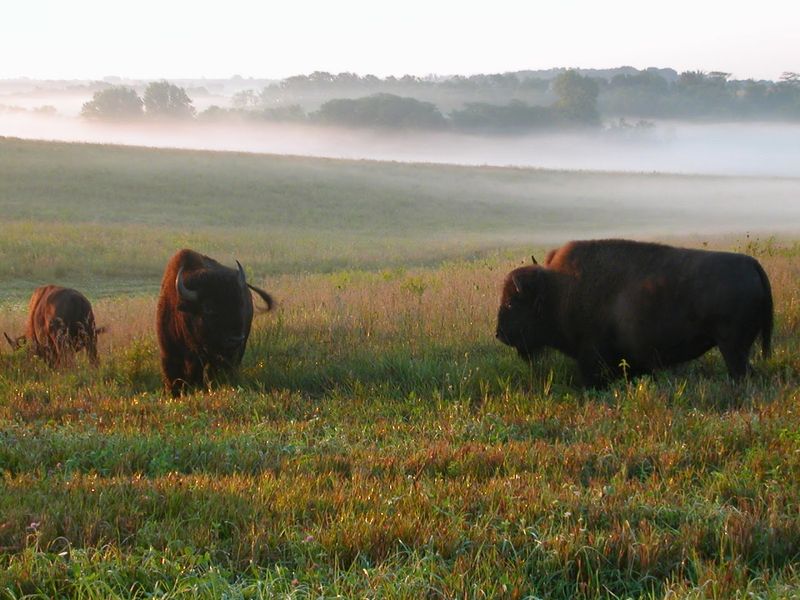
Bison on an Iowa prairie is not something most people picture when they think of the state, but Neal Smith National Wildlife Refuge near Prairie City is actively changing that mental image.
The refuge protects 6,000 acres of wildlife habitat and restored tallgrass prairie, making it one of the most ambitious prairie restoration efforts in the state, and it is home to bison and elk within a managed enclosure.
The Prairie Learning Center is normally an important starting point, but it is currently closed due to storm damage, so visitors should check the refuge’s latest updates before counting on indoor exhibits or services.
The land, walking trails, and five-mile Prairie Wildlife Drive through the bison enclosure remain open from sunrise to sunset daily, which still gives visitors a strong outdoor experience.
A driving tour loop winds through the refuge and can bring visitors within view of the bison herd, which is an experience that feels genuinely wild even from inside a car.
Hiking trails branch off from the main loop, threading through blooming wildflower meadows that peak in spectacular fashion from July through September.
Visiting early in the day, when the light sweeps across the tallgrass and the bison move slowly through the prairie, is the kind of morning that recalibrates your entire sense of what Iowa is.
10. Dolliver Memorial State Park, Lehigh
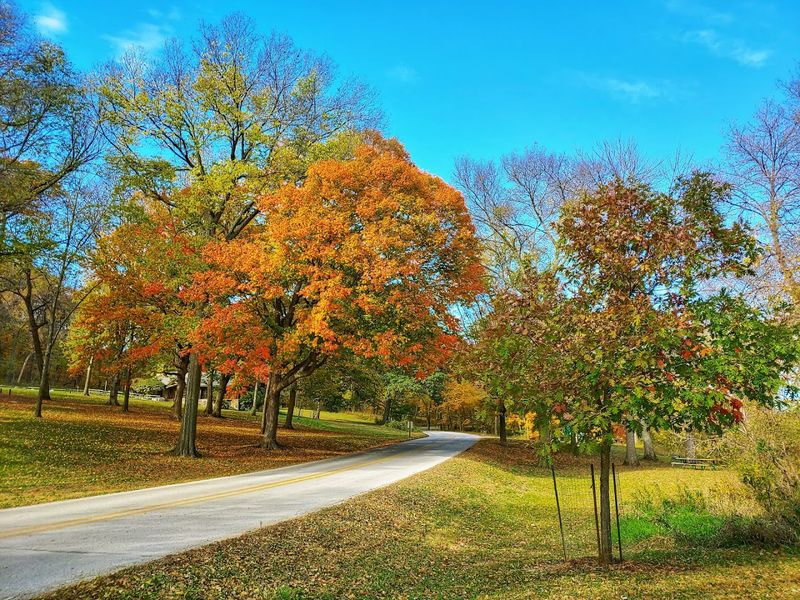
Hidden in a bend of the Des Moines River valley near the small town of Lehigh, Dolliver Memorial State Park is the kind of place that feels like a genuine discovery even though it has been a state park since 1925.
The park’s most striking feature is its copperas beds, exposed layers of iron-stained sandstone that glow in shades of orange and rust along the banks of Prairie Creek, creating a landscape that looks almost painted.
Mound Builder earthworks are also present within the park, adding a layer of archaeological significance that makes the visit feel more layered than a typical nature walk.
Trails wind through a canyon carved by Prairie Creek before opening onto forested bluffs above the Des Moines River, offering a satisfying mix of enclosed and open terrain.
The park sees far fewer visitors than some of Iowa’s more well-known destinations, which means the trails often feel refreshingly uncrowded even on pleasant weekends.
Wildlife sightings are common, with white-tailed deer frequently spotted along the creek corridor in the early morning hours.
The combination of unusual geology, Indigenous history, and genuine solitude makes Dolliver one of the most rewarding and underappreciated stops on any Iowa nature itinerary.
11. Stone State Park, Sioux City
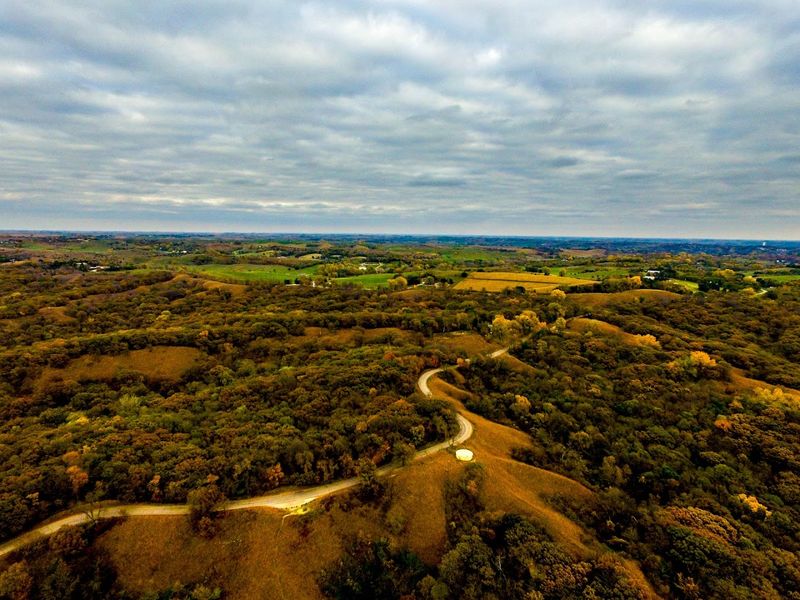
Perched on the loess hills just north of Sioux City, Stone State Park offers some of the most commanding viewpoints in western Iowa, with bluffs rising sharply above the Big Sioux and Missouri River valleys.
The park sits within a geological formation unique to this part of the world, where wind-deposited loess soil has built up into steep, dramatic hills found in only a handful of places globally.
Trails here climb aggressively in places, rewarding the effort with wide-open ridge views that stretch across three states on clear days.
The Dorothy Pecaut Nature Center, located within the park, offers well-designed exhibits on loess hill ecology and is an excellent stop for families with curious kids who want context for what they are seeing outside.
Mountain bikers have their own dedicated trail network within the park, making Stone a multi-sport destination that appeals to a broader crowd than most state parks.
White-tailed deer are plentiful, and wild turkey sightings on the ridgeline trails are common enough to stop feeling surprising after your second or third visit.
There is something quietly thrilling about standing on a loess bluff with the wind in your face and the whole Missouri River valley laid out below you.
12. Waubonsie State Park, Hamburg
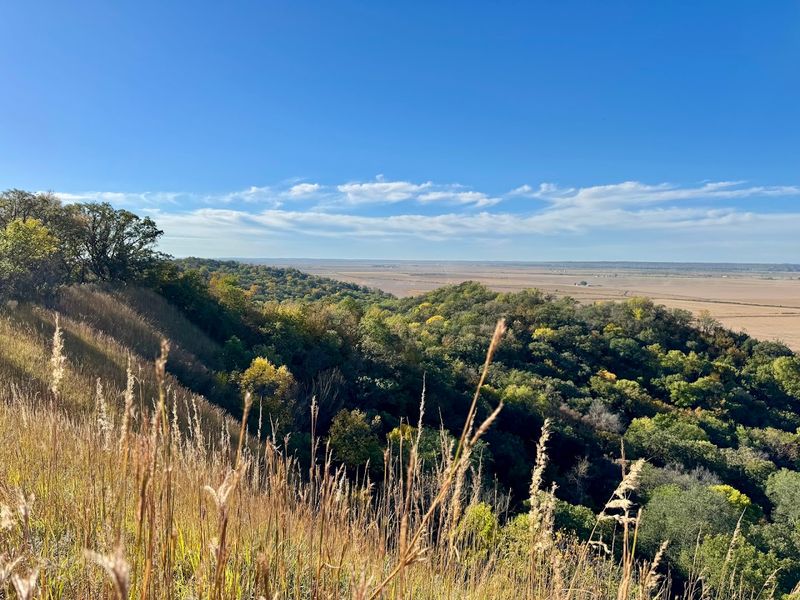
Down in the far southwestern corner of Iowa, where the state tapers toward the Missouri River, Waubonsie State Park delivers a landscape that surprises nearly everyone who visits for the first time.
The park near Hamburg sits deep within the loess hills region, and its trails climb and descend the dramatically sculpted terrain in a way that makes your legs fully aware they are working.
Ridgetop views here extend across the Missouri River floodplain toward the Nebraska plains, giving the park a borderland quality that feels genuinely expansive.
Stargazing can be rewarding in this quieter corner of the state, especially on clear nights when low surrounding development helps the sky feel bigger than usual.
Spring is a beautiful time to visit, when the hillsides green up quickly and wildflowers appear along the shadier trail sections cutting through the oak and hickory forest.
The campground is comfortable and well-positioned for multi-day visits, with easy trail access directly from the camping area.
Waubonsie is the kind of park that locals keep quietly to themselves, and after spending even a single afternoon on its ridgelines, it is easy to understand exactly why.