Forget the crowded tourist traps and overrated highway stops. Some places earn their reputation the old-fashioned way, through real history, raw landscape, and a culture so layered it takes more than one visit to fully appreciate.
Tucked into the Chihuahuan Desert near the U.S.-Mexico border, this small village carries a story that textbooks barely scratch the surface of. From a legendary 1916 raid that put it on the national map to a bicycling trail that stretches nearly 3,000 miles north, Columbus, New Mexico punches way above its weight for a town of just a few hundred residents.
Desert Streets With A Borderland Soul
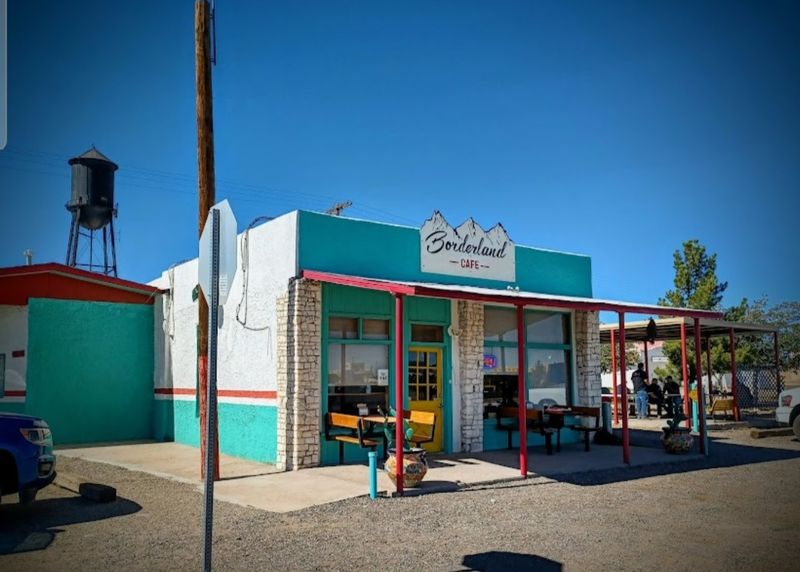
My first walk down the main street of this village felt like stepping into two worlds at once.
The signage switches between English and Spanish mid-block, the food smells drift across from both sides of the border, and the conversations around me flowed in both languages without anyone missing a beat.
More than nine in ten residents identify as Hispanic, and that statistic comes alive the moment you set foot here.
This is not a place performing its cultural identity for tourists. It lives it, breathes it, and builds its daily routines around it.
The streets are quiet by most city standards, lined with low buildings and open sky in every direction, but the energy underneath that stillness is unmistakably alive.
Families here often have roots stretching across both sides of the border, sometimes going back several generations, which gives the community a sense of continuity that feels rare in the American Southwest.
Columbus, New Mexico sits about three miles north of the Mexican border in Luna County. That proximity shapes everything from the food on local tables to the friendships that define the neighborhood every day.
Adobe Corners Beneath Endless Sky
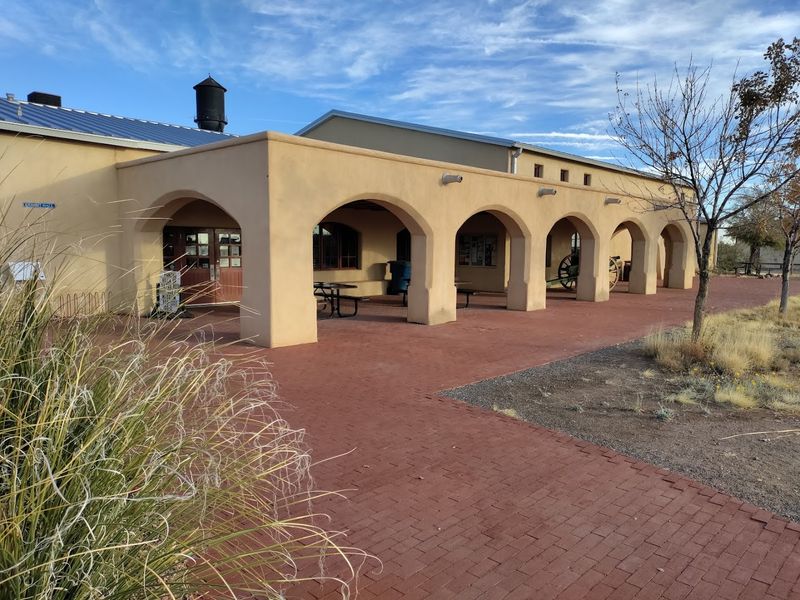
Adobe walls have a way of making a place feel rooted, like the buildings themselves grew out of the ground rather than being built on top of it.
Columbus has that quality in abundance, with low-slung structures in warm earth tones that blend into the surrounding Chihuahuan Desert as naturally as the creosote and yucca plants nearby.
The sky here is genuinely enormous. On clear days, and most days are clear, the horizon stretches so far in every direction that the landscape feels almost theatrical in scale.
Sunsets paint the adobe corners in deep orange and rose, and for a few minutes each evening, the whole village looks like it was designed specifically for that light.
New Mexico has a long tradition of adobe construction, and Columbus carries that tradition without making a fuss about it. The buildings are functional, unpretentious, and quietly beautiful.
Photographers and painters have been drawn here for years, not because of any single landmark, but because the combination of architecture, desert, and sky creates a composition that is hard to replicate anywhere else.
Standing at one of those adobe corners at dusk, I understood immediately why people return to this corner of the Southwest again and again.
Where Frontier History Still Lingers
On March 9, 1916, a force of several hundred fighters loyal to Mexican revolutionary Pancho Villa crossed the border and attacked this quiet desert village in the pre-dawn darkness.
That raid became one of the most dramatic military events in modern American history, standing as the only ground invasion of the continental United States since the War of 1812.
The U.S. Army responded by launching the Punitive Expedition, led by Brigadier General John J.
Pershing, which pursued Villa deep into Mexico and made history in its own right by deploying the 1st Aero Squadron in the field for the first time.
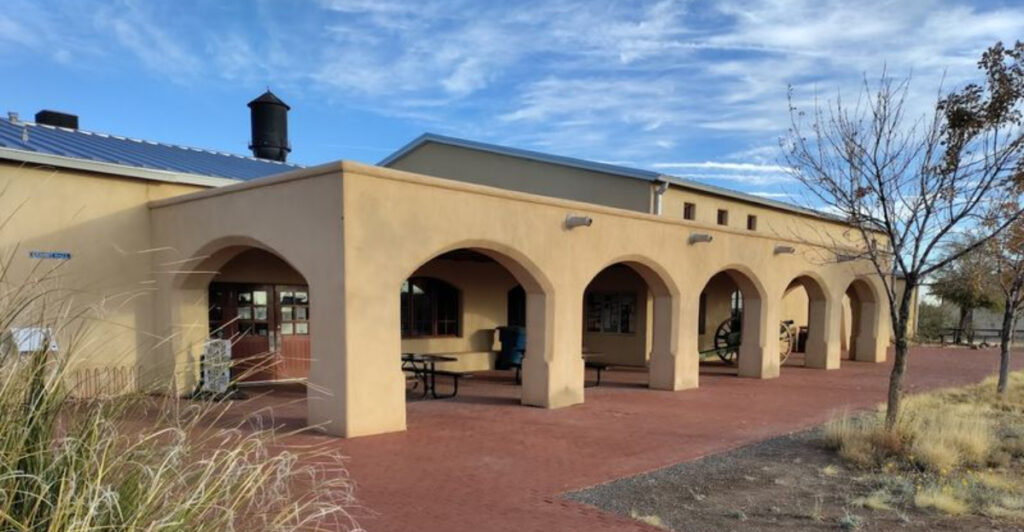
Walking through Pancho Villa State Park today, which preserves the original grounds of Camp Furlong where the attack occurred, the weight of that history is palpable.
Interpretive signs, preserved military equipment, and a well-organized museum on site piece together the events of that night with clarity and detail.
The park does not sensationalize the story. It presents it honestly, acknowledging the complexity of the borderland tensions that led to the raid and the lives affected on both sides.
History this vivid rarely comes packaged in such a peaceful, open-air setting, which makes the experience all the more striking.
A Quiet Village With A Storied Past
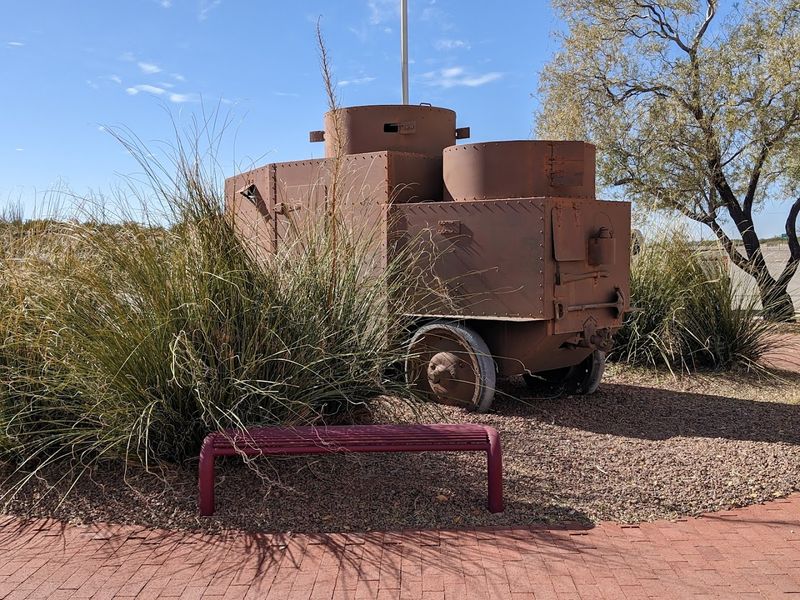
Small towns often carry histories far larger than their populations suggest, and Columbus fits that pattern perfectly.
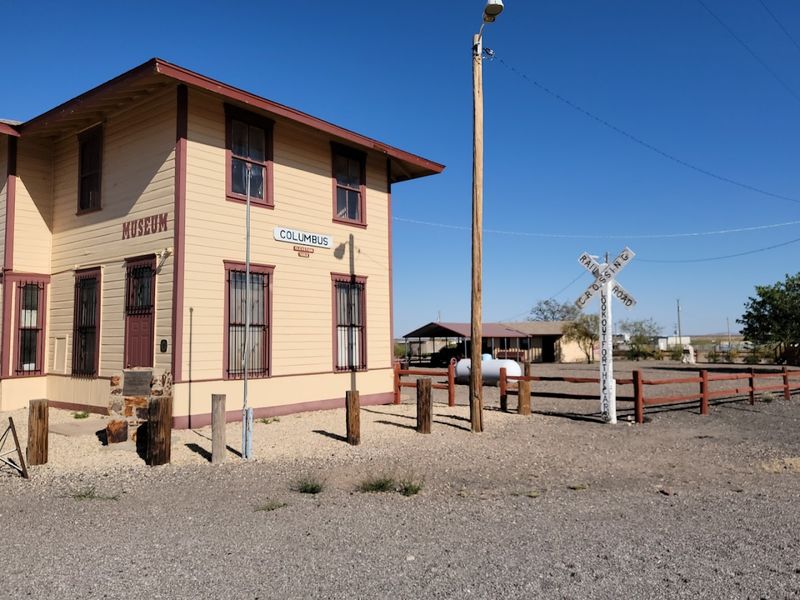
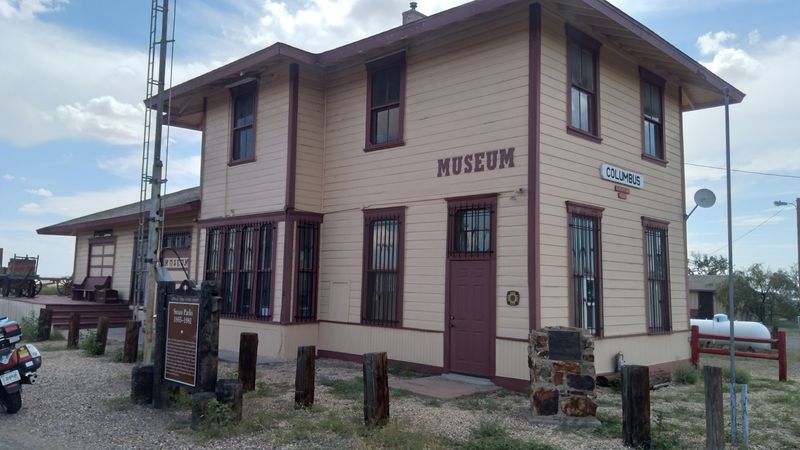
The Columbus Historical Museum, housed inside the beautifully repurposed former El Paso and Southwestern Railroad depot, offers a surprisingly thorough look at the forces that shaped this village over more than a century.
Railroad artifacts, old photographs, and documents related to the Pancho Villa raid fill the space with tangible connections to the past.
The depot building itself is worth a visit on architectural merit alone, a reminder of the era when rail lines were the arteries of commerce and community across the American Southwest.
The museum staff has assembled a collection that covers the early settler period, the military history of Camp Furlong, and the cross-border relationships that have defined Columbus since its founding.
What struck me most was how the exhibits treated the town not as a footnote to larger events, but as the main character in its own right.
Columbus earned its place in the historical record through circumstances it did not choose, but the community has responded by preserving that record with genuine care and local pride.
A morning spent here will completely reframe how you see this quiet desert village and everything surrounding it.
Sunbaked Views Near The Border
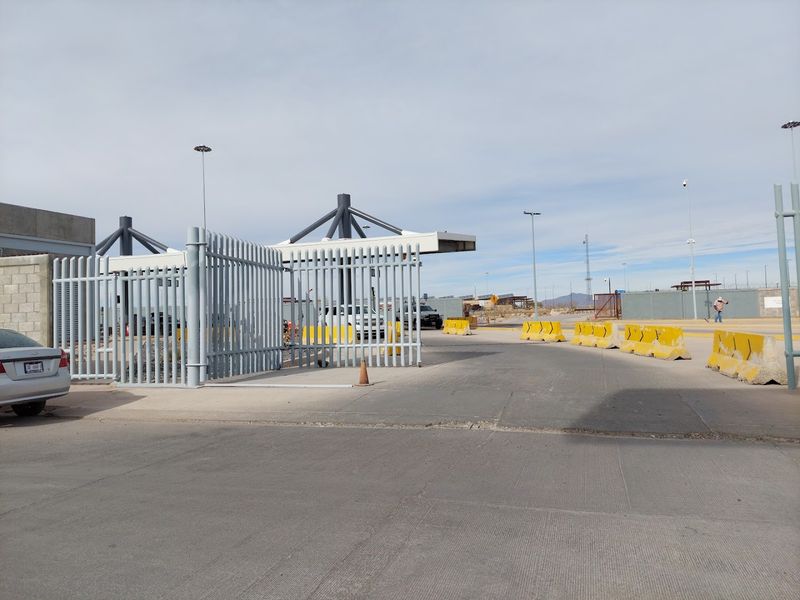
Few landscapes in North America feel as honest as the Chihuahuan Desert on a clear morning.
Standing near the border crossing in Columbus, with flat desert stretching in every direction and the distant outline of Mexican mountains on the southern horizon, the scale of the land becomes genuinely humbling.
The light here has a particular quality in the late morning, sharp and clean, that makes colors pop in ways a camera struggles to fully capture.
Creosote bushes, desert grasses, and the occasional yucca plant dot the terrain, and on quiet days the silence is deep enough that you notice sounds you would normally filter out entirely.
The Columbus port of entry lists daily hours of 10 a.m. to 4 p.m., and watching the movement of people and vehicles between the two countries is a reminder of how intertwined these communities have always been.
Just across the border sits Puerto Palomas, Chihuahua, where visitors can walk over for cultural shopping, local food, and a firsthand taste of northern Mexican life without a long drive or complicated logistics.
The Pink Store in Palomas has become a well-known stop for cross-border visitors, and the short walk to reach it feels like its own small adventure under that wide desert sky.
Old Rail Lines And Desert Silence
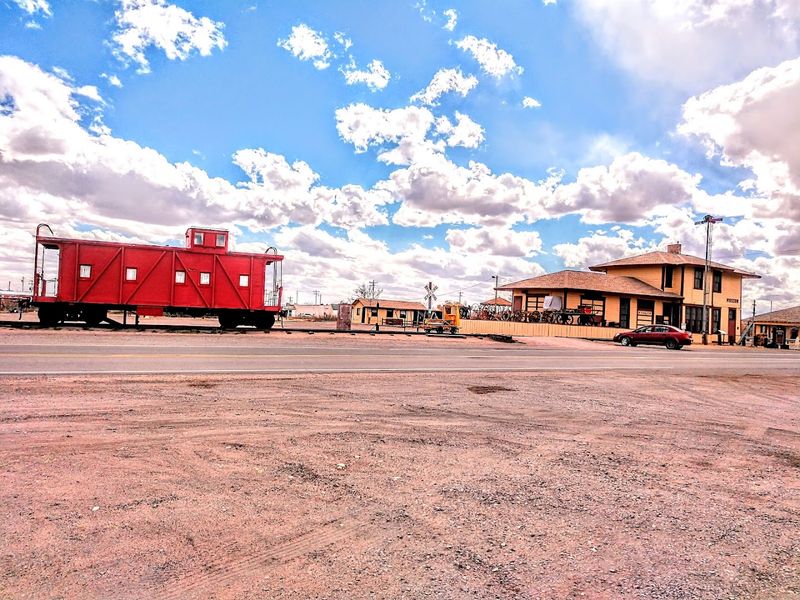
Rail history has a particular romance to it, especially in the American Southwest, where the arrival of a train line could transform a dusty crossroads into a functioning town almost overnight.
Columbus owes a significant part of its early growth to the El Paso and Southwestern Railroad, which connected the village to larger regional centers and made it a viable stop for commerce and travel in the early 1900s.
The old depot, now home to the Columbus Historical Museum, still carries the bones of that era in its structure, a solid, purposeful building that was clearly built to last and to impress.
Standing inside, it is easy to imagine the noise and activity that once filled the platform, the steam, the luggage, the voices of passengers heading in every direction.
Today, the rail lines are long gone, and what remains is a deep, almost meditative quiet that has settled over the village.
That silence is not emptiness. It is the kind of stillness that invites you to slow down, look more carefully, and listen to what the landscape itself is trying to say.
New Mexico has a way of rewarding patience, and Columbus, with its faded rail legacy and open desert air, is one of the finest examples of that reward.
Historic Landmarks With Southwestern Grit
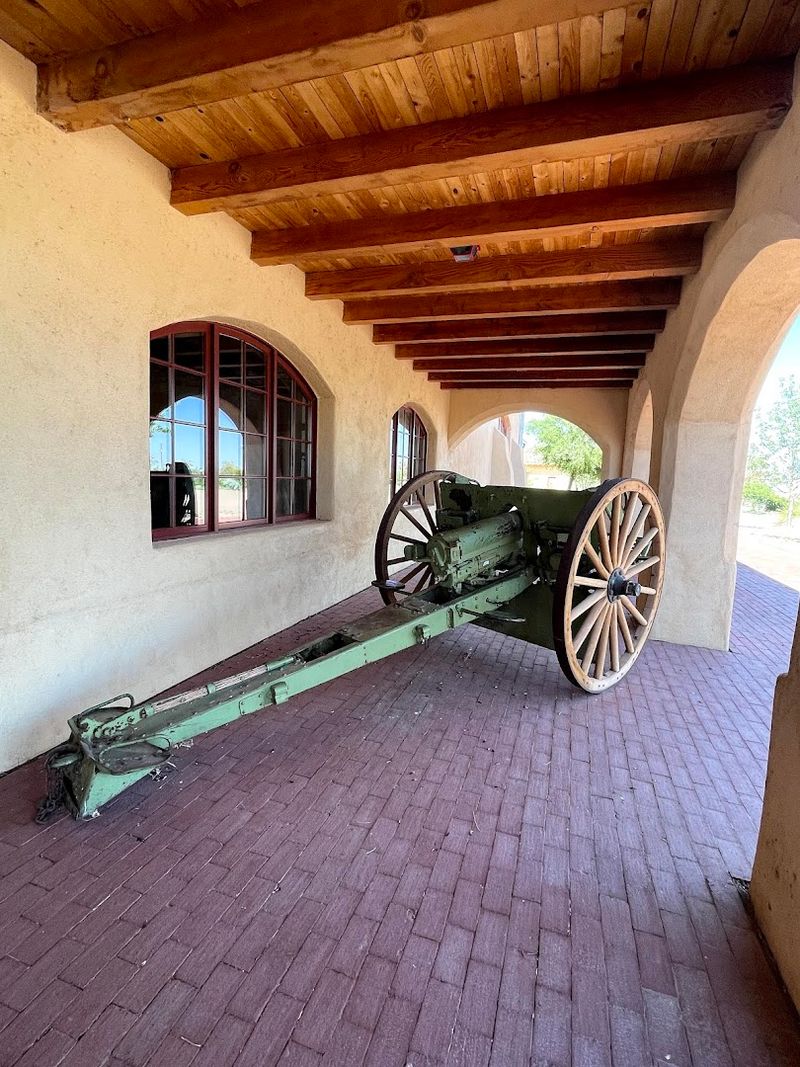
Pancho Villa State Park is the kind of place that earns its name without needing to oversell it.
The park encompasses the original grounds of Camp Furlong, the U.S. Army base that was attacked during the 1916 raid, and it has been developed into one of the more thoughtfully designed historical sites in the Southwest.
A botanical garden showcasing native Chihuahuan Desert plants runs alongside the historical exhibits, which means a single visit covers both natural and human history in one unhurried loop.
The park also preserves a collection of early military vehicles and equipment that connect visitors directly to the Punitive Expedition era, including artifacts that would be difficult to find anywhere else.
The on-site museum is compact but well-curated, with exhibits that place the 1916 raid in its broader political and social context rather than treating it as an isolated incident.
Camping is available within the park boundaries, which gives travelers the option of spending a night under the desert stars with all of that history just a short walk away from their tent.
Few state parks in New Mexico pack this much historical weight into a landscape this visually striking, and Columbus delivers both without requiring much effort from the visitor.
A Small-Town Scene Shaped By Two Cultures
Culture in Columbus is not something displayed in a museum alone. It moves through the streets, the kitchens, the conversations, and the daily rhythms of a community that has always existed between two worlds.
The village serves as a practical alternate starting or finishing point for Great Divide Mountain Bike Route riders, while the official route runs 2,700 miles between Canada and Antelope Wells, New Mexico.
Watching a loaded touring bike roll through a village this small, against a backdrop of desert and border fence, creates a contrast that somehow feels completely right for Columbus.
The local food culture reflects the same dual identity, with flavors and recipes that draw on both northern Mexican and New Mexican traditions in ways that resist easy categorization.
Visiting Puerto Palomas on the Mexican side adds another dimension to the experience, with its own markets, food stalls, and the famous Pink Store offering a cross-border afternoon that feels distinct from anything on the U.S. side.
Columbus does not try to be two places at once. It has simply always been one place where two cultures meet, trade, share meals, and build something that neither could create alone.
That mix is the real story of this village, and it is well worth the drive to experience it firsthand when the desert light starts to soften.