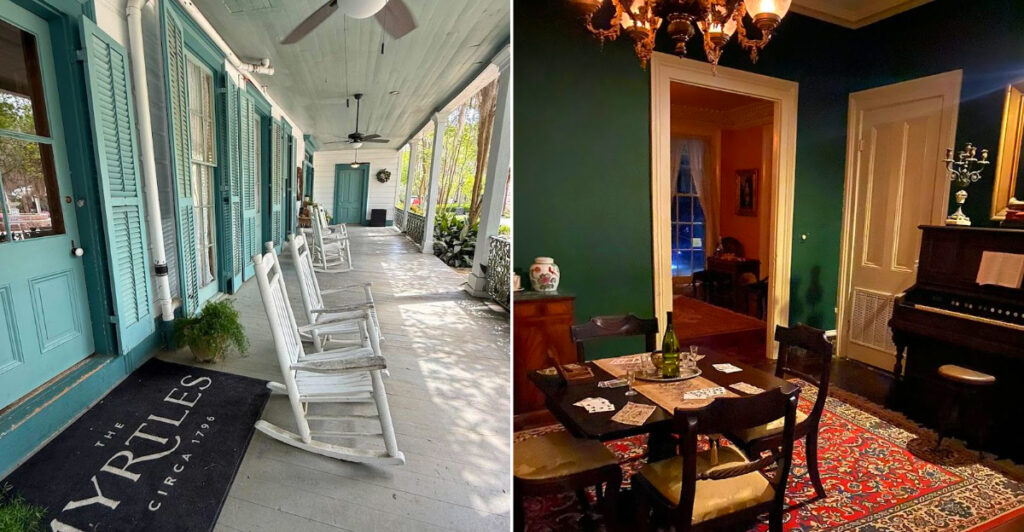
Ghost tours start at sundown, but the dining room fills long before that. The 1796 inn has earned its haunted reputation through centuries of reported sightings, strange sounds, plus photographs that show figures who were not there when the shutter clicked.
The kitchen leans into wood-fired Southern cooking: steaks with char marks that go deeper than the surface, vegetables roasted over hardwood until the sweetness concentrates, plus cornbread that picks up a smokiness no indoor oven could ever replicate.
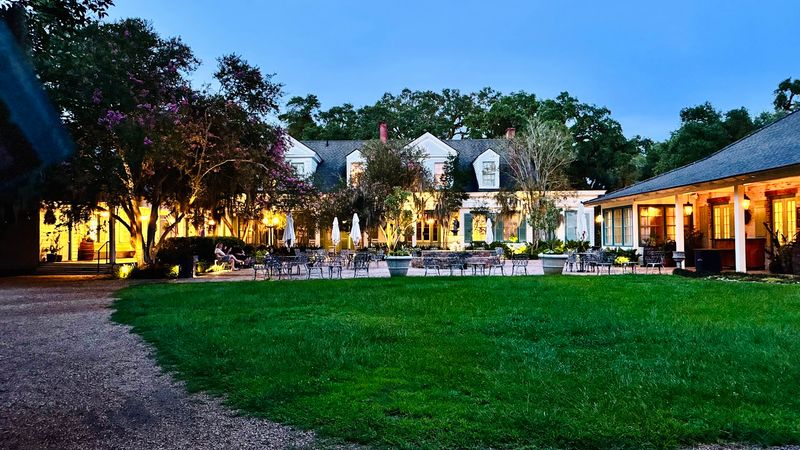
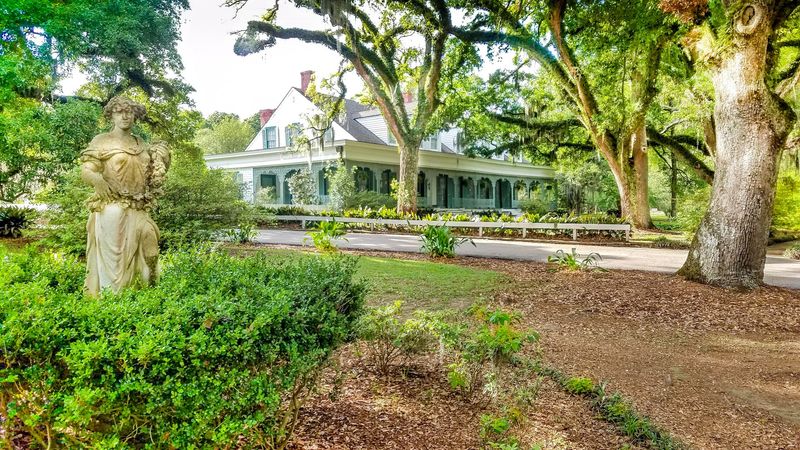
The grounds sprawl under live oaks draped in Spanish moss, connecting the dining room to the tour path so seamlessly that guests finish dessert and wander straight into a story about the woman who still walks the upstairs hallway.
Very few haunted places in Louisiana serve a steak this good on the same property where the ghosts actually show up, and fewer still make it feel this effortless.
Arrive With Time
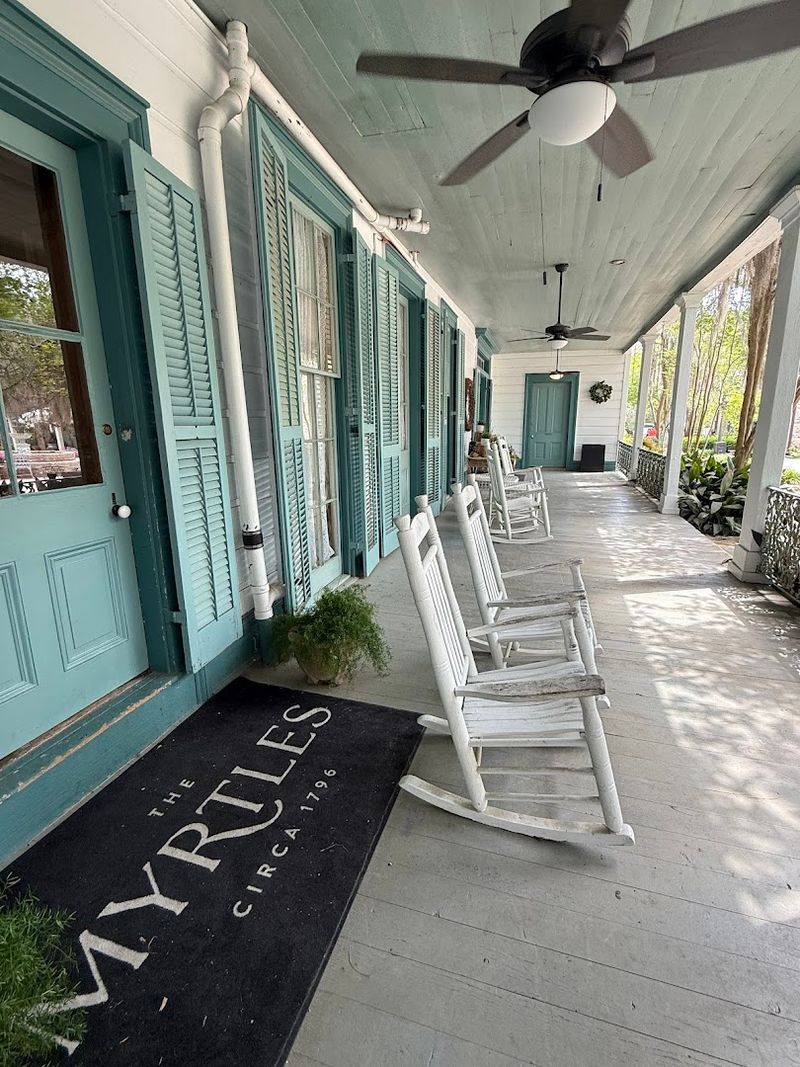
Give yourself an easy first hour to arrive, park, and wander the grounds before any tour starts. The small parking area and compact layout make a slow approach rewarding.
You can take in the craftsmanship and notice details that will matter during a guided talk, like carved crown moldings and the 1796 building’s Creole cottage proportions.
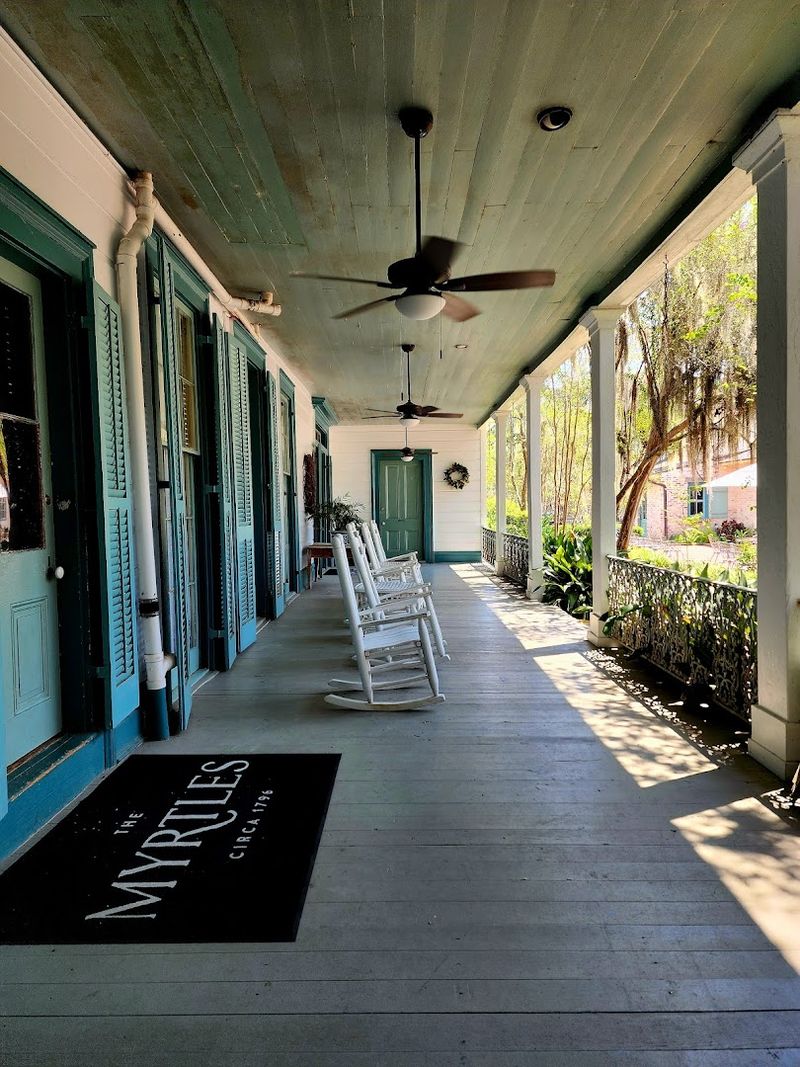
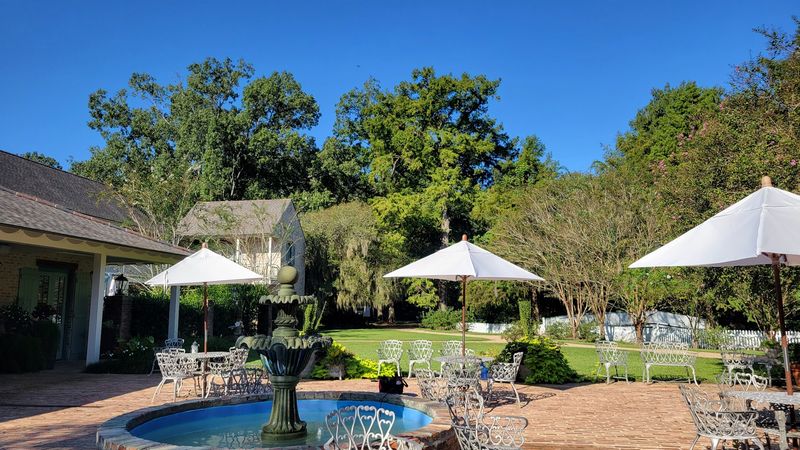
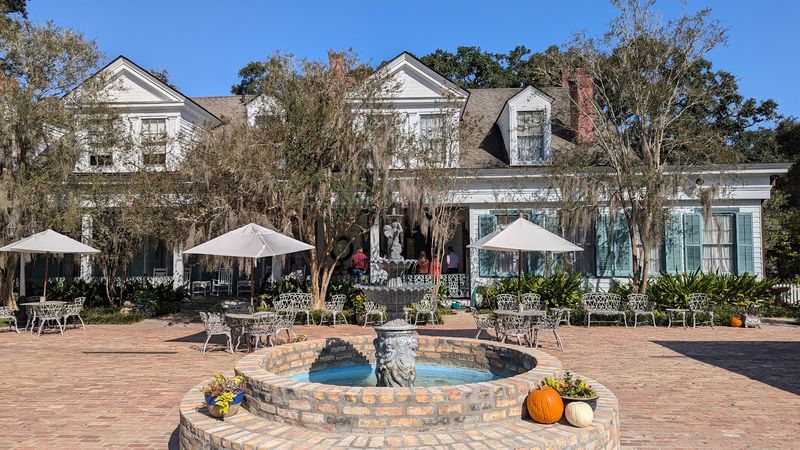
The property feels layered when you move at a human pace; rocking chairs on garden cottages, a courtyard pond, and friendly animals create a comfortable rhythm that settles nerves and sharpens curiosity. Use this time to visit the gift shop and ask staff about tour schedules so you don’t miss an evening mystery option.
US-61 Delivers You Right To The Ghost Stories
The Myrtles Plantation sits at 7747 US-61 in St. Francisville, Louisiana. From Baton Rouge, head north on US-61 and stay with the highway as the city thins into rolling countryside and quieter plantation-country roads.
Travelers coming from Natchez or the Mississippi state line can follow US-61 south toward St. Francisville. The entrance sits directly off the highway, so the main task is watching the address numbers and slowing down before the turn.
Pull into the property from US-61 and follow the internal drive toward visitor parking. Once the white house, deep porch, and moss-hung trees come into view, the highway part of the trip is over.
Dine At Restaurant 1796
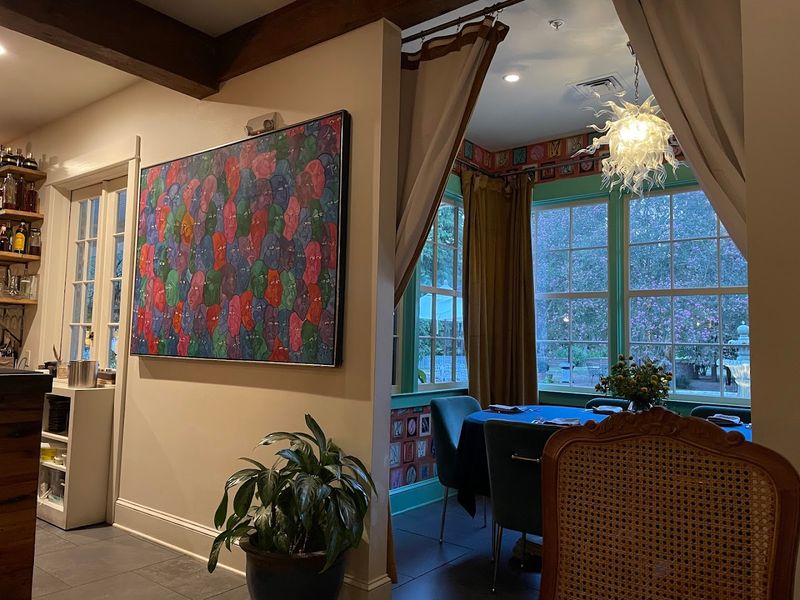
Restaurant 1796 brings wood-fired Southern cooking to the plantation grounds with an open-hearth ten-foot-wide hearth and hardwood sourced locally.
The menu showcases regional dishes prepared over the fire, think hearth-blackened redfish, braised short rib, and shrimp and grits with a clear focus on seasonality, regional ingredients, and the deep char that the hearth provides.
Reservations are wise, especially weekends and nights when tours overlap with dinner service. If you enjoy tactile cooking and smoke-kissed flavors, schedule your meal after an afternoon tour so you can watch the kitchen team at work while your appetite builds.
The experience feels especially fitting here, where history, flame, and Louisiana hospitality all meet at the table; the patio seating is a lovely option when weather cooperates.
Stay Overnight
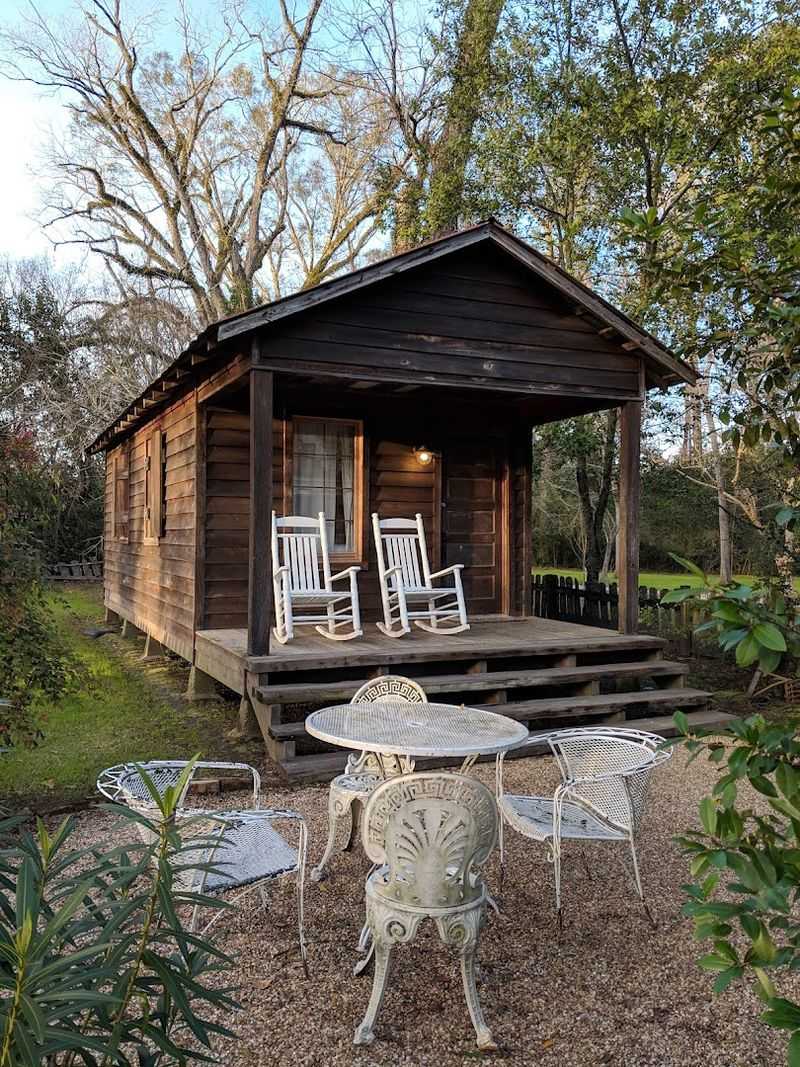
Booking a room transforms a single visit into an immersive stay where the house’s layers reveal themselves over hours rather than minutes. Choose between period suites in the main house with antiques and claw-foot tubs or quieter garden cottages and cabins that offer porch rocking chairs and private entry.
Breakfast is included for overnight guests and helps ground the more theatrical elements of the property; many visitors report quiet, oddly intimate moments in the house after other guests have gone to sleep.
If you’re tempted by paranormal claims, staying overnight gives you the best chance to feel the property’s atmosphere beyond a guided tour timeframe.
Respect The Stories
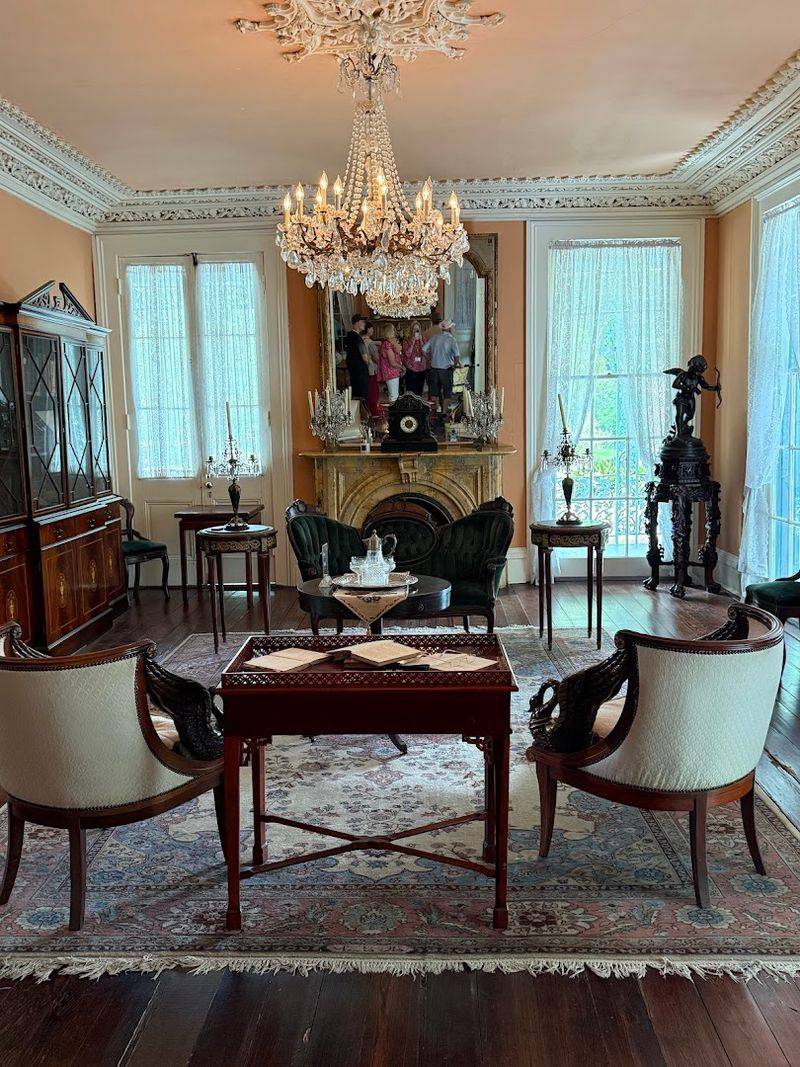
The Myrtles carries a heavy folkloric reputation. Claims about Chloe, the mirror, and the 17th stair are part of the public narrative, but guides frame those tales alongside documented history.
Approach stories with curiosity and respect, asking questions rather than treating legends as spectacle, because the staff blend folklore with verified provenance for context.
Many of the guides are longtime employees who know the house’s objects intimately and can point out which elements are original and which are later additions. Listening closely deepens appreciation for craftsmanship and helps separate myth from material evidence while still letting you enjoy the theatrical side of the tours.
Look For Subtle Details
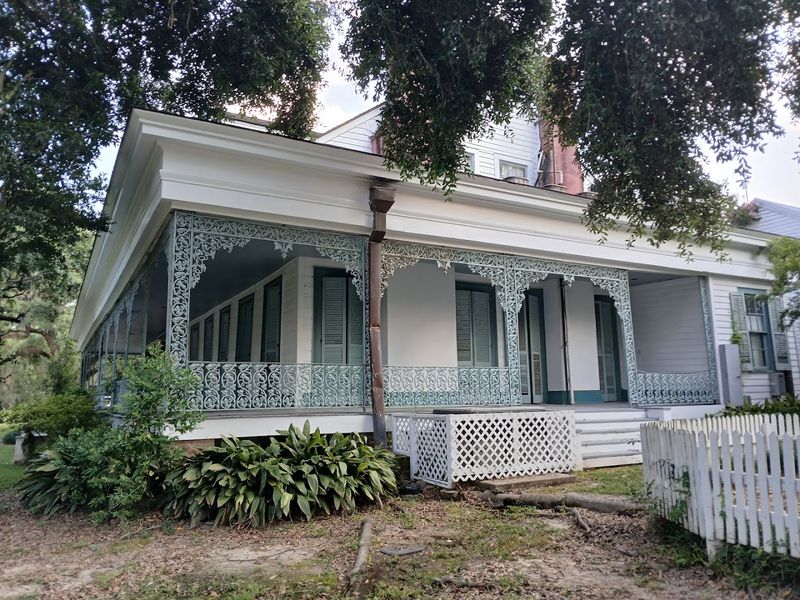
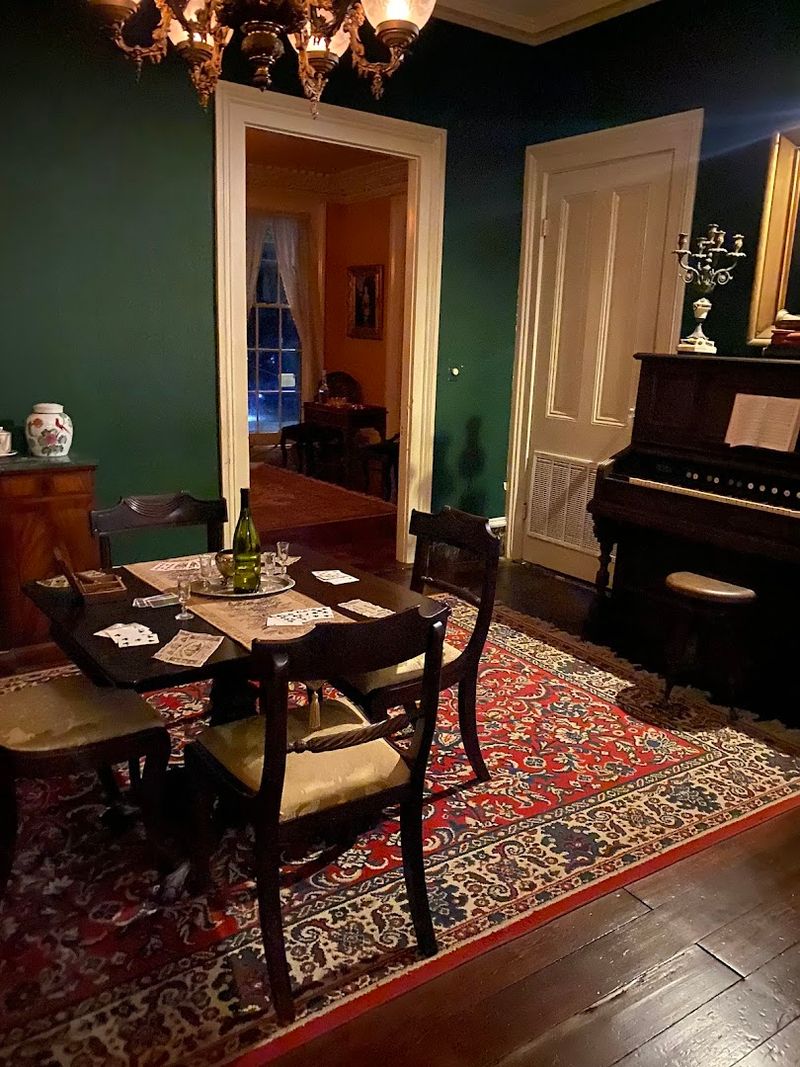
The house rewards attention to small, domestic details, carved crown molding, hand-painted stained glass, antique hardware, and period furnishings that survive across rooms.
Those elements reveal craftsmanship and changing tastes over centuries, and noticing them enriches the narratives guides share about construction, renovations, and the people who lived there.
Bring a camera and take steady shots of architectural details rather than wide panoramas; photos often reveal things you missed in person. Staff encourage photography but will advise on restricted areas; respecting those limits keeps fragile items safe while letting you document your visit in a meaningful way.
Timing Matters
Plan visits around tour times and meal service to avoid rushed transitions; evening tours start later and often fill up, while daytime history tours provide denser archival information.
Arriving mid-morning or mid-afternoon gives you flexibility to join a tour and dine without feeling hurried, and it reduces overlap with peak parking use during weekends and events.
Check the official website or call ahead for schedule changes and private tour availability, especially if you want a quieter group or special access. Staff are generally helpful with timing advice and can suggest the best sequence for tours, the restaurant, and a relaxed walk through the grounds.
Mind The Animals
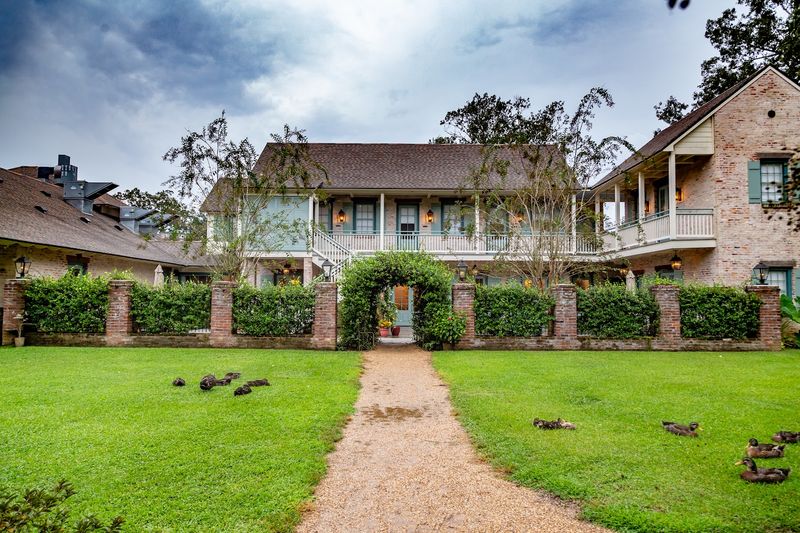
Roaming animals are part of the Myrtles experience. A famously curious turkey, along with friendly cats and chickens, moves across the grounds and gives the property a softer, more pastoral rhythm.
They add a lived-in quality that offsets the house’s spooky reputation and often become memorable highlights for families, photographers, and anyone who enjoys a little surprise between historic stops.
Approach animals calmly and follow staff guidance; they are accustomed to guests, but unexpected movements can still startle them. It is best to let them wander on their own terms rather than trying to force a photo or interaction.
If you have allergies or mobility concerns, plan accordingly; some areas may feel more animal-friendly, while others offer a quieter break during tours or meals.
Ask Your Guide
Guides at The Myrtles are both historians and storytellers who can parse documented facts from folklore. Ask specific questions about provenance, such as what parts of the house date to 1796, which furnishings are original, and the documented histories behind the more sensational stories.
Guides welcome thoughtful queries and often share lesser-known archival details that do not always fit into the standard tour script.
If you’re curious about the mirror or the 17th step, request clarification and evidence; some guides will point to sources or museum practices that informed interpretive choices. That balance is part of what makes the visit interesting, because the property works as both a historic site and a legend-filled destination.
A good conversation with a guide deepens appreciation for the material culture, the architecture, and the role of folklore in shaping the visitor experience.
Visit The Gift Shop
The gift shop is a compact source of thoughtful souvenirs, regional cookbooks, books on the plantation’s history, postcards, and tasteful keepsakes that reflect the property’s dual identity as a historic site and a place of legend. Buying a book or local craft supports the site and extends your learning beyond a single tour.
Staff can recommend reading for deeper context or for family-friendly options if you want to engage younger visitors. The shop also sells practical items you might need during your visit, and picking up a guidebook makes a good reference for comparing notes after a tour or during an overnight stay.
Respect Quiet Hours
The Myrtles asks guests to keep noise down after 10 PM and observes quiet hours to preserve the experience for overnight visitors and the neighborhood.
That policy enhances the sense of being in a historic domestic space rather than a crowded tourist attraction and helps maintain an atmosphere where subtle moments, creaks, whispers, and unexpected sounds, can be noticed without disruption.
If you plan to stay overnight, keep a responsible system for keys and explore the house earlier in the evening to avoid loud comings and goings. Staff are clear about expectations and enforcement is gentle but firm; following the rules preserves the ambiance and shows respect for other guests and the site’s history.
Review Before You Go
Look over The Myrtles’ official website and recent tour details before your visit to confirm times, ticket options, and dining availability; occasional private events or weddings can affect restaurant service and public access. Reviews and recent reports give a sense of staff strengths and what to expect from tour pacing and interaction styles.
Call ahead if you have accessibility needs or special requests; the property lists accessibility features and staff can advise on the best route and room options. A little planning ensures your visit aligns with your interests, whether that’s architecture, culinary experience, or the lore that draws so many guests.