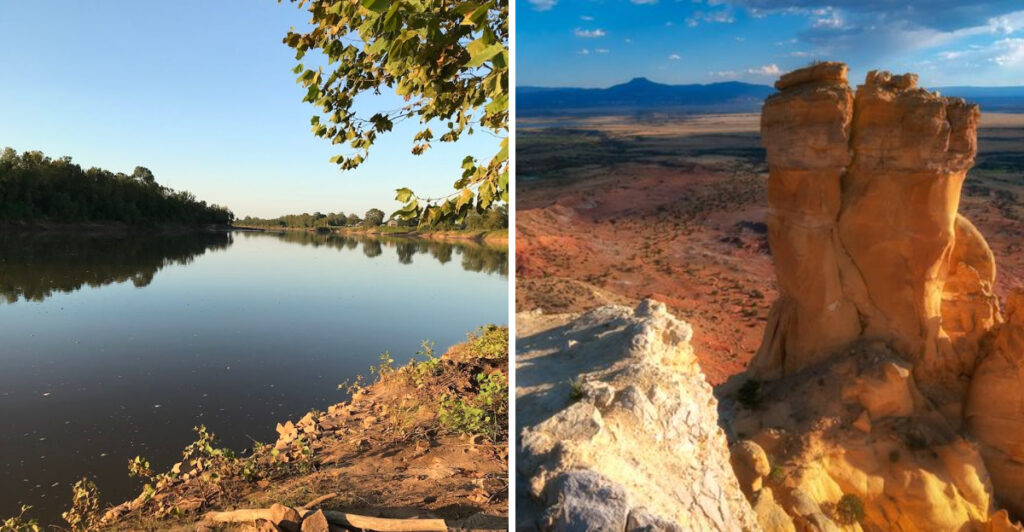
A small-town road trip can go flat fast, unless the stops keep changing the mood. New Mexico does that beautifully.
Red River brings mountain mornings and ski-town energy. Abiquiú slows everything down with red cliffs and Georgia O’Keeffe country.
Madrid turns an old coal town into a street full of art, music, shops, and stories. Then Pie Town shows up with a name so direct it almost sounds made up.
This is the fun of traveling here. The towns do not blur together.
Each one has its own rhythm and its own reason to make you forget the schedule. You might come for a hike and stay for a conversation.
You might plan one stop and add another before lunch. Keep the route loose, because these small towns can change the day before you know it, then keep changing it again before the afternoon sun starts dropping low.
1. Pecos
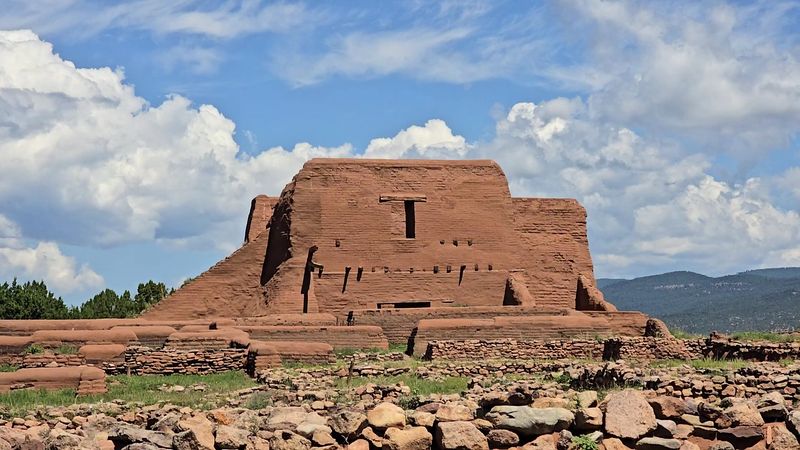
History has a way of feeling abstract until you are standing inside a centuries-old pueblo ruin and the wind is the only sound around you.
Pecos sits in San Miguel County in northern New Mexico, nestled in a mountain valley where the Sangre de Cristo range begins to soften into high plains.
Pecos National Historical Park is the crown jewel of the area, preserving the ruins of a massive pueblo that once served as a major trading hub between Plains tribes and Pueblo peoples.
The park’s trail loops past crumbling mission walls and ancient kiva outlines, offering a quiet and deeply moving walk through layers of history.
Beyond the park, the Pecos River winds through the valley and draws fly fishers who come for the cold, clear water and the solitude that comes with it.
The surrounding national forest opens up a wide range of hiking and camping options, with trails that climb into pine-covered ridges above the valley floor.
Fall is a particularly special time to visit, when the aspens turn gold and the air carries a sharp, clean chill.
Pecos moves at its own pace, and that slowness is exactly what makes it so restorative.
A weekend here feels longer than it is, in the best possible way.
2. Red River
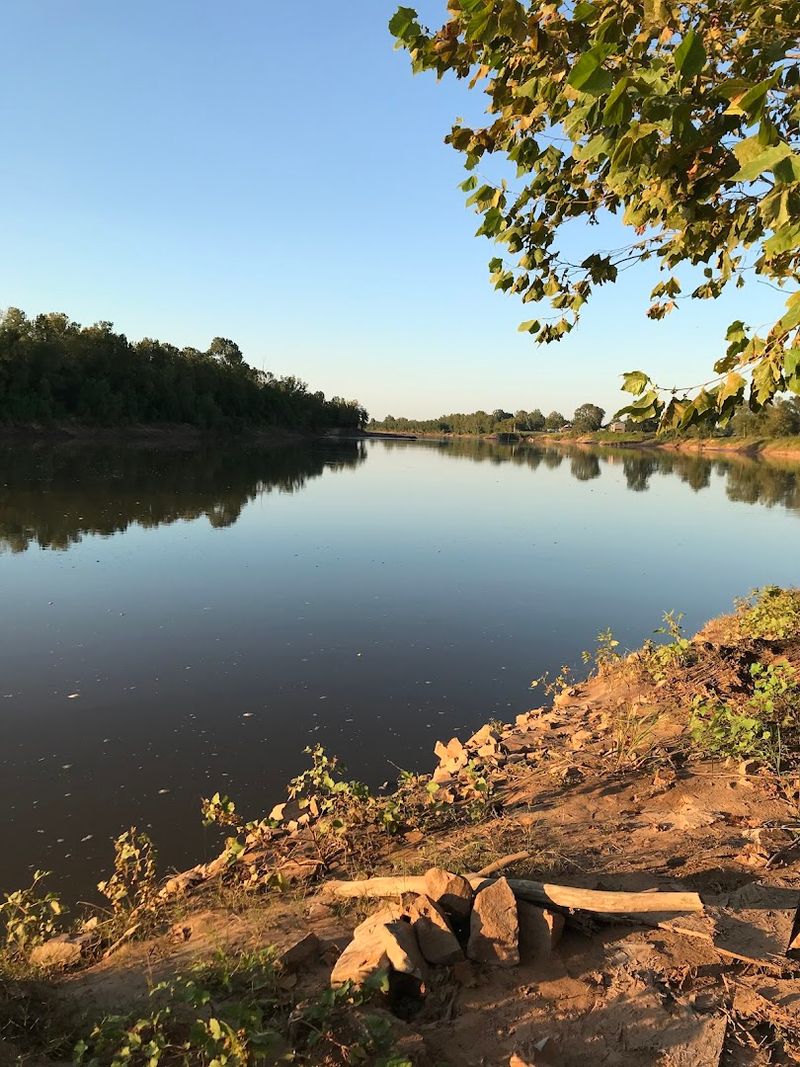
My first morning in Red River started with frost on the windshield and a sky so blue it almost hurt to look at.
Tucked into the Sangre de Cristo Mountains in northern New Mexico, this compact mountain town wears its mining past proudly while keeping one eye firmly on the slopes.
Red River Ski Area draws skiers and snowboarders throughout winter, and the runs range from friendly beginner terrain to steeper trails that will test your legs.
Summer flips the script entirely, as the same mountains that hold snow in January turn into a sprawling network of hiking and mountain biking trails by July.
The historic district along Main Street is worth a slow walk, with buildings that echo the town’s origins as a silver and copper mining settlement.
Festivals pop up throughout the year, filling the streets with live music, local vendors, and a crowd that somehow always feels like a reunion.
Red River sits at a high elevation, so pack layers no matter what season pulls you here.
The town is small enough to explore on foot but packed with enough character to keep you busy for a full long weekend.
Leave extra time in your schedule, because Red River has a habit of making you want to stay just one more day.
3. Abiquiú
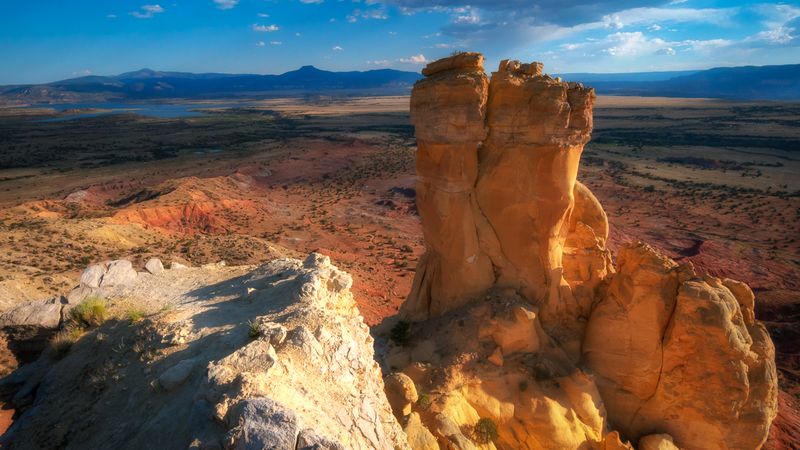
Few places in the American Southwest stop you mid-sentence the way Abiquiú does when the late afternoon light hits those red cliffs.
Located in Rio Arriba County in northern New Mexico, this small village sits along the Chama River and has been drawing artists and wanderers for generations.
Georgia O’Keeffe spent decades here, and once you see the landscape, her paintings stop feeling like art and start feeling like postcards.
The Chimney Rock Trail is one of the most rewarding hikes in the area, winding through sculpted rock formations and offering panoramic views that stretch for miles in every direction.
Abiquiú Lake, just a short drive from the village center, provides a calming spot for kayaking, fishing, and watching the kind of sunsets that make you forget to check your phone.
The village itself is quiet and unhurried, with adobe architecture that blends so naturally into the surrounding landscape you sometimes have to look twice.
Local pottery and art are woven into the culture here, and a few studios welcome visitors by appointment.
Spring and fall offer the most comfortable temperatures for outdoor exploration, though summer mornings before the heat builds are equally rewarding.
Abiquiú rewards slow travelers who give it more than a passing glance.
4. Church Rock
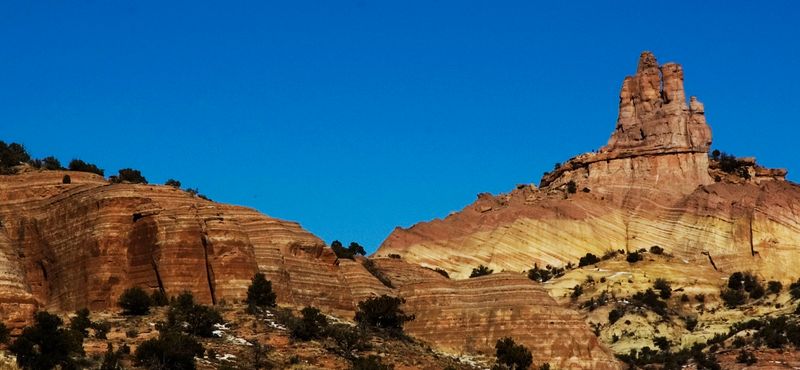
Church Rock is the kind of place that earns a double-take on the map before you even arrive.
Located just east of Gallup in McKinley County in northwestern New Mexico, this small community sits within a landscape dominated by vivid red sandstone formations that rise from the desert floor like natural monuments.
The Church Rock formation itself is a striking sandstone butte that gives the area its name and serves as a distinctive landmark visible from the highway.
The surrounding terrain is part of the broader Colorado Plateau, and the geology here tells a story of ancient seas, wind, and time that no textbook can fully capture.
Outdoor enthusiasts find plenty of open country for hiking and photography, with the changing light throughout the day transforming the rock colors from rust to deep crimson.
The area sits close to Red Rock Park, which hosts the Gallup Inter-Tribal Indian Ceremonial, one of the longest-running Native American cultural events in the country.
Traveling through this part of New Mexico means crossing through Navajo Nation territory, so approaching the land and its culture with genuine respect is essential.
Sunrise here is worth setting an early alarm for, when the first light catches the sandstone and the whole landscape seems to ignite.
Church Rock is a quiet reward for travelers willing to look beyond the obvious stops.
5. Capitan
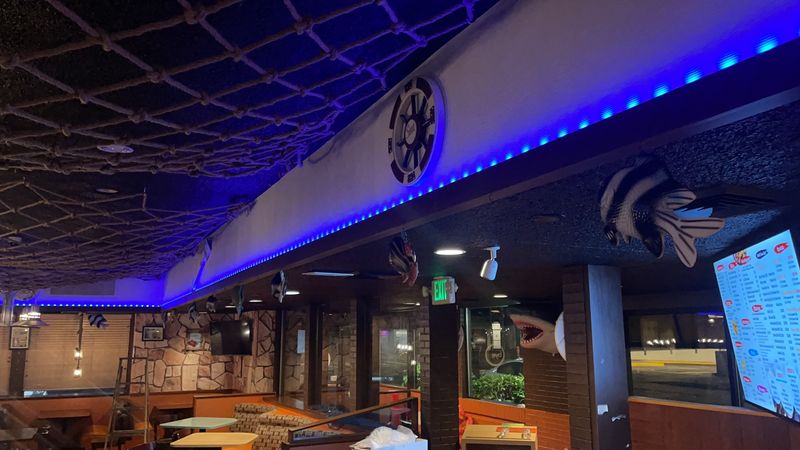
A certain famous bear calls this mountain town home, and that alone is enough to make Capitan one of the most charming stops in southern New Mexico.
Situated in Lincoln County at the base of the Capitan Mountains, the town is small but punches well above its size in terms of personality and outdoor access.
Smokey Bear Historical Park sits right in the center of town, honoring the real black bear cub rescued from a wildfire in the Capitan Mountains and later adopted as the national symbol of fire prevention.
The park includes a museum, a garden, and the actual burial site of the original Smokey Bear, making it a surprisingly moving stop for visitors of all ages.
Beyond the park, the Capitan Mountains Wilderness Area offers serious hiking on trails like the Capitan Peak Trail, where mule deer and wild turkey are common sights in the trees.
Trout fishing in the nearby streams gives anglers another reason to linger a little longer than planned.
The town itself has a relaxed, friendly energy, with local shops and a community that clearly takes pride in its unique piece of American history.
Capitan sits close to Ruidoso, making it easy to combine both towns into a single mountain getaway.
Come for Smokey, stay for the mountains and the quiet that comes with them.
6. Arroyo Seco
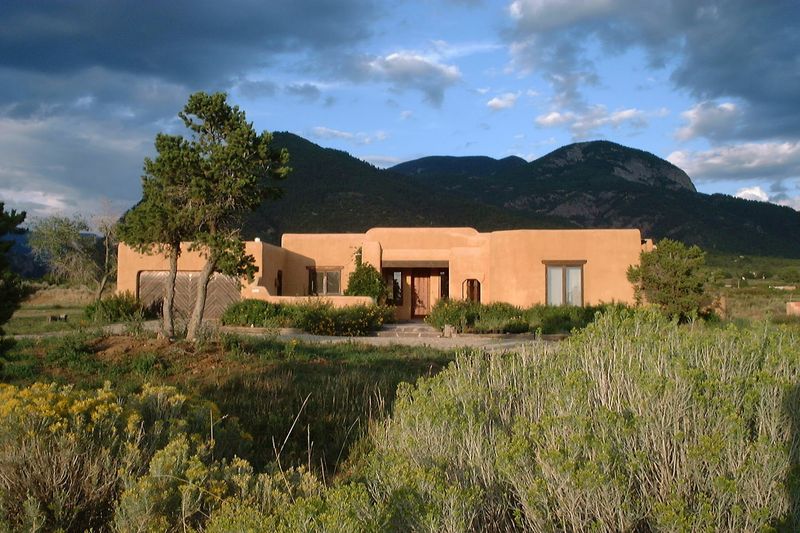
Just a few miles north of Taos, Arroyo Seco operates at a frequency that is quieter, slower, and somehow more satisfying than its famous neighbor.
The village sits in Taos County in northern New Mexico, tucked into a valley below the Taos Mountains with views that remind you why people move somewhere and never leave.
The main street, if you can call it that, is lined with a small but carefully curated collection of galleries, a beloved general store, and a handful of spots to grab a good meal without the tourist crowd.
Arroyo Seco Mercantile is a local institution, the kind of place where you walk in for one thing and leave an hour later having talked to three strangers about hiking trails.
The surrounding landscape is ideal for outdoor adventures, with trails heading up into the mountains and open meadows that turn wildflower-covered in late spring.
Winter brings a different kind of magic, as the village becomes a quiet base for skiers heading to Taos Ski Valley just up the road.
The creative community here is real and unpretentious, with artists who actually live and work in the village rather than just displaying there.
Arroyo Seco rewards visitors who slow down enough to notice the details.
It is the kind of place you mention quietly to people you trust, hoping it stays exactly as it is.
7. Madrid
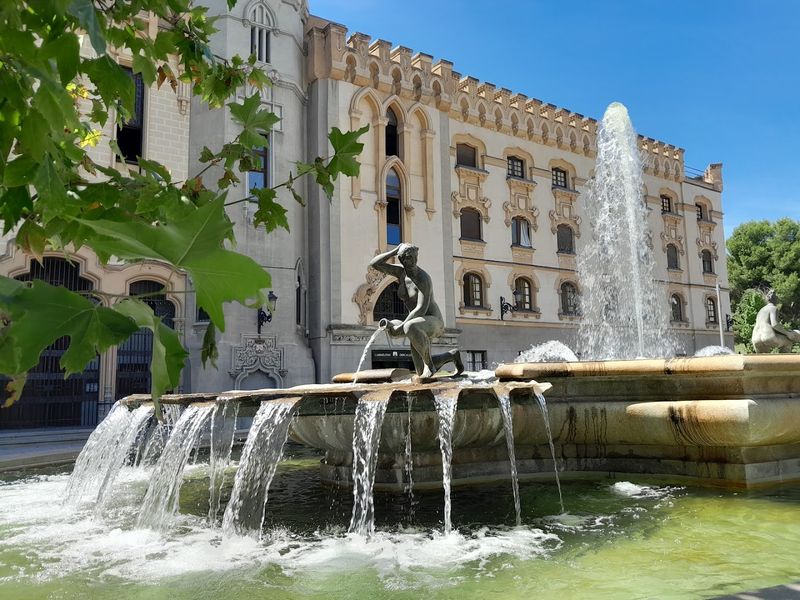
Madrid should not exist, and yet here it is, a former ghost town that decided to reinvent itself as one of the most colorful and creatively alive villages in the state.
Located along the Turquoise Trail National Scenic Byway in Santa Fe County, Madrid sits between Albuquerque and Santa Fe in a narrow canyon that once hummed with coal mining activity.
When the mines closed, the town emptied out almost entirely, and then artists started arriving in the 1970s, drawn by cheap rents and a landscape that practically begged to be painted.
Today, the main street is a parade of galleries, studios, quirky boutiques, and cafes where the coffee is good and the conversation is better.
The Mine Shaft Tavern anchors the social scene and hosts live music that spills out onto the street on weekends, filling the canyon with sound.
Every December, Madrid transforms into a holiday spectacle with an elaborate Christmas light display that draws visitors from across the region.
The town has appeared in films and television, and it is not hard to see why directors find it irresistible.
Shopping here feels like a treasure hunt, with handmade jewelry, original paintings, and one-of-a-kind objects around every corner.
Madrid proves that a town can lose everything and still find a way to become something worth celebrating.
8. Mountainair
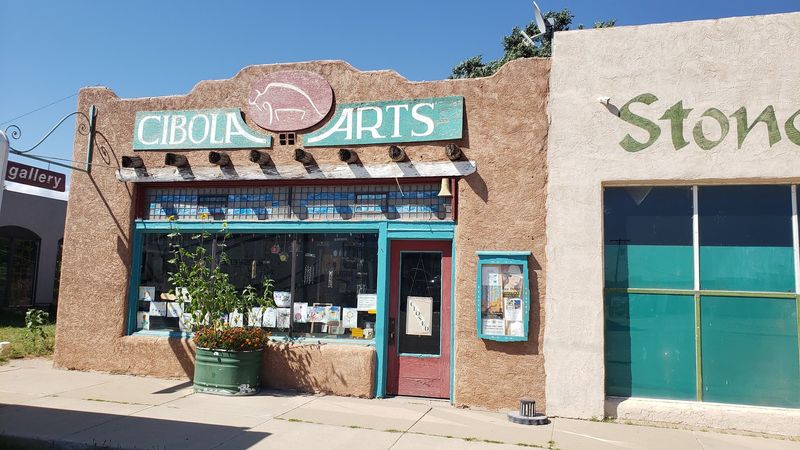
Mountainair sits at a crossroads that has been significant for centuries, and the ruins surrounding the town make that history impossible to ignore.
Located in Torrance County in central New Mexico, this small town serves as the headquarters for Salinas Pueblo Missions National Monument, which preserves three separate sets of ancient pueblo and Spanish colonial mission ruins within easy driving distance.
Abo, Quarai, and Gran Quivira each tell a different chapter of the same story, one involving Pueblo people, Spanish missionaries, and the eventual abandonment of these communities in the 17th century.
Walking through the ruins feels genuinely different from reading about them, as the scale of the stone walls and the silence of the surrounding grassland creates an atmosphere that is hard to shake.
The monument is free to enter and consistently uncrowded, which means you can often have entire sites nearly to yourself.
Mountainair itself is a classic small New Mexico town with a few local businesses, a historic hotel, and the kind of unhurried pace that invites you to slow down.
Birding in the area is excellent, with grassland species and raptors making the surrounding plains a rewarding spot for anyone with binoculars.
The town sits at a comfortable elevation, making it a pleasant base for exploring the central part of the state.
Mountainair asks you to pay attention, and it gives back generously when you do.
9. Mosquero
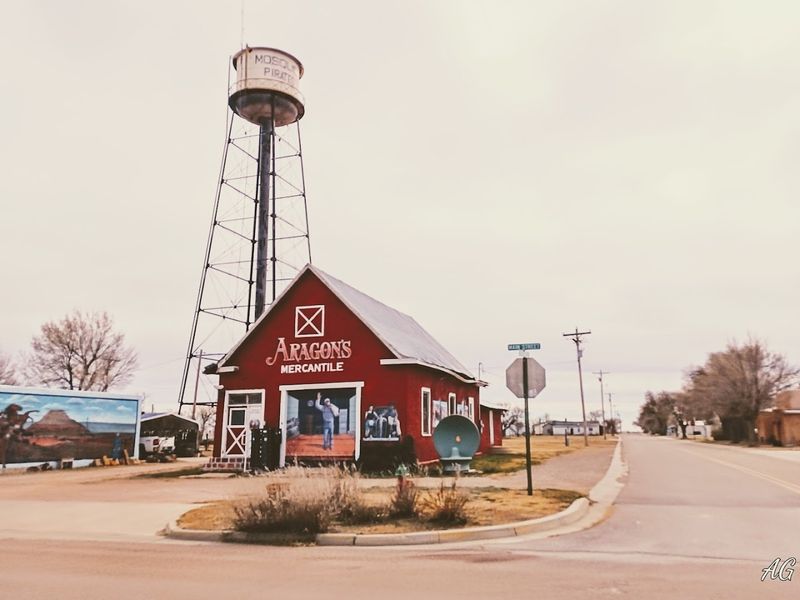
Mosquero is the kind of town that makes you feel like you have found a secret that most travelers are too impatient to discover.
Sitting in Harding County in northeastern New Mexico, this tiny community rests on the edge of the Canadian River breaks, where the flat plains suddenly give way to deeply carved canyon country.
The surrounding landscape is part of the southern Great Plains, and the sheer openness of it, the horizon stretching in every direction without interruption, has a way of recalibrating your sense of scale.
Mills Canyon, located within the Kiowa National Grassland nearby, is one of the most dramatic and undervisited spots in the state, with a trail descending into a deep canyon carved by the Canadian River.
Camping at the bottom of Mills Canyon feels like sleeping in a world that very few people know exists, with towering canyon walls and the sound of the river keeping you company through the night.
Wildlife is abundant in the grasslands, with pronghorn antelope, mule deer, and a remarkable variety of birds sharing the wide open country.
Mosquero itself is a quiet community with a local character that feels unchanged by trends or tourism.
The roads leading here are long and straight, and the drive itself becomes part of the experience.
Mosquero rewards the traveler who is genuinely curious about what lies at the end of a long, quiet road.
10. Magdalena

There is a certain kind of Western town that feels like it was built to last, and Magdalena fits that description without trying too hard.
Located in Socorro County in central New Mexico, Magdalena sits at the edge of the Plains of San Agustin, a wide, flat valley that was once one of the great cattle-driving routes of the American West.
The historic downtown retains a lot of its original character, with old storefronts and a laid-back atmosphere that makes wandering around feel like flipping through a well-worn history book.
The Very Large Array, a famous radio telescope observatory, is located just west of town on the Plains of San Agustin, and tours are available that explain how scientists use the massive dish antennas to study the universe.
Standing in the middle of that vast plain surrounded by the telescope array is one of the more surreal and genuinely awe-inspiring experiences available anywhere in New Mexico.
The Kelly Mine, an old silver and zinc mining site just outside town, adds another layer of industrial history to explore.
Hiking in the Magdalena Mountains to the east offers sweeping views of the surrounding landscape and a chance to spot wildlife in the higher elevations.
Magdalena is the kind of town where a conversation with a local ends up being the highlight of your visit.
Come with no fixed agenda, and you will leave with a full notebook.
11. White Rock
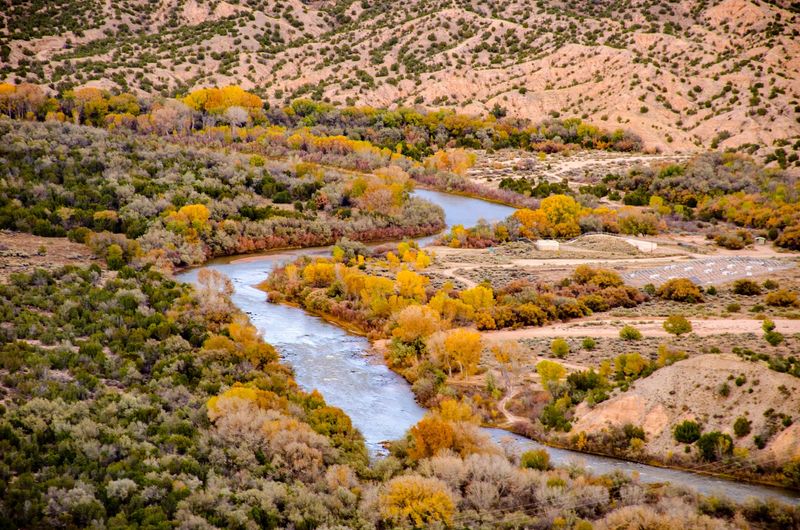
White Rock earns its reputation as a viewpoint destination the moment you step up to the overlook and see the Rio Grande carving through a canyon far below.
Located in Los Alamos County in northern New Mexico, White Rock sits on a mesa above the Rio Grande and offers some of the most accessible yet stunning canyon views in the entire state.
The White Rock Overlook and Park is the centerpiece, where a short walk from the parking area delivers a full panoramic view of the river canyon, the Jemez Mountains to the west, and the Sangre de Cristo range to the east.
Trails descend from the mesa into the canyon itself, offering more adventurous hikers a chance to reach the river and explore the volcanic rock formations up close.
The Rim Trail connects several overlooks along the canyon edge, making for a rewarding walk that keeps delivering new angles on the same spectacular scenery.
White Rock is just a short drive from Bandelier National Monument, where ancient Pueblo cliff dwellings carved into volcanic tuff await exploration.
The town itself is quiet and residential, with a small commercial area and a community that enjoys easy access to remarkable outdoor terrain.
Sunrise from the overlook is a genuinely worthwhile reason to set an early alarm.
White Rock is proof that the best views do not always require the longest hike.
12. Pie Town
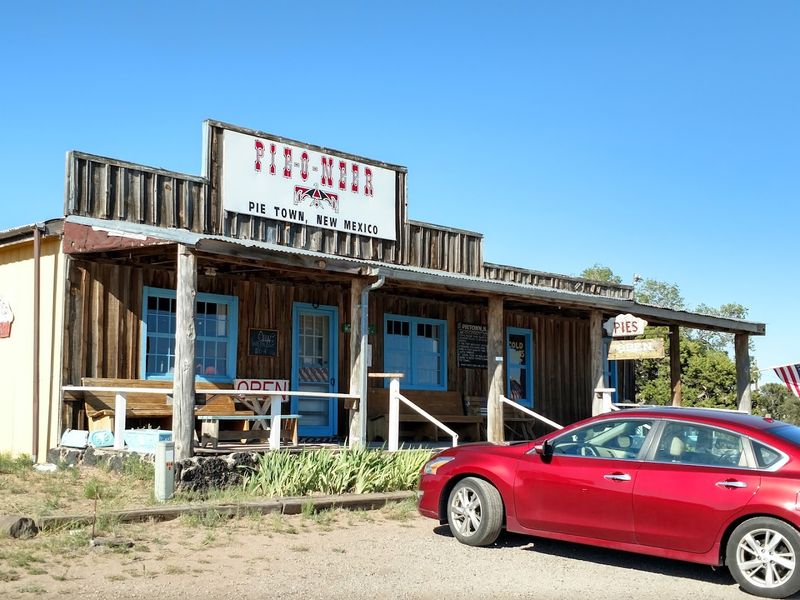
A town named after pie makes a very specific promise, and Pie Town keeps every bit of it.
Sitting along US Route 60 in Catron County in western New Mexico, this tiny community is one of the most cheerfully niche destinations in the entire country, built around a tradition of homemade pies that goes back to the early 20th century.
The story goes that a local homesteader began selling pies to passing travelers and miners, and the name of the town simply followed from there.
Today, a small handful of cafes and bakeries carry on that tradition, serving slices of fruit, cream, and nut pies that taste exactly like something a grandmother would make if she happened to be a professional baker.
The annual Pie Festival draws visitors from across the region for pie contests, live music, and the kind of good-natured community fun that feels increasingly rare.
Pie Town also sits along the Continental Divide Trail, making it a beloved resupply stop for long-distance hikers who have earned every slice they eat.
The surrounding landscape of high desert grassland and distant volcanic peaks adds an unexpectedly dramatic backdrop to such a cheerful little place.
Getting here requires a drive through wide open country, and that remoteness makes the arrival feel like a genuine reward.
Pie Town is small, sweet, and completely, wonderfully itself.