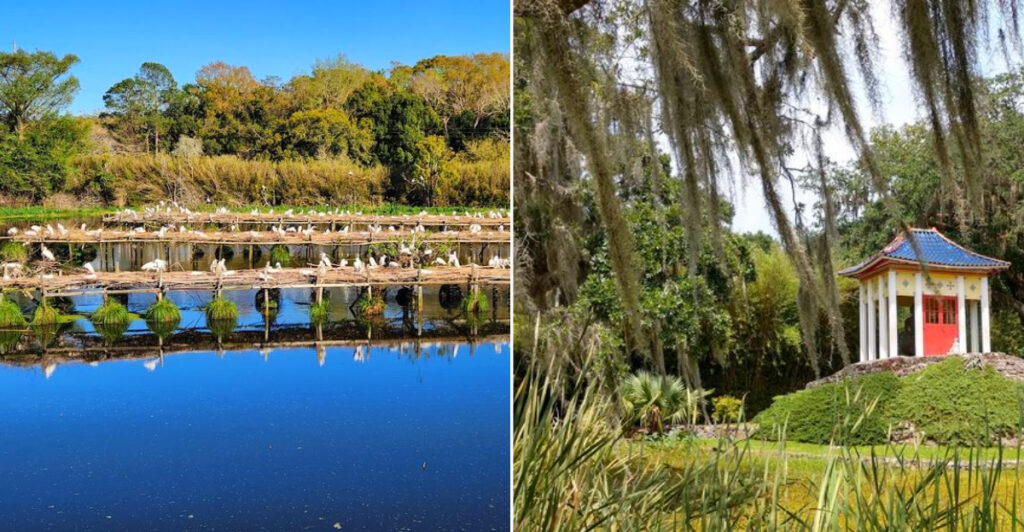
You do not expect to find a stone face watching you from the top of a hill on a salt-dome island in the Deep South, but there it stands, calm and ancient, as though it grew from the ground alongside the oaks.
The statue arrived here almost by accident, pulled from a Manhattan warehouse where nobody had claimed it, shipped south by friends who guessed the man who built this garden would know what to do with it.
He did more than that. He gave it a shrine on one of seven hills, framed it with camellias and egrets, let it watch the seasons turn over a lagoon so still the reflections hardly ripple.
Local Buddhists still gather each spring to celebrate its birthday, burning incense under live oaks that were old before the statue crossed the ocean. A nine-hundred-year-old statue on a Louisiana island asks nothing of you but a moment of stillness.
Savoring The Subtropical Vibe
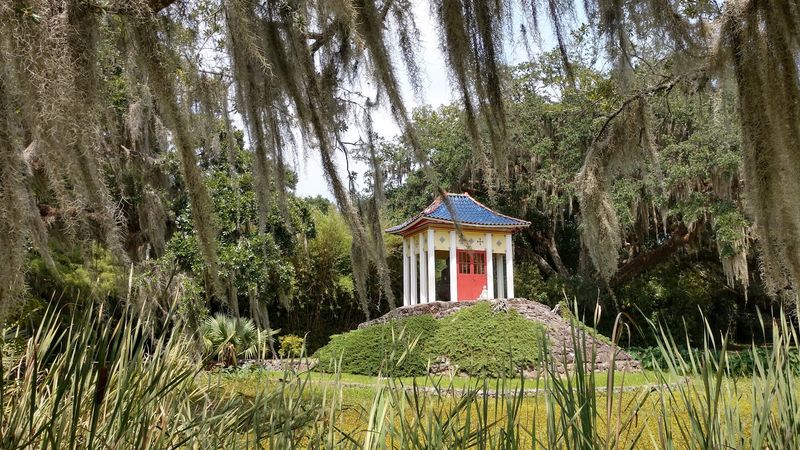
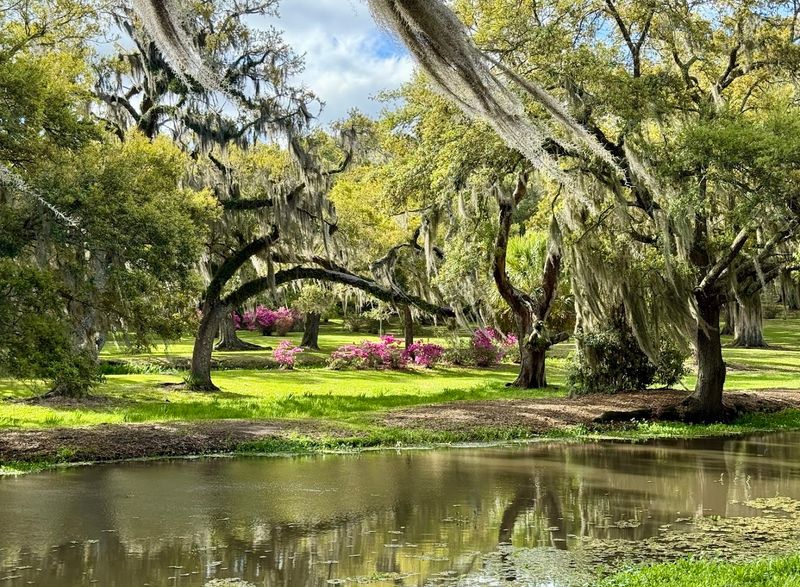
Humidity gives the gardens their first impression, even before the famous statue appears. Live oaks lean overhead, camellias thicken the edges, bamboo rises in green walls, and the air feels layered with damp earth, flowers, and salt-dome stillness.
Nothing here behaves like a clipped city garden. The landscape feels curated, but it also feels alive enough to ignore the plan whenever it wants.
That subtropical mood is part of Edward Avery “Ned” McIlhenny’s legacy. He shaped the property with a conservationist’s eye and a collector’s curiosity, turning a private Avery Island estate into a public refuge where exotic plantings, native wildlife, and Louisiana weather all meet.
Move slowly enough to notice how sound changes under the trees. A bird call travels differently in bamboo than it does near the lagoon.
The garden rewards that kind of attention. It is not only a stop beside the TABASCO Factory. It is a humid, green pause that feels built for slowing down. Even the air asks visitors to hurry less and notice more.
The Garden Begins Before You Leave The Car
Arrival feels different because the attraction begins as a drive. Jungle Gardens is reached by following Louisiana Highway 329 onto Avery Island, where the visitor route connects the TABASCO complex with the garden entrance.
The address is usually given as Highway 329, Avery Island, Louisiana, so follow the official signs once you are on the island rather than expecting a conventional street grid.
The final approach climbs into a wooded salt-dome landscape, and the road itself becomes part of the experience. Check in at the entrance or gift shop before continuing, because Jungle Gardens is designed largely as a self-guided driving tour with marked stops rather than one compact walking garden.
That format matters for planning. You can step out at key viewpoints, but the full route is easier by car, especially in heat or rain. Drive slowly, watch for wildlife, and let the garden unfold in sections.
Finding The Hidden Buddha
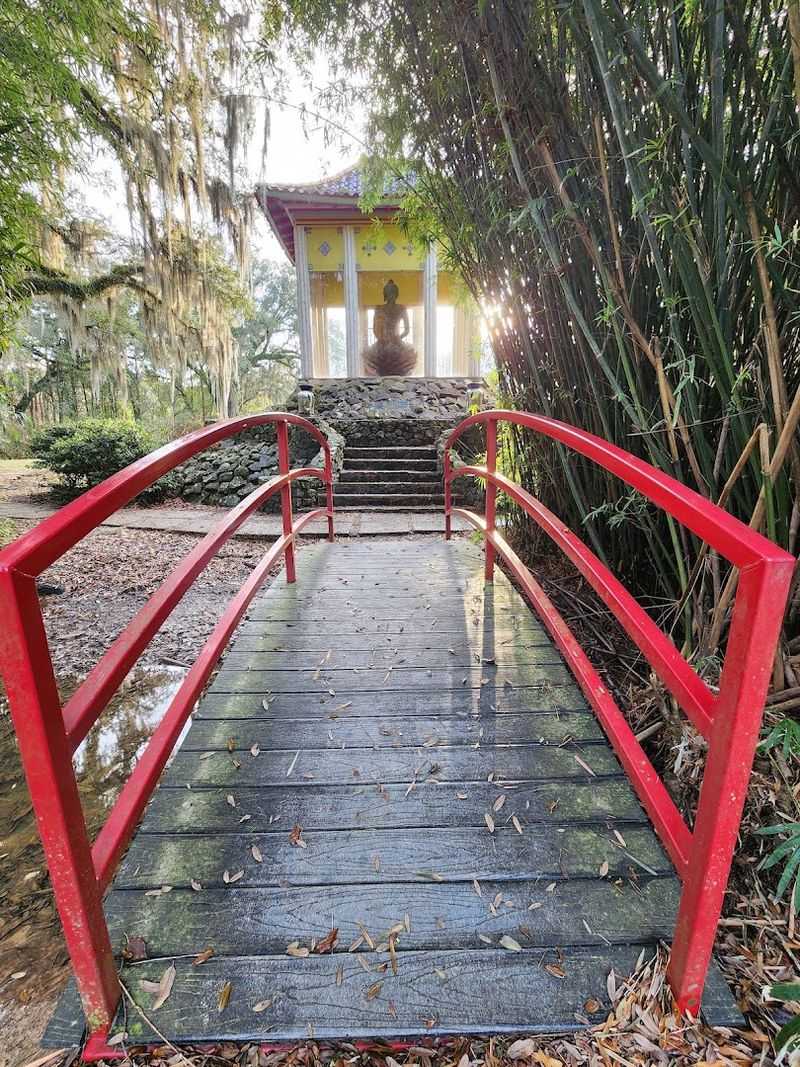
The Buddha is not announced with theme-park drama, which makes finding it feel stranger. A quiet shrine appears within the garden, framed by water, stone, bamboo, azaleas, and the surrounding green.
The statue is said to be more than 900 years old, and its calm presence on a Louisiana salt-dome island gives the stop an almost impossible quality.
The story adds to that mood. In 1936, friends in New York sent the statue to Ned McIlhenny after finding it in a Manhattan warehouse where it had gone unclaimed.
McIlhenny gave it a home in Jungle Gardens, and the shrine became one of the property’s defining images.
Approach gently. The statue may be a visitor attraction, but it still asks for quiet in a way the rest of the garden does not.
Take photographs from a respectful distance, avoid touching the structure, and let the setting do what it was designed to do: interrupt the tour with stillness. The pause feels earned after the island road, trees, and water around it.
Understanding The Garden History
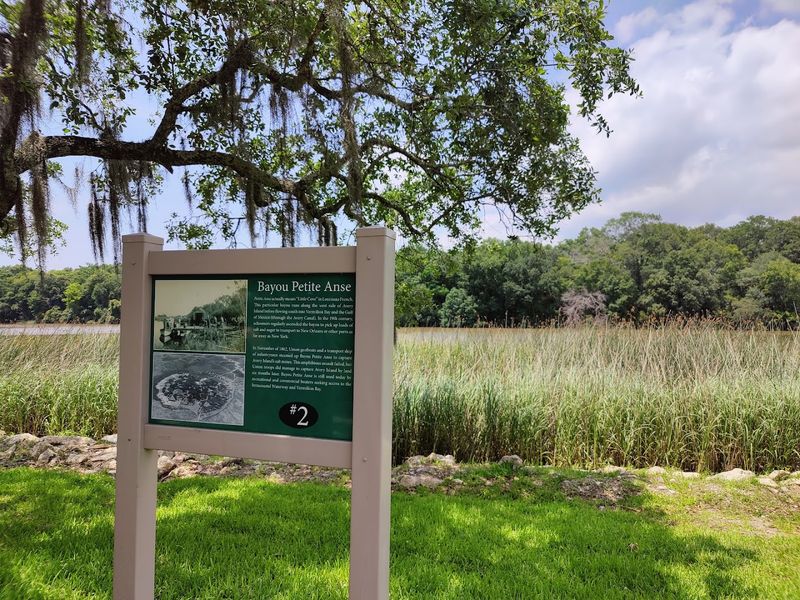
The garden’s history begins with one person’s unusual combination of privilege, curiosity, and stewardship. Edward Avery “Ned” McIlhenny was connected to the TABASCO family business, but he was also a naturalist and conservationist who studied Avery Island’s plants and animals from a young age.
In the 1920s, he transformed part of his private estate into Jungle Gardens, filling it with exotic botanical specimens while preserving a refuge-like character.
That background keeps the place from feeling accidental. The plantings, roads, bird sanctuary, lagoons, and shrine all belong to a long project of shaping landscape without draining it of wildness.
Jungle Gardens opened to the public in 1935 and has remained a south Louisiana destination ever since.
Reading signs and historical markers helps. They connect pretty scenes to specific decisions, from imported plants to conservation work.
Without that context, the garden can look simply lush. With it, the place becomes a biography written in trees, water, birds, and paths. Every stop becomes easier to read when that origin remains close in mind.
Sights And Sounds At Bird City
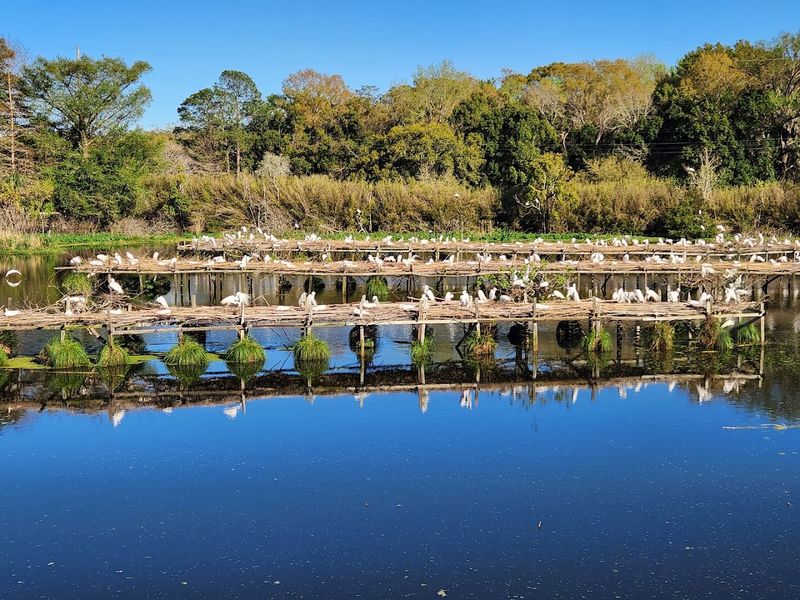
Bird City gives the garden one of its strongest conservation stories. Around 1895, Ned McIlhenny established a bird sanctuary to help protect snowy egrets at a time when plume hunting threatened the species.
That effort gives the Avery Island landscape a deeper purpose than simple beauty.
Depending on season, the rookery can feel alive with motion and sound. Egrets and other wading birds gather, nest, call, and move through the trees in a way that makes the garden feel less staged and more ecological.
Binoculars help because the best view is often from respectful distance rather than close intrusion.
This is the section of the visit where patience pays off. Wait a few minutes instead of snapping one quick photo and leaving.
Birds shift position, wings flash white, and the whole area begins to reveal its patterns. Bird City reminds visitors that Jungle Gardens is not just decorated nature.
Navigating Paths And Driving Tips
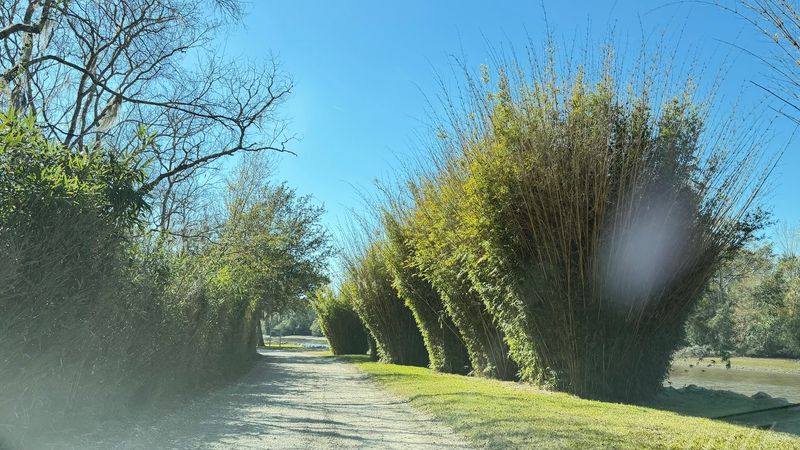
The three-mile driving route is the practical backbone of Jungle Gardens. It lets visitors cover the 170-plus-acre property without treating south Louisiana heat like a personal challenge.
Signs, maps, marked stops, and optional audio guidance help structure the self-guided experience, while still leaving room to linger where the garden grabs your attention.
Driving does not mean staying sealed inside the car. The best visit mixes slow movement with short walks at key points, especially near the Buddha, Bird City, bridges, bamboo, and lagoon views.
Step out when the scene asks for it, but keep water, insect repellent, and sun protection close.
Speed ruins the place. Wildlife may cross unexpectedly, and the garden’s appeal depends on gradual discovery rather than efficient sightseeing.
Treat the route like a slow loop through several moods: dense green corridors, open water, bird habitat, shrine space, and shaded roads. The map gets you through, but the pauses are what make it memorable.
Seasonal Notes And Best Timing
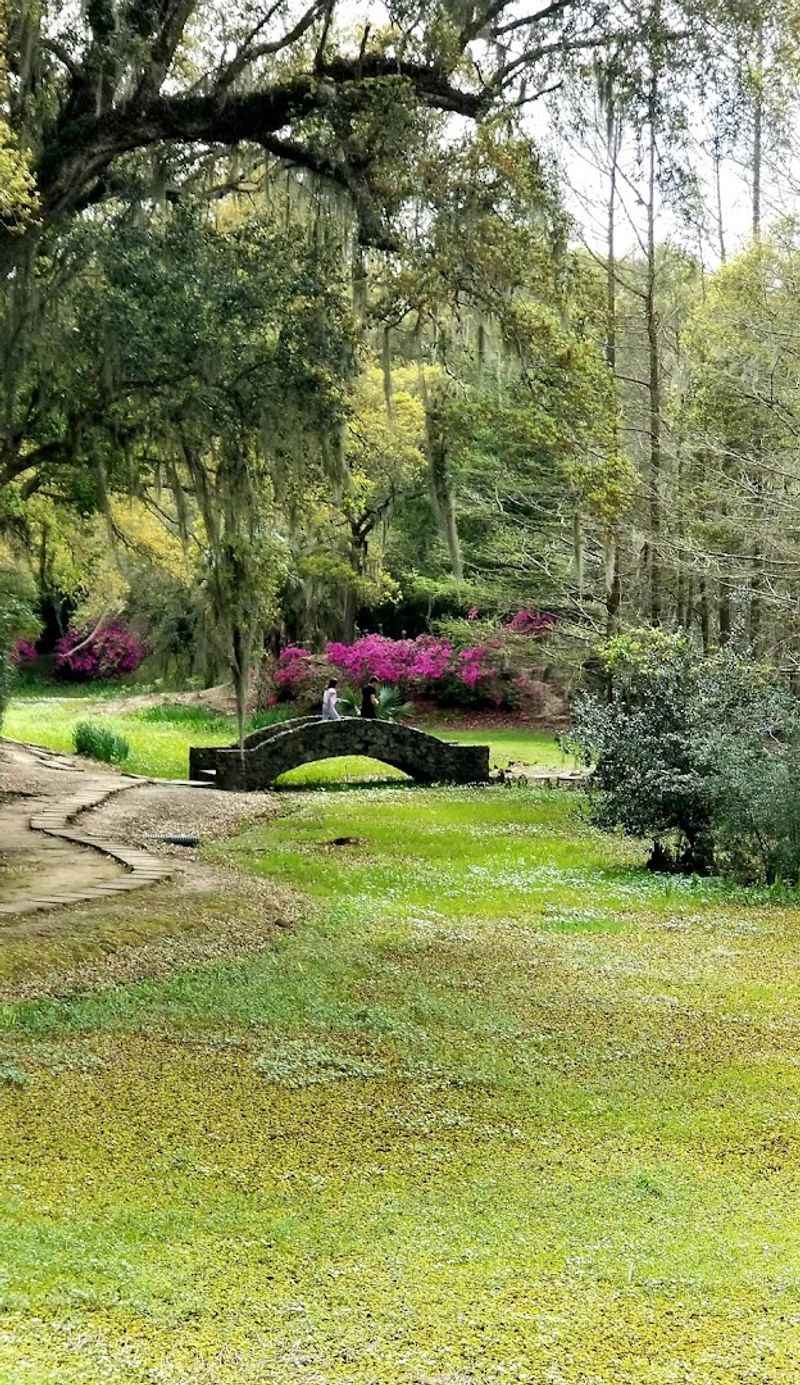
Timing changes the garden’s personality. Late winter and spring can bring camellias, azaleas, nesting birds, and gentler temperatures, making those months especially rewarding for visitors who want color and wildlife activity.
Summer delivers deep green density, active reptiles, heavier humidity, and the kind of heat that makes morning visits much smarter than afternoon wandering.
Mornings usually offer softer light and more comfortable walking. Weekdays can feel calmer than weekends, especially when the TABASCO Factory and garden visits overlap with tour groups or road-tripping families.
Weather matters too, because rain can intensify color while also making paths, steps, and stops less comfortable.
Check current hours before leaving, even though the garden generally keeps a simple daytime schedule. Seasonal events, storms, maintenance, or holiday patterns can affect the experience.
The important thing is not finding one perfect month. It is matching expectations to the season.
Jungle Gardens can feel floral, bird-filled, steamy, quiet, or shadowed depending on when you arrive. Flexibility is part of the self-guided pleasure, and often the reward itself.
Architectural Details To Notice
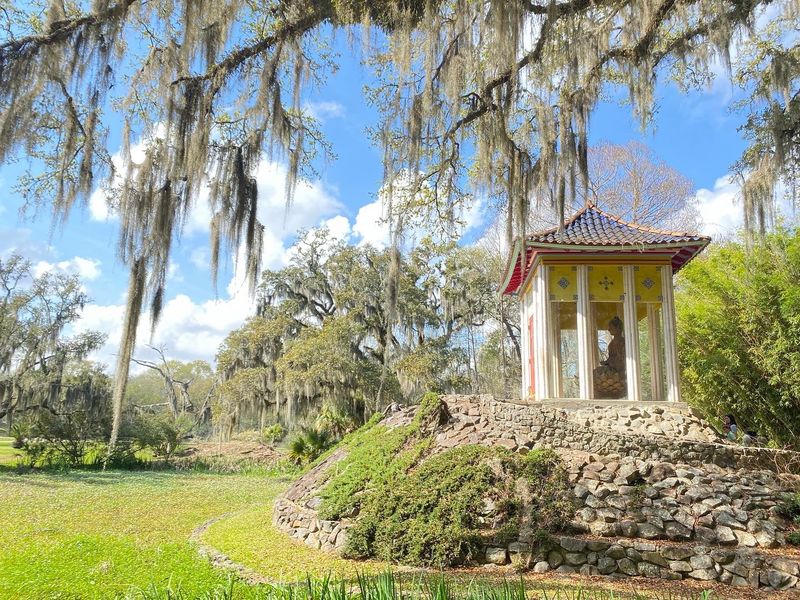
Small architectural details make the garden feel composed rather than simply planted. Stone bridges, shaped viewpoints, benches, paths, shrine elements, and bamboo-framed scenes guide the eye toward pauses.
The Buddha’s small temple is the clearest example, but the same design instinct appears throughout the grounds in quieter ways.
Notice how constructed features work with vegetation instead of competing against it. A bridge is not just a way across water; it becomes a viewing point.
A bench does not merely offer rest; it tells you where someone wanted visitors to stop. Bamboo and stone create frames, while lagoons turn trees and sky into reflections.
That design language gives Jungle Gardens its unusual blend of Southern landscape and Asian reference points. Some details may feel unexpected on Avery Island, but they are not random.
They belong to McIlhenny’s larger vision of a garden that collected plants, moods, and views from different worlds while remaining anchored in Louisiana soil.
Wildlife Etiquette And Safety
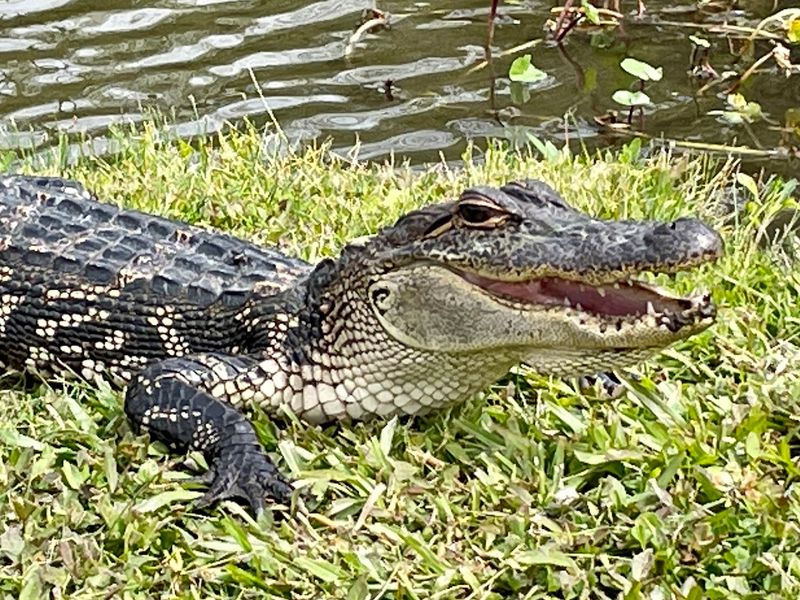
Alligators, birds, turtles, insects, and other wildlife help make the garden feel real, but they also require common sense. The most important rule is simple: observe without interfering.
Feeding animals is unsafe, illegal, and damaging, even when a creature looks slow, curious, or close enough to tempt someone into a bad decision.
Keep children nearby, stay on marked routes, and never treat water edges casually. Alligators can be difficult to spot until they move, and that is part of their biology, not a performance. Birds deserve distance too, especially near nesting areas where stress can cause real harm.
Insect repellent is practical, particularly if you plan to step out often or visit during warm, damp months. Respectful wildlife etiquette does not make the visit less exciting. It makes it safer and more honest. The garden is not a petting zoo.
It is a managed refuge where animals should be allowed to behave like animals, not respond to visitors. That distance keeps each encounter safer, calmer, and meaningful for everyone there.
Photography And Quiet Observation
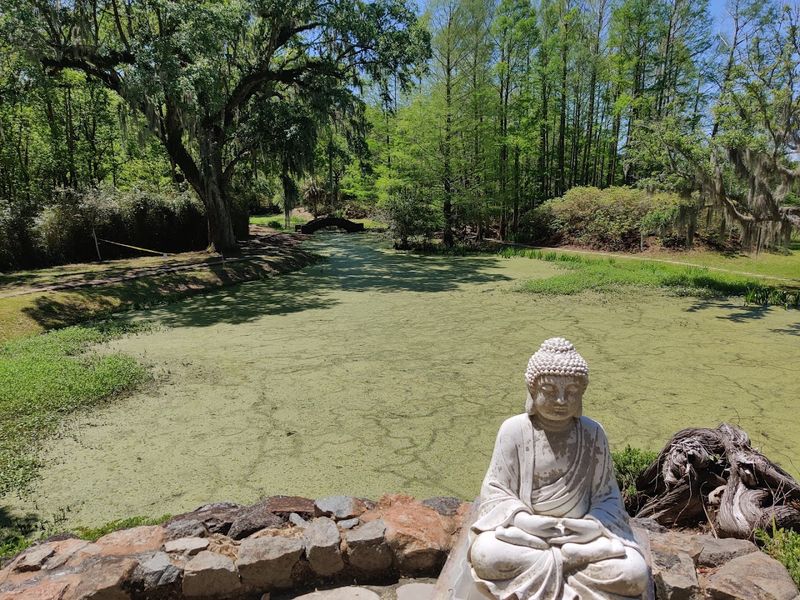
Photography works best here when it follows the garden’s tempo. The obvious shots are easy: the Buddha, moss-draped oaks, lagoons, bamboo corridors, birds, and alligators.
The better shots usually require waiting until light, reflection, and stillness align for a few seconds.
Overcast days can be excellent for flowers and green foliage because colors soften and deepen. Early light helps with mist, tree shadows, and quieter roads, while a zoom lens makes bird photography possible without pushing too close.
A wider lens is useful for live oaks and bamboo because scale is part of their drama. Keep voices low near the shrine and rookery, and step aside when other visitors want a quiet moment. The camera should not become an excuse to dominate a viewpoint.
Jungle Gardens photographs beautifully because it contains both detail and atmosphere. Let the place keep some mystery, and the images will feel less like proof and more like memory.
A little restraint gives the photographs their calm. Pauses often reveal the frame you wanted all along.
Practical Visitor Details
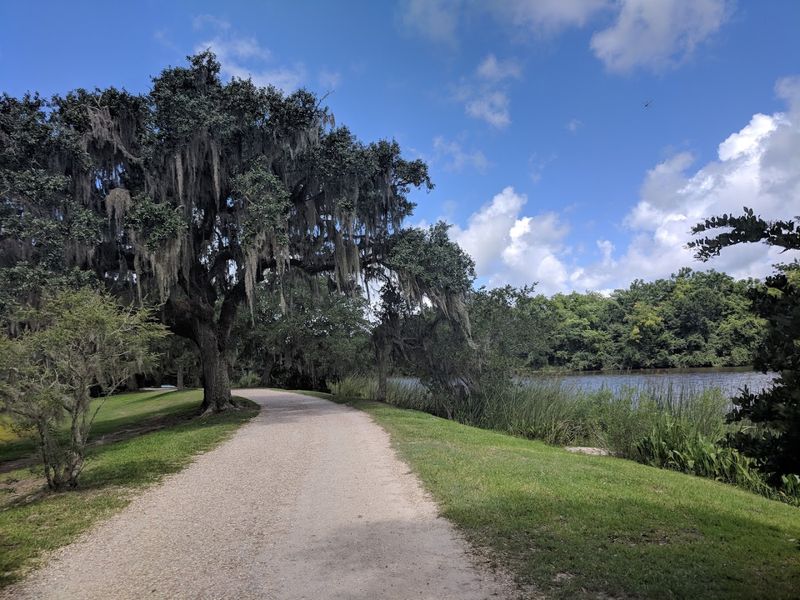
Basic planning makes the visit smoother. Jungle Gardens is generally open during daytime hours, with official sources listing 9 a.m. to 5 p.m., but checking current hours before the drive is still wise.
Admission supports the garden and wildlife refuge, and tickets or information are handled at the entrance area.
Bring water, sunscreen, insect repellent, and comfortable shoes if you plan to step out at multiple stops. Cell service can be uneven, so download maps, tickets, or audio material before relying on them inside the grounds.
A slow drive with several pauses is usually better than trying to walk everything, especially in heat.
Visitors with limited time should prioritize the Buddha shrine, Bird City, and a few lagoon or bamboo stops. Those three pieces capture the garden’s odd magic: spiritual surprise, conservation history, and subtropical atmosphere.
Pairing Jungle Gardens with the TABASCO Factory Tour makes sense, but do not treat the garden as an afterthought. It deserves its own unhurried hour. Give it time to change the day.