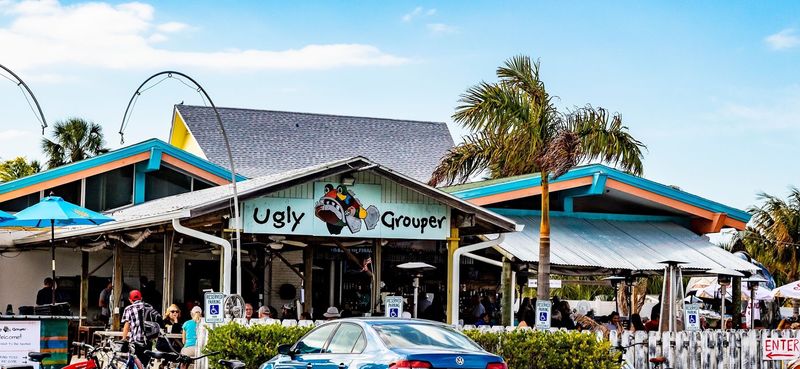
Somewhere along Florida’s sun-bleached coast, there’s a small seafood shack that smells like hot oil and salt air, and once you find it, you start to understand why certain locals get a little protective about their fish. The story making the rounds is simple: a fried grouper basket so golden and crackling that the people who eat it regularly claim no other version quite measures up.
That kind of loyalty is worth investigating, even if it also deserves a healthy dose of curiosity before anyone takes it as settled fact. Florida’s relationship with grouper runs deep, and understanding that history is the right place to start.
Florida’s grouper tradition gives the basket its context
Grouper didn’t become a Florida icon by accident. The fish worked its way onto coastal menus over decades, carried by a combination of plentiful Gulf waters, hungry tourists, and cooks who figured out early that thick, white grouper fillets held up beautifully under heat.
Tampa Bay History Center research traces the grouper sandwich’s documented rise to a 1974 restaurant advertisement, then follows its spread through Florida restaurants during the late 1970s and 1980s. That timeline matters because it shows the dish earned its place gradually, through repetition and regional appetite rather than a single dramatic moment.
Competing local claims about even earlier grouper preparations exist, and historians are careful to present the 1974 advertisement as a documented data point, not an uncontested origin story. The honest version of the history acknowledges that multiple coastal communities believe they had a hand in popularizing the fish, and none of those claims has been definitively settled.
What the record does confirm is that grouper became woven into Florida’s food identity in a way few other fish managed.
A fried grouper basket sits within that same tradition but occupies its own category. The basket format, typically featuring a generous portion of fried fish alongside fries or other sides, carries the same cultural weight as the sandwich without being the same preparation.
Understanding where the dish comes from gives any particular restaurant’s version a richer backdrop, but cultural context alone cannot validate the quality of a specific kitchen. The tradition explains why Floridians care so much about grouper; the cooking itself has to earn the rest.
Identify the shack before making it the story
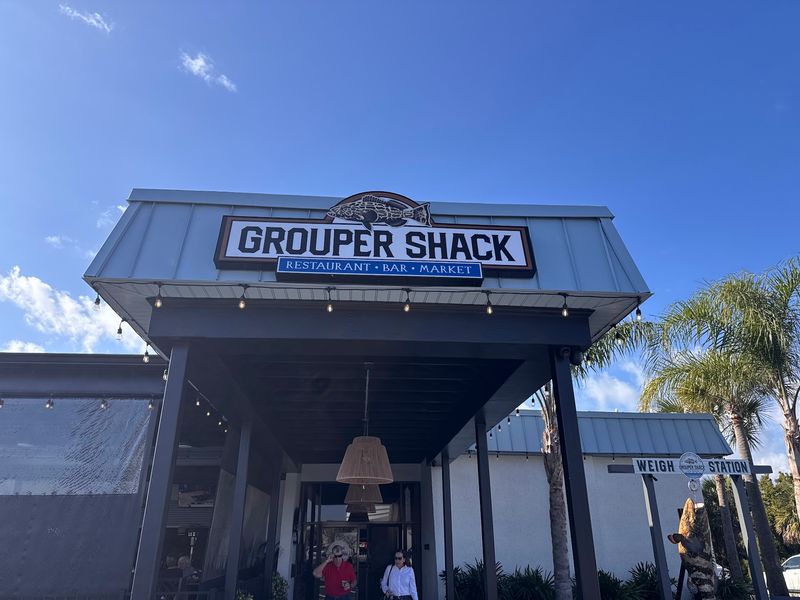
Before any seafood shack gets celebrated in print, the basics have to be confirmed. A restaurant’s name, town, street address, current hours, and actual menu are not background details; they are the foundation that makes every other claim in the article either credible or suspect.
Reporting that skips straight to atmosphere and loyal customers, without first verifying that the establishment exists and operates as described, turns a food story into something closer to fiction.
Several Florida seafood businesses operate under names that suggest a grouper specialty, and menu examples from establishments advertising fried grouper baskets can be found along the Gulf and Atlantic coasts. None of that ambient evidence identifies a single target restaurant or confirms that any particular shack has earned the kind of devoted following the title describes.
The supplied context for this article does not include a verified business name, address, or confirmed menu, which means the restaurant-specific framing remains an open reporting question rather than a settled fact.
The responsible path forward is straightforward. A reporter or writer pursuing this story should contact the restaurant directly, visit in person, consult its official website or current menu, or rely on reputable local journalism that has already done that verification work.
If the identity cannot be confirmed through one of those channels, the article works better as a broader exploration of Florida’s fried grouper culture than as a profile of an unnamed shack presented as though it were already verified. Readers deserve to know which place they are reading about, and that clarity protects the story’s credibility as much as it serves the audience.
The word “grouper” leaves important questions unanswered
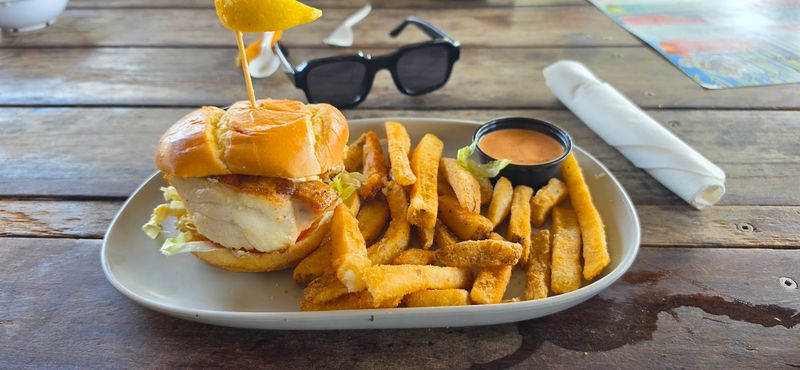
Order grouper at a Florida seafood shack and you know roughly what you are getting: a thick, mild, white-fleshed fish that fries well and pleases a wide range of palates. What the word grouper does not tell you is which species landed on your plate, where it was caught, how it traveled from water to kitchen, or whether it was ever frozen.
Those distinctions matter more than most menus let on.
Florida’s commercial and recreational fisheries include black grouper, red grouper, gag grouper, scamp, yellowfin grouper, yellowmouth grouper, and several other species. Florida Fish and Wildlife Conservation Commission records show that each species carries its own minimum size limits, bag limits, and seasonal closures, and those rules can shift based on location and time of year.
A menu that simply reads “grouper” does not resolve any of those variables.
Freshness and geographic origin are two separate claims, and conflating them leads to marketing language that sounds more precise than it is. A fish described as “fresh” may mean it was never frozen, or it may mean it arrived at the restaurant that morning after being frozen at sea. “Local grouper” could refer to fish caught within sight of the dock or to fish sourced from a regional supplier whose definition of local stretches across several hundred miles.
One more distinction deserves attention. NOAA manages a Pacific species called Gulf grouper, known scientifically as Mycteroperca jordani, which lives off the coasts of California and Mexico and carries its own conservation status.
That fish has no connection to the grouper species harvested in Florida waters, even though the names sound similar. Casual references to “Gulf grouper” in a Florida seafood context almost certainly mean grouper caught in the Gulf of Mexico, but the terminology is loose enough to cause real confusion when precision matters.
Test the crisp coating without overclaiming
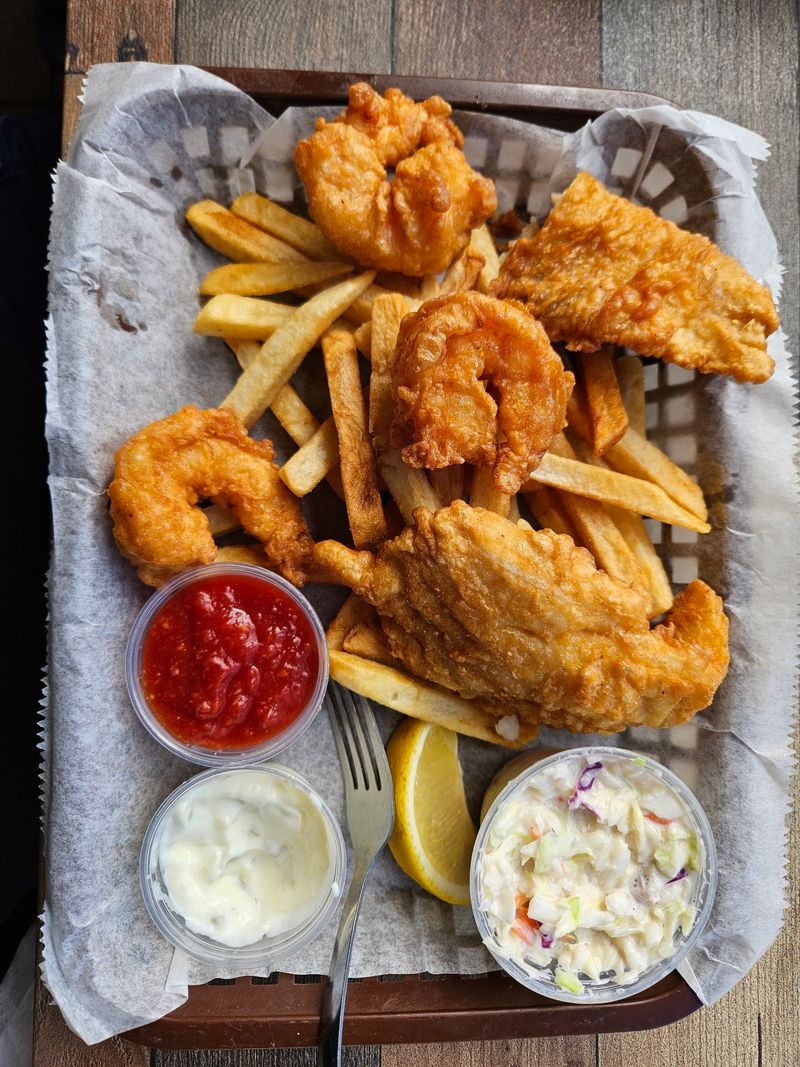
A properly fried grouper fillet has a texture that is genuinely hard to describe without reaching for superlatives. The coating shatters just slightly at the first bite, giving way to fish that is moist and flaky underneath, and for a moment the contrast between those two layers is the whole point of the dish.
That combination is real, achievable, and worth seeking out. Whether any specific unnamed shack has perfected it is a separate question entirely.
Menu language from establishments that advertise fried grouper baskets confirms that the preparation is an actual offering at Florida seafood restaurants. A listing from Grouper and Chips describes a deep-fried grouper option, and Harpoon Harry’s in Punta Gorda lists a fried grouper basket among its offerings.
Those two examples confirm the format exists on Florida menus; they do not establish how widespread the preparation is or how any particular version compares to the competition.
Crispness is a subjective sensory result, not a measurement. The factors that contribute to it, including how thoroughly the fish is dried before coating, what the batter or breading contains, how hot the oil runs, how many pieces cook in the same batch, and how quickly the finished fish reaches the table, are all variables that shift between kitchens and even between service periods.
Inventing any of those details for an unverified restaurant would misrepresent the story. Until a writer can taste the basket firsthand or quote a named source who has, the texture claim stays in the realm of plausible possibility rather than confirmed fact.
Judge the basket as a basket
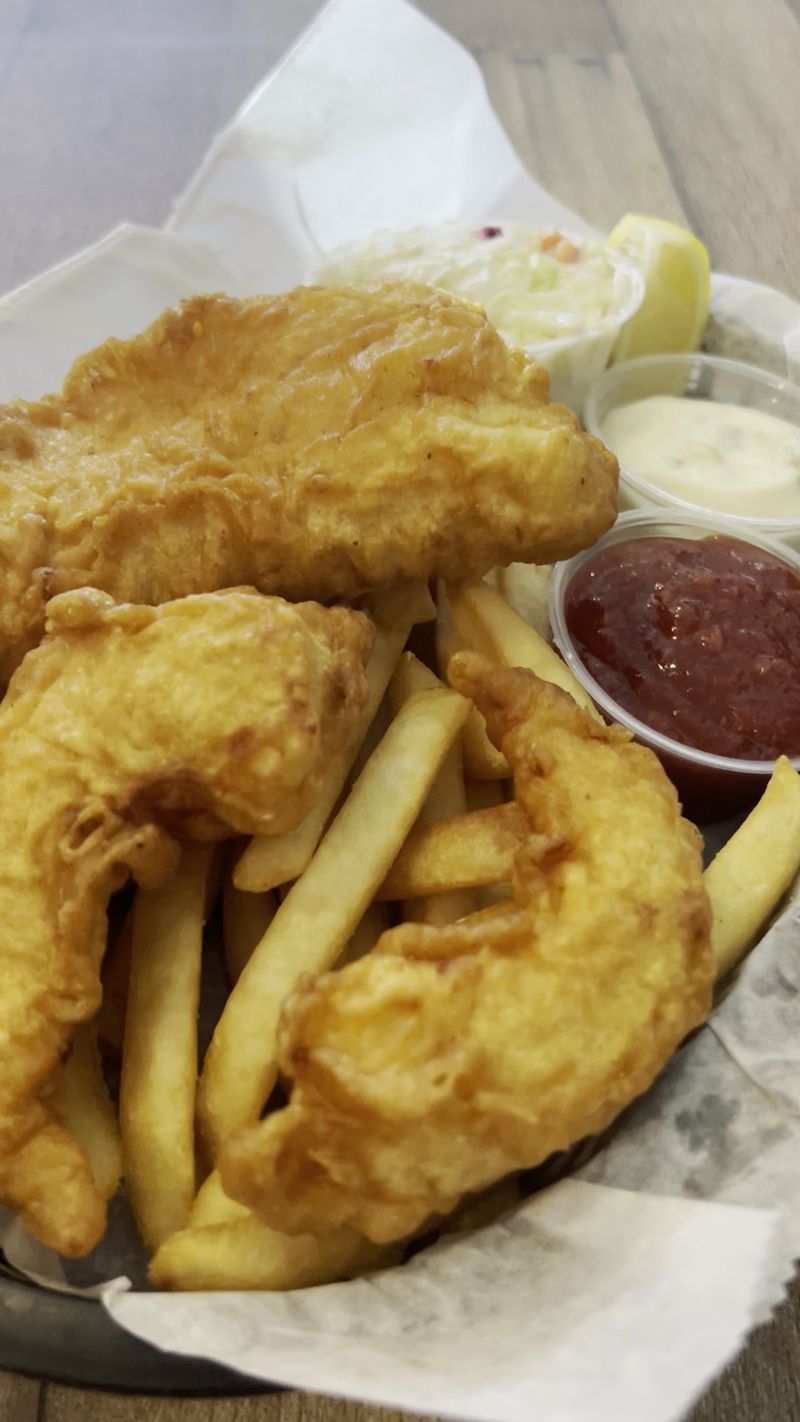
Florida’s grouper sandwich earns most of the cultural attention, and that reputation can accidentally color how people think about every other grouper preparation on the menu. A fried grouper basket is its own thing, with its own logic and its own set of qualities worth evaluating on their merits rather than by borrowed association with the sandwich tradition.
The basket format typically features a larger portion of fish, often two or more fillets or a generous chunk of fillet, served alongside fries, coleslaw, hush puppies, or similar sides. The fish may be cut differently than sandwich portions, coated in a different batter or breading, and served without the bread, tartar sauce, or toppings that define the sandwich experience.
Menu listings like those at Harpoon Harry’s show how restaurants present the basket as a distinct menu item rather than a sandwich variation. Evidence about how a restaurant’s grouper sandwich tastes does not automatically tell you anything reliable about the basket.
Reporting on the basket should focus on what the restaurant actually serves: the cut of fish, the coating described on the current menu, the portion size, the sides included, and whether any sourcing information accompanies the item. Menu language is an account of what the restaurant advertises, and it deserves to be treated as exactly that, not as independent confirmation of freshness, catch origin, or objective quality.
A basket that earns loyalty does so through the experience of eating it, and that experience is what reporting needs to capture and verify before the story can make any meaningful claim about why regulars keep returning.
Show loyalty instead of assuming it
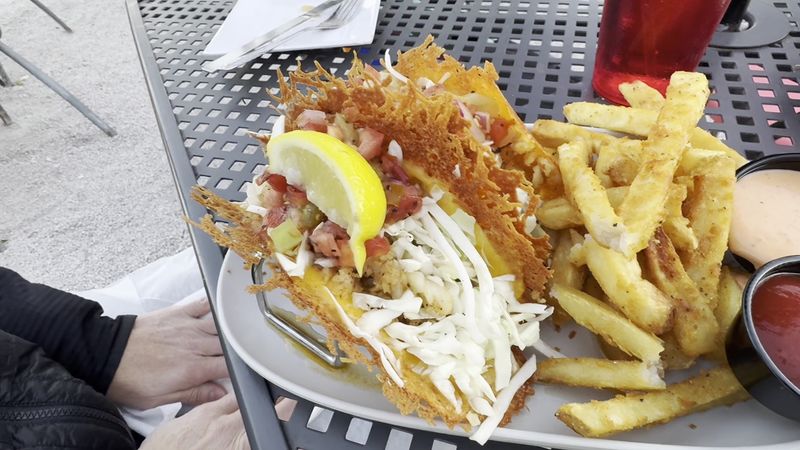
Customer loyalty is one of the most appealing things a food story can document, and one of the easiest things to inflate. The gap between a restaurant that people genuinely return to week after week and one that simply has enthusiastic first-time visitors can be invisible from the outside, especially when the evidence is limited to informal chatter or unattributed online commentary.
Verifying the kind of loyalty described in this article’s working title requires actual reporting. That means observing the dining room across multiple visits and noticing whether familiar faces reappear, talking to customers directly and asking them how often they come back and why, speaking with the restaurant’s staff or ownership about what they see in their regulars, or finding credible local journalism that has already documented the restaurant’s following with named sources and specific detail.
Review volume and anonymous enthusiasm do not constitute that kind of evidence, and they should not be presented as though they do.
If reporting does turn up genuine repeat patronage, the story should describe it in proportional terms. A restaurant where the same dozen families show up every Friday is a local favorite worth celebrating.
That is a different claim from saying regulars refuse to eat grouper anywhere else, which implies a categorical rejection of every competing preparation across the state. The first claim is warm, specific, and defensible.
The second is an absolute that requires extraordinary evidence to support. Should the reporting not surface convincing proof of deep loyalty, the honest move is to say so plainly and redirect the story toward what the basket actually delivers on the plate, which may be more than enough to hold a reader’s attention.
Add practical guidance without turning the feature into a health claim
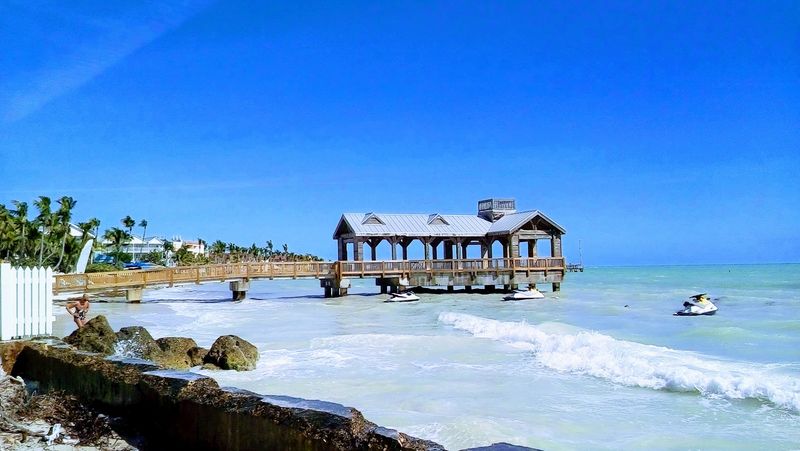
Practical information about handling and cooking grouper fits naturally into a food-travel story when it serves the reader rather than padding the word count. A few key points are worth knowing, whether you are ordering at a shack or attempting the dish at home.
On the cooking side, FDA guidance and FoodSafety.gov temperature charts both recommend cooking finfish to an internal temperature of 145 degrees Fahrenheit (63 degrees Celsius), or until the flesh is opaque and separates easily with a fork. A thermometer is more reliable than judging doneness by the color of the crust alone, because a beautifully golden coating can surround fish that has not yet reached a safe internal temperature.
For frozen grouper, Penn State Extension handling guidance recommends thawing in the refrigerator, under cold running water, or in a microwave only when the fish will be cooked immediately. Additional Penn State Extension preservation advice notes that fish stored in vacuum packaging should be removed from that packaging before refrigerator thawing to reduce certain safety risks.
On the mercury question, FDA fish consumption guidance places grouper in the “Good Choice” category, which means it carries a lower mercury risk than fish in higher-concern categories. That classification does not mean grouper is suitable for unlimited consumption; people who are pregnant, breastfeeding, or feeding young children should follow the FDA and EPA serving recommendations, which suggest no more than two to three servings per week from the “Good Choice” list.
Finally, anyone curious about fishing for grouper in Florida should check current FWC regulation updates by species and region, since rules for gag, red, black, and other groupers vary and change over time.
Celebrate a possible local favorite, not an unproved champion
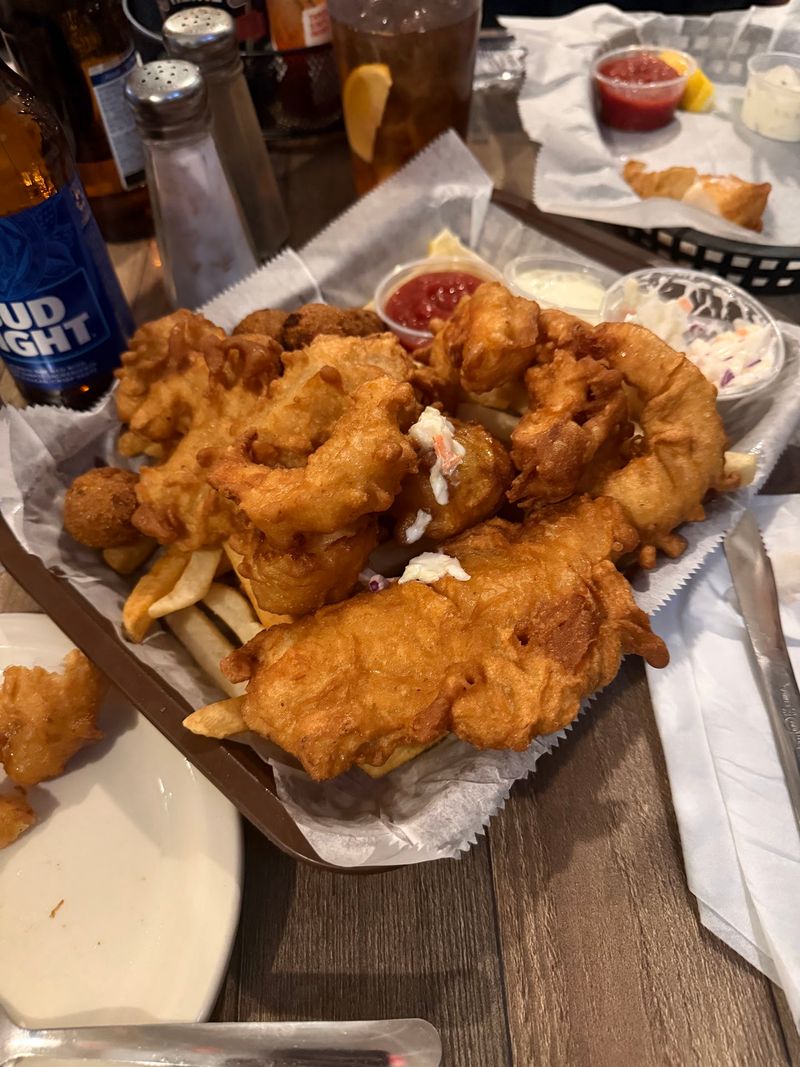
Florida’s decades-long grouper tradition gives any well-executed fried basket genuine cultural weight, and that context is part of what makes the dish feel like more than just fried fish. When a small coastal restaurant manages to land the crisp-and-flaky contrast consistently, it earns something real: the kind of quiet reputation that spreads through a community without needing a publicist.
What reporting cannot do, at least not yet for this particular story, is confirm that the shack described in the working title exists as characterized, that its grouper basket delivers the texture its reputation suggests, or that regulars have genuinely sworn off every competing version. Those are verifiable questions, and the answers are worth finding.
If the reporting comes back positive, measured language like “a local favorite” or “a basket worth the detour” captures the finding honestly without overpromising.
The best standard for judging a memorable fried grouper basket is simpler than any ranking system: does the coating stay crisp long enough to matter, does the fish inside stay moist and distinct, and does the whole thing taste like somewhere specific rather than anywhere generic? A shack that clears those bars on a regular Tuesday afternoon has already earned its place in the story.