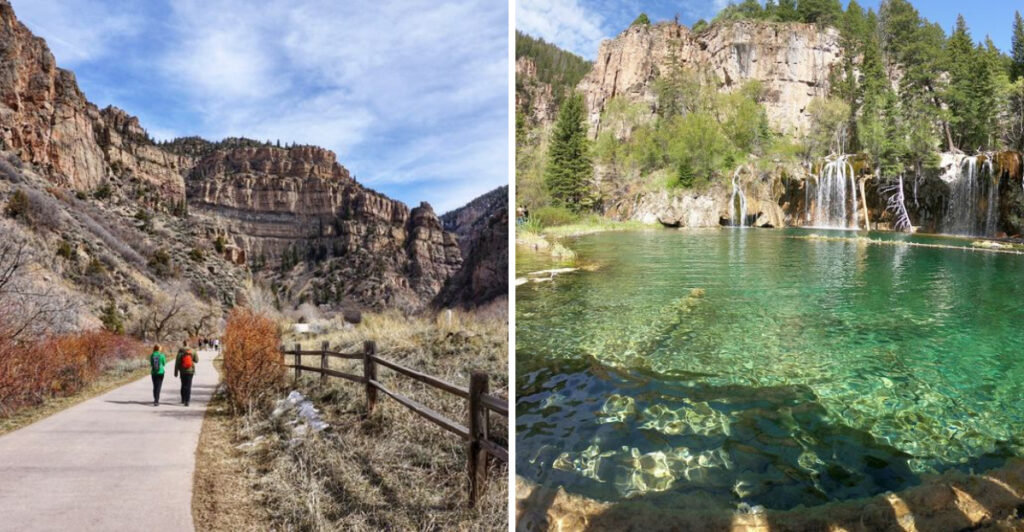
Imagine a turquoise lake that looks like it was photoshopped onto the side of a canyon wall. That is what waits at the end of this Colorado hike, and the buildup along the trail is just as impressive as the destination itself.
You will earn this one. Rocky steps, seven creek crossings, and a final climb up a cliff face make sure of that.
But then you arrive, and a waterfall shoots straight out of a rock wall above a lake so clear it barely looks real. Colorado keeps delivering places that rewrite your expectations, and this one belongs near the top of that list.
Get your permit early, plan your drive, and give yourself time to linger when you get there.
What Makes Hanging Lake So Geologically Unique
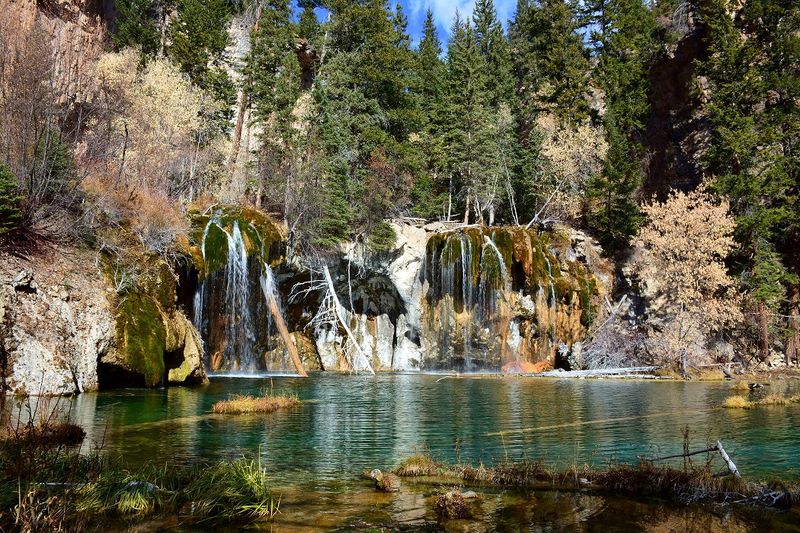
Hanging Lake is not your average mountain lake. It is a rare travertine geological formation, which means it was created by mineral deposits building up over thousands of years.
Calcium carbonate from the water slowly hardens into rock, forming the lake’s distinctive ledge-like shelf. The water appears almost impossibly blue-green because of how light interacts with those dissolved minerals.
This process is incredibly fragile. Even a small disturbance can damage formations that took centuries to develop.
That is exactly why swimming is strictly prohibited at Hanging Lake.
Colorado protects this site as a National Natural Landmark, a designation reserved for places with outstanding geological or ecological significance. The lake essentially hangs above the valley floor, perched on a travertine ledge fed by waterfalls above.
Understanding the science behind it makes standing at the edge feel even more remarkable. Geology rarely looks this beautiful in person.
The Permit System That Keeps The Trail Manageable
Getting to Hanging Lake takes more than just lacing up your boots. Visitors are required to obtain a permit before setting foot on the trail, a rule that was put in place to protect the fragile ecosystem and manage the large number of people who want to experience it.
The permit system controls daily visitor numbers, which helps preserve the trail and the lake itself. Without it, the site was at serious risk of being loved to ruin.
Permits tend to sell out quickly, especially on weekends and during summer months. Planning ahead is not optional here; it is essential.
Booking early on a weekday gives the best chance of securing a spot. Once the reservation is confirmed, the process at the trailhead is smooth and staff are reportedly friendly and well-organized.
Colorado takes conservation seriously, and the permit system at Hanging Lake is one of the clearest examples of that commitment in action.
The Trail Itself Is A Workout Worth Bragging About
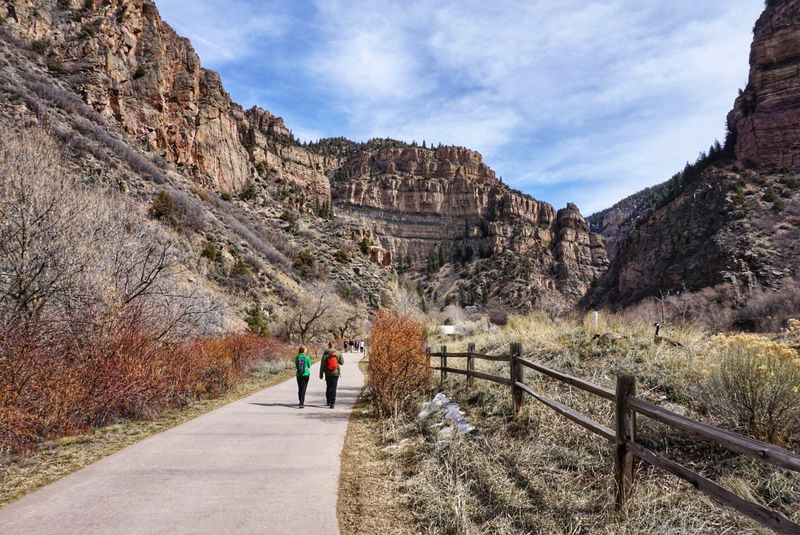
Flat this trail is not. The path to Hanging Lake climbs steeply once the canyon trail begins, gaining roughly 1,000 feet in just over a mile after an initial flat stretch along the canyon bike path.
Rock steps, narrow walkways, and multiple stream crossings keep hikers on their toes the entire way up.
Seven bridges cross the creek at various points along the route. The sound of rushing water follows hikers almost the entire way, which makes the effort feel a little more bearable.
The final stretch before the lake is the steepest section. Large boulder steps and a handrail guide the way up a cliff face that can feel intimidating, especially for those with a fear of heights.
Most people reach the lake in under an hour at a moderate pace. The descent is quicker but requires careful footing on the same rocky terrain.
Colorado trails do not get much more dramatic than this one, and the physical challenge is a big part of what makes the reward feel earned.
Spouting Rock Is The Waterfall Stealing The Show
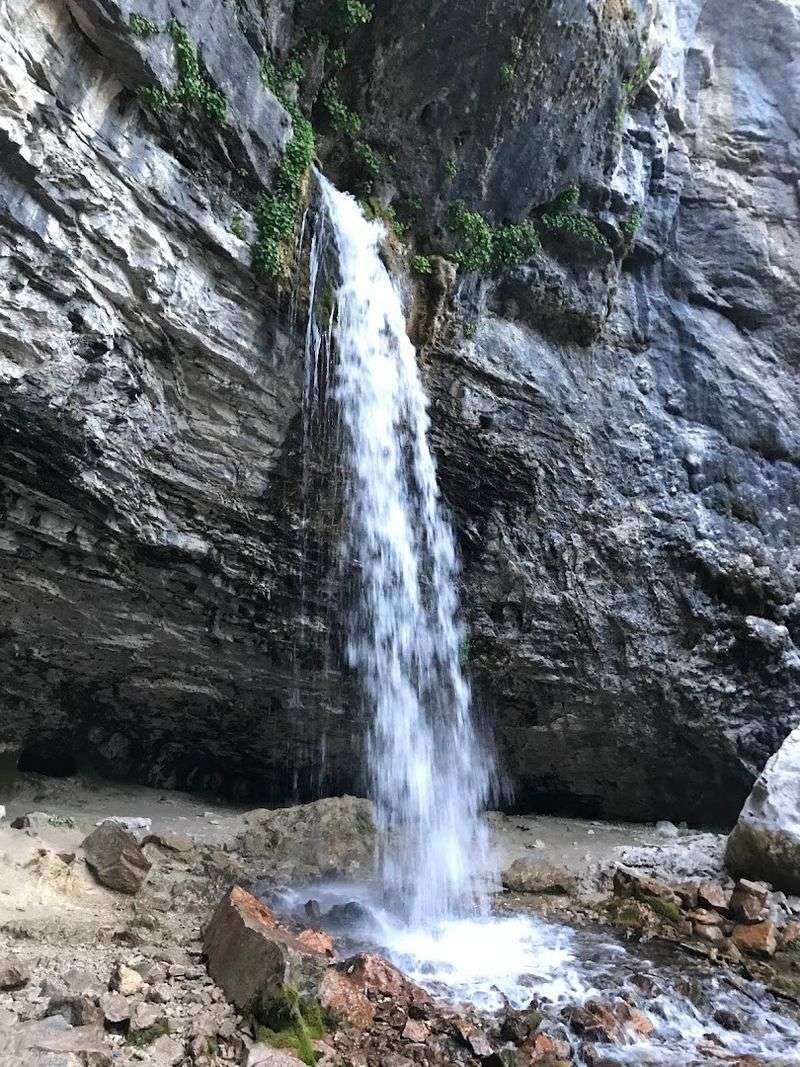
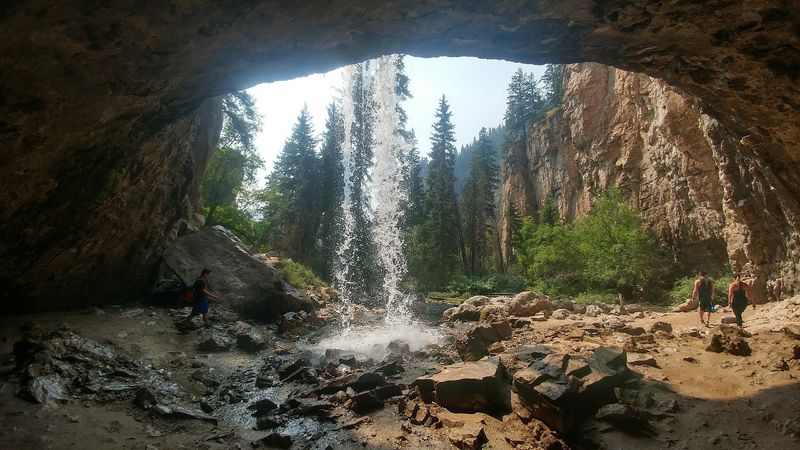
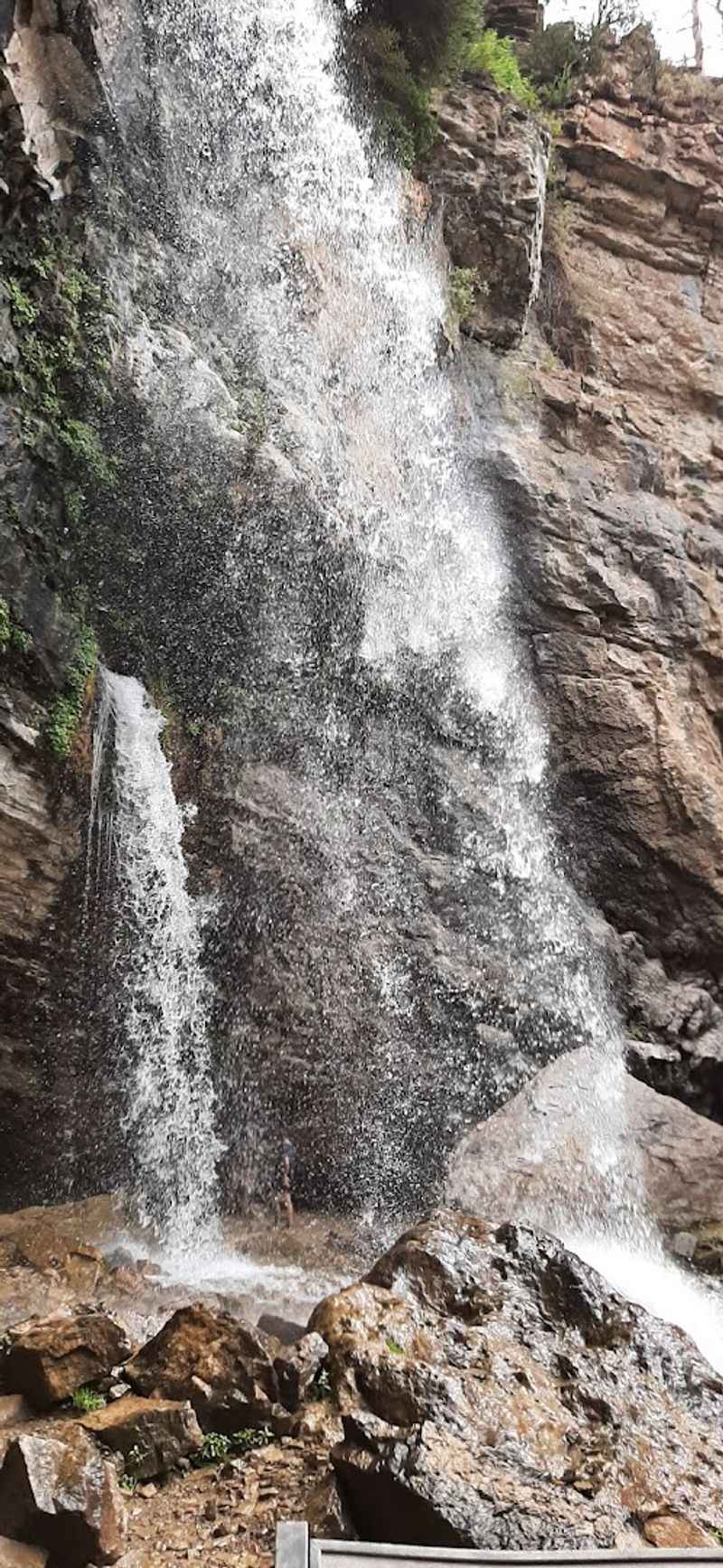
Most people come for the lake, but Spouting Rock stops everyone cold. Water shoots directly out of a hole in the cliff face above the lake, creating a dramatic curtain of mist that falls into the turquoise water below.
The effect looks almost engineered, but it is entirely natural. Underground springs force water through the rock, sending it out in a powerful horizontal stream before it drops into the lake.
Hikers can walk behind the waterfall for a completely different perspective. The view looking out from behind the falling water, with the canyon stretching below, is one of those moments that photographs rarely do justice.
Spouting Rock is one of the features that makes Hanging Lake genuinely unlike most other hikes in Colorado. The combination of the lake, the travertine formations, and this theatrical waterfall in one small area is hard to match anywhere in the state.
It rewards lingering. Rushing through this spot would be a missed opportunity.
Wildlife And Nature Along The Canyon Path
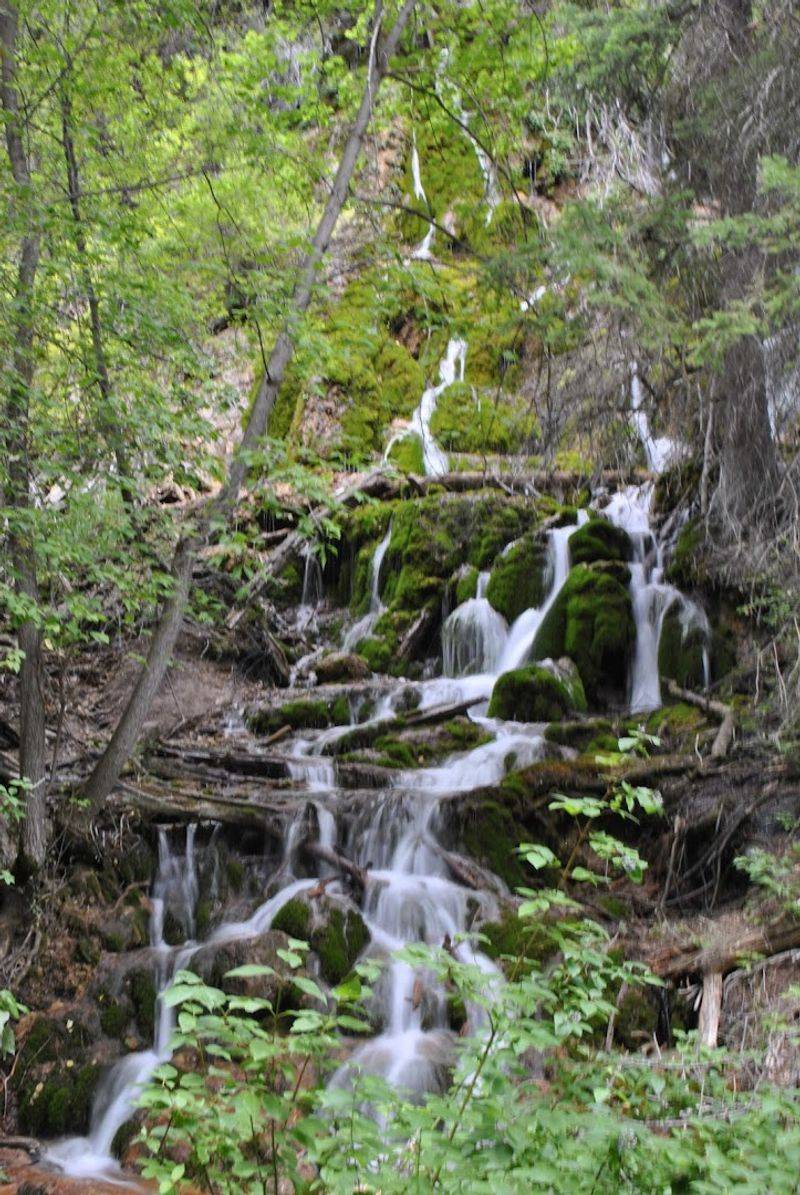
The trail to Hanging Lake is alive with more than just scenery. Small waterfalls tumble alongside the path almost continuously, creating a soundtrack that feels almost too good to be real.
Chipmunks are a common sight near the lake at the top. They are bold and curious, but feeding them is strongly discouraged since human food disrupts their natural behavior and diet.
The canyon walls on either side of the trail are dramatic. Sheer rock faces tower overhead, draped in patches of green where moisture clings to the stone.
Dense tree cover shades much of the trail, which offers welcome relief during summer hikes. The combination of flowing water, towering cliffs, and forest canopy creates an environment that feels remarkably lush for a Colorado canyon.
Birds, insects, and the occasional glimpse of larger wildlife make the walk feel like moving through a living system rather than just a path.
Colorado canyons rarely feel this intimate and wild at the same time.
Best Time To Visit And What To Expect By Season
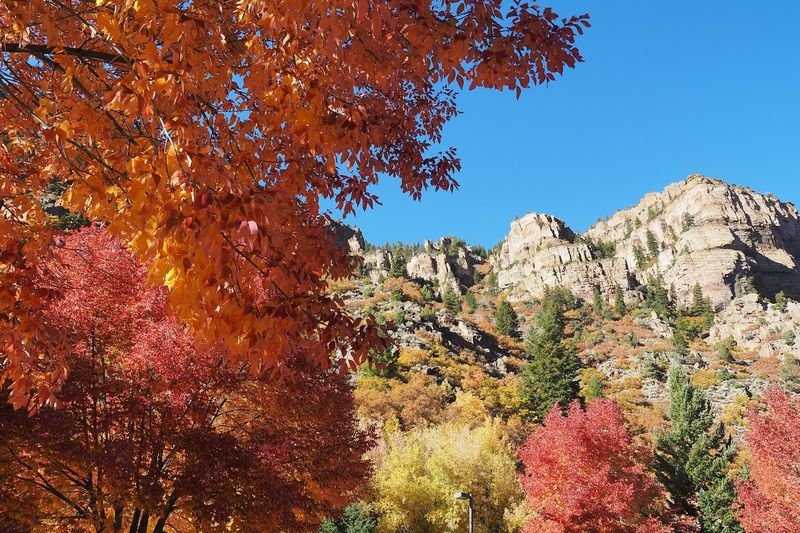
Timing a visit to Hanging Lake can make or break the experience. Summer is the busiest season by far, with parking lots filling up well before 7 a.m. on peak days.
Arriving early is the single most effective strategy for avoiding crowds and heat.
Spring brings snowmelt that swells the creek and adds extra energy to the waterfalls. The canyon turns vivid green, and the cooler temperatures make the steep climb more comfortable.
Fall is arguably the most visually striking time to visit. Changing leaves add bursts of gold and orange to the canyon walls, creating a color contrast with the blue-green lake that feels almost surreal.
Winter access can be limited or closed depending on conditions, so checking ahead before making the trip in colder months is important.
Colorado weather can shift quickly at any time of year. Packing layers, bringing plenty of water, and wearing proper footwear are non-negotiable regardless of the season.
Rules Of The Lake That Every Visitor Must Respect
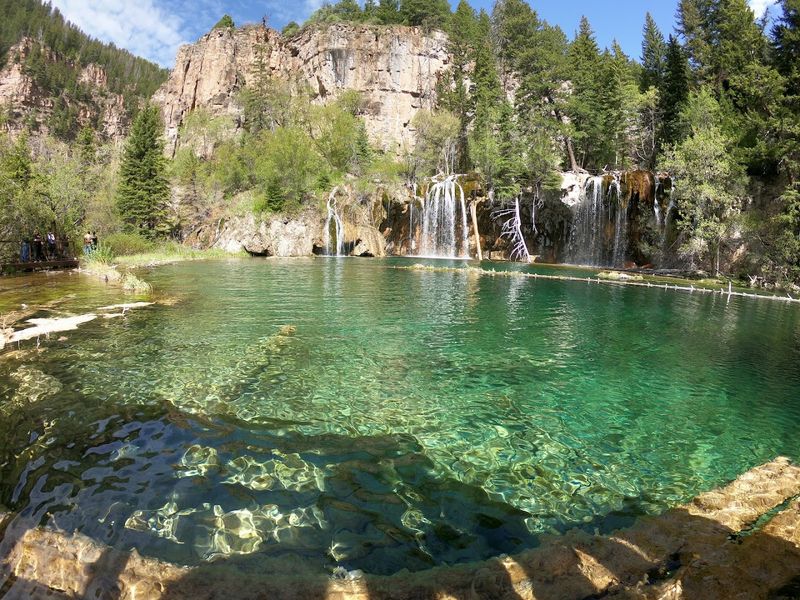
Hanging Lake comes with a clear set of rules, and they exist for very good reasons. Swimming is completely prohibited.
The lake’s travertine ecosystem is so sensitive that even sunscreen or skin oils from a single swimmer can cause measurable damage to formations that took centuries to grow.
Dogs are not allowed on the Hanging Lake Trail at all. This rule applies regardless of size or leash status, and it is enforced.
Leaving pets behind is a firm requirement for this hike.
Littering is obviously off-limits, but the rule is worth emphasizing. The trail and lake area depend on visitors treating the space with genuine care, not just minimum effort.
Staying on the designated boardwalk around the lake protects both the geology and the surrounding vegetation. Stepping off the path can cause erosion that compounds over time.
Colorado’s most special places stay special because people follow the rules. Hanging Lake is a perfect example of why those guidelines matter and what happens when they are ignored.
Getting There And Navigating The Glenwood Canyon Access
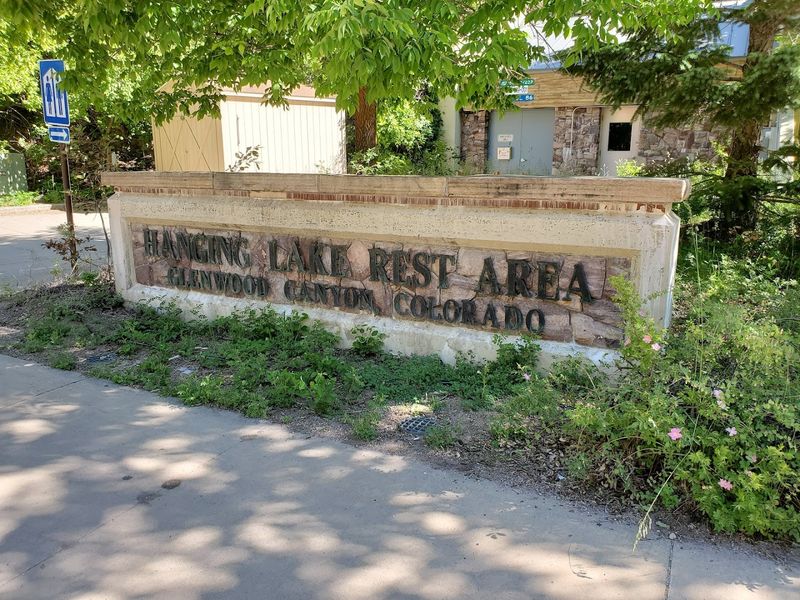
Finding the Hanging Lake trailhead requires a bit of planning. The access point is located off I-70 in Glenwood Canyon, near Glenwood Springs, CO 81601.
There is an important catch: the rest area is only accessible when traveling eastbound on I-70.
Westbound travelers need to pass the exit, take the next available turnaround, and come back heading east to access the parking area. Missing this detail has frustrated many first-time visitors.
Parking is extremely limited. On busy summer weekends, the lot can fill before dawn, leaving latecomers without a space.
Planning around the permit reservation and arriving well before the scheduled time is strongly recommended.
The Colorado River runs right alongside the canyon road, and the drive through Glenwood Canyon itself is genuinely spectacular. Walls of red and gray rock rise dramatically on both sides of the highway.
Even the approach to the trailhead feels like an introduction to something extraordinary, which sets the right tone before the real climb begins.
Why This Hike Earns Its Reputation Every Single Time
Some hikes promise a lot and deliver just enough. Hanging Lake is not one of those hikes.
The combination of geological rarity, dramatic waterfalls, and a lake that genuinely does not look like it belongs on Earth puts this trail in a category of its own.
The difficulty is real. The elevation gain is steep, the terrain is rocky, and the final climb tests both legs and nerves.
But that challenge is inseparable from the reward.
Arriving at the lake after that climb creates a moment of contrast that makes the view hit harder. Standing beside water that clear, surrounded by canyon walls and falling water, feels like a genuine payoff.
Colorado has no shortage of beautiful places, but Hanging Lake earns consistent praise because it delivers something genuinely rare: a short hike with a world-class destination at the end.
For anyone willing to plan ahead, secure a permit, and put in the effort, this trail does not disappoint. It simply delivers, every time.