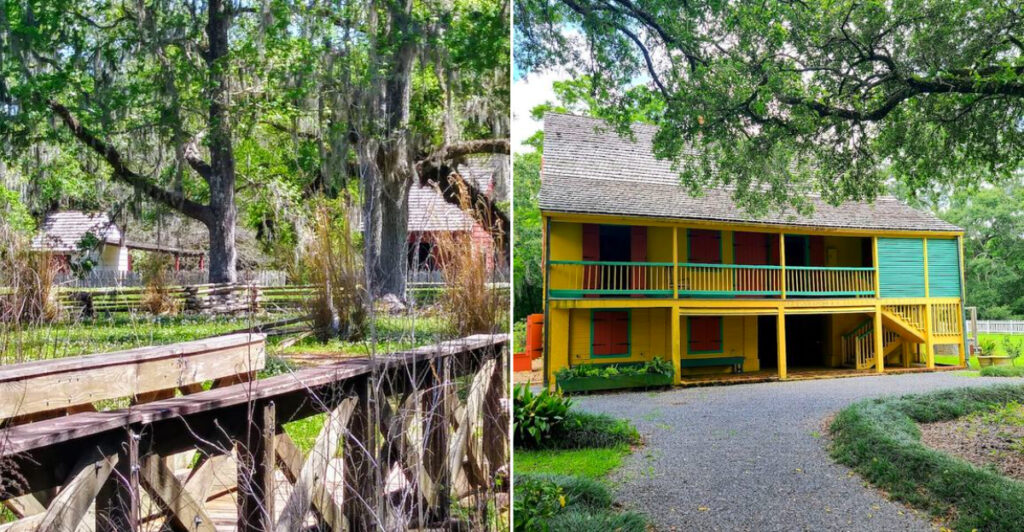
Beneath live oaks along a slow bayou draped in Spanish moss, it is not hard to see why one of America’s most beloved poets chose this landscape for a story about love, loss and endurance.
The house stands at the center of the property, its weathered cypress walls and steep French roofline telling of families who built a life here when this region was still the edge of the known world.
Rooms are filled with artifacts that predate the nation, items carried across the Atlantic by people who refused to abandon their language, customs, cooking and music.
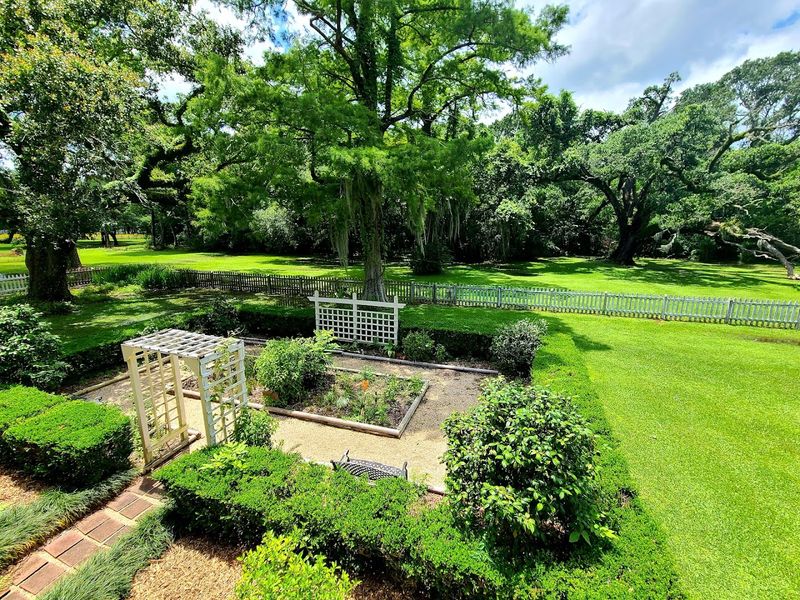
Gardens bloom in patterns established generations ago, a living document of practices that sustained communities through hardship few can truly imagine.
The bayou still flows past the same way it did when the real people behind the poem walked these paths. A place like this in Louisiana does not just preserve history, it lets you stand inside it.
Maison Olivier Architecture
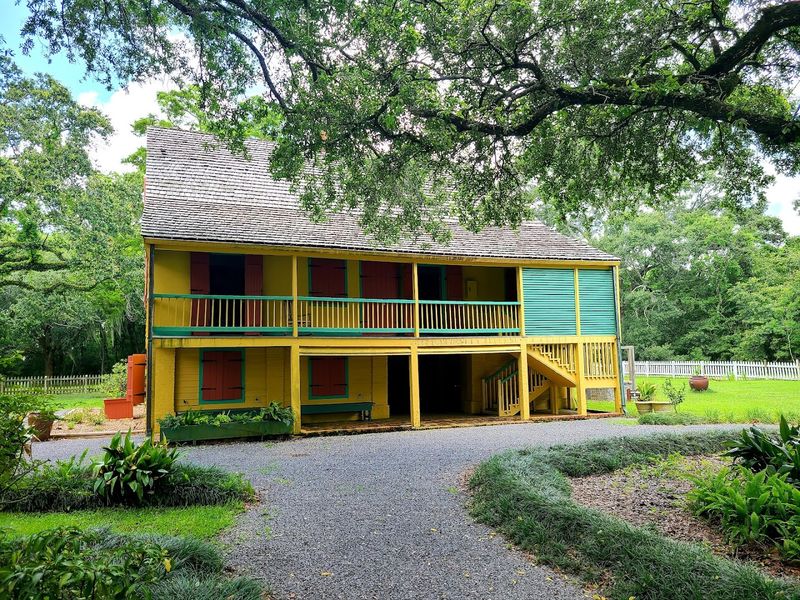
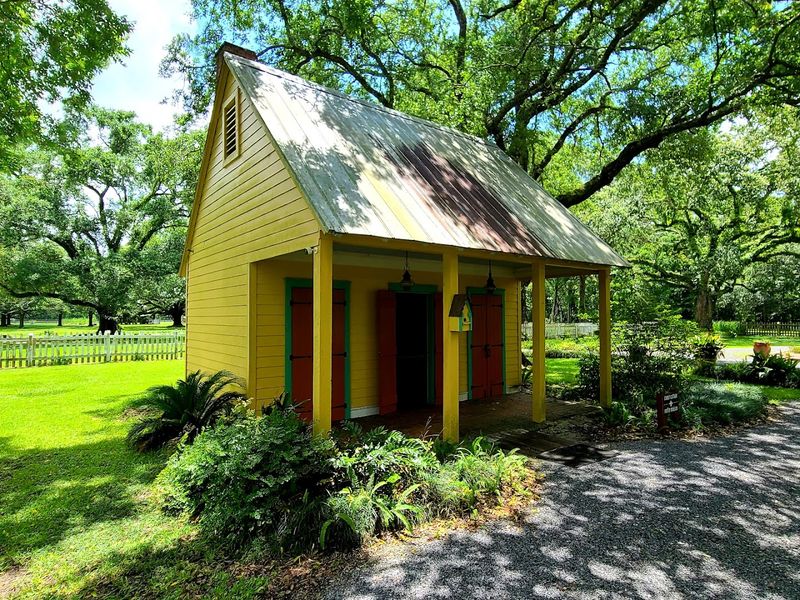
Maison Olivier is a study in Creole architectural logic: raised on piers to breathe above seasonal wetness, with a generous gallery that shades interiors and invites social life outdoors. Its plan blends Caribbean and French influences into a practical, beautiful response to the climate.
As you approach, pay attention to the shutters and high ceilings that manage heat and light without modern systems.
The house retains period furnishings and original layout cues that reveal daily rhythms of mid-19th-century life. Even without a guide, the spatial choices teach you how people lived here, how porches mediated privacy and public life, and how materials were chosen for resilience. This is architecture made for living at the water’s edge.
Bayou Teche With A Storybook Shadow
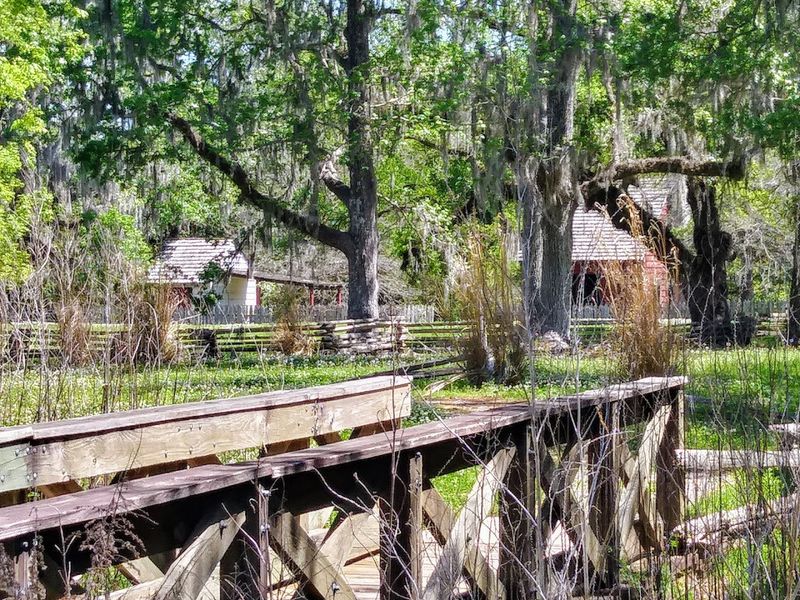
Longfellow-Evangeline State Historic Site feels like the kind of place where the road slips out of ordinary Louisiana and into folklore, with old oaks, Creole history, and quiet grounds doing the welcoming.
You’ll find it at 1200 N. Main Street, St. Martinville, Louisiana 70582, where the site explores the Acadian and Creole cultures of the Bayou Teche region.
Arrive with time to walk, not just peek inside and leave. The best part is letting the house, paths, and shaded grounds slow the visit down until the story starts feeling rooted in the landscape.
Listen for birds in the trees, notice the textures of old buildings, and give yourself permission to linger. The site works best when you treat it less like a checklist stop and more like a quiet conversation with Louisiana’s layered past.
Acadian Cabin Reproduction
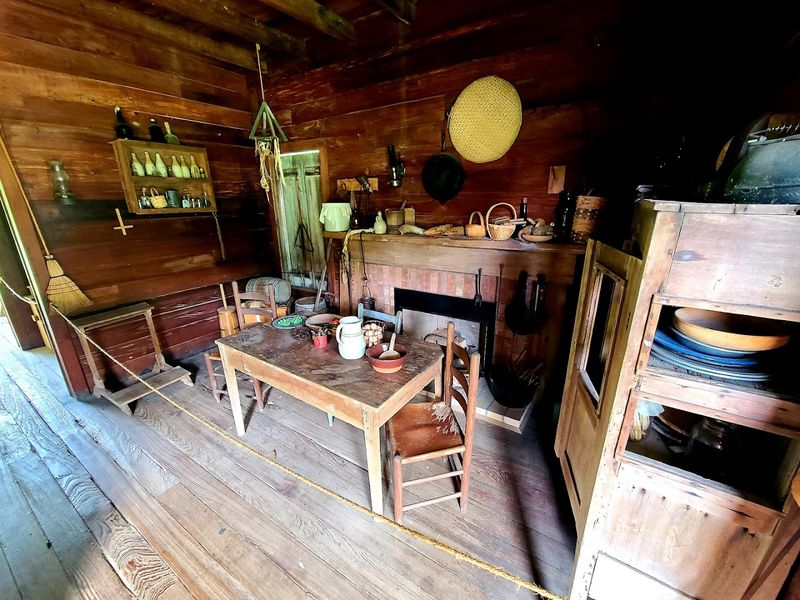
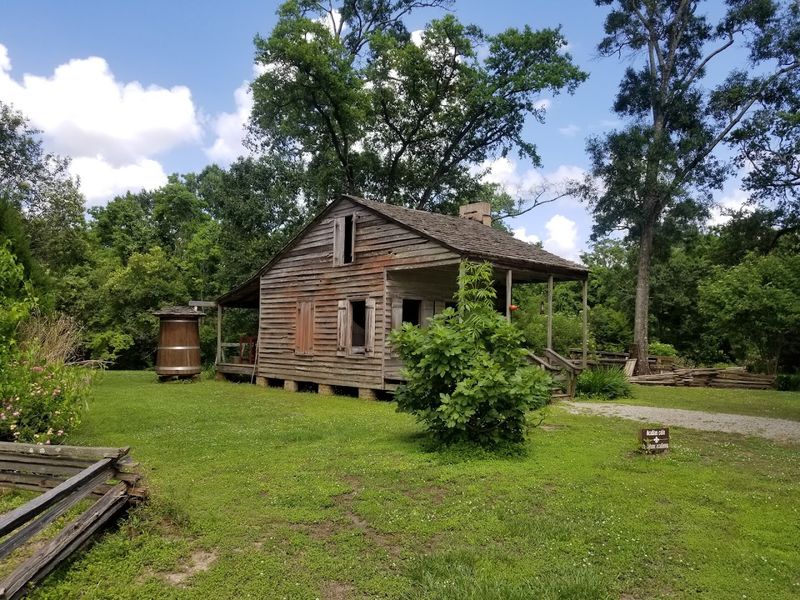
The Acadian cabin reproduction offers a tactile contrast to the more refined Maison Olivier, with hand-hewn logs, a simple hearth, and an outdoor kitchen anchored by a bread oven. The exhibit focuses on subsistence choices and family scale, showing how a single-family farm organized labor and survival in the early 1800s.
Touching the textures and seeing functional tools up close makes the historical silhouette feel immediate.
Interpreters sometimes demonstrate cooking or craft techniques, and those moments illuminate everyday ingenuity.
Look for signage explaining period crops, animal husbandry, and household economics that kept families fed through seasonal cycles. The cabin invites you to imagine daily life rather than simply observe it.
Interpretive Programs And Hosts
On site, interpretive hosts and rangers bring the material to life with calm expertise and a local voice. Staff often balance scholarly detail with plainspoken anecdotes, making complex history accessible without flattening its rougher edges.
When guides are available, they enhance the visit with names, dates, and social context that connect structures to the people who used them.
Sometimes a volunteer or ranger shares a personal memory, regional detail, or family story that reframes a display. Those moments feel like being let into a neighborhood conversation.
Small observations about foodways, architecture, language, work, and daily customs can make the past feel less distant. If you can, plan to join a guided talk or ask questions at the visitor center; the best things happen in dialogue rather than from a leaflet alone.
Evangeline Story Connections
The site frames Longfellow’s Evangeline as both literary myth and an entry point to lived histories of Acadian displacement, Creole culture, and the many peoples who shaped Bayou Teche.
Exhibits responsibly separate romantic legend from migration records and community memory, letting you appreciate the poem while learning the real story behind resettlement and cultural adaptation in Louisiana.
Panels and artifacts place Evangeline in a wider social map, connecting names and dates to migration patterns, local settlements, and cultural survival strategies. This approach helps visitors hold poetry and historical fact together rather than forcing a false equivalence between them.
Historic Preservation Techniques
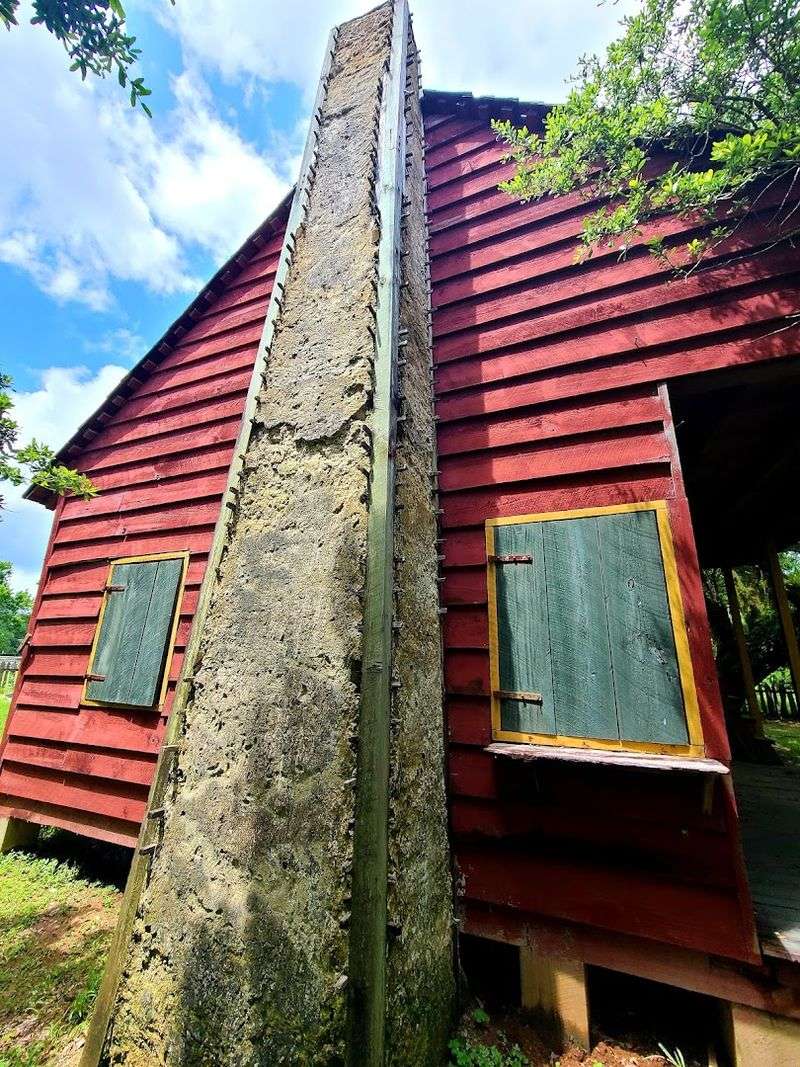
Preservation at the site is quietly meticulous; you can often spot subtle interventions where materials are matched and traditional joinery is used to maintain authenticity. Conservators prefer repairing over replacing, and you will notice patched board sections and historically appropriate paints that keep the visual story intact.
These choices communicate respect for original fabric and for the stories it carries.
Signage sometimes outlines methods used on the Olivier House and cabins, explaining why certain woods or finishes were chosen. Those details matter because they show the ongoing conversation between conservation ethics and practical maintenance in a humid, riverine environment.
Seasonal Birding And Nature
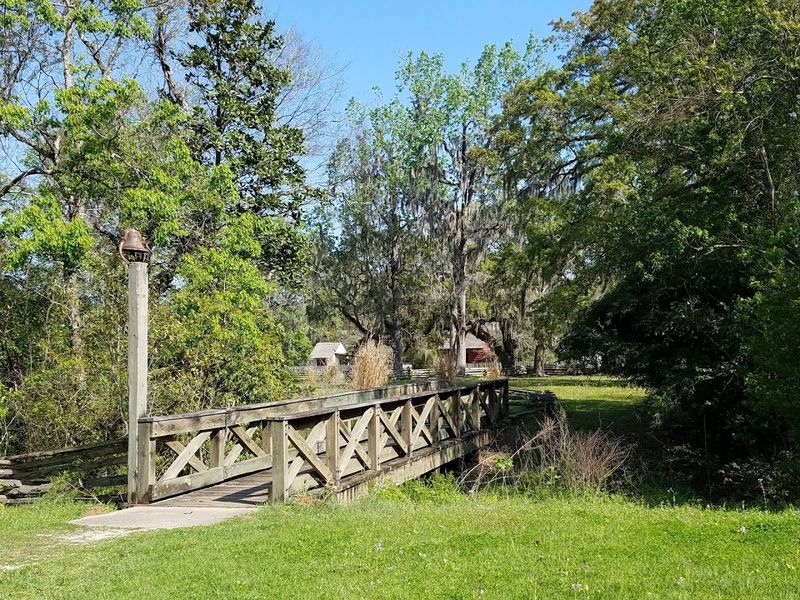
Beyond buildings, the park is a productive spot for birding and seasonal observation; bottomland hardwoods and open water attract wading birds, warblers, and resident species that change through the year. Trails skirt the bayou and give different vantage points for both quiet photography and casual spotting.
Bring binoculars if you care about species lists, because small details reveal themselves from the right angle.
Spring and fall migration add extra variety, while winter visits have their own clarity of light and quieter understory. The natural side of the site complements the history, reminding you that human stories are anchored in living landscapes.
Visitor Logistics And Tips
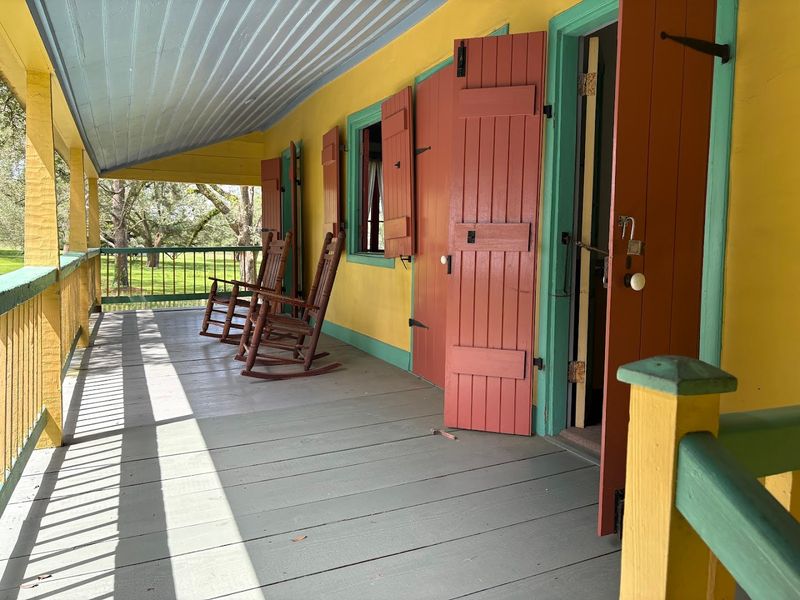
Plan to arrive during open hours, from 9 a.m. to 5 p.m., and allow at least an hour to see the visitor center, Maison Olivier, and a short walk along the bayou. Admission is affordable with standard state park fees and free entry for young children; seniors may qualify for discounts.
The visitor center has restrooms and a small museum shop where local titles and guides are available.
If guided tours are running, they are worth the time; alternatively, a short orientation film provides useful context. Comfortable shoes and sun protection make the grounds more enjoyable, since shade can be patchy on the trails.
Local Cultural Events
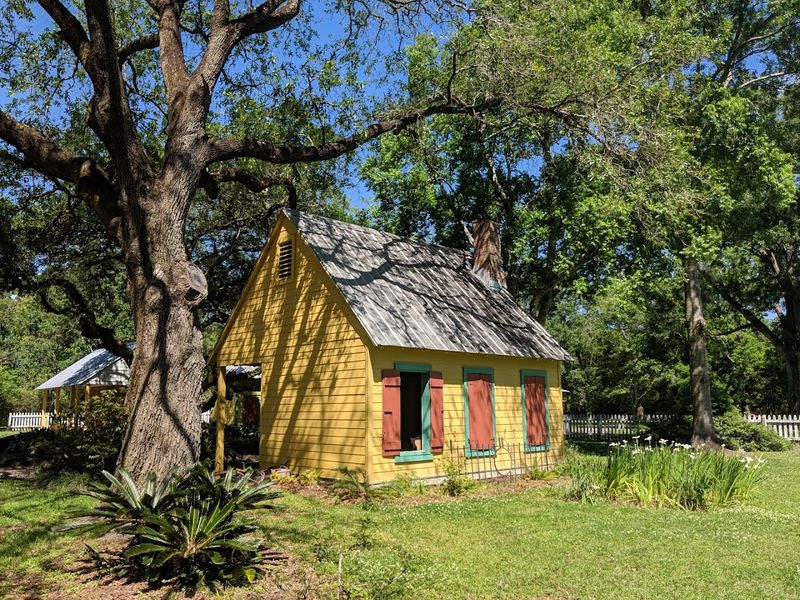
The site occasionally hosts cultural events that highlight Cajun and Creole language, music, and crafts, connecting archival displays to living traditions. When these programs occur they offer a different sort of access: demonstrations, talks, and community conversations that emphasize continuity rather than static preservation.
Check the calendar if you want to catch a demonstration or a French-language presentation.
These events provide context for exhibits and deepen understanding of how traditions endure. Showing up for a program often feels like entering a local gathering rather than a tourist performance, and that creates memorable encounters with regional culture.
Evangeline Oak And Nearby Sites
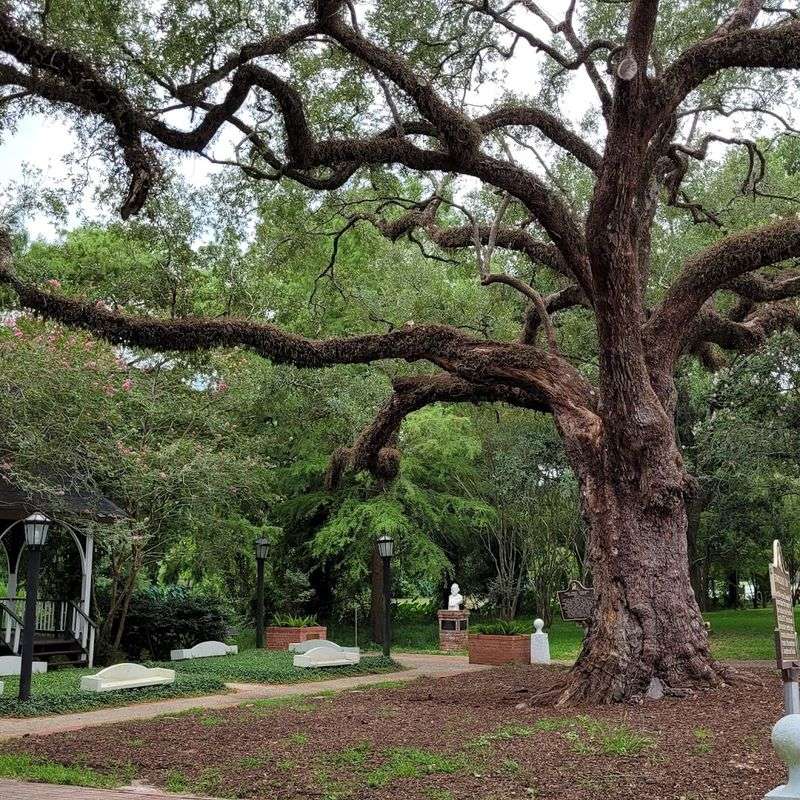
A short walk from the site is the local landmark called the Evangeline Oak, a modest but meaningful tree tied to popular memory about reunion and the poem’s imagined landscape. It is less a botanical marvel than a civic emblem, and locals treat it as a point of literary pilgrimage.
Pairing a site visit with a stroll to the oak and the nearby Evangeline statue gives a fuller sense of how poetry and place have intertwined here.
Combine these stops with a visit to St. Martin of Tours Church and the small town center to appreciate how public memory and daily life intersect in the community’s physical fabric.
Photography And Quiet Moments
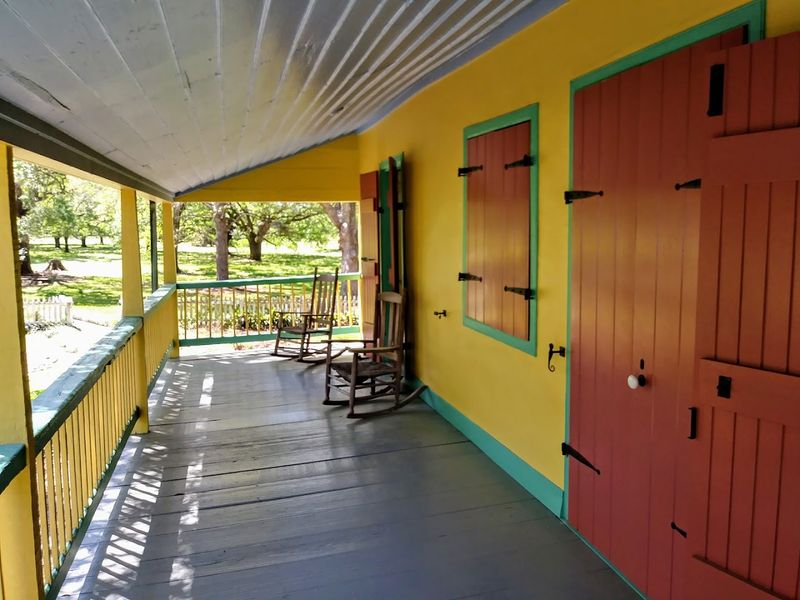
Photographers and quiet observers will find rewards in early light and late afternoon shadows that dramatize porches, oak limbs, and water reflections.
The park’s scale allows for composition without crowds, and details like rocking chairs, shutter hardware, and bread ovens make strong focal points. Respectful framing and low-impact practice preserve the site’s atmosphere for others while producing thoughtful images.
For quieter moments, step off the main path toward the bayou or sit beneath an oak to read interpretive panels. Bringing a small notebook or sketchbook encourages noticing small things you might otherwise walk past, turning the visit into a practice rather than a checklist.
Why This Site Matters
The Longfellow-Evangeline site matters because it stitches together literary history, regional cultures, and lived architectural traditions into a compact, walkable landscape.
It does not pretend that Longfellow’s poem is literal truth; instead it uses the poem as an invitation to explore displacement, adaptation, and cultural endurance among Acadian, Creole, Native American, and African-descended communities.
That layered approach makes the site thoughtful rather than nostalgic.
Visiting here deepens understanding of how stories travel and settle into places. If you go with curiosity and some patience, you will leave with clearer questions and a richer sense of Louisiana’s cultural tapestry.