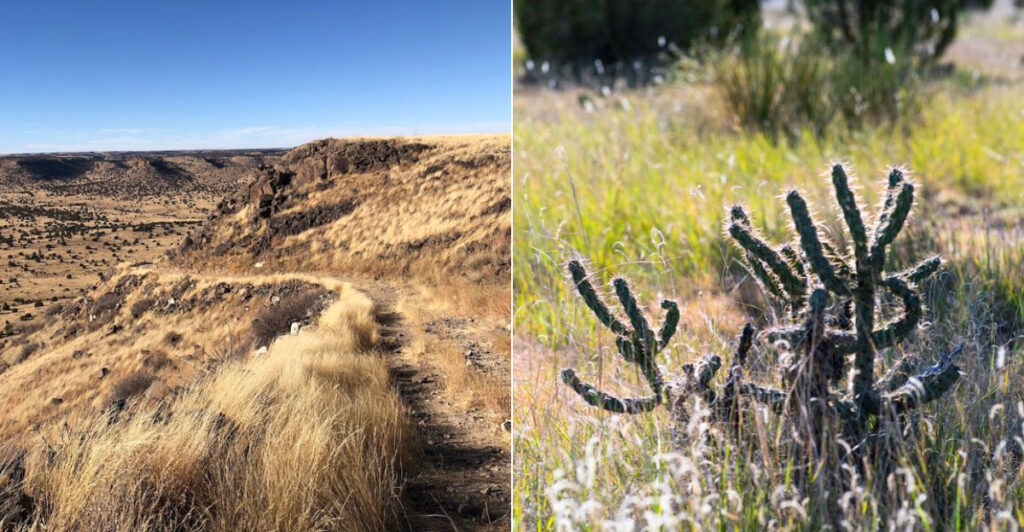
Standing on the highest point in Oklahoma while golden eagles circle above is not a bad way to spend a day. The view from the top stretches into two other states, and that alone is worth the drive.
The trail runs about 8.4 to 9 miles round trip across volcanic rock and wide open mesa land. Every step feels earned, and reaching the summit feels even better.
This is not a casual stroll, and that is exactly the point. The hikers who push through come back talking about views that stick with them for years.
Far western Oklahoma is sitting on one of the most rewarding outdoor experiences in the entire region. Lace up, clear the weekend, and go stand on top of the state.
Where The Trail Begins
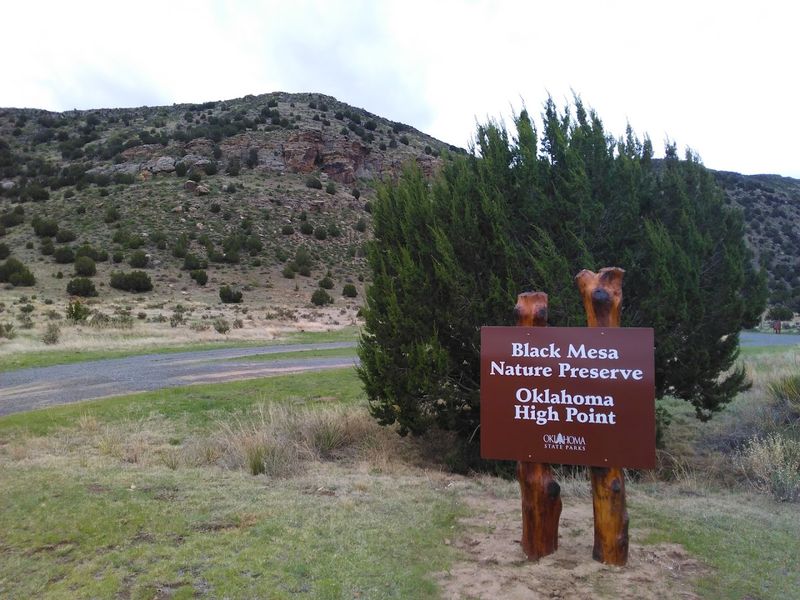
The trailhead for Black Mesa Trail sits in the remote Oklahoma Panhandle, near the small town of Kenton.
Getting there already feels like an adventure. The roads leading out to this part of Oklahoma grow quieter and emptier the further west you drive.
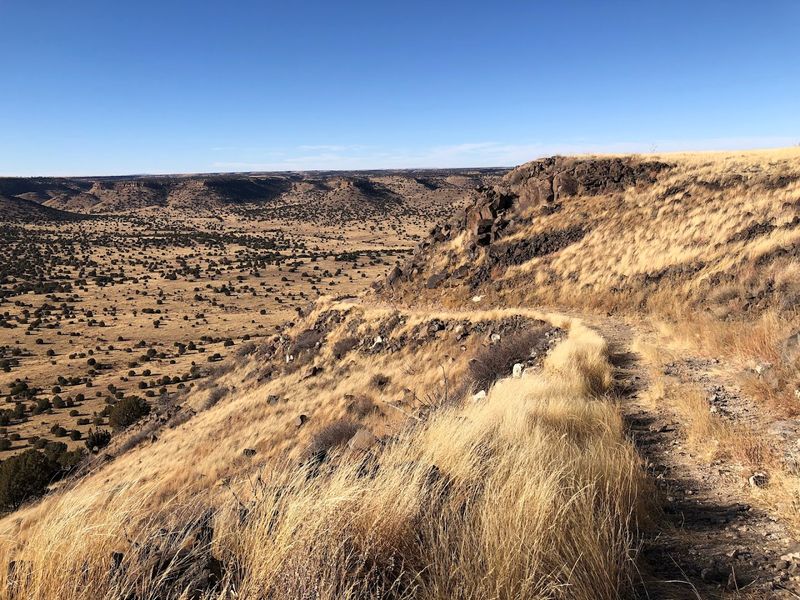
Once you park and step onto the trail, the first 2.5 miles are refreshingly flat. You follow an old roadbed that runs along the base of the mesa, and the ground is firm and easy to read.
Benches appear at mile markers along the route. That is a thoughtful touch that most hikers genuinely appreciate after the first mile in the sun.
The landscape here belongs to a zone where the Rocky Mountains and the shortgrass prairie collide. That meeting point creates something ecologically rare and visually striking right from the very start.
Have you ever stood in a place where you could almost feel two worlds pressing against each other? That is exactly what the trailhead area delivers before you even begin your climb.
Visitors say the trail is well-marked and easy to follow throughout. The signage keeps you confident, which lets you focus on the scenery instead of second-guessing every fork in the path ahead of you.
The Volcanic Rock Story
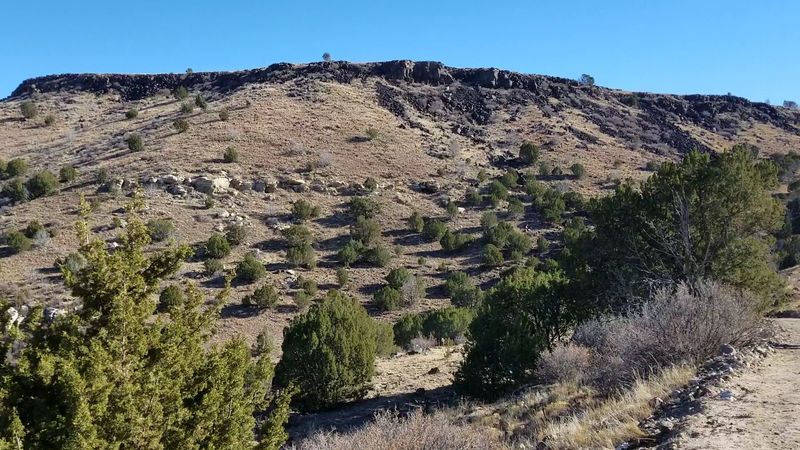
About 30 million years ago, volcanic activity sent lava flowing across this part of the plains, and that lava cooled into the distinctive black basalt rock that gives Black Mesa its name.
That is not a metaphor or a legend. That is actual geological history sitting right under your boots as you hike.
The black rock layer is impossible to miss once you reach the mesa top. It spreads out in a dark, striking contrast against the red and tan earth of the surrounding landscape.
Oklahoma is not a state most people associate with volcanic history, which makes this detail genuinely surprising for first-time visitors.
The mesa has been shaped by wind and time for tens of millions of years, and yet it still looks bold and deliberate, like the land decided to make a statement.
Can you imagine walking across the cooled remains of an ancient lava flow and knowing that the same rock has been sitting there since before humans existed? That thought alone makes the hike feel bigger.
Geologists and curious hikers alike find this part of the trail fascinating. The rock tells a story that no trail sign could ever fully capture, and it rewards anyone who slows down long enough to really look at it.
The Climb Up
After the flat opening stretch, the trail shifts dramatically. A series of switchbacks takes you up approximately 600 feet of elevation gain over roughly one mile, and your legs will absolutely know it happened.
The ascent is the moment that separates a casual stroll from a real hiking experience. This section earns Black Mesa its rating as an intermediate to expert-level route.
The switchbacks are steady and well-constructed. They give you a manageable rhythm, even when the incline is pushing back against you with full force.
Pause at any point during the climb and turn around. The view behind you is already worth stopping for, with the flat plains stretching out in every direction below.
One visitor put it simply: the hike was great, and every step of the climb felt rewarding. That kind of straightforward praise says a lot about what this section delivers.
Are you the type of hiker who loves the moment when the hard part is finally behind you? The top of the switchbacks delivers that feeling in a very satisfying way.
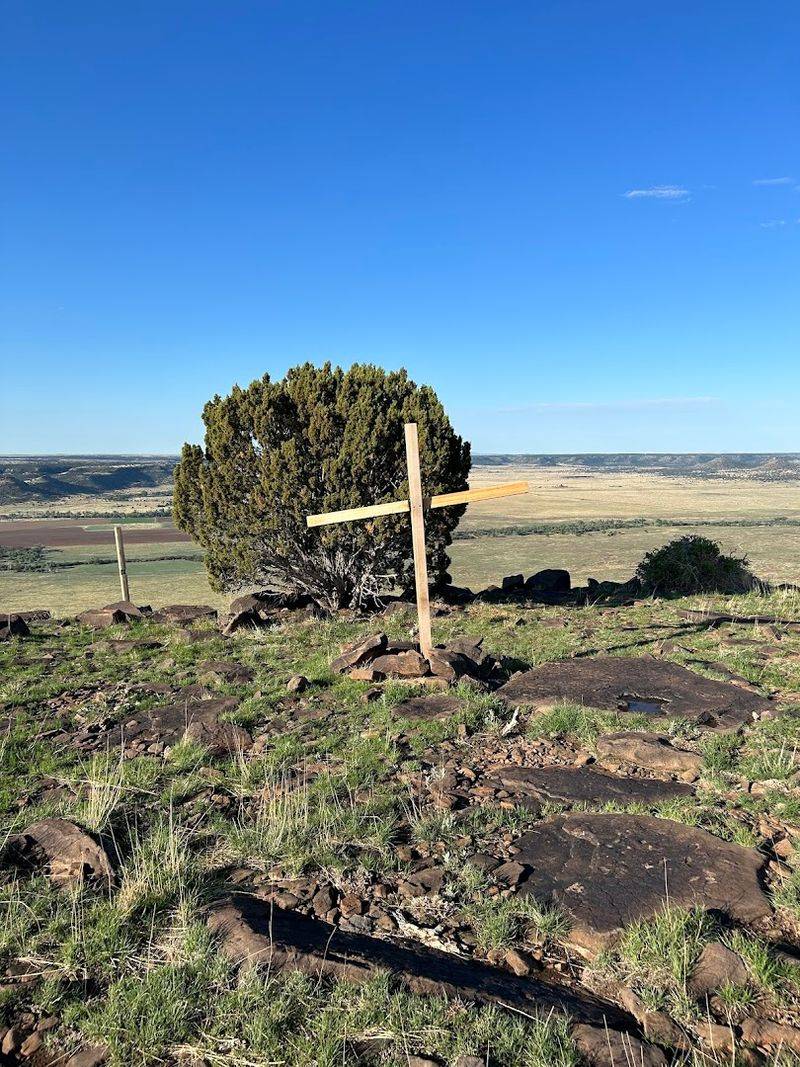
The final mile to the summit marker levels out again across the mesa top. After the climb, that flat finish feels like a well-deserved reward for the effort you just put in to get there.
The Summit View
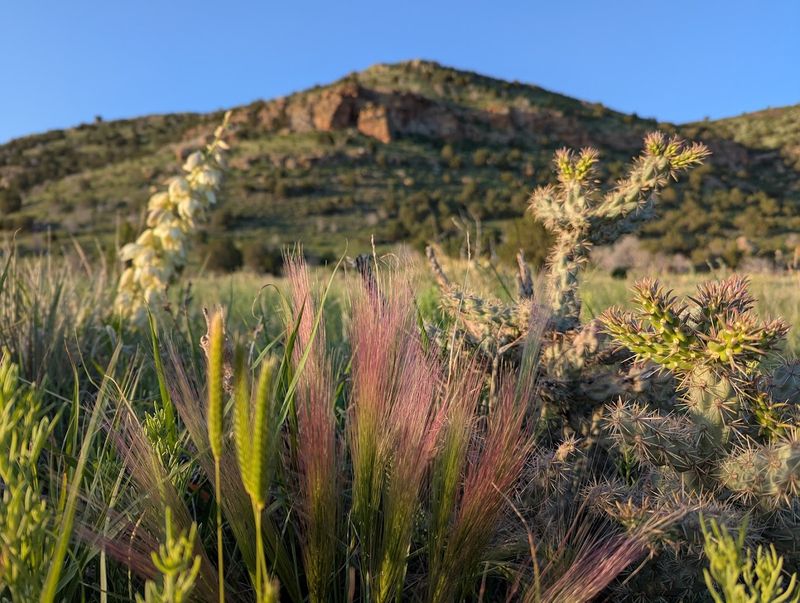
Standing at 4,973 feet above sea level, the summit of Black Mesa is the highest point in all of Oklahoma. That fact alone draws hikers from across the country every single year.
The granite obelisk marking the summit is a simple, dignified monument. It marks the spot where Oklahoma reaches its absolute peak, and people love taking a photo next to it.
From the top, on a clear day, you can see into New Mexico and Colorado. Two other states become visible from a single spot in Oklahoma, which is a perspective that genuinely shifts how you think about the region.
Visitors describe the panorama as awe-worthy. The high plains, distant buttes, and the wide desert landscape spread out below you in a way that photographs struggle to fully capture.
A short walk past the obelisk opens up views that face directly into New Mexico. That extra few minutes of walking is always worth it, and most hikers agree it is the best-kept tip on the whole trail.
What does it feel like to stand at the highest point in your state and look out across three states at once? Pretty unforgettable, according to everyone who has made it up here.
Sunset at the summit is something visitors talk about long after returning home. The light turns the plains into shades of orange and gold that feel almost unreal from up there.
Wildlife You Might Meet
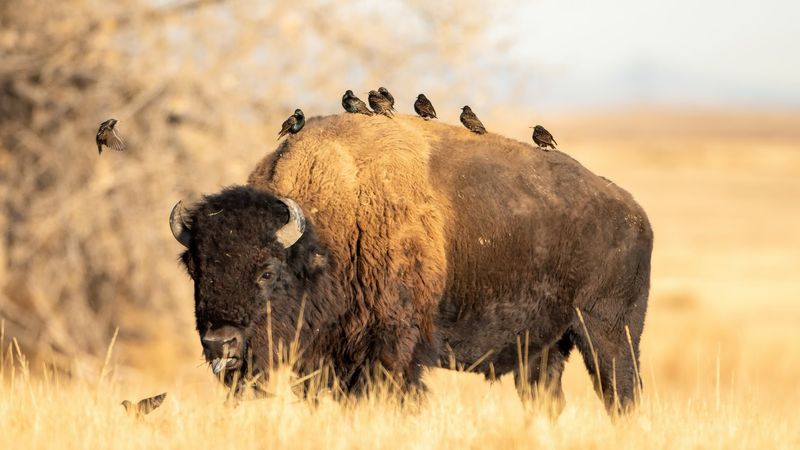
The area around Black Mesa is home to an impressive list of wildlife that makes every hike feel like a potential nature documentary moment.
Golden eagles are frequently spotted riding thermals above the mesa. Watching one glide overhead while you are catching your breath on the switchbacks is the kind of moment hikers remember for years.
Scaled quail, black-billed magpies, and pinyon jays all call this area home. Birdwatchers find Black Mesa to be one of the most rewarding spots in Oklahoma for spotting species rarely seen elsewhere in the state.
Larger animals also move through the preserve. Black bear, bobcat, mule deer, bighorn sheep, and antelope have all been documented in this unique corner of the Oklahoma Panhandle.
The ecological reason for this diversity is fascinating. Black Mesa sits at the convergence of the Rocky Mountains and the shortgrass prairie, and that overlap supports 31 rare state species, including 23 plants and 8 animals.
Have you ever spotted a bighorn sheep from a hiking trail and felt like the whole trip was suddenly worth it ten times over? This is exactly the kind of place where that can happen.
Quiet hikers tend to see more. Moving slowly and staying alert along the trail edges gives you a much better chance of spotting something genuinely extraordinary on your way up or down.
Stargazing After Sunset
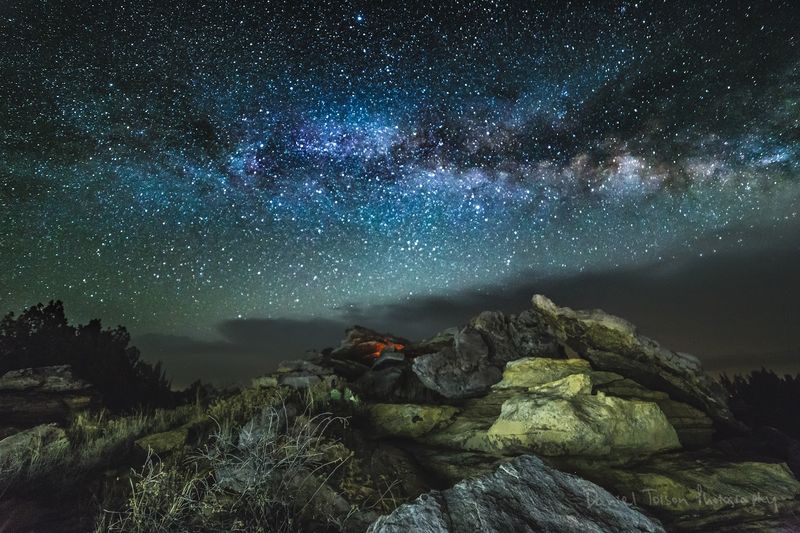
When the sun goes down over Black Mesa, something magical takes over. The area is recognized for having some of the darkest nighttime skies on any publicly accessible land in the country.
There is almost no light pollution out here. The Oklahoma Panhandle is so remote that the sky at night becomes a completely different experience from anything most people see in their daily lives.
The Milky Way appears in full detail on clear nights. Stars that are invisible from most cities become bright and obvious, and the sheer number of them overhead can genuinely take your breath away.
August is the standout month for sky watchers. The Perseid meteor shower peaks during that time, and Black Mesa provides one of the best front-row seats available anywhere in Oklahoma or beyond.
Visitors who plan an overnight trip specifically for stargazing often say it was the highlight of their entire outdoor year. That is a bold claim, but the sky out here backs it up completely.
Are you the kind of person who has always wanted to see a meteor shower in a truly dark sky? Black Mesa in August is your answer, and it requires zero special equipment beyond your own eyes.
Lying on the mesa top and watching the sky perform above you is an experience that connects you to the landscape in a way that daylight hiking simply cannot match.
Dinosaur Tracks Nearby
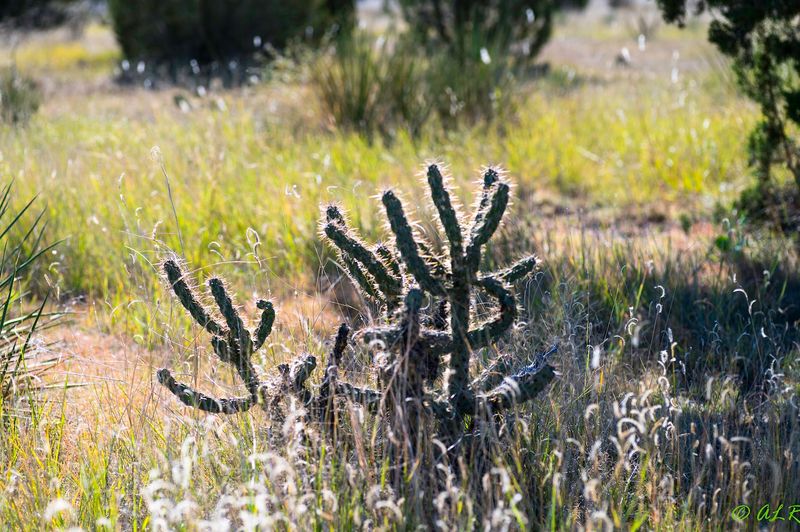
The Black Mesa area is not just about the hike and the views. Nearby, you can find actual dinosaur tracks preserved in the rock, which adds a prehistoric twist to an already extraordinary destination.
These fossilized footprints were left behind by creatures that walked this land millions of years before the volcanic activity that shaped the mesa itself.
Finding them requires a little exploration beyond the main trail. Visitors who seek out the tracks describe the experience as surreal, like holding your hand over a print left by something that no longer exists anywhere on Earth.
Oklahoma is not typically the first state that comes to mind when people think about dinosaur fossils. That makes the discovery feel extra surprising and genuinely exciting for anyone who stumbles across it.
The tracks are a reminder that this corner of the Panhandle has been a significant place for a very, very long time. The land has layers of history stacked on top of each other in the most literal sense possible.
Have you ever stood next to a dinosaur footprint and tried to picture the animal that made it? That is a question worth sitting with for a moment out here in the open Oklahoma air.
Families with kids find the dinosaur tracks to be an instant highlight. Nothing makes young hikers more enthusiastic about a long walk than the promise of finding something prehistoric at the end of it.
Practical Tips For Visiting
Planning your visit to Black Mesa Trail takes a little preparation, and that preparation makes a significant difference in how much you enjoy the experience once you are out there.
Water is the most critical item to pack. The round trip covers 8.4 to 9 miles, and the sun on the Oklahoma Panhandle is relentless, especially from late spring through early fall.
Visitors say packing plenty of water is non-negotiable. The trail has no water sources along the route, so everything you need for hydration has to come with you from the trailhead.
Start early in the morning when temperatures are cooler. The ascent section is strenuous, and tackling it before the midday heat sets in makes the climb far more manageable and enjoyable.
Wear sturdy footwear with good ankle support. The trail surface transitions from packed earth to rocky basalt, and the terrain on the mesa top can be uneven in spots that catch you off guard.
Black Mesa State Park and Nature Preserve manages the area. The park is located near Kenton in the far western Oklahoma Panhandle, and the drive itself through the surrounding landscape is worth factoring into your itinerary.
Is this your first time visiting the Oklahoma Panhandle? Give yourself extra time to explore the area around the trailhead, because the surrounding landscape rewards curiosity in ways that a quick in-and-out visit simply cannot capture.