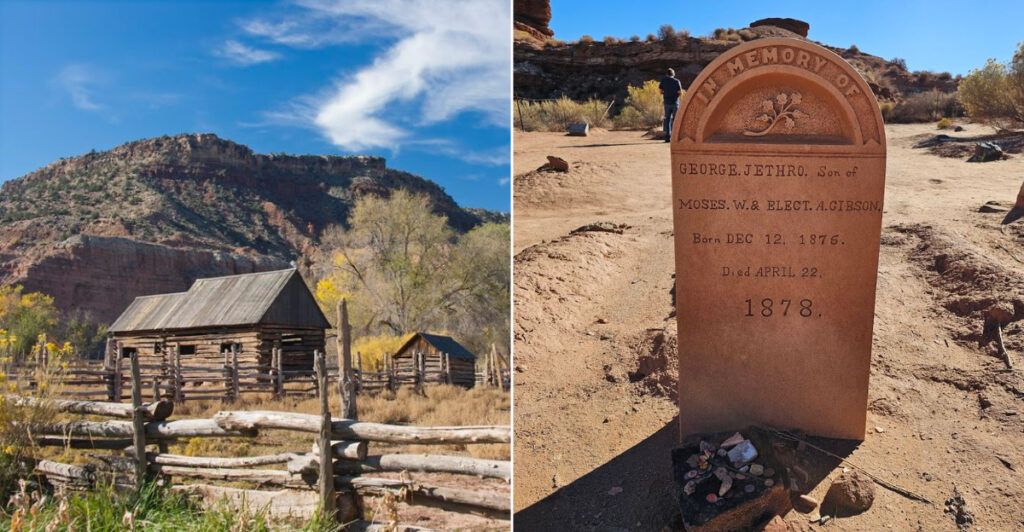
Some stops do not feel like attractions, they feel like warnings from another century. In Utah, a small historic burial ground rests near a preserved ghost town, surrounded by desert silence, weathered markers, and stories that seem to rise with the dust.
This is the kind of place that slows your steps without asking, because every headstone feels personal and every empty view hints at how hard life once was here. People built homes, raised families, faced loss, and tried to survive in a landscape that offered beauty and brutality in equal measure.
The legends add a chill, but the real power comes from the history under your feet. For anyone exploring Utah with a taste for eerie, meaningful detours, this stop belongs high on the list.
Miss it, and the drive back may feel strangely heavier than it should, like the road somehow knows you skipped something unforgettable.
The Cemetery That Tells the Town’s Hardest Stories
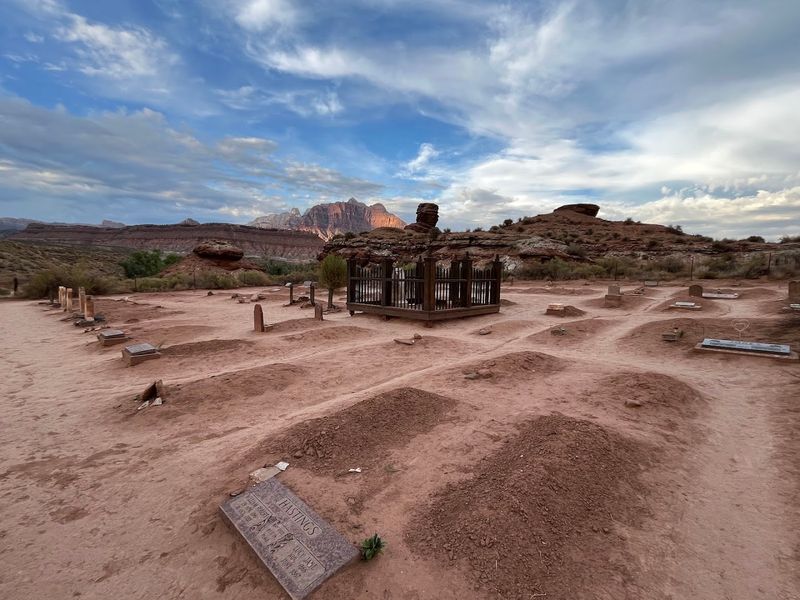
There’s a particular silence that settles over this place on Grafton Road in Rockville, Utah 84763, and it doesn’t feel empty. It feels full.
Full of names, dates, and the kind of hardship that modern life rarely asks of anyone anymore. The headstones here aren’t decorative.
They’re records of real lives cut short by drought, conflict, and the sheer difficulty of carving out an existence in this corner of southern Utah.
Visitors consistently note that the cemetery is the emotional centerpiece of the entire Grafton site. Where the restored buildings hint at daily life, the cemetery delivers the unfiltered truth.
Many of the graves belong to children and young adults, a quiet and sobering reminder of how unforgiving frontier life truly was.
Why It Matters: This isn’t a staged attraction. The cemetery grounds are maintained with genuine care by those connected to Grafton’s history, and informational markers help visitors understand who is buried there.
Plan to spend at least fifteen to twenty minutes here. Read the stones.
The math alone, birth years against death years, will stop you cold and make the whole visit feel profoundly real.
Local Legends Wrapped Around Every Headstone
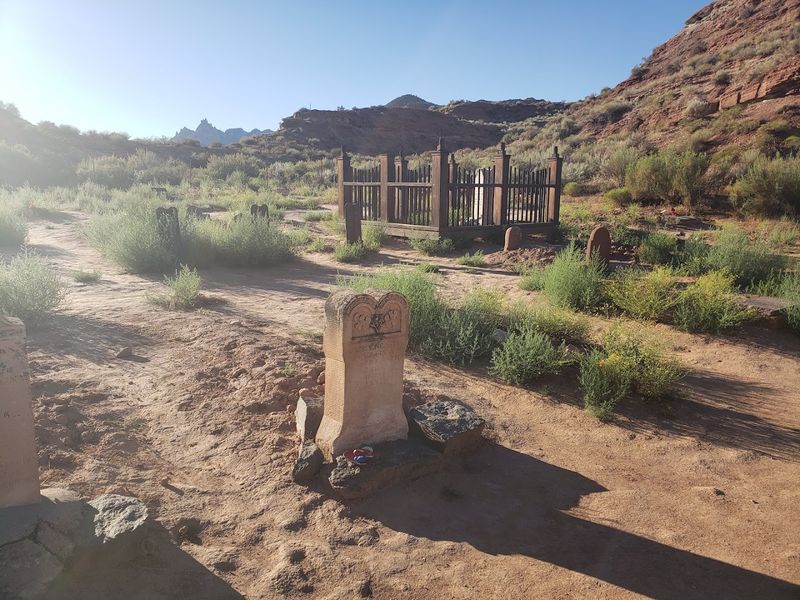
Ghost towns earn their reputations through rumor, repetition, and the occasional story that nobody can quite verify but everyone swears is true. Grafton is no different.
The cemetery on Grafton Road has accumulated a quiet collection of local legends over the decades, most of them centered on the settlers buried here and the violent, unpredictable era they lived through.
Stories about raids, harsh winters, and families who lost nearly everything have been passed down through generations connected to this land. Some of those family descendants still visit, and a few have been spotted by other visitors near the cemetery, sharing pieces of history that never made it onto any informational sign.
Insider Tip: If you happen to meet anyone at the site who introduces themselves as a relative of the original settlers, stop and listen. Visitors have reported those chance conversations as the single most memorable part of their trip.
The legends feel far less like folklore and far more like inherited memory when they come directly from someone whose great-great-grandparents are buried a few feet away. That kind of unscripted moment is exactly what makes Grafton worth the bumpy drive out.
The Road to Get Here Is Half the Experience
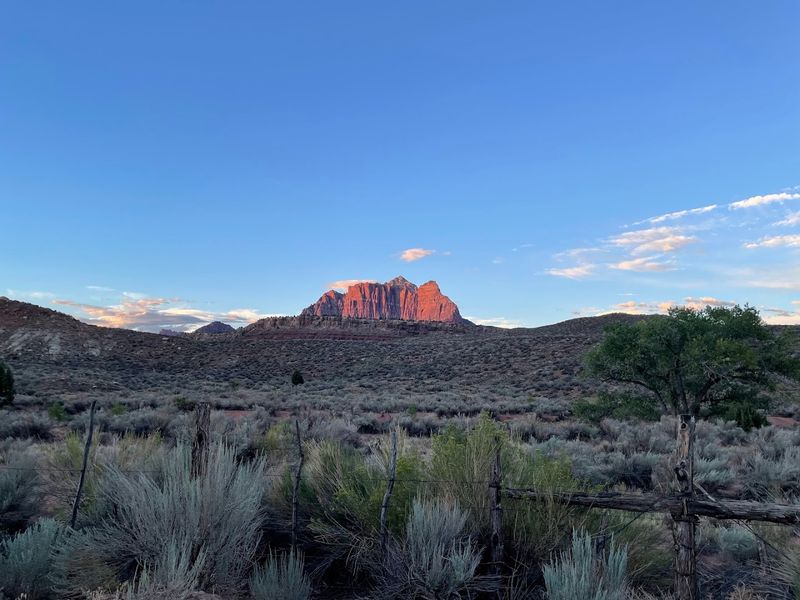
Getting to the Grafton Ghost Town Cemetery requires a drive down a dirt road that the word “maintained” would generously describe. It’s bumpy, it’s dusty in dry weather, and it turns into something closer to a mud puzzle after rain.
And yet, almost universally, visitors say the drive was worth every rattle and jostle.
The surrounding landscape of southern Utah does something remarkable on that approach. Red rock formations frame the road, the Virgin River valley opens up in ways that feel almost theatrical, and by the time you arrive, you’ve already been rewarded before stepping out of the car.
Any standard passenger vehicle can handle the road in dry conditions, though clearance helps when things get rough.
Pro Tip: Stop at a gas station before turning off the main road. There are no bathrooms at the site, and the dirt road stretch is longer than it looks on a map.
Also, if rain is in the forecast, check conditions before heading out. The payoff is absolutely real, but arriving prepared means you spend your time reading headstones and absorbing history rather than worrying about your tires sinking into red Utah mud.
What the Graves Reveal About Frontier Survival
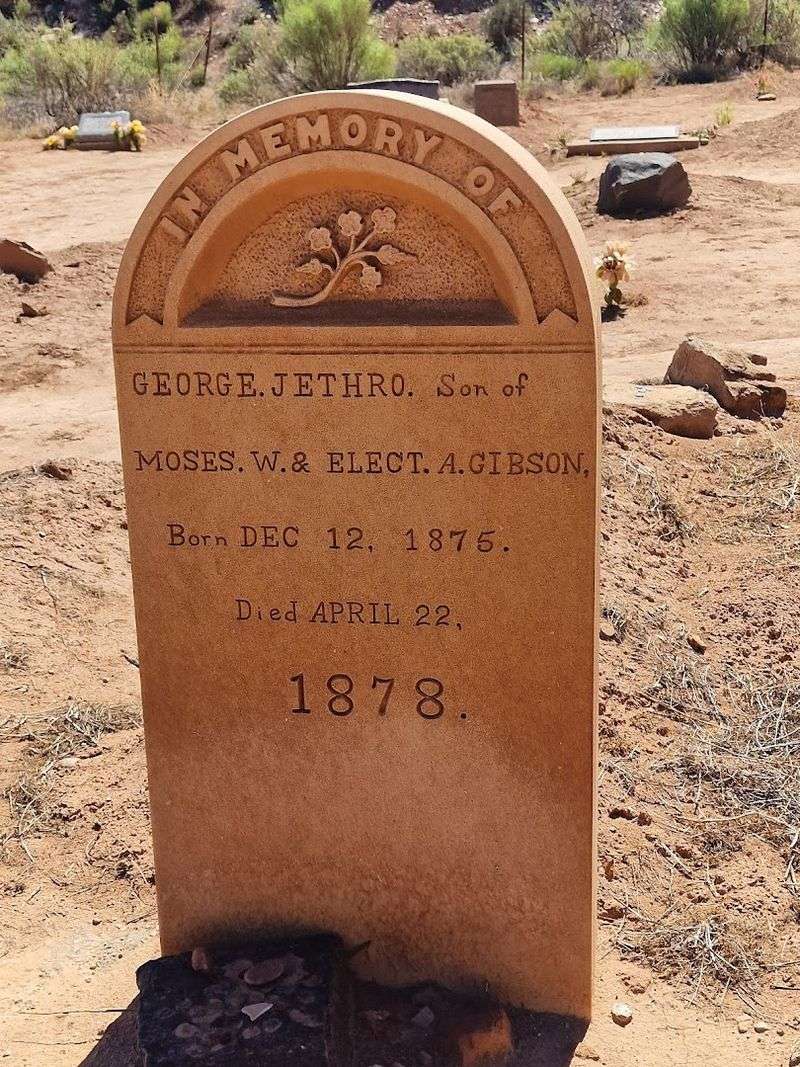
Stand in the Grafton cemetery long enough and a pattern emerges from the dates on the headstones that no history book makes quite as visceral. Families lost multiple children within the same year.
Adults died young by any standard. The cemetery doesn’t editorialize.
It simply presents the facts, carved in stone, and lets you sit with them.
Life for the Mormon settlers who founded Grafton in the 1860s was defined by isolation, flooding, conflict with neighboring communities, and the relentless demands of farming in an arid climate. The cemetery reflects all of it.
Some graves have detailed informational markers nearby, giving context to the names and adding texture to what might otherwise feel like an abstract history lesson.
Best For: History enthusiasts, families looking to give kids a genuine sense of American frontier life, and anyone who finds that real, unpolished places teach more than polished exhibits ever could. This is not a recreation.
Nothing here was built to impress tourists. The cemetery exists because people lived and died here, and that authenticity is precisely what makes it one of the most affecting stops in the entire Zion area.
Budget at least an hour for the full Grafton site, with a portion set aside specifically for the cemetery.
A Free and Fully Open Site That Rewards Curious Visitors
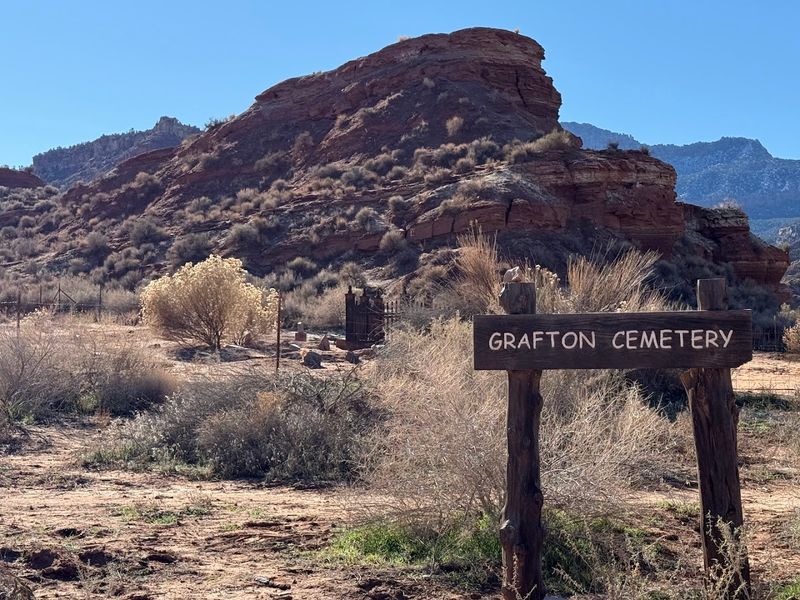
One of the more quietly remarkable things about the Grafton Ghost Town Cemetery is that it costs nothing to visit and is open around the clock, every day of the year. There are no tickets, no timed entry windows, no roped-off viewing zones.
You simply arrive, walk the grounds, and engage with the history at your own pace. For a site this genuinely significant, that kind of open access feels almost startlingly generous.
The Grafton Heritage organization maintains the property, and donations are welcomed and genuinely needed to keep the restoration work going. A small contribution goes a long way toward preserving what remains of this irreplaceable slice of Utah history.
Think of it as paying what you feel rather than what you’re told.
Quick Verdict: If you’re traveling through the Springdale and Rockville corridor on your way to or from Zion National Park, skipping Grafton would be the kind of decision you’d explain awkwardly to people later. The cemetery alone justifies the detour.
Pair your visit with a slow walk through the restored buildings nearby, read the informational plaques, and leave a few dollars in the donation box. It’s a low-effort, high-return stop that fits almost any travel itinerary without disrupting the rest of your day.
How Families and Couples Both Find Something Here
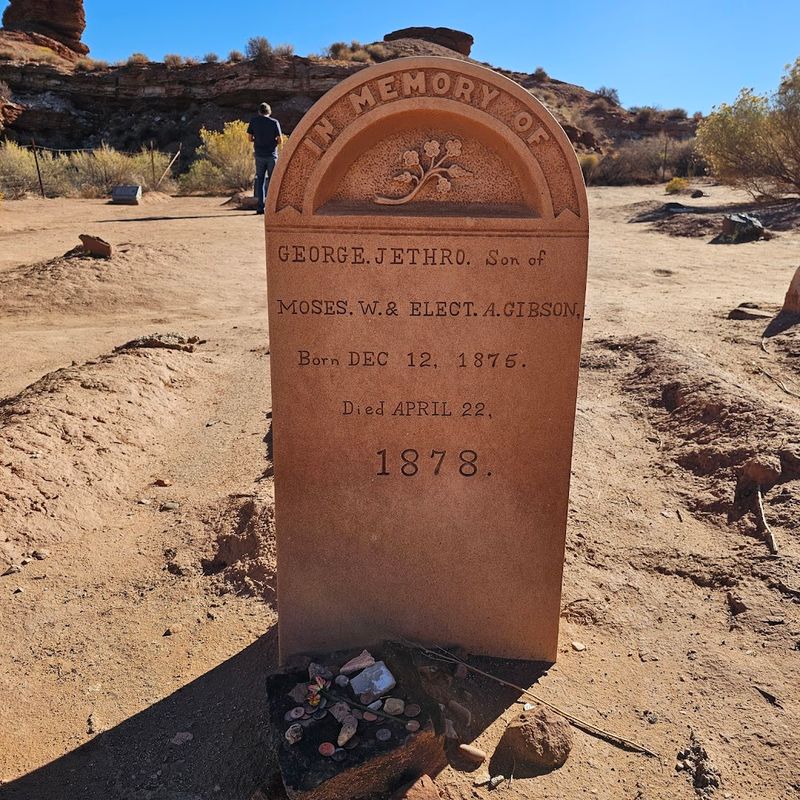
The Grafton Ghost Town Cemetery works for an unusually wide range of visitors, which is not something you can say about many historical sites. Families with older kids find it opens up conversations about American history that feel earned rather than assigned.
There’s no gift shop framing the experience, no mascot softening the edges. Just the actual past, laid out plainly.
Couples tend to move through the cemetery more slowly, reading stones together and comparing reactions. It’s the kind of place that generates quiet, thoughtful conversation rather than the performance of having a good time.
Solo visitors often report that the cemetery felt almost meditative, a rare pocket of stillness in a region that can get very busy very quickly during peak travel season.
Common Mistakes to Avoid: Don’t rush through the cemetery to get to the buildings. Many visitors treat the cemetery as a brief footnote when it’s actually the most historically dense part of the site.
Also, avoid visiting immediately after heavy rain if your vehicle has limited clearance. And please, resist the urge to touch or lean on the headstones.
They’re old, they’re irreplaceable, and they deserve the same respect you’d show any memorial. Treat the whole site the way you’d want your own family history treated.
Making It a Mini Outing Worth the Detour
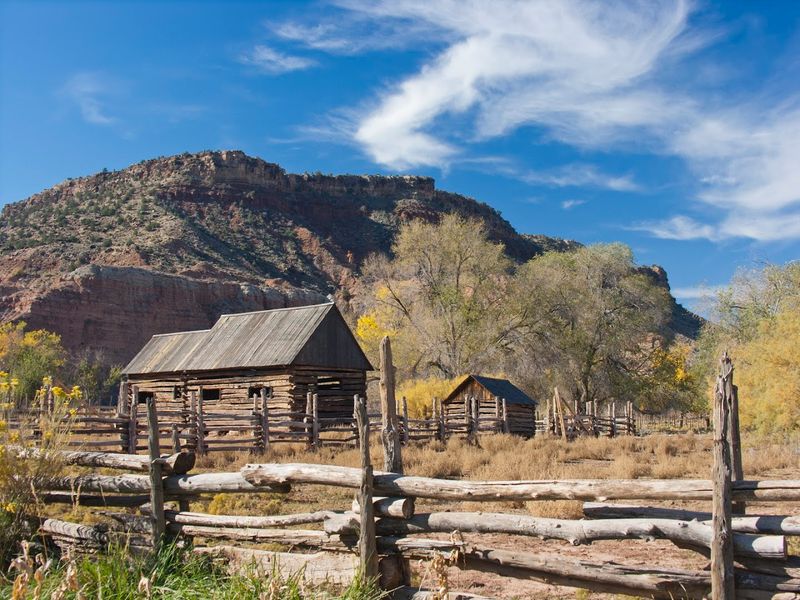
The smartest way to frame a Grafton cemetery visit is as a natural extension of a Zion day rather than a standalone mission. On a rest day from hiking, when the legs need a break but the curiosity hasn’t quieted down, Grafton fills that gap perfectly.
Drive out in the morning before the Zion crowds fully mobilize, spend an hour at the ghost town and cemetery, and you’ll be back in Springdale before the parking situation turns complicated.
The drive itself through the Rockville area offers views that feel like a bonus track on an already excellent album. Red cliffs, open sky, the occasional hawk doing its slow circles overhead.
It’s the kind of scenery that makes you pull over twice before you even reach the site.
Planning Advice: Combine the Grafton visit with a short stroll around Rockville itself for a genuine small-town Utah moment. Grab snacks before you leave Springdale since there’s nothing available near the site.
Go on a weekday if possible, as weekends bring more foot traffic and the intimate, quiet feeling of the cemetery is best experienced without a crowd. Arrive with an open schedule rather than a tight itinerary.
The place rewards lingering, and the headstones have more to say than you might expect when you first pull up.