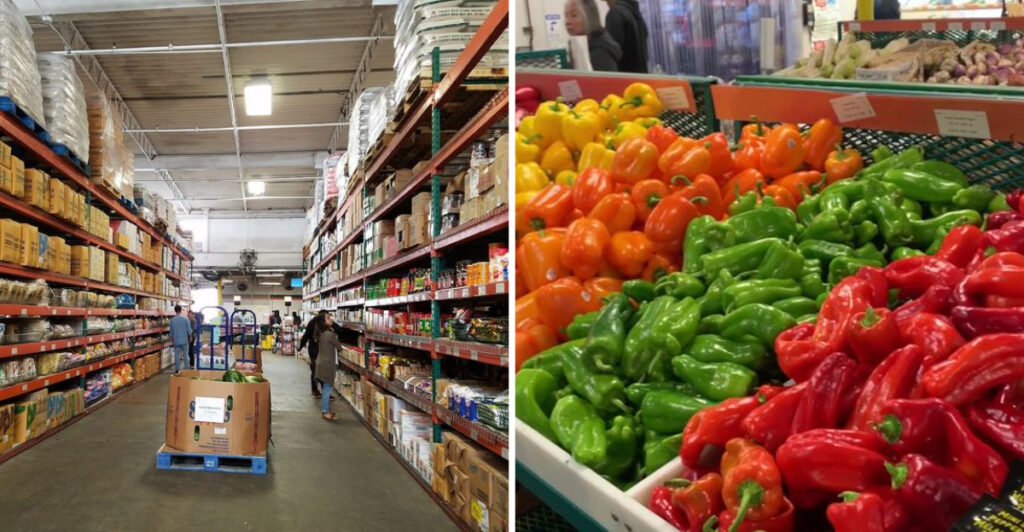
How fast can a three-item grocery list lose control? tAt this Tampa market, the answer may be one aisle.
Mountains of produce pull you toward ingredients you did not plan for, seafood cases suggest an entirely different dinner, and restaurant-size bags of rice make the regular supermarket version look almost decorative.
This is not a polished grocery run with soft music and tiny displays. It is a full-scale food hunt where household shoppers move beside restaurant buyers, cooks compare sauces from several cuisines, and carts grow heavier by the minute.
You do not need a membership to explore it. You only need enough patience to check the coolers, scan the bulk shelves, and admit that onions and chicken were never going to be the whole story.
Florida has plenty of supermarkets, but few turn shopping into this much of an adventure. In Florida, dinner plans can change before you even reach the second aisle.
The Warehouse Layout Keeps The Focus On Food
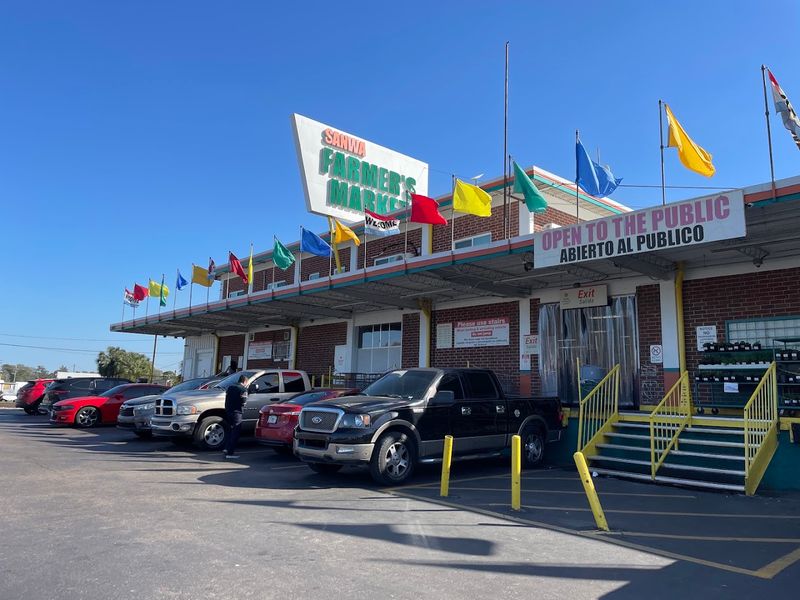
Sanwa Farmer’s Market does not resemble a small neighborhood produce stand.
Tall shelving, broad aisles, stacked cases, and commercial packaging give the store the scale of a food warehouse. The format reflects Sanwa’s role as both a wholesaler and a public market serving households, restaurants, delis, and independent food businesses.
The official product categories cover produce, meat, seafood, dairy, dry groceries, frozen foods, beverages, and restaurant supplies. That range allows you to build much of a grocery order without crossing Tampa for several separate stops.
National brands appear beside specialty and multicultural products. Larger packages share space with quantities suited to ordinary home kitchens, so the shelves do not belong only to commercial buyers.
The practical layout also makes the store’s purpose clear. Products are grouped for shoppers who want to compare options, stock a pantry, or purchase ingredients used often.
There is less emphasis on decorative displays and more attention on volume, variety, and access.
A cart can begin with vegetables and finish with rice, oil, frozen appetizers, paper goods, and enough sauce to make your pantry door nervous.
The Tampa Address Opens Before Most Alarm Clocks
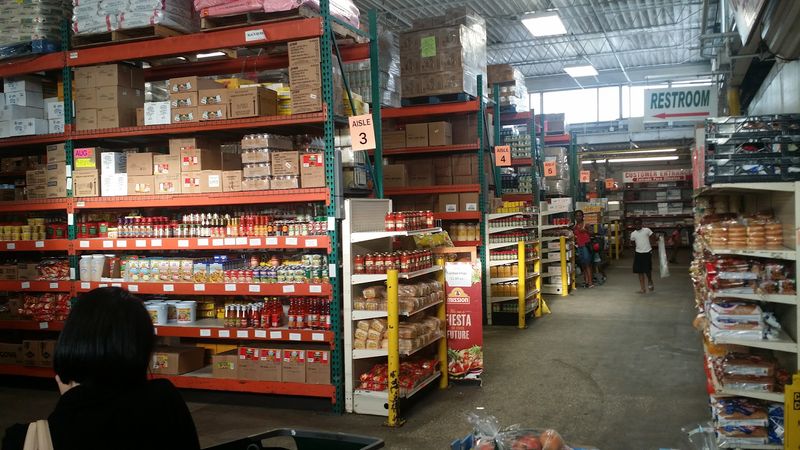
This Tampa market starts filling carts while most grocery stores are still dark.
Its address at 2621 East Hillsborough Avenue, Tampa, Florida, puts early risers, families, and restaurant buyers in the same warehouse-style aisles before breakfast has even entered the conversation.
The market opens at 4 a.m. Monday through Saturday and closes at 8 p.m. Sunday hours run from 8 a.m. to 5 p.m.
Public shoppers can browse throughout the week without paying a club fee or buying a membership. Business customers have separate account options, but an ordinary grocery run requires nothing more complicated than a list and a cart.
That open-access setup gives Sanwa an edge over warehouse clubs that charge before you reach the first shelf.
You can shop before work, tackle a larger restock later in the day, or arrive early enough to buy bok choy while Tampa is still arguing with the snooze button.
Public Shoppers And Commercial Buyers Share The Same Market
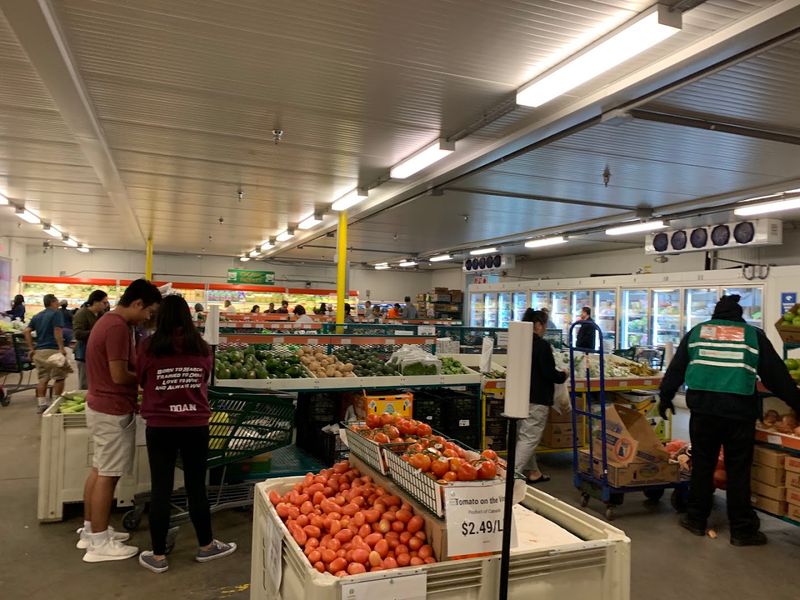
Sanwa serves several kinds of customers under one roof.
Its public market welcomes household shoppers, while the larger company also supplies restaurants, delis, markets, and other food-service businesses.
That mix explains the warehouse scale, the range of package sizes, and the presence of both everyday groceries and commercial products.
The company’s retail information specifically notes that members can purchase by piece, case, or pallet.
Public shoppers can still browse the regular market without a paid membership, but the official site does not promise every wholesale purchasing format to every customer.
That difference keeps the details precise. The store offers broad public access, while certain purchasing options may depend on the customer type or account.
You can compare products, choose what fits your cart, and shop around the space you actually have at home.
Commercial buyers may arrive with restaurant-sized lists, but you still get access to the same broad departments without pretending your pantry is a walk-in cooler.
Your cart might leave with vegetables, rice, and enough ingredients for the week. The one beside may be stocking an entire kitchen.
Different plans, different quantities, same market.
Produce Connects The Market To Its Farming Roots
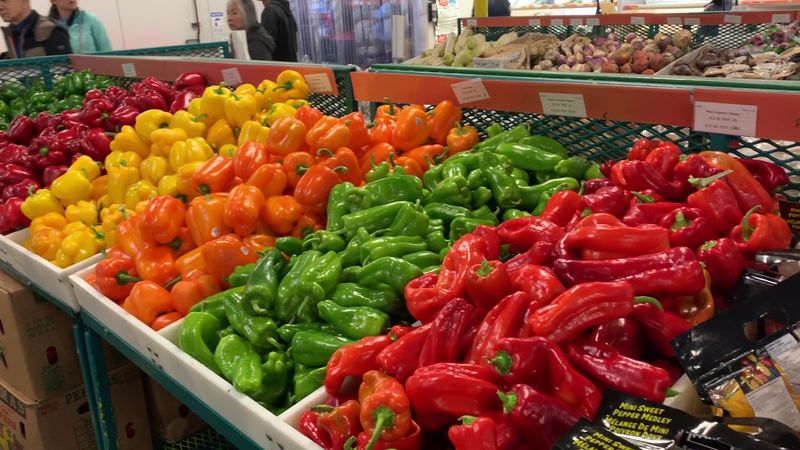
Fresh produce sits at the center of this spot’s history.
Tony Leung founded it in 1981 after coming to Florida to find winter growing areas for specialty Asian produce. He began farming on leased land in southern Hillsborough County, growing Chinese cabbages and melons.
The operation expanded over time into nurseries, packing facilities, delivery fleets, distribution centers, food service, and the public retail market.
That agricultural beginning still appears in the produce department. Sanwa lists seasonal, multicultural, and organic fruits, vegetables, and herbs among its offerings.
The official selection includes bok choy, daikon, Chinese eggplant, kohlrabi, ginger root, watercress, cabbage, tomatoes, garlic, potatoes, onions, carrots, lettuce, and numerous fresh herbs.
Those choices can support familiar household meals as well as recipes connected to Asian, Caribbean, Latin American, and other food traditions.
Produce availability naturally changes with season and supply, so the exact mix may differ from one visit to the next.
That variation gives the department part of its appeal. The list may begin with onions and cilantro, then take an unexpected turn near the daikon.
Meat Seafood And Frozen Foods Build Bigger Meals
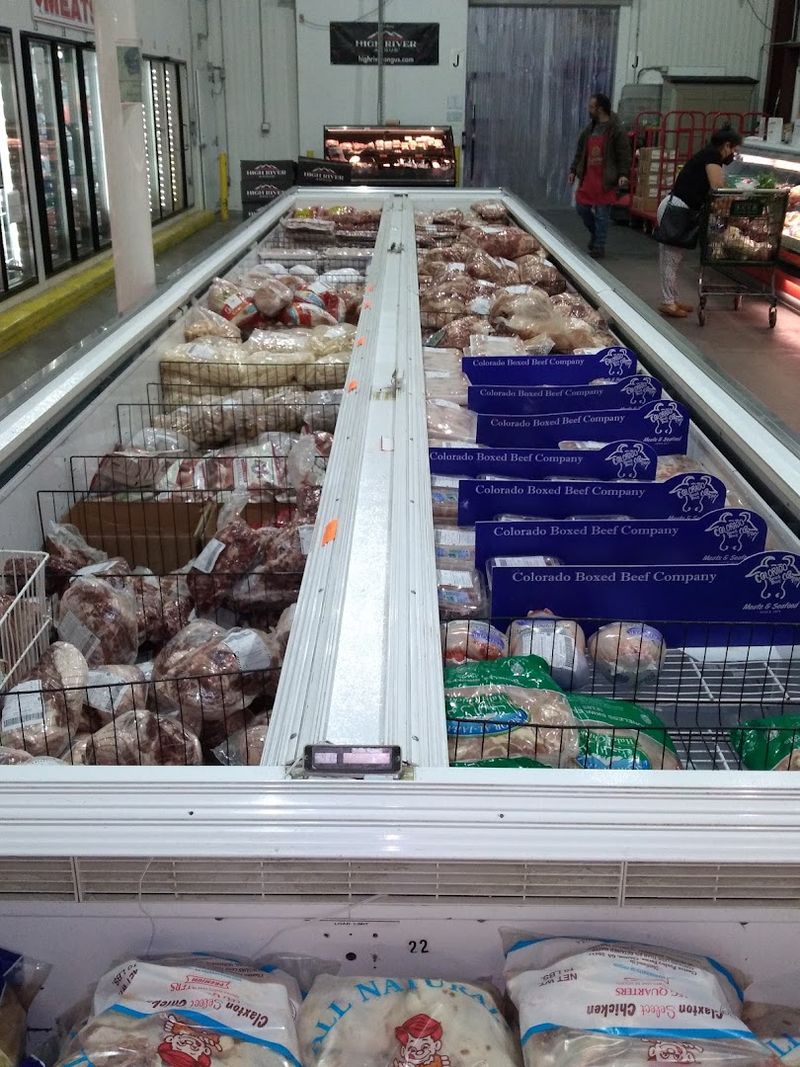
The store’s reach extends well beyond vegetables.
Its list includes meat, seafood, dairy, frozen foods, and beverages among its main departments. Together, they help shoppers move from a produce run to a more complete household order.
The meat category includes beef, chicken, pork, lamb, halal products, antibiotic-free products, salted meat, and offal. Those groups give shoppers access to common cuts as well as ingredients used in more specialized dishes.
Seafood offerings include saltwater and freshwater fish, shellfish, crustaceans, lobsters, and crabs sourced from domestic and international suppliers.
Frozen foods add vegetables, appetizers, multicultural meals, and specialty products. These items can support quick dinners or recipes that begin with ingredients not always available in a standard supermarket freezer.
The value of this range comes from having several departments in one building. If you are planning stew, seafood, rice, or a freezer restock, you can gather the major ingredients during the same trip.
Larger packages may be available across the store, while the public retail market keeps the departments accessible to households.
The cart may grow heavier, but at least the meal plan stops asking for another store.
Global Groceries Give Pantry Shelves More Possibilities
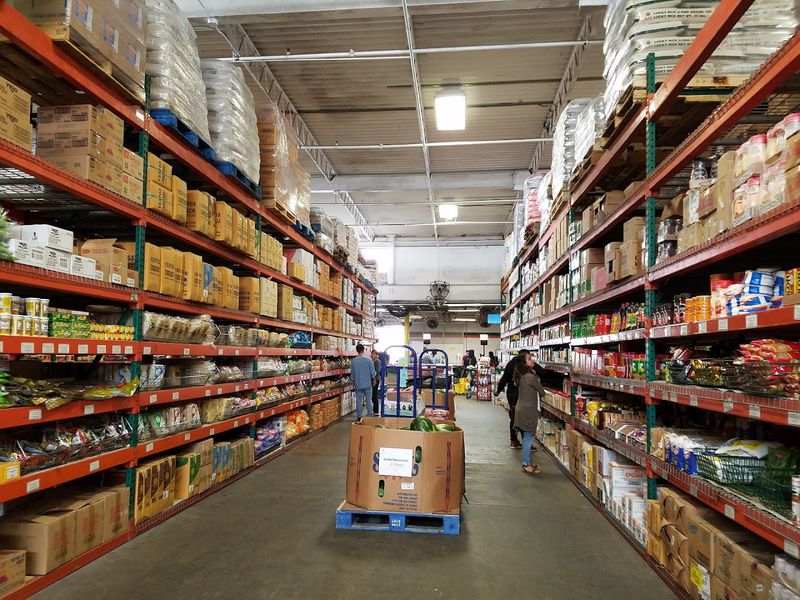
Dry grocery aisles bring together everyday staples and specialty flavors.
Sanwa offers rice, oil, sugar, and sauces among the core dry goods it carries. National brands sit alongside multicultural products intended for households and food businesses across the Tampa area.
That combination is useful when a recipe requires more than common supermarket basics. You can look for ingredients connected to several cuisines.
The market’s history helps explain the range. Sanwa began by serving demand for specialty Asian produce and later expanded its sourcing to include products from growers and business partners around the world.
Restaurants, small wholesale markets, delis, and large families all form part of its customer base.
Frozen multicultural meals and appetizers extend those options beyond the dry aisles. Fresh herbs and produce add another layer for shoppers cooking dishes from scratch.
A large selection does not guarantee that every item will be available during every visit, but the department gives curious cooks more room to search.
Your pantry may have asked for cooking oil. It could return home sharing a shelf with three sauces it had never met.
Restaurant Supplies Add Another Useful Department
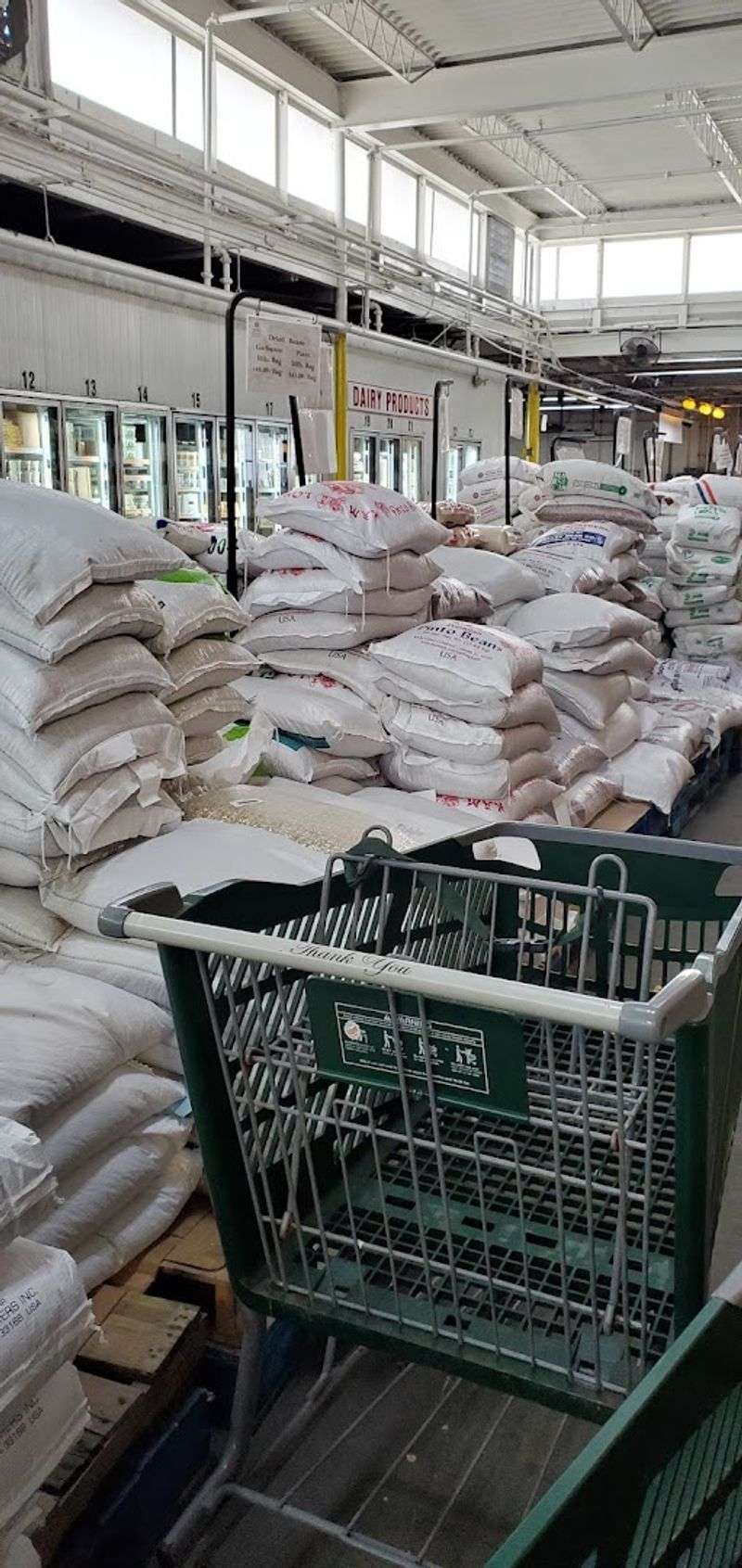
The final aisles can solve problems that have little to do with dinner itself.
The place carries restaurant supplies for commercial buyers and public shoppers. The official selection includes cups, plates, paper towels, napkins, facial and bath tissue, plastic cutlery, garbage bags, and takeout containers.
These products sit alongside the food departments, giving shoppers access to both groceries and practical supplies during the same visit.
The open-to-the-public model keeps the store accessible without a club fee. The official site does not state that every product or commercial buying arrangement is identical for every customer, so available purchasing options may vary by customer type.
Sanwa’s larger business serves food-service customers across Florida, and the Tampa market reflects that connection. Commercial buyers and home shoppers share the same building, even when their carts look dramatically different.
That mix is what makes the store useful to budget-conscious families. It offers a broad range of ingredients, pantry goods, frozen foods, household products, and restaurant supplies in one place.
You can shop for tonight’s dinner, next week’s lunches, or a full pantry restock.
The market supplies the food, the containers, and a quiet reminder that your original list was wildly optimistic.