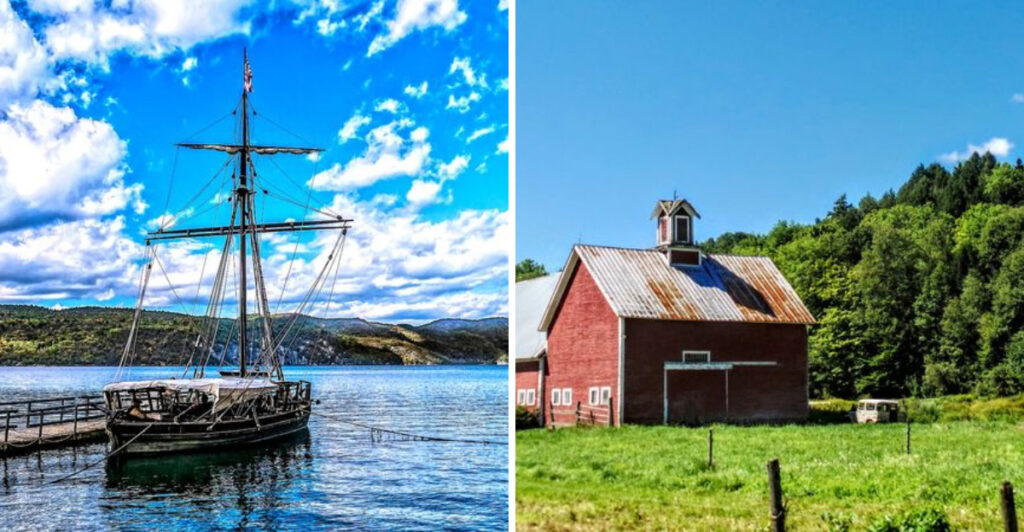
What happens when an entire state refuses to move on from its most beautiful moment? Vermont happened.
Nine villages so quietly perfect they make the modern world feel like an inconvenience worth skipping entirely.
Stone streets, church steeples catching the last of the afternoon light, covered bridges older than the country itself.
These charming little Vermont villages are not performing nostalgia. They are simply still living it, and the difference is something you feel the moment you arrive.
Maple-lined greens, colonial homes standing exactly where they were built, and a pace of life that does not apologize for slowing you down completely.
Vermont has been holding onto something rare. These nine villages are proof it never let go.
1. Woodstock
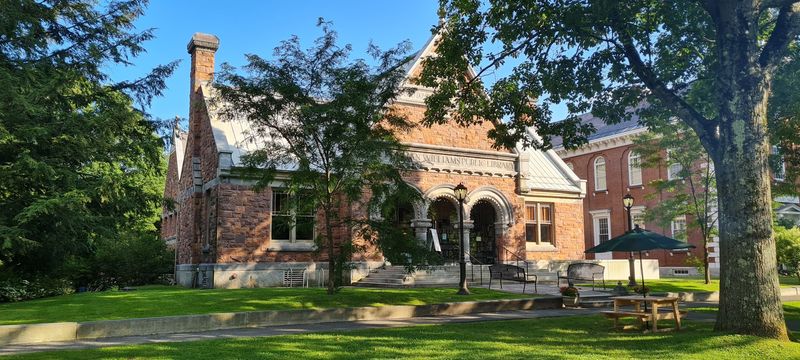
Few places in the entire northeastern United States pull off “timeless” quite as convincingly as Woodstock, Vermont.
The village center looks almost too perfect, with Federal and Georgian architecture lining the oval-shaped green, gas-lit streetlamps glowing at dusk, and a covered bridge that has been photographed more times than most celebrities.
Woodstock sits in the Upper Connecticut River Valley, and its compact, walkable layout makes it easy to spend an entire day without ever needing a car.
The Marsh-Billings-Rockefeller National Historical Park sits just outside the village center and tells a fascinating story about conservation history in America.
Autumn is particularly dramatic here. The surrounding hills turn vivid shades of orange, red, and gold, making every street corner look like a painting someone forgot to finish.
Local shops sell handmade crafts, Vermont maple products, and locally sourced foods that feel genuinely rooted in the region. Woodstock rewards slow walkers and curious minds who take the time to peek down every side street and read every historical marker they pass.
2. Stowe
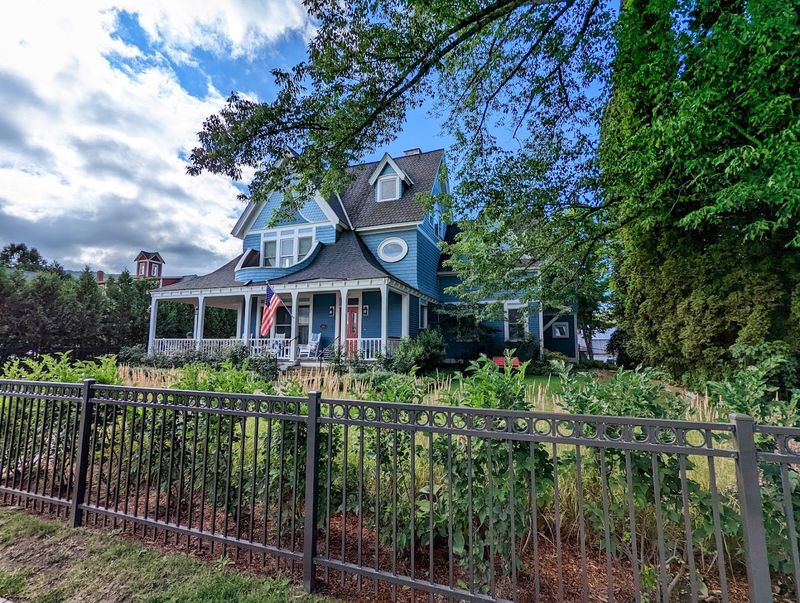
Mount Mansfield looms large over this Vermont village, giving Stowe a dramatic backdrop that changes personality with every season.
In winter, the mountain draws skiers from across the country. But the village itself, with its white-steepled Community Church and carefully preserved Main Street, holds a quieter kind of charm that has nothing to do with ski runs.
Stowe’s village center feels genuinely lived-in rather than curated for tourism. Local bakeries, bookshops, and small galleries sit alongside historic inns that have been welcoming guests for well over a century.
The Stowe Recreation Path, a paved trail winding through meadows and along the West Branch River, is one of the most pleasant walks in all of Vermont.
Spring and summer reveal a softer side of the village, when wildflowers bloom along the trail edges and the sound of the river replaces the scrape of ski boots on hardwood floors.
Fall brings its own spectacle, as the hills around Stowe ignite with color. No matter the season, the village manages to feel unhurried, as if the mountain itself is quietly encouraging everyone to slow down and pay attention.
3. Chester
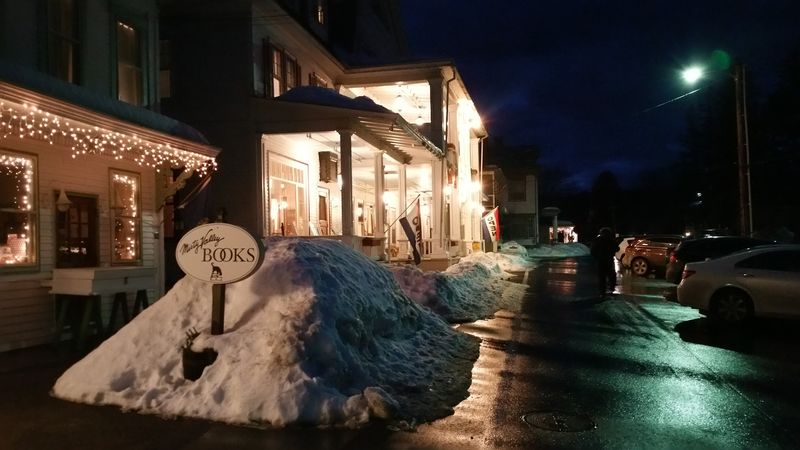
Chester has two distinct personalities, and both are worth getting to know.
The main village area charms visitors with Victorian houses painted in cheerful colors and a main street lined with independent shops and cozy cafes. Then, just a short walk away, the Stone Village Historic District shifts the atmosphere entirely.
Dating back to its original charter in 1754, Chester grew steadily through the 18th and 19th centuries, and the Stone Village reflects that era with remarkable clarity.
The buildings here were constructed using locally quarried gneiss stone, giving the street a texture and weight that brick or wood simply cannot replicate.
Walking through this district feels genuinely different from any other village street in Vermont.
Chester also sits along the Green Mountain Flyer route, a scenic rail journey that passes through some of the most beautiful countryside in southern Vermont.
Families, history buffs, and architecture lovers all find something to appreciate here. The village does not shout about its history.
It simply stands there, solid and unhurried, letting the stonework speak for itself in a language that has not changed in over two centuries.
4. Peacham
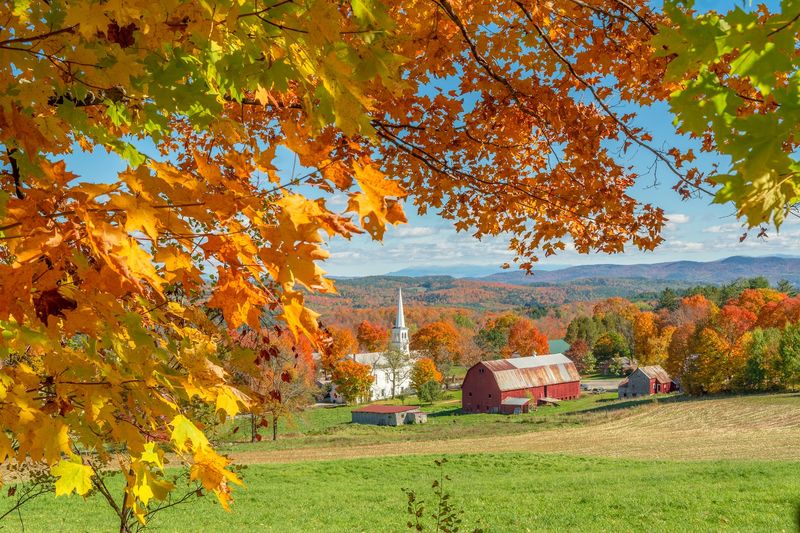
Peacham sits high on a ridge in northeastern Vermont, and the views from its hilltop village green are the kind that make people pull over their cars and just stand there for a while.
Rolling farmland stretches in every direction, punctuated by woodlots, old barns, and the occasional church steeple poking above the treeline in the distance.
The village itself is tiny, even by Vermont standards. A historic church with a classic white steeple anchors the scene, surrounded by well-kept colonial homes that look completely at home against the rural landscape.
Peacham has long attracted painters, photographers, and writers who come looking for inspiration and often end up staying longer than planned.
Fall transforms Peacham into something almost unreasonably beautiful.
The hillsides surrounding the village ignite with color, and the quiet roads through town see a steady stream of leaf-peepers who have learned that the best foliage views in Vermont are not always found on the famous tourist routes. Peacham rewards those willing to seek it out.
The silence here is not empty. It carries the particular richness of a place that has never needed to be anything other than exactly what it already is.
5. Newfane
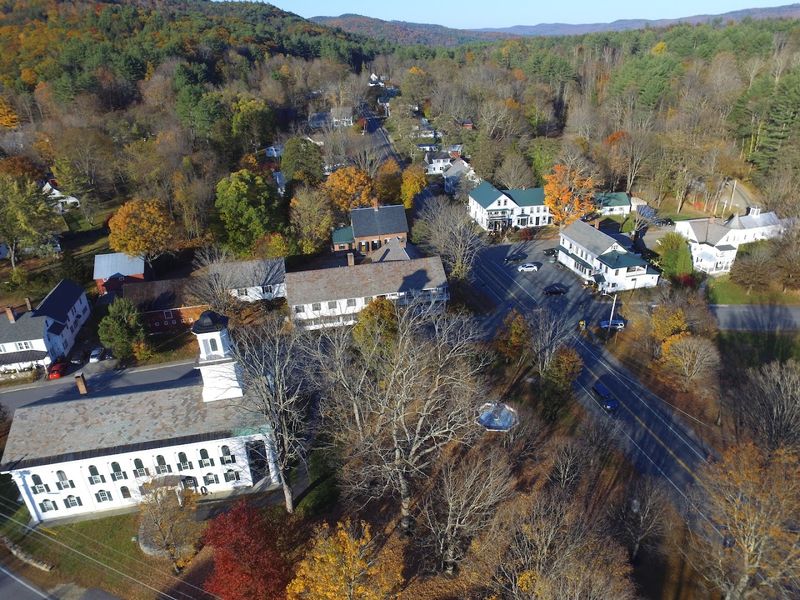
Newfane stops people in their tracks. The village green, anchored by a striking Greek Revival courthouse built in 1825, looks so precisely like the ideal New England village that it is hard to believe it was not designed by a set decorator.
Everything about the layout feels intentional, from the symmetry of the historic buildings to the way the mature maples frame every view.
The village sits in Windham County in southern Vermont, and its architecture has been so well preserved that Newfane is listed on the National Register of Historic Places. The county courthouse, the Union Hall, and several historic inns all date to the early 19th century and remain in active use today, which gives the village a living quality rather than a museum-like stillness.
A weekly flea market has drawn visitors to Newfane for decades, adding a practical, community-oriented layer to the village’s historic appeal. Antique hunters, casual browsers, and locals all mix together on the green in a way that feels easy and unforced.
Newfane does not try to be charming. It simply is, and the consistency of that charm across every season is what keeps people coming back year after year.
6. Manchester
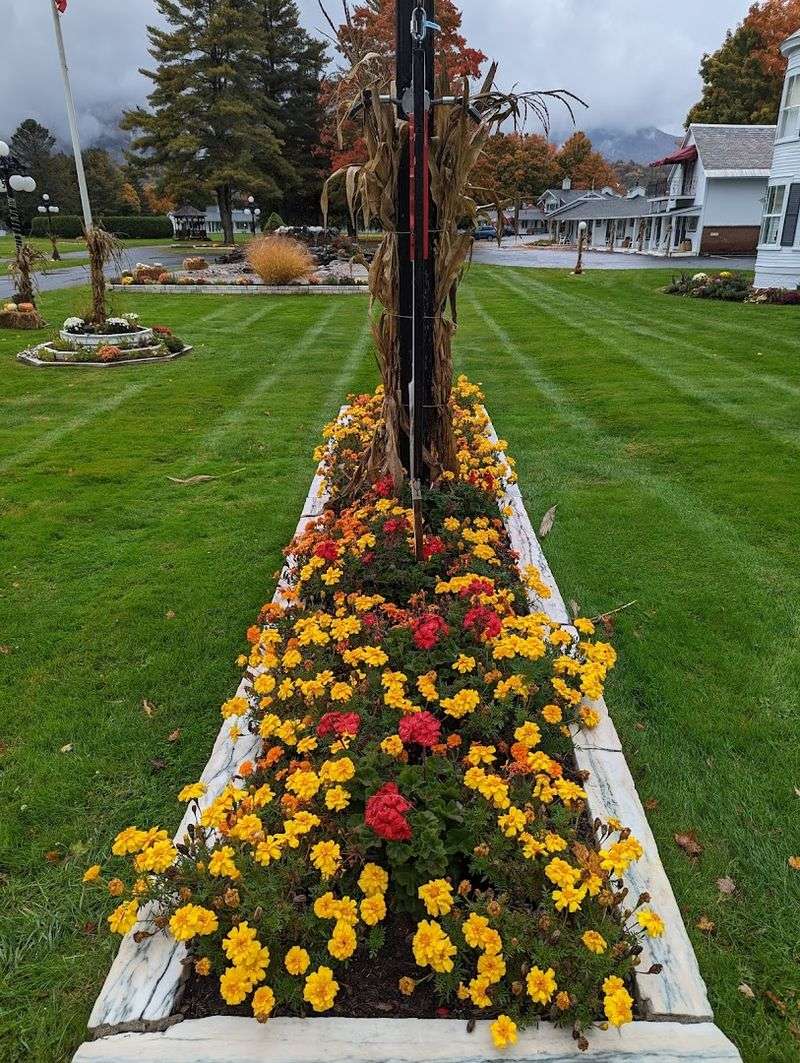
Manchester carries itself with a quiet confidence that comes from knowing it has been a destination since before the Civil War.
The village sits at the foot of Mount Equinox in southwestern Vermont, and its wide, tree-lined streets are famously paved with locally quarried marble, a detail so specific and unexpected that it immediately sets Manchester apart from every other village in the state.
The historic Equinox Hotel has anchored the village center since the 1700s, welcoming generations of travelers who came to enjoy the mountain air and the gentle pace of life in the Green Mountains.
Today, the surrounding area also draws visitors interested in fly fishing, hiking, and exploring the Southern Vermont Arts Center.
Manchester Village and the adjacent Manchester Center offer a range of shopping options, from locally owned boutiques to larger outlet stores, without the village center itself ever feeling overwhelmed by commerce.
The marble sidewalks keep things grounded, quite literally, in the geological and architectural heritage of the region. On a clear summer morning, with the mountain rising green and sharp against a blue sky, Manchester looks exactly like the kind of place people describe when they say they want to escape to Vermont.
7. Quechee
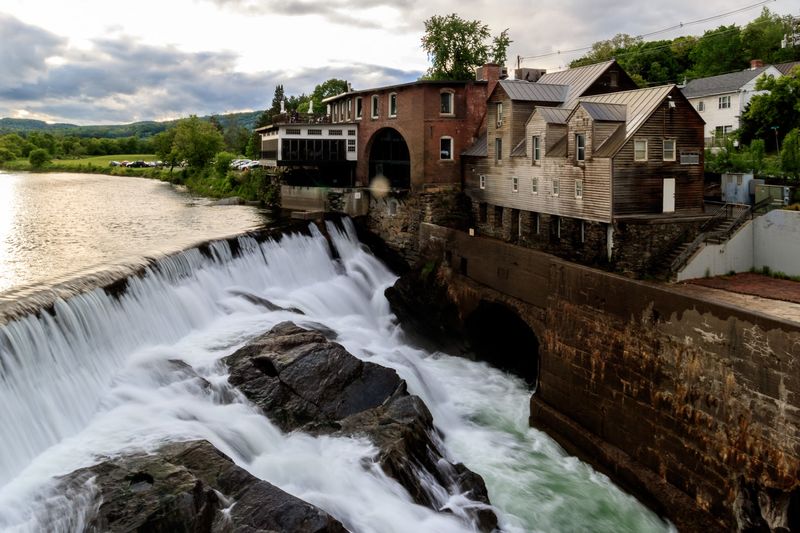
Quechee has a secret hiding in plain sight, and it goes straight down. The Quechee Gorge, carved by the Ottauquechee River over thousands of years, drops dramatically through the landscape just moments from the quiet village center.
At roughly 165 feet deep, it is the deepest gorge in all of Vermont, and the view from the historic bridge above it never gets old.
The gorge is the headline attraction, but the village itself deserves equal attention.
Quechee sits in Hartford Township and features a cluster of well-preserved 19th-century mill buildings, a working pottery, and a glass-blowing studio where visitors can watch skilled artisans shape molten glass into finished pieces right in front of them.
Quechee State Park surrounds the gorge with hiking trails that wind through dense forest and along the river, offering multiple perspectives on the dramatic landscape. In autumn, the combination of fall color and the gorge’s sheer rock walls creates a visual experience that feels genuinely singular.
Quechee is the kind of place where the natural world and the human-made one sit comfortably side by side, each making the other look a little more impressive by comparison.
8. Vergennes

Vergennes holds a distinction that catches most visitors off guard: it is the smallest city in the United States by area, and it has held that title since its incorporation in 1788.
Fitting an entire city’s worth of character into just a few city blocks is no small feat, and Vergennes manages it with the kind of relaxed confidence that comes from more than two centuries of practice.
The downtown area sits in Addison County in western Vermont, not far from the eastern shore of Lake Champlain.
Brick storefronts line the compact main street, and the city hall anchors the central falls area where Otter Creek drops dramatically before continuing toward the lake. That waterfall powered mills for generations and shaped the economic identity of the community.
Today, Vergennes feels like a small city that has aged gracefully without losing its original bones. Independent restaurants, local shops, and a thriving arts community give the downtown real energy without crowding out the historic architecture.
The surrounding countryside, with its flat farmland and long lake views, adds a geographic openness that contrasts beautifully with the dense, brick-lined streets of the city center. Vergennes rewards those who linger long enough to notice its details.
9. Waitsfield
Waitsfield sits in the Mad River Valley, a stretch of central Vermont that feels genuinely removed from the modern world in the best possible way.
The village is anchored by the Great Eddy Covered Bridge.
That is one of Vermont’s most charming examples of classic New England scenery, with the nearby Warren Covered Bridge in the neighboring town of Warren adding further to the Mad River Valley’s reputation for timeless, camera-ready landscapes.
The surrounding Mad River Valley draws outdoor enthusiasts across every season.
Mad River Glen and Sugarbush ski areas sit nearby in winter, while the warmer months fill the valley with hikers, cyclists, and farmers market regulars who treat the weekly gatherings as a social ritual as much as a shopping trip.
The Waitsfield Farmers Market is one of the most beloved in the state.
The village center itself stays small and unpretentious, with locally owned businesses that reflect the community’s independent spirit rather than any effort to package itself for outside consumption.
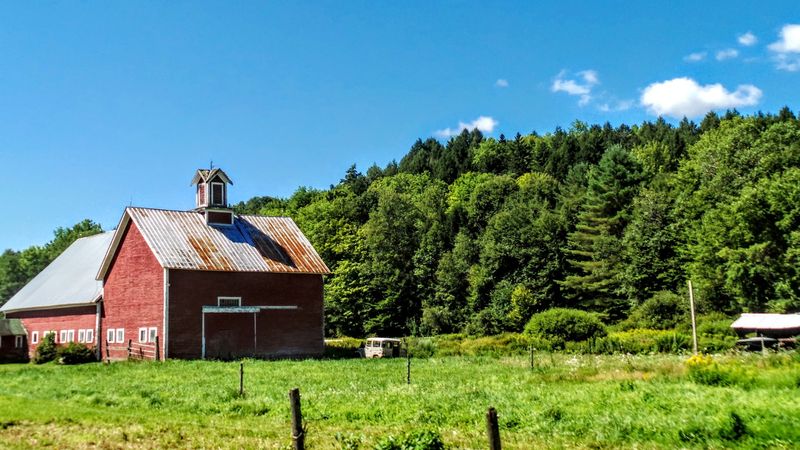
Old farmhouses and historic barns dot the roads leading in and out of town, framing a landscape that has changed remarkably little over the past century.
In Waitsfield, the Mad River does not just run through the valley. It sets the rhythm for everything that happens around it, steady, clear, and unhurried.