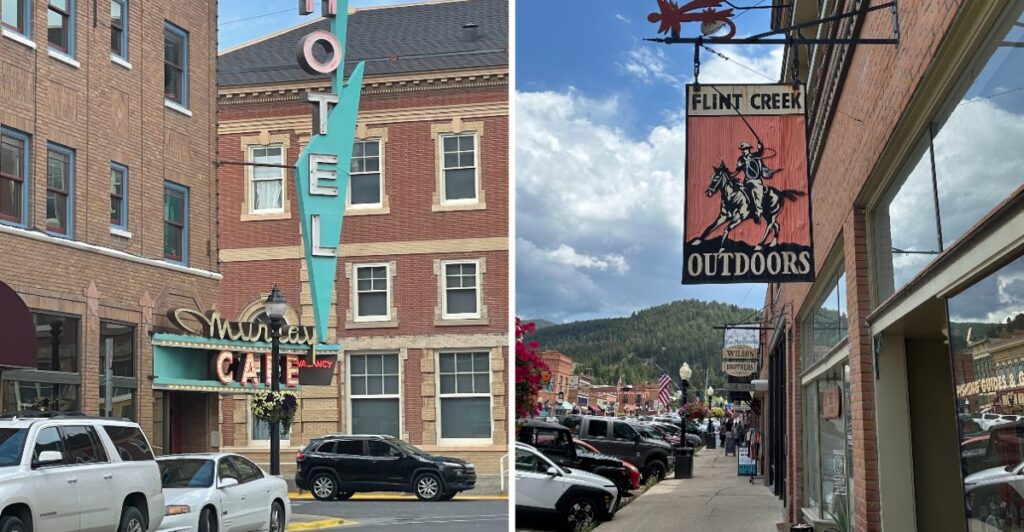
Nobody schedules “accidentally spend half the afternoon on Main Street.”
Yet here we are.
From the car, a small downtown can look like three blocks and ten minutes. Park once, though, and the math starts falling apart.
Montana is full of streets like that.
What looks quiet at first begins revealing old hotels, former saloons, territorial history, and buildings that have somehow kept earning their place in town. The interesting part is that none of it feels sealed behind glass.
These streets are still being used.
That makes the past feel less like a chapter you have to study and more like something you happen to notice while wandering.
The car will still be where you left it.
Your timetable may not survive.
1. Virginia City
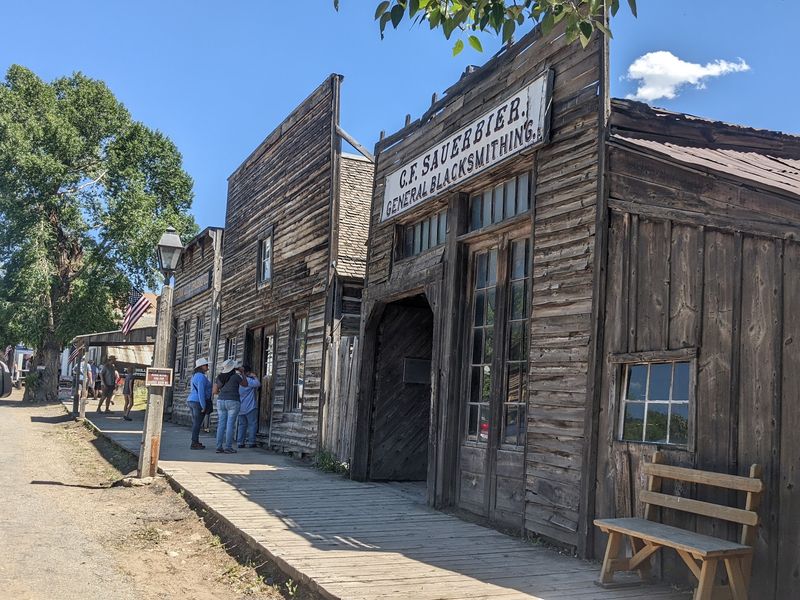
In Virginia City, wooden boardwalks creak beneath your feet, false-front buildings frame the street, and the mountains sit quietly beyond the rooftops. It’s a convincing Old West scene, but the storefronts aren’t movie scenery.
This was a working gold-rush settlement, and the surviving streets tell a story much more interesting than a staged frontier town.
After gold was discovered in Alder Gulch in 1863, the settlement expanded rapidly and became Montana Territory’s second capital in 1865.
It kept that role until the capital moved to Helena in 1875.
Many historic buildings remain, including commercial spaces arranged with period merchandise and displays that offer a glimpse of how a busy mining community supplied itself.
Give the windows time; the little details are half the pleasure.
You can turn the stroll into a fuller history day by visiting nearby Nevada City, where preserved and relocated structures show more of the region’s past.
A seasonal train connects the two communities, so check the schedule before planning your visit around a ride.
Summer entertainment and museums add options, but the streets themselves are rewarding even without a ticket.
An easy plan is to walk one side of the main street, choose a museum or shop, then circle back for something sweet.
Some boardwalks are uneven, and high-country evenings cool quickly, so comfortable shoes and a layer are smart companions.
More businesses and tours operate during the warmer visitor season; outside it, expect a quieter walk and limited indoor stops.
Historic downtown: Wallace Street, Virginia City, MT 59755.
2. Philipsburg
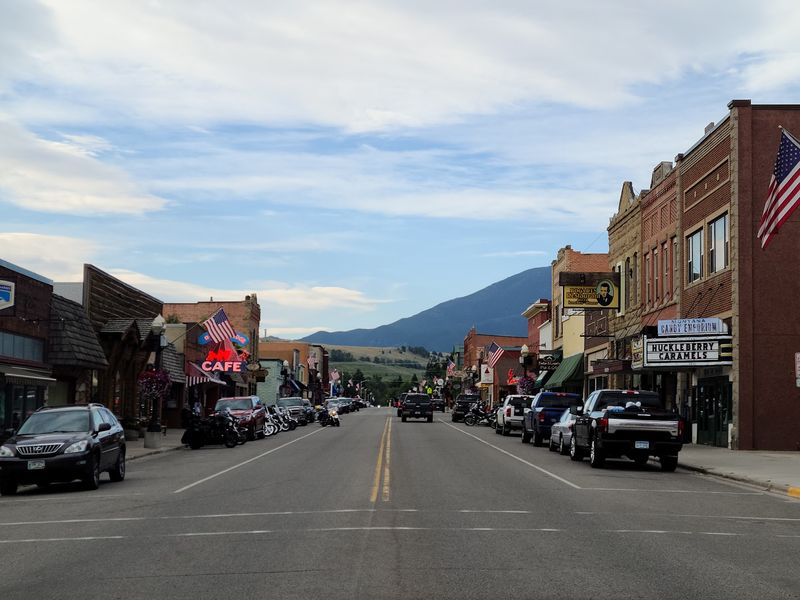
There’s a practical problem with exploring Broadway here: a candy-shop window can derail even the tidiest itinerary.
Across the street, colorful historic storefronts and the mountain backdrop give you plenty of reasons to stop looking at your watch.
The compact downtown is particularly well suited to a slow wander without a complicated plan.
Philipsburg grew during the nineteenth-century mining era, and its downtown still carries the architectural fingerprints of that period.
Restored facades, ornamental details, and small businesses keep the old commercial blocks active.
The Granite County Museum adds context about mining and community life; if it’s on your list, check its opening schedule first rather than assuming museum doors are open year-round.
Sapphires provide another way to connect with the region. Shops in town display Montana stones, and some offer the chance to sort through gem-bearing gravel. That makes a good indoor activity if mountain weather suddenly changes its mind.
A small stone isn’t guaranteed, of course, but examining the gravel can be more absorbing than you expect.
For a laid-back afternoon, pair a look at the architecture with one hands-on activity and a snack.
There’s no need to rush from shop to shop; step back occasionally to appreciate how the entire street fits against the surrounding hills.
Winter brings a different atmosphere, while warmer weather makes lingering outside easier.
Whatever the season, check individual business hours before building an outing around a particular stop.
Historic downtown: East and West Broadway Street, Philipsburg, MT 59858.
3. Red Lodge
The Beartooth Mountains get the dramatic entrance, but don’t hurry past Red Lodge at their feet. A walk along Broadway Avenue reveals an older story in the bricks, cornices, and storefronts. The mountains are impressive; the street earns a little attention of its own.
Coal mining brought workers and families to Red Lodge in the late nineteenth century. Immigrants from several countries helped shape its neighborhoods, and hints of that history remain in the commercial architecture.
Broadway’s historic district has been preserved while its buildings have found everyday uses, from galleries and shops to places serving breakfast or lunch.
This is a real downtown, not a closed-up heritage exhibit.
Start by strolling a few blocks without choosing a destination. Notice the changing rooflines and old facades, then step inside wherever something interests you. Need a short break?
A bakery or cafe makes a handy place to rest your feet and consider whether there’s time for a second loop. Many storefronts sit close together, so the town works nicely as a walking stop rather than a drive-by photograph.
Red Lodge is also a gateway to the Beartooth Highway, although the high-elevation road is seasonal and can close for weather even during its usual driving season.
Don’t let a mountain-pass forecast dictate whether downtown deserves a visit: the historic blocks have their own appeal. If you do continue uphill, bring layers and verify current road conditions first.
A leisurely morning here can easily become the beginning of a longer mountain day.
Historic downtown: Broadway Avenue, Red Lodge, MT 59068.
4. Ennis
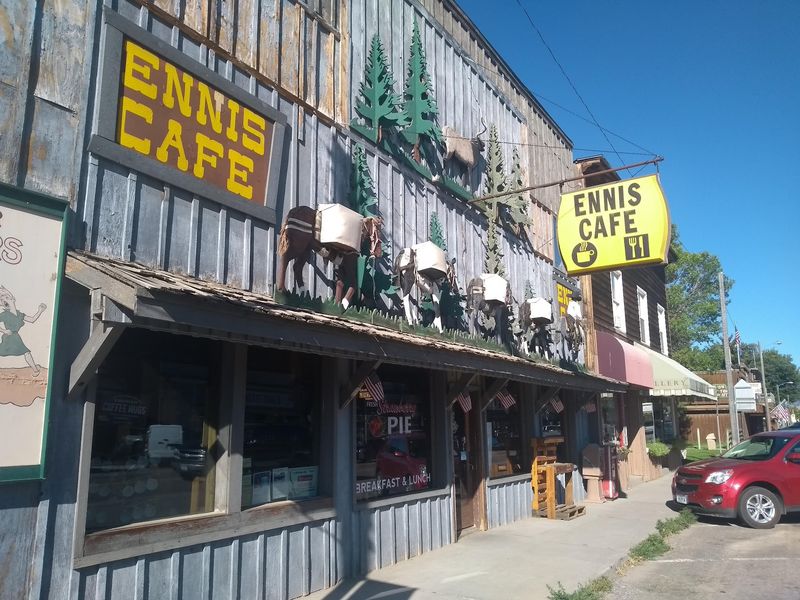
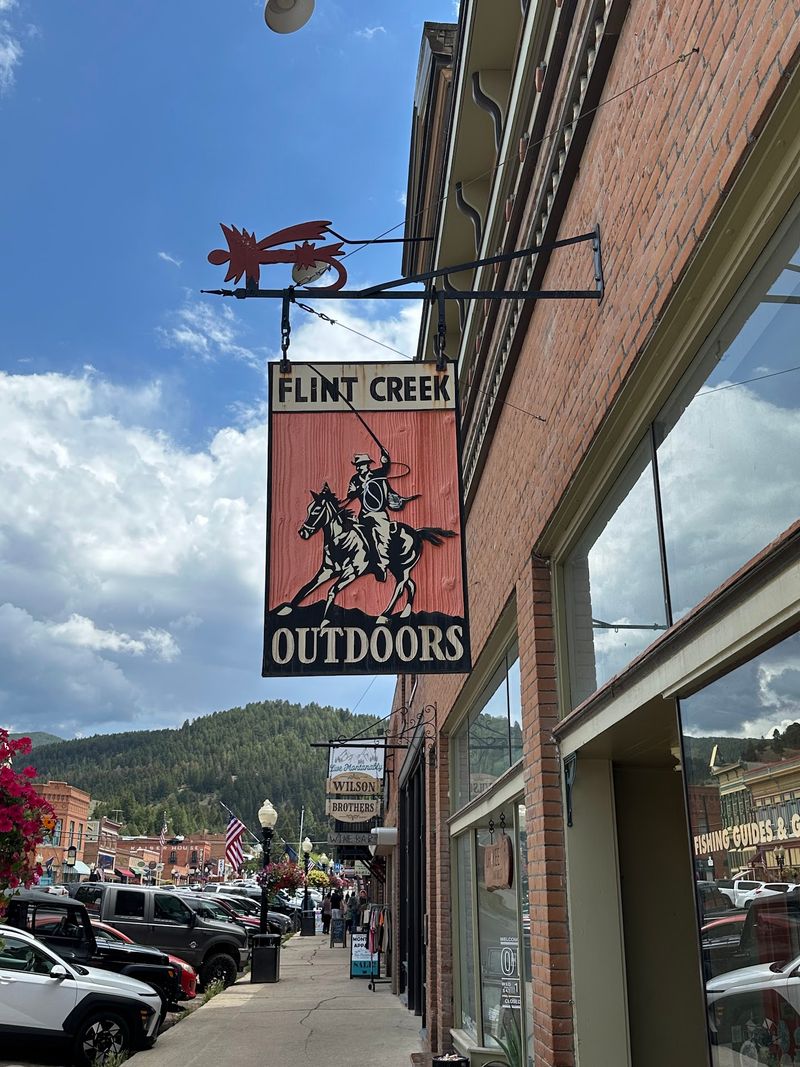
Fishing rods lean in shop windows, ranch-country signs mark the blocks, and the wide Madison Valley opens beyond town.
You don’t have to cast a line to understand why this place draws people outdoors. Just leave enough time to walk the street before heading for the river.
Main Street in Ennis reflects a community shaped by ranching, regional travel, and the nearby Madison River.
Its mix of Western-style storefronts, eateries, art, and fly-fishing businesses makes the historic center feel lived in rather than preserved behind glass.
Pause over a shop display, then look toward the hills at the end of the block.
The scenery has a habit of interrupting a perfectly ordinary errand.
Bronze wildlife art and local galleries make a pleasant counterpoint to fishing gear and ranch imagery. If you’re curious about the Madison, a fly shop can explain the conditions and what beginners should know before booking a lesson or guided outing. Prefer dry shoes?
A riverside viewpoint and a downtown stroll will do just fine. The point is to choose the day you actually want, not the one suggested by somebody else’s tackle box.
Summer is a busy time for visitors, and the town’s Independence Day rodeo tradition adds to its Western identity.
Event schedules and store hours can change, so check them if you’re planning a particular date.
Ennis also pairs naturally with a drive toward Virginia City, but give this street its own hour or two.
A quiet pause for lunch can reveal as much character as a packed afternoon of activities.
Historic downtown: Main Street, Ennis, MT 59729.
5. Fort Benton
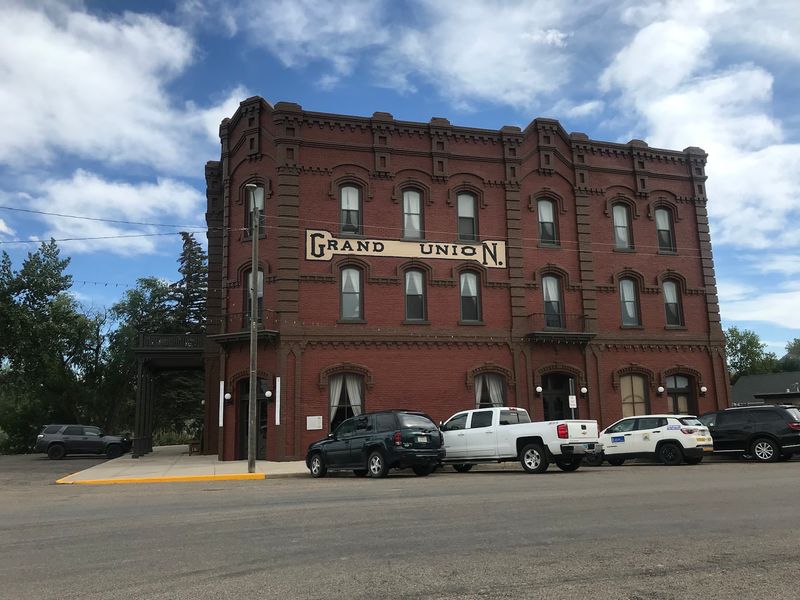
In Fort Benton, the first thing to admire may be the river rather than a mountain peak. The Missouri runs beside a historic main street that once served as a busy doorway to the northern plains.
It’s easy to picture the waterfront full of freight, even when the levee is quiet enough for an unhurried walk.
Established as a fur-trading post in 1846, the town became a major head-of-navigation stop for steamboats carrying people and supplies westward.
Its long commercial history is why the town is often called the birthplace of Montana.
Front Street retains its close relationship to the river, and a stroll between the buildings and the levee helps explain why the settlement grew exactly where it did.
Begin on the riverfront path, where interpretive signs and memorials invite a few detours into the past.
Keep an eye out for the statue commemorating Shep, the famously loyal dog associated with the town’s railroad era.
Nearby museums cover the fur trade, river travel, farming, and the wider region.
Historic Old Fort Benton features reconstructed sections of the trading post, while other collections offer a different perspective on how people lived and worked here.
Several museums operate seasonally, so a pleasant way to plan is to choose one indoor stop and leave the rest of the afternoon flexible.
In warm weather, the levee is particularly inviting; on windy days, a short walk followed by museum time may sound better.
Either way, give yourself a moment to look across the Missouri before leaving.
It’s the landscape that made this old trading center possible.
Historic downtown and riverfront: Front Street, Fort Benton, MT 59442.
6. Deer Lodge
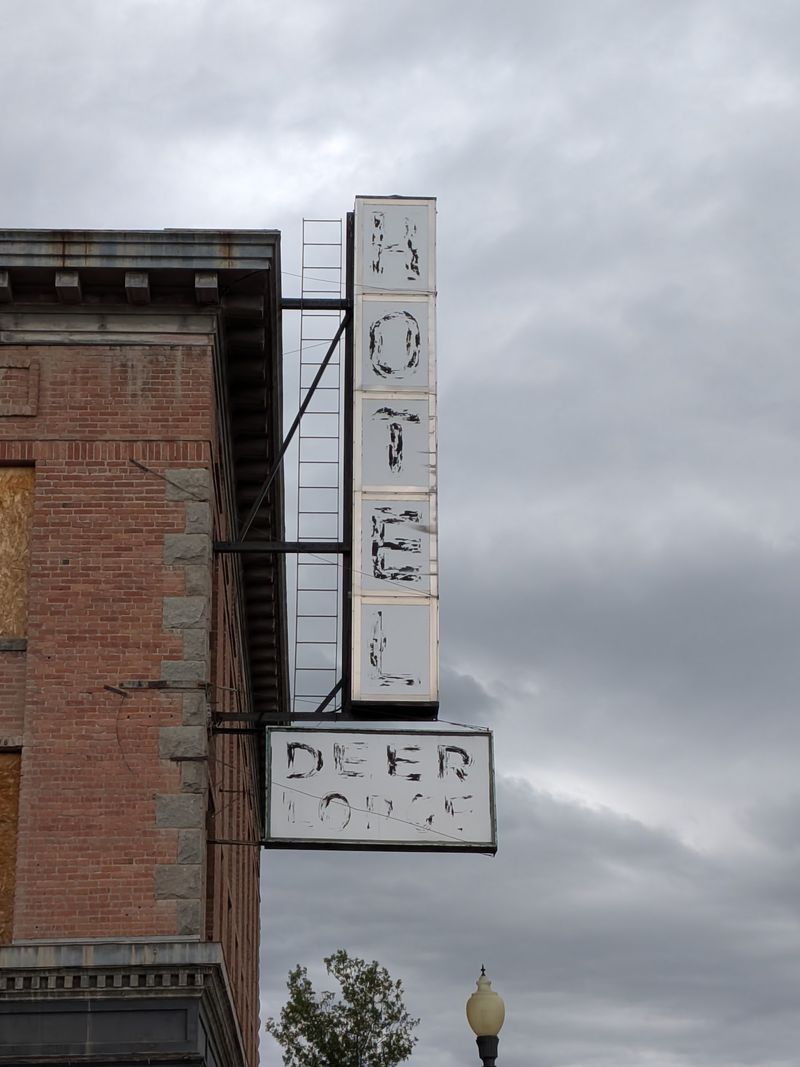
A historic prison wall isn’t the usual landmark for a pleasant downtown stroll, but it makes this Montana stop hard to confuse with anywhere else.
Main Street offers old commercial buildings, and a striking collection of museums sits within walking distance of the heart of town. You can keep the visit simple or give yourself much longer than expected.
Deer Lodge developed in a valley shaped by ranching, transport, and territorial institutions.
Today, its Main Street buildings provide the setting for small-town browsing, while the Old Montana Prison complex brings another chapter into view.
The prison stopped operating in 1979 and now houses exhibits, with an automobile collection among the attractions at the museum complex.
Check admission details and hours before setting aside time for a full visit.
It’s worth balancing the indoor history with a walk outdoors. Notice the storefront masonry, stop for lunch, and look toward the broad valley beyond the blocks.
For a different side of Western life, drive to Grant-Kohrs Ranch National Historic Site, where the National Park Service preserves a working cattle-ranch landscape.
Historic barns, livestock, paths, and tours help connect the region’s cattle history with the land around town.
Ranch-house tours depend on staffing and may require free same-day tickets, so don’t count on walking straight in.
This is a town for making choices: several museum hours, a shorter downtown pause, or a ranch visit followed by coffee.
You’ll enjoy it more if you pick two priorities instead of treating the entire historic district as a checklist.
Historic downtown: Main Street, Deer Lodge, MT 59722.
7. Livingston
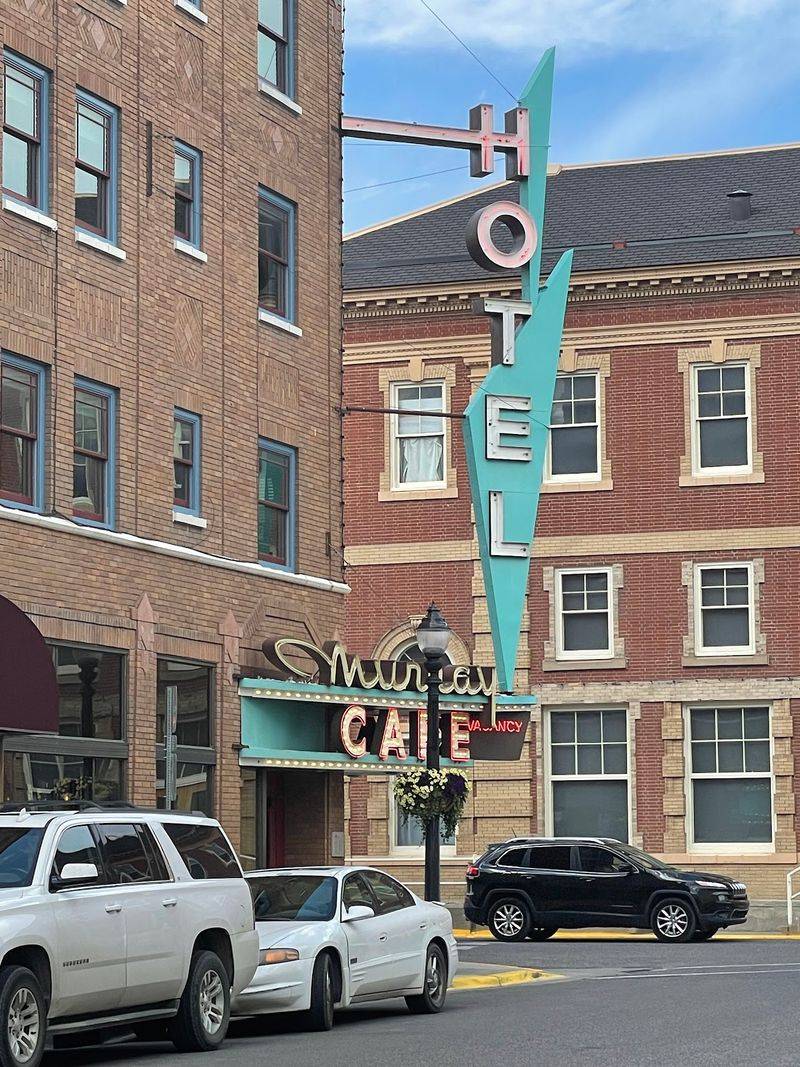
In Livingston, take a look down the tracks before starting along Main Street. Rail travel helped define this town, and the old station is still one of its architectural anchors.
From there, the downtown opens into blocks where historic buildings share space with art, books, restaurants, and everyday local life.
The Northern Pacific Railway established a town here in the early 1880s, and train connections made it an important gateway for travelers headed toward Yellowstone.
The handsome depot standing today dates to 1902. It now houses a seasonal museum and cultural exhibitions, so its function has changed while its role as a downtown landmark has endured.
The building is easy to admire even when the museum is closed.
Main Street rewards wandering without a set shopping list. Look up at the brick facades before stepping into a gallery or bookstore, and leave time for a meal in one of the historic blocks.
Art and railway history sit comfortably together here, with the surrounding mountains providing their own backdrop.
A good walking route is simply to follow the storefronts, take a side street when curiosity strikes, and return by a different block.
This part of the Yellowstone Valley can be windy, so a light layer isn’t a bad idea even when the sun is out.
The Yellowstone River and nearby parks offer a scenic break after downtown, while the museum can add welcome context during its operating season.
tLivingston makes a natural stop on a longer journey, but the town is more enjoyable when you resist using it only as a gateway to somewhere else.
Historic downtown: Main Street and the depot area near 200 West Park Street, Livingston, MT 59047.
8. Big Timber
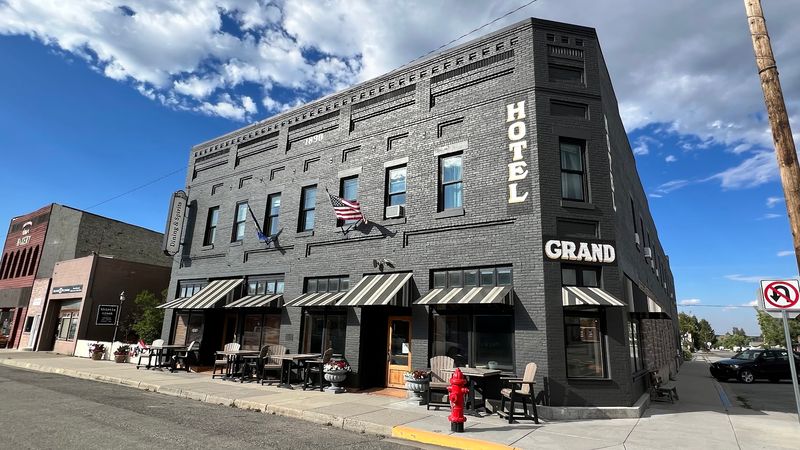
The buildings along McLeod Street have plenty to say before you even notice the Crazy Mountains in the distance.
There’s a sturdy, unhurried character to this downtown, shaped by the railroad, livestock trade, and generations of local commerce.
Take a short walk and its appeal becomes clear without any elaborate itinerary.
The town developed as a railway and agricultural center during the late nineteenth century. Sheep ranching became an important part of the area’s economy, and its historic commercial street still bears evidence of those years.
One particularly visible landmark is the Grand Hotel, built in 1890.
Its long presence on McLeod Street provides an architectural connection to the days when visitors arrived to do business in a growing town.
In Big Timber, start with the old storefronts and give yourself permission to browse slowly. Shops and dining options occupy some of these buildings, but the streetscape itself is a fine reason to be here.
Look at the stone and brick details, pause at the corners, and then turn your attention toward the hills and big sky surrounding town.
No special equipment required, unless a camera counts.
For more scenery, the nearby Boulder River country offers a lovely change of pace.
Natural Bridge Falls is a known outing in the area, although the original natural rock bridge collapsed in the late twentieth century; today visitors come for the gorge and waterfall setting.
Check conditions before leaving the highway, especially outside summer.
Back in town, a relaxed meal or a last walk along McLeod Street is a satisfying way to finish.
Historic downtown: McLeod Street, Big Timber, MT 59011.
9. Dillon
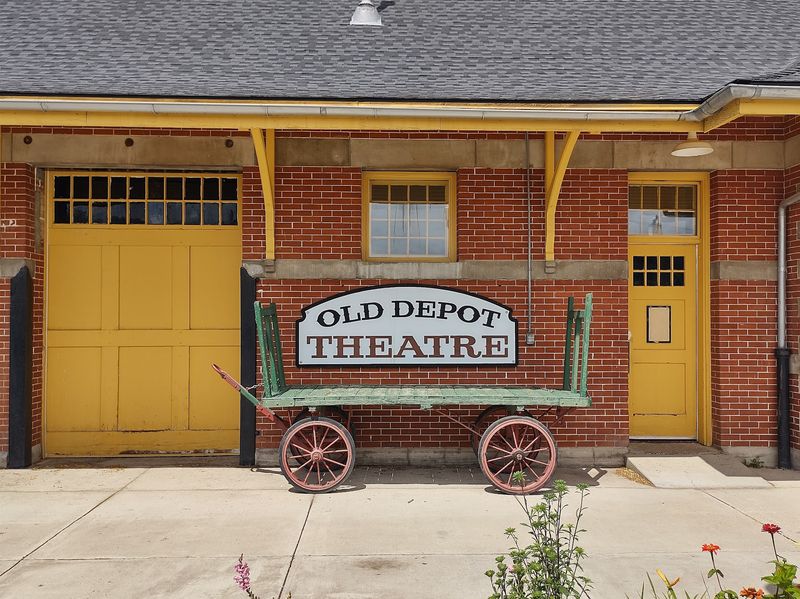
Railroad history and ranch-country shopping sit side by side in this Beaverhead Valley town.
A few blocks on Montana Street are enough to see why the old commercial center still matters: brick storefronts, local businesses, and the kind of place where an unplanned stop for coffee can pleasantly rearrange a road-trip schedule.
The community took shape as a railroad town in 1880, serving travelers and freight moving through southwestern Montana.
That transportation history remains visible in the depot buildings and the broader downtown.
The Beaverhead County Museum preserves stories of local ranching, mining, Indigenous history, and the Lewis and Clark expedition.
Its museum complex includes a historic Union Pacific depot, rather than everything being displayed inside a single station building.
In Dillon, a comfortable visit starts with the main street. Browse a shop, notice the older masonry, and decide whether you want to spend the next hour exploring exhibits or simply enjoying town. If museum time is important, check seasonal hours first.
The displays give useful background on the valley, while the streets outside show how the community continues to use its historic center.
Beyond downtown, the Beaverhead River and surrounding valleys suggest fishing and scenic drives.
Beaverhead Rock, a landmark associated with the Lewis and Clark journey and important to Indigenous history, lies north of Dillon; enjoy it from appropriate public viewpoints and respect private land.
Back on Montana Street, finish with a snack before heading toward your next stop.
The best part of this kind of road trip is allowing a small town enough time to surprise you.
Historic downtown: South Montana Street, Dillon, MT 59725.