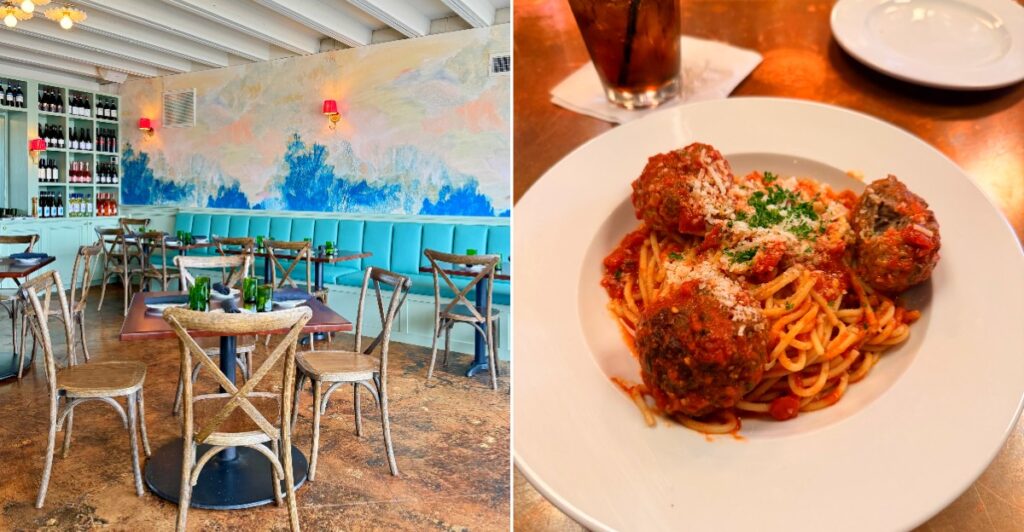
Fresh pasta is reason enough to cross Baton Rouge, but a family story behind the menu makes the trip even better. Inside this colorful Mid-City dining room, handmade noodles share space with Italian comfort food, Gulf seafood, art, and recipes inspired by Sicilian roots.
The menu can feel familiar one minute and adventurous the next, moving from classic spaghetti to squid ink pasta paired with blue crab.
Handmade pasta takes on a Louisiana accent here, where Sicilian family traditions, Gulf seafood, and seasonal ingredients meet in deeply comforting Italian dishes.
What I like most is the balance between tradition and curiosity. Fresh bread, carefully built sauces, and familiar flavors keep the meal grounded, while unexpected combinations give you a reason to order beyond your usual.
Come hungry enough to explore, pay attention to seasonal specials, and leave room for the dish that sounds just unusual enough to become your favorite.
A Dining Room With Color
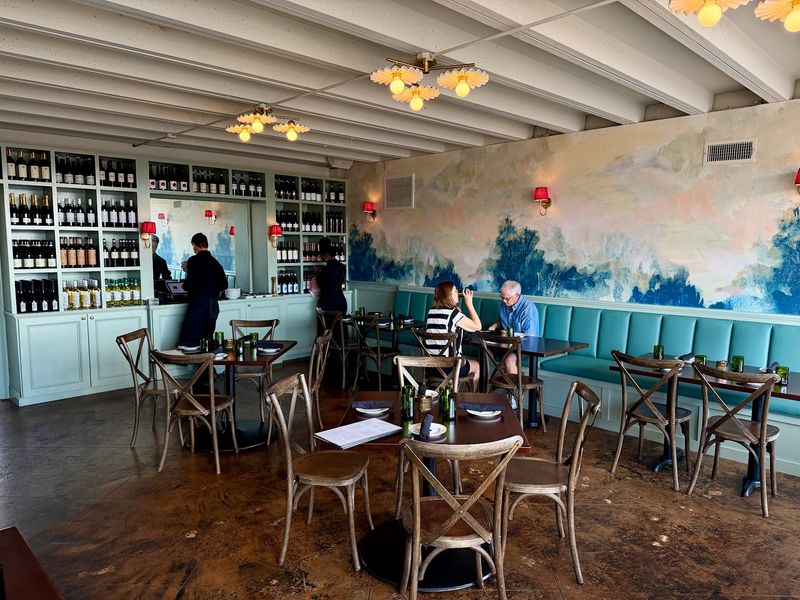
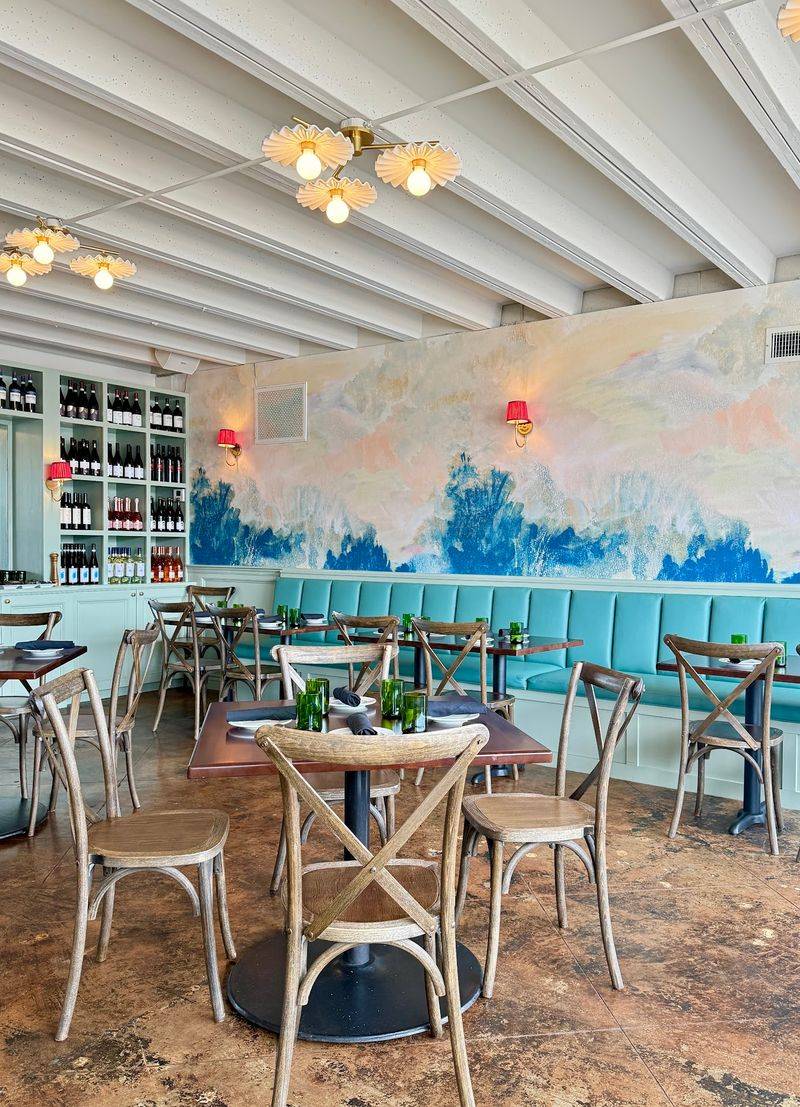
Sage green trim and colorful art give the room something to say before a menu arrives. Josephine’s combines modern touches with a more familiar, rustic feel, keeping the setting from looking stiff or overly formal.
The mural in the second dining room adds another reason to glance up between courses. It brings an Italian painting feel to the space, while daylight helps show off the room’s colors.
If atmosphere matters to your visit, ask about seating when arranging your meal. A small dining room can feel quite different depending on your table, your group size, and the time you arrive.
Leave the phone down for a minute once you settle in. The artwork gives you an easy conversation starter, and a slower beginning suits a meal built around bread, pasta, and dishes worth discussing together at the table.
Government Street Is The Last Dinner Clue
Josephine’s Italian Bistro sits at 5350 Government Street in Baton Rouge, Louisiana, right in the heart of Mid-City. Government Street is the road to stay with on the final approach, with the restaurant set directly along the neighborhood commercial corridor.
The last stretch is lined with local restaurants, shops, and older storefronts, so once you reach the 5300 block, slow down and start watching the addresses. Josephine’s fits naturally into the Mid-City streetscape rather than standing apart as a large destination complex.
Pull into the on-site parking area and head straight toward the restaurant entrance. If those spaces are full after 5 p.m., additional parking is available at Hancock Whitney nearby.
The Grandmother Behind The Name
The name above the door belongs to someone who helped shape the cooking long before this restaurant existed. Chef Russell Davis named Josephine’s for his maternal grandmother, a first-generation Sicilian whose meals influenced his path into food.
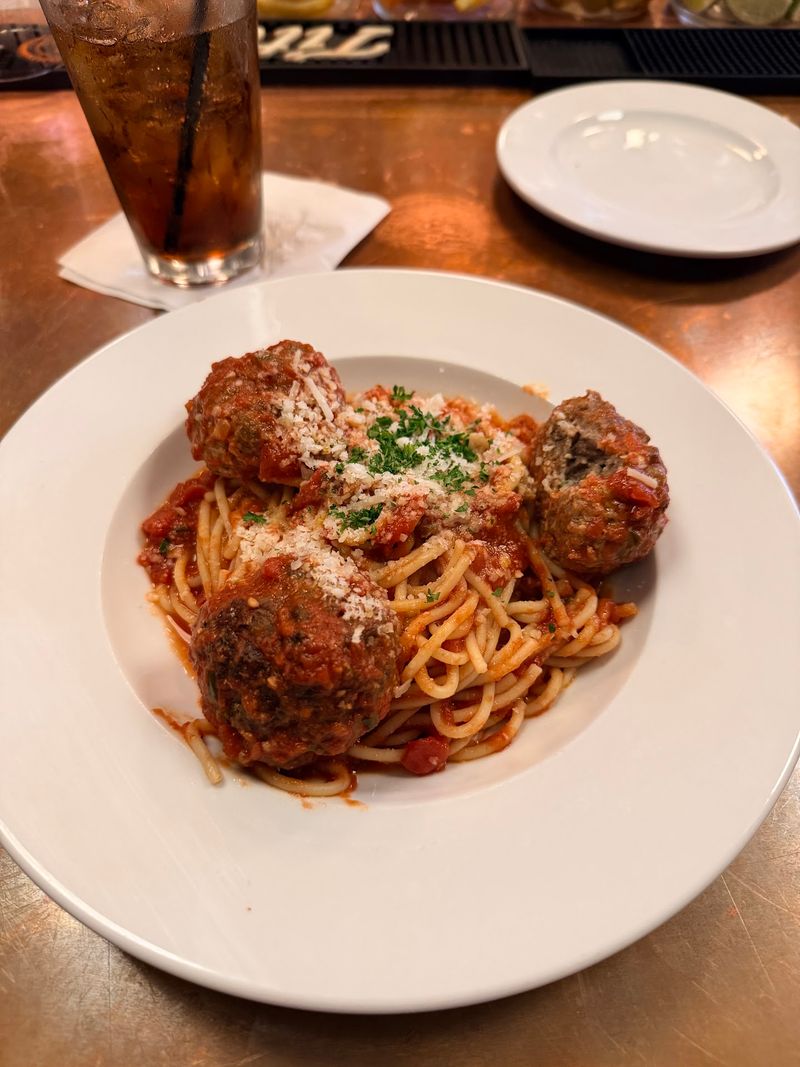
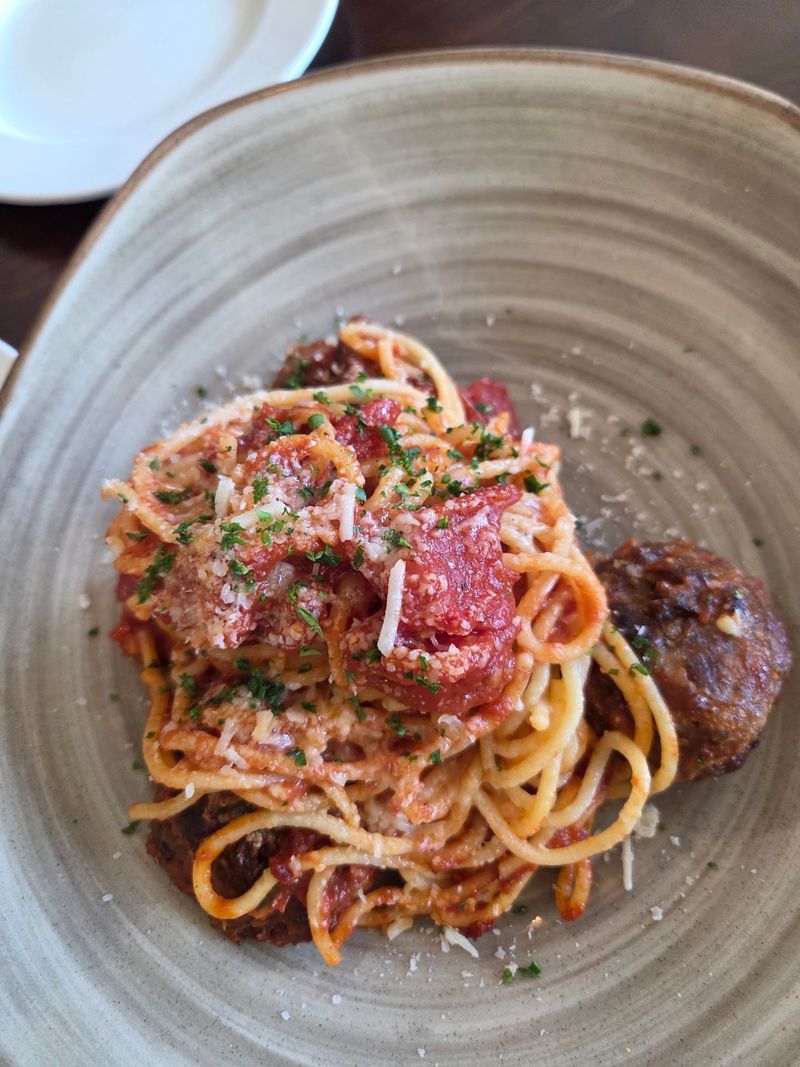
Her Sunday gatherings help explain the menu’s comforting side. Lasagna and spaghetti with meatballs sit naturally within that family story, offering familiar dishes rather than requiring diners to study every word.
There is also room for northern Italian cooking, including risotto and chicken Valdostana. That range makes the menu broader than a single family recipe box, while keeping its roots clear.
Choose a classic if you want an easy introduction to the restaurant. Ask your server how it is prepared today, then notice the sauce, pasta, and balance of the plate rather than expecting nostalgia alone to carry the meal for you.
Follow The Squid Ink Pasta
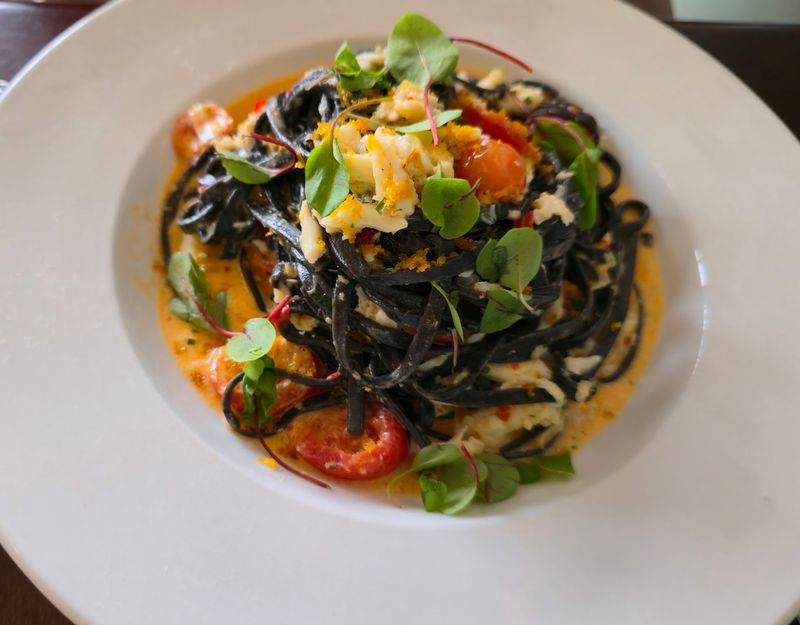
Black pasta makes a striking entrance, but the crab is just as much the point. Pasta al Granchio brings squid ink pasta together with blue crab, Calabrian chili butter, herbs, and bottarga.
Those ingredients build several layers of flavor: seafood sweetness, a salty finish, and warmth from the chili. Bottarga is cured fish roe, so ask about it if the name is new to you.
Before ordering, check how spicy the current preparation is and whether the dish is available. Anyone with seafood allergies should discuss the full ingredient list and kitchen handling rather than guessing from the menu name.
Take a first bite without adding anything. This is a useful way to notice how the pasta and sauce work together, especially when fresh pasta is what brought you across town in the first place for this particular meal.
Lemon Takes A Softer Turn
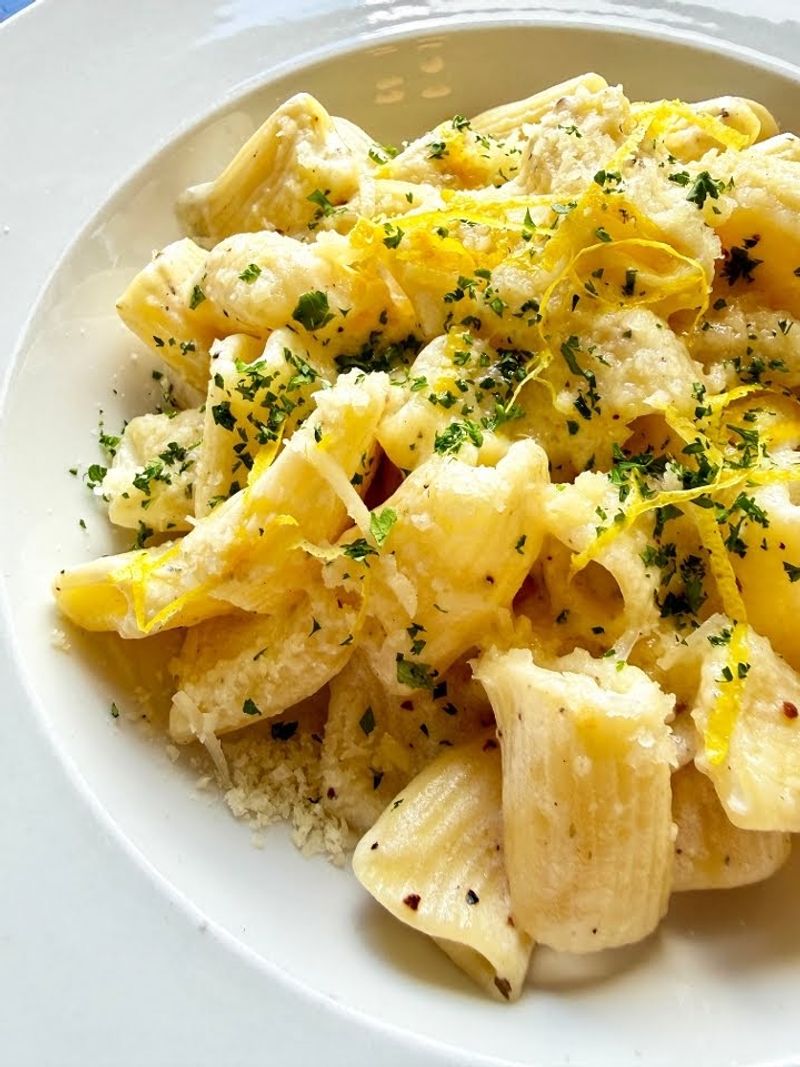
Not every memorable pasta needs a long list of bold ingredients. Rigatoni al Limone puts lemon butter sauce, seasoned ricotta, fresh herbs, and Parmesan around a familiar tube-shaped pasta.
The appeal is in the contrast. Lemon brings brightness, while butter and ricotta give the dish a richer side; the rigatoni’s ridges help hold sauce through each bite.
Consider this order when you want something creamy without choosing a tomato-based dish. Ask which pasta offerings are made in house that day, since a fresh-pasta restaurant’s menu can include different shapes and preparations.
If you are sharing several courses, pair your choice with an appetizer that brings another texture. Also confirm ingredients if you avoid dairy or other animal products, because a meatless-looking pasta is not automatically suitable for every diet, even when the menu description sounds simple at first glance.
Bread Deserves Its Own Moment
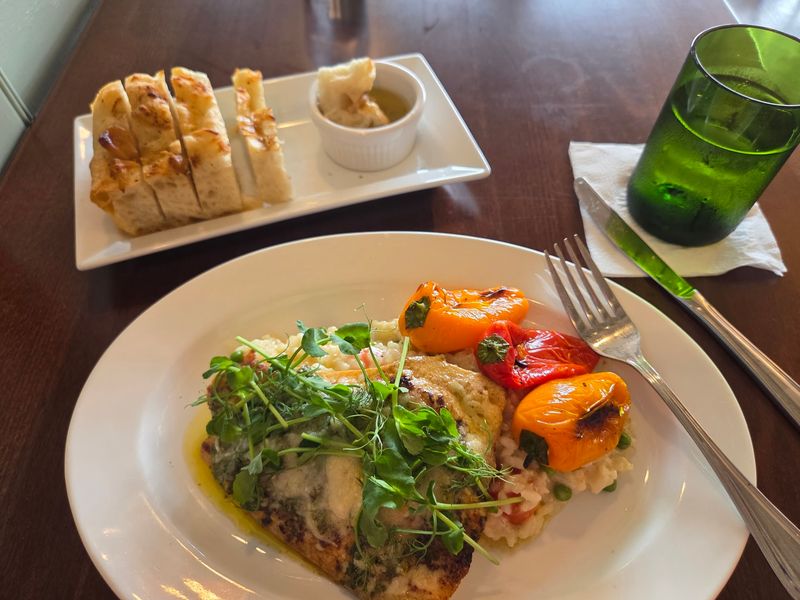
A basket of bread can quietly rearrange the whole meal. Josephine’s makes its focaccia in house each day and serves it warm with herb oil and grated Parmesan.
That gives the table an easy starting point: tear off a piece, dip lightly, and leave enough appetite for pasta. Sharing bread also buys a little time to compare menu choices without turning dinner into a planning meeting.
The kitchen’s focaccia can change with its inspiration, so ask what is being served rather than expecting one fixed version. Current toppings and serving details are better checked at the table than assumed from an older photograph.
Order it with the number of diners in mind. If several appetizers are coming, one shared serving may make more sense than filling up early, especially when dessert already has a small claim on your attention tonight.
Arancini Bring The Crunch
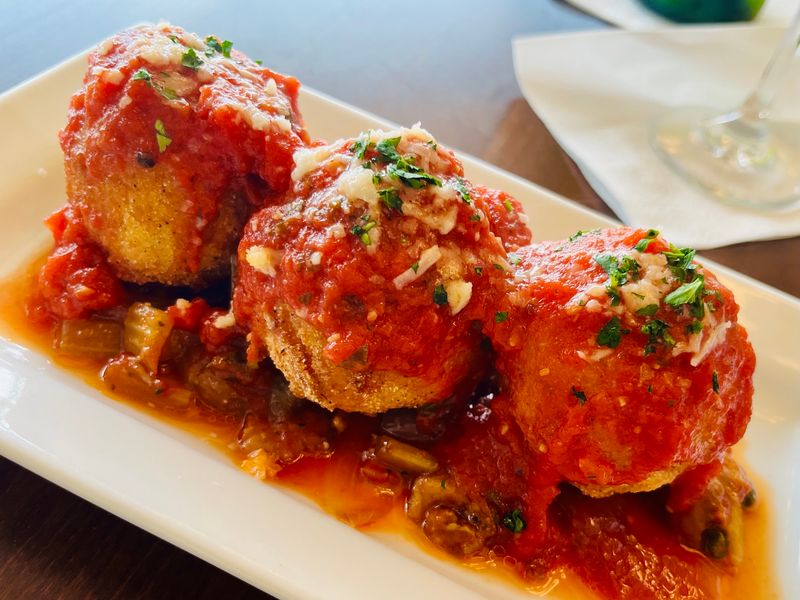
The first crack of a fried rice ball sets a different pace from a soft bowl of pasta. Josephine’s arancini offer that contrast, with a golden outside and a savory center.
The supplied dish information describes caponata, a Sicilian eggplant relish, along with pomodoro sauce and Parmesan. Ask about the current filling, since appetizer details can shift as a menu develops.
Sharing this starter is a practical way to taste another part of the kitchen without committing your whole meal to fried food. Let the center cool slightly before taking a generous bite; crisp shells can hide plenty of heat.
For diners with dietary restrictions, confirm the sauce, filling, and cooking method. Rice and vegetables alone do not tell the full story, and checking first leaves you free to enjoy the dish without turning each bite into a small guessing game.
Fruit Finds A Savory Seat
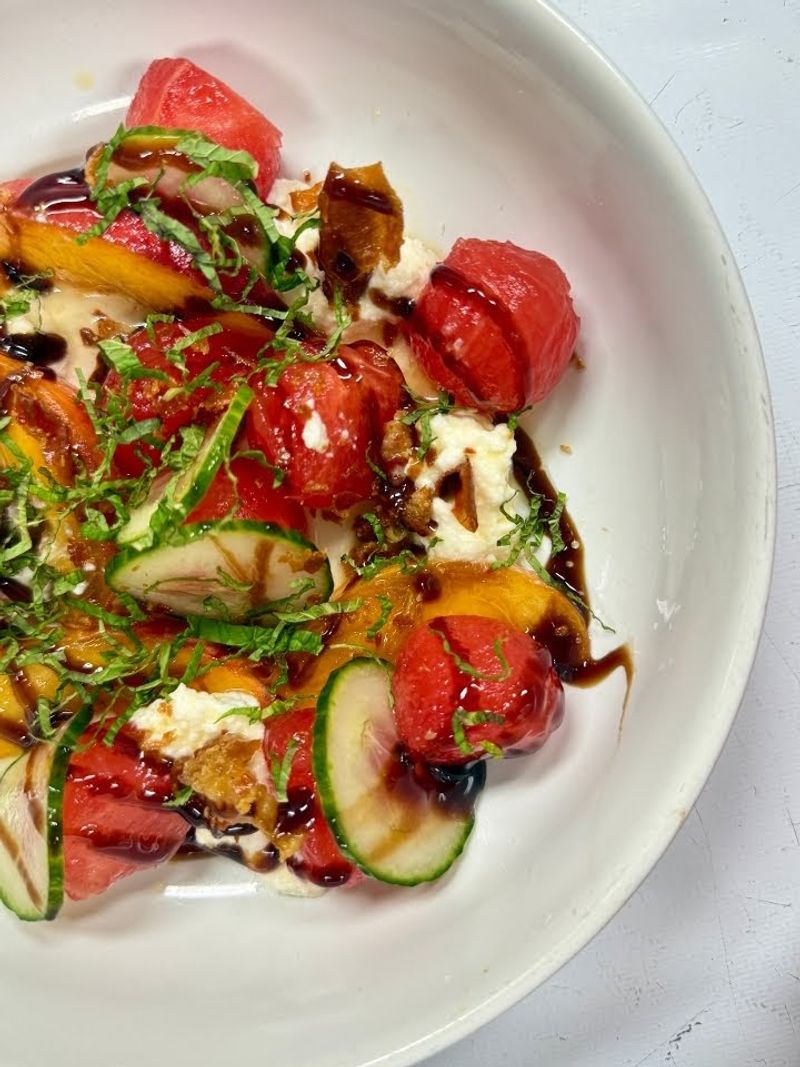
Watermelon and peach do not usually announce a pasta dinner, which makes this appetizer a curious opening act. Prosciutto e Frutta combines those fruits with cucumber, whipped burrata, crispy prosciutto, and mint.
Sweetness meets salt here, with creamy cheese and cool produce adding different textures. It is a useful choice when your main course will be rich and you want the meal to begin on another note.
Because fruit follows the season, check whether this preparation is currently offered and what ingredients are included. A summer description should not become a promise about a winter menu.
Try a bite that includes several components rather than treating the plate as separate piles. The combination is the idea, and it shows how Italian ingredients can share space with seasonal produce without every course needing another layer of sauce or cheese to feel complete.
Louisiana Has A Place Here
Italian cooking and Louisiana ingredients have plenty to discuss at this table. The supplied restaurant background describes Russell Davis making regular trips to the Red Stick Farmers Market to select seasonal produce.
Gulf seafood adds another local connection, especially in dishes such as the blue crab pasta. The result is a menu with Italian roots that does not ignore the place where dinner is being served.
Ask your server what seasonal ingredients are featured during your visit. That question is more useful than assuming every vegetable comes from the same farm or every dish stays unchanged throughout the year.
A seasonal choice can also give a return trip its own identity. Keep one favorite in mind, but leave room for something different; the market’s changing supply offers a good reason to look beyond the order you already know before settling on dinner.
Skill Behind The Comfort Food
Comfort food still asks a lot of the cook. Executive chef Logan Gaspard brings training from the John Folse Culinary Institute and experience at New Orleans’ Restaurant R’evolution, where he rose to executive sous chef.
His background also includes representing Louisiana at the James Beard House in New York City. Those details help explain the technical experience behind a menu that moves between familiar family dishes and more layered preparations.
At the table, focus on things you can actually notice: pasta texture, how the sauce coats it, and whether the ingredients feel balanced. A chef’s résumé provides context, but the plate should remain the main event.
Ask staff which dish best shows the kitchen’s approach that day. You may get a useful recommendation beyond the most obvious pasta order, while still keeping the meal centered on what you genuinely enjoy eating most.
Save A Corner For Panna Cotta
Dessert does not need to shout after a pasta dinner. Josephine’s panna cotta offers a creamy finish, with seasonal fruit, toasted sesame, and caramelized sugar shards in the supplied description.
Panna cotta is an Italian set-cream dessert. Here, fruit adds freshness, sesame supplies a nutty note, and the sugar pieces bring crunch, giving a small plate several textures to explore.
Ask which fruit is being used and whether the dessert is available before building your whole meal around it. Anyone avoiding dairy, sesame, or animal-derived setting agents should confirm the current recipe with staff.
Sharing can make sense after bread, an appetizer, and pasta, but decide according to your appetite rather than a rule. A few thoughtful bites are enough to change the meal’s final note from savory to sweet without making the trip home feel like an endurance test afterward.