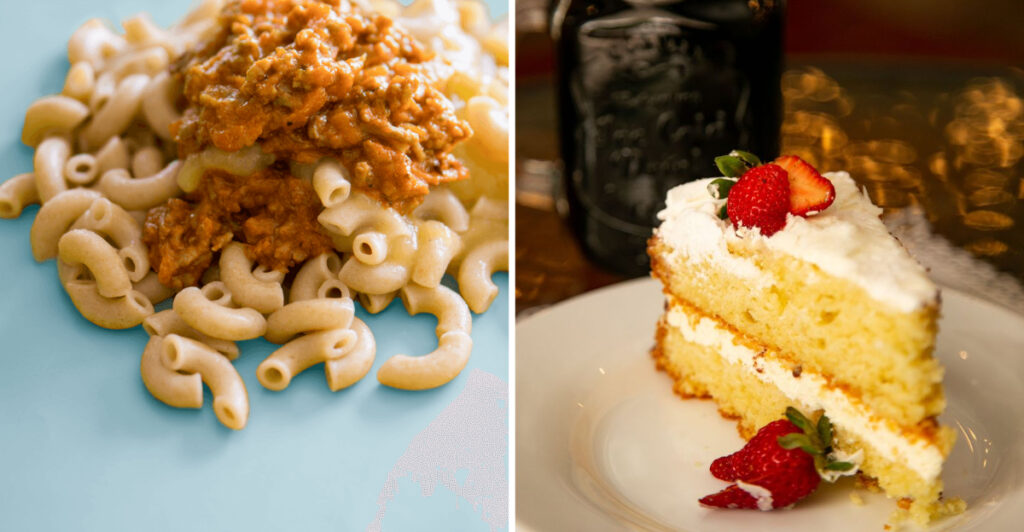
Ohio comfort food does not arrive quietly. It lands with a serving spoon, extra napkins, and someone insisting your plate still looks empty.
Immigrant kitchens, factory towns, church suppers, school cafeterias, and family cookbooks shaped dishes people now defend like family property.
Meat gets stretched. Pasta disappears beneath sauce. Cabbage hits the skillet.
Dessert may even show up looking like a tree seed.
These classics were never meant to impress a dining room. They were built to feed a crowd and taste even better the next day.
The lineup moves from breakfast skillets to casseroles, dumplings, sandwiches, cakes, and candies that vanish far too quickly.
Some combinations may sound questionable. Ohio is betting the first bite changes your mind.
1. Cincinnati Chili
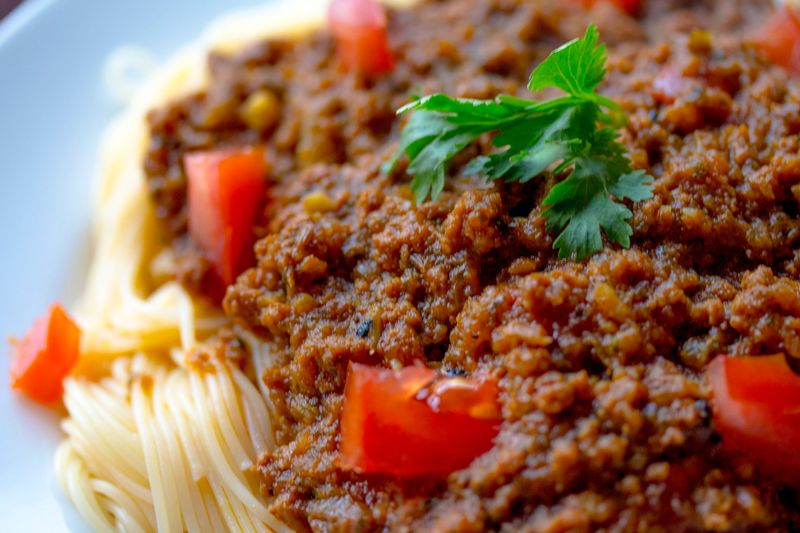
A fork, not a spoon, is your first clue.
Cincinnati chili is a thin, finely textured meat sauce served over spaghetti rather than eaten from a bowl.
Its seasoning often includes warm spices that may suggest cinnamon, clove, or allspice alongside tomato, onion, and savory beef.
The result lands closer to a Mediterranean-spiced sauce than a thick Southwestern chili.
The ordering language is part of the tradition. A two-way combines spaghetti and chili. A three-way adds a high mound of finely shredded cheddar.
A four-way brings either diced onions or beans, while a five-way includes both.
Oyster crackers usually wait nearby, ready to add crunch or collect sauce from the edge of the plate. Cheese coneys use the same chili over a small hot dog with mustard, onions, and shredded cheddar.
Locals often cut the spaghetti with the side of a fork instead of twirling it. That small habit keeps the layers together and turns every bite into a proper stack of pasta, sauce, and cheese.
Cincinnati chili can confuse newcomers for about thirty seconds. But once the cheddar starts melting into the sauce, how long can anyone keep arguing?
2. Goetta
Breakfast gets a crisp edge in southwest Ohio.
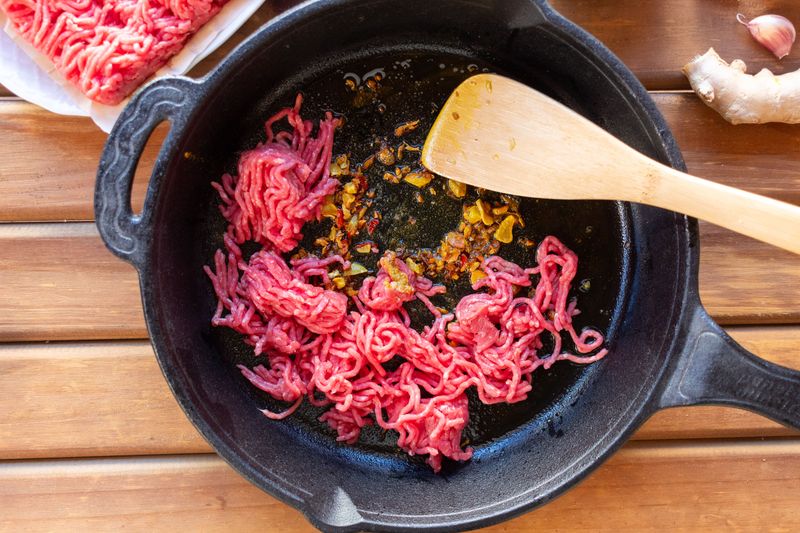
Goetta combines ground pork, beef, steel-cut or pinhead oats, onions, and spices. The mixture cooks slowly, cools into a firm loaf, and gets sliced before hitting a hot skillet. Properly browned pieces develop a crackly surface while the center stays soft and savory.
German immigrants brought the thrift behind the dish to the Cincinnati region. Oats stretched valuable meat, producing a filling breakfast that could feed working families without sacrificing flavor.
What began as practical cooking became one of the area’s strongest food traditions.
The skillet requires patience. Turn a slice too early and it may break apart. Let the first side brown properly, flip once, and the contrast between crust and tender middle becomes the entire reward.
Eggs, toast, and fried potatoes make natural partners. Some families add syrup, apple butter, or preserves for a sweet edge against the peppery meat.
Modern versions may appear in sandwiches, on pizza, or crumbled into other dishes, but the simplest preparation still explains goetta best. One golden slice beside breakfast can carry more Cincinnati history than an entire souvenir shelf.
3. Cleveland Polish Boy
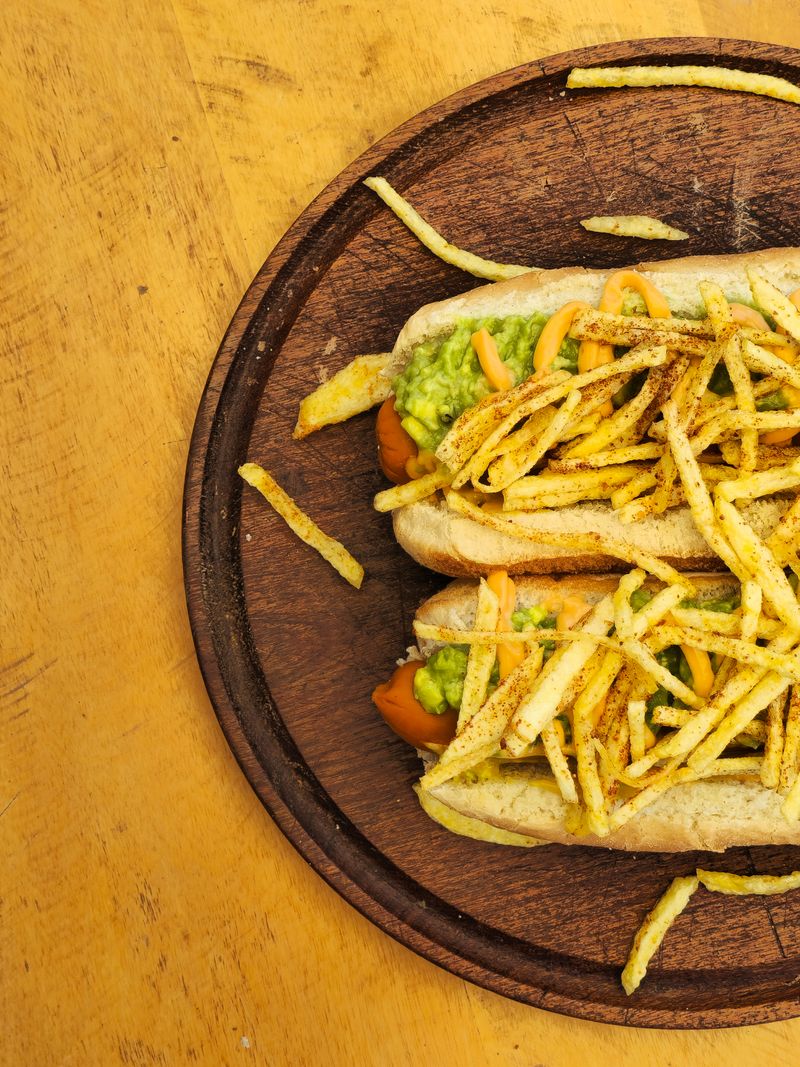
Cleveland put a barbecue plate on a bun and refused to apologize for the engineering.
A Polish Boy begins with a grilled or fried kielbasa link inside a sturdy roll. French fries pile directly over the sausage, followed by creamy coleslaw and a generous pour of barbecue sauce.
The sandwich is tall, messy, smoky, sweet, tangy, and almost impossible to eat without leaning forward.
Its roots reflect Cleveland’s neighborhoods. Eastern European sausage traditions met the city’s Black barbecue culture, creating a combination that belongs specifically to the local food story.
The exact inventor remains debated, but the sandwich became established by the late twentieth century.
Balance matters more than neatness. The kielbasa needs enough smoke and snap to hold its own beneath the toppings. Fries add salt and structure, slaw cools the richness, and barbecue sauce ties the whole pile together.
Some versions swap in pulled pork, add hot sauce, or adjust the slaw, yet the classic formula remains easy to recognize.
Napkins are mandatory, and a fork may become necessary halfway through. Can a sandwich that needs both hands and backup equipment really be accused of doing too much?
4. Barberton Fried Chicken
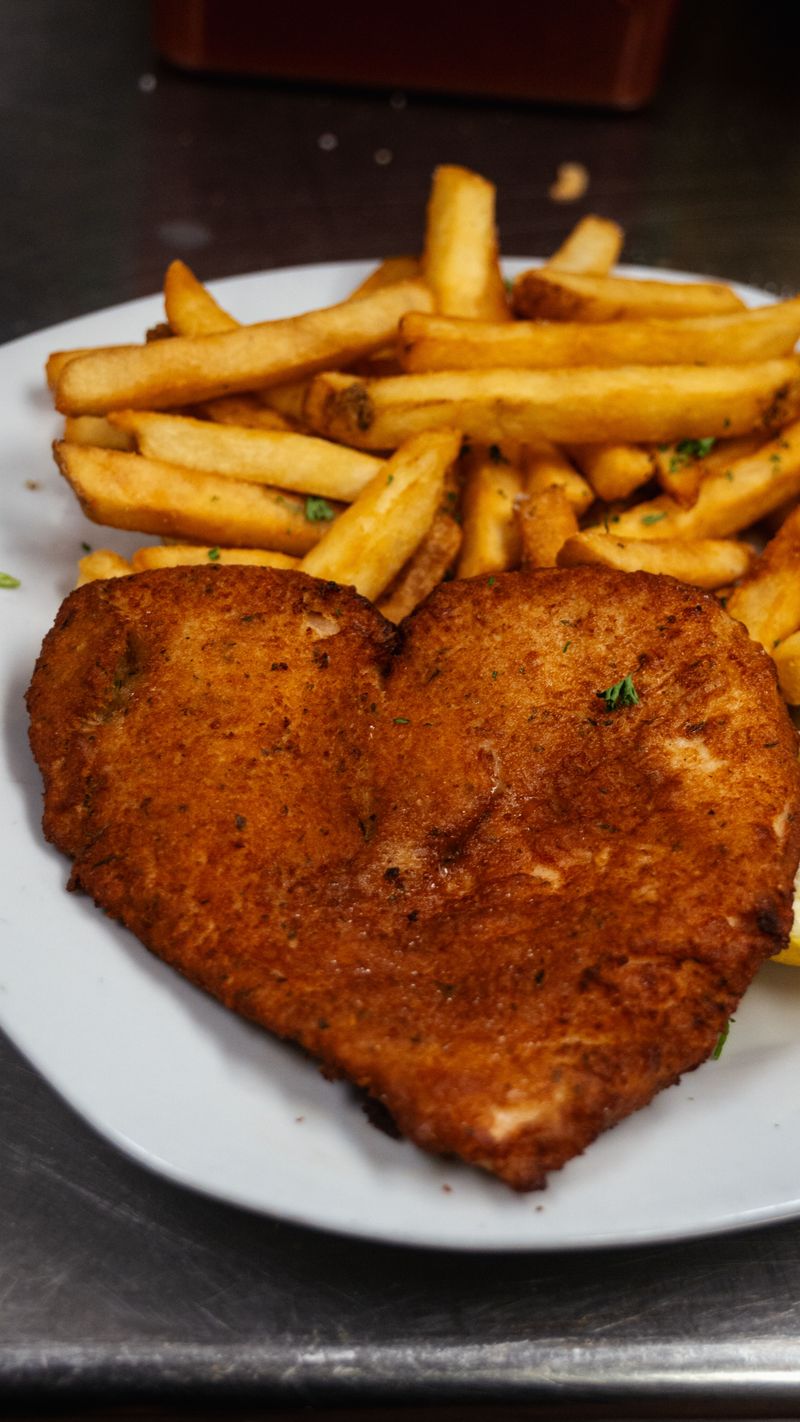
Thin crust, juicy meat, hot rice, and vinegar slaw form one of northeast Ohio’s most specific dinner combinations.
Barberton fried chicken traces its identity to Serbian immigrant families who settled near Akron. The bird is cut into distinctive pieces, breaded lightly, and traditionally fried in lard.
That method produces a crisp shell without the thick, heavily seasoned coating found in many Southern styles.
The sides matter just as much as the chicken. Hot rice combines rice, tomato, onion, and peppers into a soft, deeply savory companion. Cabbage slaw stays tart and clean, helping you reset the palate between rich bites.
French fries often complete the plate.
Spice usually arrives through hot sauce rather than the breading. Diners can add as little or as much as they like, letting the chicken retain its straightforward flavor.
The meal works because every component has a different job. Chicken provides crunch and richness. Rice brings warmth.
Slaw supplies acidity. Hot sauce adds the final spark.
Calling it ordinary fried chicken misses the point. Barberton developed a full regional style, complete with its own cut, cooking method, sides, and loyal expectations. Change one piece, and locals will notice before the plate reaches the table.
5. Chicken Paprikas
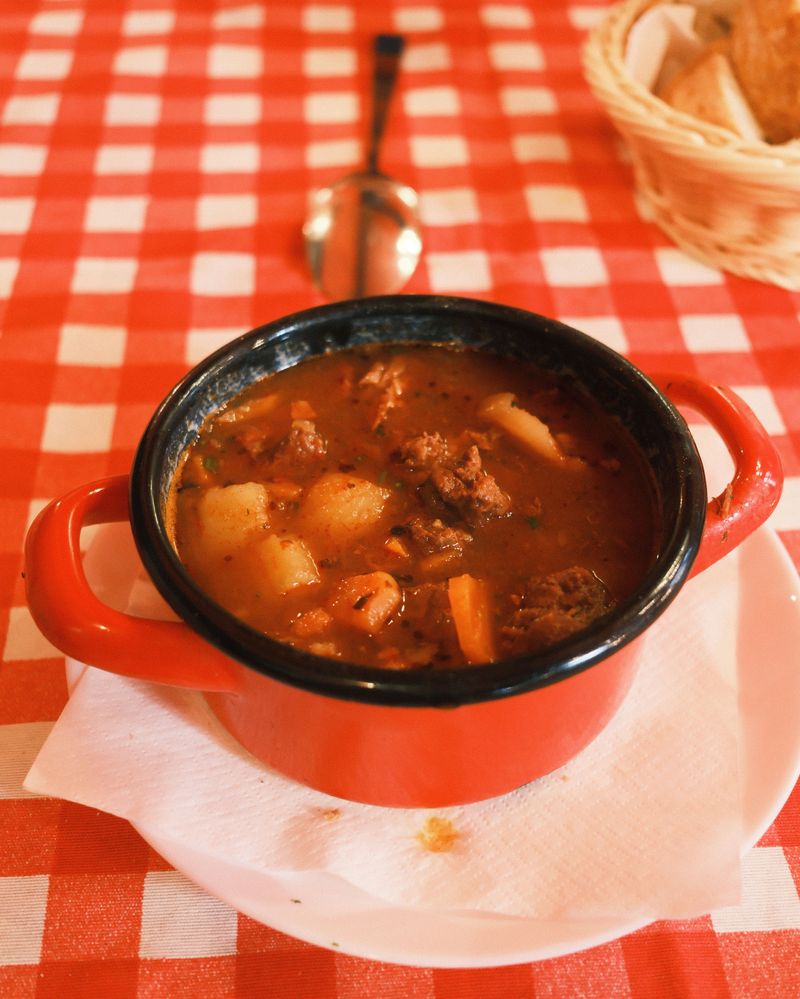
Paprika turns a simple chicken dinner into a sauce worth chasing across the plate.
Chicken paprikash came to Ohio through Hungarian communities, especially around Toledo and Cleveland.
Bone-in chicken simmers with onions and generous amounts of sweet Hungarian paprika until the meat becomes tender and the cooking liquid takes on a deep rust color.
Sour cream often enters near the end, smoothing the sauce and adding a gentle tang. Some recipes use flour to thicken it, while others rely on reduction and the natural richness of the chicken.
Dumplings, egg noodles, or spaetzle provide the proper landing place. Their mild flavor absorbs the sauce without competing with the paprika. A spoon may help, but a piece of bread performs the final cleanup more effectively.
The dish rewards restraint. Good paprika brings fruitiness, warmth, and earthy depth without overwhelming heat. Burn the spice or rush the simmer, and its character disappears.
Across generations, Ohio families have adapted the recipe to their own kitchens. Some make the gravy thick and creamy. Others keep it looser and brighter.
The shared goal never changes: tender chicken, soft noodles, and enough sauce to make a second helping seem completely reasonable.
6. Ohio Shredded Chicken Sandwich
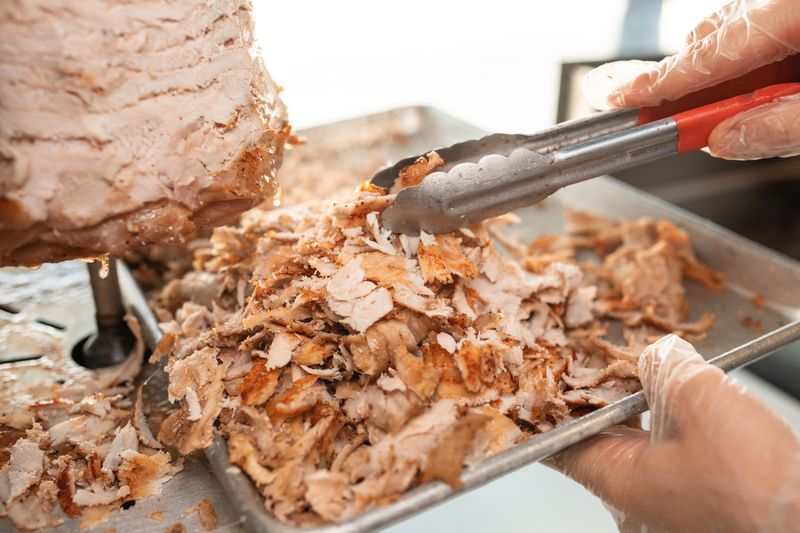
Graduation parties, church suppers, and concession stands have kept this sandwich busy for decades.
Ohio’s shredded chicken sandwich uses cooked chicken mixed into a thick, creamy filling and spooned onto a soft hamburger bun. Condensed soup often provides moisture, while crushed crackers, breadcrumbs, stuffing mix, or potato chips help bind the mixture.
The texture separates it from pulled chicken or chicken salad. It should be warm, cohesive, and soft enough to mound generously without sliding straight through the bun. Poultry seasoning, pepper, and a little broth deepen the flavor without making the recipe fussy.
Families defend their preferred binder with surprising intensity. One kitchen reaches for buttery crackers. Another insists on stuffing mix.
A third uses day-old bread because that is how the recipe entered the family notebook.
Slow cookers made the sandwich especially useful for large gatherings. The filling stays warm, portions stretch easily, and guests can serve themselves without slowing the event.
Outside Ohio, the combination can be difficult to explain.
7. City Chicken
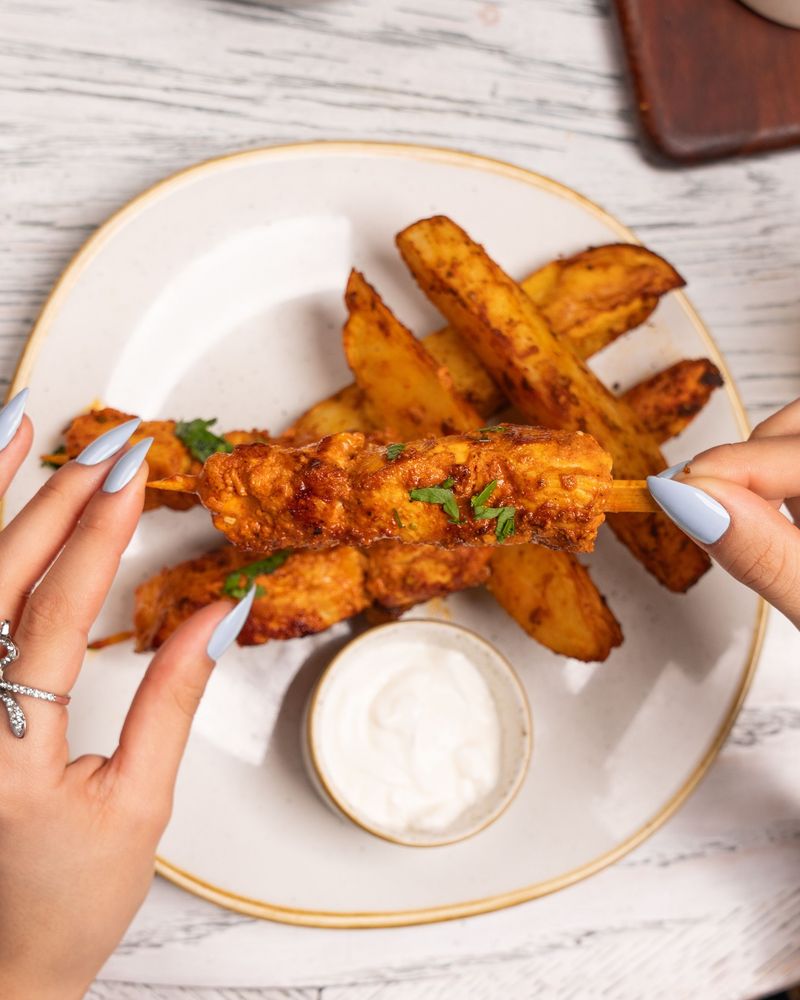
City chicken became popular in Ohio and other industrial Great Lakes communities when chicken cost more than cuts of pork or veal.
Cooks threaded cubes of affordable meat onto wooden skewers, shaped them like small drumsticks, breaded them, and fried or baked them until tender.
The visual joke was practical. You could serve something resembling a chicken leg while using meat that better fit the household budget.
Most Ohio versions rely heavily on pork today, though older recipes may combine pork and veal. After browning, the skewers are sometimes finished in the oven with a little broth, allowing the coating to stay crisp while the meat softens.
Mashed potatoes and gravy are natural companions. Green beans, buttered noodles, or applesauce may round out the plate, depending on the family.
City chicken often appears in butcher cases already assembled, especially in communities with strong Eastern European roots. At home, the skewers demand only seasoning, breading, and patient cooking.
The dish carries the logic of an earlier kitchen: use what is affordable, make it filling, and give dinner enough charm that nobody complains about the substitution. The fake drumstick became a real tradition.
8. Johnny Marzetti
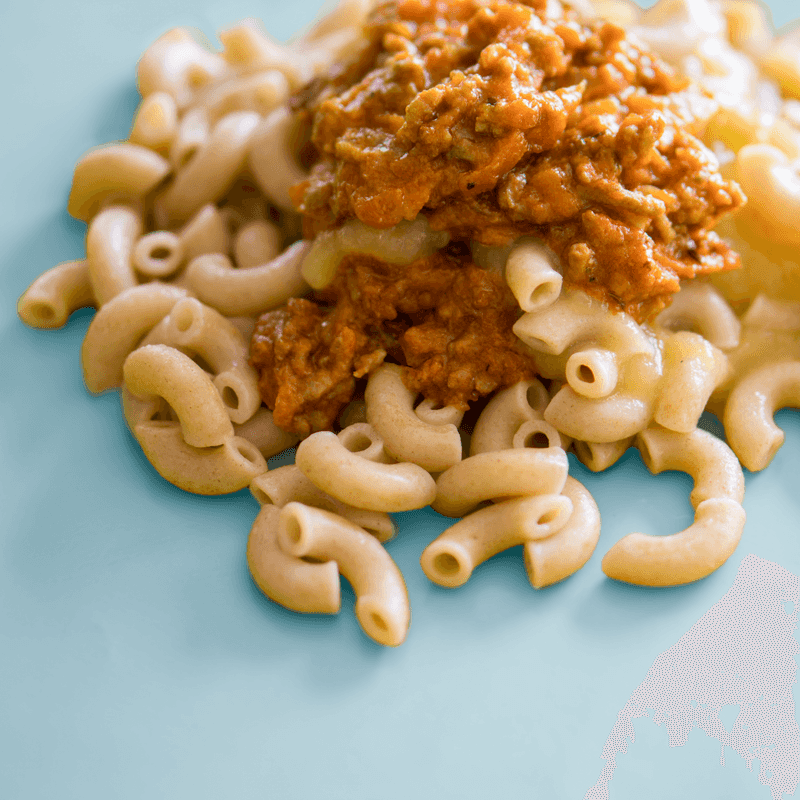
A bubbling casserole can feed a crowd before anyone finishes asking what is in it.
Johnny Marzetti is a Columbus-born combination of pasta, ground beef, tomato sauce, onions, and melted cheese. Elbow macaroni is common, though egg noodles and other short shapes appear in family versions across Ohio and the wider Midwest.
The dish is associated with Italian immigrant Teresa Marzetti, who arrived in Columbus in the late nineteenth century. Its exact early formula may be difficult to pin down.
Still, the name became attached to a hearty, economical casserole that could move easily from home kitchens to school cafeterias and community dinners.
Mushrooms, peppers, sausage, or extra cheese often join the basic mixture. Some cooks assemble everything in one pot, while others bake it until the top develops browned edges.
Johnny Marzetti succeeds through flexibility. Leftover meat can enter the sauce. Different pasta shapes still work.
A larger pan handles unexpected guests without requiring a new menu.
The first serving comes out neat enough. The second usually collapses into a delicious mix of noodles, beef, tomato, and stretchy cheese.
Nobody worries about presentation for long. What casserole do you think would dare compete with a pan that feeds twelve people and still earns requests for seconds?
9. Homemade Pierogi
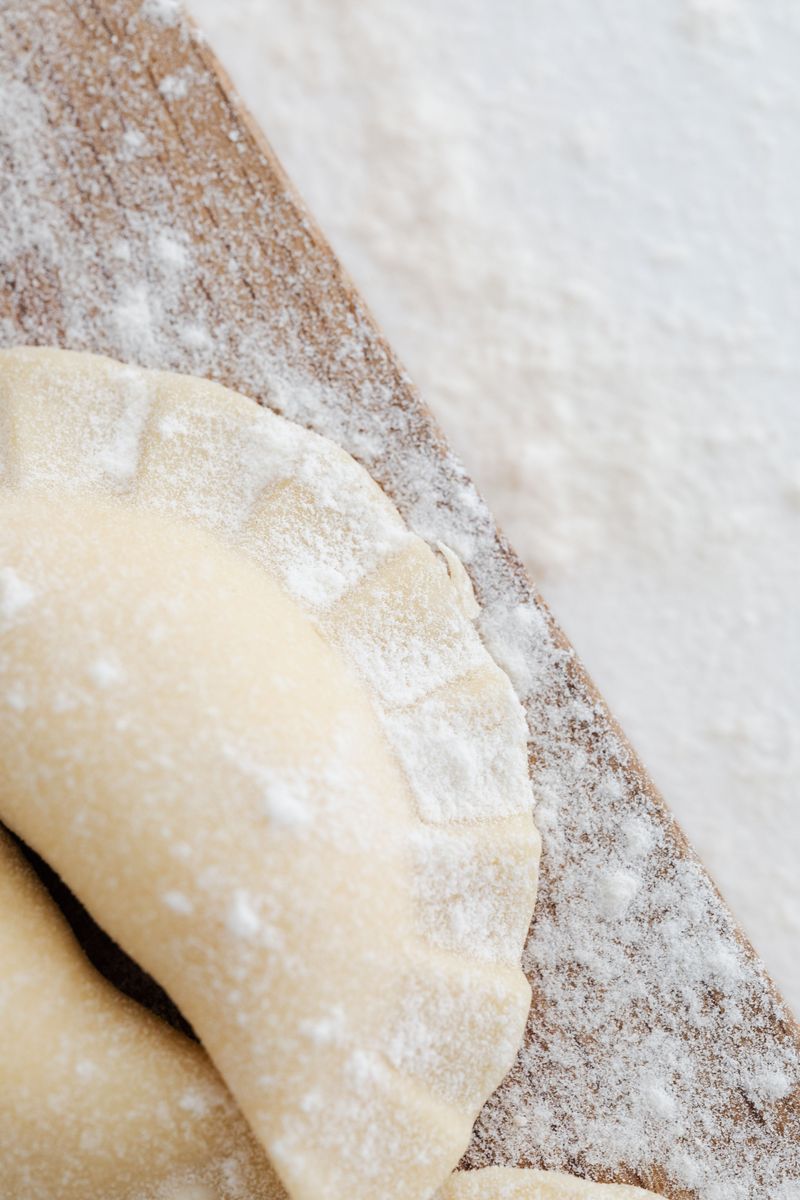
A soft dough pocket can carry an entire family history.
Pierogi became deeply connected to northeast Ohio through Polish and other Eastern European communities.
The dumplings begin with thin rounds of dough folded around fillings such as potato and cheese, sauerkraut, farmer’s cheese, mushrooms, or seasoned meat.
Boiling cooks the dough and warms the center. A second trip through a skillet with butter and onions adds golden patches and a richer finish. Sour cream often waits on the side, though some families consider extra onions more important.
Potatoes and cheese remain a familiar favorite because they offer the perfect contrast. The filling stays creamy and mild while the pan-fried edges develop chew and color.
Making pierogi by hand turns dinner into a group project. One person rolls dough, another adds filling, and someone with reliable fingers seals the edges. Trays can be frozen before cooking, providing future meals long after the kitchen cleanup ends.
Ohio church halls, holiday tables, and neighborhood festivals have helped preserve the tradition. Recipes vary, but the ritual matters as much as the filling.
A dozen pierogi may look generous on paper. Once butter hits the pan and onions begin browning, that number starts shrinking with suspicious speed.
10. Sauerkraut Balls
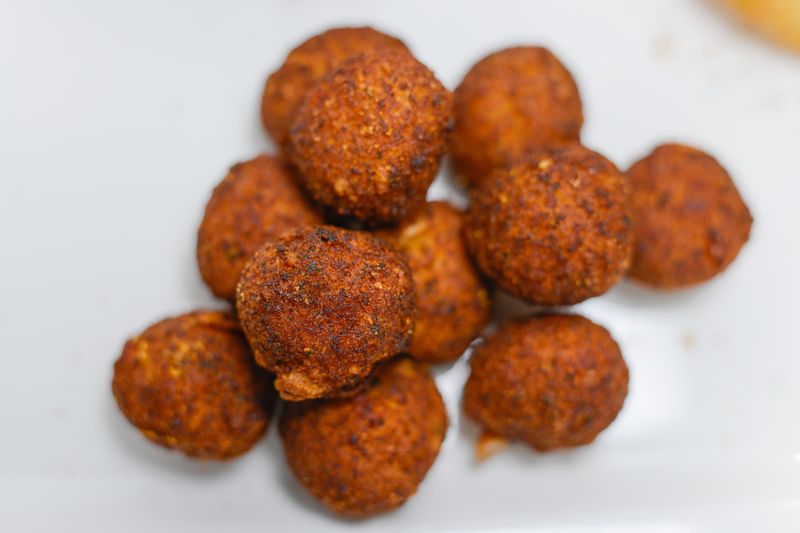
Akron found a way to turn cabbage into party food.
Sauerkraut balls combine drained sauerkraut with ground meat, crumbs, cheese, or other binders before being rolled, breaded, and fried. The outside becomes crisp and golden, while the center stays tangy, savory, and soft.
The snack reflects the German influence that shaped parts of northeast Ohio. Sauerkraut was already familiar, but frying it in a compact bite made the ingredient easier to serve at gatherings, taverns, and community events.
Recipes vary widely. Some use sausage or ham. Others add cream cheese for a smoother center.
Mustard, horseradish sauce, or another sharp dip usually appears alongside, reinforcing the sour edge rather than trying to hide it.
Moisture control decides the texture. Sauerkraut must be squeezed thoroughly before mixing, or the balls can soften and break apart in the fryer. Chilling the shaped mixture also helps the coating hold.
The first bite usually surprises anyone expecting pure cabbage. Meat, seasoning, and crisp breading create something much richer.
Sauerkraut balls sound slightly odd until the first plate empties. Would you really stop after one once the crisp shell gives way?
11. Cleveland Cassata Cake
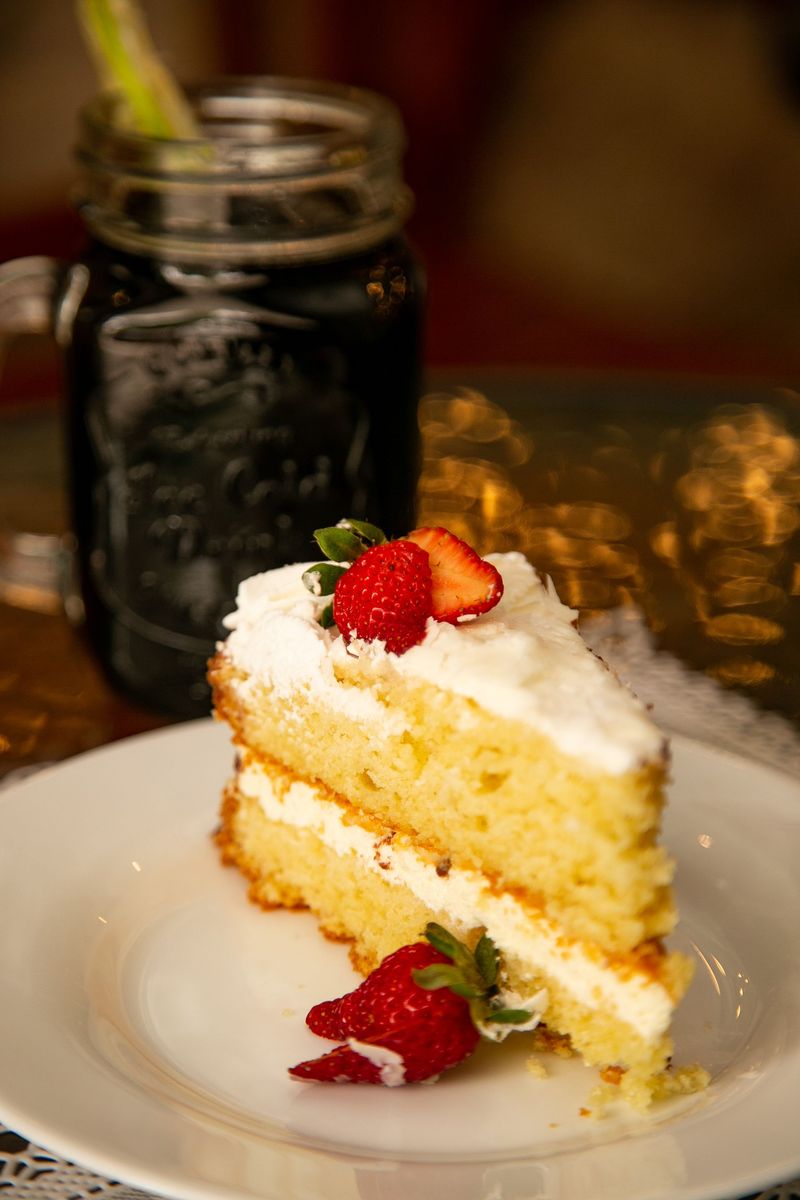
Birthdays in Cleveland have their own strawberry-covered centerpiece.
Cleveland cassata cake differs from the traditional Sicilian dessert that inspired its name. The regional version usually layers light yellow sponge cake with fresh strawberries and a smooth custard, then covers the outside with whipped cream.
The result is cool, soft, and less heavy than a thickly frosted layer cake. Strawberry juices soak gently into the sponge, while custard adds richness without burying the fruit.
Bakers often prepare the cake in stages. Sponge layers need time to cool, custard must set, and the assembled cake benefits from refrigeration. That waiting period allows the flavors to settle together and makes clean slices easier.
Some versions include ricotta or adjust the cream, but strawberries, custard, sponge, and whipped topping define the Cleveland style most people recognize.
The cake became tied to graduations, weddings, birthdays, and family dinners across northeast Ohio. One look at the pale layers and bright berries can bring you back to a specific dining room, bakery box, or relative assigned to carry dessert.
Cassata does not need towering decorations. Its appeal appears as soon as the knife reveals the first striped slice.
12. Chocolate-Peanut Butter Buckeyes
Ohio’s most famous candy begins with a nut nobody should actually eat.
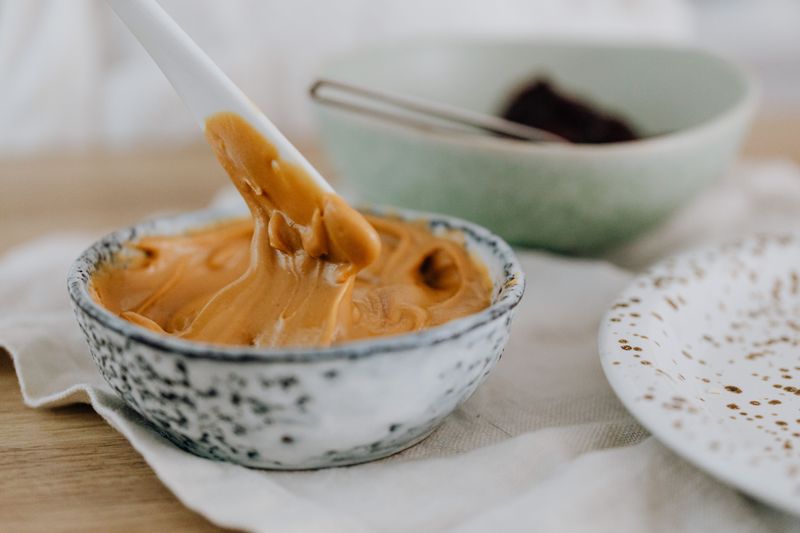
Buckeyes combine a sweet peanut butter center with a partial coating of chocolate. A small circle of peanut butter remains visible on top, making each piece resemble the glossy brown seed of Ohio’s state tree.
The filling usually mixes peanut butter with butter, powdered sugar, and vanilla. After chilling, the balls are dipped carefully into melted chocolate while held with a toothpick. Smoothing over the small hole becomes the final detail.
Texture makes the candy hard to resist. The center stays soft and slightly salty, while the chocolate shell provides a clean snap. One piece looks modest beside a cookie tray, but the richness arrives quickly.
Buckeyes appear at football gatherings, Christmas exchanges, bake sales, weddings, and family reunions. Homemade batches often come with tiny differences in size, dipping depth, and chocolate thickness, which only makes the tray more inviting.
The candy travels well and requires no fork, plate, or explanation. It also disappears faster than most hosts anticipate.
Peanut butter and chocolate already make a convincing pair. And let’s be real, what other state could turn them into a tree-seed lookalike and an edible team uniform?