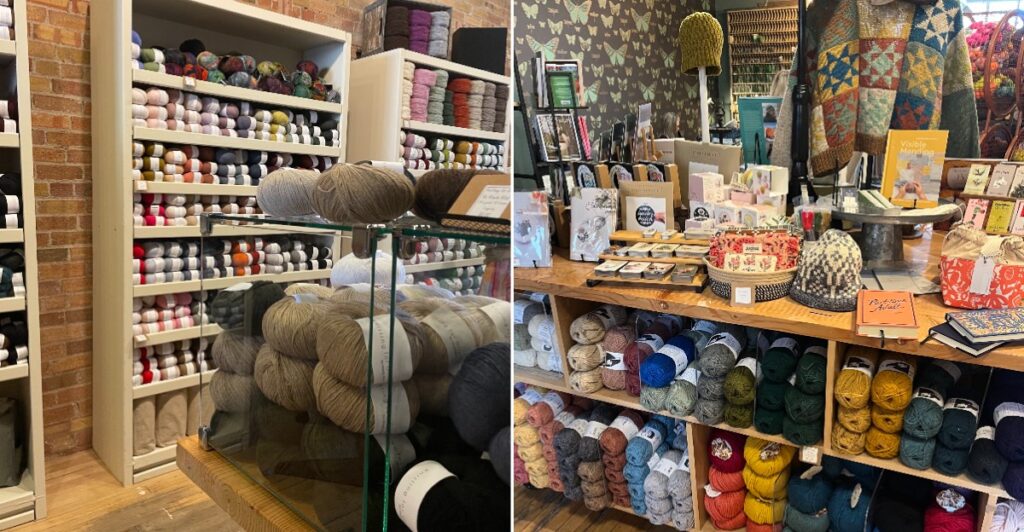
Creative hobbies have a funny habit of turning one quiet afternoon into six unfinished projects and a very full tote bag. That is part of the charm here.
In Salt Lake City, Utah, this shop gives knitters, crocheters, spinners, stitchers, and curious beginners room to browse without making the experience feel technical or intimidating. Yarn, fiber tools, kits, and classes all sit within reach, so inspiration does not have to survive a complicated supply hunt first.
Maybe you know exactly which needles you need. Maybe you only know that winter suddenly seems like an excellent excuse to learn crochet.
Both approaches work. For makers across Utah, having a welcoming place to ask questions and actually handle the materials can make starting something new feel much easier.
Pick a color, choose a project, and accept the possibility that “just one skein” may be the least convincing sentence you say all week.
A Pierpont Avenue Shop With A Clear Creative Purpose
Some errands ask very little of the imagination. Handwork asks for a little more, but in a useful way.
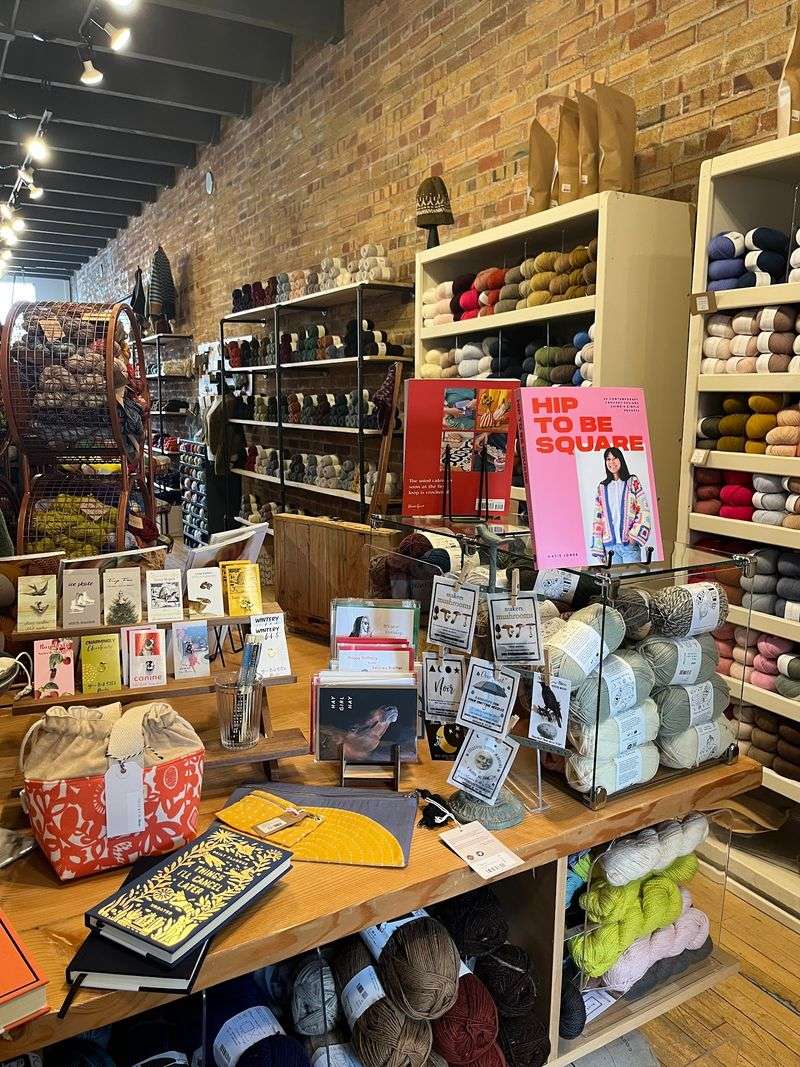
The shop is a yarn store with a focused purpose: helping people make things with fiber, thread, needles, hooks, and patient instruction.
Handwork is not a giant craft warehouse where a beginner can disappear between glitter foam and storage bins. Its appeal is more exact.
The shop centers on yarn, fiber supplies, kits, notions, books, and classes, so the choices feel tied to real projects rather than vague creative ambition.
That matters in a city where a short outing can easily become overplanned. A visitor can step into Handwork with a pattern, a question, or only a wish to learn, then narrow the next step.
In Utah, where handmade goods and practical hobbies still fit daily life, that kind of clarity feels refreshingly adult.
Curated Yarn That Saves Shoppers From Shelf Panic
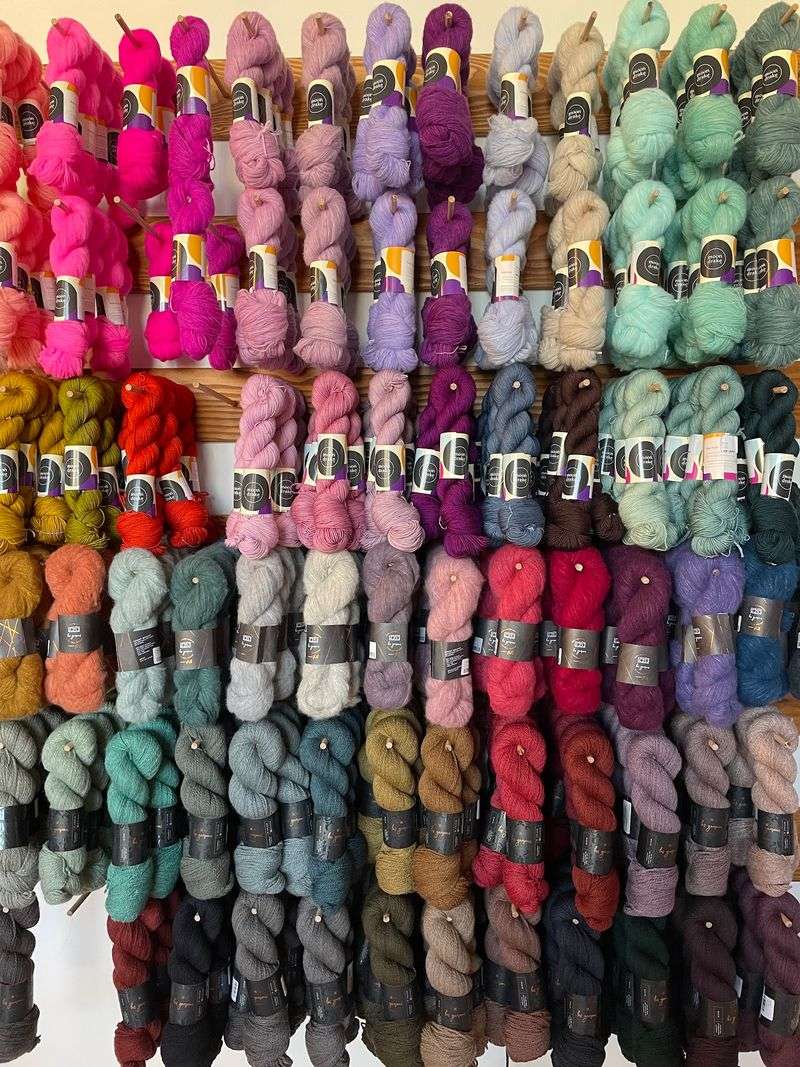
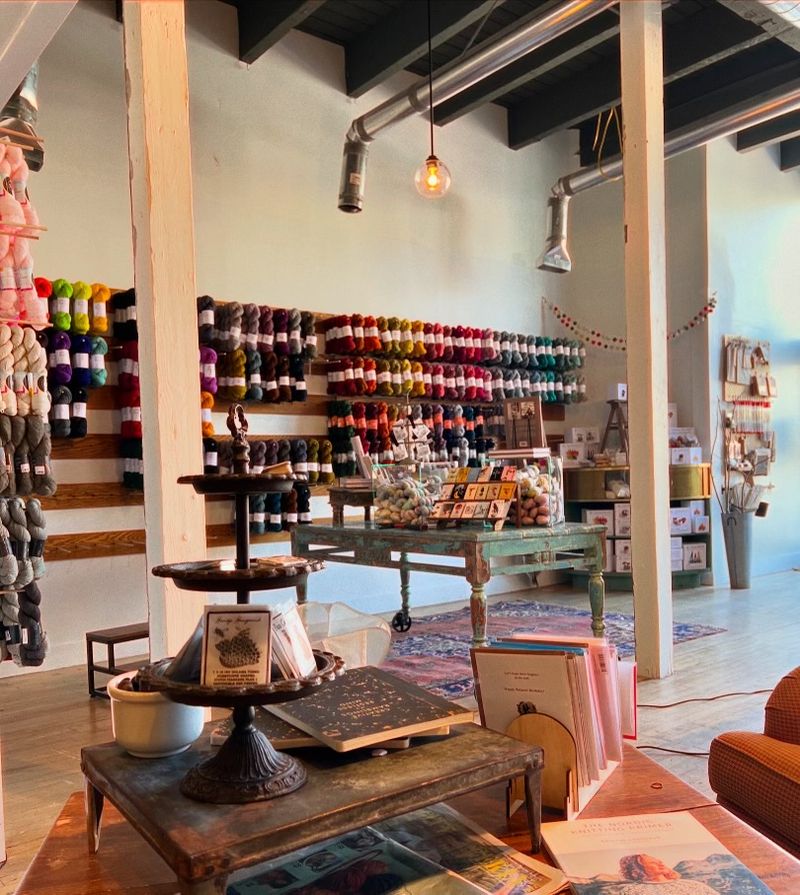
Yarn shopping can become suspiciously complicated for something that starts as string. At Handwork, the selection is curated enough that a shopper can compare fibers, weights, colors, and project needs without feeling as if the entire sheep population has been sorted into bins for examination.
The shop is known for quality yarns, including natural fibers and carefully chosen brands. That matters because the right yarn affects how a sweater hangs, how a scarf feels, and whether a project survives ordinary life.
Handwork gives knitters and crocheters room to make better choices before the first stitch even happens.
Beginners can treat the yarn wall as a starting map, not a test. Experienced makers can look for materials suited to garments, accessories, gifts, or long projects that require more planning.
Handwork makes the browsing process feel specific rather than random, which is helpful when enthusiasm is high and yardage math is lurking nearby like a tiny accountant.
Modern Tools For People Who Actually Finish Projects
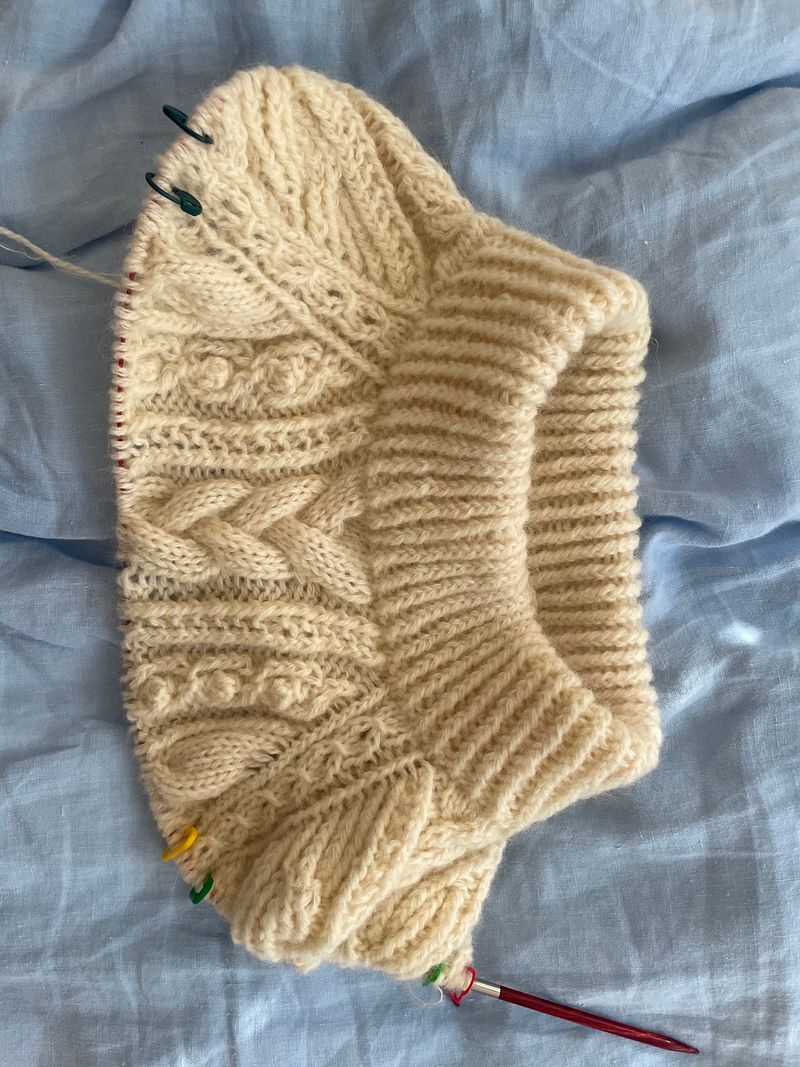
A beautiful skein is only half the story, which is cruel but true. Handwork also stocks the tools and notions that help projects move from hopeful pile to finished object, including needles, hooks, accessories, books, and small supplies that makers tend to need right after sitting down comfortably.
Modern fiber tools are not just fancy extras. The right needle size can change fabric.
A stitch marker can prevent a quiet counting disaster. A good project bag can keep yarn from making friends with keys, receipts, and whatever mystery crumb lives at the bottom of a tote.
At Handwork, tools sit beside the yarn in a way that supports real decision making. Shoppers can match materials with equipment instead of buying one item in one place and guessing about the rest later.
That is especially useful for travelers, busy professionals, or parents who would rather not turn one scarf into three separate shopping trips across Salt Lake City.
Fiber Kits That Make Starting Less Intimidating
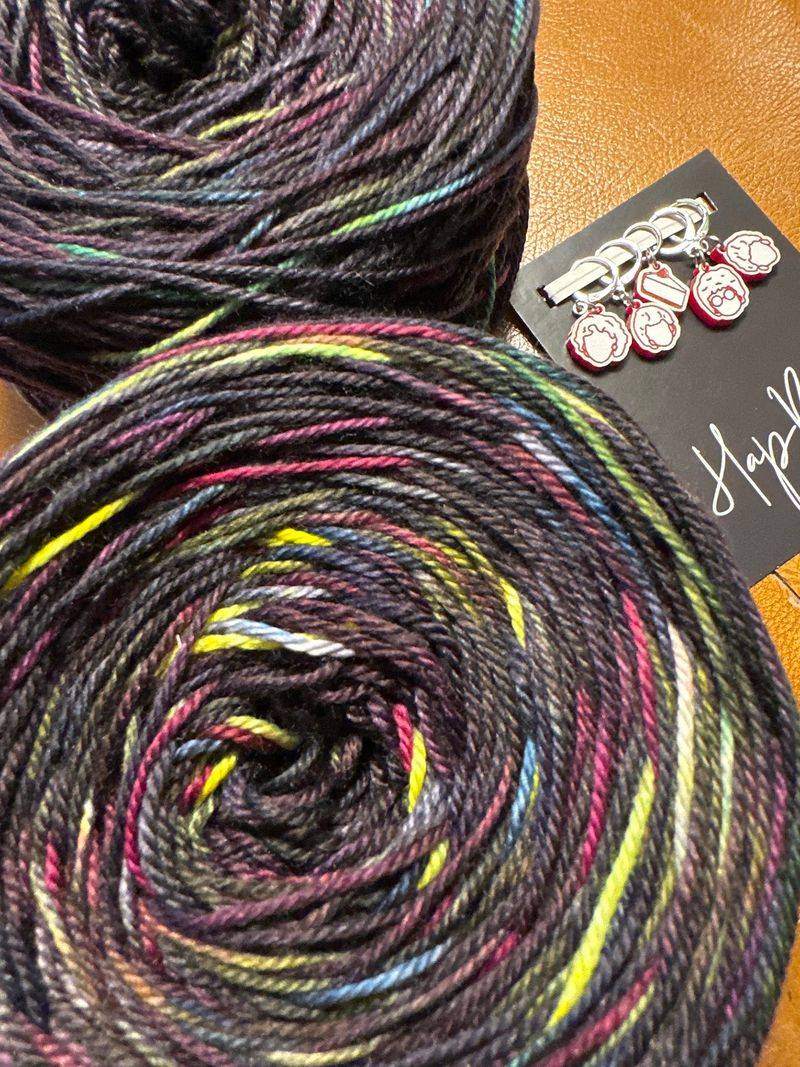
Not every creative mood arrives with a full plan. Sometimes the brain simply announces that it would like to make something, then refuses to provide details.
Fiber kits at Handwork help fill that gap by giving shoppers a clearer path into knitting, crochet, embroidery, felting, spinning, or related handwork.
Kits are useful because they reduce the number of early decisions. Instead of matching fiber, tools, colors, pattern, and difficulty level from scratch, a maker can start with a package designed around a project.
That can be a relief for beginners, but it also helps experienced crafters who want a portable idea without building a supply list from the ground up.
Handwork keeps that invitation practical. A kit can become a travel project, a quiet evening plan, or a gift for someone who likes learning by doing.
In Utah, where road trips and weekend plans often include a bag of supplies, a neatly chosen project feels like common sense wearing nicer packaging.
Classes And Maker Nights Add A Social Layer
Craft stores become more useful when people can ask questions before a project quietly goes sideways. Handwork offers classes and maker gatherings, including beginning knit and crochet workshops and a Wednesday Maker Night listed by the shop.
Those programs give the store a role beyond selling supplies.
Instruction matters because fiber crafts involve small decisions that books and videos do not always explain well. A teacher can help with tension, gauge, yarn choice, pattern reading, and the strange moment when a beginner realizes that counting is suddenly a sport.
Handwork gives learners a place to work through those steps with human help.
The social side is just as practical. Solo visitors can attend an event without needing to bring a full group.
Couples can learn together without pretending one person already understands the pattern. Families with older kids or teens can choose a class when the interest is real.
Handwork turns making into a shared activity, but not the noisy kind that requires matching shirts.
Historic Artspace Setting Gives The Stop Local Texture
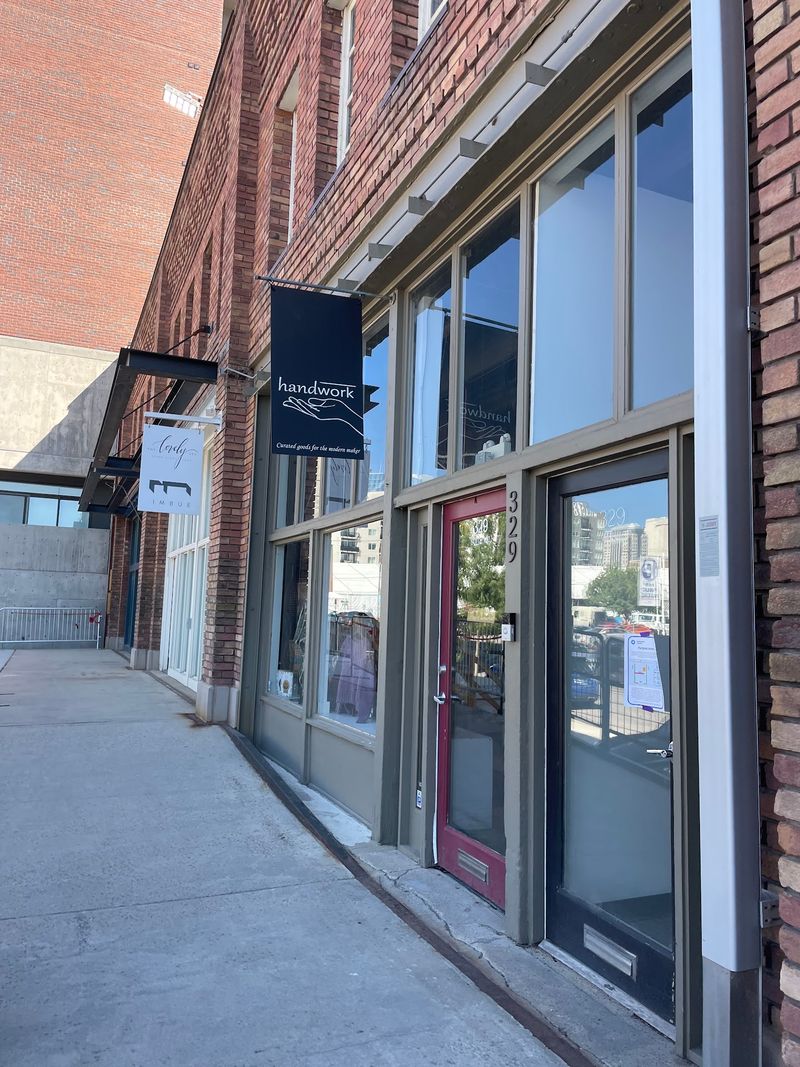
A store feels different when its address has a little backbone. Handwork operates in the Artspace building area on Pierpont Avenue, placing a modern fiber shop inside a part of Salt Lake City connected with older urban architecture and creative reuse.
That setting gives the visit more character than a plain strip mall stop.
The complete address, 329 Pierpont Ave #100, Salt Lake City, UT 84101, is useful to save because downtown street grids can make even confident adults briefly question their life choices. The shop is in the city core, so planning a quick stop while already in town is reasonable, especially for shoppers with a specific project need.
Handwork fits the building context well. Fiber craft is old work with modern tools, and the shop reflects that mix without turning it into a museum lesson.
Visitors get a practical retail stop, plus a small sense of Salt Lake City texture, which is exactly enough history for someone holding a pattern and trying to remember needle size.
Helpful Project Support Beats Guessing In The Aisle
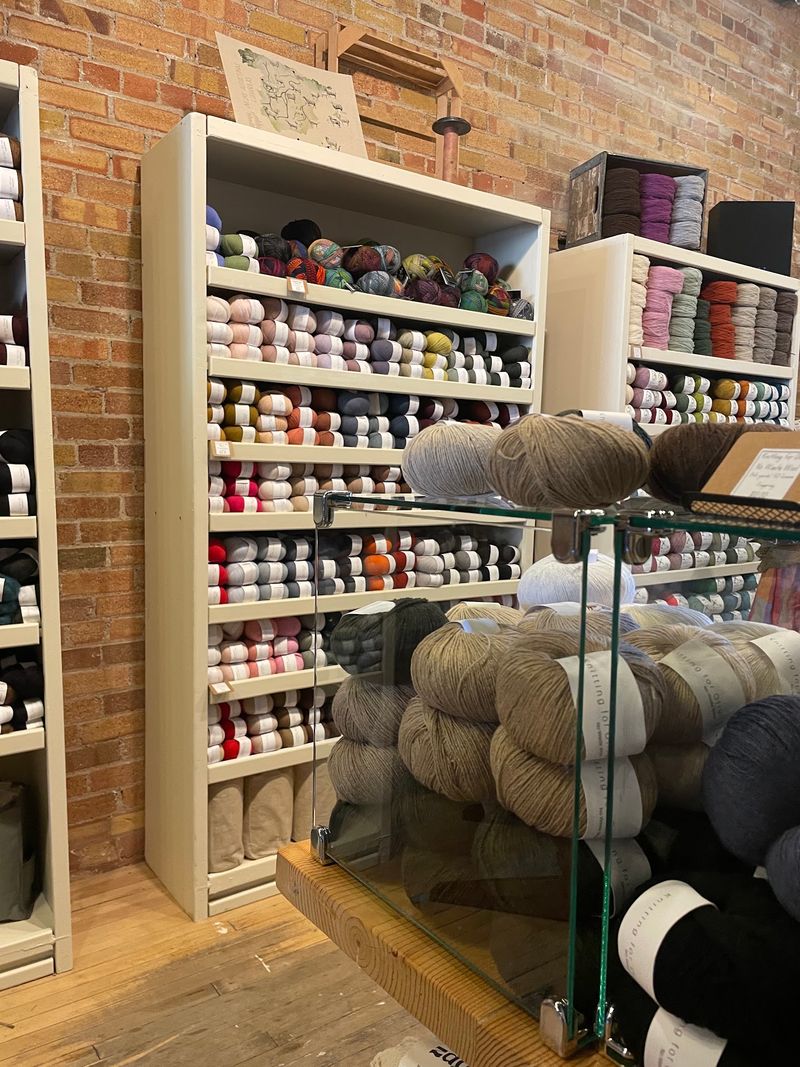
Every maker eventually meets the project that looks simple until the fine print starts acting superior. Handwork is useful because it offers project support in a setting where yarn, tools, and advice are already gathered together.
Shoppers can bring questions about patterns, fiber choice, yardage, or the next sensible step.
That kind of help is more than customer service polish. Yarn substitution can affect size and texture.
Yardage math can sneak up on even capable people. A beginner may not know whether a kit, class, or simpler pattern is the better starting point.
Handwork gives those decisions a place to be sorted out before money and time are committed.
The shop also offers yarn winding for purchases, according to its public information and customer reports. That small service saves makers from wrestling skeins at home with improvised equipment and misplaced confidence.
Handwork understands that finishing a project depends on removing little barriers, not just selling beautiful materials and wishing everyone luck.
A Smart Stop For Travelers Who Pack Light
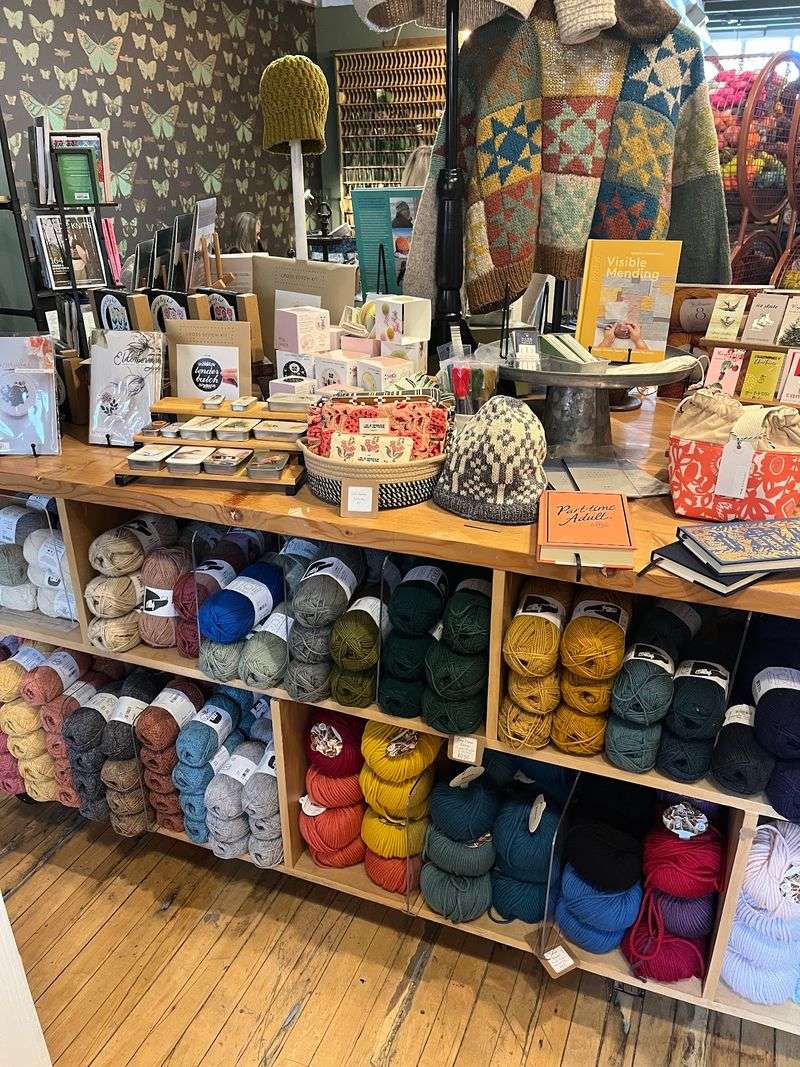
Road trippers and business travelers do not always want another souvenir that needs dusting. Handwork offers a more useful kind of take home item: yarn for a future sweater, a compact kit, a tool that solves a nagging problem, or a pattern that keeps a trip attached to a real object.
Because Handwork focuses on fiber arts, a visitor can shop with a suitcase in mind. Small notions, embroidery kits, stitch markers, needles, and selected skeins travel more easily than bulky decor.
A project can also begin during downtime, which is a kinder use of waiting time than scrolling through six versions of the same weather forecast.
For travelers passing through Salt Lake City, the shop offers a grounded stop that still feels specific to Utah. It is not a generic airport gift shelf or a rushed big box errand.
Handwork gives makers a reason to step into the local craft scene, ask an informed question, and leave with something that has a job to do.
Families And Couples Can Share The Choice Making
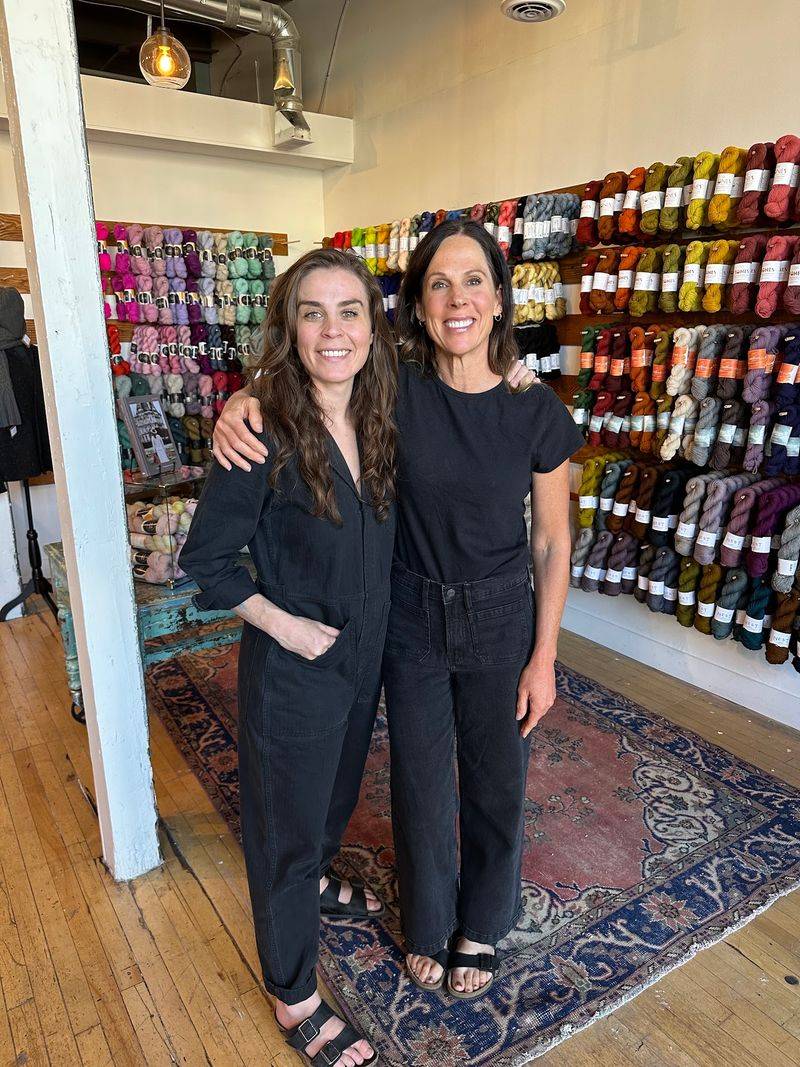
Creative outings work best when nobody has to pretend they understand everything immediately. Handwork suits mixed skill groups because browsing can happen at more than one speed.
One person can study yarn labels like a detective, while another compares kits, tools, books, or sample ideas without needing a full technical vocabulary.
Families with older children or teens can use the shop as a low pressure way to test interest in knitting, crochet, embroidery, or spinning. The key is choosing a project with a clear start, not handing someone a complicated pattern and calling it character building.
Handwork gives shoppers materials and classes that can make that first step more realistic.
Couples may find the same advantage. One person can shop for a serious project, while the other chooses a smaller kit or asks about beginner options.
Nobody needs to turn the stop into a dramatic declaration of lifelong craft devotion. At Handwork, shared decision making can stay pleasantly ordinary, which is often the secret ingredient in a good outing.
Why Handwork Feels Right For Salt Lake City Makers
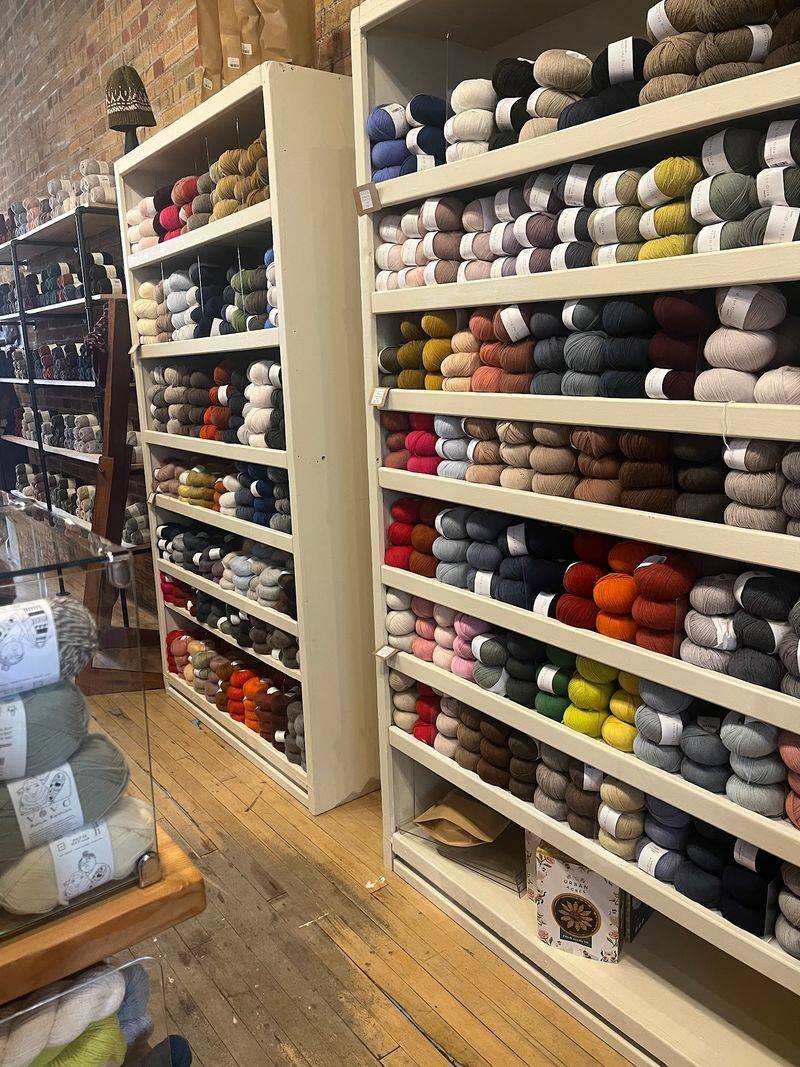
Handwork earns attention by being specific. It is a yarn store, a class space, a place for tools, a source for kits, and a practical stop for people who want fiber craft to feel less mysterious.
That focus is its strength, especially in a world very good at selling supplies without helping anyone finish anything.
Salt Lake City gives the shop a fitting backdrop. Utah has long rewarded useful skills, outdoor layers, handmade gifts, and hobbies that can survive a quiet evening.
Handwork brings those instincts into a modern retail space where quality materials and instruction sit close together. The result feels current without acting too impressed with itself.
For locals, professionals, solo visitors, weekend planners, and travelers, Handwork offers a simple promise: bring curiosity, leave with a clearer project. Maybe that means one skein, maybe a class signup, maybe a kit that finally explains what Saturday afternoon is for.
Tell your crafty friend to meet you at Handwork, and warn them that yarn math may be involved.