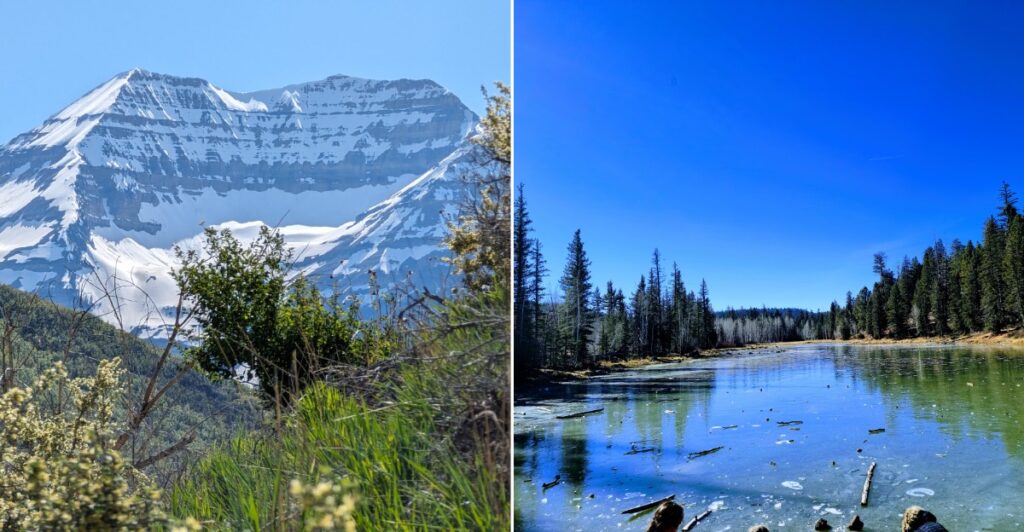
October makes mountain lakes feel like they are keeping a secret for anyone willing to bring a jacket. Cooler air sharpens the views, quieter shorelines change the pace, and even a short walk can feel like a proper escape.
Around Utah, some lakes are reached almost entirely by road, while others add an easy trail or shoreline path to the day. That variety means you can match the outing to your energy instead of turning every autumn trip into a workout.
Higher elevations deserve a little respect because sunshine can disappear quickly and temperatures can tumble faster than expected. Pack a warm layer, check conditions, and leave room for the weather to rewrite the plan.
The reward is simple: clear water, mountain color, and enough silence to make you forget your phone for a while. By October, lake country across Utah can make a modest day trip feel much bigger.
1. Jordanelle Reservoir at Jordanelle State Park, Heber City
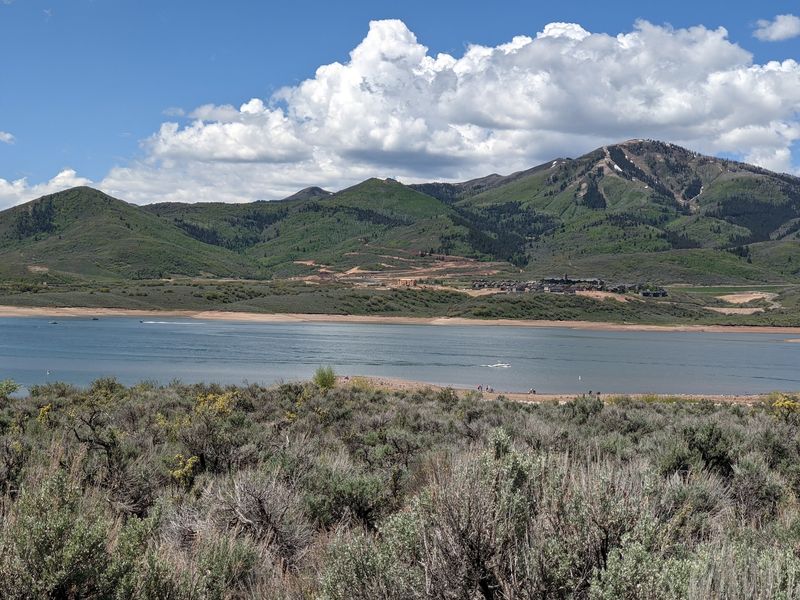
Not every mountain lake outing needs a trail map and a heroic breakfast. Jordanelle Reservoir at Jordanelle State Park gives you a large stretch of water near Heber City, with established park access instead of a long approach on foot.
It is a useful choice when the group wants a lake day but cannot agree on how much walking counts as fun.
The park stays open year-round, and its campgrounds operate through October 31. Those are separate details: an open park does not mean every facility or campsite is available on every October date.
Check the Utah State Parks page for the area you plan to use, especially if you hope to stay overnight. Jordanelle has more than one park access area, so choose your destination before setting out rather than treating the reservoir as a single roadside stop.
For a simple visit, bring a warm layer and allow time to enjoy the water from an established public area. October weather around Utah reservoirs can change a day plan quickly, and water conditions deserve more respect than a photograph suggests.
Families can keep the outing short; couples or solo travelers can make the lake the main event. Either way, the practical advantage is clear: the shoreline is the destination, not the reward for a climb.
2. Deer Creek Reservoir at Deer Creek State Park, Wallsburg
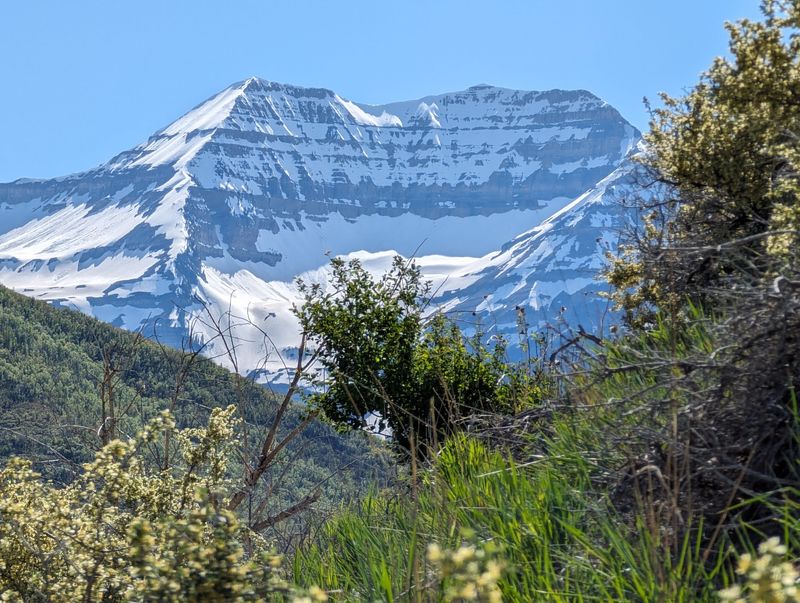
A lake that does not require guessing where to pull over is a fine October invention. Deer Creek Reservoir at Deer Creek State Park has established recreation access beside the water in the Heber Valley area.
For travelers who would rather spend their time looking at the reservoir than finding a trailhead, that matters.
The park operates in both summer and winter, but those seasons do not promise identical services. Before leaving, check the state park’s current conditions for the specific entrance and activity you have in mind.
The supplied address, 5312 US-189 in Wallsburg, is a useful starting point for navigation; confirm that it leads to the part of the park you intend to visit. Utah’s October days also have fewer daylight hours than summer trips, so keep the drive home in your plan.
Deer Creek works especially well as a flexible outing. You can aim for a brief look at the lake without committing the whole day, or leave more time if current park conditions support your plans.
Pack layers, bring drinking water, and do not assume that a warm afternoon means warm water. The appeal is refreshingly direct: mountains, a substantial reservoir, and public access that does not ask visitors to earn the view first.
3. Tibble Fork Reservoir, American Fork Canyon
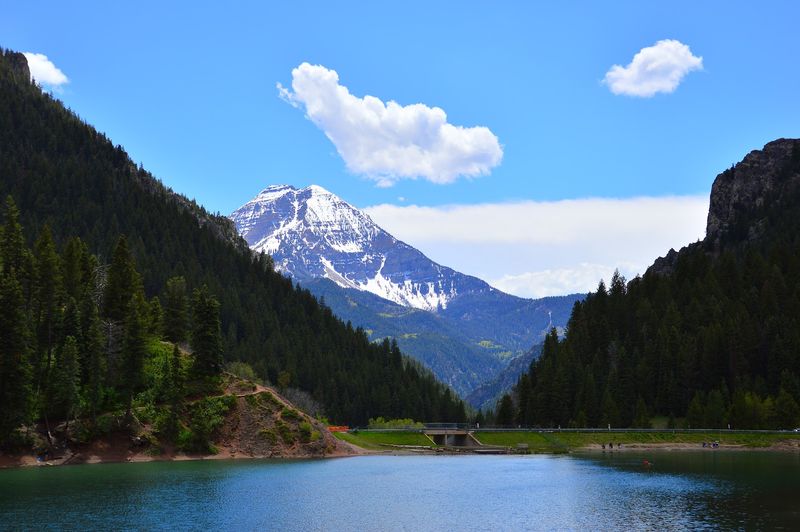
American Fork Canyon has a way of making a short outing feel much farther from the calendar. Tibble Fork Reservoir sits in that Wasatch Mountain setting, with the lake itself as the point of the trip.
It is a practical option for someone who wants mountain scenery without making a long hike the price of admission.
Keep the plan centered on the reservoir rather than promising a particular trail or water activity. Canyon conditions can shift in October, and mountain roads may need attention after a change in weather.
Check current road and recreation notices before you go, then use the exact reservoir name in your directions. American Fork Canyon contains several destinations, and a pin dropped on the canyon as a whole will not do much for your afternoon.
A visit here suits the traveler who likes a little flexibility. Bring shoes that can handle uneven ground if you plan to move beyond a developed access area, plus layers for changing conditions.
If the forecast looks doubtful, consider a shorter stop instead of trying to rescue an ambitious schedule. Tibble Fork Reservoir earns its place on this list through its accessible canyon setting: you can make the lake your goal, not a distant point on a demanding route.
4. Silver Lake, Brighton
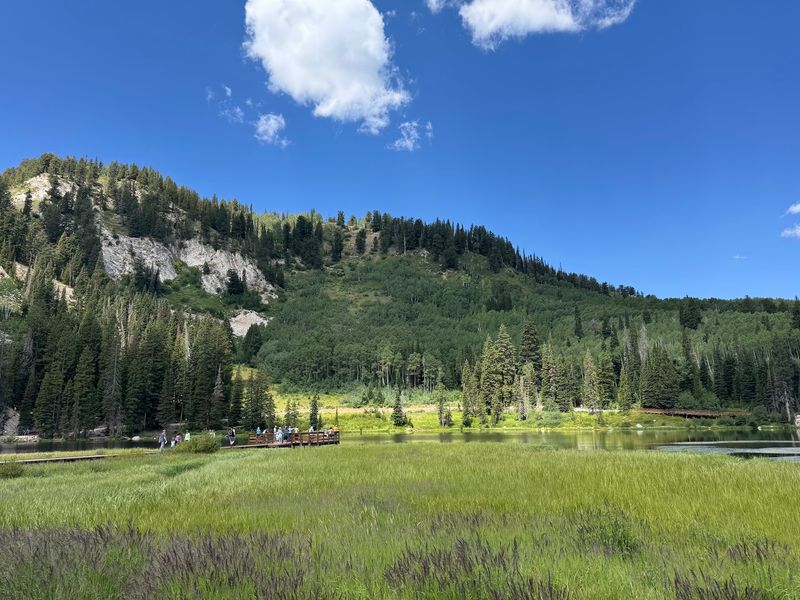
Here is an alpine lake with an unusually kind introduction: a boardwalk. Silver Lake sits immediately beside the Silver Lake Recreation Area in Brighton, and its short boardwalk trail lets visitors enjoy the setting without signing up for a major climb.
For families managing different walking speeds, that is a genuinely useful design choice.
Be careful with the name when planning. Utah has other places called Silver Lake, but this entry means the one in Brighton at the recreation area, not a similarly named lake reached by a longer hike.
Check current Big Cottonwood Canyon road conditions and recreation notices before driving up. October can bring a change in mountain weather, and a boardwalk does not make the surrounding canyon immune to it.
The simple plan is to treat the lake and its established path as the outing, not as the first stage of a bigger trek. Wear shoes suited to outdoor walking, give yourself time to turn around comfortably, and follow any posted instructions at the site.
Silver Lake makes a strong introduction to Utah’s higher lakes because the walk is short while the setting still feels distinctly alpine. The boardwalk handles the route finding, leaving you to handle the important question of whether you packed enough layers.
5. Causey Reservoir, Huntsville
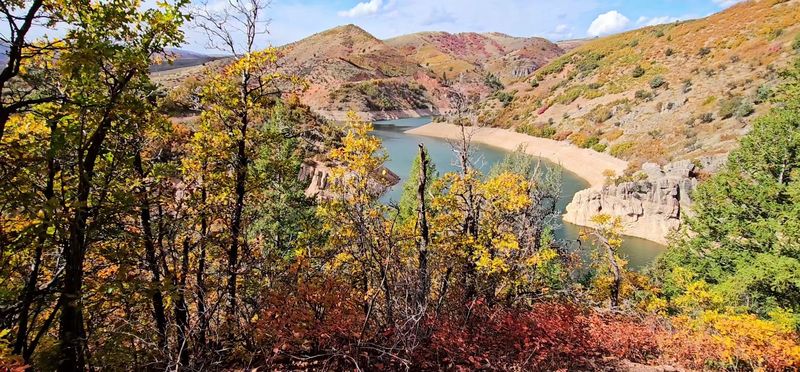
Some reservoirs spread out like a wide sheet. Causey Reservoir takes a narrower, more winding shape among the mountains near Huntsville, giving a quick look at the water a character of its own.
You do not need to promise yourself an all-day expedition to appreciate that difference.
Forest Service planning documents classify the Causey Reservoir observation site for year-round operation. That describes the site’s planned operating period, not a guarantee that every road, surface, or facility will be clear on the day you visit.
Check current Forest Service information and road conditions before an October drive. Use the designated observation or public access areas, and do not treat an unfamiliar roadside shoulder as a parking area simply because the view looks tempting.
Causey is a good match for a measured trip: decide which public viewpoint you want, check how to reach it, and leave room to adjust if conditions change. The reservoir’s shape also means that a map pin for the water may not point to the access you need.
That small bit of homework is more useful than packing a full hiking agenda. Among Utah lake outings, Causey makes the case for slowing down and looking carefully, even when the visit itself is fairly brief.
6. Fish Lake, Utah
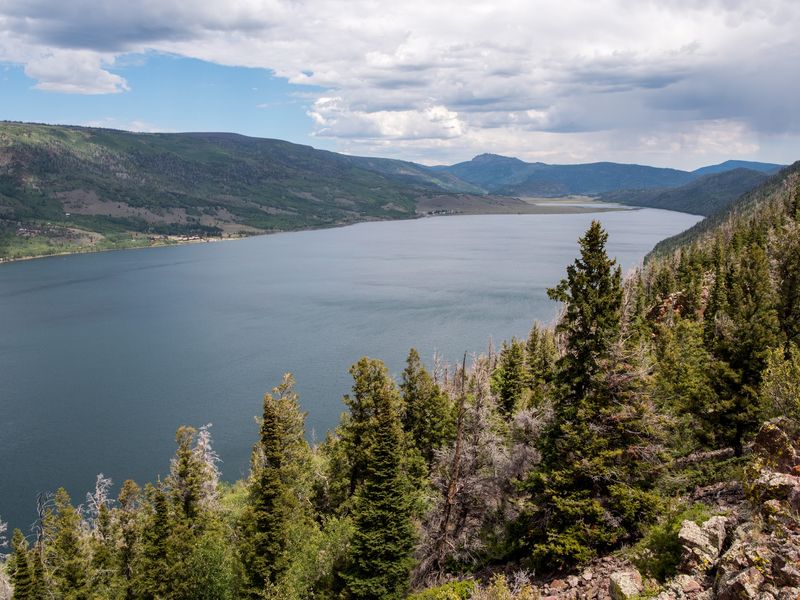
Fish Lake has a fact that does not need dressing up: the Forest Service identifies it as Utah’s largest natural mountain lake. That scale gives it a different feel from the smaller waters on this list.
A visit can be as simple as choosing a developed lakeside area and making the lake itself your afternoon’s main event.
Established recreation around Fish Lake continues into October at several sites, but operating dates vary. Look up the exact lakeside area you intend to use before committing to a campsite, day-use stop, or other plan.
Do not assume that every seasonal service stays available merely because another site beside the same lake does. Fish Lake is in Fishlake National Forest, so Forest Service notices are the sensible place to start.
For a relaxed outing, plan for the travel time as well as your time beside the water. Bring layers and check the forecast for the lake area, not just the town where your drive begins.
If you are traveling with someone who prefers less walking, pick an established access point in advance instead of improvising after arrival. The reward here is not a difficult approach or a list of activities to complete.
It is the uncommon size of a natural mountain lake, ready to anchor a day.
7. Panguitch Lake, Panguitch Lake
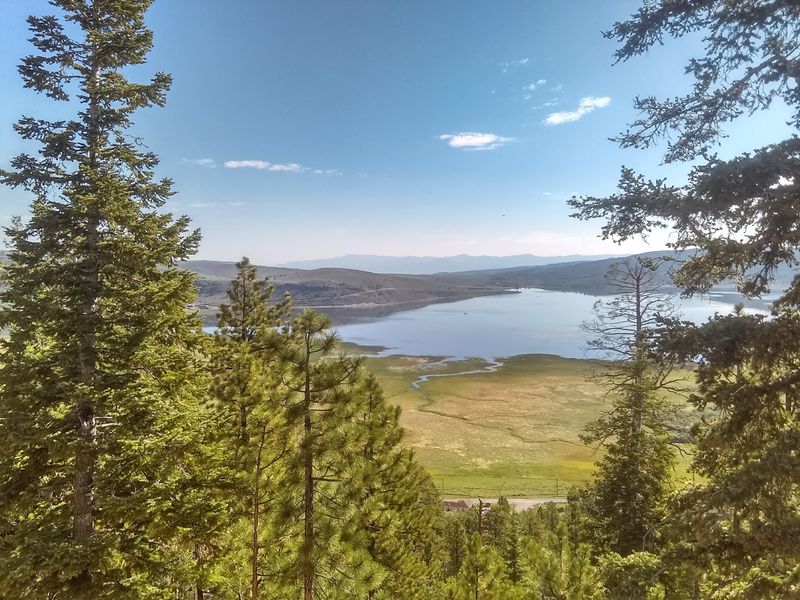
The helpful detail about Panguitch Lake is right on the map: State Route 143 runs along it. You can plan a mountain lake outing here without first choosing a long trail.
That makes the lake appealing to road trippers, mixed-age groups, and anyone whose October schedule has more room for a drive than a hike.
Panguitch Lake has developed recreation areas listed by the Forest Service, but listings alone do not settle which facilities are operating on your chosen date. Check current notices for the particular access area you want.
Also check road and weather conditions before heading into the mountains. A route that looks simple on paper still deserves a little respect when fall conditions begin to change.
It is tempting to treat every roadside lake as one quick photo stop. Panguitch Lake gives you a better reason to pause: its mountain setting is directly accessible from a state highway, so the view can be the plan rather than an accidental break along the way.
Choose a lawful public stopping place, bring a layer, and allow enough daylight for the return trip. The word easy here refers to reaching the lake, not to ignoring October’s mountain forecast.
8. Navajo Lake, Duck Creek Village
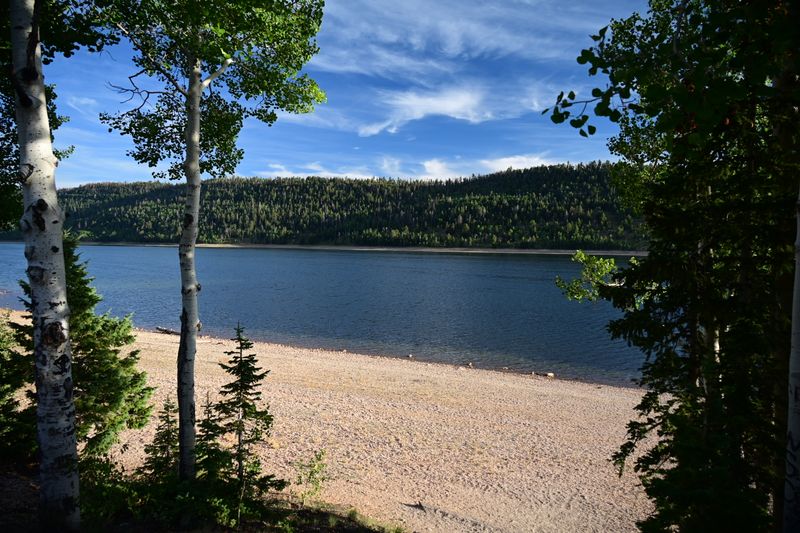
A lake day is easier to arrange when the public access is already part of the landscape. Navajo Lake, near Duck Creek Village, has developed recreation facilities and day-use access maintained within Dixie National Forest.
That gives visitors a more concrete starting point than simply driving toward a blue shape on a map.
Before setting out, decide which developed area you mean to use. Facilities around a lake can have different seasonal schedules, and October is a poor month for assuming that a summer service remains open.
Check the Forest Service’s current notices, confirm your route, and pack for changing conditions. The existence of day-use access does not mean every section of shore is suitable for parking or public use.
Navajo Lake works well for travelers who want the lake to organize the trip without requiring a long walk. Families can keep the visit focused on an established access area, while a solo traveler can build a quieter schedule around the drive and the stop.
There is no need to invent extra tasks to make the outing count. For this part of southern Utah, the practical combination of a mountain lake and maintained public recreation areas supplies plenty of reason to go.
9. Aspen Mirror Lake, Duck Creek Village
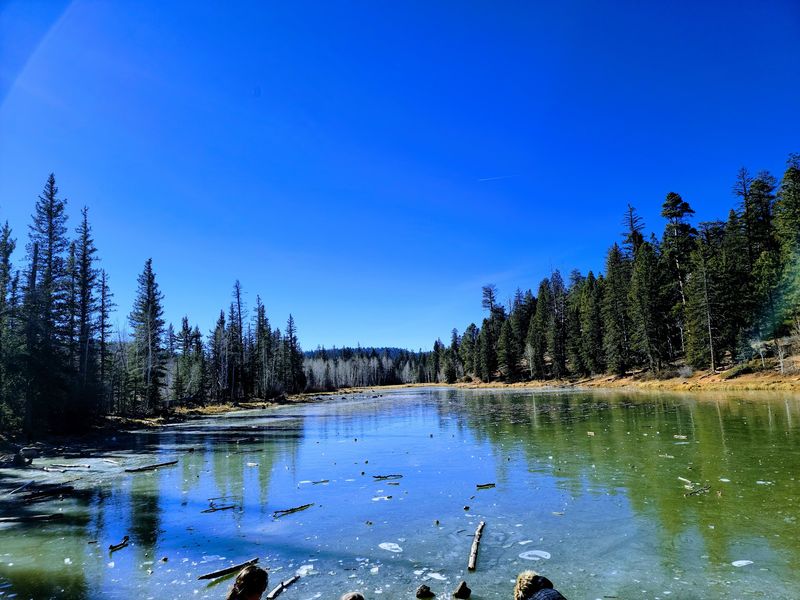
Small lakes have an advantage on a short-trip list: they do not ask you to measure the day in miles. Aspen Mirror Lake sits close to Duck Creek Village and belongs to the Cedar City Ranger District recreation network.
Compared with a remote backcountry lake, it is a far more manageable idea for an October outing.
Keep its name straight when searching for directions. Aspen Mirror Lake is the Duck Creek Village area destination, not Silver Lake’s boardwalk near Brighton or Mirror Lake along the High Uintas route.
Check current Forest Service information for access and any seasonal changes before you leave. Close to a village does not mean immune to mountain weather, and a short outing still calls for sensible shoes and a warm layer.
This is a pleasing choice when the goal is simply to spend time near a smaller lake rather than plan a full day of activities. Let the current access guidance shape how far you walk, and avoid assuming that every shoreline approach is an official path.
For travelers with limited time, Aspen Mirror Lake offers a clear idea: choose the correct lake, check conditions, and keep the visit modest. The lake’s manageable scale is the point, not a problem to solve.
10. Mirror Lake, Kamas
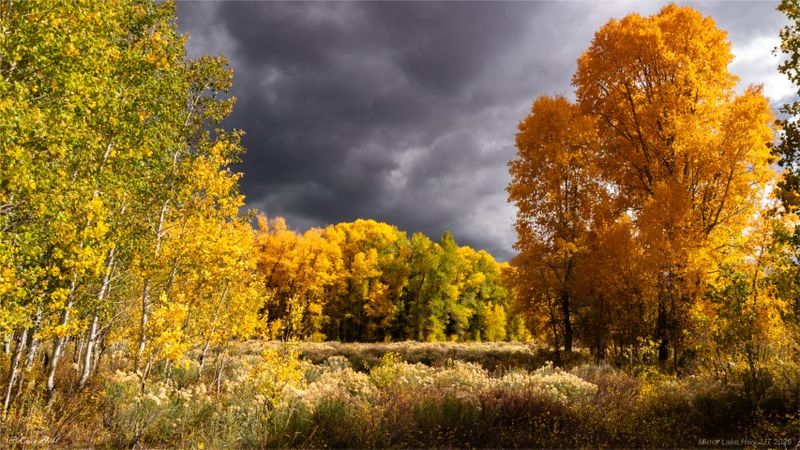
Mirror Lake gives a road trip a wonderfully clear destination: follow the Mirror Lake Scenic Byway into the High Uintas and make the lake your stop. The route provides access to a high mountain setting without requiring a long approach hike.
In early October, though, the elevation is part of the planning, not just part of the view.
The lake lies along the Highway 150 corridor near Kamas. Forest Service recreation information lists sites on the byway, but a listed site is not a promise of clear pavement throughout the month.
Snow can affect Highway 150 later in October, so check the current road status and forecast shortly before departure. If the route is closed or conditions are unsuitable, save Mirror Lake for another day rather than trying to outsmart a mountain road.
Pack warm layers, decide on your intended public access area, and leave plenty of daylight for the drive. Avoid mixing this lake up with Aspen Mirror Lake near Duck Creek Village; the names are close, but the trips are not.
For Utah travelers who want an accessible taste of the High Uintas, Mirror Lake is an appealing early-month plan. Its simplicity depends on one important bit of homework: confirming that the byway is actually open.