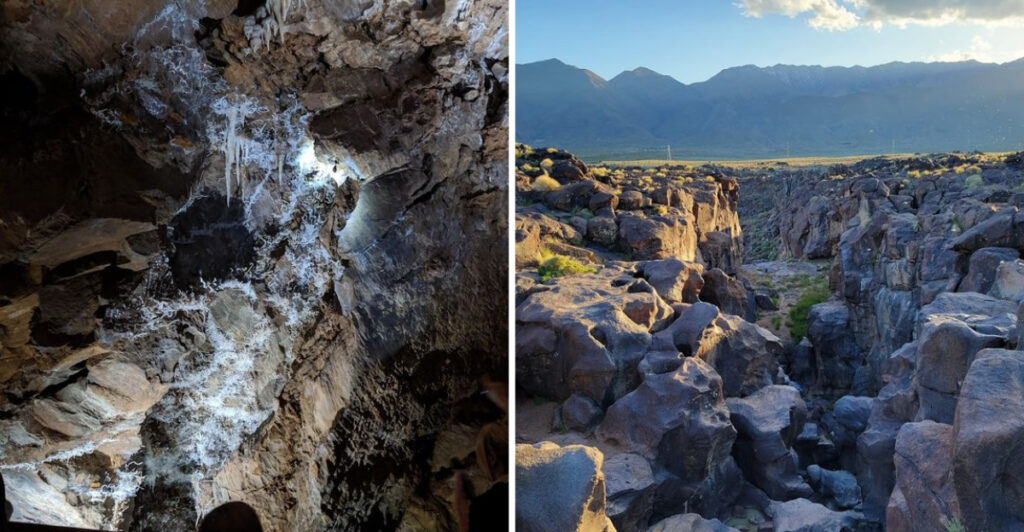
Sunshine and coastlines get all the attention, but California has another side that flips the entire experience. Step a few feet below the surface and everything changes fast.
Light fades, temperature drops, and the landscape turns into something completely different. These are the places where simple day trips take a sharp turn into something more memorable.
Some caves stretch wide and open. Others feel tight, winding, and full of surprises around every corner.
No two stops feel the same, and that is what makes this list work so well. The only thing left is choosing which one to explore first.
Lava Beds National Monument
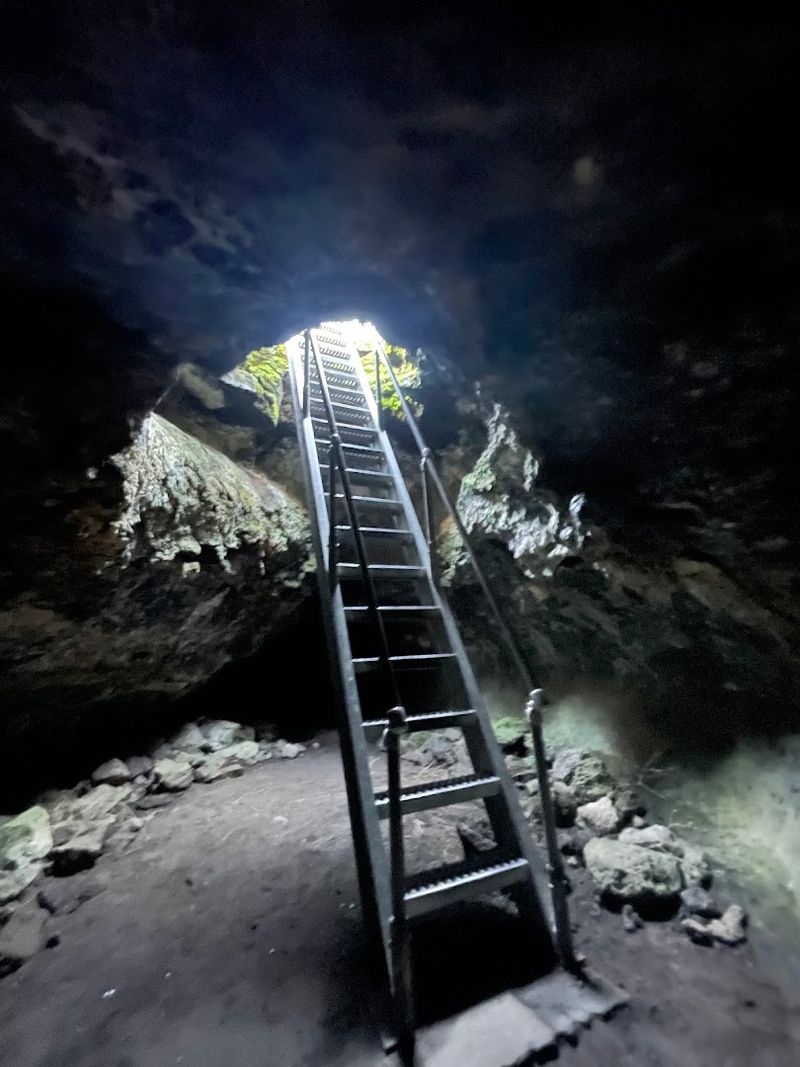
Have you ever heard of tunnels carved not by tools, but by fire?
This is where California goes full underground playground.
Lava Beds National Monument is not just one cave or a quick stop.
It is an entire landscape built around lava tubes, with more than 800 documented caves scattered across the monument.
That number alone changes expectations fast.
Exploring here feels different because there is no single guided route.
Visitors check in at the visitor center, grab a free caving permit, and then choose their own adventure.
Some caves are short and easy, like Mushpot Cave, which is lit and perfect for beginners.
Others are darker, rougher, and demand a bit more effort.
Inside, the temperature stays around 55°F year-round, which makes every cave feel cool and steady no matter how hot it gets outside.
Flashlights, good shoes, and a sense of curiosity go a long way here.
This is not a one-and-done stop.
It is the kind of place where one cave turns into three, then five, and suddenly the entire day is gone.
Boyden Cavern
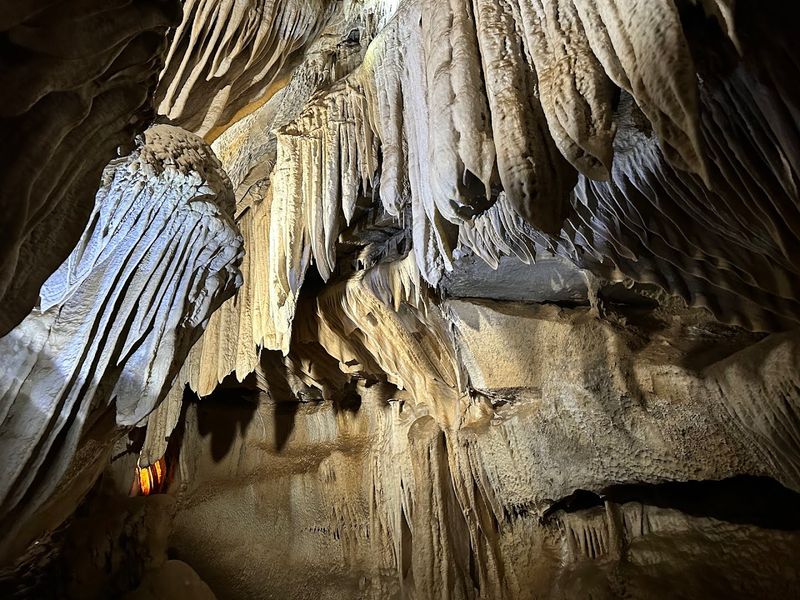
A winding mountain road leads straight into one of the most unexpectedly beautiful caves in California.
Boyden Cavern sits deep inside Kings Canyon along Highway 180, but it is not part of Kings Canyon National Park.
It is located within Sequoia National Forest and Giant Sequoia National Monument, tucked between steep rock walls and the rushing Kings River.
That setting alone makes it feel like more than a typical stop.
The cave is explored by guided tour only, which helps bring out details that might otherwise go unnoticed.
The route winds through polished marble passages, narrow corridors, and small chambers where formations hang, fold, and flow in unexpected ways.
Tours run about 45 to 60 minutes, making it easy to fit into a scenic canyon drive without turning into a full-day commitment.
What stands out most is how the cave blends into its surroundings.
It does not feel isolated or staged.
It feels like a natural extension of the canyon itself.
Between the dramatic drive, the cool air inside, and the shifting shapes of the stone, this stop delivers a full experience that feels both relaxed and quietly impressive.
Crystal Cave
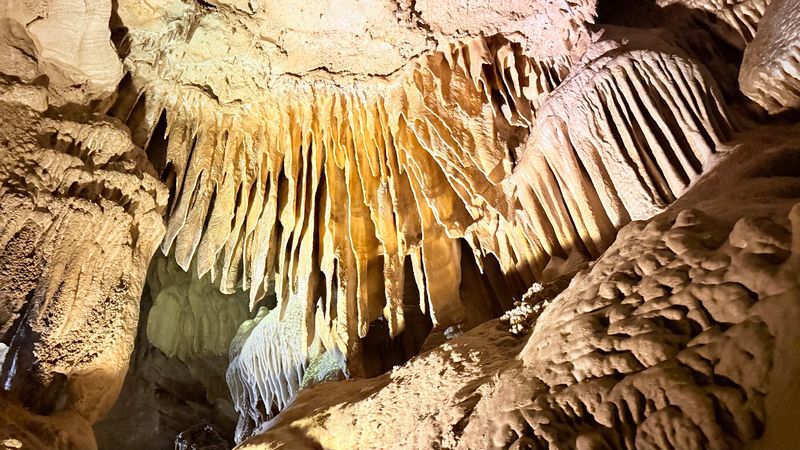
Some places sound impressive on paper. This one actually lives up to it.
Crystal Cave, located within Sequoia National Park, is one of California’s most well-known marble caves, and it earns that reputation quickly.
Reaching it takes effort, with a steep half-mile walk that sets the tone before the cave even comes into view.
Access is by guided tour only, and planning ahead is essential.
Tickets must be purchased online in advance through the Sequoia Parks Conservancy, as they are not sold at the cave or visitor centers. Once inside, the space shifts dramatically.
Smooth marble walls curve through narrow passages, then open into larger chambers filled with flowstone, stalactites, and formations that reflect light in subtle, shifting tones.
The tour lasts about 50 minutes, but the overall visit feels much bigger once the hike and drive are factored in.
Seasonality also plays a role. Crystal Cave is typically open from late spring through fall, depending on conditions, so timing matters when planning a visit.
This is not a quick stop.
It is a full experience that rewards the effort with one of the most polished and memorable cave environments in the state.
Mercer Caverns
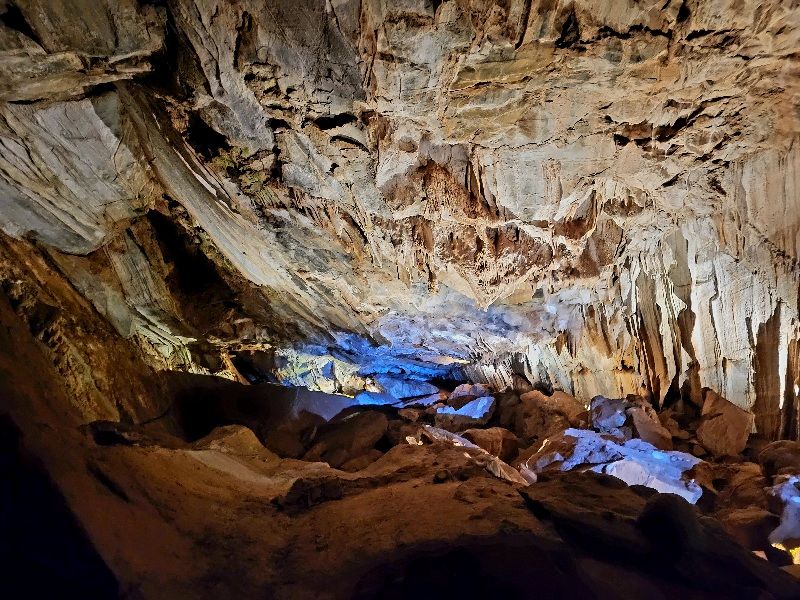
Gold Country keeps a few surprises tucked below the surface, and this one drops you straight into them.
Mercer Caverns sits just outside Murphys at 1665 Sheep Ranch Road, offering a classic, guided cave experience that has been drawing visitors for generations.
The entrance feels unassuming at first, but the shift happens quickly once the tour begins and the staircase leads downward into cooler, dimly lit space.
Tours run about 45 minutes, moving through narrow passages, steep stairways, and larger chambers where formations hang, stretch, and rise in every direction.
The layout keeps the experience active, with frequent changes in elevation and perspective that prevent it from ever feeling repetitive. What stands out most is the balance.
It feels adventurous enough to stay exciting, yet structured enough to remain accessible for most visitors willing to handle stairs and tighter spaces. The surrounding area adds to the appeal.
Murphys itself is lively and easy to explore, making this an ideal stop to pair with a full day in the Sierra foothills. Nothing about Mercer Caverns feels forced or overdone.
It delivers a straightforward, engaging cave experience that fits naturally into the region and leaves a strong impression without needing anything extra.
Moaning Cavern, Vallecito
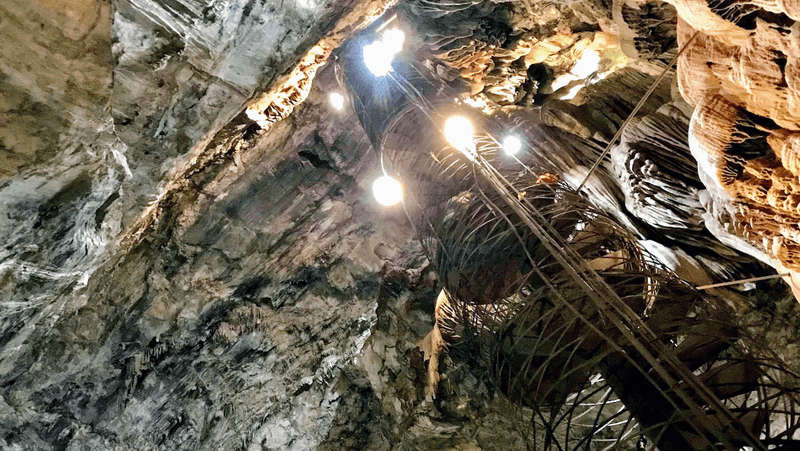
Some caves impress quietly. This one goes big immediately.
Moaning Cavern is home to California’s largest single cave chamber, and the scale becomes clear the moment the descent begins. The Spiral Tour drops visitors more than 165 feet underground, opening into a massive vertical space that feels almost impossible to fully take in.
The experience does not stop there. For those looking for something more intense, the cave also offers expedition-style tours that involve crawling, squeezing, and navigating tighter passages.
That range makes it one of the most versatile cave destinations in the state.
The setting in Calaveras County fits naturally with other Sierra foothill stops, but the cave itself stands out on its own.
This is the kind of place people talk about afterward, not just because they visited, but because it felt completely different from anything else on the trip.
Black Chasm Cavern, Volcano
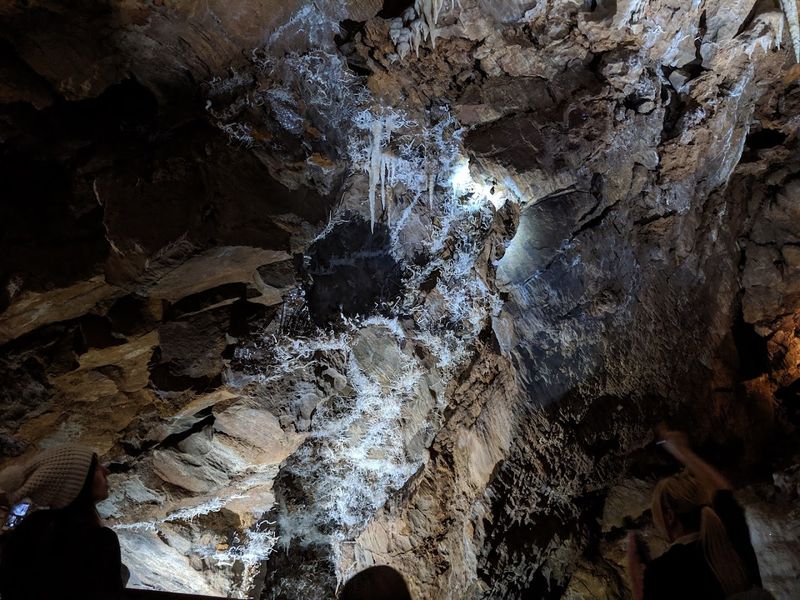
Not all caves rely on size to make an impression. Some win with detail.
Black Chasm Cavern is known for its rare and delicate formations, including helictites, which twist and grow in directions that seem to ignore gravity entirely.
Located in Amador County near Volcano, this cave offers guided tours that move through tight passages and carefully lit chambers, where every formation feels intentional and distinct.
The cave is also designated a National Natural Landmark, which adds a layer of recognition to what is already a standout underground space. It is not the biggest cave on the list, but it does not need to be.
The uniqueness of the formations does all the work.
What makes this stop especially memorable is how unusual everything feels once the tour gets going.
The chambers are not built around flashy scale or overwhelming drama.
They pull attention differently, with delicate mineral shapes, unexpected textures, and a setting that feels far more intricate than most visitors expect before stepping inside.
Lake Shasta Caverns, O’Brien
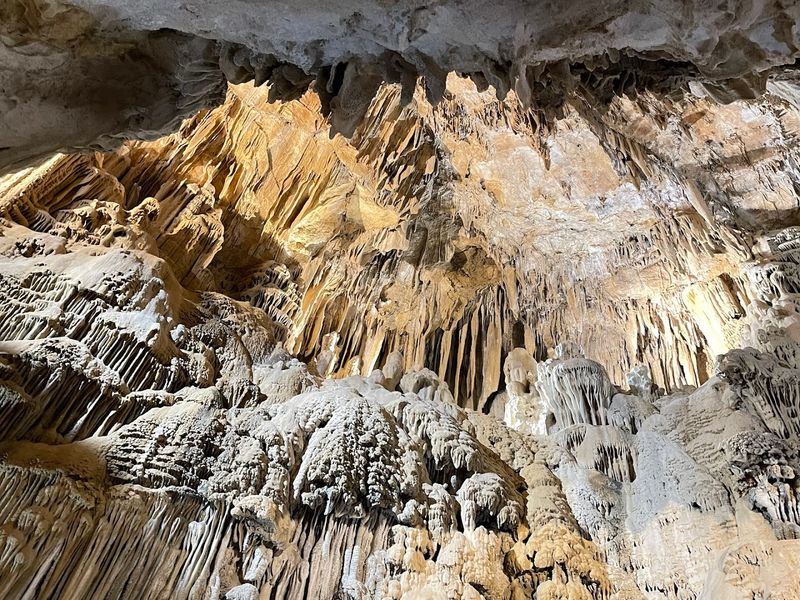
Getting to this cave is part of the experience, and it starts before the first step underground.
Lake Shasta Caverns sits near Lakehead, California, and reaching it requires a boat ride across the lake followed by a bus climb up the hillside. That extra effort changes the pace immediately.
Once inside, guided tours lead through limestone formations shaped over thousands of years, with large chambers and dramatic lighting that highlight the scale of the cave. The full experience feels layered.
Boat, bus, cave, and views all come together into something that goes beyond a simple stop.
It is not the fastest cave visit in the state, but it might be one of the most memorable.
There is something about the arrival that makes the cave feel bigger before the tour even begins.
The lake crossing builds anticipation, the uphill ride adds a sense of distance, and by the time the entrance comes into view, the whole stop already feels like an outing instead of a quick attraction.
Subway Cave
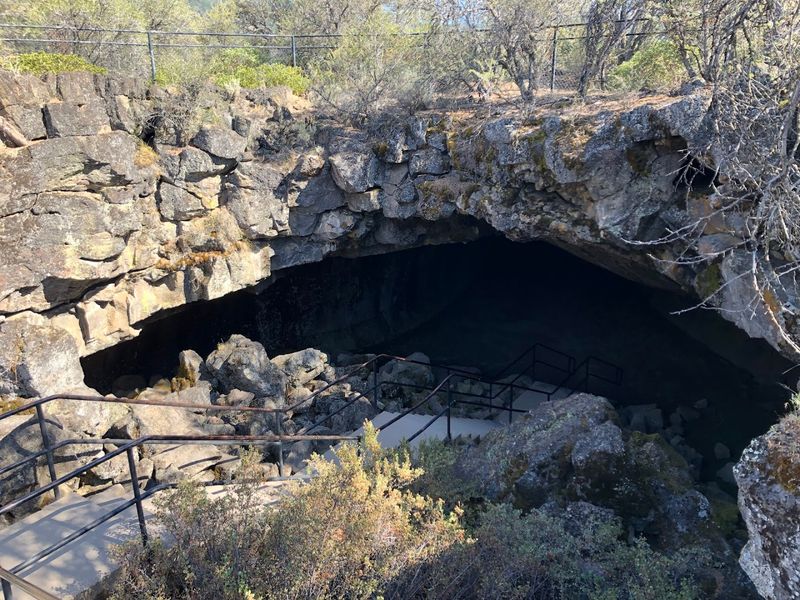
No ticket booth. No guided group.
Just a dark tunnel and a flashlight. Subway Cave offers a completely different kind of experience.
This lava tube stretches about one-third of a mile, and visitors walk through it at their own pace, moving from one end to the other through a naturally formed underground passage. The cave stays around 46°F, so it feels cool and steady even on hot days.
Access is typically available late spring through fall, depending on snow conditions, which is an important detail for planning.
This stop works because it is simple. No crowds, no structure, just a quiet, self-guided walk through a piece of California’s volcanic past.
That simplicity is exactly what gives it charm.
There is no elaborate setup competing for attention and no guided script shaping the experience.
It is just the sound of footsteps, a beam of light cutting through the dark, and the satisfying feeling of moving through a space formed by fire long before anyone thought to visit it.
The forest setting makes it even better. Everything feels calm before and after the cave, which gives the stop a nice rhythm instead of a rushed tourist feel.
It is easy, unusual, and memorable in a way that sneaks up on people.
Pinnacles National Park Bear Gulch Cave
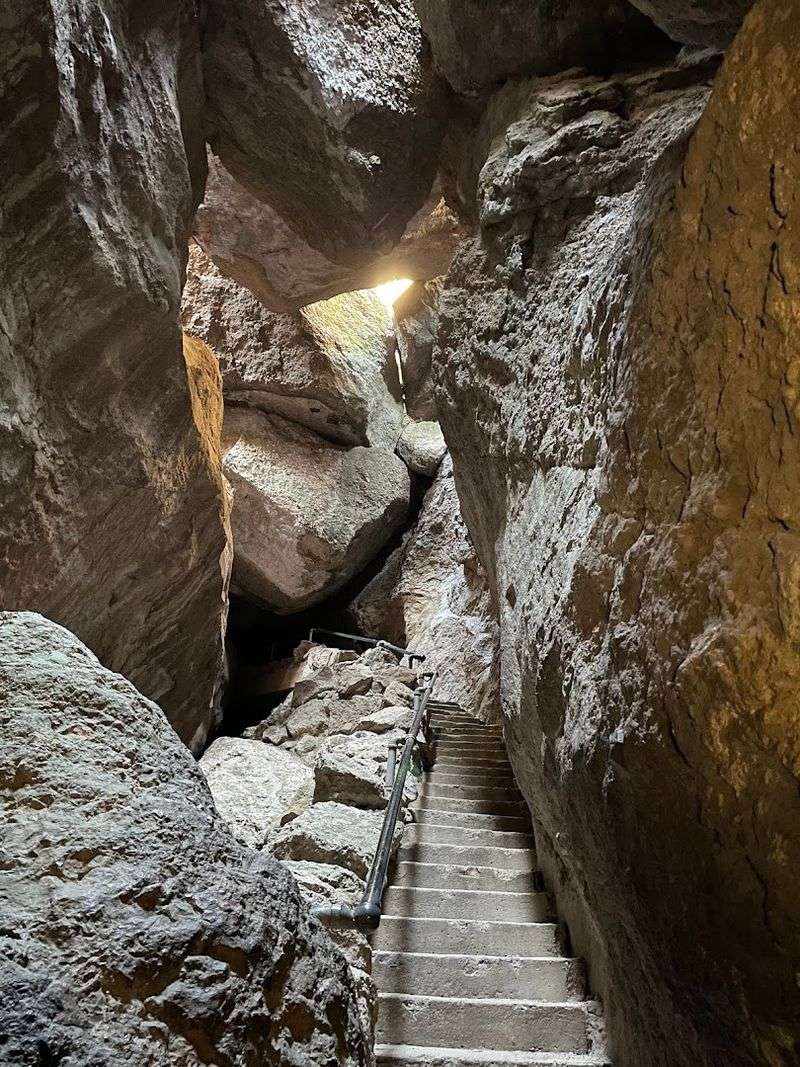
This one feels wild in a completely different way. Bear Gulch Cave is a talus cave, formed by massive boulders falling into a narrow canyon and creating tunnels and passageways underneath.
The result is a cave system that feels rough, uneven, and constantly shifting in character.
Visitors hike through it as part of a trail, climbing over rocks, ducking under low ceilings, and moving through spaces that feel more natural than polished. Access can change throughout the year.
Sections of the cave close seasonally to protect Townsend’s big-eared bats, so checking conditions ahead of time is essential.
When open, it is one of the most interactive cave experiences in California. Less structured, more physical, and far more unpredictable than the typical tour.
That unpredictability is a big part of the appeal.
One stretch feels dim and enclosed, the next opens up just enough to reset the mood, and then the trail shifts again.
It feels less like visiting a traditional cave attraction and more like threading through a hidden part of the landscape that never fully settles into one shape.
If you want, I can now combine all items into one polished full article section set so the tone stays fully consistent.
California Cavern

A cave with real history and just enough edge to keep things interesting makes this one stand out fast.
California Cavern, located in Mountain Ranch in Calaveras County, is one of the state’s oldest show caves, first opened to visitors in the 1850s during the Gold Rush era. That long history adds weight to the experience before the tour even begins.
Guided walking tours lead through large chambers filled with stalactites, flowstone, and formations that have been developing for thousands of years.
The lighting is simple and focused, which keeps attention on the natural shapes rather than distractions.
The cave holds a steady temperature of about 60°F, making it a comfortable stop regardless of the season.
Stairways and pathways keep the tour accessible, while still offering enough variation in elevation and space to stay engaging throughout.
For those who want something more hands-on, California Cavern also offers wild cave tours, where crawling through tighter passages and navigating uneven terrain becomes part of the experience.
The location fits naturally alongside other Sierra foothill stops, making it easy to add to a full day of exploring. It feels authentic, grounded, and well worth the visit.