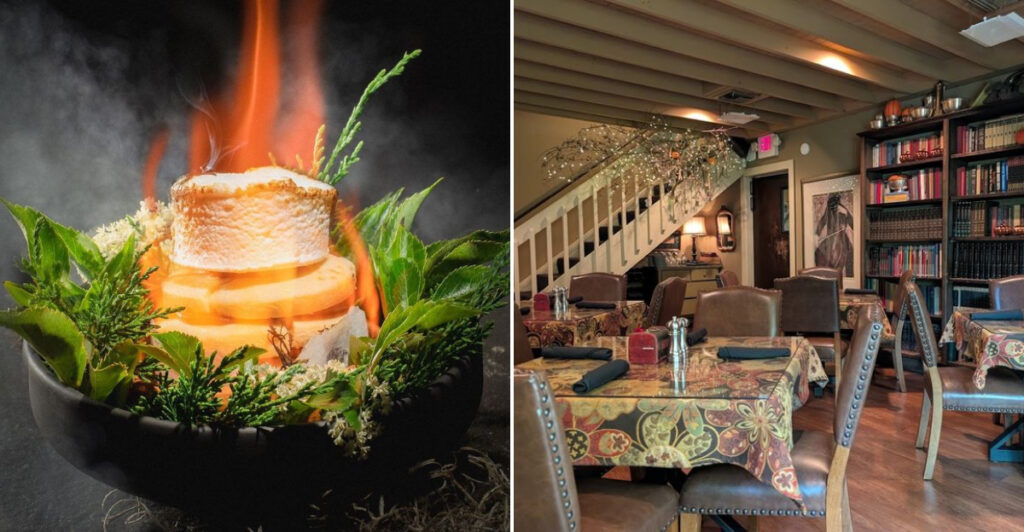
The best restaurants do not always announce themselves.
Sometimes, you find them on a quiet street and order something that sounds simple. At these spots, that “something simple” turns into a meal you crave until the very next time you have it.
Florida has plenty of places like that, though locals are not always eager to point them out.
These dining rooms rely on strong ingredients, confident cooking, and the kind of personality that cannot be manufactured by a marketing team.
You may pass one without noticing, which is probably how the regulars prefer it.
Look closer, though, and you will find meals that are thoughtful, memorable, and far more interesting than the loudest restaurant nearby.
Consider this your invitation to lower the volume and follow the food.
1. The Waterfront Restaurant
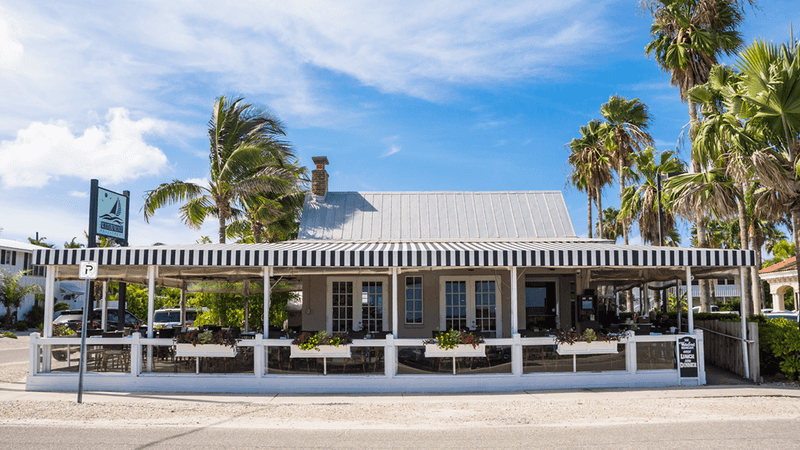
The water grabs your attention first, but fresh grouper quickly redirects it toward the plate. The Waterfront Restaurant pairs shoreline views with focused coastal cooking.
Fresh grouper is one of the menu’s main attractions. Pan-seared and blackened preparations highlight the fish without covering its natural flavor.
Gulf shrimp also receives plenty of attention. Simple seasoning allows the sweetness of the seafood to carry each plate.
You can find The Waterfront Restaurant at 111 S Bay Blvd, Anna Maria, close to the island’s northern shoreline.
Seasonal availability helps shape the menu. Fresh catches and local ingredients can change, giving returning diners something different to consider.
Anna Maria Island moves at a slower pace than many Florida beach destinations. The restaurant matches that rhythm with relaxed service and focused coastal cooking.
Anna Maria Island maintains a relaxed coastal rhythm. That slower atmosphere makes a long lunch easy to justify.
The kitchen avoids relying on the scenery alone. Careful preparation gives the seafood enough character to hold its own beside the view.
A grouper plate near the Gulf may sound like an obvious Florida choice. When the fish is fresh and the cooking stays confident, obvious becomes difficult to beat.
The Waterfront Restaurant proves quieter places can still leave a loud impression. One meal may turn an easy island stop into the reason for another trip.
2. Old Captiva House
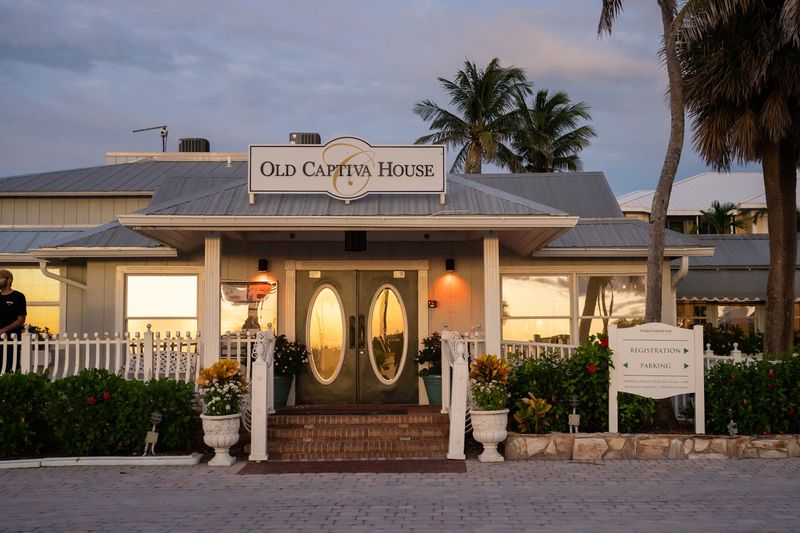
History returns for dinner inside one of Captiva’s landmark dining rooms. Old Captiva House combines Gulf-front scenery with seafood shaped by its island setting.
Florida coastal cuisine guides the menu. Fresh fish, snapper, and seasonal seafood connect each meal to the surrounding Gulf waters.
Stone crab claws may appear during Florida’s annual harvest season. Their sweet flavor needs little assistance when the catch is fresh.
Local fish preparations offer dependable choices throughout the year. The kitchen keeps the seafood central without covering it beneath heavy sauces.
Captiva Island has only a small permanent population. That gives the restaurant a calmer personality than dining rooms in busier Florida destinations.
Resort guests bring steady activity, yet the experience stays connected to island life. Dinner moves more slowly when the nearest traffic rush involves bicycles and beach carts.
Land-based entrées give mixed groups additional choices. Seafood still carries the strongest sense of place and makes the clearest case for dining here.
Serving visitors and island residents requires balance. The restaurant handles both crowds without losing the coastal focus that built its identity.
A long drive across the causeway becomes easier to forgive once fresh snapper reaches the table. The Gulf setting handles the rest of the persuasion.
Old Captiva House sits at 15951 Captiva Drive in Captiva, within ’Tween Waters Island Resort & Spa.
3. The Goblin Market
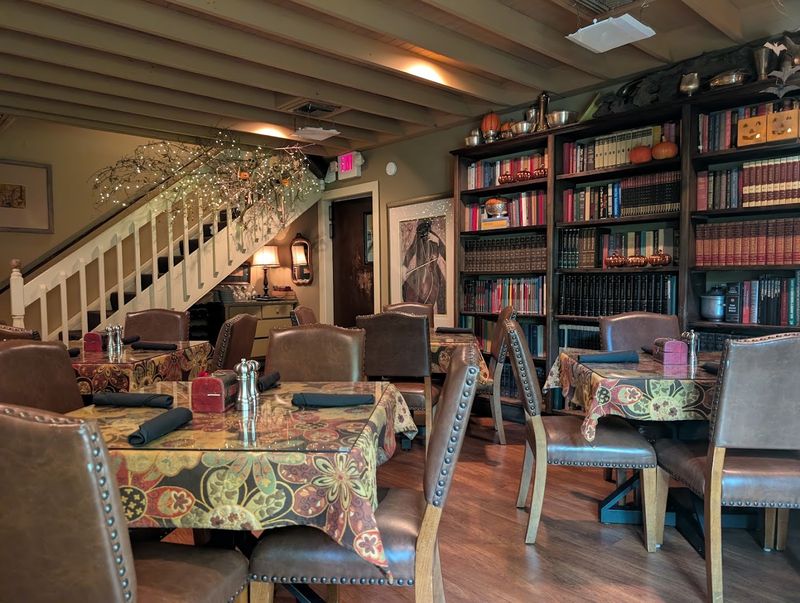
The Goblin Market gives Mount Dora a restaurant as imaginative as its name. The literary reference hints that dinner will not follow the usual small-town script.
You can find The Goblin Market at 330 Dora Drawdy Way, Mount Dora, near the town’s historic center.
The name comes from Christina Rossetti’s 1862 narrative poem. That choice gives the restaurant a distinctive identity before the menu enters the conversation.
American cooking forms the foundation, while international influences keep the dishes interesting. Duck confit, lamb, and creative vegetarian plates show the kitchen’s wider range.
Seasonal ingredients help guide the menu. Changes in produce and availability allow the kitchen to adjust without losing its personality.
Bread pudding has become one of the restaurant’s best-known desserts. Saving room may require strategy, but the final spoonful usually justifies it.
Mount Dora is known for antique shops, art events, and lakeside streets. The restaurant fits naturally into a town that appreciates character over predictability.
Its art-filled interior adds another layer to the experience. Guests can discover unusual details around the room while waiting for dinner.
A Victorian poem, duck confit, and a Central Florida setting make an unlikely combination. Somehow, the pieces land together without turning dinner into a costume party.
The Goblin Market proves quieter restaurants can still deliver plenty of personality. You may arrive for the curious name and return because the kitchen earned the final word.
4. Rose Villa Southern Table
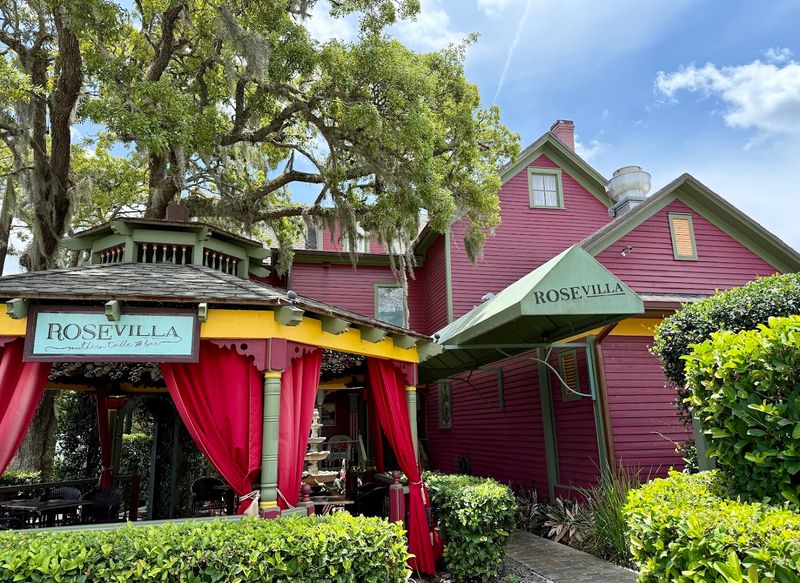
Start with stone-ground grits, then watch Southern comfort take control of the table. Rose Villa builds its identity around coastal ingredients and regional favorites.
Shrimp and grits is one of the kitchen’s signature dishes. Stone-ground grits bring a fuller corn flavor and a satisfying texture.
Fried green tomatoes and she-crab soup add more familiar Southern choices. Each dish reflects traditions found throughout the coastal Southeast.
You can find Rose Villa Southern Table at 43 W Granada Blvd, Ormond Beach, just north of Daytona Beach.
Fresh seafood links the menu to Florida’s Atlantic coast. Inland pantry staples add depth without pulling the kitchen away from its regional approach.
Pan-seared fish often arrives with Southern-style accompaniments. The combination gives a classic coastal plate more character than a basic catch-and-side order.
The restaurant knows exactly what kind of food it wants to serve. That confidence keeps the menu cohesive instead of chasing every passing trend.
Properly prepared grits can change an entire meal. One spoonful quickly explains why instant substitutes never earn the same loyalty.
Ormond Beach provides the coastal setting, while the kitchen brings the comfort. Together, they create a dinner that speaks clearly without raising its voice.
Rose Villa Southern Table proves focused cooking can make a lasting impression. You may arrive for the seafood and leave thinking about the grits.
5. Mar Vista Dockside Restaurant
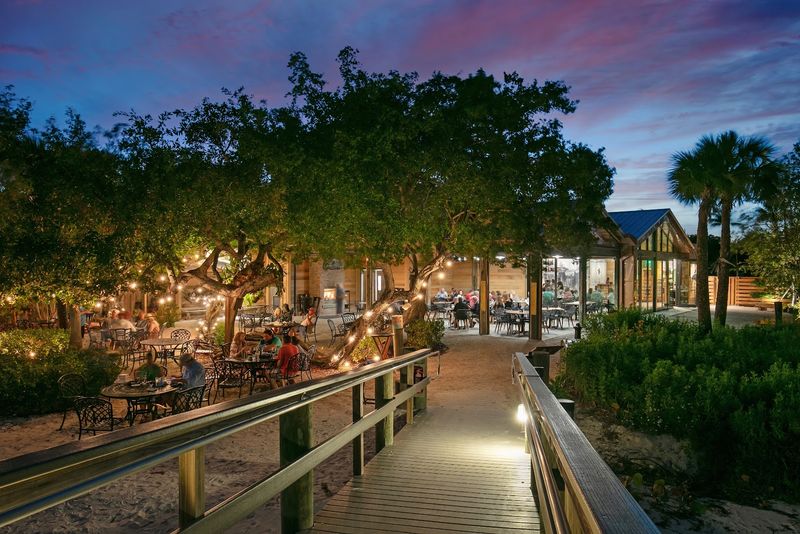
Mar Vista Dockside Restaurant brings more than a century of Longboat Key history to the table. The building began as a general store and fish house in 1912.
You can find Mar Vista Dockside Restaurant at 760 Broadway St, Longboat Key, near the island’s northern end.
Gulf seafood gives the menu its strongest local connection. Grouper sandwiches and fresh fish preparations keep the focus close to the surrounding water.
The dock plays a practical role in the experience. Boats can pull up directly, turning lunch into part of a day on the water.
Longboat Key stretches between Sarasota and Bradenton along Florida’s Gulf Coast. Productive fishing grounds nearby give the kitchen steady access to regional seafood.
Smoked fish dip adds another familiar Gulf Coast favorite. Its rich flavor makes a strong opening before the main plate arrives.
The historic setting gives the restaurant character without forcing the past into every detail. One look at the old structure explains how deeply the place connects to the island.
A restaurant that began life as a fish house and still serves fresh fish more than a century later has earned some confidence. Continuity rarely tastes this good.
The atmosphere stays casual, even with all that history. Guests can arrive by boat, settle near the dock, and let lunch stretch beyond the original plan.
Mar Vista Dockside Restaurant proves a quiet waterfront meal can carry decades of local story. The grouper simply gives that story a very good ending.
6. The Fat Snook
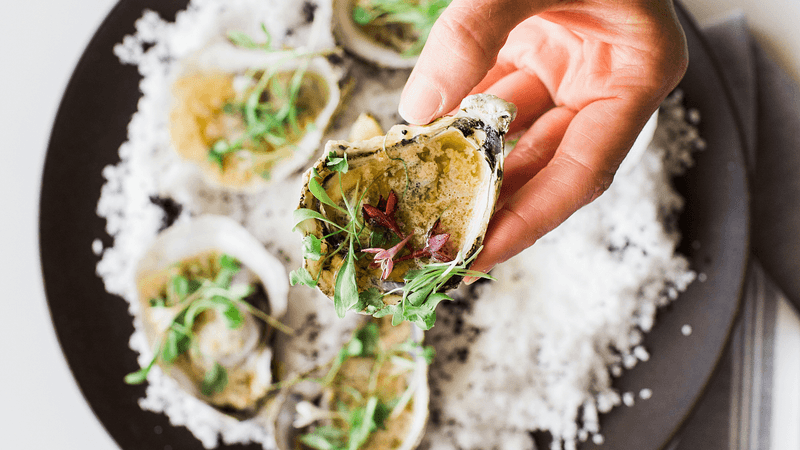
What happens when a beach-town kitchen refuses to coast on location? The Fat Snook answers with seasonal catches, bright accompaniments, and confident technique.
The restaurant takes its name from one of Florida’s prized game fish. That choice sets an immediate expectation for a kitchen closely connected to the coast.
The menu changes according to season and availability. That flexibility allows the kitchen to work with fresher ingredients instead of forcing the same dishes year-round.
Local fish may arrive with tropical fruit, grains, or bright sauces. Caribbean and Latin influences add range without distracting from the seafood.
Gulf shrimp also appears in inventive preparations. The kitchen treats familiar coastal ingredients with enough imagination to keep dinner surprising.
Cocoa Beach sits along Florida’s Space Coast near Kennedy Space Center. The area has its own identity beyond the usual beach-town formula.
Rotating dishes mean repeat visits can bring new options. The menu depends on what local waters and regional suppliers can provide.
Freshness is more than a talking point here. A changing menu requires confidence, flexibility, and a kitchen prepared to adjust quickly.
The restaurant proves a beach community can support ambitious cooking without unnecessary formality. You still get local seafood, only with a few unexpected turns.
You can find The Fat Snook at 2464 S Atlantic Ave, Cocoa Beach.
7. The Perfect Caper
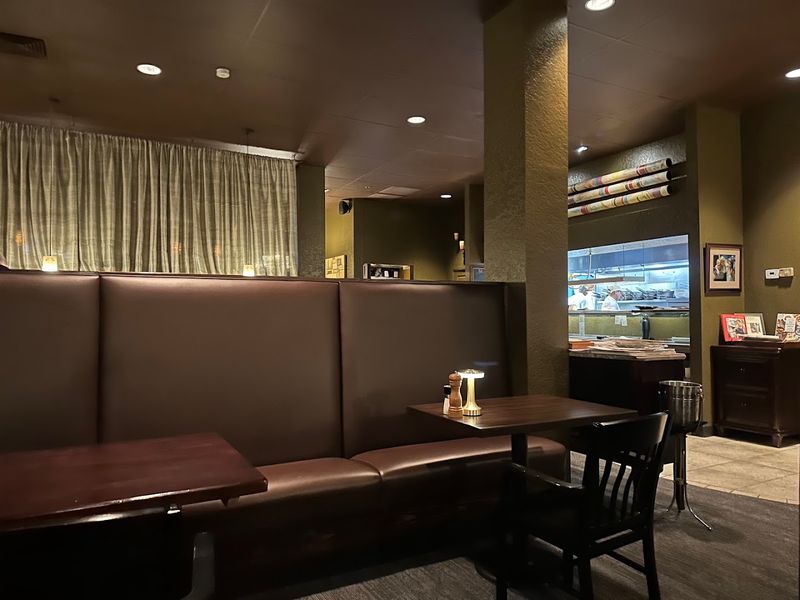
The Perfect Caper gives Punta Gorda a restaurant with far more ambition than its quiet location suggests. The kitchen treats American cooking with confidence and precision.
Seasonal ingredients shape many of the dishes. Gulf seafood, local produce, and carefully handled proteins give the menu a strong Florida connection.
Seared scallops, duck breast, and changing pasta preparations show the kitchen’s range. Each plate aims for balance without turning dinner into a science project.
You can find The Perfect Caper at 121 E Marion Ave, Punta Gorda, in the city’s historic downtown district.
Freshness guides the menu more than rigid consistency. That approach allows the kitchen to adjust when stronger ingredients become available.
Punta Gorda sits along Charlotte Harbor in Southwest Florida. The city is better known for boating, which makes this level of cooking an unexpected reward.
The downtown area was rebuilt extensively after Hurricane Charley in 2004. Restaurants and arts spaces now give the waterfront streets renewed energy.
Properly seared scallops can make a small city look very smart. One crisp edge and tender center can silence every assumption about needing a big-city address.
The dining room keeps attention on the food. Strong technique and seasonal choices create interest without unnecessary spectacle.
The Perfect Caper proves memorable cooking does not need a famous zip code. Punta Gorda simply gets to enjoy the advantage.
8. Collage Restaurant
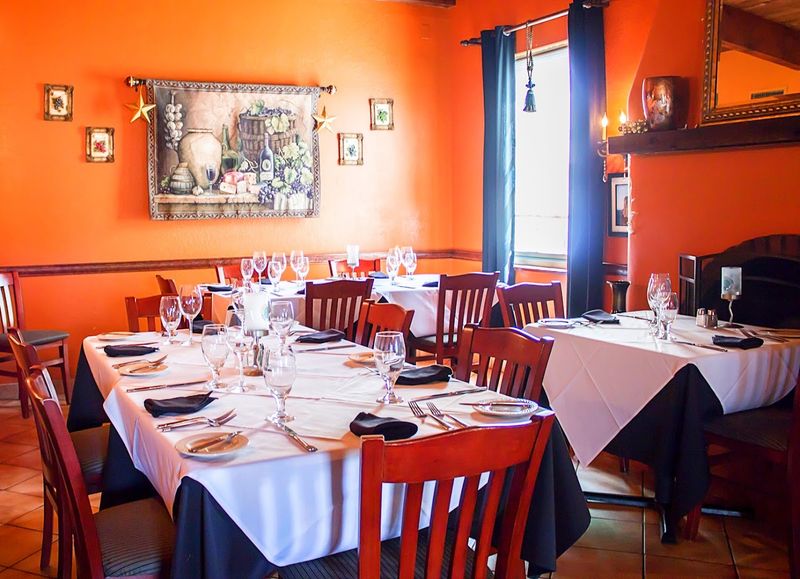
Collage Restaurant gives St. Augustine a menu that looks far beyond the city’s colonial past. Global influences keep dinner adventurous without losing focus.
Mediterranean, Asian, and American ideas appear throughout the menu. The kitchen connects them through careful technique instead of treating every plate like a separate experiment.
You can find Collage Restaurant at 60 Hypolita St, St. Augustine, inside the historic district.
Thai curry, rack of lamb, and seared fish show the menu’s range. Each dish keeps its own identity while fitting the restaurant’s broader style.
The dining room sits among buildings shaped by centuries of local history. That setting makes the internationally minded food even more interesting.
St. Augustine was founded in 1565 and remains the country’s oldest continuously occupied European-established settlement. Dinner here adds a modern chapter to that long story.
Asian-influenced sauces bring brightness to fresh fish. Mediterranean preparations give lamb and other proteins deeper, earthier flavors.
The menu is broad, but it does not become chaotic. Consistent cooking keeps the experience connected from the first course to dessert.
Eating Thai curry near centuries-old Spanish architecture creates an unusual contrast. St. Augustine handles that kind of surprise better than most cities.
Collage Restaurant proves a quiet dining room can still travel widely. You stay on Hypolita Street while the menu does the exploring.
9. Llama Restaurant
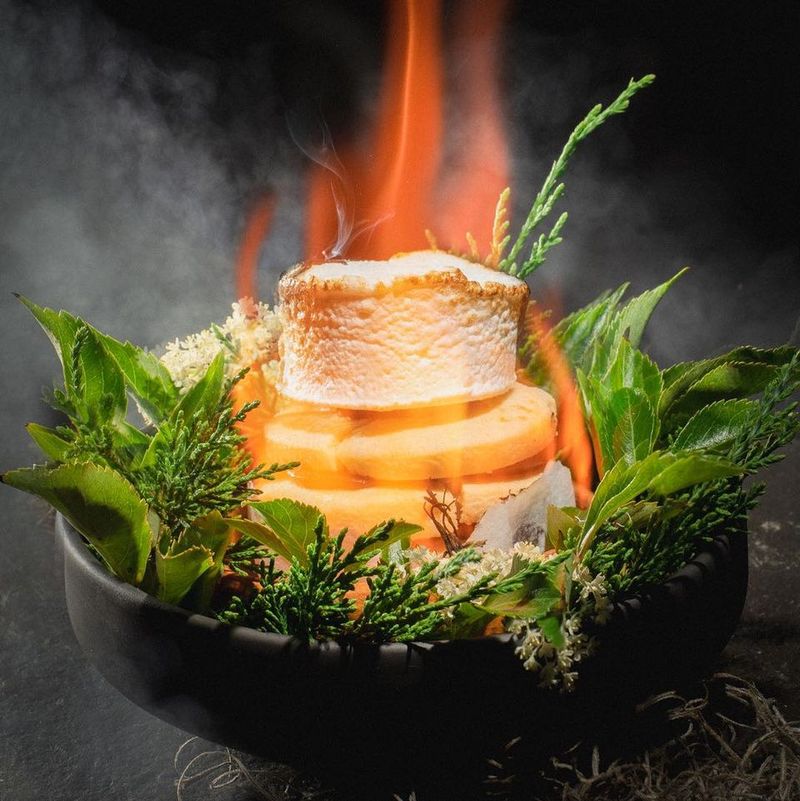
Llama Restaurant brings Peruvian cooking to St. Augustine with confidence and a clear sense of identity. The menu gives the city’s dining scene a welcome change of pace.
Peruvian cuisine blends Indigenous Andean traditions with Spanish, Chinese, and Japanese influences. That layered history gives the kitchen a wide range of flavors to explore.
Ceviche is one of the restaurant’s defining dishes. Fresh fish is cured in citrus and served with leche de tigre, the bright marinade central to the Peruvian preparation.
Timing is crucial with ceviche. Leave the fish too long and texture suffers, so precision carries as much weight as freshness.
Lomo saltado offers a completely different experience. Beef, tomatoes, onions, and fries meet soy and vinegar in a dish shaped by Chinese influence in Peru.
The combination may sound unusual on paper. One bite quickly explains why it became a national favorite.
Other dishes draw on peppers, herbs, grains, and traditional Peruvian techniques. The result is a menu with depth, warmth, and plenty of personality.
St. Augustine already knows how to mix different eras and cultures. A Peruvian meal fits surprisingly well in a city built on centuries of overlapping history.
Dining here turns dinner into a small lesson without making the evening resemble homework. The flavors handle the teaching, and your fork does the research.
You can find Llama Restaurant at 415 Anastasia Blvd, St. Augustine.
10. 1921 Mount Dora
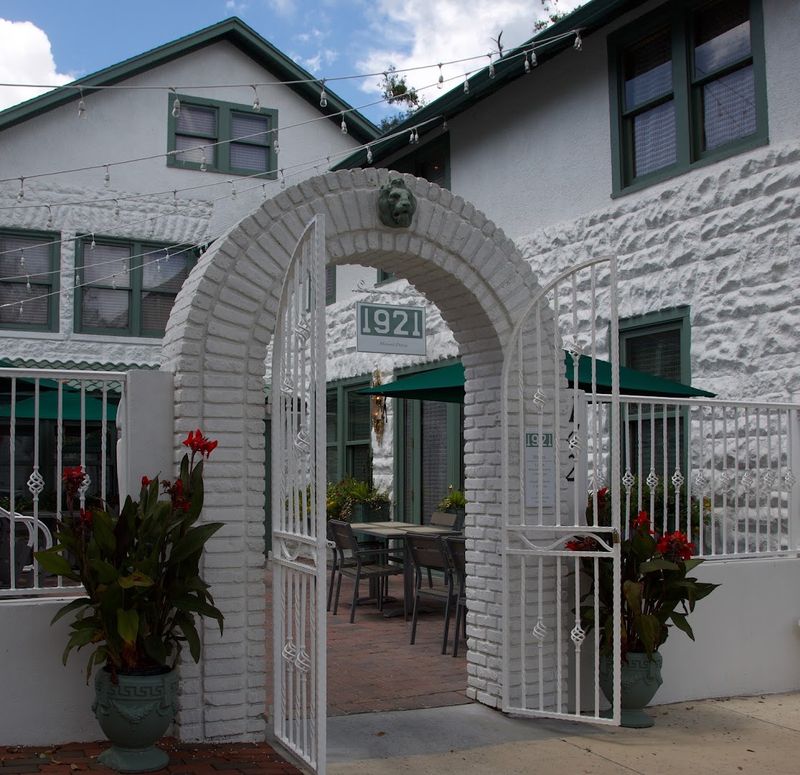
1921 Mount Dora pairs contemporary Florida cooking with a historic downtown setting. Its name refers to the converted house, which was built in 1921.
You can find 1921 Mount Dora at 142 E 4th Ave, Mount Dora, in the heart of the historic downtown district.
The kitchen focuses on New American dishes with Southern influence. Florida-grown produce and regional seafood help give the menu a strong local identity.
Braised short rib, seared duck breast, and Gulf seafood show the kitchen’s range. Each plate receives enough care to seem special without becoming overly formal.
Mount Dora sits about 25 miles northwest of Orlando. Its lake views, antique shops, and historic streets give dinner a quieter backdrop than the nearby theme-park corridor.
The dining room includes subtle references to the 1920s. Those details support the setting without turning the space into a history exhibit.
Seasonal ingredients give the kitchen room to adjust. Fresh produce and changing seafood choices keep the menu connected to what is available.
Mount Dora already has a reputation for charm, but the food gives visitors another reason to linger. A strong dinner can be more persuasive than another antique shop.
The restaurant balances history and modern cooking with confidence. Neither side overwhelms the other, which keeps the experience clear and comfortable.
1921 Mount Dora proves a small Central Florida town can support serious cooking. The address may be quiet, but the final plate has plenty to say.