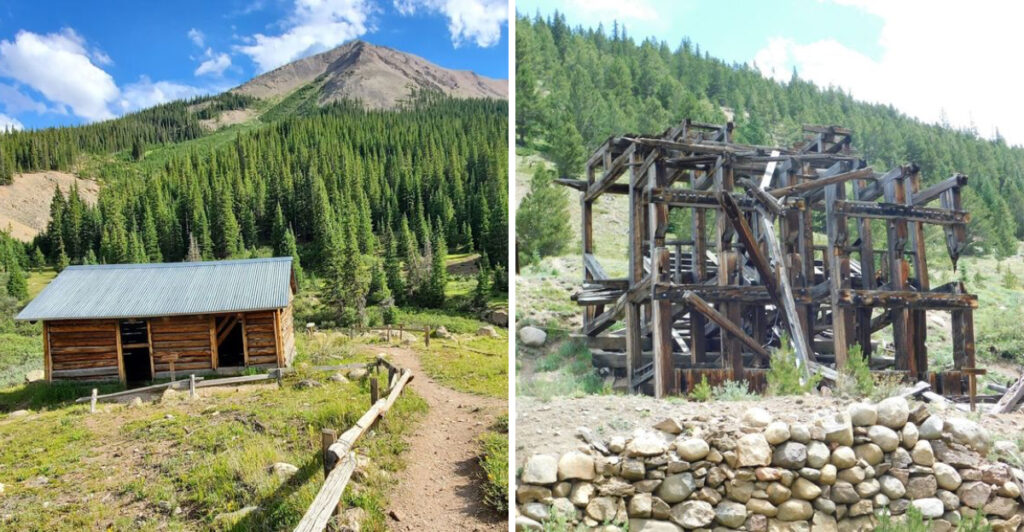
Gold discovered on the Fourth of July, a town that went from tents to a thousand residents in under three years, and a final winter so brutal it forced the last survivors to tear planks from their own homes just to escape.
Colorado is full of mining history, but very few ghost towns pack this much drama into such a short lifespan.
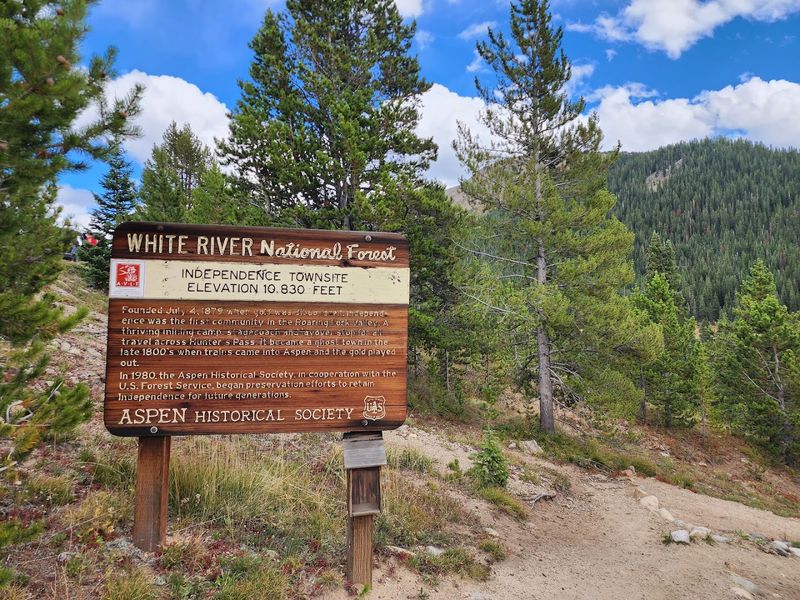
Perched at nearly 10,900 feet in the White River National Forest, this forgotten site sits just miles from one of the most visited towns in the state, yet almost nobody knows it exists.
Preserved ruins, interpretive trails, jaw-dropping alpine scenery, and a backstory that genuinely earns every superlative. Colorado keeps some of its best secrets hiding in plain sight, and this one is long overdue for its moment.
Born On The Fourth Of July
July 4, 1879, was not just a national holiday for a group of prospectors exploring the Colorado Rockies. It was the day they struck gold, literally, discovering the Independence Gold Lode high in the mountains above what would become one of the region’s most talked-about settlements.
The timing felt almost too perfect. Founding a mining camp on Independence Day gave the new settlement its name instantly.
Nobody needed to debate it around a campfire. The name just made sense, and it stuck through every version of the town’s short but eventful life.
Colorado has plenty of mining history tucked into its mountains, but few towns can claim such a dramatically symbolic birthday. The discovery sparked immediate excitement, drawing prospectors from surrounding areas who were eager for their share of the mountain’s riches.
That single summer day set off a chain of events that would shape the entire Roaring Fork Valley for years to come.
From Tents To A Town Of Thousands
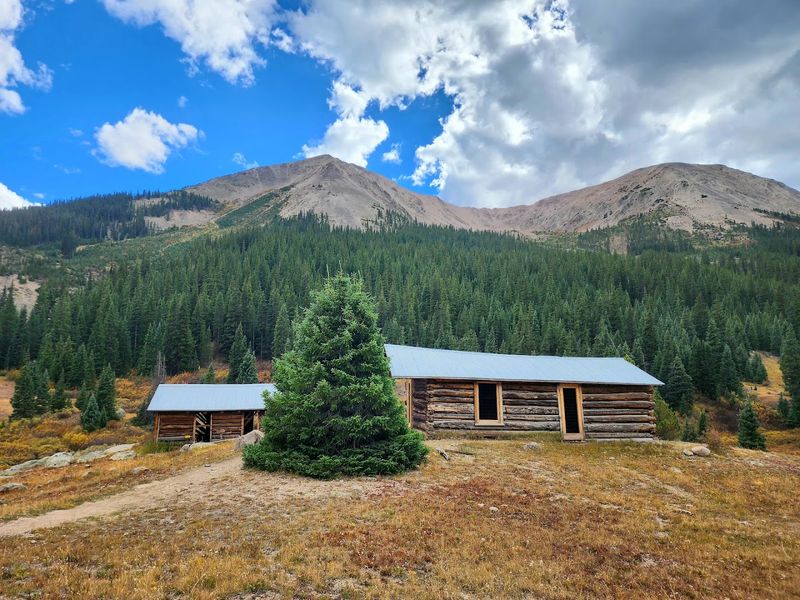
What started as a handful of tents and campfires transformed into a full-blown mountain community almost overnight. By 1882, Independence had swelled to a population estimated between 1,000 and 1,500 people, which was a remarkable feat considering the brutal conditions at nearly 11,000 feet.
The town was not just surviving. It was thriving.
About 40 businesses operated within its borders, including seven restaurants, 24 retail shops, two boarding houses, and even a local newspaper called the Independence Miner. Residents were building real lives in one of the most inhospitable environments in Colorado.
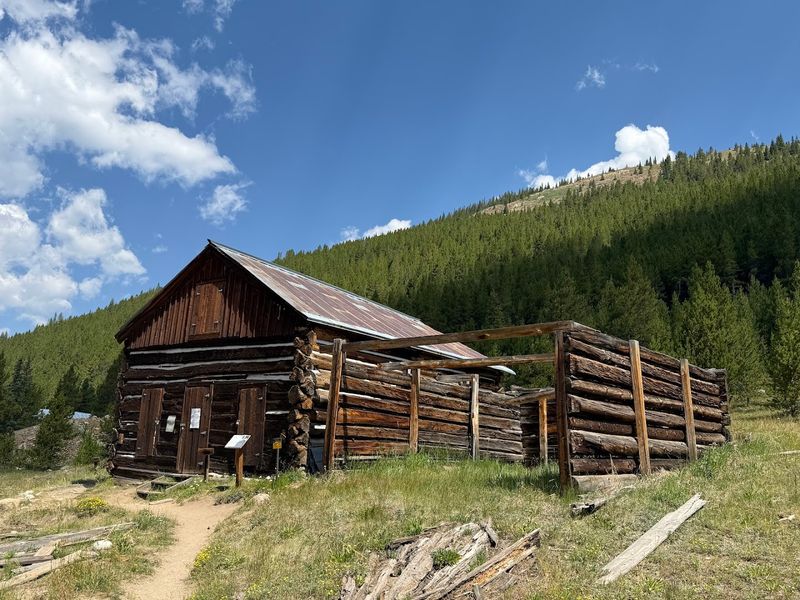
Log cabins replaced tents, and the sound of hammers echoed across the mountain valley daily. Between 1881 and 1882 alone, mining operations pulled out over $190,000 worth of gold from the surrounding hillsides.
For a brief, shining moment, Independence felt less like a camp and more like a city with serious ambitions and a very busy main street.
The Altitude Was Always The Enemy
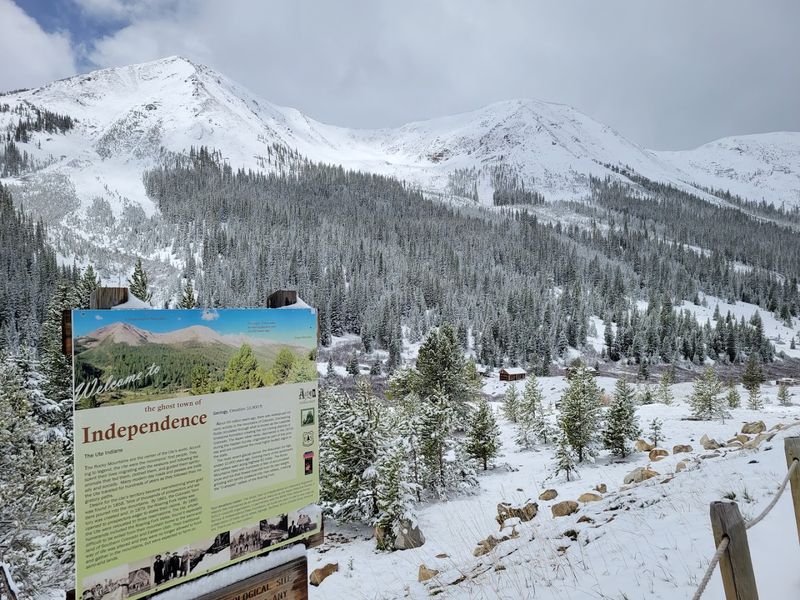
Standardize to one elevation throughout: “a remarkable feat considering the brutal conditions at nearly 10,900 feet. Fierce storms, relentless cold, and near-total isolation from the rest of the world made daily life at Independence a constant battle against nature.
Supply routes would freeze or become impassable for months at a time. Food, tools, and basic goods were difficult to bring in, and the cost of everything was higher because of it.
Residents who stayed through winter understood that survival required serious preparation and a stubborn streak.
The altitude also made the physical work of mining genuinely exhausting. Even experienced miners felt the effects of thinner air during long shifts underground.
The mountain did not care about gold prices or ambitions. It simply demanded respect.
Those who underestimated it often left quickly, while those who stayed built a tough, close-knit community that found creative ways to endure each brutal season.
When The Gold Ran Out, So Did The People
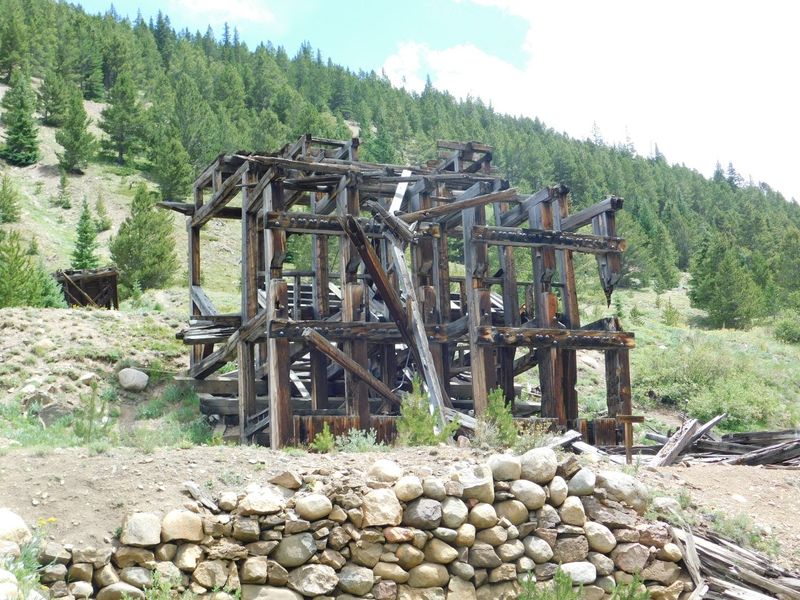
The gold at Independence was never as deep as everyone hoped. The veins turned out to be shallow deposits, and by August 1882, the mines and the Farwell Gold Mill had closed up.
The boom had lasted barely three years before the mountain stopped giving.
Then came the news that made things worse. Rich silver strikes were being discovered in nearby Aspen, just 16 miles away.
Miners packed their tools and headed downhill, chasing better odds and a much more comfortable climate. The population of Independence began shrinking almost immediately after the silver rush pulled attention away.
By 1888, fewer than 100 people remained in a town that had once buzzed with over a thousand. Businesses shuttered one by one.
The newspaper stopped printing. Restaurants closed their doors.
Colorado has seen many mining towns rise and fall, but the speed of Independence’s decline was particularly sharp, a reminder that fortunes built on shallow gold veins rarely last long.
The Most Creative Escape In Colorado History
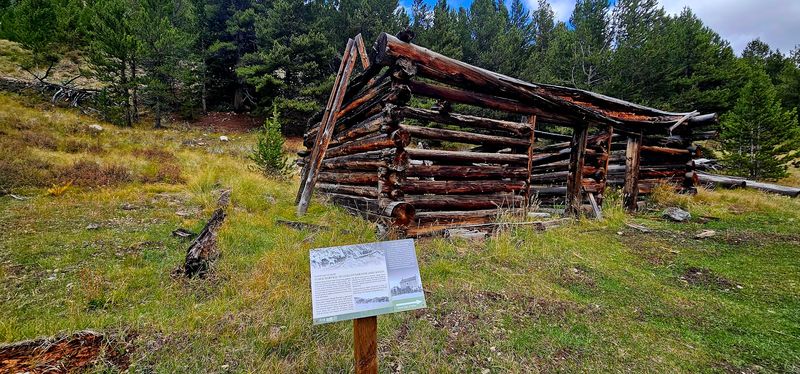
The winter of 1899 delivered a final, crushing blow to whatever remained of Independence. Record snowfall buried the town and completely cut off supply routes.
Food ran dangerously low, and the remaining residents faced a stark choice: stay and struggle, or find a way out.
They chose the most inventive exit imaginable. Residents tore long planks from their own homes and crafted 75 pairs of makeshift skis.
Then the entire remaining population skied out of town together, heading over what is now called Independence Pass, then known as Hunter Pass, in what they jokingly called the Hunter Pass Tenderfoot Snowshoe Club Race. The entry fee was one ham sandwich.
It is exactly the kind of story that sounds too good to be true, but Colorado history books confirm it. The humor and resourcefulness packed into that desperate escape says everything about the spirit of the people who had called Independence home.
They left with almost nothing, but they left together, and they left laughing.
A Town With More Names Than Residents At The End
Few places in Colorado have had an identity crisis quite like Independence. During its short lifespan, the settlement went by a surprising number of names, including Farwell, Chipeta City, Sparkhill, Mammoth Mountain, Mt.
Hope, Mammoth City, and Hunter’s Pass.
Each name reflected a different moment or different group of people trying to claim the place as their own. Mining camps often shifted identities as ownership changed, new investors arrived, or optimistic promoters tried to rebrand a struggling settlement with a more appealing title.
Independence was no exception to that pattern.
The name that finally stuck was the one tied to its founding day. Independence won out over all the others, perhaps because it carried the most meaning.
A town born on the Fourth of July, named for the gold that started it all, and remembered by that name long after its last resident left. That is a kind of poetic consistency that most of its other names never could have offered.
Preserved For The Future, Not Forgotten By History
In 1973, Independence earned a spot on the National Register of Historic Places. That designation was a turning point.
It meant the site had official protection and recognition, and it opened the door to serious preservation efforts that would shape what visitors see today.
The Aspen Historical Society, working alongside the United States Forest Service, has managed and funded the townsite since 1975. Restoration and stabilization work began in the 1970s and 1980s, saving structures that would otherwise have collapsed under decades of Colorado mountain weather.
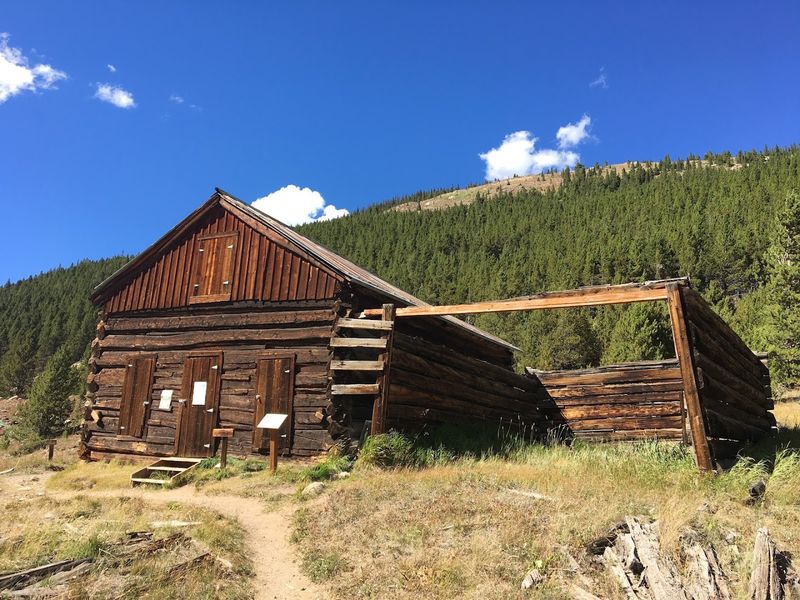
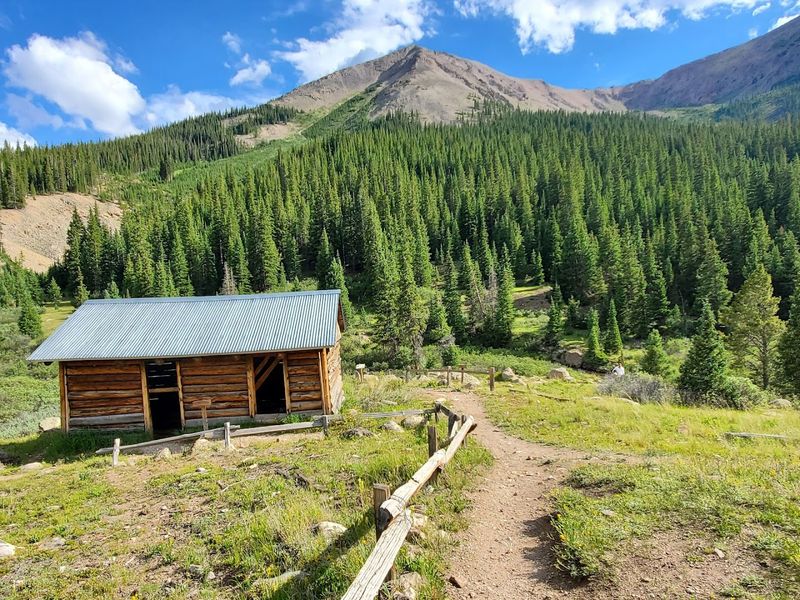
Today, Independence functions as an archaeological preserve with interpretive signs and walking trails throughout the site. Some buildings have been carefully stabilized or reconstructed, while others remain in natural states of decay, showing visitors exactly what time and altitude do to wood and stone.
The address for the site is 36221 CO-82, Aspen, CO 81611, and access is typically available from Memorial Day through late October before winter closes the pass.
What The Walking Trail Actually Shows You
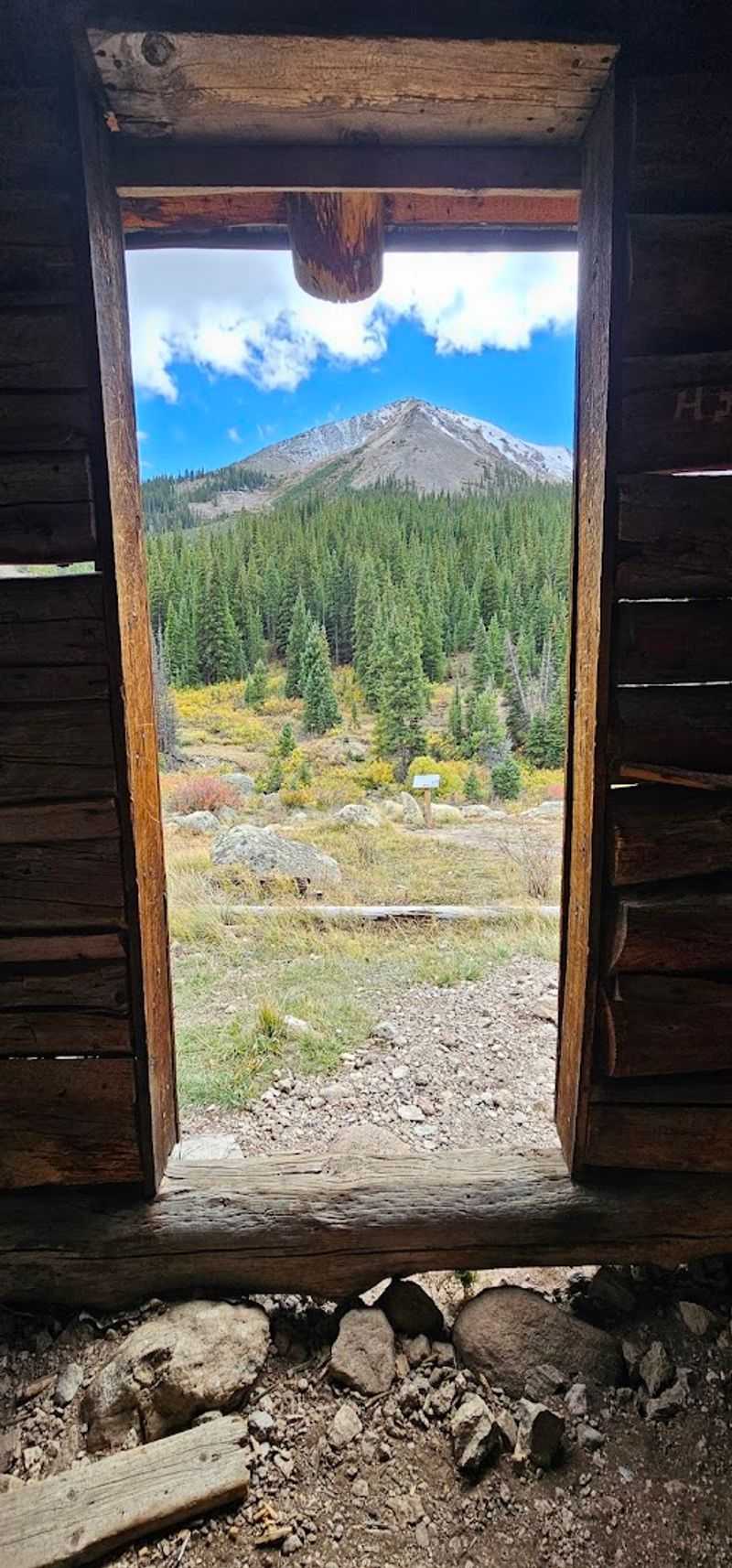
Arriving at Independence feels surprisingly approachable for a site with such dramatic history. Parking pulls directly off Highway 82, and the walking trail begins just steps from the road.
The path winds through the old townsite on a moderate gravel route that most visitors can handle comfortably.
Along the way, interpretive signs explain what each structure once was. The general store is one of the most intact buildings, and visitors can actually step inside.
Rusted cans, period-correct glass fragments, and weathered wood are scattered throughout the area, but the signs make clear that nothing should be taken from the site.
The whole loop takes roughly 45 minutes at a relaxed pace, though curious explorers can stretch that out easily. Mountain views surround the trail on every side, and the sound of water running nearby adds to the atmosphere.
Wear sturdy shoes, since the ground is uneven in places, and be ready for the altitude to slow your breathing a little more than expected.
The Scenery Alone Is Worth The Drive
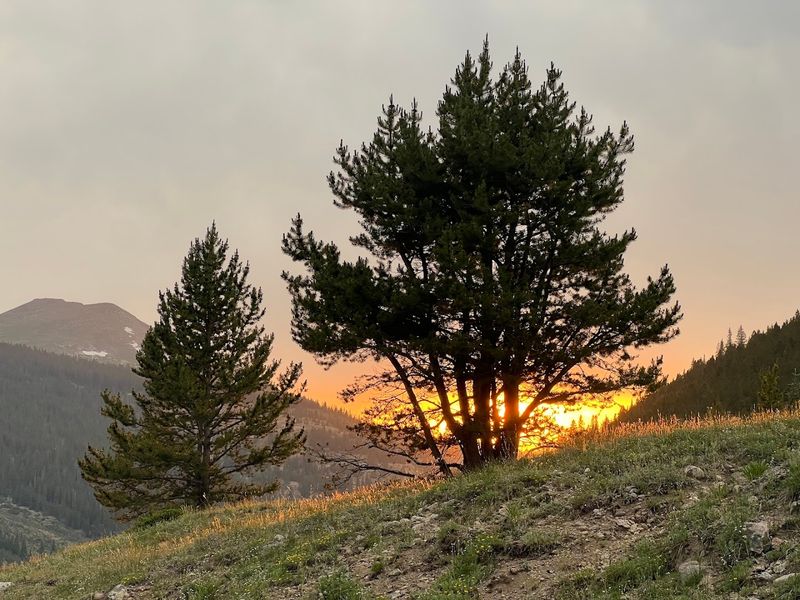
Even without the history, the setting of Independence would be worth a stop. The ghost town sits within the White River National Forest, surrounded by the kind of mountain scenery that makes Colorado famous.
Jagged peaks rise in every direction, and the open alpine meadows stretch out around the old townsite.
The elevation gives the light a particular quality, especially in the morning and late afternoon. Colors feel sharper, shadows deeper, and the sky bluer than it looks from lower ground.
Fall is a particularly popular time to visit, when the surrounding vegetation shifts into warm golds and reds that frame the weathered brown structures beautifully.
Wildlife is part of the experience too. Coyotes, birds, and small mountain animals are frequently heard or spotted near the site.
The quiet is genuine. No food vendors, no ticket booths, no crowds pressing in.
Just mountains, history, and the kind of stillness that is genuinely hard to find near a tourist destination as popular as Aspen.
Planning Your Visit Without Any Surprises
Getting to Independence requires a little planning, but nothing complicated. The site sits along Highway 82, roughly 16 miles east of Aspen in Colorado, and the drive itself passes through some of the most scenic mountain terrain in the entire state.
The road near Independence Pass can be narrow and winding, so cautious driving is strongly recommended.
The ghost town is free to visit and open around the clock during the accessible season, which generally runs from Memorial Day through late October. Once snow arrives in earnest, Highway 82 closes for winter, making the site unreachable until the following spring.
Checking road conditions before heading out is always a smart move.
Parking fits only a small number of vehicles, so arriving early on busy summer weekends helps avoid a crowded lot. There are no restroom facilities on site, so plan accordingly.
Bring water, wear layers, and keep children close to the trail, since nails and broken glass exist throughout the older sections of the townsite.