Georgia has a peach of a dining scene, and these restaurants prove it without making a production of dinner. You do not need velvet ropes or elaborate presentations when honest cooking already gives you plenty to enjoy.
This collection invites you to follow the appetites of regulars who know where consistency matters most. Each restaurant has earned attention through food that gives people a genuine reason to return, so you can arrive curious and leave understanding the loyalty.
You will encounter different traditions across Georgia, yet every selection shares an easy confidence. These kitchens know their bread and butter, even when neither one is actually on your plate.
Consider this your invitation to discover restaurants that let their cooking handle the introductions. Bring your appetite, trust the steady crowds, and prepare to find a new favorite without any unnecessary fuss along the way.
1. Home Grown GA Restaurant
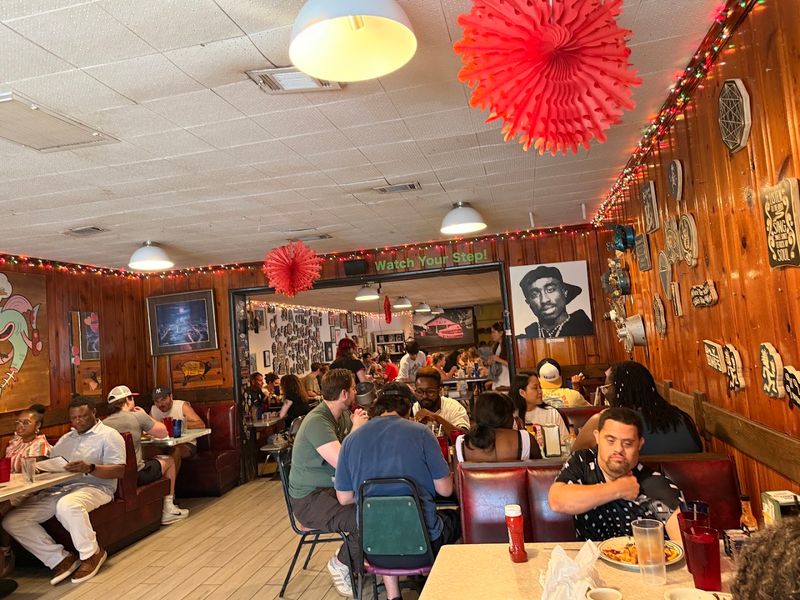
Fried chicken and sausage gravy were never destined for restraint.
This Atlanta breakfast counter lets them take over an entire biscuit.
Chef Kevin Clark and former schoolteacher Lisa Spooner opened Home Grown in 2010. Their casual diner focuses on Southern breakfast and lunch.
The Comfy Chicken Biscuit places fried chicken on an open-faced biscuit under pork sausage gravy.
Added to the menu in 2011, it quickly became the restaurant’s calling card.
That combination brings crisp breading, tender chicken, a soft biscuit, and plenty of rich gravy. A fork is useful, although confidence may suggest otherwise.
Home Grown operates at 968 Memorial Drive Southeast in Atlanta, Georgia.
The Reynoldstown building had housed restaurants for decades before Clark and Spooner took over the space.
A basic breakfast pairs eggs with bacon, grits, and a biscuit or toast. Chicken and waffles offer another route when choosing between sweet and savory seems unnecessary.
Pancakes, French toast, breakfast sandwiches, and omelets cover quieter mornings.
Fried green tomatoes can begin as a side dish and quickly become the item everyone reaches toward.
Lunch brings the Grant’s Stack, combining pimento cheese, fried green tomatoes, and bacon. The house hamburger uses two beef patties on a wheat bun.
Meat-and-vegetable plates keep Southern lunch traditions close.
The kitchen sources fresh ingredients locally whenever possible, and seasonal products appear in daily specials.
That approach gives regulars something new without removing the dependable orders that brought them back.
Home Grown does not need a complicated formula. Fried chicken, a warm biscuit, and sausage gravy have already completed the important work.
2. Heirloom Market BBQ
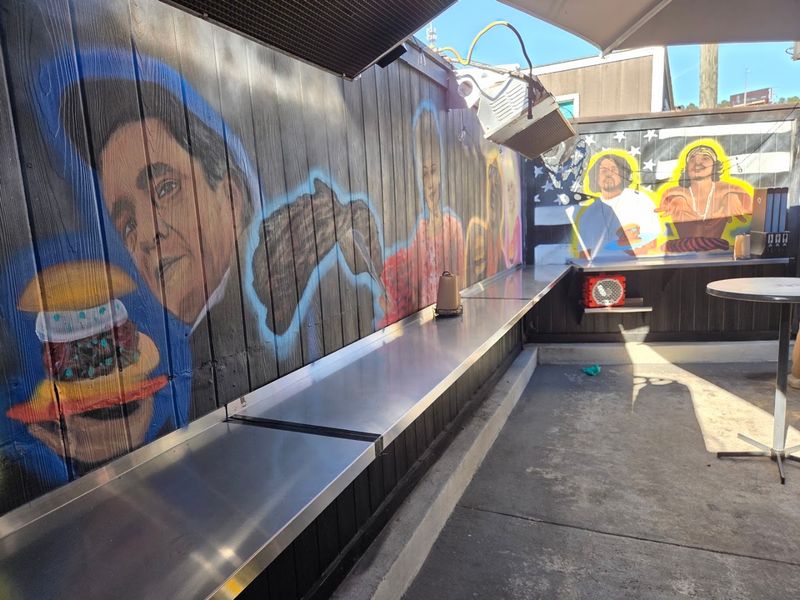
Korean flavors and Southern barbecue traditions share one compact kitchen at Heirloom Market BBQ.
Chef Cody Taylor and Chef Jiyeon Lee built the restaurant around their different culinary backgrounds.
Taylor brings Southern roots, while Lee grew up in South Korea. Their partnership gives this barbecue counter its distinct identity.
The menu does not separate the two traditions into unrelated sections.
Korean seasonings and Southern smoking methods meet directly in brisket, pork, ribs, sauces, and side dishes.
Brisket keeps the familiar barbecue side grounded. The meat is smoked until tender, then sliced for platters or sandwiches.
Spicy Korean pork adds gochujang-driven sweetness and heat.
The seasoning supports the smoke instead of overwhelming it.
Gochujang-rubbed spare ribs deepen that combination. Tacos pair smoked meat or crispy tofu with kimchi slaw, jalapeños, cilantro, and Korean barbecue sauce.
Pulled pork and smoked turkey offer more traditional choices.
Sweet and smoky wings provide another route when a full platter seems ambitious.
The side dishes continue the same combination of influences. Kimchi slaw and cucumber-radish salad bring acidity and crunch beside the heavier meats.
Collard greens, Brunswick stew, barbecue beans, and macaroni and cheese cover the Southern side.
Choosing only two sides may require more discipline than ordering the meat.
The restaurant occupies a small roadside building near the Chattahoochee River. Seating is limited, and the operation concentrates on serving barbecue efficiently.
Heirloom Market BBQ operates at 2243 Akers Mill Road Southeast in Atlanta, Georgia.
By the final bite, the connection between Korean seasoning and Southern smoke is perfectly clear.
3. BoccaLupo
Fresh pasta behaves differently when the kitchen makes it by hand.
It also gives the sauce fewer places to hide.
Chef-owner Bruce Logue opened BoccaLupo in 2013. The Inman Park restaurant is known for handmade pasta and inventive Italian-American cooking.
BoccaLupo operates at 753 Edgewood Avenue Northeast in Atlanta, Georgia.
Its menu stays focused while changing regularly with ingredients and seasons.
The kitchen prepares both handmade and extruded pasta. Each shape is chosen for the way it holds sauce and changes the texture of a dish.
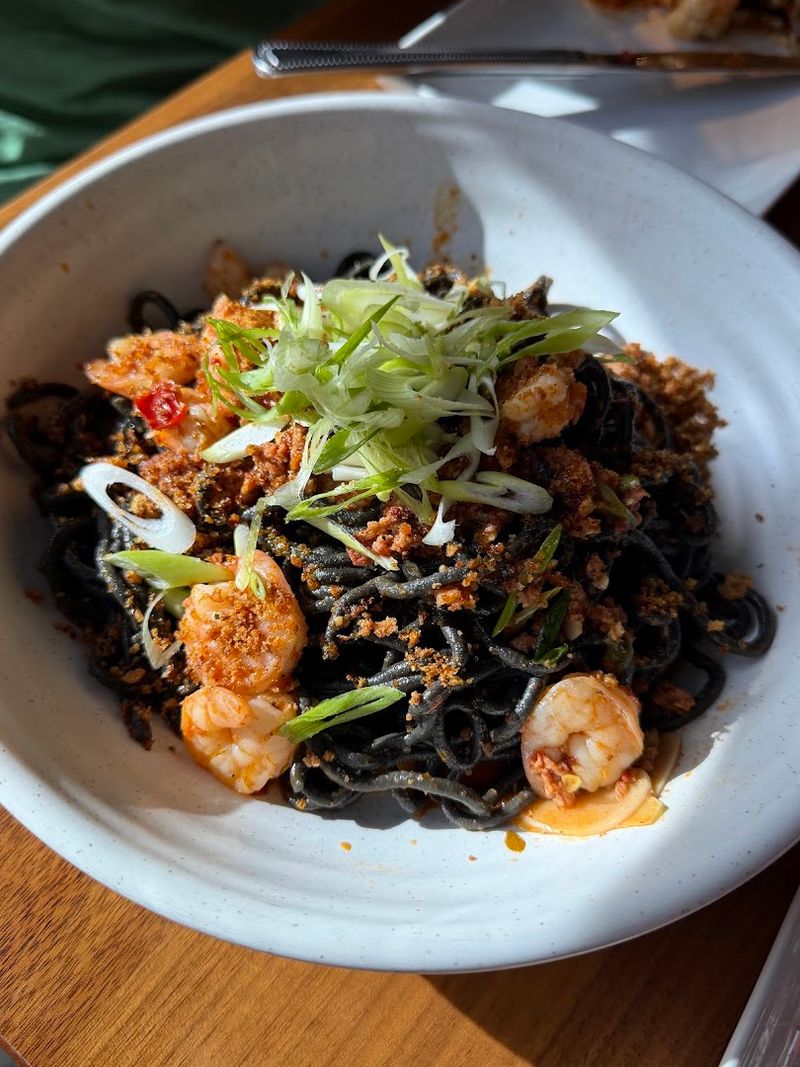
Black spaghetti combines hot Calabrese sausage with red shrimp and scallions.
The dark pasta makes a dramatic first impression, but the balance of heat, seafood, and savory sausage gives the dish its staying power.
Twenty-yolk tagliatelle brings mushrooms, Tuscan kale kimchi, and butter together.
Rich pasta and deep mushroom flavor meet the sharper fermented greens without creating confusion.
Southern fried chicken Parmesan takes another Italian-American favorite in a local direction. Creamy collards accompany the chicken and add a distinctly regional element.
Smaller plates may feature cured meats, vegetables, seafood, or house-made breads.
Their changing nature lets the kitchen use seasonal ingredients without losing focus.
Diners can order individual dishes or choose a multicourse tasting menu. The second option removes some decision-making when every pasta description interferes with the original plan.
Frequent changes give returning customers another reason to inspect the menu carefully.
A familiar favorite may return, but another combination may claim attention first.
Gelato with cookies and zeppole provide a sweet finish. Sharing dessert sounds reasonable until the spoons reach the table.
BoccaLupo questions familiar Italian-American ideas without making dinner unnecessarily serious.
The pasta handles the technical work, leaving you responsible only for keeping up.
4. Talat Market
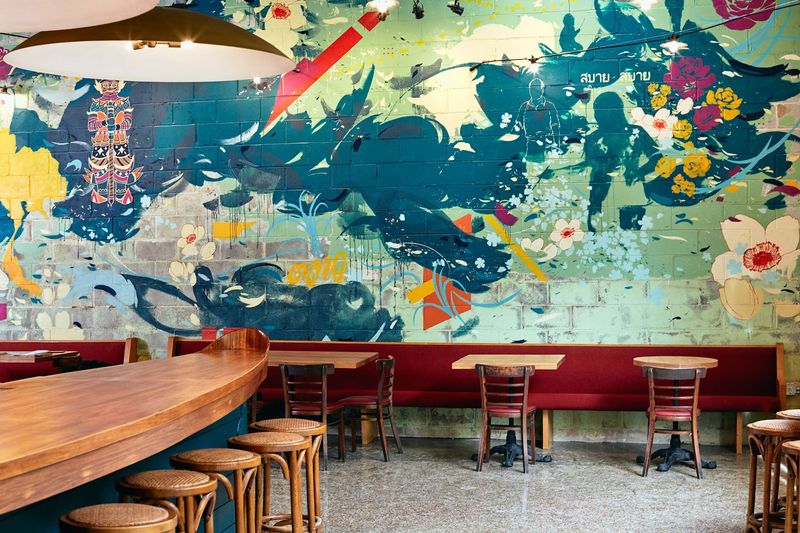
Georgia produce and traditional Thai techniques share equal importance at Talat Market.
Chefs Parnass Savang and Rod Lassiter began the business as a pop-up in 2017.
They opened the permanent restaurant inside a former neighborhood market in 2020. That earlier use helped inspire the restaurant’s name.
Talat Market operates at 112 Ormond Street Southeast in Atlanta, Georgia.
The menu changes according to what farmers and suppliers can provide.
Traditional Thai methods guide the cooking, while local ingredients determine many of the details.
The result is not a fixed collection of standard dishes repeated through every season.
Crispy rice salad provides crunch, herbs, acidity, and heat in equal measure. Each bite changes slightly depending on how the ingredients land on the spoon.
Som tum and fruit salads bring brighter flavors to the table.
Chiles, herbs, lime, and savory seasonings keep sweetness from taking over.
Curries often begin with coconut milk pressed in-house. That extra work gives the kitchen greater control over richness and texture.
Crab, pork, fish, and locally grown vegetables move through these preparations as availability changes.
A dish may leave the menu when an ingredient is no longer available.
Seafood receives especially thoughtful treatment. Whole fish and shellfish may appear beside sharp sauces, fresh herbs, and carefully prepared vegetables.
The kitchen also uses grilling, frying, pounding, and slow cooking to create contrast.
One table can hold crisp rice, tender meat, cool herbs, and a curry that requires immediate help from every nearby grain of rice.
Regular changes keep customers curious without turning dinner into guesswork. The cooking stays grounded in recognizable Thai traditions.
Talat Market gives local ingredients a clear purpose.
That purpose changes with the seasons, but the kitchen’s direction stays easy to understand.
5. Mrs. Wilkes’ Dining Room
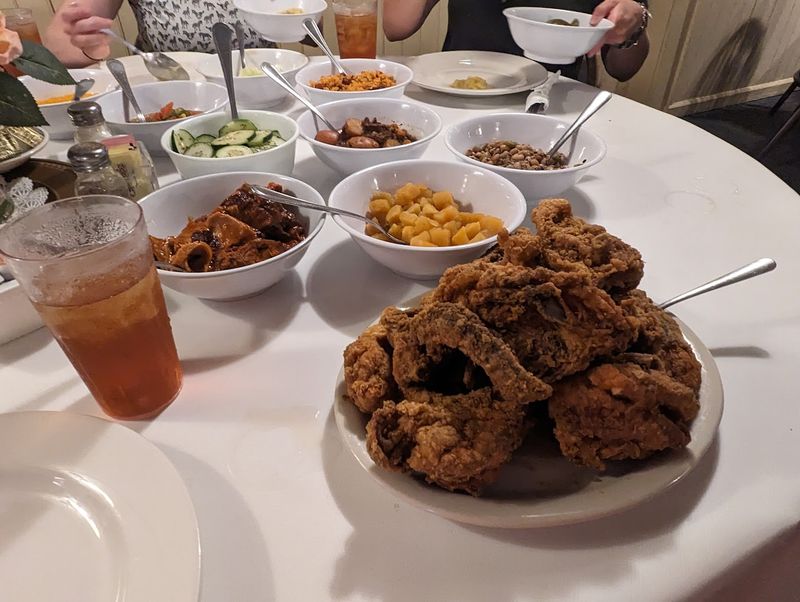
Lunch begins with strangers passing bowls around a shared table.
By dessert, introductions may seem overdue.
Mrs. Wilkes’ Dining Room operates at 107 West Jones Street in Savannah, Georgia. Its tables seat ten people for a family-style Southern meal.
Sema Wilkes took over a downtown boardinghouse in 1943.
She served homestyle cooking downstairs for guests and visitors, and her family carries the tradition forward today.
The experience differs from ordering individual entrées.
Large platters and serving bowls cover the table, and everyone participates by passing food in whichever direction appears most efficient.
Fried chicken receives immediate attention. Crisp skin and juicy meat make it the dependable centerpiece.
The surrounding dishes compete strongly for space on your plate.
Cornbread dressing and sweet potato soufflé bring familiar Southern comfort. Corn muffins and biscuits stand ready for gravy or pot liquor.
The daily selection may include black-eyed peas, collard greens, macaroni and cheese, candied yams, or okra with tomatoes.
Green beans, squash, cabbage, rice, and potatoes may join them.
Sausage, beef stew, and meatloaf rotate alongside the chicken. The number of dishes makes a perfectly organized plate almost impossible.
Dessert follows after several optimistic decisions.
Banana pudding and cobbler are among the traditional endings that may appear.
Service is limited to weekday lunch, and a line often forms before the dining room opens. The restaurant accepts cash or checks and does not offer takeout.
That structure keeps the meal connected to its boardinghouse roots.
You sit, pass bowls, and try what reaches you.
Another helping may arrive before your plate has room, so keep both hands ready and remember who requested the collard greens.
6. Yoder’s Deitsch Haus
Cafeteria trays rarely inspire road trips.
This country kitchen gives them a persuasive new purpose.
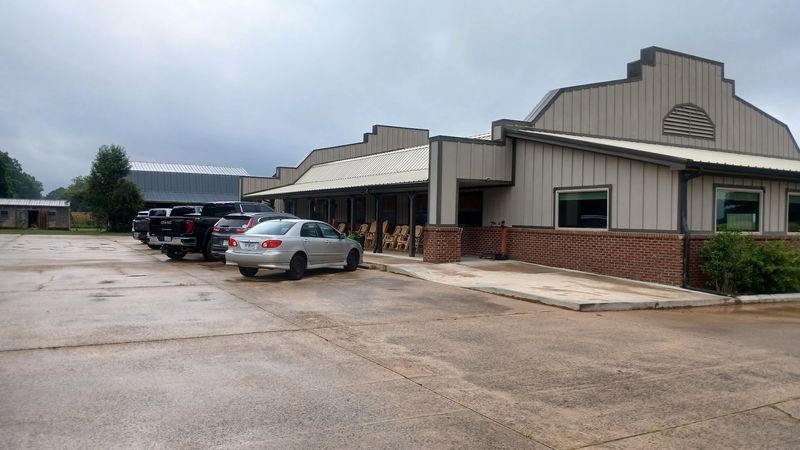
Yoder’s Deitsch Haus serves Pennsylvania Dutch-style cooking in Georgia’s Mennonite country. The cafeteria format lets diners build a meal from the day’s prepared selections.
The restaurant operates at 5252 Georgia Highway 26 East in Montezuma, Georgia.
Its rural location suits travelers willing to leave faster roads behind.
Fried chicken, meatloaf, roast beef, ham, and country-fried steak provide substantial starting points. The daily lineup may change, but hearty cooking sets the direction.
Mashed potatoes and gravy make choosing among the meats slightly less urgent.
A spoonful beside almost anything on the tray usually improves the decision.
Vegetable options may include turnip greens, fried okra, green beans, lima beans, or squash casserole. Macaroni and cheese adds another dependable choice.
Cornbread and homemade rolls are prepared for any gravy left behind.
Taking both may appear excessive until one disappears before you reach the table.
Dessert deserves planning before the main course fills the tray. Shoofly pie reflects the Pennsylvania Dutch influence with molasses filling and a crumb topping.
Peanut butter pie, hummingbird cake, fruit pies, and cinnamon rolls broaden the selection.
The bakery counter can make carrying an extra box seem less like indulgence and more like sensible preparation.
An adjoining shop sells baked goods, preserves, noodles, candies, and other foods for the trip home. It also provides another chance to reconsider any dessert you narrowly avoided.
Breakfast gives early travelers access to eggs, biscuits, pancakes, and breakfast meats.
Lunch carries the strongest cafeteria identity, especially once the hot selections and bakery case begin competing for attention.
Yoder’s does not require elaborate presentation to make the drive worthwhile.
A loaded tray, a slice of pie, and a bag of baked goods can handle that assignment.
7. Rico’s World Kitchen
A lunch menu can cross several borders without becoming difficult to follow.
Rico’s World Kitchen keeps the route clear.
Chef-owner Rico Cunnington grew up in a restaurant family. He built the business around what it describes as world comfort cuisine.
That idea gives the menu room to connect Filipino, Cuban, Southern, Caribbean, and Louisiana influences.
The dishes travel widely, but familiar formats and generous portions keep the experience approachable.
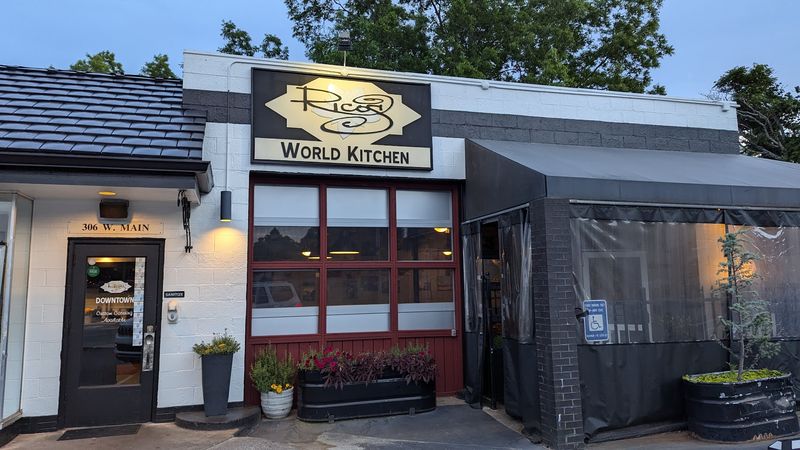
Rico’s World Kitchen operates at 306 West Main Street in Buford, Georgia. The downtown location suits a casual restaurant designed for lunch, takeout, and relaxed meals.
Nett’s Lumpia brings Filipino-style egg rolls filled with seasoned meat.
Their crisp wrappers make them an easy table starter, although sharing may require discussion.
Fried green tomatoes arrive with Creole remoulade. The coating supplies crunch while the sauce adds spice and richness.
A Pacific Rim crab cake brings another coastal direction.
Seafood appears throughout the menu, linking several regional traditions without forcing them into the same preparation.
The Chicken Cuban pairs marinated smoked chicken with Swiss cheese and mojo dipping sauce. It uses the structure of a familiar pressed sandwich while giving the chicken a smoky lead.
Mojo pork adds guava barbecue sauce.
The Royal Rooster turns up the heat with habanero chicken for diners who prefer lunch with stronger punctuation.
Louisiana-style po’boys come with fried shrimp, oysters, or the fresh catch. Bread, crisp seafood, vegetables, and sauce create the kind of sandwich that requires several napkins.
Chicharrones, mussels, and rotating specials give regular customers more reasons to inspect the menu.
That changing selection keeps the broad concept connected to what the kitchen wants to prepare now.
Homemade desserts finish the meal without requiring another trip. Rico’s covers plenty of ground, but every plate returns to the same basic idea.
Comfort food can carry more than one passport.
8. Tlaloc El Mexicano
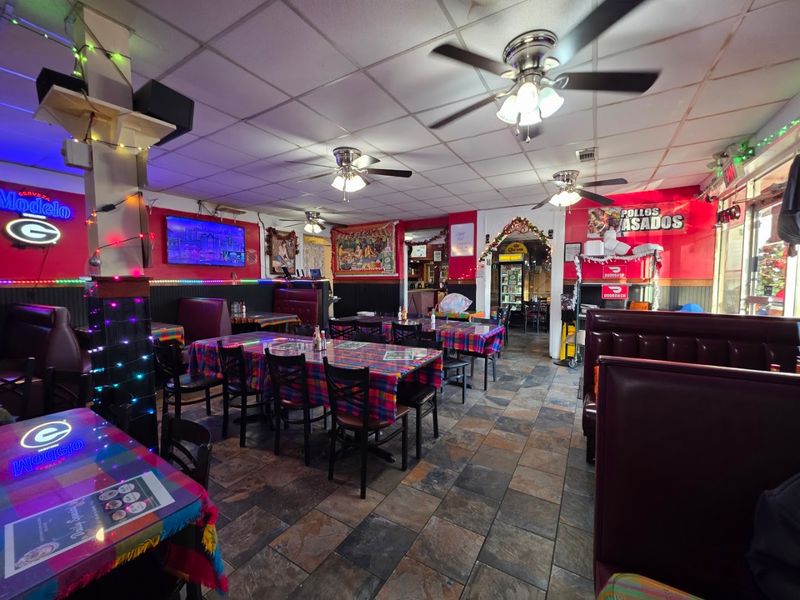
College towns understand affordable meals, but this kitchen gives them deeper roots.
Mexican and Salvadoran traditions guide the cooking.
The Ramirez family opened Tlaloc El Mexicano in August 2009. Their broad menu moves from quick snacks to seafood platters, breakfast dishes, and substantial dinners.
The restaurant operates at 1225 North Chase Street in Athens, Georgia.
Students, families, and longtime residents can all find an order suited to their appetite and schedule.
Pupusas provide a clear introduction to the Salvadoran side. Thick corn cakes arrive filled with combinations such as cheese, beans, or seasoned meat.
Tacos, gorditas, and huaraches offer several ways to explore the Mexican side.
Each uses masa differently, changing the texture and proportion of toppings.
Tortas arrive with fillings such as carnitas, chicken, steak, or chorizo and eggs. Their sturdy rolls make them practical for lunch.
Finishing one may affect your afternoon ambitions.
Seafood receives plenty of attention through fried whole fish, grilled shrimp, and mariscadas.
The kitchen treats it as a central part of the menu instead of a minor optional section.
The Mar y Tierra combines meat and seafood on one generous plate. It suits anyone who considers choosing between steak and shrimp an unnecessary restriction.
Breakfast brings chilaquiles, huevos rancheros, and molletes.
Eggs, beans, tortillas, salsa, and cheese provide a satisfying beginning without requiring a separate brunch identity.
Vegetarian choices include cactus salad, stuffed peppers or zucchini, bean-filled taquitos, and vegetable fajitas. The range provides complete meals instead of asking diners to assemble dinner from side dishes.
Fresh juices and traditional drinks provide cooling support beside spicier plates.
Dessert may include flan or other familiar sweets, depending on availability.
The restaurant’s name honors Tlaloc, the Aztec god associated with rain and water. The reference gives the business historical weight, while the menu stays welcoming and direct.
Tlaloc succeeds because the size of the menu does not dilute its purpose.
Mexican and Salvadoran dishes share the space naturally, giving Athens diners plenty of reasons to return with a larger appetite.