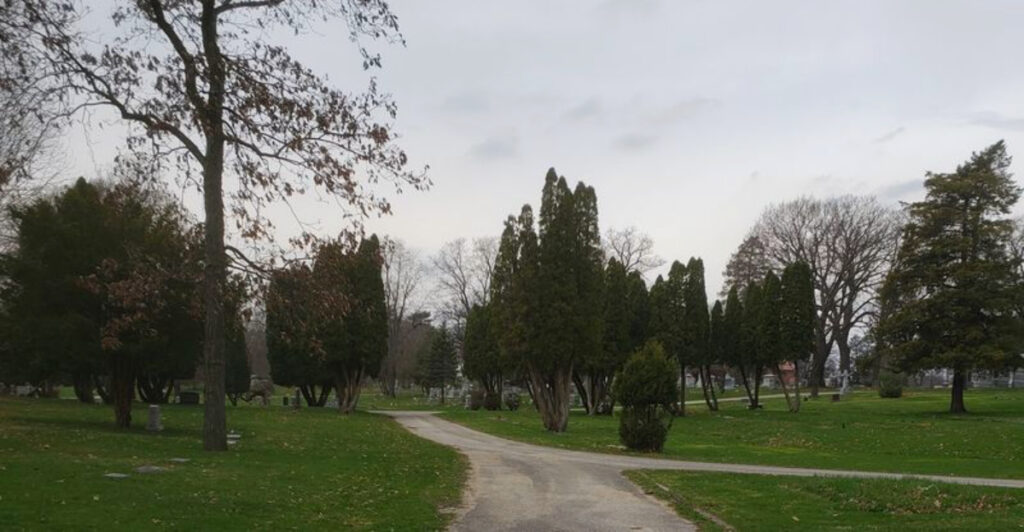
Iowa looks calm during the day, with rolling fields and friendly small towns, but a few of its old burial grounds carry a different mood once the sun dips low.
Folks in these towns tell stories of cold spots, whispering wind, and footsteps that follow you back to your car.
Some of these cemeteries date back well over a hundred years, and each one holds a legend that makes even brave visitors pause at the gate. I gathered nine of the spookiest spots that locals warn you should never wander into by yourself.
You will get real locations, a little history, and plenty of shivers along the way. So grab a flashlight, bring a friend, and keep reading, because these quiet corners of the state have more character than you might expect.
Consider this your guided tour through Iowa after dark.
1. Oakland Cemetery, Iowa City
Right in the heart of a busy college town sits a cemetery that students whisper about long after their classes end.
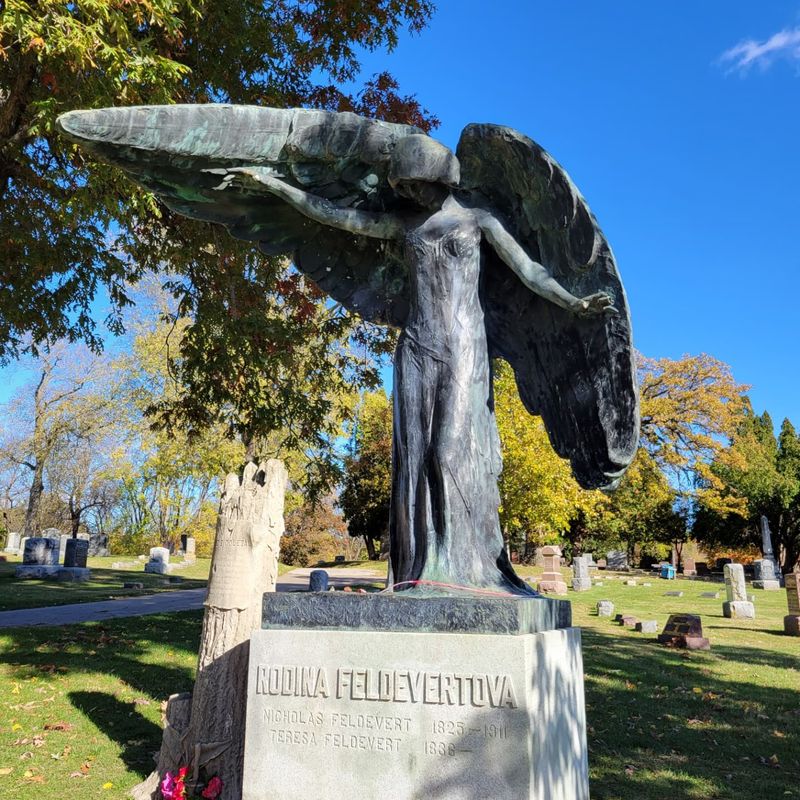
Oakland Cemetery on Brown Street in Iowa City holds a legend that has spread across the entire state.
The star of the story is a tall bronze statue known to locals as the Black Angel. Over the years her surface darkened, and people invented all sorts of tales to explain why.
Some say touching the figure brings bad luck, while others claim she watches you as you pass. Either way, the sculpture stands guard over rows of aged graves.
The grounds are peaceful during the day, shaded by wide old trees and dotted with markers from long-gone families. As the light fades, though, the mood shifts quickly.
Should you want to test the legend, stroll the paths with a friend and keep your camera ready. This corner of Iowa proves that even a familiar city park can hide a chilling secret.
2. Fairview Cemetery, Council Bluffs
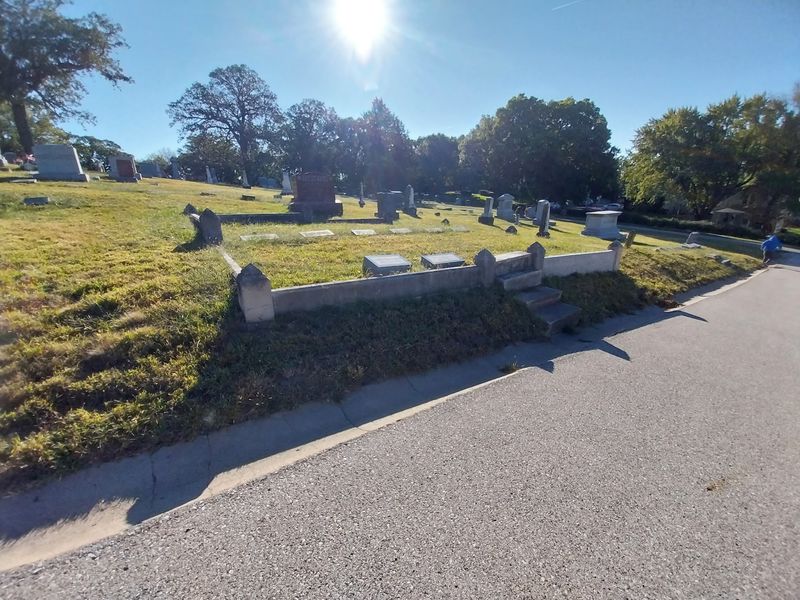
Perched on a hill overlooking town, this burial ground at 308 Lafayette Avenue in Council Bluffs offers wide views and one of Iowa’s better-known cemetery legends.
The oldest known burial here dates to 1826, while the site was officially designated Fairview Cemetery in 1846.
The haunting lore centers on the Ruth Anne Dodge Memorial, commonly known as the Black Angel.
Local stories claim that touching the monument can bring serious bad luck, while some visitors have described the unsettling sensation of being watched or followed.
The cemetery holds generations of local history, including pioneer graves and the resting places of several prominent early residents. That long history gives the hilltop setting plenty of atmosphere even without the folklore.
The Black Angel’s dark bronze surface and dramatic setting have helped the legend grow over the years, turning the memorial into one of the cemetery’s most recognizable landmarks.
If you decide to explore, wear sturdy shoes for the sloping ground and bring someone along. The climb rewards you with a striking view during daylight hours.
The combination of genuine history and enduring local legend gives Fairview the kind of eerie reputation that does not need invented details to make an impression.
3. Greenwood Cemetery, Muscatine
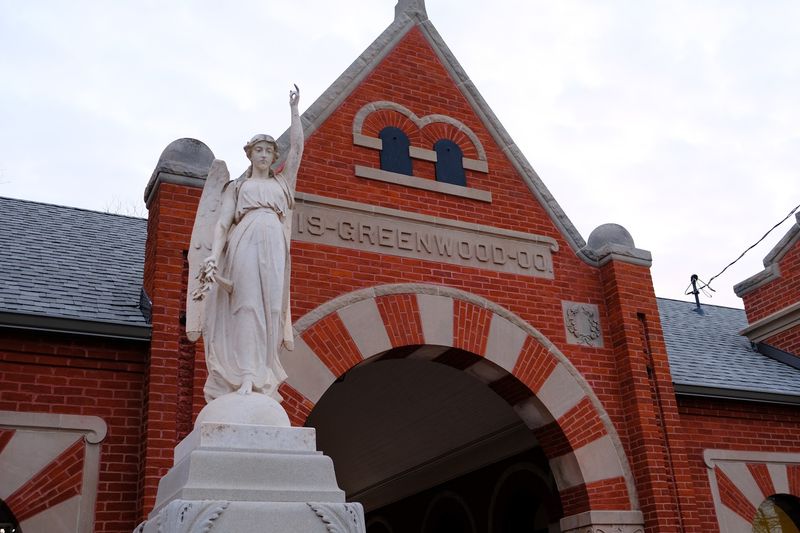
Down near the river you will find Greenwood Cemetery at 1814 Lucas Street in Muscatine, an 80-acre historic cemetery filled with mature trees, monuments, and stories dating back to the nineteenth century.
The best-known local legend centers on an angel monument commonly called the Blue Angel. The figure once held a rose, and folklore grew around what might happen if the rose appeared to move or fall while someone was nearby.
The statue’s hand was eventually damaged or removed, but stories persist that visitors have seen it appear intact at night with the rose still in place.
Other paranormal accounts mention unexplained footsteps, a feeling of being watched, and an unusually intense scream with no obvious source.
The cemetery also holds beautiful stonework, historic family monuments, and a chapel listed on the National Register of Historic Places.
Should you visit, go during appropriate daytime hours and stick to the established lanes. The historic artwork and monuments provide plenty to see without disturbing any gravesites.
Greenwood’s Blue Angel legend gives this Muscatine cemetery a much more distinctive spooky story than the generic woman-in-white tale sometimes attached to it.
4. Woodland Cemetery, Des Moines
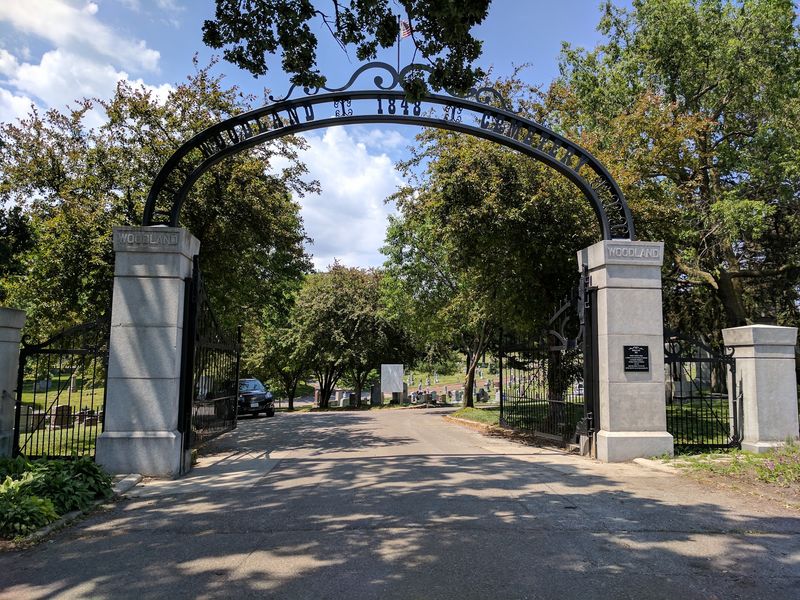
Sitting inside the capital city, Woodland Cemetery at 2019 Woodland Avenue in Des Moines has been part of the community since 1848.
The roughly 65-acre property ranks among the city’s most historic burial grounds and contains thousands of markers tied to early Iowa history.
Grand monuments, tall obelisks, tree-shaped markers, and other examples of historic funerary art fill the property, giving it the feel of an open-air museum. Many prominent early residents of Des Moines and Iowa are represented here.
The best-known paranormal stories include a monument often called the Weeping Angel. According to local lore, visitors have claimed that the figure appears to have tears on its face or that crying sounds can sometimes be heard nearby.
The place is popular with history buffs who come to study the carvings, explore its QR-code history project, and learn about some of the city’s earliest residents. During the day it feels much more historical than frightening.
When the light drops, the towering stones cast long shadows that naturally give the old cemetery a different mood.
Bring a friend and a good camera, because this historic spot mixes genuine heritage with one of Des Moines’ enduring cemetery legends.
5. Oak Hill Cemetery, Cedar Rapids
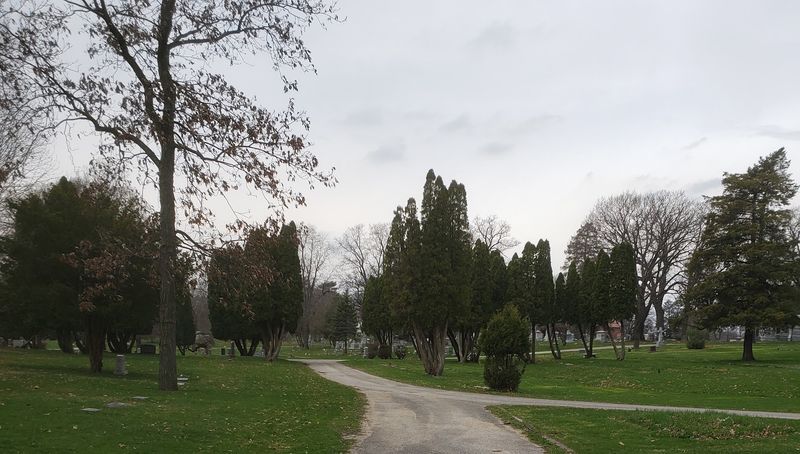
Rolling gently across a large stretch of land, Oak Hill Cemetery at 1705 Mount Vernon Road SE in Cedar Rapids blends natural beauty with a long history stretching back to 1854.
The property is also listed on the National Register of Historic Places.
The cemetery’s best-known supernatural story centers on a young girl called Tillie. According to local legend, she appears at night carrying a lighted candle and may try to draw visitors toward a nearby mausoleum.
Different versions of Oak Hill’s folklore have circulated over the years, but the story of Tillie is the one most frequently connected with the cemetery in current Iowa haunting roundups.
The cemetery serves as a resting place for many notable local families, and its records stretch back generations. That deep history gives the stories plenty of roots.
Wide lanes make it easy to explore the historic grounds during permitted visiting hours, although the property is large enough that keeping track of your route is sensible.
Should you plan a trip, come while the sun is high and treat the historic markers with care. Oak Hill’s real history and its Tillie legend provide plenty of atmosphere without needing disappearing caretakers or unexplained music added to the story.
6. Calvary Cemetery, Sioux City
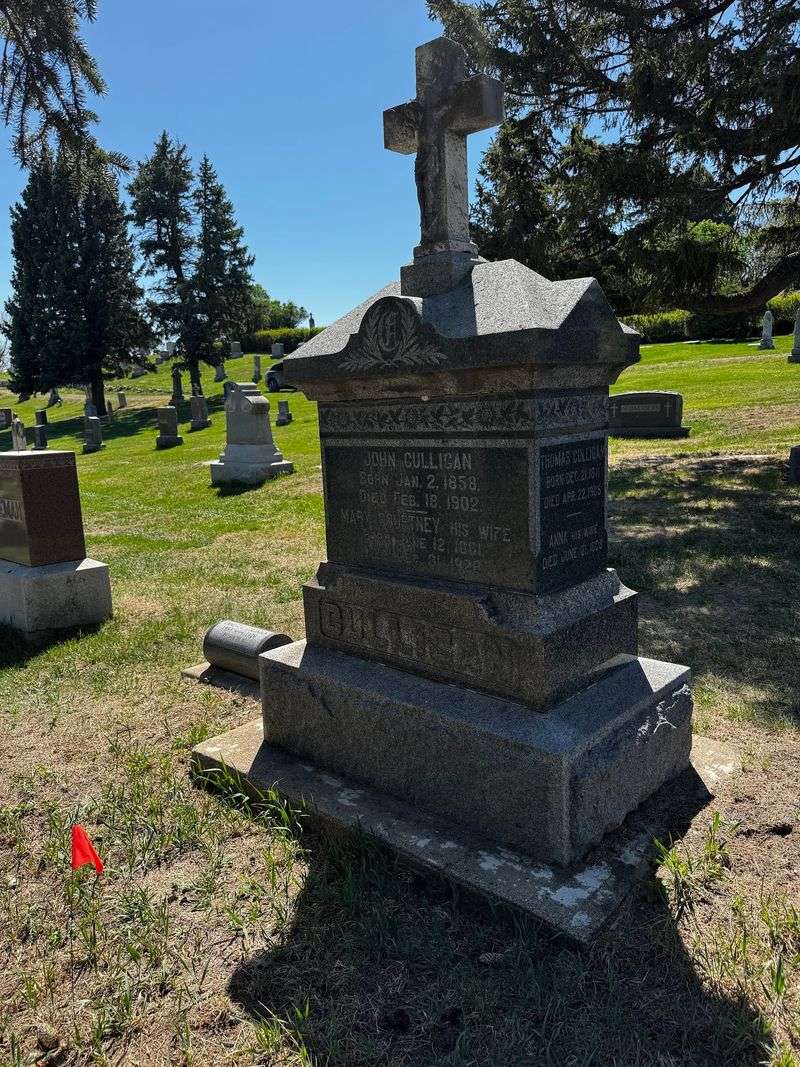
Over on the western edge of the state, Calvary Cemetery at 2802 Casselman Street in Sioux City draws history lovers and curious visitors alike.
Opened in 1870, it is the city’s second-oldest cemetery and its only Catholic cemetery.
The paranormal stories most often associated with Calvary involve an unexplained ringing sensation in visitors’ ears and the feeling of cobwebs brushing across the face when nothing appears to be there.
Those reports are said to become stronger near one distinctive tree-shaped headstone that has accumulated its own darker local folklore over the years.
The cemetery carries strong religious and community history, with carefully arranged monuments and the resting places of several people important to Sioux City’s past.
The Sioux City Public Museum still uses Calvary for historical walking tours, which makes a respectful daytime visit a much better way to explore the property than treating it as an after-dark investigation.
If you want to see it, arrive during permitted hours and treat the grounds with respect. The established local stories are unusual enough without adding a disappearing kneeling figure or unexplained touches that cannot be reliably traced to the cemetery’s folklore.
7. Mars Hill Church and Cemetery, Bloomfield
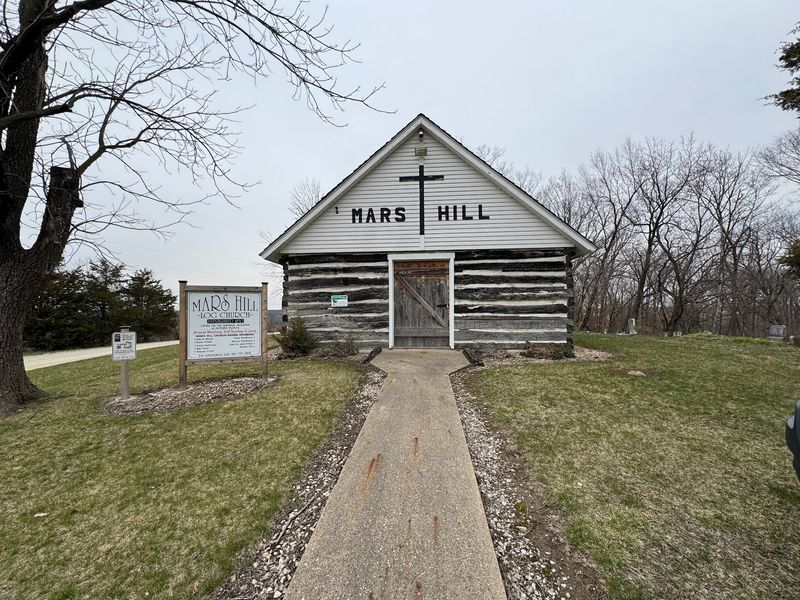
Tucked into the countryside near Bloomfield, the Mars Hill Church and Cemetery at 1011 100th Avenue pairs a historic log building with a pioneer burial ground. The remote setting makes it feel worlds away from town.
The church was constructed during the 1850s and was added to the National Register of Historic Places in 1974. Local tradition also associates the property with freedom seekers traveling north, although that Underground Railroad connection has not been conclusively documented.
The area’s paranormal folklore has grown around those stories, with some accounts connecting unexplained activity to people who may once have sought refuge in the area. Mars Hill has also developed a separate reputation for unusual lights and reported UFO sightings.
The church and cemetery remain significant historic features in their own right, and the old log structure gives the property a distinctive appearance that does not need invented stories about singing from empty pews.
Out among the graves, the older markers reflect the site’s long nineteenth-century history.
Should the legend tempt you, visit respectfully during permitted daylight hours and bring a companion who enjoys history. Mars Hill’s combination of documented history and unusual local folklore already gives it plenty of atmosphere.
8. Hickory Hill Cemetery, Charlotte
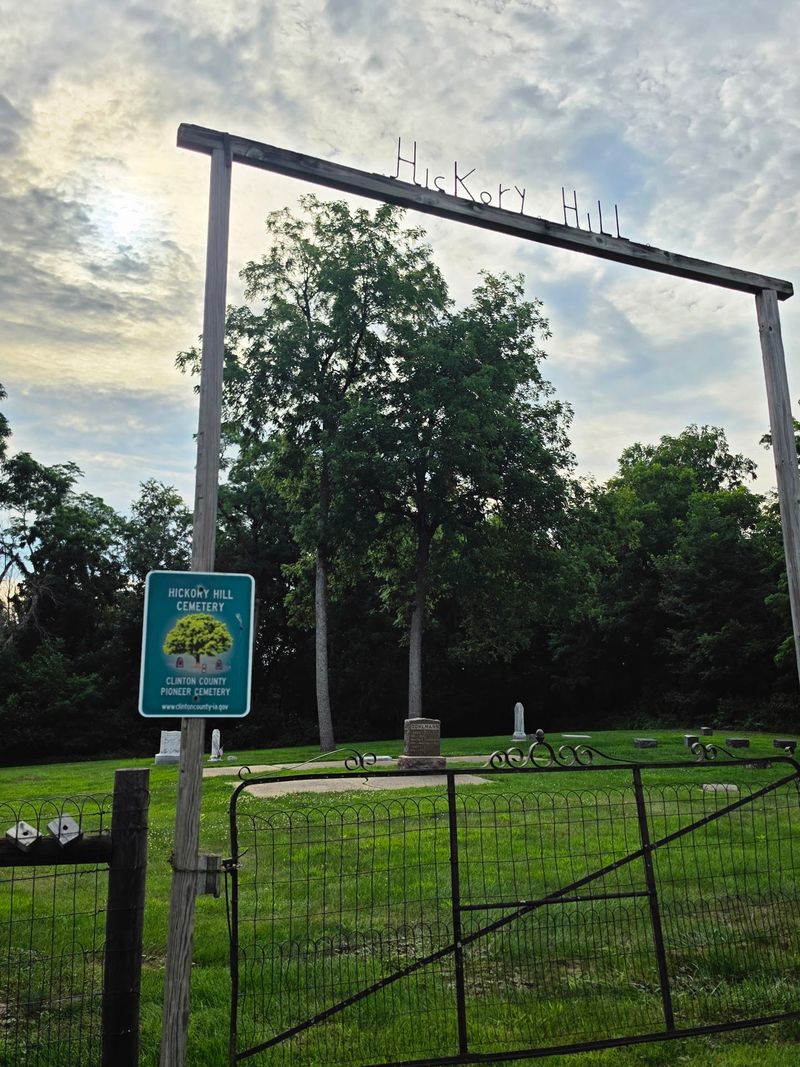
Way out in the farm country near Charlotte, Hickory Hill Cemetery at 1450 340th Avenue rests among fields that stretch toward the horizon.
Clinton County also lists the burial ground under its older name, Gohlman Cemetery.
The most familiar local legend involves the apparition of a young girl who reportedly appears to visitors and points toward the cemetery gates, almost as though she is telling them that it is time to leave.
Other accounts mention the sound of babies crying when no obvious source can be found. Those stories have circulated for years and form the core of Hickory Hill’s paranormal reputation.
The remote surroundings and limited development nearby give the property a naturally isolated atmosphere, especially when the roads are quiet.
Visitors should remember that this is a real cemetery maintained as a burial ground, not a staged attraction. Respect the markers, avoid touching monuments, and follow any posted access rules.
Should you make the drive, daylight is the best choice. The combination of open farm country and Hickory Hill’s established young-girl legend already supplies more than enough eerie atmosphere.
9. Mount Hope Cemetery, Madrid
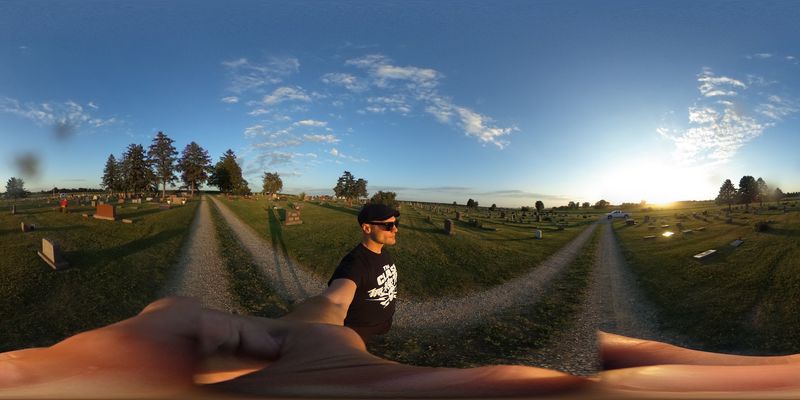
Set south of Madrid, Mount Hope Cemetery has served the surrounding community since the late nineteenth century and keeps a relatively low profile until its most famous local legend enters the conversation.
The cemetery is commonly associated with the story of a young girl named Sara, reportedly buried near the rear of the grounds alongside four of her siblings.
According to the legend, Sara follows visitors and asks about someone named Ree. Some people have also reported feeling a tug on their clothing when they do not respond.
The story has circulated widely enough to make Mount Hope a recurring entry on lists of Iowa’s reputedly haunted cemeteries, although paranormal claims remain folklore rather than established fact.
Current cemetery-specific sources identify the property simply as Mount Hope Cemetery in Madrid rather than reliably confirming 2389 S Avenue as its street address, so that address should not be used in the article.
If you want to see the cemetery for yourself, choose a respectful daytime visit and follow any posted rules. The Sara story is the legend that actually gives Mount Hope its spooky reputation.