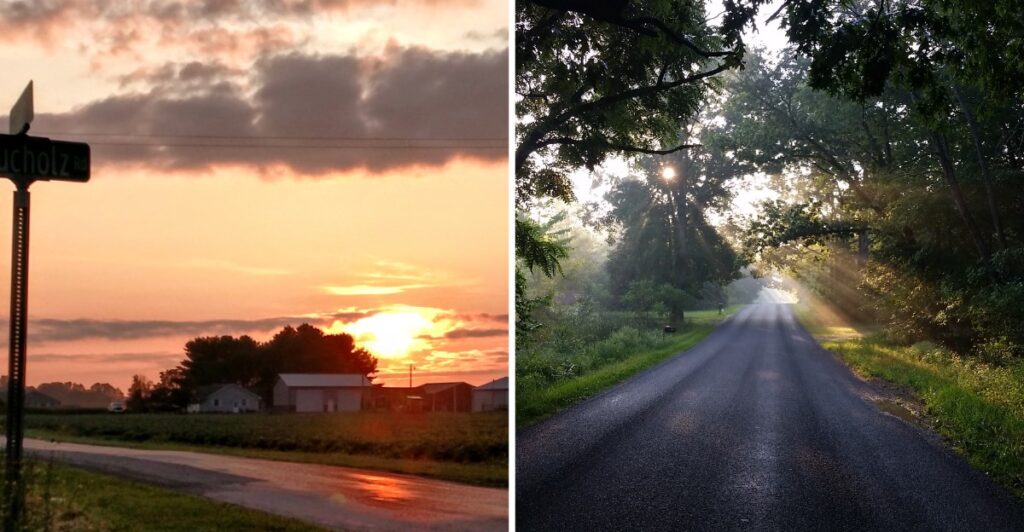
You know the moment.
The road gets darker, the trees crowd in, and somebody in the car says, “Wait, isn’t there a story about this place?”
Great.
Now nobody is relaxed.
That is how road folklore gets you.
A strange light becomes a legend. A knock near an old bridge gets repeated for years. One driver mentions a figure beside the road, and suddenly everybody knows somebody who knows somebody.
Michigan has plenty of back roads carrying stories like these.
They are folklore, not proof of anything paranormal.
The roads themselves are real, though, and so are the places tied to the tales.
If you explore them, stay on public roads and respect private property.
Then enjoy the spooky part.
And if a branch taps the car at exactly the wrong moment?
Well, the forest has excellent timing.
1. Morrow Road
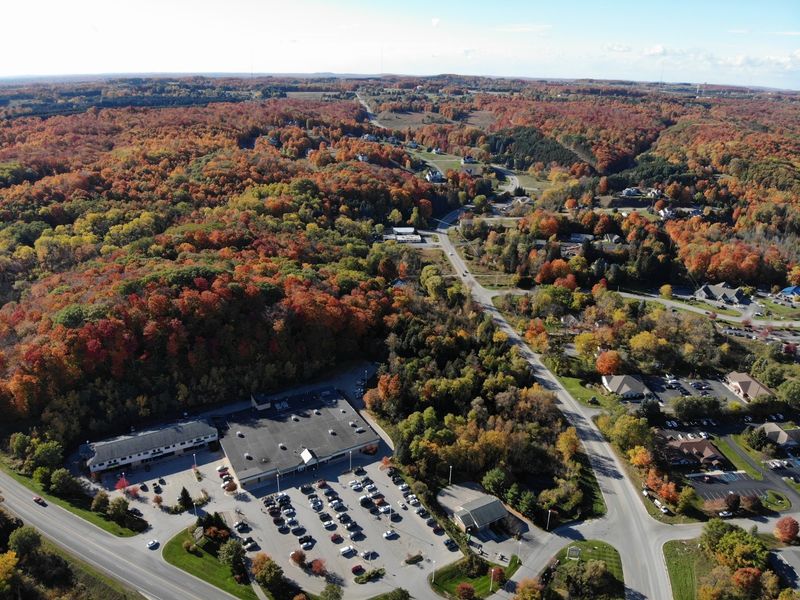
A quiet rural road does not need much help from folklore. Give it a story about a wandering figure searching for someone, and suddenly every tree line starts getting extra attention.
The long-running legend centers on a mother searching for a missing child. Different retellings change the details, which is common with stories passed from person to person. Some versions add strange lights, distant crying, or a pale figure beside the road.
What stays consistent is the idea of someone still searching after everyone else has gone home.
Morrow Road runs through Clay and Cottrellville townships in St. Clair County, near Algonac and Marine City.
The road stretches for roughly two and a half miles, and older accounts describe it as a largely dirt route before portions were paved and more homes appeared nearby.
No historical record has established the events behind the tale, so the story remains part of local folklore rather than documented history.
A daytime drive shows a straightforward country road bordered by fields, trees, and homes. After sunset, those same surroundings naturally feel more isolated.
Keep moving normally if you visit. There is no need to stop, honk, or test any part of the legend. The road passes private property, and the people living there deserve a quiet night more than visitors need a dramatic story.
Address: Morrow Road, Clay and Cottrellville Townships, MI.
2. Denton Road
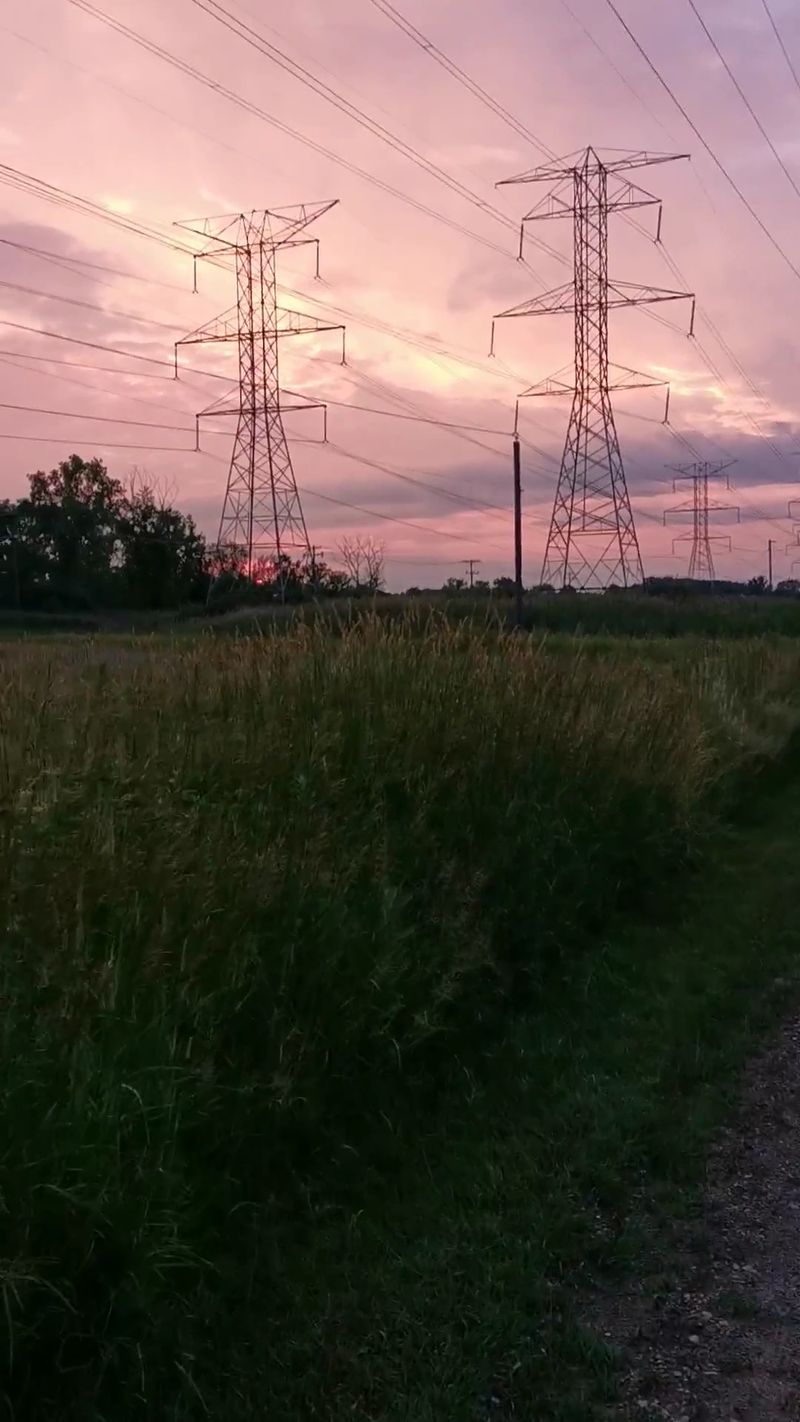
The Blue Lady is the name most often attached to this stretch of folklore, but even the location itself has picked up a little confusion over the years.
The central image is simple. Drivers have told stories about a woman surrounded by a bluish glow, along with unexplained lights and distant sounds near the road. Reports differ considerably, which is part of what keeps the legend from settling into one tidy version.
Think of this one less as a single ghost story and more as a collection of roadside rumors that gradually became attached to the same place.
The version most commonly tied to Denton Road places the legend in Canton Township, north of the Willow Run Airport area. Some later retellings shifted the bridge toward Belleville, which helped create two similar location descriptions for essentially the same story.
The road itself is no themed attraction. It is an active route used by residents and everyday traffic, so the safest way to experience the setting is exactly the same way you would drive any unfamiliar road.
Keep your attention on the pavement, follow the speed limit, and avoid stopping near a bridge or shoulder without a legal place to pull over.
After dark, headlights reflecting off roadside trees and nearby water can do plenty of atmospheric work without any paranormal assistance.
Sometimes folklore only needs one unusual color and a dark road to keep a story alive.
Address: Denton Road, Canton Township, MI.
3. Dice Road
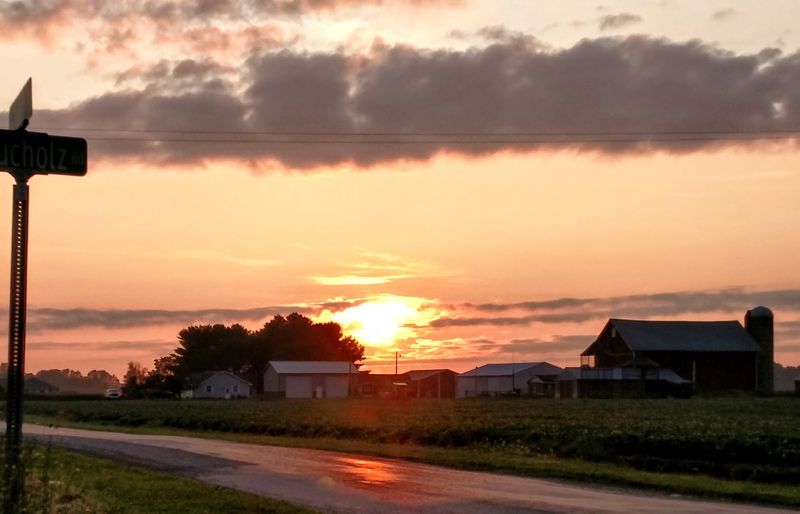
A cemetery beside a rural road gives the imagination plenty to work with before anybody adds a legend.
Stories tied to the cemetery often mention a young woman named Anna and a figure supposedly seen around the grounds. The more elaborate versions give her a long personal history, but those details belong to folklore rather than established biography.
For a visitor, the real setting provides enough atmosphere on its own. Old headstones, open farmland, woods, and a quiet country road create the kind of landscape where a small light in the distance can become a much bigger story by the time everyone gets home.
Dice Road runs through Saginaw County, and the stretch associated with its folklore includes Dice Road Cemetery, also known as Richland Lutheran Cemetery, near Hemlock.
The cemetery sits along Dice Road in Richland Township and has been part of local ghost-story traditions for years.
That distinction between local history and retold legend matters because repeated storytelling can make invented details sound historical surprisingly quickly.
Cemeteries also deserve a little more care than an ordinary roadside stop. Visit only when permitted, stay on established paths, and leave monuments exactly as you found them.
There is no need to chase shadows between headstones after dark. A respectful daytime look gives you the history, while the legend can stay exactly where it belongs: in the telling.
Address: Dice Road Cemetery, Dice Road, Richland Township, MI.
4. Seven Gables Road
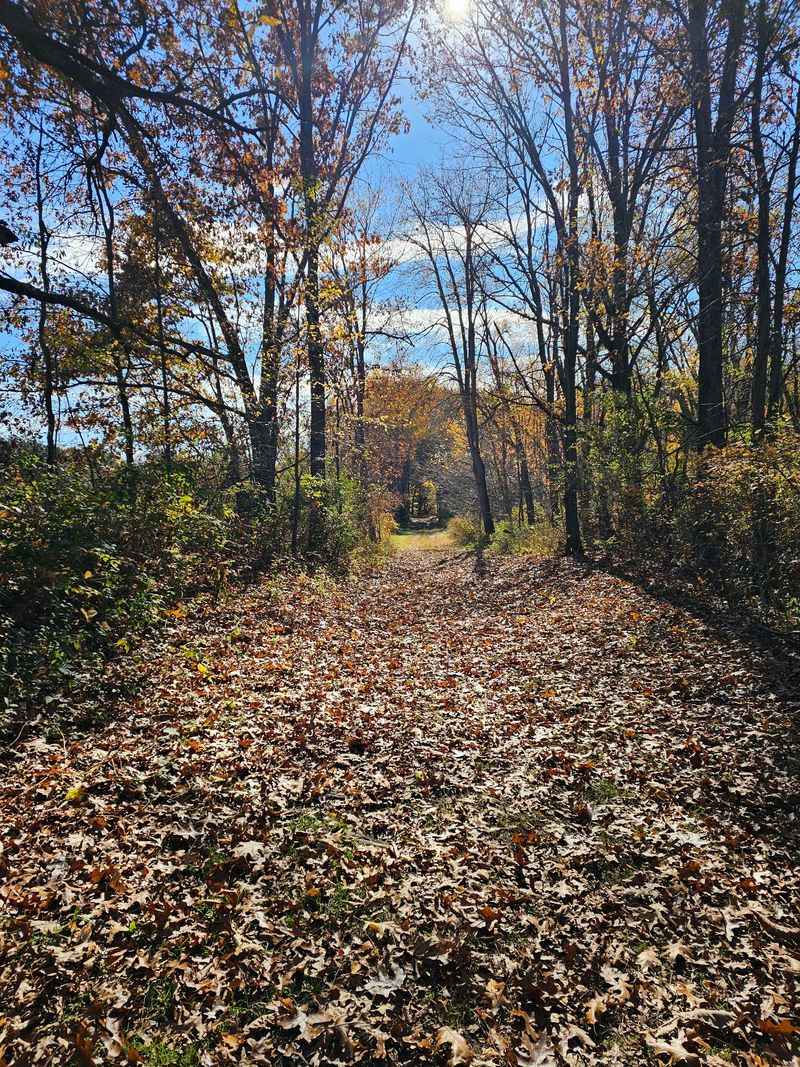
The name sounds as though it should lead to a grand old house. Instead, this part of Ingham County is associated with woods, a gate, and one of the better-known rural legends near Dansville.
Some versions focus on a woman said to have practiced witchcraft. Others add unexplained sounds, figures among the trees, or rules about what someone supposedly should or should not do near an old gate.
Skip the rules. They belong to the legend, not to a visitor checklist.
The practical rules matter much more because the surrounding state game area is used for outdoor recreation and seasonal hunting.
If you are exploring public land nearby, check current regulations, know where public access begins and ends, and dress appropriately during hunting seasons.
Seven Gables Road borders the Dansville State Game Area in Ingham County and ends near East Dexter Trail. Stories about the road have long been tied to an old property and a supposed curse, though no reliable evidence confirms the supernatural backstory.
The road feels different in daylight, when wetlands, woods, and wildlife turn the area back into ordinary Michigan countryside.
After dark, the tree line closes in visually, and every sound travels a little differently.
That contrast is probably more effective than anything a storyteller could invent.
Address: Seven Gables Road, Dansville, MI.
5. Blood Road
The name alone gives this Metamora Township road a head start in the atmosphere department.
Its reddish appearance after wet weather has helped generate plenty of imaginative explanations. A much simpler possibility is the local mix of clay and minerals in the road surface and surrounding soil.
Folklore, naturally, prefers something more mysterious.
Over time, stories have added shadowy figures, strange gatherings in the woods, unexplained headlights, and branches appearing across the roadway.
None of those tales has a documented historical basis, but the combination of the road’s name, color, and setting has kept them alive.
Blood Road is a real Lapeer County road and part of the county’s Natural Beauty Road system. It runs from Metamora Road to Brocker Road for about 1.64 miles, winding through a rural landscape south of Metamora.
The landscape does not need much embellishment anyway. Woods, wetlands, and a narrow rural road can feel completely different once daylight starts fading.
Drive it as a country road rather than a challenge. Conditions can change with weather, and rural shoulders are not invitations to park wherever the mood strikes.
Your biggest decision should be whether the road looks more interesting in the fading light or on a wet autumn afternoon.
Address: Blood Road, Metamora Township, MI.
6. 28th Avenue
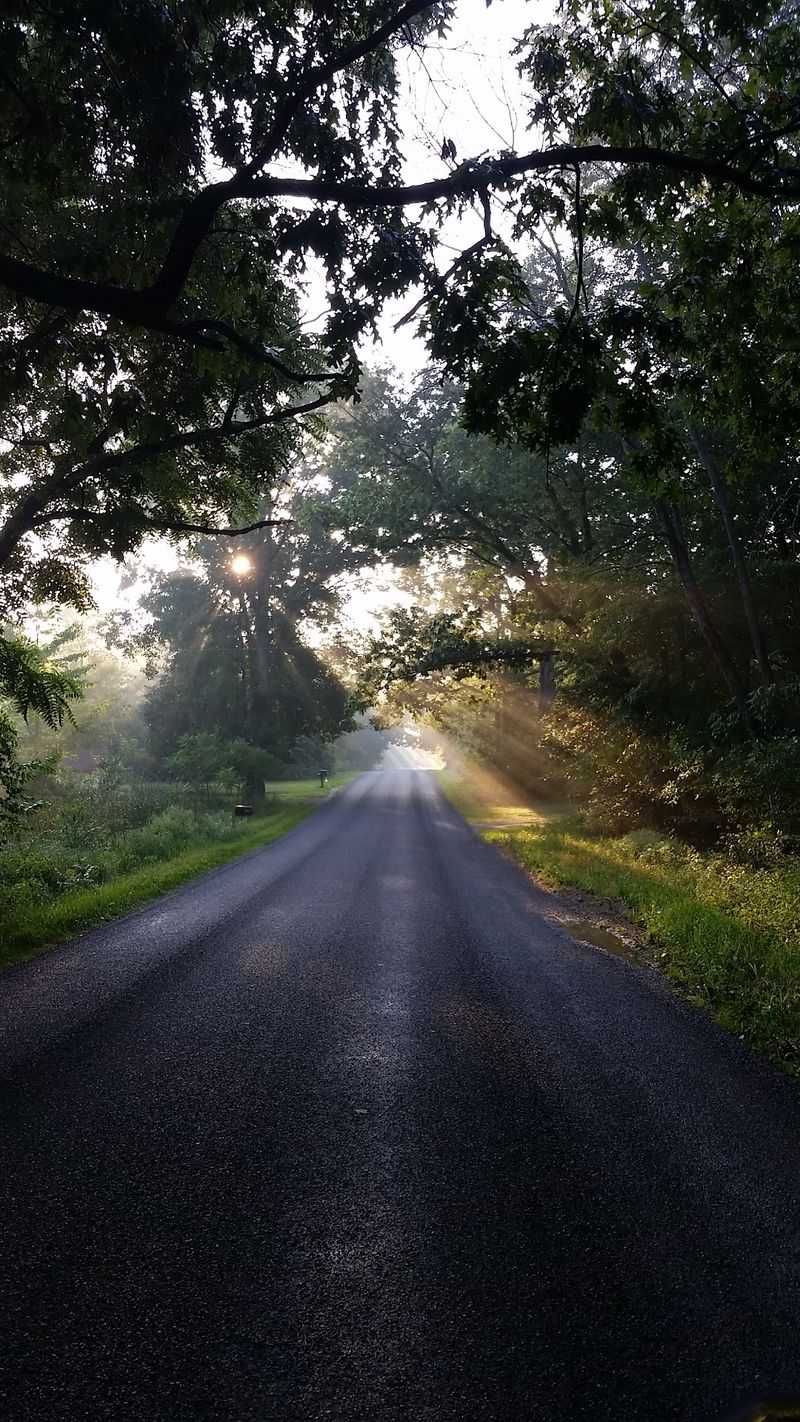
Some Michigan road legends become better known by a nickname than by the actual street sign.
The original backstory behind that nickname is harsh and unsupported, so the road itself is the more interesting part of the legend.
Drivers have passed along stories about odd lights, vehicles behaving strangely, whistles from the woods, shadowy shapes, and the uneasy feeling of being followed. Those claims remain part of local folklore rather than documented events.
That is how a regular rural road can build a reputation. A nickname takes hold. The nickname attracts a story.
The story gains another detail every time a friend tells a friend what happened during a late-night drive.
A mostly rural portion of 28th Avenue near Gobles has long circulated under that darker nickname. The stretch most often associated with the story runs between M-40 and 9th Street in Van Buren County and crosses Campbell Creek.
You do not need to recreate any of the legend to experience the road.
Travel normally, watch for changing surfaces and wildlife, and avoid pulling onto private property. Rural roads can be genuinely challenging after dark for reasons that have nothing to do with ghosts.
The legend can ride along without taking over the steering wheel.
Address: 28th Avenue between M-40 and 9th Street, near Gobles, MI.
7. Henry Ruff Road
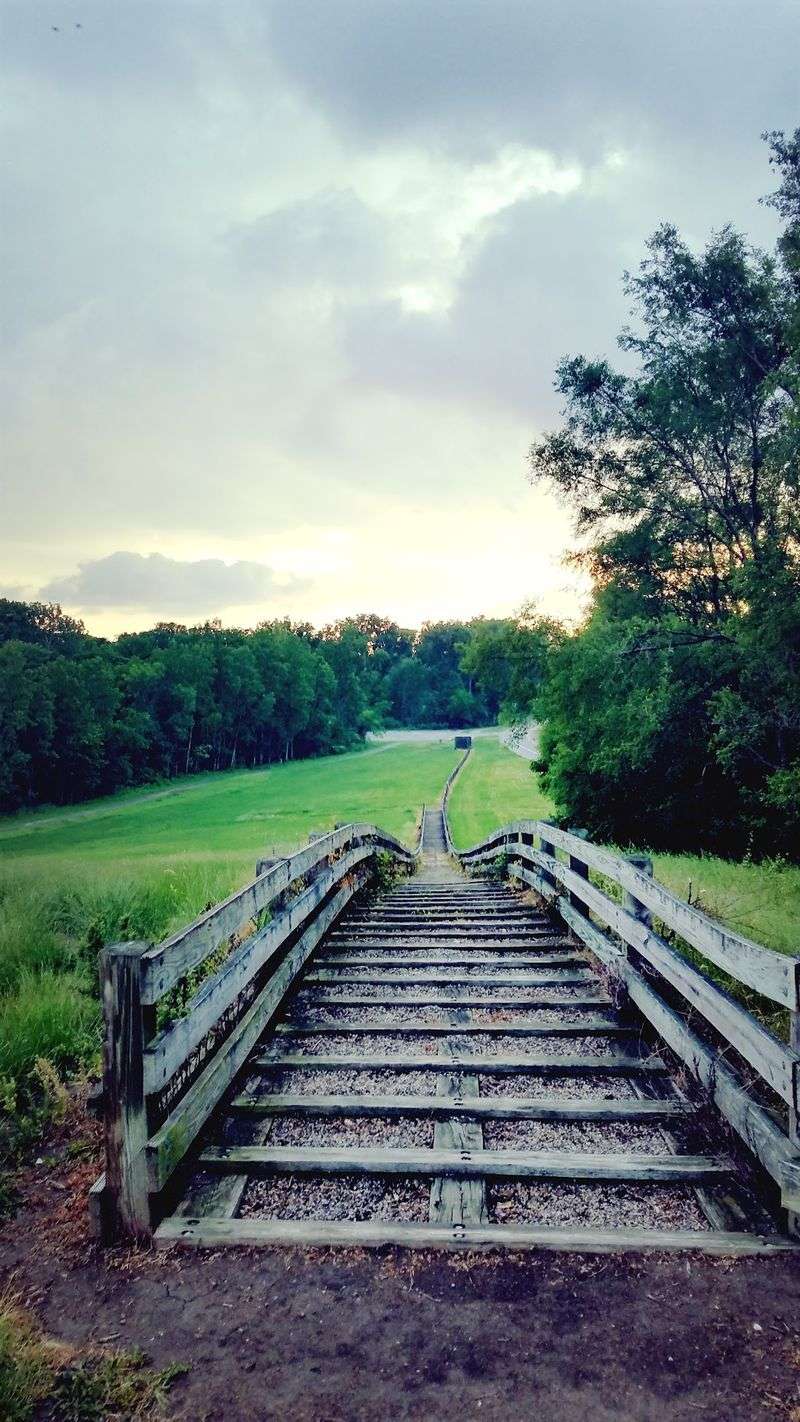
Sometimes the history behind a location is more interesting than the spooky reputation layered onto it later.
William Ganong Cemetery sits along Henry Ruff Road in Westland. The land was set aside by William Ganong in 1832, five years before Michigan became a state, and the cemetery holds graves connected to generations of local families.
That age naturally helped the cemetery become linked with ghost stories. Over the years, visitors and paranormal enthusiasts have passed along claims about figures near the grounds or unusual sights along the road.
Those reports remain stories, while the cemetery’s early nineteenth-century history is the part you can actually document.
That difference gives this stop a slightly different mood from the rural legends elsewhere on the list. You are not simply driving past a mysterious stretch of woods. You are passing a historic burial ground that reflects the area’s early settlement period.
A daytime visit makes far more sense if you want to appreciate the site. Older monuments can be fragile, and the cemetery should be treated as a historic place rather than a prop for a nighttime challenge.
Read names, notice dates, and let the age of the site provide the atmosphere.
By the time Henry Ruff Road appears again in conversation, the setting has already done most of the work. Nearly two centuries of local history give the area enough to think about without adding anything more dramatic.
Address: William Ganong Cemetery, 3036 Henry Ruff Road, Westland, MI 48185.
8. Wilder Road
Michigan is far from the only state with a so-called Crybaby Bridge, and the basic story follows a familiar American pattern.
Late-night visitors supposedly hear a child crying near the water or glimpse a woman close to a bridge. Similar legends appear around the country, often with details changing from town to town.
For the actual drive, ordinary road rules matter more than the story. Narrow bridges, traffic, and limited shoulders leave little room for stopping safely.
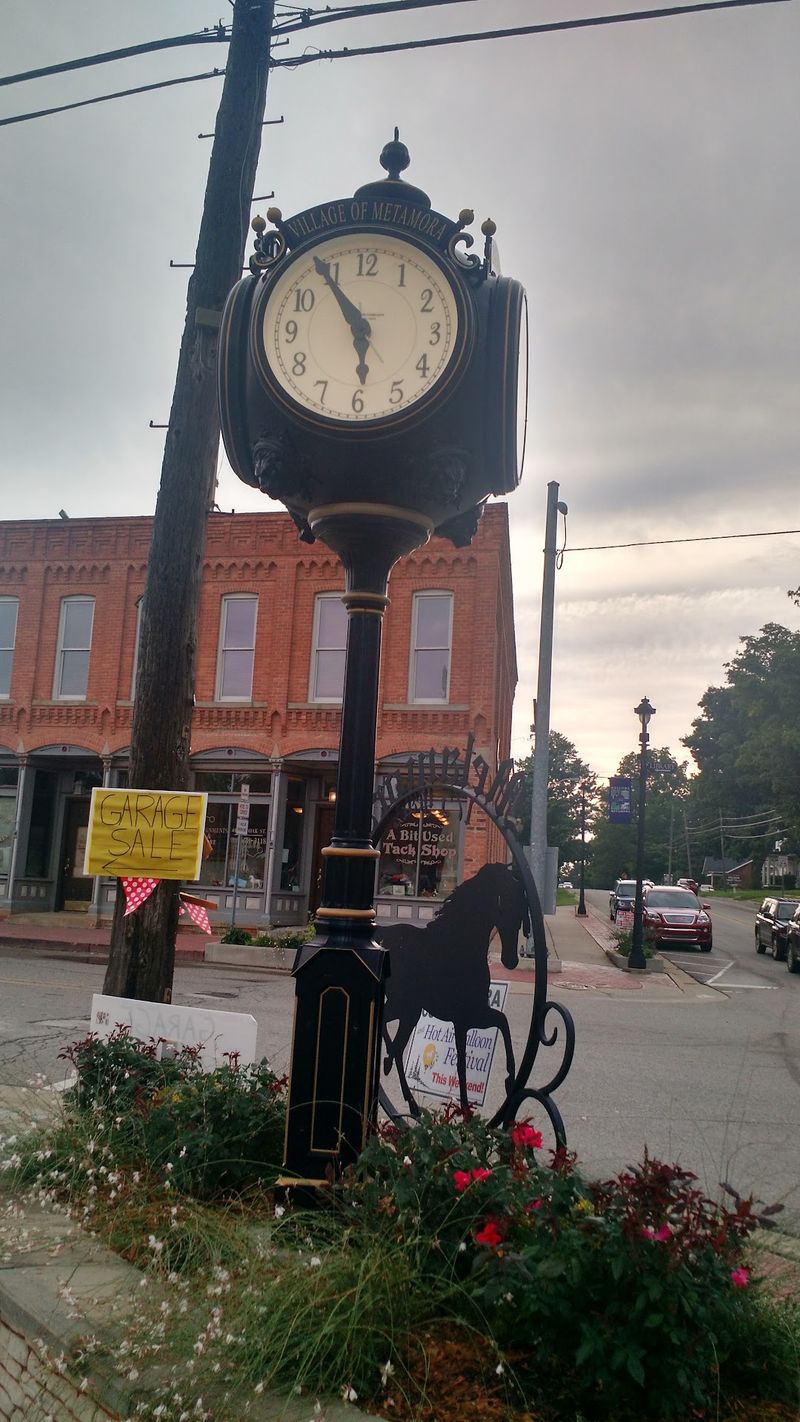
The Wilder Road version near Metamora has held onto its place in local folklore for years. The bridge carries Wilder Road over the South Branch Flint River in Lapeer County.
The current structure dates to 1938 and was rehabilitated in 1959, giving the location a documented history separate from the tales attached to it.
A daytime pass gives you a better look at the structure itself and the river beneath it. After dark, moving water, frogs, owls, foxes, and other nighttime sounds can produce a soundtrack that needs very little help from folklore.
There is no reason to stop on the bridge to listen for anything.
Let the story make the ride interesting without making the driving interesting.
Address: Wilder Road Bridge, Metamora Township, MI.
9. Honey Creek Road
West Michigan has one ghost legend that refuses to stay attached to just one point on the map.
The Ada Witch tradition stretches across rural roads, fields, cemetery edges, and wooded areas around Ada Township. The image that survives is simple: a pale woman supposedly seen near quiet roads after dark.
Published versions have circulated for decades, but historical research has not found records supporting the dramatic nineteenth-century backstory commonly attached to the story.
That is enough for folklore to do its job.
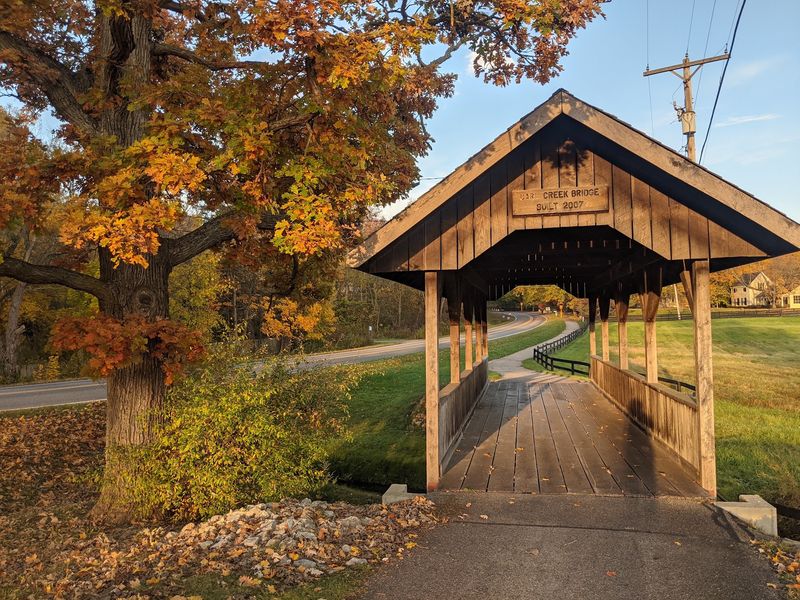
Nearby public spaces give daytime visitors legitimate places to enjoy the landscape without wandering onto residential property. Wooded stretches, fields, and winding country roads already create plenty of autumn atmosphere before any ghost story enters the conversation.
Honey Creek Road is one of the places most strongly associated with the Ada Witch tradition, along with nearby Findlay Cemetery, Egypt Valley Avenue, and surrounding parts of Ada Township.
If you are following the legend, resist the temptation to treat the cemetery or neighboring homes like attractions. The story has already caused real gravesites to become tangled in folklore despite the lack of evidence connecting specific people to it.
Keep the tale broad and the visit respectful.
A late-afternoon drive works nicely because the landscape changes character as the sun drops behind the trees. By the time headlights become necessary, the story has plenty of atmosphere without anybody needing to go looking for its main character.
Address: Honey Creek Road, Ada Township, MI.